
Pink Flowering Almond Tree Live Plant – Quart Pot Shrub for Spring Blooming
Original price was: $39.91.$24.91Current price is: $24.91.
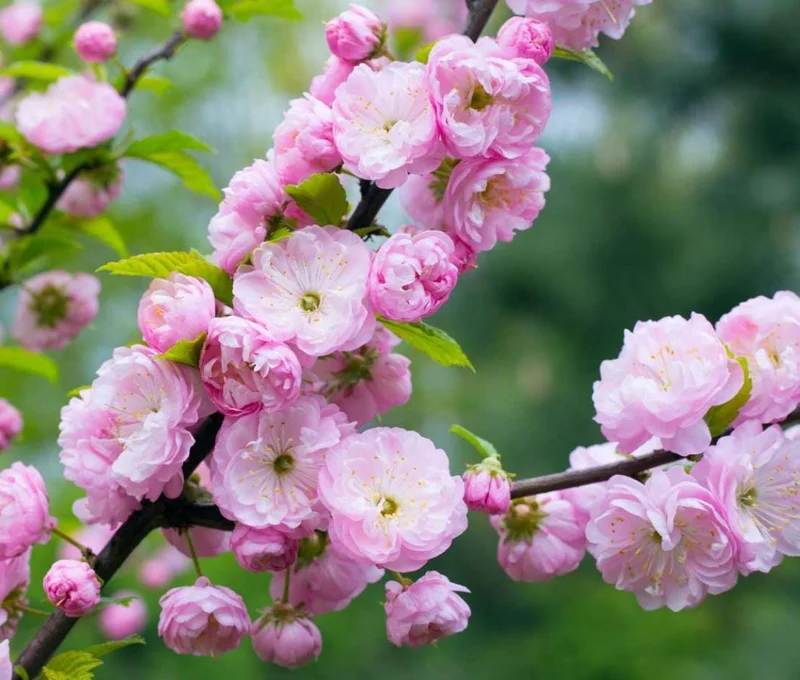
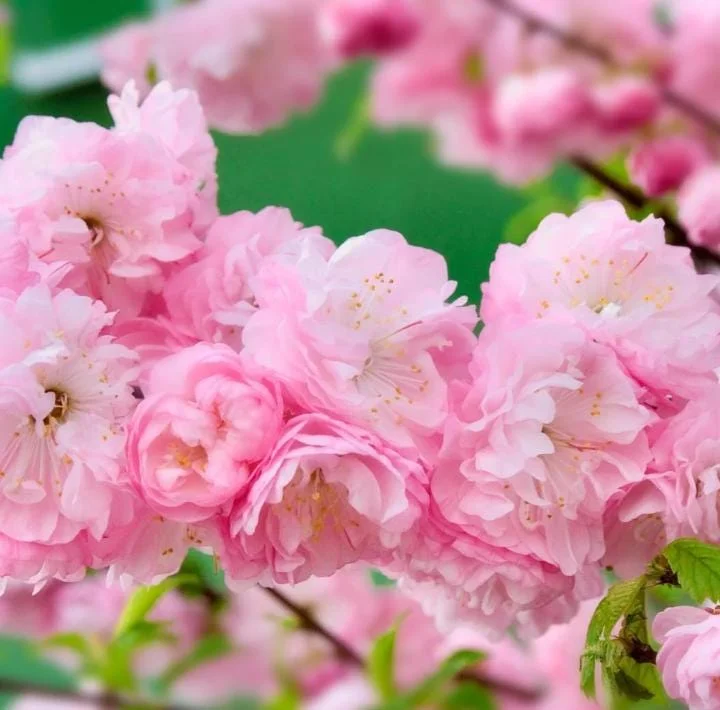
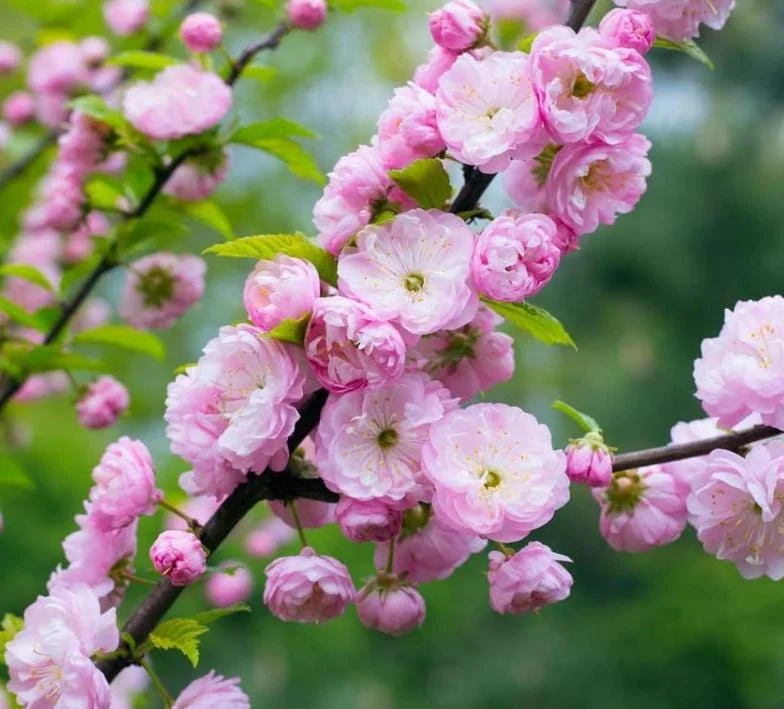
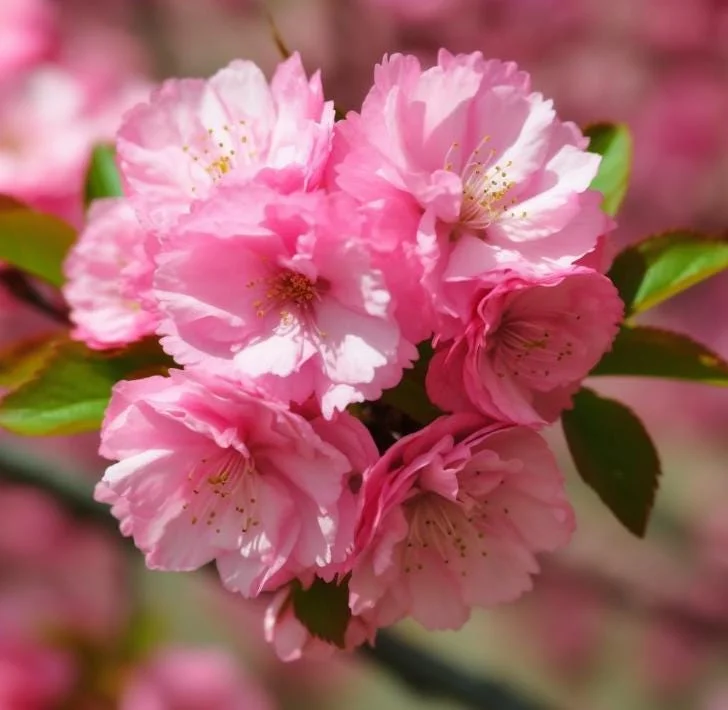
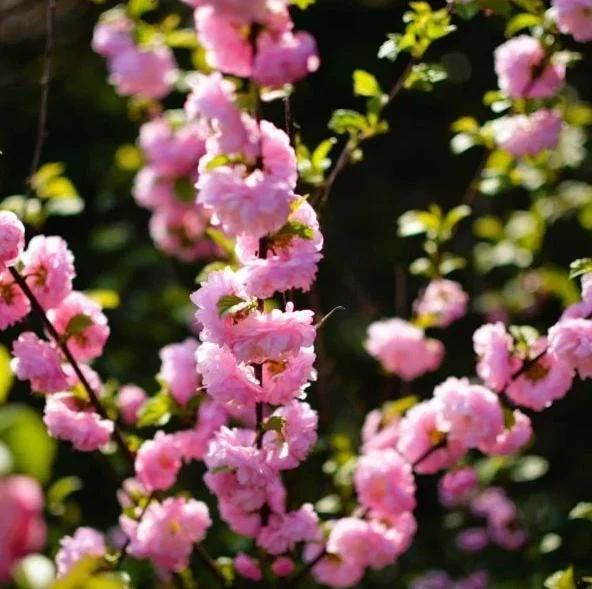
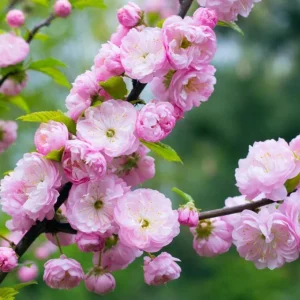
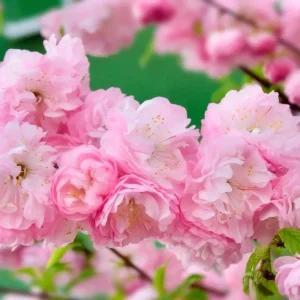
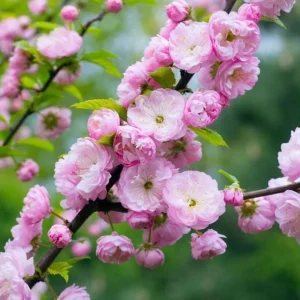
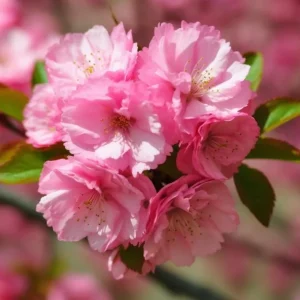
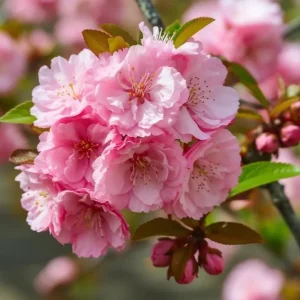
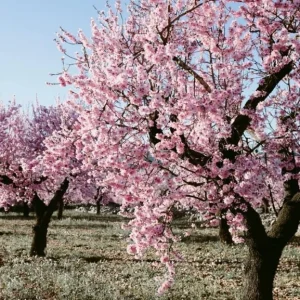
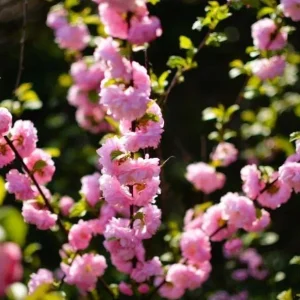
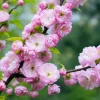
Cultivate a stunning display with the pink flowering almond tree, a compact shrub delivering vibrant double pink blossoms in early spring. This flowering almond bush arrives as a live plant in a quart pot, ready to transform your landscape with its low-maintenance beauty. Ideal for borders or small gardens.
Estimated arrival
Apr 04
Apr 09 - Apr 11
Apr 14 - Apr 18

Reasonable Price
We offer reasonable price

Support 24/7
Contact us 24 hrs a day

100% Money Back
You've 30 days to Return

Payment Secure
100% secure payment
Overview
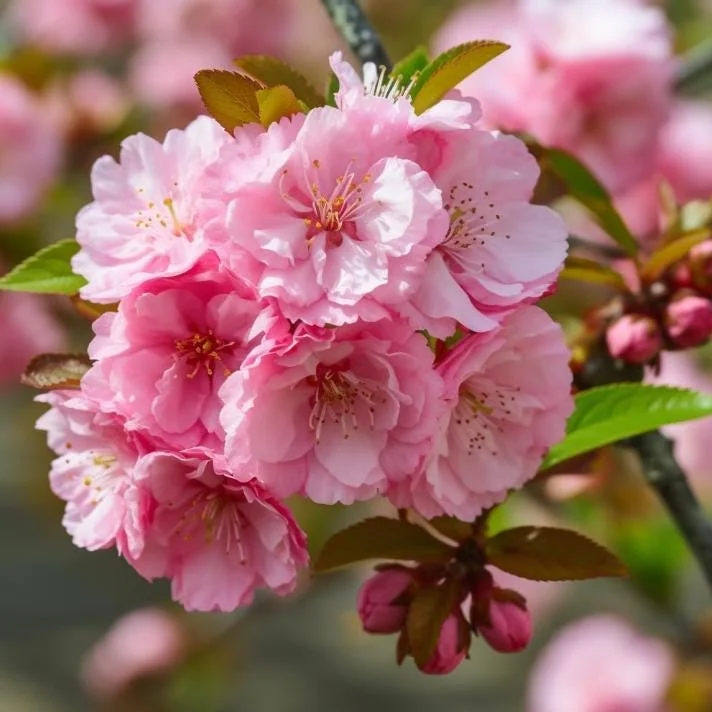
Introduce breathtaking beauty to your garden with the pink flowering almond tree, a captivating and hardy live plant. This ornamental shrub, scientifically known as Prunus glandulosa ‘Rosea Plena’, is celebrated for its spectacular double pink blossoms that emerge in early to mid-spring, often before many other plants begin to flower. This creates a dazzling focal point, signaling the arrival of warmer weather and bringing a vibrant burst of color to your landscape. Our pink flowering almond tree comes as an 8-month-old live plant, dormant and ready for spring planting, ensuring it establishes well and thrives in its new environment. Its compact size and rounded shape make it a versatile choice for various garden designs.
The pink flowering almond tree is a deciduous shrub, meaning it sheds its leaves in the fall and remains dormant through winter, conserving energy to produce an even more impressive floral display come spring. This natural cycle is crucial for its health and vigorous growth. Once established, this plant requires minimal attention, making it an excellent option for both experienced gardeners and those new to cultivating flowering shrubs. Its exceptional hardiness and adaptability to different growing conditions further enhance its appeal as a reliable and rewarding addition to any garden setting.
Key Benefits
The pink flowering almond tree offers a multitude of benefits, making it a highly desirable plant for any garden. Its early and abundant blooms are just one of the many reasons to welcome this shrub into your outdoor space.
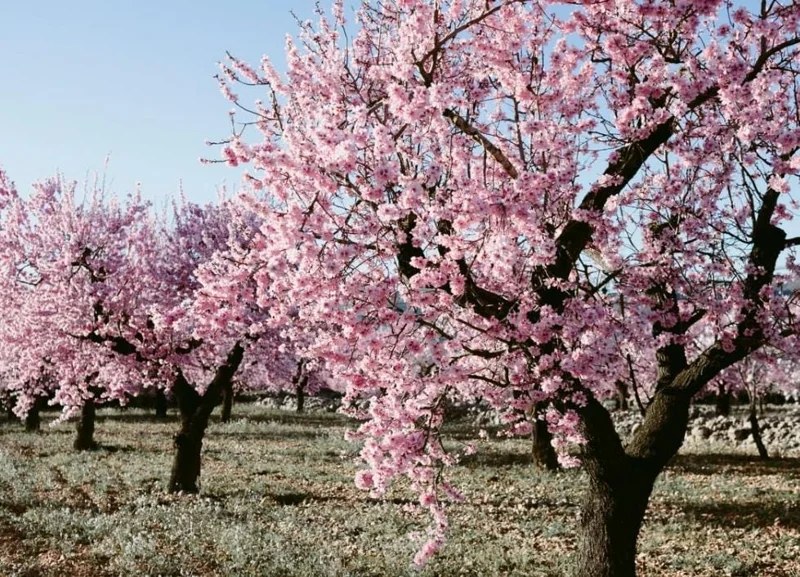
- Spectacular Early Spring Blooms: Enjoy a magnificent show of double pink flowers that arrive in early to mid-spring, often before other plants, providing much-needed color after winter. This makes the pink flowering almond tree a true harbinger of spring.
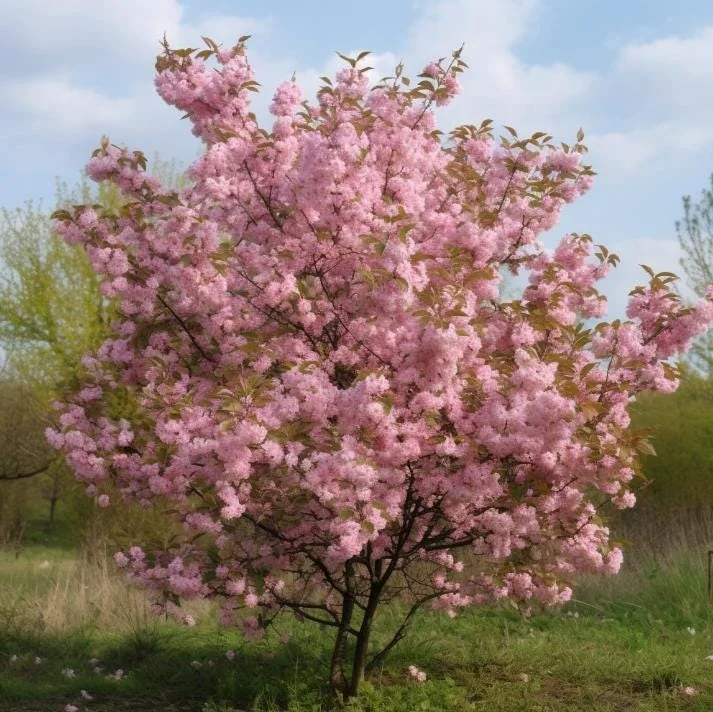
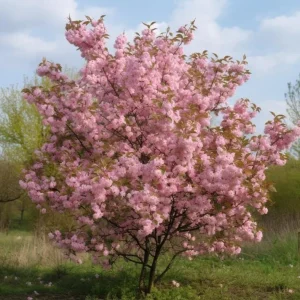
- Compact & Versatile Size: Reaching a mature height of 4-5 feet with a rounded shape, this shrub is perfect for borders, foundation plantings, small landscapes, or even container gardening.
- Low Maintenance & Hardy: Thrives with minimal care in USDA Zones 4-8, making it suitable for a wide range of climates. It’s a robust plant that can withstand various conditions.
- Attracts Pollinators: While specific details vary, early spring blooms can provide a vital nectar source for early emerging bees and other pollinators, contributing to garden biodiversity.
- Exceptional Ornamental Value: Beyond its flowers, the elegant form and bright green foliage provide year-round interest, though its peak ornamental appeal is undoubtedly its spring bloom.
- Disease & Pest Resistance: Generally a healthy plant, the flowering almond bush exhibits good resistance to common diseases and pests, further reducing maintenance efforts.
- Drought Tolerance Once Established: After its initial establishment period, this tree shows good tolerance to drier conditions, making it an eco-friendly choice for water-wise gardening.
Plant Care & Growing Tips
Caring for your pink flowering almond tree is straightforward, ensuring years of beautiful blooms. This hardy shrub is forgiving, but providing optimal conditions will lead to the most spectacular results. For successful growth, understanding its specific needs for sunlight, water, and soil is crucial.
For sunlight, the pink flowering almond tree prefers full sun to partial shade. Full sun, meaning at least 6 hours of direct sunlight per day, will promote the most abundant flowering. In hotter climates, a location with some afternoon shade can help protect the plant from intense heat. Ensure proper air circulation to prevent fungal issues. When it comes to watering, maintain consistently moist soil, especially during the first growing season. Once established, it becomes more drought-tolerant but will benefit from regular watering during prolonged dry spells. The key is well-drained soil; avoid waterlogged conditions, which can lead to root rot. A good way to check is to feel the top inch or two of soil; if it feels dry, it’s time to water.
The ideal soil type for your pink flowering almond tree is well-drained loamy soil, rich in organic matter. While adaptable to various soil types, good drainage is paramount. You can improve heavy clay soils by amending them with compost or other organic materials. This plant is hardy in USDA Zones 4-8, indicating its excellent cold tolerance. Fertilization can be done in early spring with a balanced, slow-release fertilizer before new growth appears. Pruning is best done after flowering to shape the plant and remove any dead or crossing branches. This also encourages bushier growth and more blooms the following year. Being proactive with care will help you avoid common problems and ensure your prunus glandulosa thrives.
Size & Details
This pink flowering almond tree is provided as a live plant, approximately 8 months old, and shipped dormant in a quart-sized pot. At maturity, this compact ornamental shrub typically reaches a height of 4-5 feet with a similar spread, forming an attractive rounded shape. Its moderate growth rate allows it to establish well and begin producing its stunning double pink blossoms within a few years of planting. The dormant state ensures minimal transplant shock and allows the plant to focus its energy on root development once planted in the spring. Expect the first significant bloom display within 1-2 years after planting, transforming your garden into a vibrant showcase. This ornamental flowering tree is a perfect choice for adding structural interest and early spring color to various landscape designs.
Frequently Asked Questions
- Q: How big does this pink flowering almond tree get? A: This shrub typically grows to a mature height of 4-5 feet with a similar spread, forming a rounded, compact bush. Its manageable size makes it versatile for many garden settings.
- Q: Is this an indoor or outdoor plant? A: The pink flowering almond tree is an outdoor plant, hardy in USDA Zones 4-8. It requires outdoor conditions to thrive and complete its natural dormancy cycle.
- Q: How much sunlight does it need? A: This plant thrives in full sun to partial shade. For the most abundant blooms, aim for at least 6 hours of direct sunlight daily.
- Q: What condition will it arrive in? A: Your pink flowering almond tree will arrive as a live, dormant plant in a quart pot, ready for spring planting. Dormancy is natural for this shrub during colder months.
- Q: When is the best time to plant this flowering almond bush? A: The ideal time for planting is in the spring, after the last frost, allowing the plant to establish its root system before the heat of summer.
- Q: Is this plant easy to care for? A: Yes, the pink flowering almond tree is considered low-maintenance and hardy. It’s an excellent choice for gardeners of all experience levels once established.
- Q: Will it survive winter in my zone? A: This shrub is hardy in USDA Zones 4-8. If your zone falls within this range, it will typically survive winter and enter dormancy, returning with new growth and blooms in spring.
- Q: What type of soil does the prunus glandulosa prefer? A: It prefers well-drained loamy soil. While adaptable, ensuring good drainage is crucial for its health and preventing root issues.
- Q: How long until it blooms after planting? A: You can expect to see its beautiful double pink blossoms within 1-2 years after planting, with more abundant blooms as the plant matures.
- Q: Can I grow this ornamental flowering tree in a container? A: Yes, due to its compact size, it can be successfully grown in a large container with adequate drainage. Just ensure consistent watering as container plants tend to dry out faster.
Be the first to review “Pink Flowering Almond Tree Live Plant – Quart Pot Shrub for Spring Blooming”
-
USDA Hardiness Zone
USDA Zones 4-8 -
Soil Type
Well-draining loamy soil -
Sunlight Exposure
Full sun to partial shade -
Expected Planting Period
Spring
People Also Viewd


Sold 128 products
Original price was: $89.99.$64.99Current price is: $64.99.

Sold 128 products
Original price was: $27.00.$24.00Current price is: $24.00.

Sold 126 products
Original price was: $3,536.00.$23.99Current price is: $23.99.

Sold 125 products
Original price was: $86.99.$66.99Current price is: $66.99.
Sold 116 products
Original price was: $27.99.$16.99Current price is: $16.99.

Flower Bulbs
3 Cranesbill Wild Geranium Organic Maculatums Bare Roots | Wildflower for Outdoor Garden
Sold 114 products
Original price was: $21.99.$6.99Current price is: $6.99.

Sold 114 products
Original price was: $28.99.$17.99Current price is: $17.99.
Sold 109 products
Original price was: $63.99.$28.99Current price is: $28.99.RELATED posts
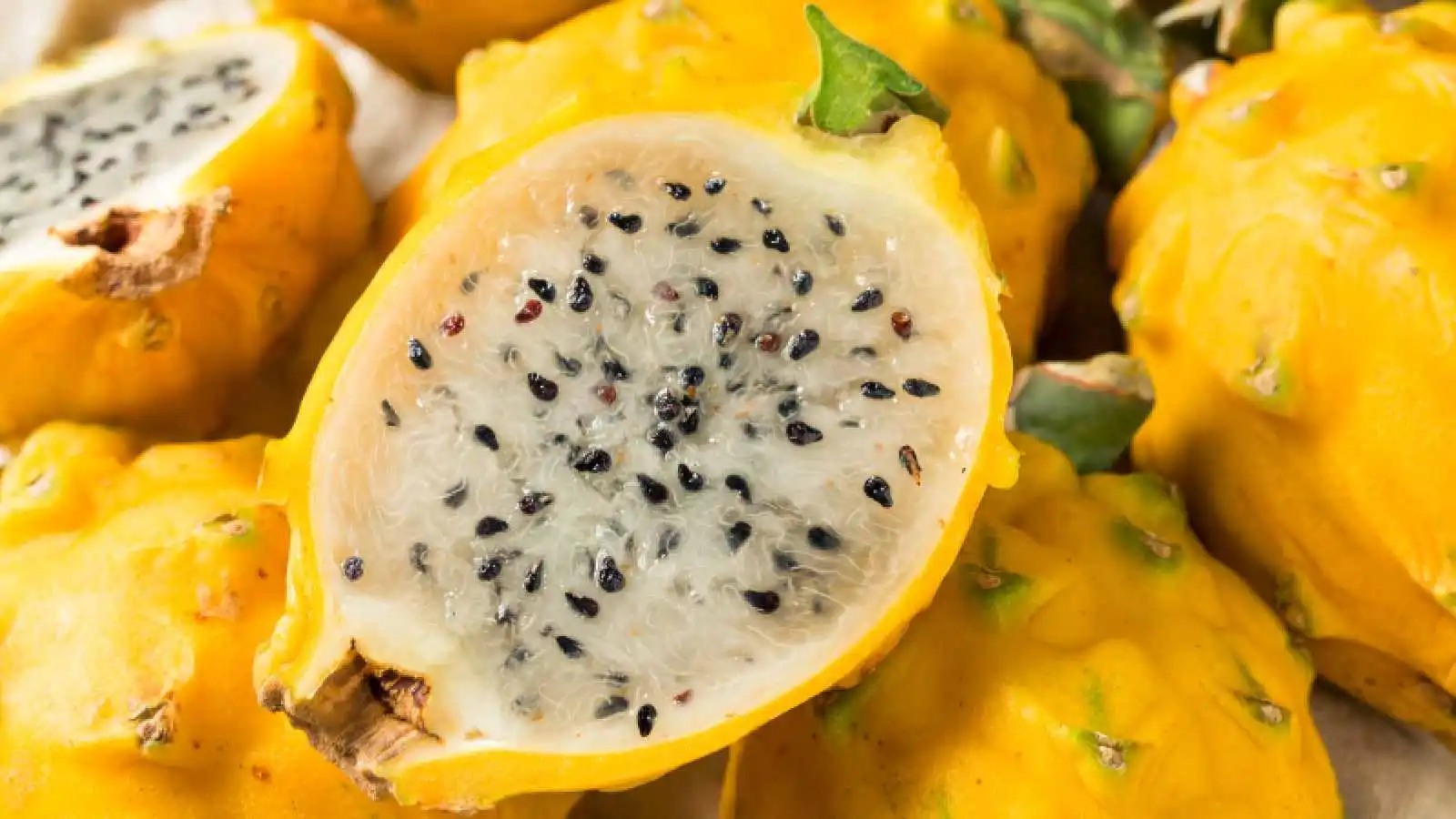
Yellow Dragon Fruit Plant Care: The Ultimate Guide for Healthy Growth
The yellow dragon fruit plant is a unique and rewarding addition to any home garden, [...]
Apr
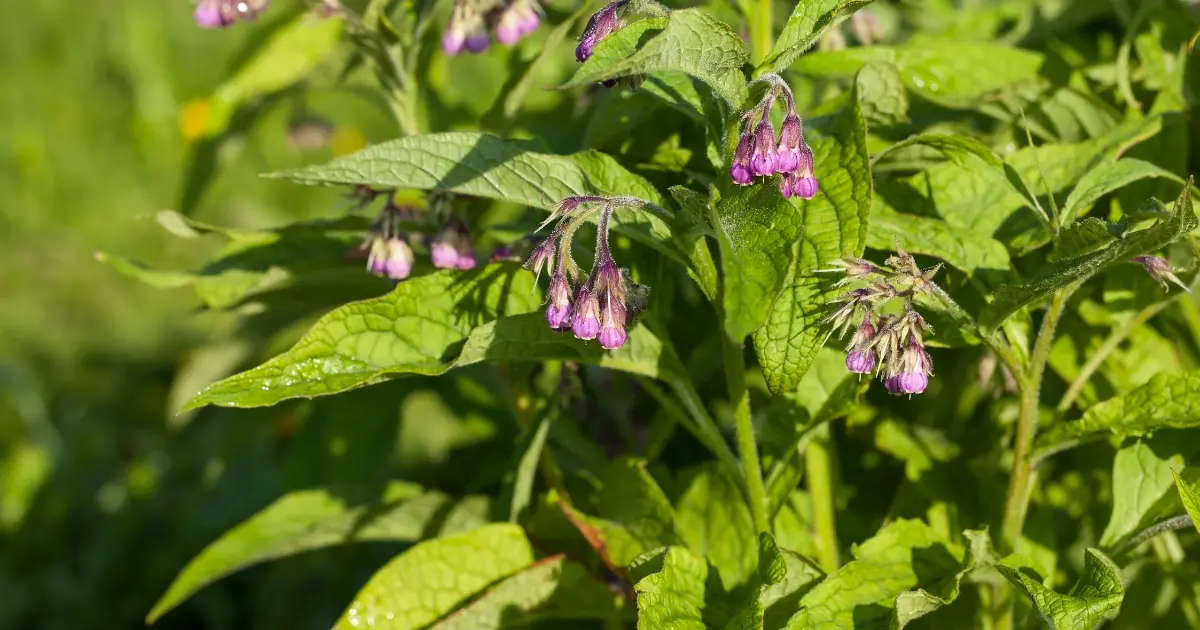
How to Identify Bocking 14 Comfrey: 5 Simple Visual Signs
If you’re growing comfrey for mulch, compost, or animal feed, knowing exactly which variety you [...]
Mar
Grand Duke of Tuscany Jasmine: The Ultimate Guide to Growing a Fragrant Masterpiece
Have you ever caught a scent in the air so rich, creamy, and honey-sweet that [...]
Mar
How to Grow Wild Huckleberries: A Guide to “Purple Gold”
Have you ever spent a summer afternoon hiking through the Pacific Northwest or the Rocky [...]
Mar
5 Best Shade-Loving Perennials for a Lush, Vibrant Garden
The world of gardening often shines a spotlight on sun-drenched blossoms, but there is a [...]
Mar
7 Common Curry Leaf Plant Problems: Easy Fixes for a Thriving Plant
Is your curry leaf plant looking a bit sad lately? Maybe you woke up to [...]
Mar
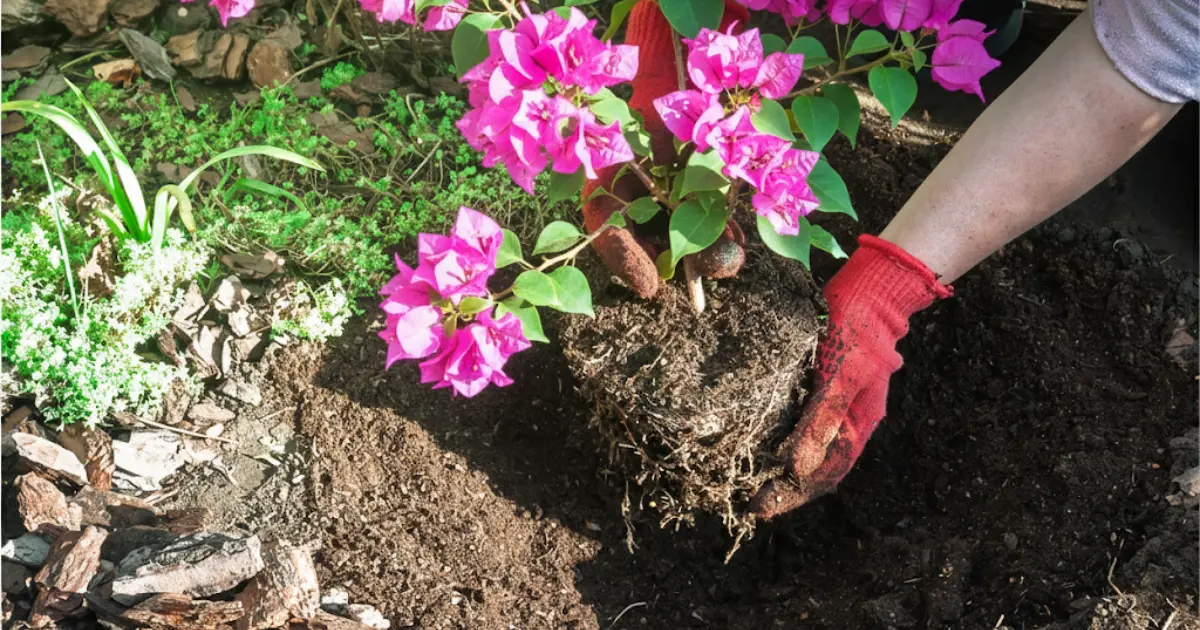
Best Time to Plant Bougainvillea: Timing for Vibrant Blooms
If you’re looking for a hardy tropical vine that delivers a riot of neon color, [...]
Feb
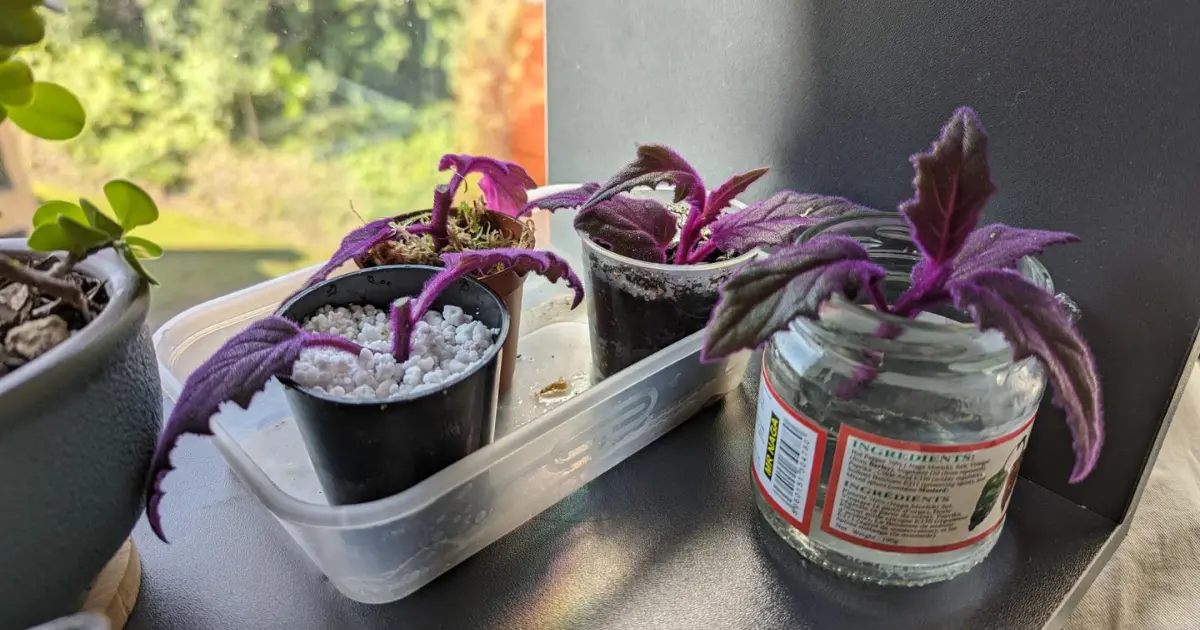
How to Propagate Purple Passion Plants (Gynura aurantiaca)
Have you ever been mesmerized by the neon-purple glow and fuzzy, velvet-like leaves of a [...]
Feb
Reviews
There are no reviews yet.