
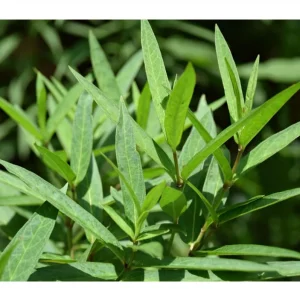
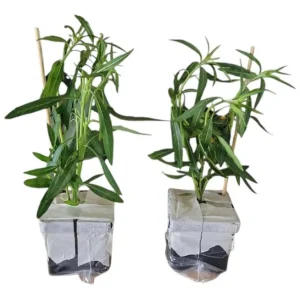
Pink Milkweed Live Starter Plants – 2 Pack, Asclepias Tuberosa, 4-9 Inch Tall, Outdoor
Original price was: $28.89.$18.89Current price is: $18.89.
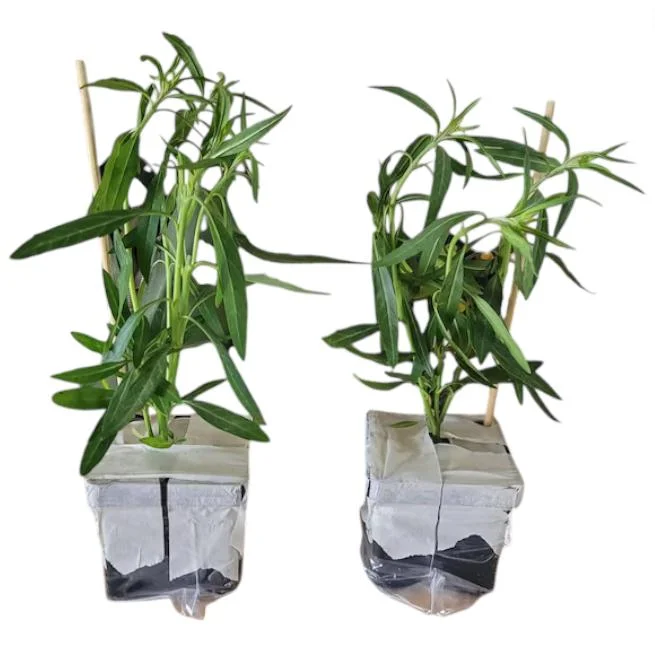
Add vibrant color and support pollinators with this pink milkweed live plant 2-pack. Each starter plant is 4-9 inches tall, ready for outdoor planting to attract butterflies and other beneficial insects to your garden.
Estimated arrival
Mar 30
Apr 04 - Apr 06
Apr 09 - Apr 13

Reasonable Price
We offer reasonable price

Support 24/7
Contact us 24 hrs a day

100% Money Back
You've 30 days to Return

Payment Secure
100% secure payment
Overview
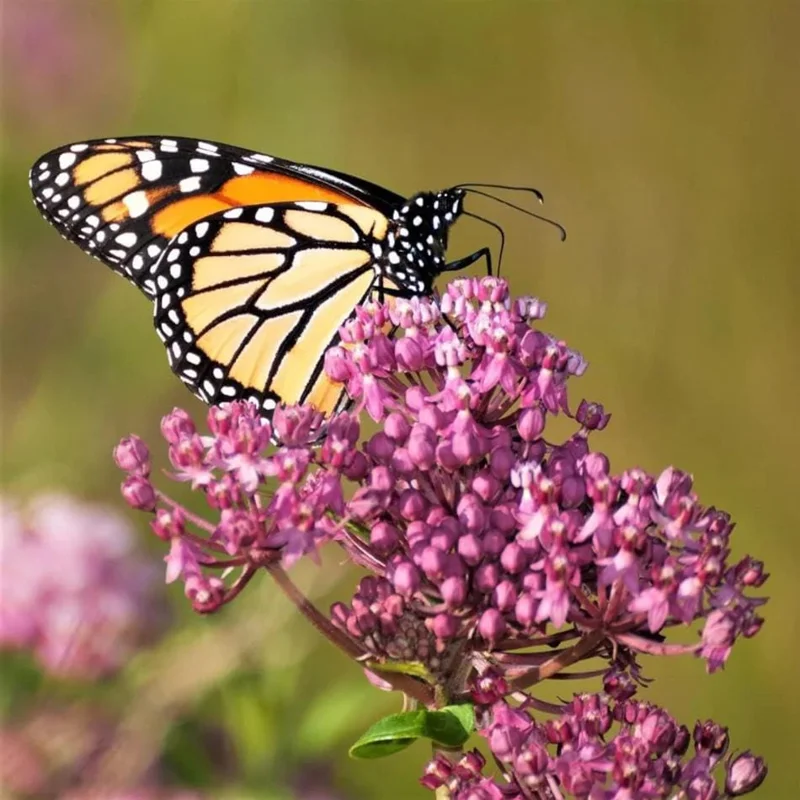
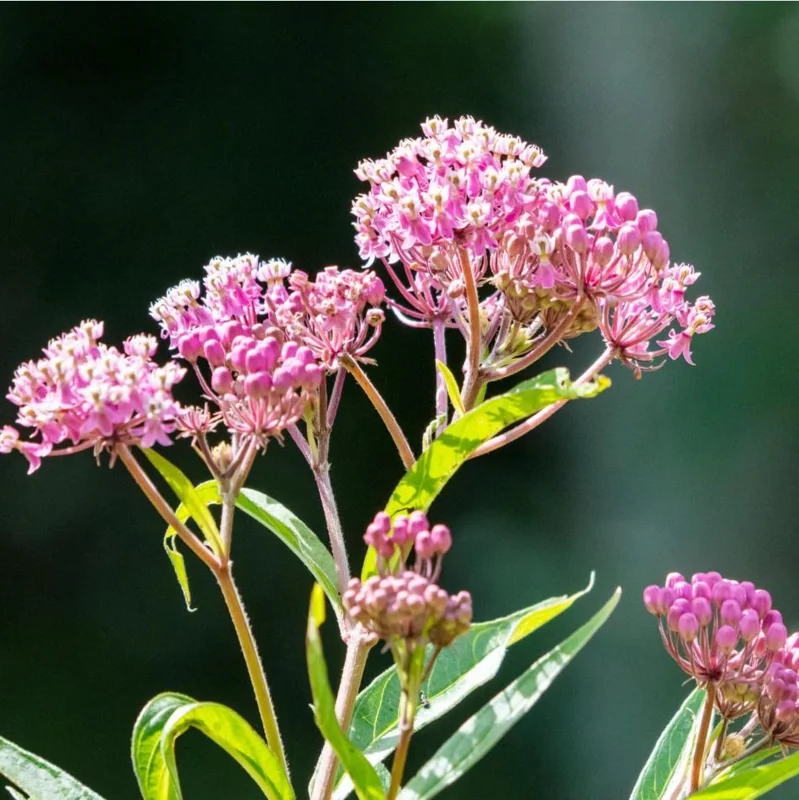
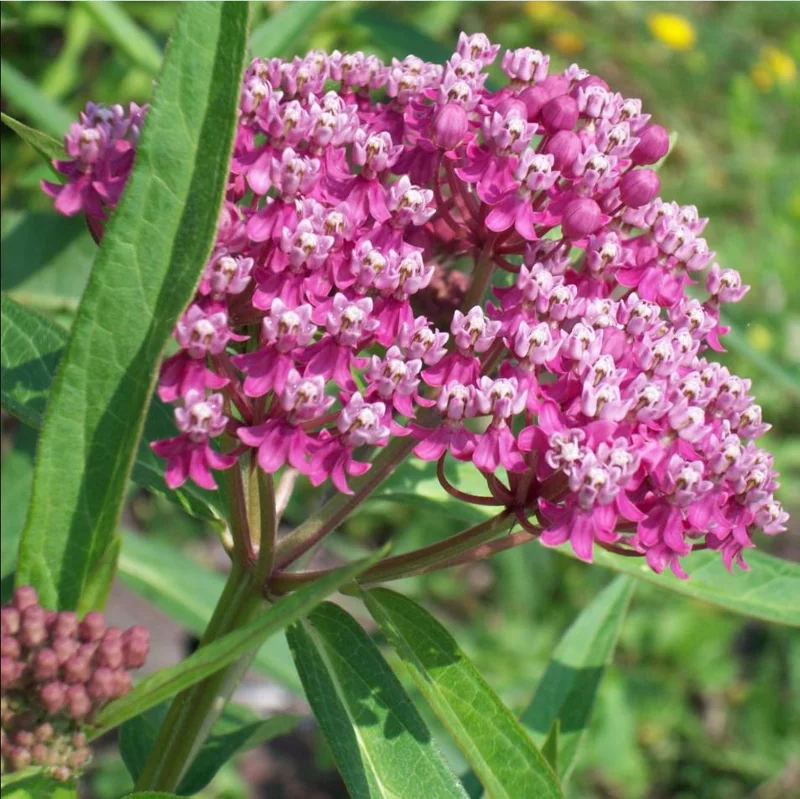
Introduce a touch of natural beauty and ecological benefit to your garden with our pink milkweed live plant starter pack. This offering includes two healthy, well-rooted Pink Milkweed (Asclepias Tuberosa) starter plants, each measuring 4-9 inches tall. Known for their striking pink flowers and vital role in supporting monarch butterfly populations, these plants are a must-have for any pollinator garden. While our starter plants are young and do not yet feature flowers or fruit, they are eager to establish themselves and grow into mature, blooming specimens that will transform your outdoor space.
Pink Milkweed live plant, also commonly referred to as Butterfly Weed, is a resilient and beautiful perennial that thrives in a variety of conditions. Unlike some other milkweed species, it is particularly adaptable to varying soil moistures once established. These plants are grown specifically for their ability to attract and sustain beneficial insects, making them an excellent choice for gardeners focused on enhancing local biodiversity.
Key Benefits
Choosing to cultivate pink milkweed live plant in your garden offers a wealth of advantages, from aesthetic appeal to significant ecological contributions. These benefits make it a rewarding addition for both seasoned gardeners and beginners alike.
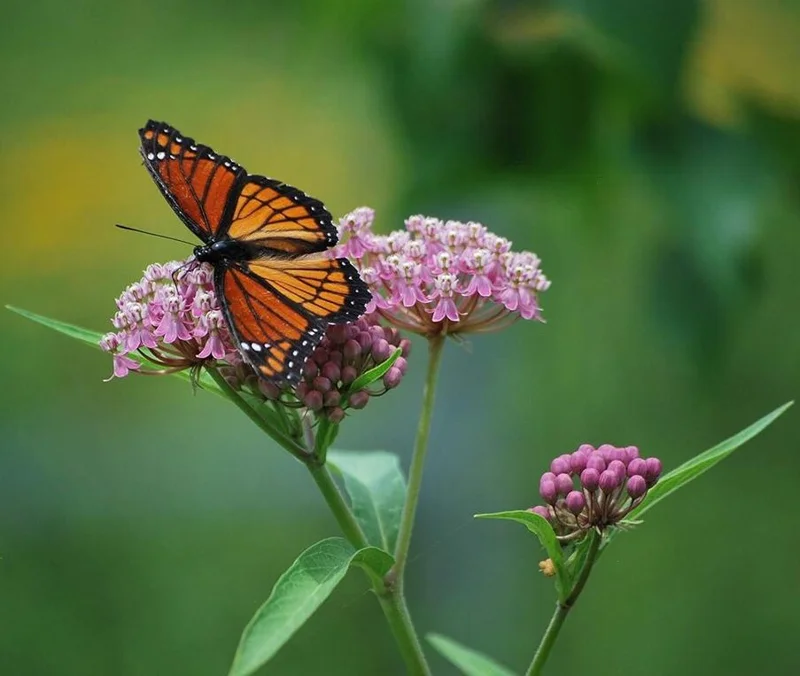
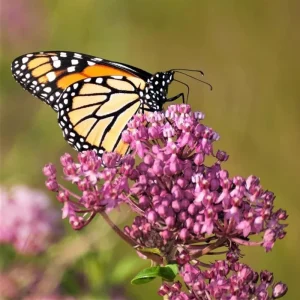
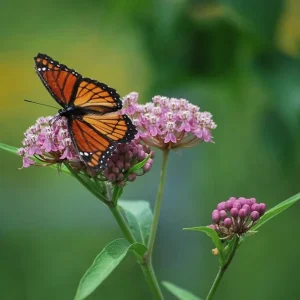
- Pollinator Attraction: Pink Milkweed live plant is a renowned magnet for monarch butterflies, providing essential food for their caterpillars and nectar for adult butterflies. It also attracts a wide array of other pollinators, including bees and hummingbirds, boosting the health of your local ecosystem.
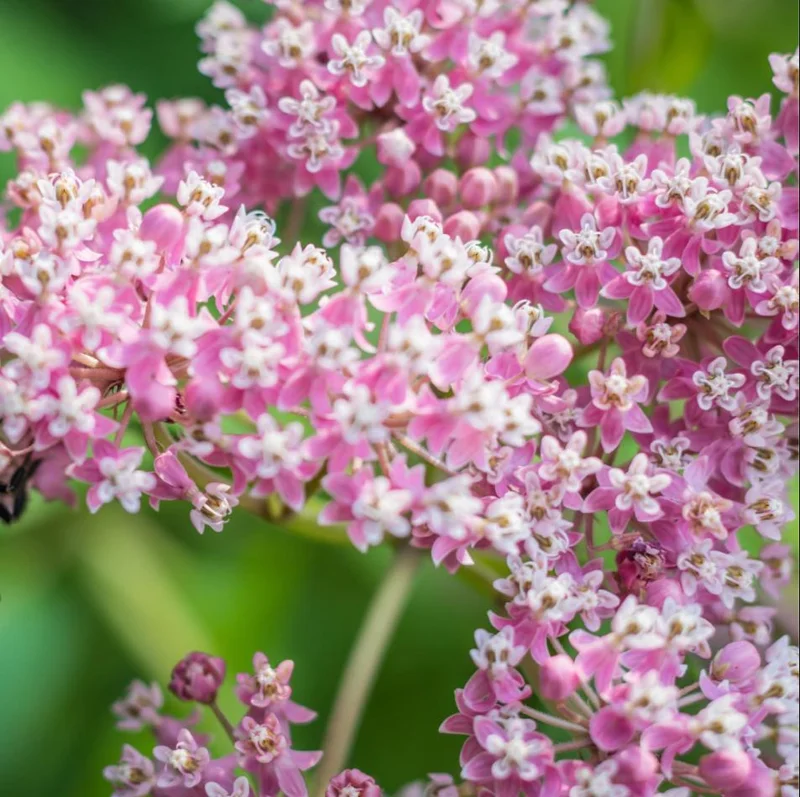
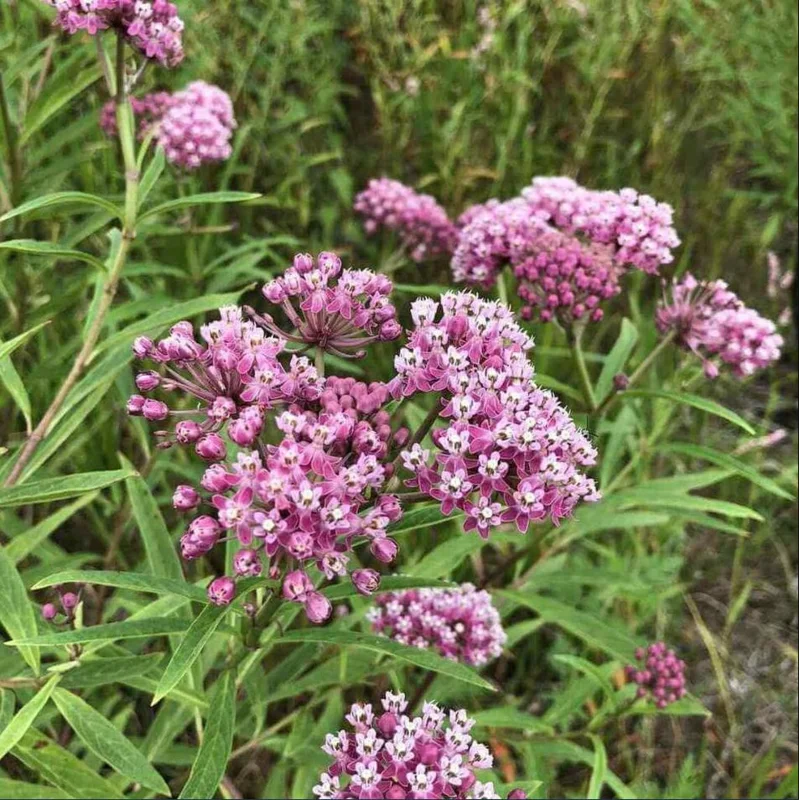
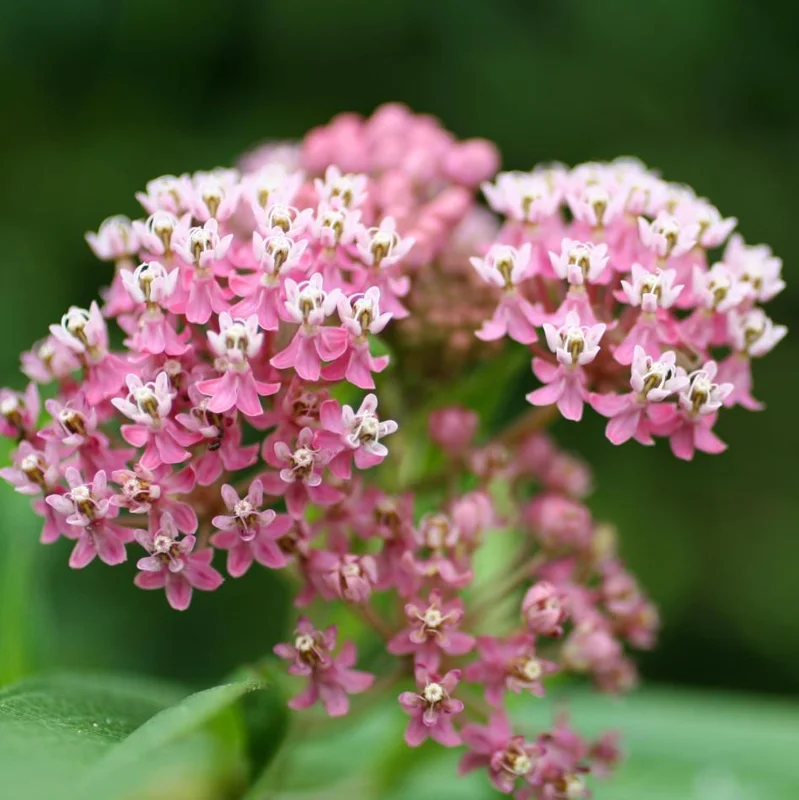
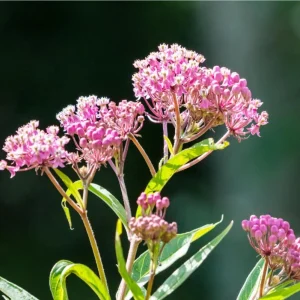
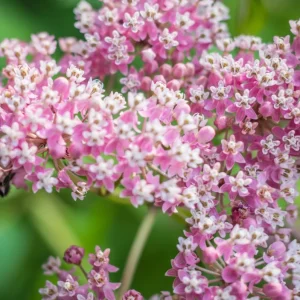
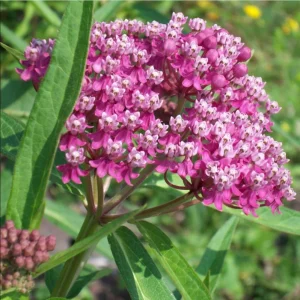
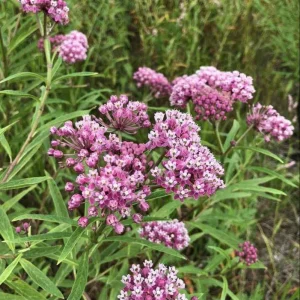
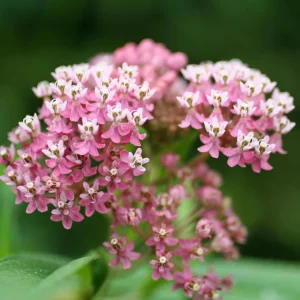
- Vibrant Garden Display: When mature, these plants produce clusters of beautiful pink flowers that add a cheerful burst of color to any garden bed, border, or naturalized area. The blooms are long-lasting and make excellent cut flowers.
- Low Maintenance: Once established, asclepias tuberosa care is relatively easy. These plants are drought-tolerant and require minimal intervention, making them perfect for busy gardeners or those new to planting.
- Ecological Impact: By planting milkweed, you directly contribute to the conservation of monarch butterflies, whose populations have been in decline. This act of gardening helps create vital habitats and food sources.
- Adaptable & Resilient: This species is remarkably adaptable to various soil types, including heavy clay, and thrives in full sun. It’s a robust plant that can withstand different environmental conditions once it has settled into its new home.
- Naturalized & Wildflower Gardens: Ideal for creating a naturalized look or integrating into wildflower meadows, pink milkweed live plant blends seamlessly with other native species, enhancing the wild beauty of your landscape.
- Educational Opportunity: Growing milkweed provides a wonderful opportunity to observe the life cycle of monarch butterflies firsthand, offering an educational experience for children and adults alike.
Plant Care & Growing Tips
Ensuring the success of your pink milkweed live plant starts with understanding its basic needs. These milkweed plant outdoor starters are robust, but proper initial care will help them flourish into magnificent, pollinator-attracting specimens. The key to successful growth lies in providing adequate sunlight, appropriate watering, and well-suited soil conditions.
For sunlight, Asclepias Tuberosa absolutely requires full sun exposure, meaning at least 6-8 hours of direct sunlight daily. Planting them in a location that receives ample morning and afternoon sun will ensure robust growth and abundant flowering. Insufficient light will result in leggy growth and fewer blooms. When it comes to watering, unlike some other milkweeds, this species appreciates moist to wet soil, especially during its establishment phase. Regular watering, particularly during dry spells, is crucial until the plant is well-rooted. However, ensure the soil is not waterlogged for extended periods after establishment, as good drainage is still beneficial.
Soil preference for asclepias tuberosa care is quite versatile. While it thrives in rich, fertile, and loamy soil, it is one of the few plants that can impressively adapt to and even thrive in heavy mucky clay. Good drainage is always recommended to prevent root rot, but its tolerance for heavier soils makes it an excellent choice for various garden settings. Fertilization is generally not heavily required for established plants, especially in rich soil. If your soil is poor, a light application of a balanced, slow-release fertilizer in spring can be beneficial. Monitor for common pests like aphids, which can be managed with insecticidal soap or by introducing beneficial insects like ladybugs. Growing milkweed for butterflies means avoiding harsh chemical pesticides.
Size & Details
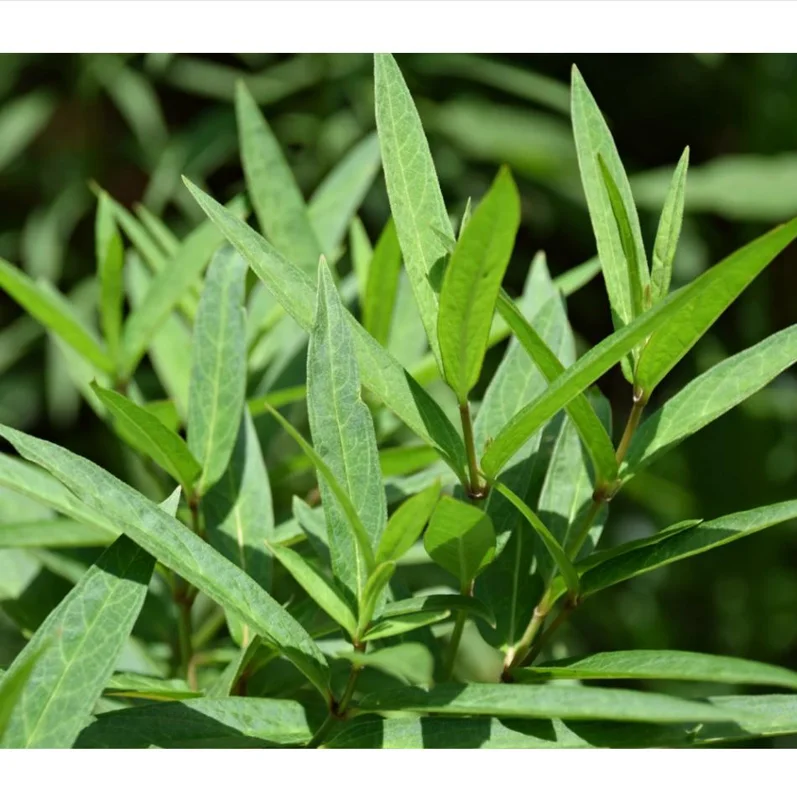
This offering includes a pack of two pink milkweed live plant starter plants. Each live plant measures approximately 4-9 inches in height from the base of the soil to the tip of its tallest leaf. These are young, actively growing starters, well-rooted in soil, and ready for transplanting into your garden or a larger container. They are shipped without a pot to reduce shipping waste and cost, allowing you to plant them directly upon arrival.
While these starters are not yet flowering or fruiting, they are at an ideal stage for establishing strong root systems in their new environment. With proper care, you can expect them to begin producing their characteristic vibrant pink blooms within their first growing season, particularly if planted in spring or early summer. The mature height of Asclepias Tuberosa typically ranges from 1 to 3 feet, with a similar spread, creating a bushy and attractive presence in your garden. The growth rate is moderate, and they will steadily increase in size and vigor throughout the growing season.
Frequently Asked Questions
- Q: How big do these milkweed plants get? A: These are starter plants, 4-9 inches tall upon arrival. When mature, pink milkweed live plant typically grows to be about 1 to 3 feet tall and wide, forming an attractive, bushy perennial.
- Q: Is this an indoor or outdoor plant? A: Pink Milkweed live plant is an outdoor plant. It thrives in full sun conditions and is best suited for garden beds, borders, or naturalized areas where it can receive ample light and space.
- Q: How much sunlight does it need? A: These plants require at least 6-8 hours of direct sunlight daily to grow optimally and produce abundant blooms. Choose a bright, sunny location in your garden.
- Q: Is this plant easy to care for? A: Yes, asclepias tuberosa care is considered low maintenance once established. It’s drought-tolerant and adaptable to various soil types, making it suitable for both experienced and novice gardeners.
- Q: What condition will the plants arrive in? A: You will receive two healthy, well-rooted starter plants, 4-9 inches tall, ready for planting. They are shipped without pots to ensure safe and efficient transit.
- Q: When is the best time to plant these milkweed starters? A: The best time to plant your milkweed starters is in spring after the last frost, or in early summer. This allows them ample time to establish before cooler weather arrives.
- Q: Will it survive winter in my zone? A: Pink Milkweed live plant is a perennial generally hardy in USDA Zones 3-9. It will die back to the ground in winter and re-emerge in spring.
- Q: Can I really help butterflies by planting this? A: Absolutely! Growing milkweed for butterflies, especially monarch butterflies, is crucial as it is the only plant their caterpillars can eat. Planting it provides a vital food source and habitat.
- Q: What are the benefits of tropical milkweed? A: The term ‘tropical milkweed’ is sometimes used, but Asclepias Tuberosa is native to North America. Its benefits include attracting monarchs and other pollinators, vibrant blooms, and being relatively easy to grow. Understanding tropical milkweed benefits often highlights its role in supporting ecosystems.
- Q: What kind of soil does it prefer? A: While pink milkweed live plant prefers rich, fertile, loamy soil, it is remarkably adaptable and can thrive even in heavy mucky clay, as long as there is some drainage.
Be the first to review “Pink Milkweed Live Starter Plants – 2 Pack, Asclepias Tuberosa, 4-9 Inch Tall, Outdoor”
-
USDA Hardiness Zone
USDA Zones 3-9 -
Soil Type
Rich, fertile, loamy soil; tolerates heavy clay -
Sunlight Exposure
Full sun (6-8+ hours daily) -
Expected Planting Period
Spring to early summer
People Also Viewd


Sold 128 products
Original price was: $27.00.$24.00Current price is: $24.00.

Sold 127 products
Original price was: $89.99.$64.99Current price is: $64.99.

Sold 125 products
Original price was: $3,536.00.$23.99Current price is: $23.99.

Sold 125 products
Original price was: $86.99.$66.99Current price is: $66.99.
Sold 116 products
Original price was: $27.99.$16.99Current price is: $16.99.

Flower Bulbs
3 Cranesbill Wild Geranium Organic Maculatums Bare Roots | Wildflower for Outdoor Garden
Sold 114 products
Original price was: $21.99.$6.99Current price is: $6.99.

Sold 114 products
Original price was: $28.99.$17.99Current price is: $17.99.

Sold 109 products
Original price was: $63.99.$28.99Current price is: $28.99.RELATED posts
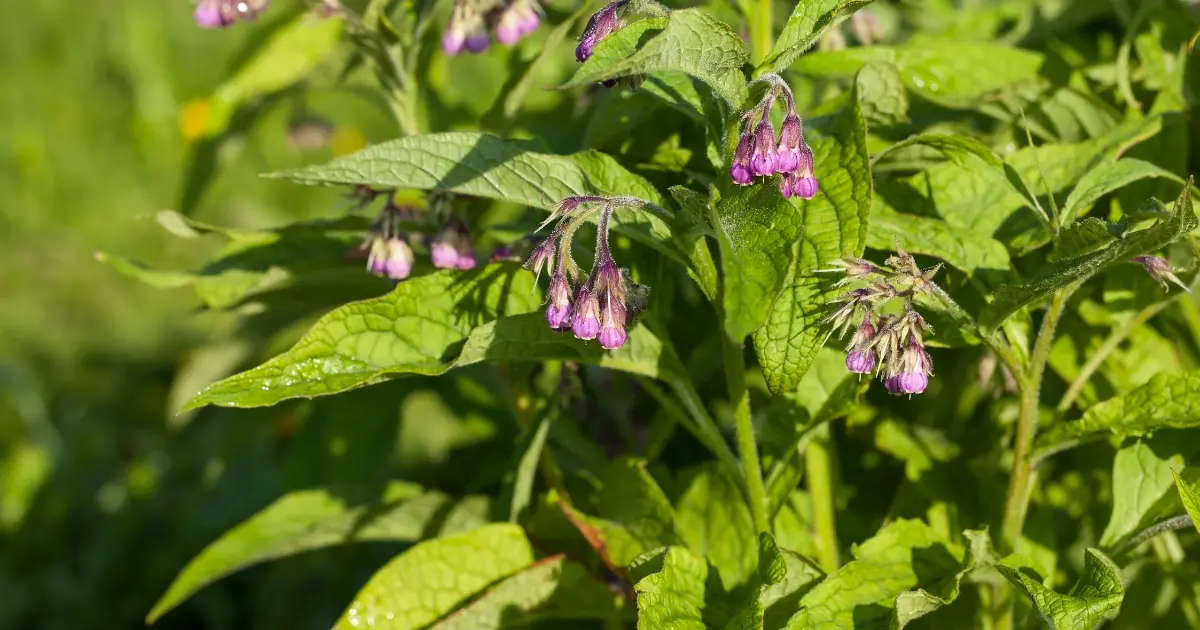
How to Identify Bocking 14 Comfrey: 5 Simple Visual Signs
If you’re growing comfrey for mulch, compost, or animal feed, knowing exactly which variety you [...]
Mar
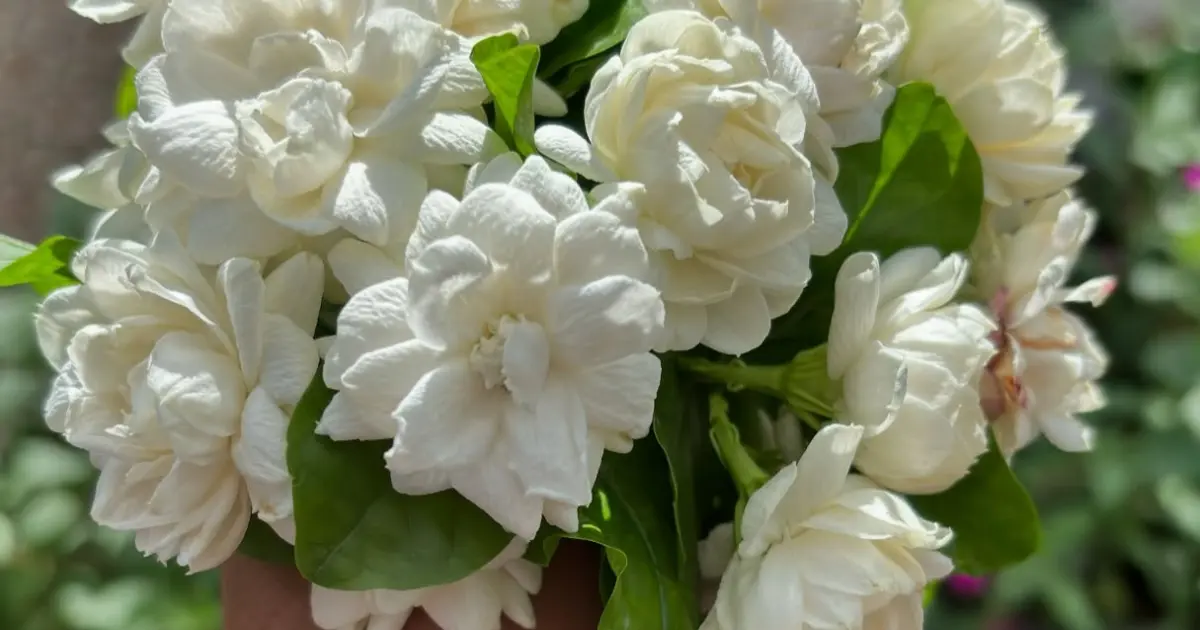
Grand Duke of Tuscany Jasmine: The Ultimate Guide to Growing a Fragrant Masterpiece
Have you ever caught a scent in the air so rich, creamy, and honey-sweet that [...]
Mar
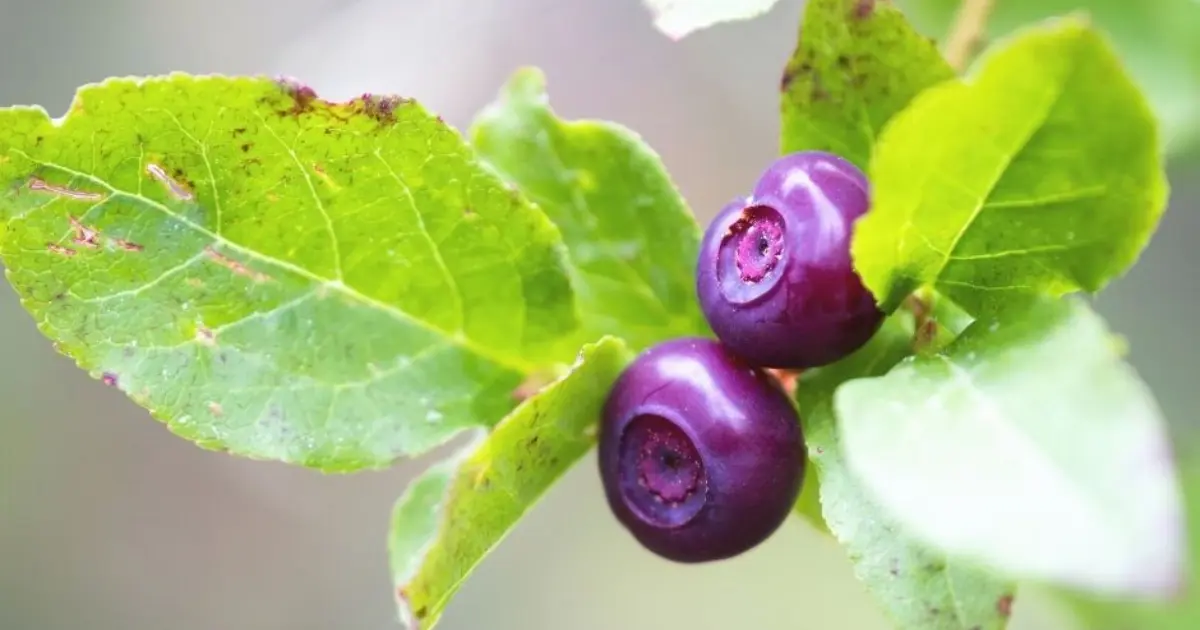
How to Grow Wild Huckleberries: A Guide to “Purple Gold”
Have you ever spent a summer afternoon hiking through the Pacific Northwest or the Rocky [...]
Mar
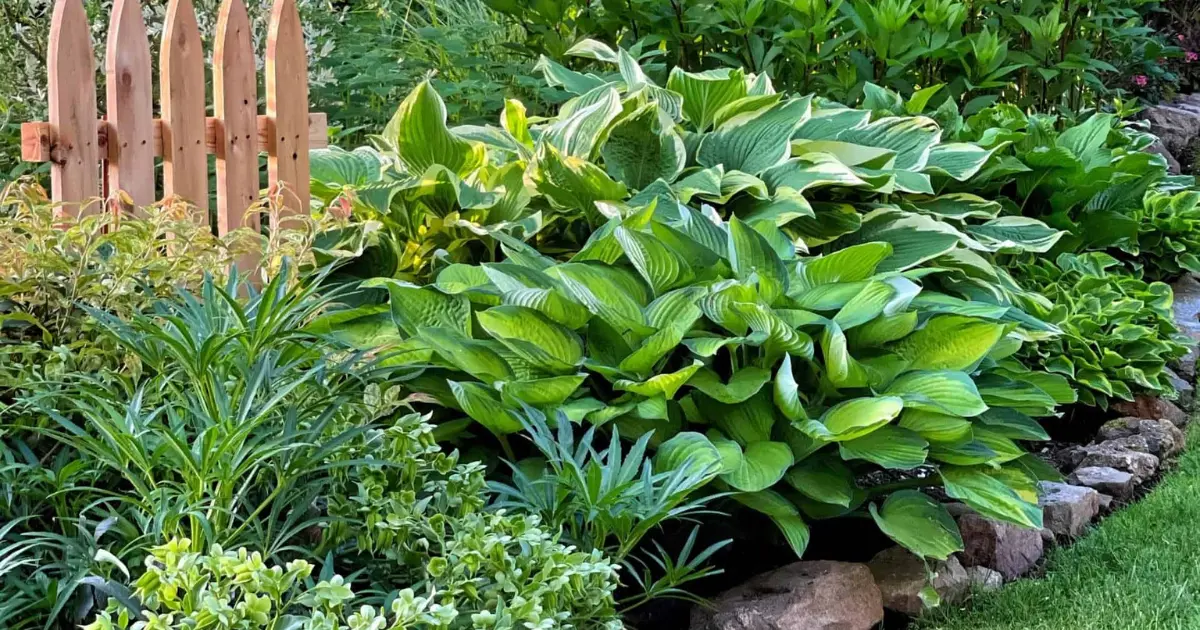
5 Best Shade-Loving Perennials for a Lush, Vibrant Garden
The world of gardening often shines a spotlight on sun-drenched blossoms, but there is a [...]
Mar

7 Common Curry Leaf Plant Problems: Easy Fixes for a Thriving Plant
Is your curry leaf plant looking a bit sad lately? Maybe you woke up to [...]
Mar
Best Time to Plant Bougainvillea: Timing for Vibrant Blooms
If you’re looking for a hardy tropical vine that delivers a riot of neon color, [...]
Feb
How to Propagate Purple Passion Plants (Gynura aurantiaca)
Have you ever been mesmerized by the neon-purple glow and fuzzy, velvet-like leaves of a [...]
Feb
How to Grow Beauregard Sweet Potatoes: From Slips to a Bountiful Harvest
Are you ready to add a classic, heavy-hitting favorite to your vegetable patch? If you’ve [...]
Feb



Reviews
There are no reviews yet.