
Polka Dot Live Plant – Hypoestes Phyllostachya – 4 Inch Pot – Indoor Foliage
Original price was: $50.99.$25.99Current price is: $25.99.
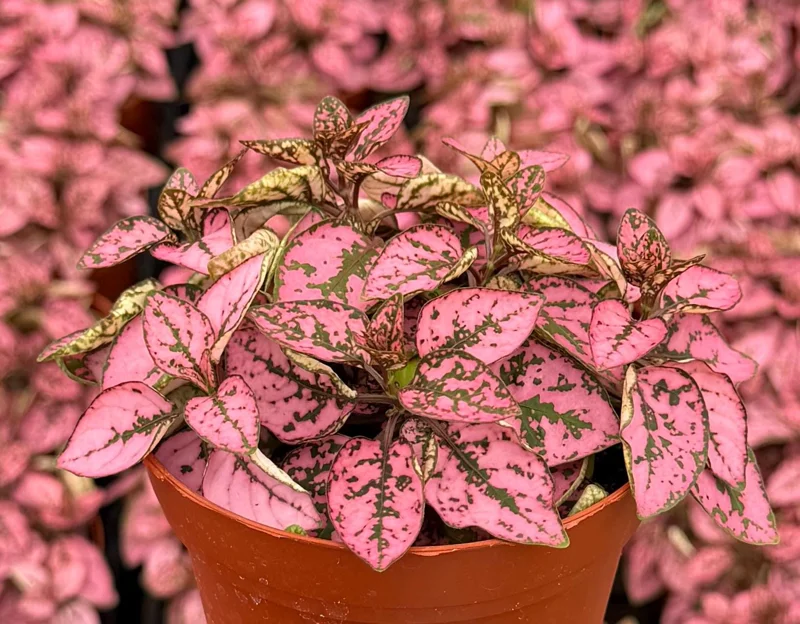
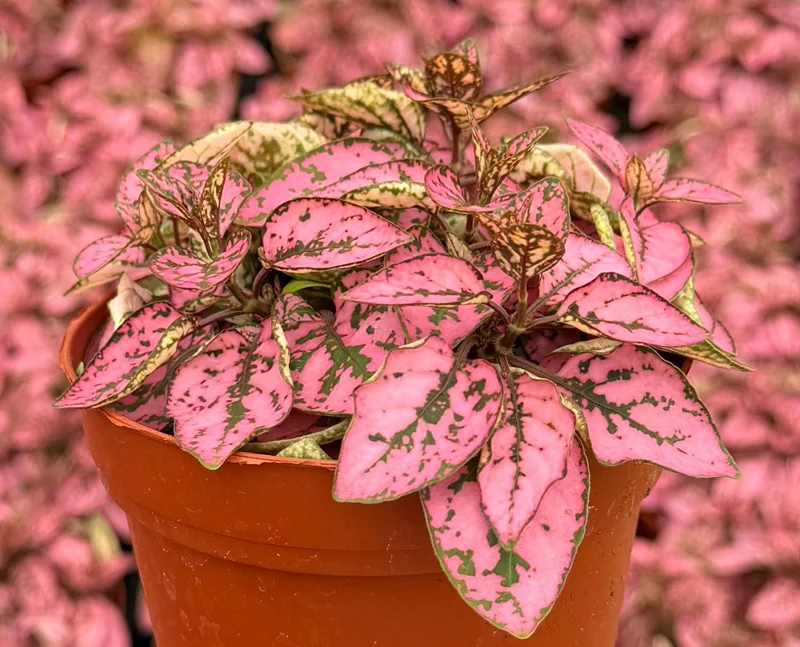
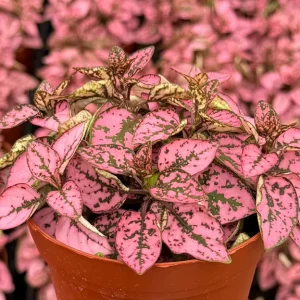
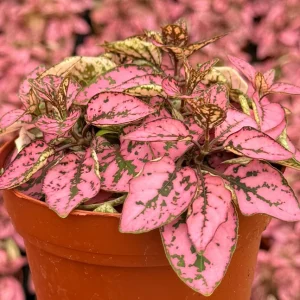
Bring a splash of vibrant color to your home with this beautiful polka dot live plant. The Hypoestes phyllostachya care is easy, making it perfect for beginners. Its unique speckled leaves add a playful, decorative touch to any indoor space, thriving as a compact colorful foliage houseplant.
Estimated arrival
Apr 07
Apr 12 - Apr 14
Apr 17 - Apr 21

Reasonable Price
We offer reasonable price

Support 24/7
Contact us 24 hrs a day

100% Money Back
You've 30 days to Return

Payment Secure
100% secure payment
Overview
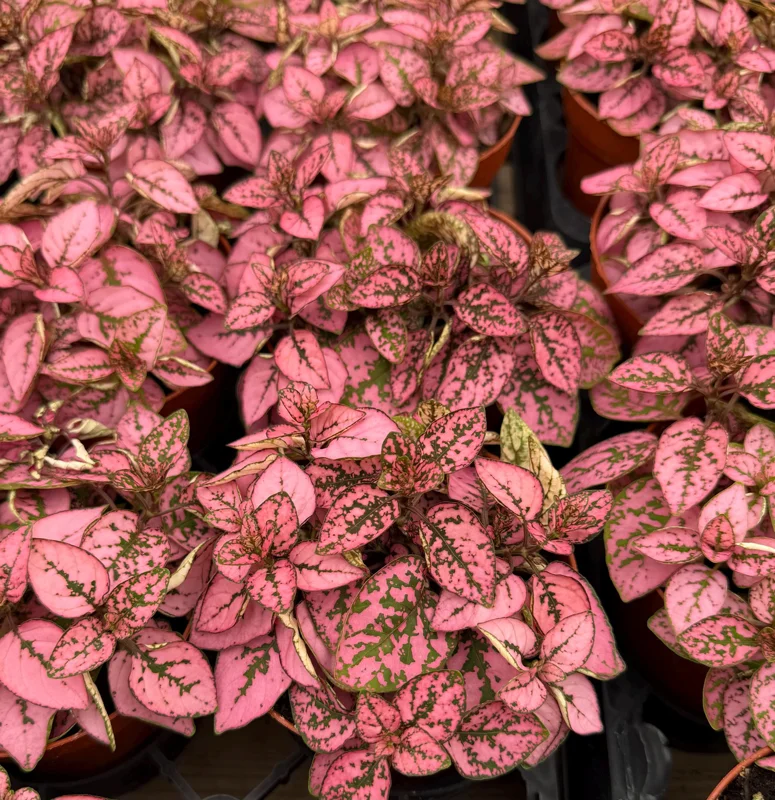
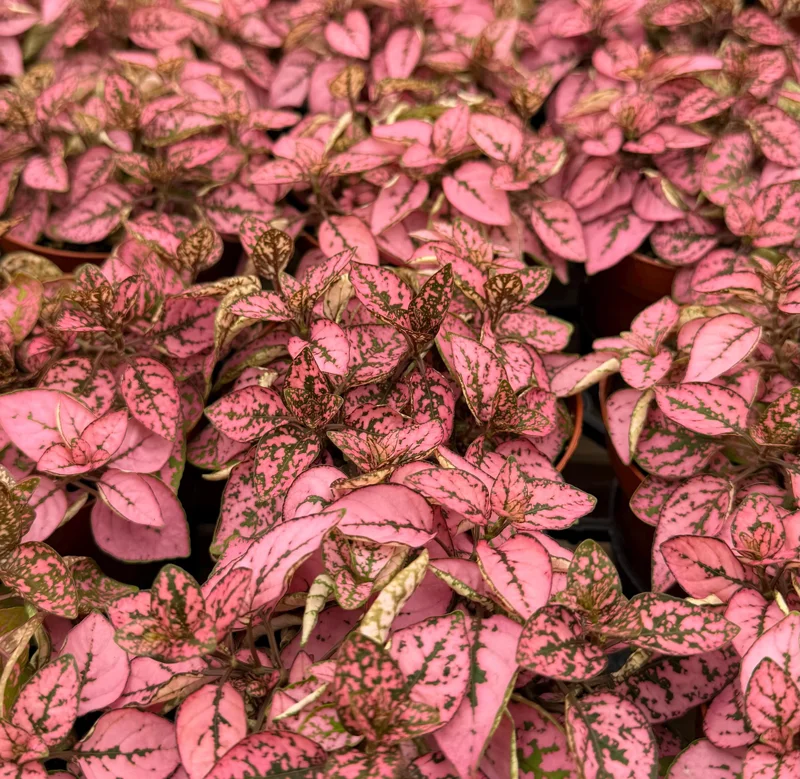
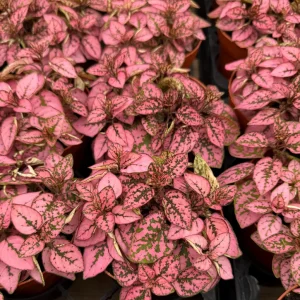
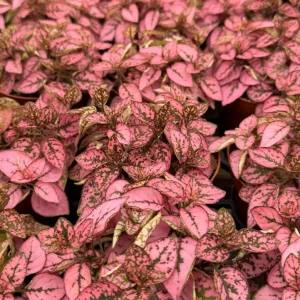
Introduce a burst of color and cheer to your indoor garden with the captivating polka dot live plant, scientifically known as Hypoestes phyllostachya. This delightful foliage houseplant is celebrated for its striking, speckled leaves that feature playful splashes of pink, white, red, or rose patterns against a soft green background. Native to the lush landscapes of Madagascar, the polka dot live plant offers an instant decorative uplift, brightening shelves, desks, and terrariums with its lively appearance. Unlike many houseplants that rely on flowers for visual appeal, the Polka Dot Plant’s charm lies entirely in its vibrant, patterned foliage, making it a constant source of beauty throughout the year.
This compact and bushy plant remains relatively small, making it an ideal choice for tabletops, small planters, and mixed plant arrangements. Its distinctive coloration provides excellent contrast when paired with succulents or other tropical plants, ensuring a dynamic and eye-catching display. The polka dot live plant is a fast-growing species that, with proper attention, will maintain its lush and expressive form, adding a unique texture and color dimension to any interior design scheme. It’s a fantastic choice for those looking to add a touch of whimsy and color without the fuss of flowering plants.
Key Benefits
The polka dot live plant offers numerous advantages for both seasoned plant enthusiasts and beginners, making it a popular choice for indoor decor.
- Vibrant Foliage: The most prominent benefit is its stunning, multicolored leaves. With speckles of pink, white, or red, this plant provides continuous visual interest and a cheerful pop of color that brightens any room, even without blooms. It’s a true colorful foliage houseplant.
- Compact Size: Staying small and bushy, the Polka Dot Plant is perfectly suited for small spaces. It fits beautifully on desks, windowsills, and in terrariums, making it versatile for various indoor settings.
- Easy to Care For: This plant is relatively low-maintenance, making it an excellent option for those new to houseplants. Basic hypoestes phyllostachya care involves consistent watering and bright indirect light.
- Air Purifying Properties: Like many houseplants, the Polka Dot Plant contributes to a healthier indoor environment by helping to filter common airborne toxins, improving air quality in your home or office.
- Enhances Decor: Its unique patterns and vibrant hues make it a stylish addition to any decor, complementing modern, bohemian, or classic interior styles effortlessly. It’s an excellent way to introduce a natural, lively element.
- Fast Growing: With adequate care, the Polka Dot Plant grows quickly, allowing you to enjoy its lush appearance and vibrant colors without a long wait. Regular pinching encourages a fuller, bushier shape.
- Versatile Use: Beyond standalone pots, its compact nature makes it ideal for mixed arrangements, adding a splash of color and texture alongside other plants.
Plant Care & Growing Tips
Proper polka dot plant care tips are essential to ensure your polka dot live plant thrives and maintains its vibrant coloration. These plants prefer bright, indirect light. Placing them near an east or west-facing window where they receive plenty of ambient light but are shielded from harsh, direct sun is ideal. Too little light can cause the colors to fade and the plant to become leggy, while too much direct sun can scorch the delicate leaves. Rotating the plant every few weeks will encourage even growth and color development across all sides.
When it comes to watering, the Polka Dot Plant prefers consistently moist soil but dislikes being waterlogged. Water thoroughly when the top inch of soil feels dry to the touch, and ensure good drainage to prevent root rot. Reduce watering slightly in winter when growth slows. Humidity is also appreciated, so consider misting the leaves regularly or placing the pot on a pebble tray filled with water, especially in dry indoor environments. The ideal temperature range for this colorful foliage houseplant is between 65-80°F (18-27°C); avoid temperatures below 60°F (15°C).
The best soil for hypoestes phyllostachya care is a well-draining, peat-based potting mix. Fertilize every 2-4 weeks during the growing season (spring and summer) with a balanced liquid houseplant fertilizer diluted to half strength. Regular pinching is crucial for maintaining a compact, bushy shape and preventing the plant from becoming leggy. Simply snip off the top two sets of leaves on each stem to encourage branching. Watch out for common pests like aphids or whiteflies, and treat promptly with insecticidal soap if detected. With these polka dot plant care tips, your plant will remain lush and beautiful.
Size & Details
This offering is for a healthy polka dot live plant, specifically a Hypoestes phyllostachya, grown in a convenient 4-inch nursery pot. At this size, the plant is well-established with vibrant, speckled foliage, ready to be placed directly in your desired decorative planter or terrarium. While individual plant height can vary slightly, you can expect a compact, bushy specimen typically standing between 4 to 8 inches tall from the base of the pot, and often spreading similarly in width. The 4-inch pot provides ample space for initial growth and establishment before requiring a larger container.
Polka Dot Plants are known for their relatively fast growth rate, especially during warmer months. With proper care and regular pinching, they can quickly fill out, creating a dense and colorful display. This plant is shipped in its nursery pot, with soil, to ensure minimal transplant shock and immediate enjoyment upon arrival. It is an ideal size for desk plants, small shelf decor, or as a vibrant accent in a larger plant arrangement, offering an immediate touch of nature and color to any indoor setting.
Frequently Asked Questions
- Q: How big does this plant get? A: This polka dot live plant is supplied in a 4-inch pot and typically grows to be a compact, bushy specimen, reaching about 6-12 inches in height and spread when mature. Regular pinching can help maintain a smaller, fuller shape.
- Q: Is this an indoor or outdoor plant? A: The Polka Dot Plant (Hypoestes phyllostachya) is primarily grown as an polka dot plant indoor houseplant in most climates due to its sensitivity to cold. It can be grown outdoors in shaded areas during warm summer months in USDA zones 10-11, but it’s best treated as an annual or brought inside before temperatures drop.
- Q: How much sunlight does it need? A: This colorful foliage houseplant thrives in bright, indirect light. Direct sun can scorch its leaves and fade its vibrant colors. An east or west-facing window is usually ideal, providing plenty of light without harsh direct exposure.
- Q: Is this plant easy to care for? A: Yes, the Polka Dot Plant is considered relatively easy to care for, making it a great choice for beginners. Consistent watering and adequate light are the main requirements for successful hypoestes phyllostachya care.
- Q: What condition will it arrive in? A: Your polka dot live plant will arrive carefully packaged in its 4-inch nursery pot, with soil, to ensure it is healthy and ready to thrive in its new home. We take great care to protect the foliage during transit.
- Q: How often should I water my Polka Dot Plant? A: Water your Polka Dot Plant when the top inch of soil feels dry to the touch. It prefers consistently moist, but not waterlogged, soil. Reduce watering slightly during the cooler, darker winter months.
- Q: Why are the colors on my plant fading? A: Fading colors on your polka dot plant indoor often indicate insufficient light. Try moving it to a brighter spot with indirect sunlight. Too much direct sun can also cause colors to wash out or leaves to burn, so ensure it’s indirect light.
- Q: Is this plant pet-safe? A: The Polka Dot Plant is generally considered mildly toxic if ingested by pets, potentially causing digestive upset. It’s best to keep it out of reach of curious pets.
- Q: When is the best time to repot my plant? A: Repot your Polka Dot Plant when it becomes root-bound, typically every 1-2 years, or when you notice roots growing out of the drainage holes. Spring is the best time for repotting to allow the plant to settle into its new pot during its active growing season.
- Q: What are some good polka dot plant care tips for keeping it bushy? A: To encourage a bushy, compact shape and prevent legginess, regularly pinch back the growing tips. Simply snip off the top two sets of leaves on each stem, which will promote new growth and branching lower down the stem.
Be the first to review “Polka Dot Live Plant – Hypoestes Phyllostachya – 4 Inch Pot – Indoor Foliage”
-
USDA Hardiness Zone
USDA zones 10-11 (outdoors), typically grown indoors -
Soil Type
Well-draining, peat-based potting mix -
Sunlight Exposure
Bright indirect light -
Expected Planting Period
Year-round indoors
People Also Viewd
Sold 128 products
Original price was: $89.99.$64.99Current price is: $64.99.
Sold 128 products
Original price was: $27.00.$24.00Current price is: $24.00.
Sold 127 products
Original price was: $159.99.$139.99Current price is: $139.99.
Sold 126 products
Original price was: $3,536.00.$23.99Current price is: $23.99.

Sold 125 products
Original price was: $86.99.$66.99Current price is: $66.99.
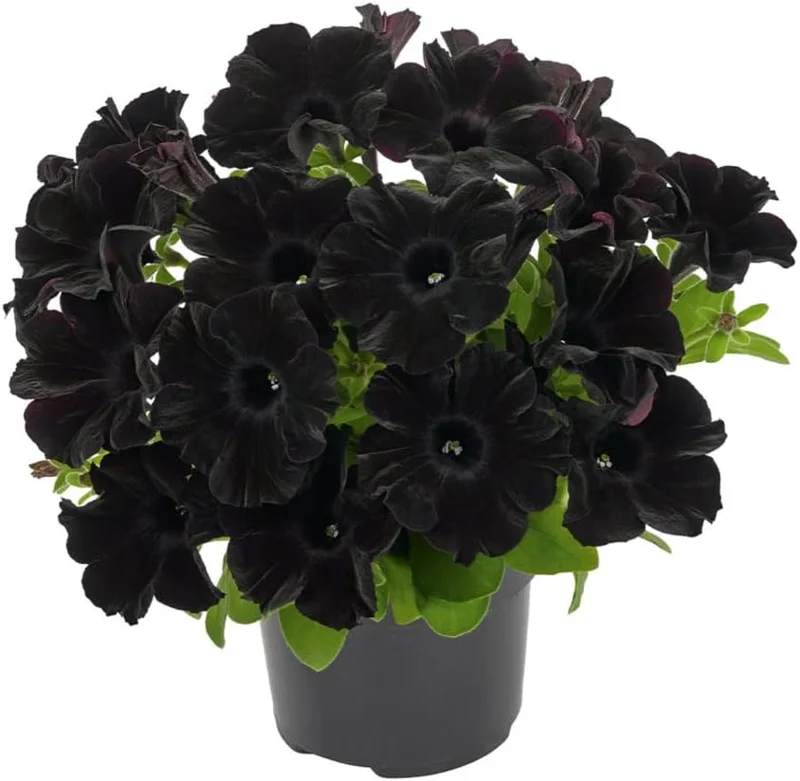
Sold 116 products
Original price was: $27.99.$16.99Current price is: $16.99.
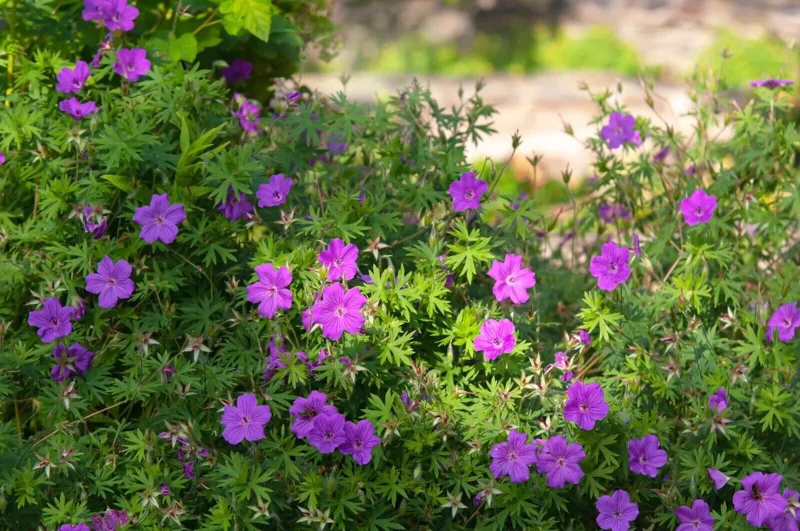
Flower Bulbs
3 Cranesbill Wild Geranium Organic Maculatums Bare Roots | Wildflower for Outdoor Garden
Sold 114 products
Original price was: $21.99.$6.99Current price is: $6.99.
Sold 114 products
Original price was: $28.99.$17.99Current price is: $17.99.RELATED posts
Mastering Esperanza Goldstar: Grow the Ultimate Yellow Bloom
Esperanza Goldstar is more than just a heat-tolerant shrub; for the American gardener battling the [...]
Apr
Yellow Dragon Fruit Plant Care: The Ultimate Guide for Healthy Growth
The yellow dragon fruit plant is a unique and rewarding addition to any home garden, [...]
Apr
How to Identify Bocking 14 Comfrey: 5 Simple Visual Signs
If you’re growing comfrey for mulch, compost, or animal feed, knowing exactly which variety you [...]
Mar
Grand Duke of Tuscany Jasmine: The Ultimate Guide to Growing a Fragrant Masterpiece
Have you ever caught a scent in the air so rich, creamy, and honey-sweet that [...]
Mar
How to Grow Wild Huckleberries: A Guide to “Purple Gold”
Have you ever spent a summer afternoon hiking through the Pacific Northwest or the Rocky [...]
Mar
5 Best Shade-Loving Perennials for a Lush, Vibrant Garden
The world of gardening often shines a spotlight on sun-drenched blossoms, but there is a [...]
Mar
7 Common Curry Leaf Plant Problems: Easy Fixes for a Thriving Plant
Is your curry leaf plant looking a bit sad lately? Maybe you woke up to [...]
Mar
Best Time to Plant Bougainvillea: Timing for Vibrant Blooms
If you’re looking for a hardy tropical vine that delivers a riot of neon color, [...]
Feb
Reviews
There are no reviews yet.