
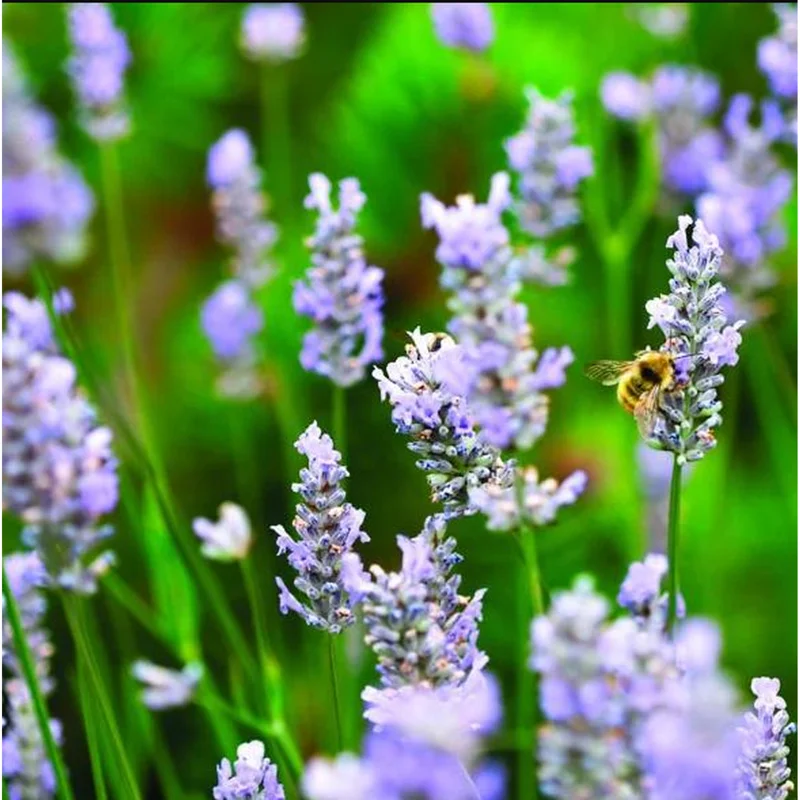
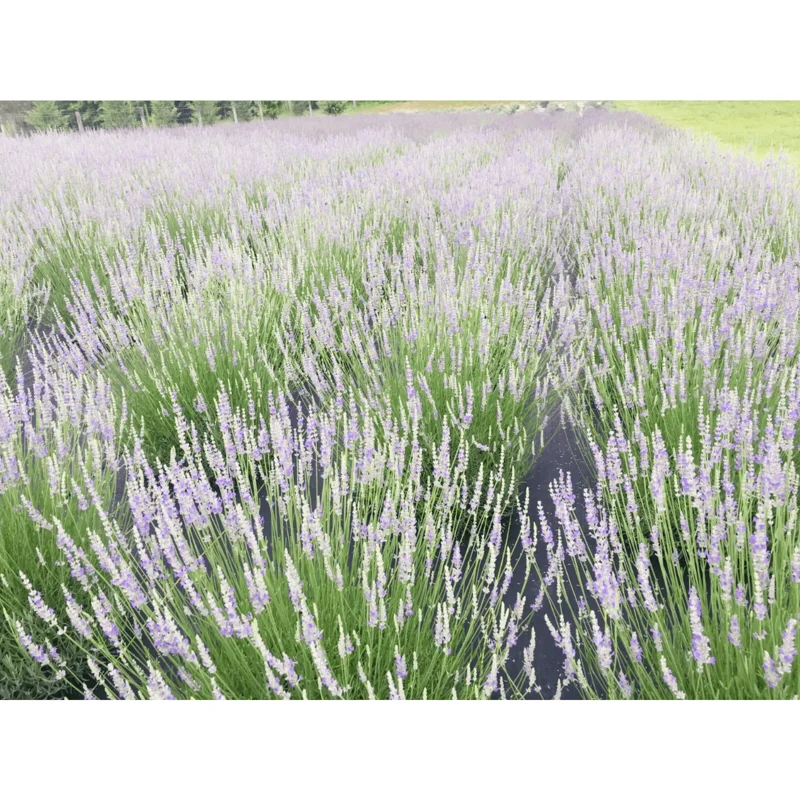
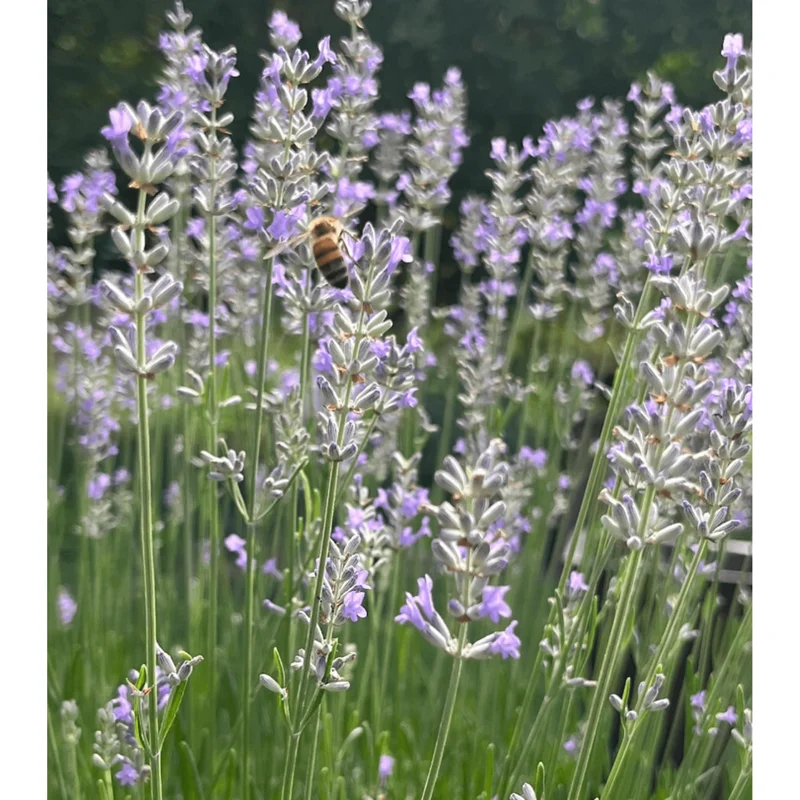
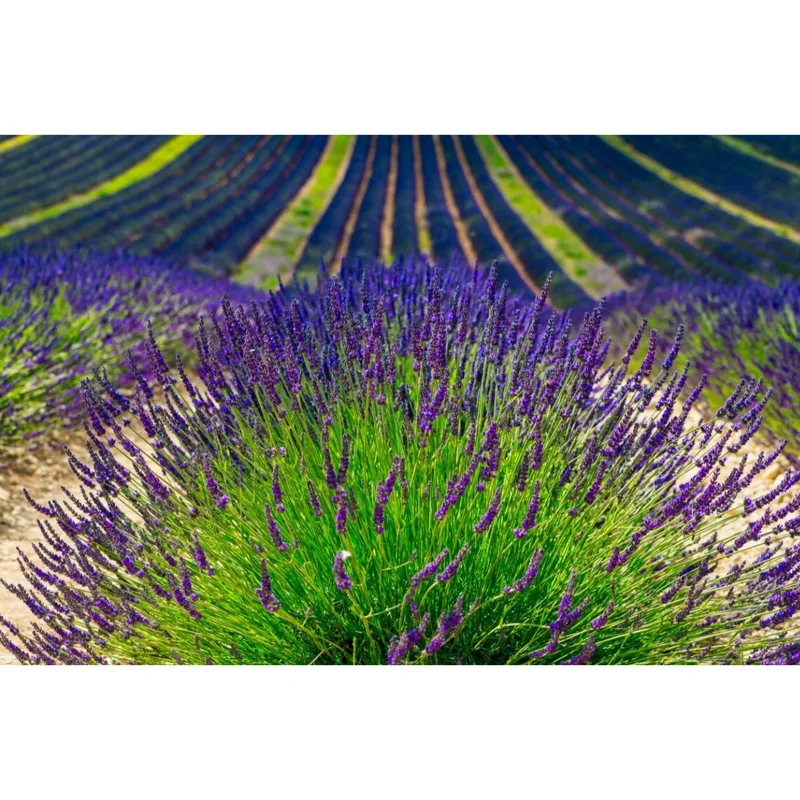
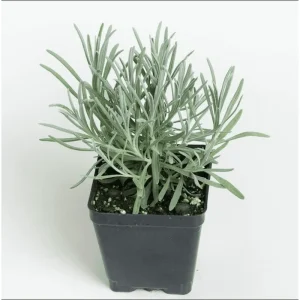
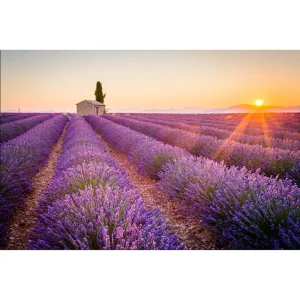
Provence Lavender Live Plants, 2-Pack, 4-6 Inch Tall, Fragrant Blue-Purple Flowers
Original price was: $38.99.$28.99Current price is: $28.99.
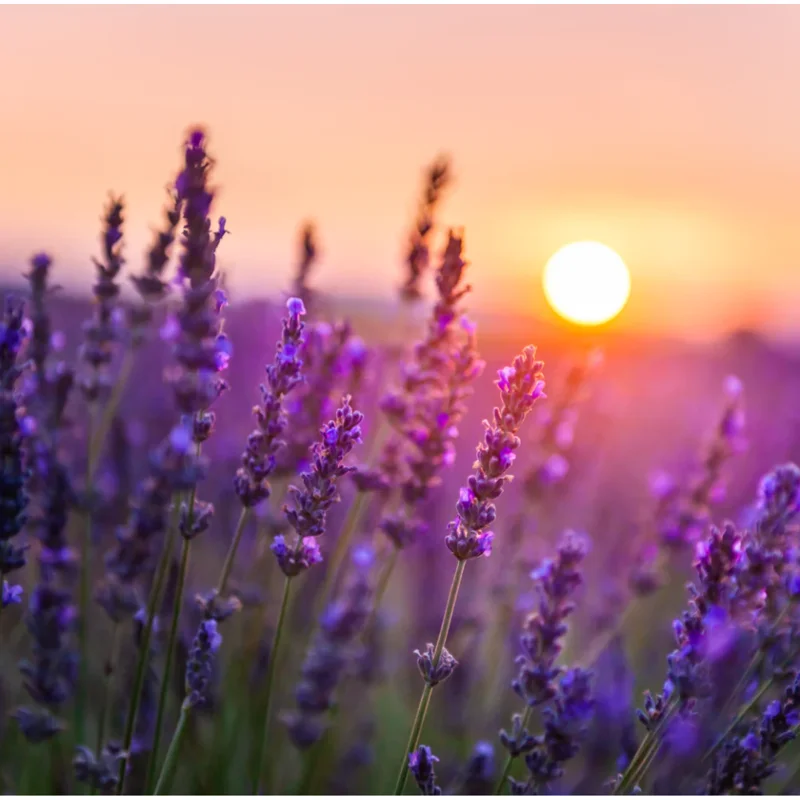
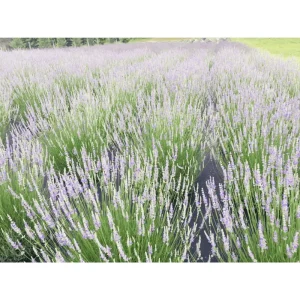
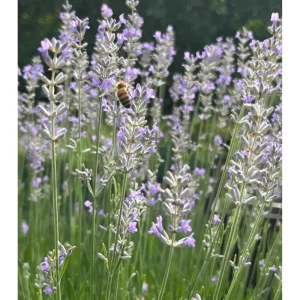
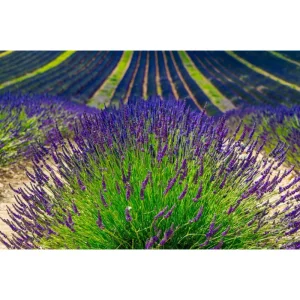
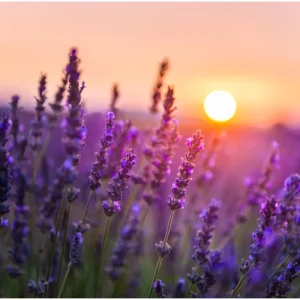
Enhance your garden with a provence lavender live plant. This 2-pack offers highly fragrant blue-purple flowers, ideal for full sun and drought-tolerant landscapes. Enjoy the classic beauty of fragrant lavender plant.
Estimated arrival
Apr 02
Apr 07 - Apr 09
Apr 12 - Apr 16

Reasonable Price
We offer reasonable price

Support 24/7
Contact us 24 hrs a day

100% Money Back
You've 30 days to Return

Payment Secure
100% secure payment
Overview
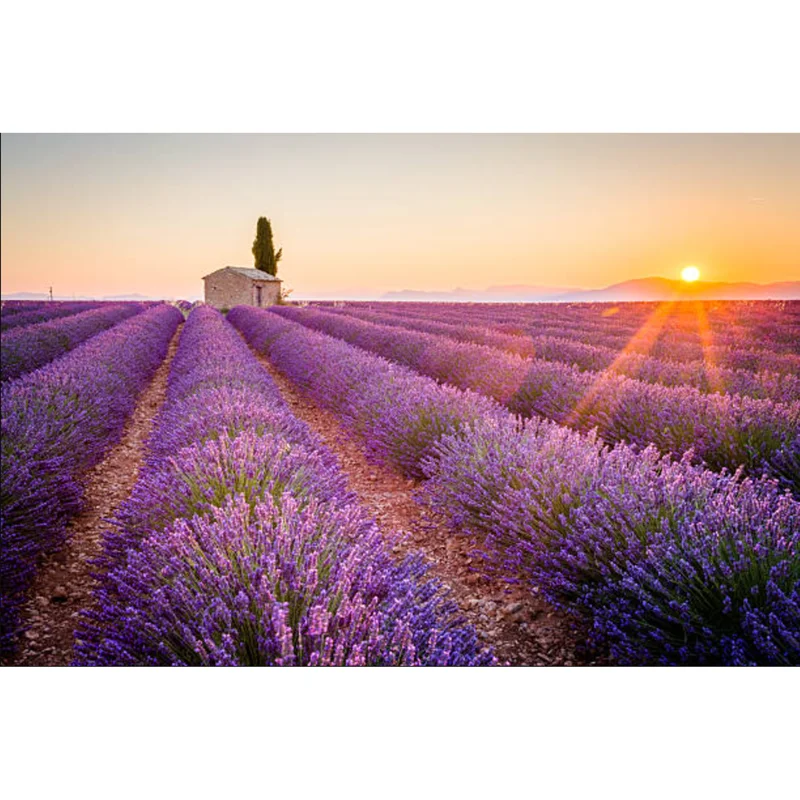
Introduce the timeless beauty and intoxicating aroma of the provence lavender live plant to your garden. This popular hybrid lavender, scientifically known as Lavandula x intermedia ‘Provence’, is cherished for its distinctive long, graceful stems adorned with an abundance of light blue-purple flowers. Revered for its exceptional fragrance and robust nature, the provence lavender live plant is a favorite among gardeners seeking both aesthetic appeal and practical benefits. Its strong scent makes it ideal for aromatherapy, culinary uses, and attracting beneficial pollinators to your outdoor space. Known for its excellent tolerance to heat and humidity, this variety is a reliable choice for various climates, bringing a touch of the French countryside to your home.
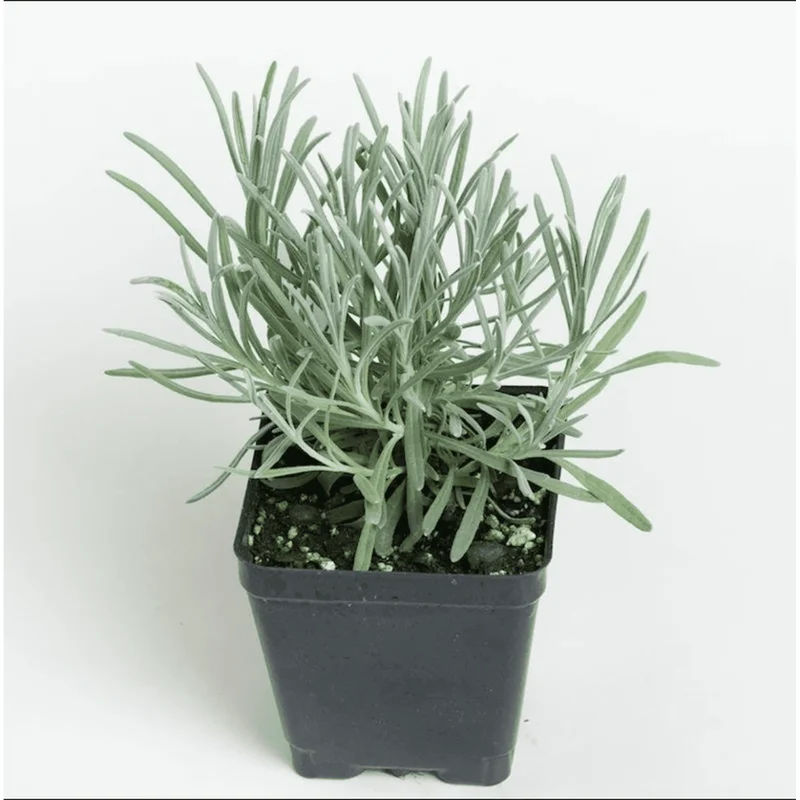
Each order includes a 2-pack of these vibrant starter plants, approximately 4 to 6 inches tall, ready to establish quickly in your landscape. These young plants are an excellent way to begin cultivating a beautiful and aromatic lavender patch. Whether you’re creating a dedicated herb garden, a fragrant border, or simply adding a specimen plant to your patio, the ‘Provence’ lavender is a versatile and rewarding choice. Its vigorous growth and prolific blooming habit ensure a spectacular display of color and scent throughout the growing season.
Key Benefits
The provence lavender live plant offers a multitude of benefits, making it a highly desirable addition to any garden. Its unique characteristics contribute to both the beauty and functionality of your outdoor environment, providing a truly enriching experience for gardeners of all levels.
- Exceptional Fragrance: The primary appeal of this fragrant lavender plant is its intense and delightful aroma, perfect for sachets, essential oils, and enhancing your garden’s sensory experience.
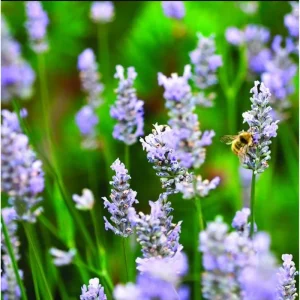
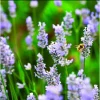
- Beautiful Blue-Purple Flowers: Produces abundant, striking blue-purple blooms on long stems, creating a visually stunning display that attracts butterflies and bees.
- Drought-Tolerant: Once established, this lavender variety is highly resilient to dry conditions, requiring minimal watering and making it an excellent choice for xeriscaping or water-wise gardens.
- Heat and Humidity Tolerant: Unlike some other lavender types, ‘Provence’ lavender thrives in warmer, more humid climates, expanding its range of successful cultivation.
- Pollinator Magnet: Attracts beneficial insects like bees and butterflies, supporting local ecosystems and aiding in the pollination of other plants in your garden.
- Low Maintenance: This hardy plant requires relatively little care once established, making it suitable for busy gardeners or those new to growing lavender.
- Versatile Use: Ideal for borders, rock gardens, container planting, culinary uses, crafting, and creating a sensory garden experience. Learning how to grow provence lavender is a rewarding endeavor.
Plant Care & Growing Tips
To ensure your provence lavender live plant flourishes, proper care is essential, though this variety is known for its hardiness. Understanding its specific needs will help you cultivate a robust and fragrant garden. The most crucial factor for successful growth is providing ample sunlight and excellent drainage. This plant originates from Mediterranean climates, so replicating those conditions as much as possible will yield the best results.
Sunlight: Provence lavender live plant requires full sun, meaning at least 6-8 hours of direct sunlight daily. Planting in a location that receives morning sun and some afternoon shade in extremely hot climates can be beneficial, but generally, more sun equals more blooms and fragrance. For optimal growth, avoid shady spots where the plant may become leggy and produce fewer flowers.
Soil: Very well-drained, sandy or loamy soil is paramount for this fragrant lavender plant. Lavender hates wet feet, so heavy clay soils must be amended with grit, sand, or compost to improve drainage. An alkaline soil pH (around 6.5-7.5) is preferred. If your soil is acidic, you can add lime to raise the pH. Good drainage prevents root rot, which is a common issue for lavender in unsuitable soil conditions. This is a key aspect of proper lavender plant care.
Watering: Once established, provence lavender live plant is drought-tolerant. Water deeply but infrequently, allowing the soil to dry out completely between waterings. Overwatering is the quickest way to kill a lavender plant. During the first growing season, water regularly to help the plant establish a strong root system. In subsequent years, supplemental watering is usually only needed during prolonged dry spells.
Temperature & Hardiness: This variety is generally hardy in USDA zones 5-9. It tolerates both heat and humidity well, making it a versatile choice. In colder zones, ensure good winter drainage and consider providing some protection. In hotter zones, good air circulation can help prevent fungal issues.
Fertilization: Lavender generally thrives in lean soil and does not require heavy fertilization. An annual application of a balanced, slow-release fertilizer in spring can encourage vigorous growth, but avoid high-nitrogen fertilizers which can promote foliage at the expense of flowers.
Pruning: Prune your provence lavender live plant after the first flush of blooms to encourage a second flowering and maintain a tidy shape. A more significant prune in early spring, removing about one-third of the plant’s size, will promote bushy growth and prevent the plant from becoming woody. This helps in maintaining a healthy and productive french lavender provence plant.
Size & Details
Each package contains two individual provence lavender live plant starter plants. These young plants arrive ready for transplanting, typically measuring between 4 to 6 inches in height from the base of the plant to the top of the foliage. While they are starter plants, they are robust and eager to establish in their new environment. The ‘Provence’ variety is known for its medium to large size when mature, generally reaching a height of 2 to 3 feet and a similar spread, forming an attractive, mounded shrub. Its growth rate is moderate, and with proper care, you can expect noticeable development within the first growing season.
These plants are shipped without a pot, often with their root ball carefully wrapped to ensure moisture retention during transit, preparing them for immediate planting upon arrival. Expect the first significant blooms to appear in late spring to early summer, continuing throughout the season with proper deadheading. The long, elegant flower spikes are perfect for cutting and drying, making them a dual-purpose addition to your garden. Understanding how to grow provence lavender from a starter plant is straightforward and rewarding.
Frequently Asked Questions
- Q: How big does this plant get? A: A mature provence lavender live plant typically reaches a height of 2 to 3 feet and spreads about the same, forming a beautiful, rounded bush. Its size makes it ideal for borders or as a specimen plant.
- Q: Is this an indoor or outdoor plant? A: This fragrant lavender plant is primarily an outdoor plant, thriving in full sun and well-drained soil in gardens. While it can be grown in containers, it generally performs best when planted directly in the ground.
- Q: How much sunlight does it need? A: The ‘Provence’ lavender requires full sun, meaning at least 6-8 hours of direct sunlight per day, for optimal growth and abundant flowering. This is crucial for successful lavender plant care.
- Q: Is this plant easy to care for? A: Yes, once established, the provence lavender live plant is considered low-maintenance, especially due to its drought tolerance and resistance to heat and humidity. It’s a great choice for both novice and experienced gardeners.
- Q: What condition will it arrive in? A: Your provence lavender live plant will arrive as a healthy starter plant, approximately 4-6 inches tall, with its root ball protected for safe transit, ready for planting.
- Q: How long until it blooms? A: With good care, you can expect your ‘Provence’ lavender to start blooming in late spring to early summer of its first year, especially if it was planted early in the season. Consistent sunlight will help it bloom prolifically.
- Q: Will it survive winter in my zone? A: This variety is hardy in USDA Zones 5-9. In colder zones, ensure it has excellent drainage and possibly some winter protection. In warmer zones, it typically overwinters without issue. Learning how to grow provence lavender successfully includes understanding its hardiness.
- Q: Can I use this lavender for culinary purposes? A: Yes, ‘Provence’ lavender is a popular choice for culinary uses due to its sweet and floral aroma, often used in baking, teas, and savory dishes. It’s an excellent example of a versatile french lavender provence.
- Q: What type of soil does it prefer? A: This lavender thrives in very well-drained, sandy or loamy soil, preferably with an alkaline pH. Good drainage is critical to prevent root rot.
- Q: How often should I water it? A: Once established, water deeply but infrequently, allowing the soil to dry out completely between waterings. Overwatering is detrimental to the plant’s health.
Be the first to review “Provence Lavender Live Plants, 2-Pack, 4-6 Inch Tall, Fragrant Blue-Purple Flowers”
-
USDA Hardiness Zone
USDA zones 5-9 -
Soil Type
Well-drained, sandy or loamy (alkaline preferred) -
Sunlight Exposure
Full sun (6-8+ hours daily) -
Expected Planting Period
Spring to early summer
People Also Viewd


Sold 128 products
Original price was: $89.99.$64.99Current price is: $64.99.

Sold 128 products
Original price was: $27.00.$24.00Current price is: $24.00.

Sold 126 products
Original price was: $3,536.00.$23.99Current price is: $23.99.

Sold 125 products
Original price was: $86.99.$66.99Current price is: $66.99.
Sold 116 products
Original price was: $27.99.$16.99Current price is: $16.99.

Flower Bulbs
3 Cranesbill Wild Geranium Organic Maculatums Bare Roots | Wildflower for Outdoor Garden
Sold 114 products
Original price was: $21.99.$6.99Current price is: $6.99.

Sold 114 products
Original price was: $28.99.$17.99Current price is: $17.99.

Sold 109 products
Original price was: $63.99.$28.99Current price is: $28.99.RELATED posts
How to Identify Bocking 14 Comfrey: 5 Simple Visual Signs
If you’re growing comfrey for mulch, compost, or animal feed, knowing exactly which variety you [...]
Mar
Grand Duke of Tuscany Jasmine: The Ultimate Guide to Growing a Fragrant Masterpiece
Have you ever caught a scent in the air so rich, creamy, and honey-sweet that [...]
Mar
How to Grow Wild Huckleberries: A Guide to “Purple Gold”
Have you ever spent a summer afternoon hiking through the Pacific Northwest or the Rocky [...]
Mar
5 Best Shade-Loving Perennials for a Lush, Vibrant Garden
The world of gardening often shines a spotlight on sun-drenched blossoms, but there is a [...]
Mar

7 Common Curry Leaf Plant Problems: Easy Fixes for a Thriving Plant
Is your curry leaf plant looking a bit sad lately? Maybe you woke up to [...]
Mar
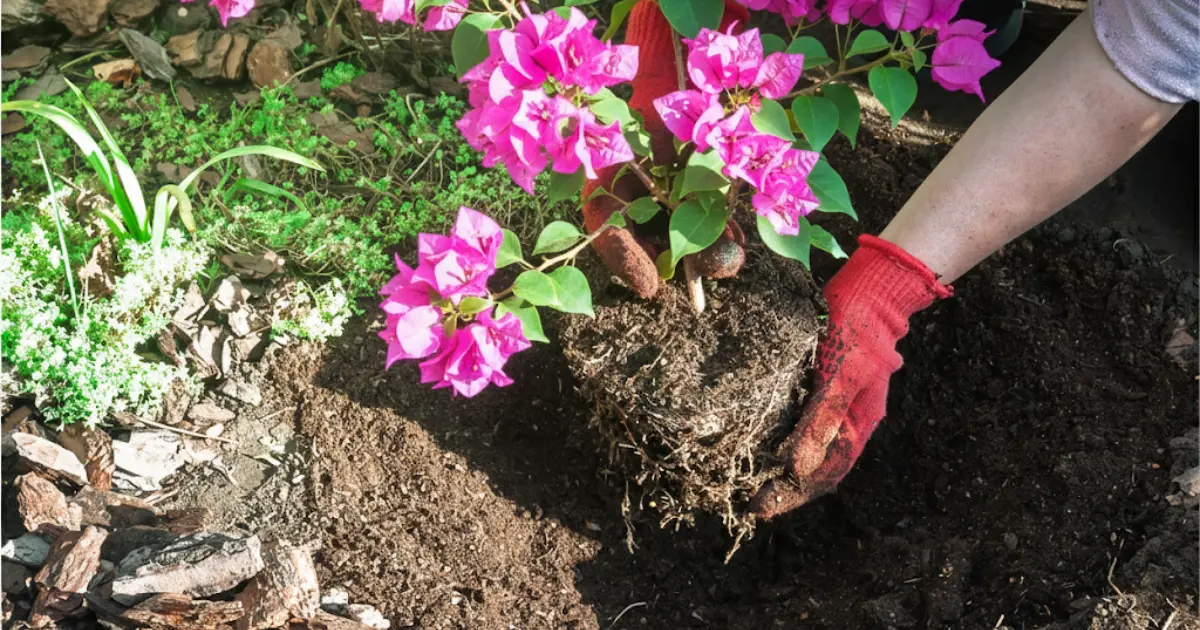
Best Time to Plant Bougainvillea: Timing for Vibrant Blooms
If you’re looking for a hardy tropical vine that delivers a riot of neon color, [...]
Feb
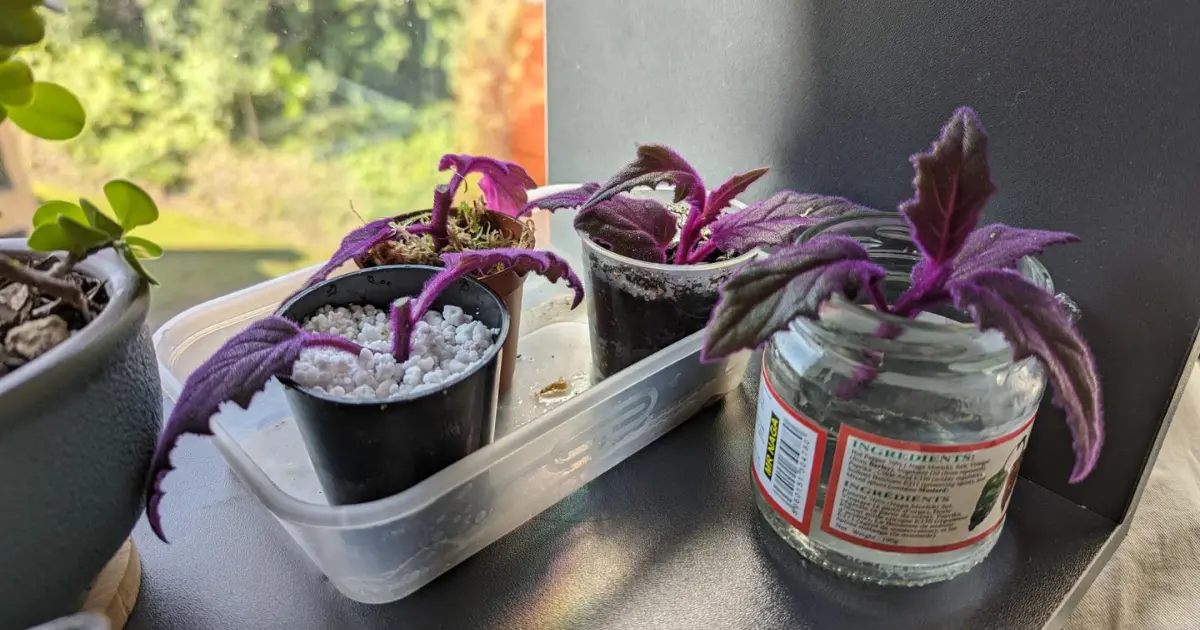
How to Propagate Purple Passion Plants (Gynura aurantiaca)
Have you ever been mesmerized by the neon-purple glow and fuzzy, velvet-like leaves of a [...]
Feb
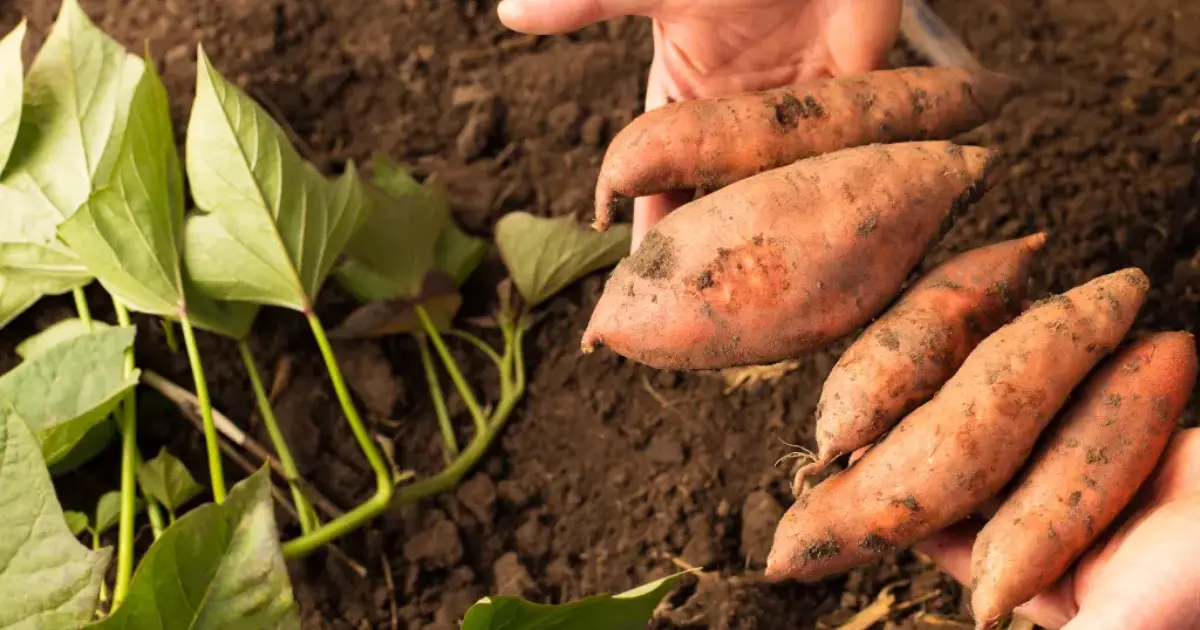
How to Grow Beauregard Sweet Potatoes: From Slips to a Bountiful Harvest
Are you ready to add a classic, heavy-hitting favorite to your vegetable patch? If you’ve [...]
Feb
Reviews
There are no reviews yet.