
Purple Wisteria Tree Live Plant – 6-8 Inch Tall, 4 Inch Pot, Outdoor Garden
Original price was: $41.57.$26.57Current price is: $26.57.
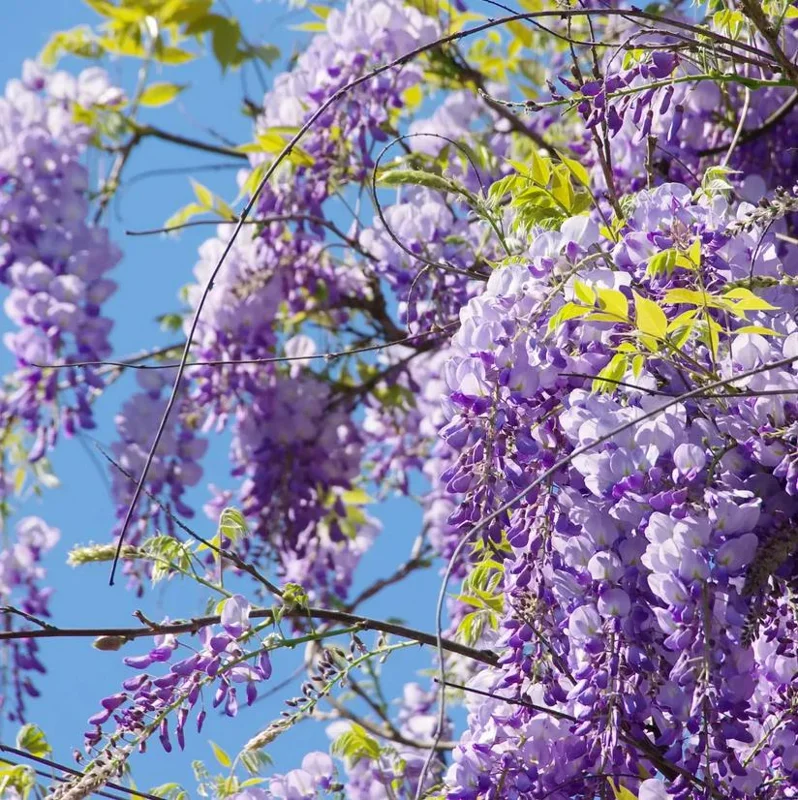
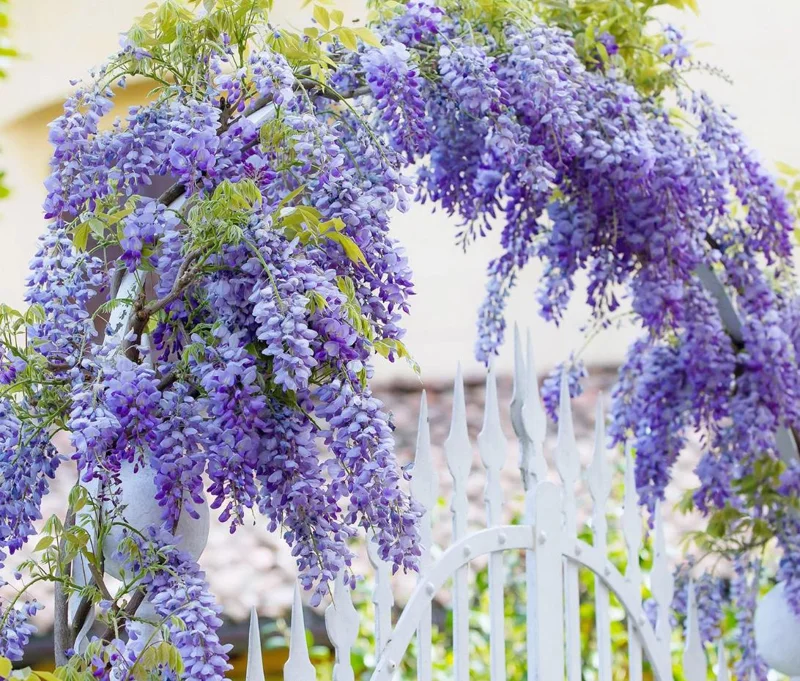
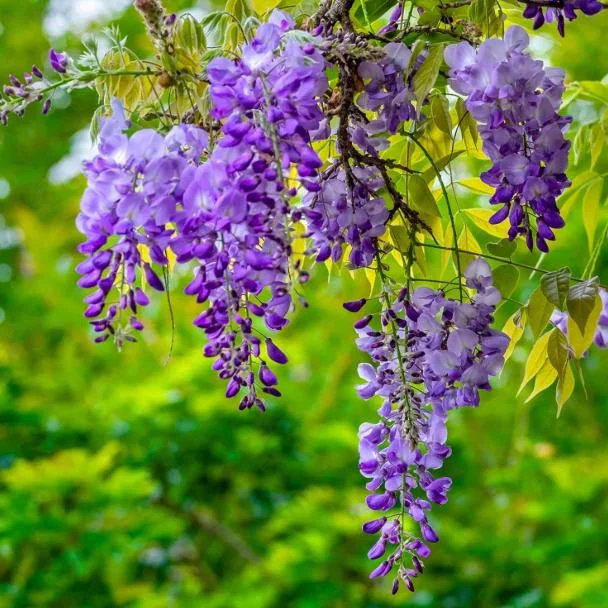
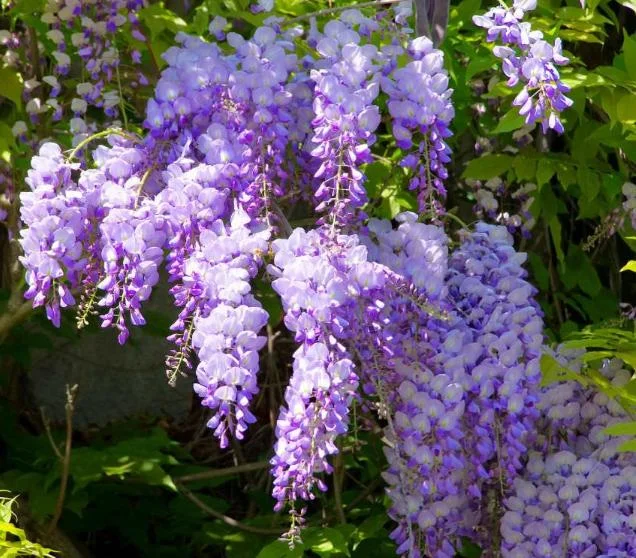
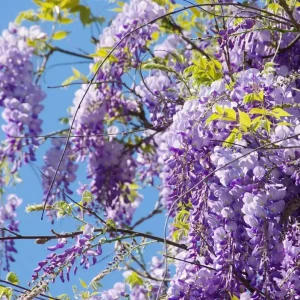
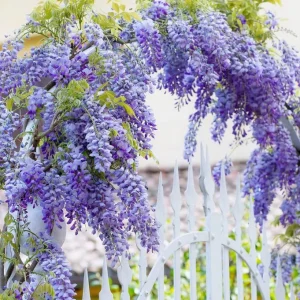
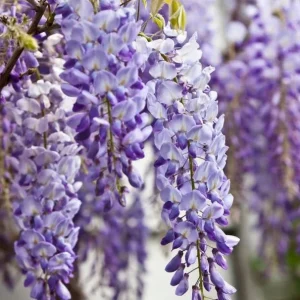
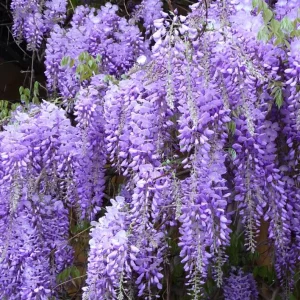
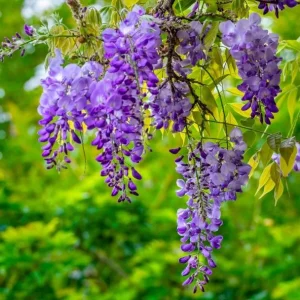
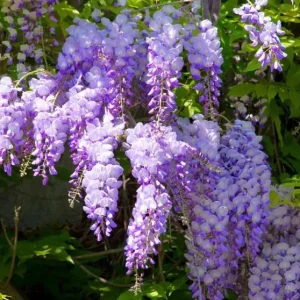
Bring elegance to your garden with a purple wisteria tree live plant. This 6-8 inch tall specimen arrives in a 4-inch pot, ready to grow into a stunning focal point with its fragrant, cascading purple blooms in spring and summer. Perfect for outdoor landscapes.
Estimated arrival
Apr 03
Apr 08 - Apr 10
Apr 13 - Apr 17

Reasonable Price
We offer reasonable price

Support 24/7
Contact us 24 hrs a day

100% Money Back
You've 30 days to Return

Payment Secure
100% secure payment
Overview
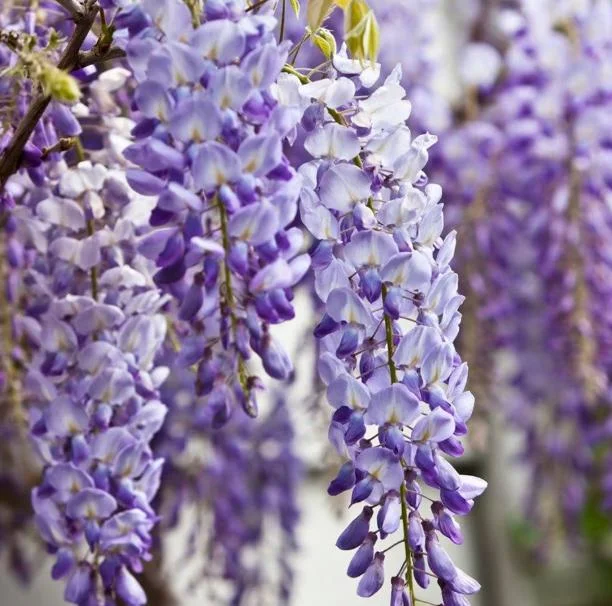
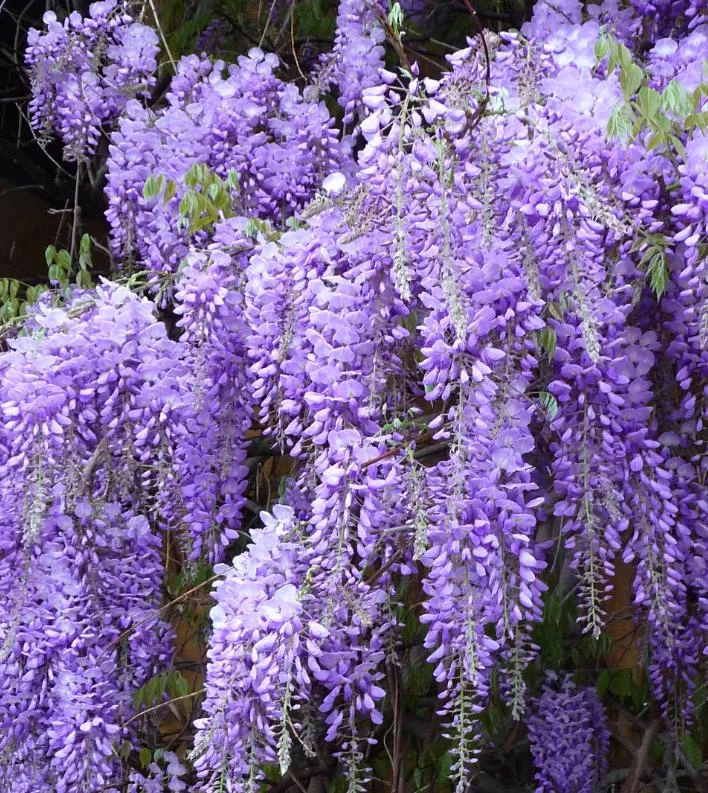
Transform your outdoor space with the enchanting beauty of a purple wisteria tree live plant. Known for its breathtaking display of dramatic, cascading flower clusters, this ornamental tree-shaped wisteria vine is a true garden showstopper. Each purple wisteria tree live plant arrives 6 to 8 inches tall in a 4-inch pot, ready to establish in your landscape. While dormant during winter months, this resilient plant bursts into vibrant life in spring and early summer, adorning your garden with its long, fragrant tassels of purple and lavender blooms. The sculptural trunk and rounded canopy of a purple wisteria tree live plant make it an elegant focal point, ideal for creating a romantic atmosphere in gardens, patios, and various landscape designs.
Wisteria trees are celebrated for their vigorous growth and stunning floral displays, attracting pollinators and delighting onlookers. This particular variety promises vibrant purple hues, adding a touch of sophistication and charm. Whether you’re an experienced gardener or just starting, growing wisteria tree can be a rewarding experience, offering years of seasonal beauty. Ensure you provide the right conditions for this magnificent plant to thrive and become a cherished part of your outdoor sanctuary.
Key Benefits
A purple wisteria tree live plant offers numerous advantages, making it a highly desirable addition to any garden. Its unique characteristics provide both aesthetic appeal and environmental benefits, enhancing your outdoor living space significantly.
- Stunning Floral Display: Enjoy magnificent cascading clusters of fragrant purple and lavender flowers, creating a truly spectacular visual in spring and early summer. The dramatic blooms are an instant focal point.
- Elegant Garden Focal Point: With its sculptural trunk and rounded canopy, this purple wisteria tree live plant serves as an elegant and eye-catching center-piece for gardens, patios, and landscape designs.
- Fragrant Blooms: The long, tassel-like flowers release a delightful, sweet fragrance that can perfume your entire garden, enhancing the sensory experience of your outdoor space.
- Attracts Pollinators: The vibrant flowers are a magnet for bees, butterflies, and other beneficial pollinators, contributing to the biodiversity and health of your garden ecosystem.
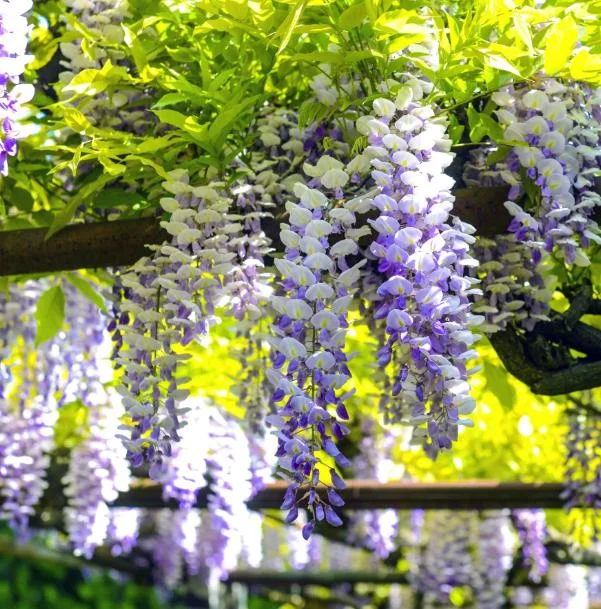
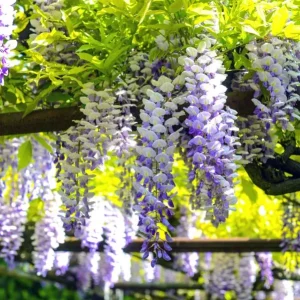
- Versatile Landscaping: Ideal for various landscape applications, from standalone specimens to trained over pergolas or arbors, adding architectural interest and natural beauty.
- Hardy and Resilient: Suitable for USDA Zones 5 to 9, this purple wisteria tree live plant is robust and can withstand a range of climatic conditions, ensuring long-term enjoyment.
- Seasonal Interest: Provides dynamic seasonal interest, from its dormant winter state to its lush green foliage and spectacular blooms in warmer months.
Plant Care & Growing Tips
Proper wisteria tree care is essential to ensure your plant thrives and produces its signature abundant blooms. While relatively low-maintenance once established, understanding its specific needs will help you cultivate a healthy and vigorous tree. This purple wisteria tree live plant prefers a specific set of conditions to flourish, primarily focusing on sunlight, soil, and watering practices.
For optimal growth and prolific flowering, full sun is absolutely essential. Your wisteria tree should receive at least 6 hours of direct sunlight per day. Insufficient light can lead to sparse blooming. Plant your wisteria in well-draining loamy soil. Good drainage is crucial, as wisteria does not tolerate waterlogged conditions, which can lead to root rot. When it comes to watering, moderate watering is key; keep the soil consistently moist but never soggy. Allow the top inch or two of soil to dry out between waterings, especially during dry spells or in its establishment phase. Avoid soaking the soil or leaving it waterlogged. The ideal temperatures for a purple wisteria tree live plant are between 60°F and 85°F, making it well-suited for a wide range of climates within USDA Zones 5 to 9. During the winter months, your wisteria tree will enter dormancy and lose its leaves; this is a natural part of its life cycle.
Fertilize your wisteria tree in early spring with a balanced, slow-release fertilizer or one with a higher phosphorus content to encourage blooming. Avoid high-nitrogen fertilizers, which can promote leafy growth at the expense of flowers. Pruning is vital for shaping an outdoor flowering trees like wisteria and encouraging blooms, typically done in late winter and again in mid-summer. Watch out for common pests like aphids or scale insects, and treat them with horticultural oil or insecticidal soap as needed. With consistent growing wisteria tree practices, your plant will reward you with spectacular displays year after year.
Size & Details
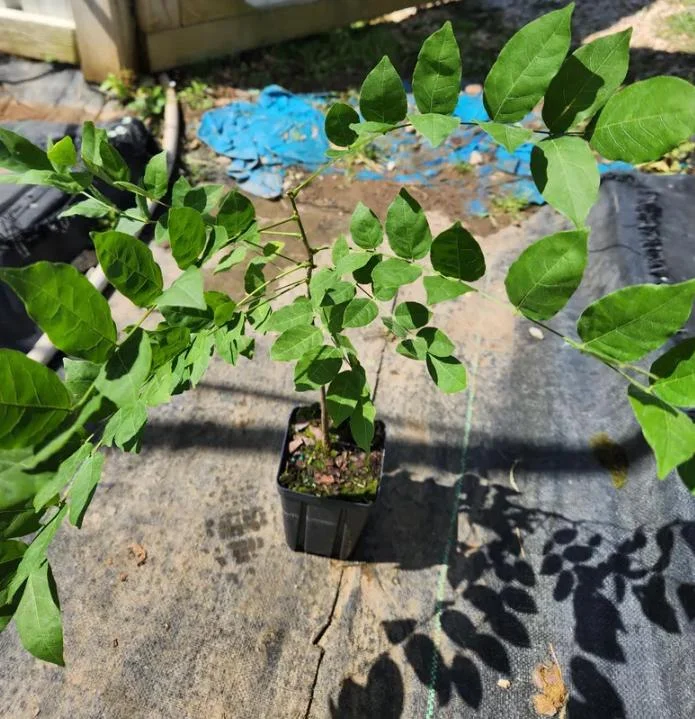
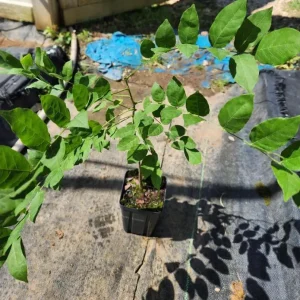
This purple wisteria tree live plant arrives as a young specimen, standing approximately 6 to 8 inches tall, and is rooted in a convenient 4-inch nursery pot. This size is ideal for planting, allowing the tree to establish quickly in its new environment. Wisteria is known for its relatively fast growth rate once established, with vines capable of growing several feet per year. As an outdoor flowering trees, it will develop a strong, woody trunk and a rounded canopy over time, maturing into a substantial garden feature.
The plant is shipped in its dormant state during winter months, which is a natural and healthy condition for transplantation. Upon arrival, it will be ready to be planted outdoors in a suitable location. Expect the first dramatic blooms to appear within a few years of planting, with the display becoming more spectacular as the tree matures. This particular variety is specifically chosen for its vibrant purple flowers, ensuring a consistent and beautiful color in your garden.
Frequently Asked Questions
- Q: How big does this wisteria tree get? A: This purple wisteria tree live plant arrives 6 to 8 inches tall. With proper care, it can grow into a substantial tree, with its woody trunk and canopy reaching significant heights and widths over many years, depending on pruning and growing conditions.
- Q: Is this an indoor or outdoor plant? A: This is an outdoor plant, specifically an outdoor flowering trees variety. It requires full sun and is best suited for planting directly in the garden or a large outdoor container where it can thrive.
- Q: How much sunlight does it need? A: For the best blooming performance, your wisteria tree needs full sun, meaning at least 6 hours of direct sunlight per day. This is crucial for successful growing wisteria tree and abundant flowers.
- Q: Is this plant easy to care for? A: Wisteria trees are relatively easy to care for once established, but they do require consistent sunlight, well-draining soil, and regular pruning to maintain shape and encourage flowering. Following specific wisteria tree care guidelines will ensure its health.
- Q: What condition will it arrive in? A: Your purple wisteria tree live plant will arrive 6 to 8 inches tall in a 4-inch pot. During winter, it will be dormant and without leaves, which is normal and healthy for transplantation.
- Q: When is the best time to plant this wisteria tree? A: The best time to plant your wisteria tree is in spring or fall, allowing it to establish its root system before extreme temperatures. However, because it arrives potted, it can be planted any time the ground is not frozen.
- Q: Will it survive winter in my zone? A: Yes, this wisteria tree is hardy in USDA Zones 5 to 9. It is designed to survive winter in these regions, entering dormancy and then re-emerging with new growth in spring.
- Q: What is the main benefit of a wisteria vine tree? A: The main benefit of a wisteria vine tree is its incredibly beautiful and fragrant cascading purple flowers that create a stunning, dramatic display in any garden or landscape.
- Q: How often should I water my wisteria tree? A: Water moderately, keeping the soil consistently moist but never waterlogged. Allow the top inch or two of soil to dry out between waterings.
- Q: Can I grow other outdoor flowering trees near it? A: Yes, you can grow other outdoor flowering trees near your wisteria, just ensure there is adequate space for both to grow and that they have similar light and soil requirements.
Be the first to review “Purple Wisteria Tree Live Plant – 6-8 Inch Tall, 4 Inch Pot, Outdoor Garden”
-
USDA Hardiness Zone
5 to 9 -
Soil Type
Well-draining loamy soil -
Sunlight Exposure
Full sun -
Expected Planting Period
Spring to summer (Dormant in winter)
People Also Viewd


Sold 128 products
Original price was: $89.99.$64.99Current price is: $64.99.

Sold 128 products
Original price was: $27.00.$24.00Current price is: $24.00.

Sold 126 products
Original price was: $3,536.00.$23.99Current price is: $23.99.

Sold 125 products
Original price was: $86.99.$66.99Current price is: $66.99.
Sold 116 products
Original price was: $27.99.$16.99Current price is: $16.99.

Flower Bulbs
3 Cranesbill Wild Geranium Organic Maculatums Bare Roots | Wildflower for Outdoor Garden
Sold 114 products
Original price was: $21.99.$6.99Current price is: $6.99.

Sold 114 products
Original price was: $28.99.$17.99Current price is: $17.99.

Sold 109 products
Original price was: $63.99.$28.99Current price is: $28.99.RELATED posts
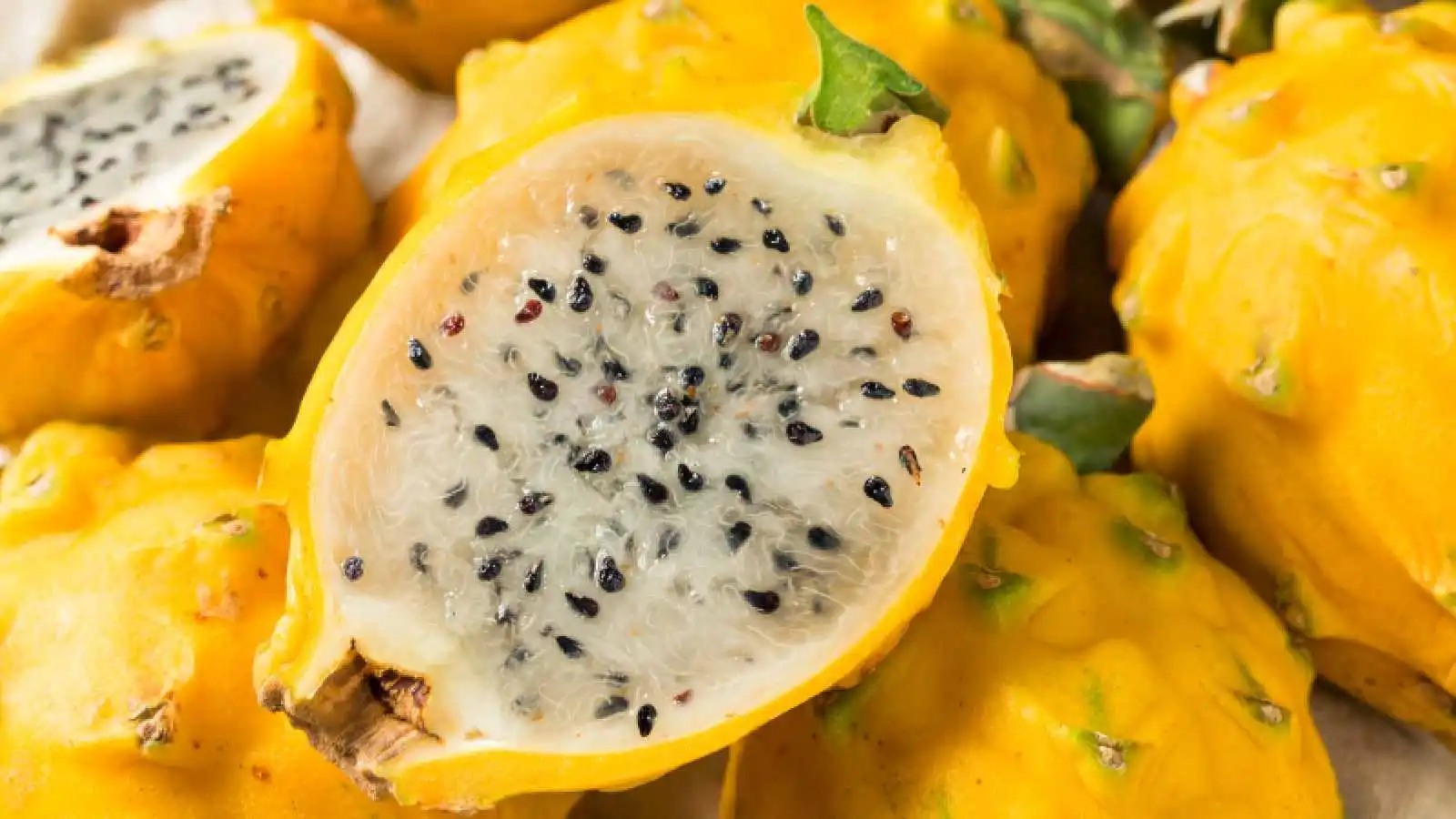
Yellow Dragon Fruit Plant Care: The Ultimate Guide for Healthy Growth
The yellow dragon fruit plant is a unique and rewarding addition to any home garden, [...]
Apr
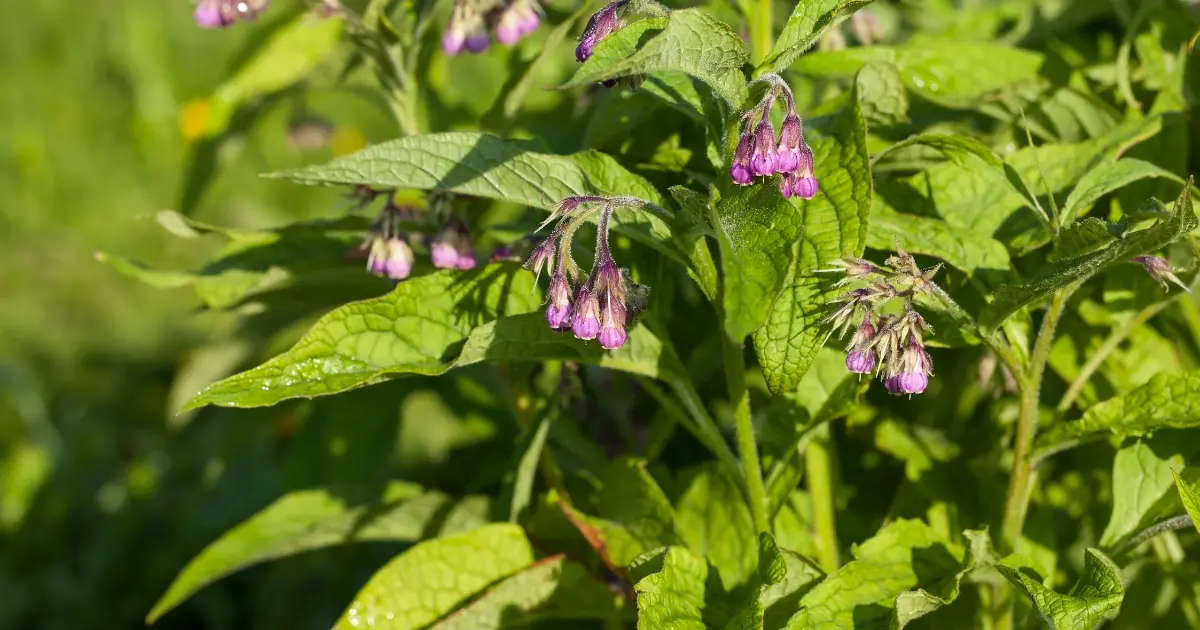
How to Identify Bocking 14 Comfrey: 5 Simple Visual Signs
If you’re growing comfrey for mulch, compost, or animal feed, knowing exactly which variety you [...]
Mar
Grand Duke of Tuscany Jasmine: The Ultimate Guide to Growing a Fragrant Masterpiece
Have you ever caught a scent in the air so rich, creamy, and honey-sweet that [...]
Mar
How to Grow Wild Huckleberries: A Guide to “Purple Gold”
Have you ever spent a summer afternoon hiking through the Pacific Northwest or the Rocky [...]
Mar
5 Best Shade-Loving Perennials for a Lush, Vibrant Garden
The world of gardening often shines a spotlight on sun-drenched blossoms, but there is a [...]
Mar

7 Common Curry Leaf Plant Problems: Easy Fixes for a Thriving Plant
Is your curry leaf plant looking a bit sad lately? Maybe you woke up to [...]
Mar
Best Time to Plant Bougainvillea: Timing for Vibrant Blooms
If you’re looking for a hardy tropical vine that delivers a riot of neon color, [...]
Feb
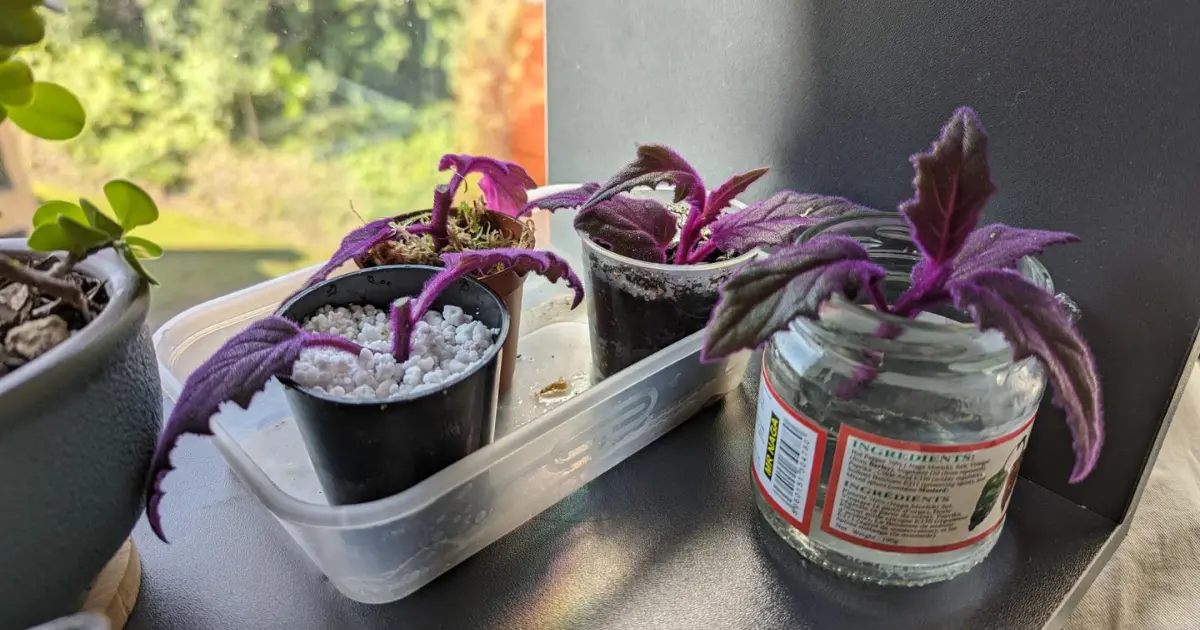
How to Propagate Purple Passion Plants (Gynura aurantiaca)
Have you ever been mesmerized by the neon-purple glow and fuzzy, velvet-like leaves of a [...]
Feb

Reviews
There are no reviews yet.