

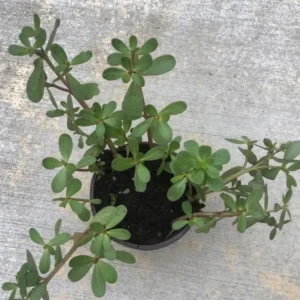
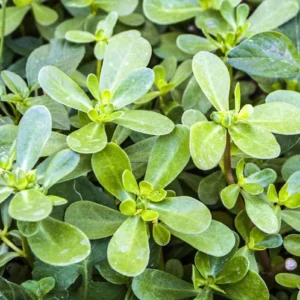
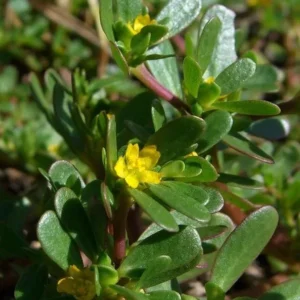
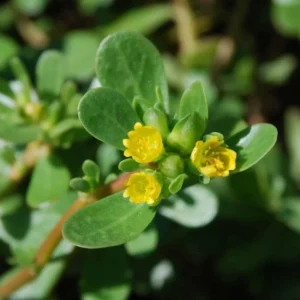
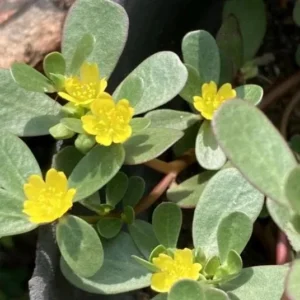
Purslane Live Plant – Edible Succulent – Live Plant – Indoor/Outdoor
Original price was: $51.98.$25.99Current price is: $25.99.
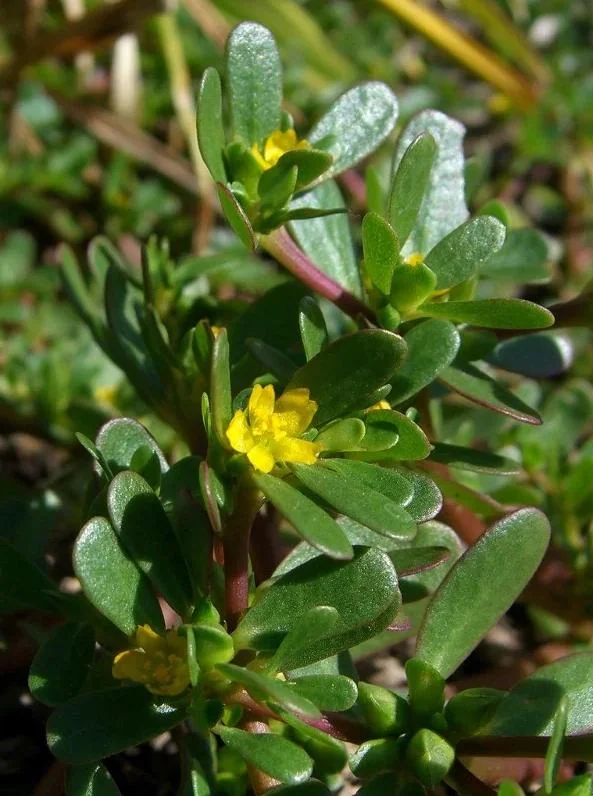
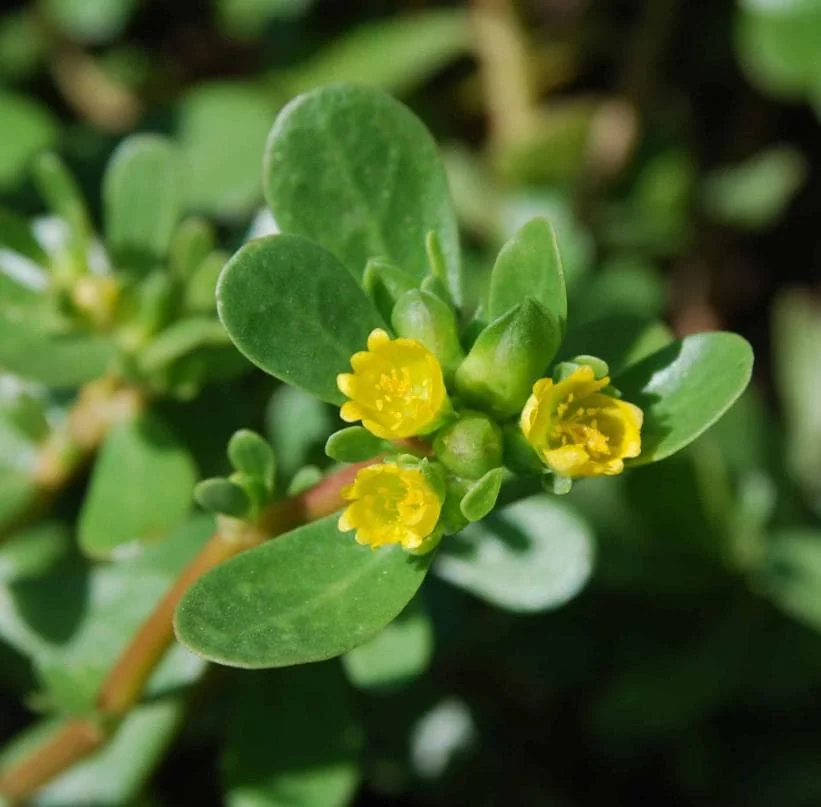
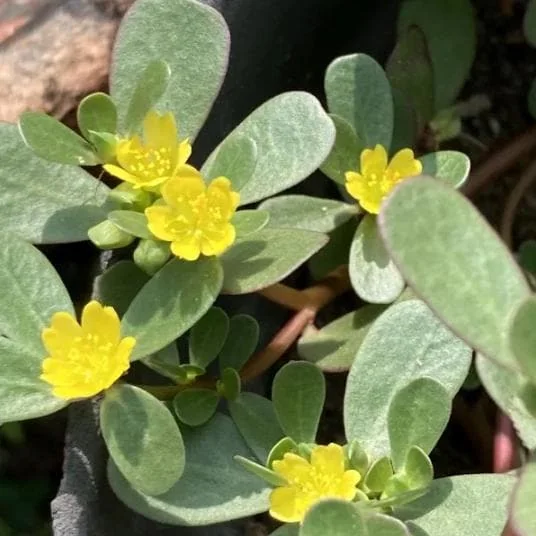
Purslane live plant is an easy-to-grow, edible succulent perfect for adding unique flavor to your dishes. It thrives in full sun and is drought-tolerant.
Estimated arrival
Mar 07
Mar 12 - Mar 14
Mar 17 - Mar 21

Reasonable Price
We offer reasonable price

Support 24/7
Contact us 24 hrs a day

100% Money Back
You've 30 days to Return

Payment Secure
100% secure payment
Overview
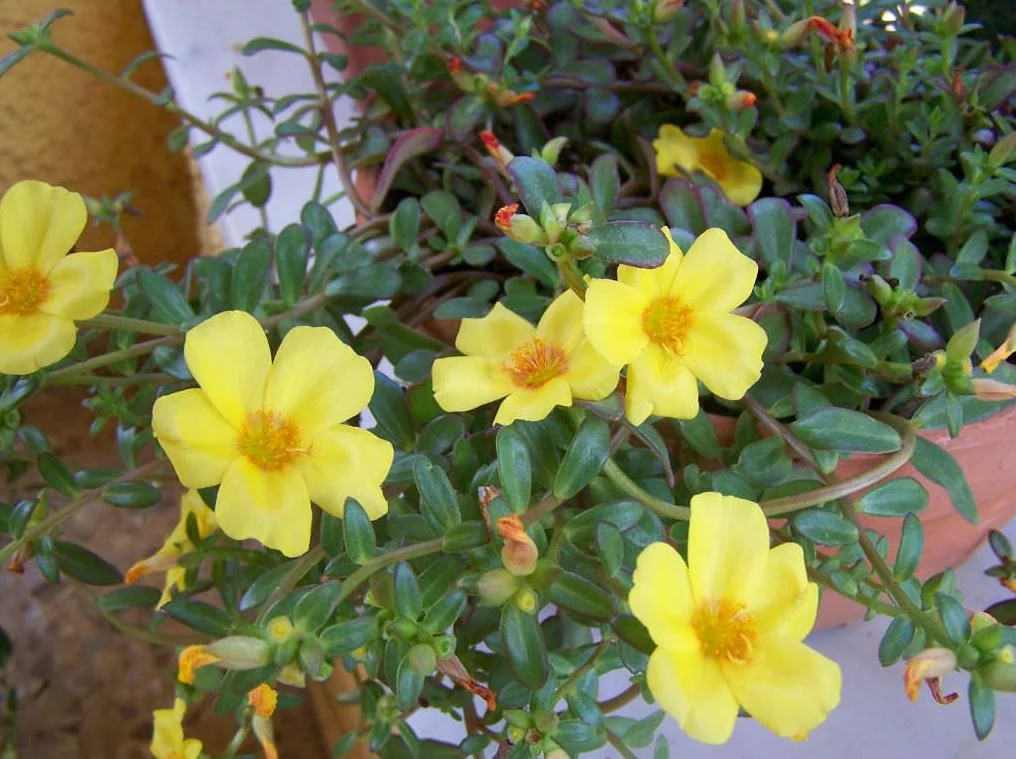
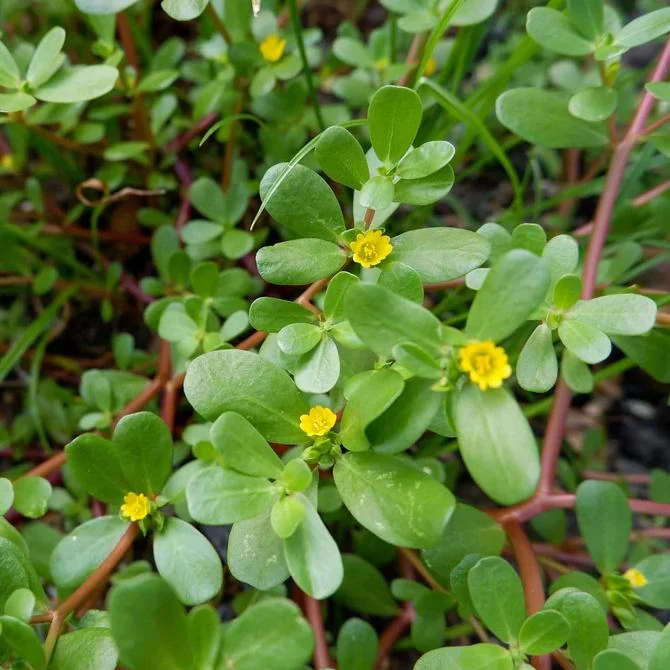
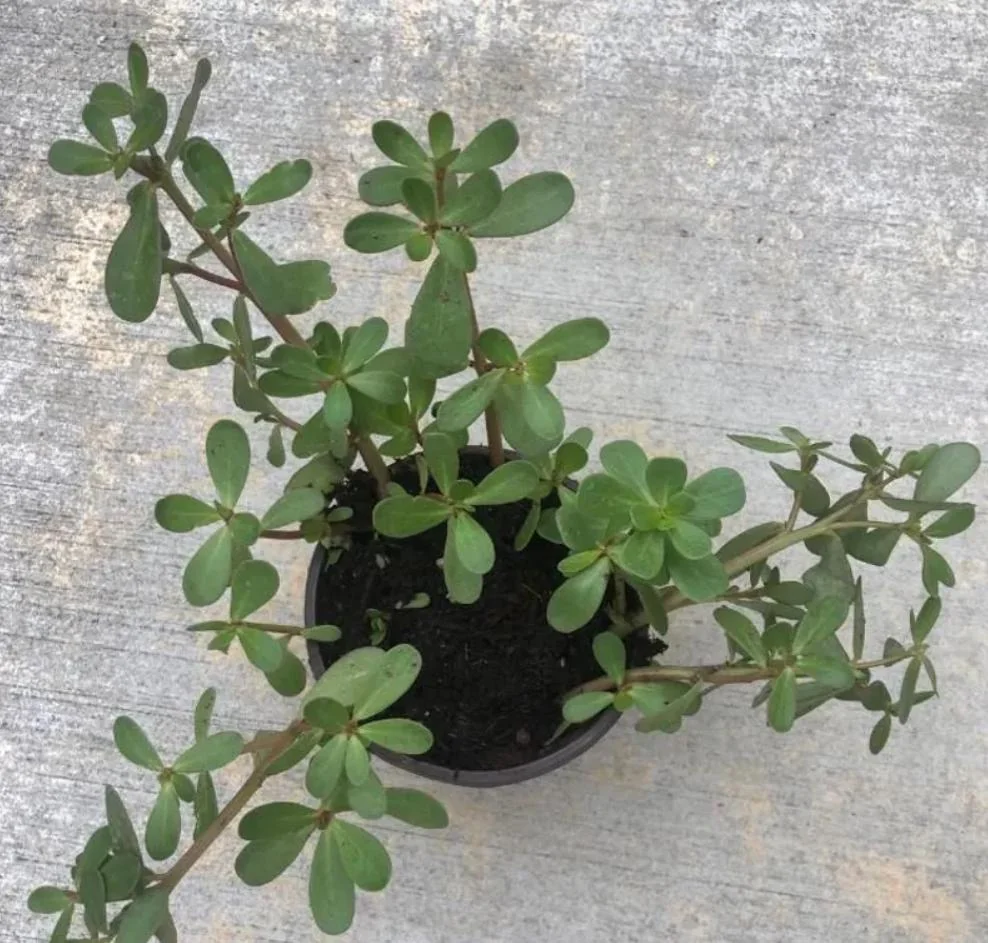
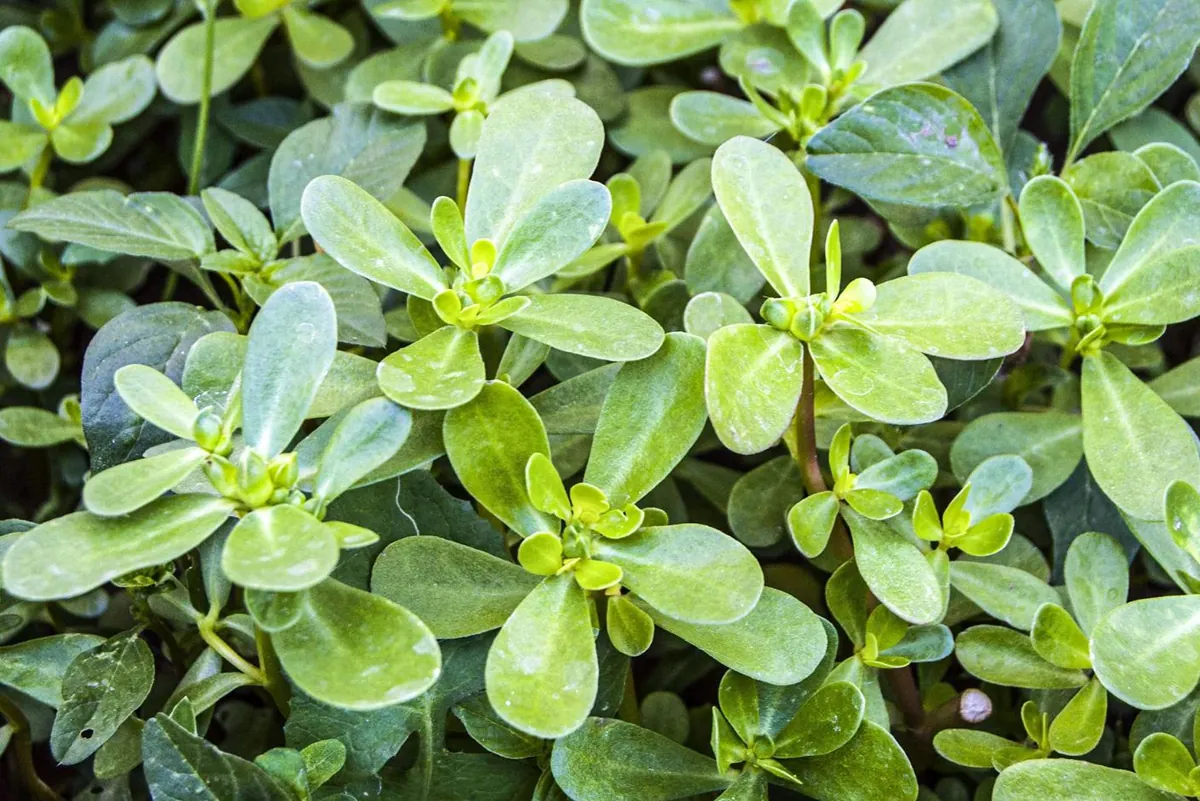
Purslane live plant is a versatile and nutritious addition to any garden, known for its unique flavor and health benefits. This hardy succulent, scientifically known as Portulaca oleracea, is not only easy to grow but also offers edible leaves that can enhance a variety of culinary dishes. With its low-growing habit, it makes an excellent ground cover or an attractive potted plant for your indoor or outdoor space.
Commonly referred to as the “edible succulent,” purslane is rich in omega-3 fatty acids and vitamins A, C, and E, making it a fantastic choice for health-conscious gardeners. Its slightly tangy, lemony flavor adds a delightful twist to salads, soups, and stir-fries, showcasing its culinary versatility.
Key Benefits
Purslane offers a variety of benefits that make it an excellent addition to your garden or home:
- Culinary Uses: The leaves of the purslane live plant are edible and can be used in salads, soups, and stir-fries, adding a unique flavor to your meals.
- Health Benefits: Rich in omega-3 fatty acids, vitamins A, C, and E, purslane is known for its nutritional value and potential health benefits.
- Low Maintenance: This succulent is drought-tolerant and requires minimal care, making it suitable for beginners.
- Drought Resistant: Once established, purslane can thrive in dry conditions, requiring little water.
- Fast Growing: Purslane grows quickly, allowing for regular harvests and continuous use in the kitchen.
- Attractive Foliage: With its fleshy leaves and low-growing habit, it serves as an attractive ground cover.
- Easy Propagation: Purslane can be easily propagated from seeds or cuttings, expanding your garden with minimal effort.
Plant Care & Growing Tips
Caring for your purslane live plant is straightforward and rewarding:
Sunlight is crucial for the growth of purslane. This plant thrives in full sun, requiring at least 6 hours of direct sunlight each day. It can be grown both indoors and outdoors, provided it receives sufficient light. When watering, it’s essential to allow the soil to dry out between waterings, as purslane is drought-tolerant and does not require frequent watering. Water only when the top inch of soil feels dry to the touch.
For optimal growth, use well-drained sandy or loamy soil. Purslane prefers a soil mix that allows for quick drainage to prevent root rot. In terms of temperature, it is adaptable but generally thrives in warmer conditions, making it suitable for USDA hardiness zones 9-11. Fertilization is not typically necessary, but a balanced fertilizer can be applied during the growing season to promote healthy growth.
Be mindful of common issues such as overwatering, which can lead to root problems. If you notice yellowing leaves, it may be a sign of overwatering or insufficient sunlight.
Size & Details
The purslane live plant typically grows to a height of 6-12 inches and spreads outwards, making it suitable for both pots and garden beds. It ships as a potted plant, ready for immediate planting or display. Depending on conditions, the growth rate is relatively fast, allowing for harvesting within weeks of planting.
Frequently Asked Questions
- Q: How big does this plant get? A: The purslane live plant typically reaches a height of 6-12 inches and spreads outwards, making it a compact addition to any garden.
- Q: Is this an indoor or outdoor plant? A: Purslane can be grown both indoors and outdoors, but it requires at least 6 hours of direct sunlight each day.
- Q: Is this plant easy to care for? A: Yes, the purslane live plant is low maintenance and drought-tolerant, making it ideal for beginner gardeners.
- Q: What condition will it arrive in? A: The plant is shipped in a pot and should arrive healthy, but some stress during shipping is normal.
- Q: Can I use purslane in cooking? A: Absolutely! The leaves are edible and can be added to salads, soups, and stir-fries for a unique flavor.
- Q: How long until it blooms? A: Purslane grows quickly, and you can start harvesting its leaves within weeks of planting.
- Q: Will it survive winter in my zone? A: Purslane is best suited for USDA hardiness zones 9-11, so ensure it is protected from frost in cooler areas.
Be the first to review “Purslane Live Plant – Edible Succulent – Live Plant – Indoor/Outdoor”
-
USDA Hardiness Zone
USDA zones 9–11 -
Soil Type
well-drained sandy or loamy soil -
Sunlight Exposure
full sun -
Expected Planting Period
spring to early summer
People Also Viewd


Sold 128 products
Original price was: $27.00.$24.00Current price is: $24.00.

Sold 125 products
Original price was: $86.99.$66.99Current price is: $66.99.

Sold 124 products
Original price was: $3,536.00.$23.99Current price is: $23.99.

Sold 123 products
Original price was: $89.99.$64.99Current price is: $64.99.
Sold 116 products
Original price was: $27.99.$16.99Current price is: $16.99.

Sold 114 products
Original price was: $28.99.$17.99Current price is: $17.99.

Flower Bulbs
3 Cranesbill Wild Geranium Organic Maculatums Bare Roots | Wildflower for Outdoor Garden
Sold 114 products
Original price was: $21.99.$6.99Current price is: $6.99.

Sold 109 products
Original price was: $63.99.$28.99Current price is: $28.99.RELATED posts
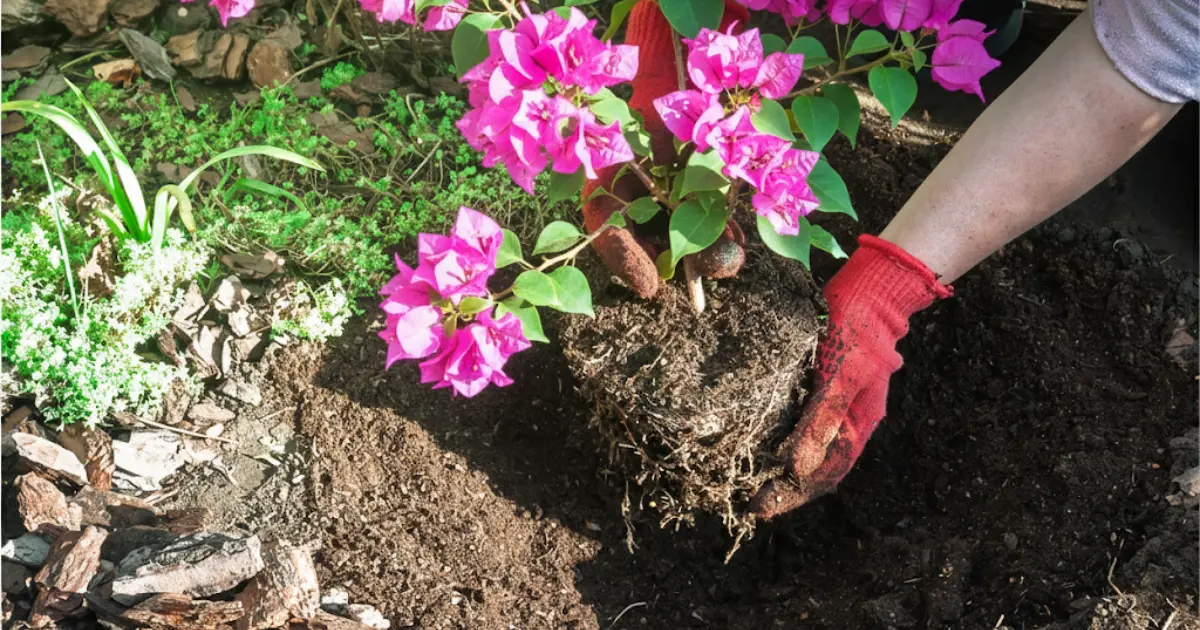
Best Time to Plant Bougainvillea: Timing for Vibrant Blooms
If you’re looking for a hardy tropical vine that delivers a riot of neon color, [...]
Feb
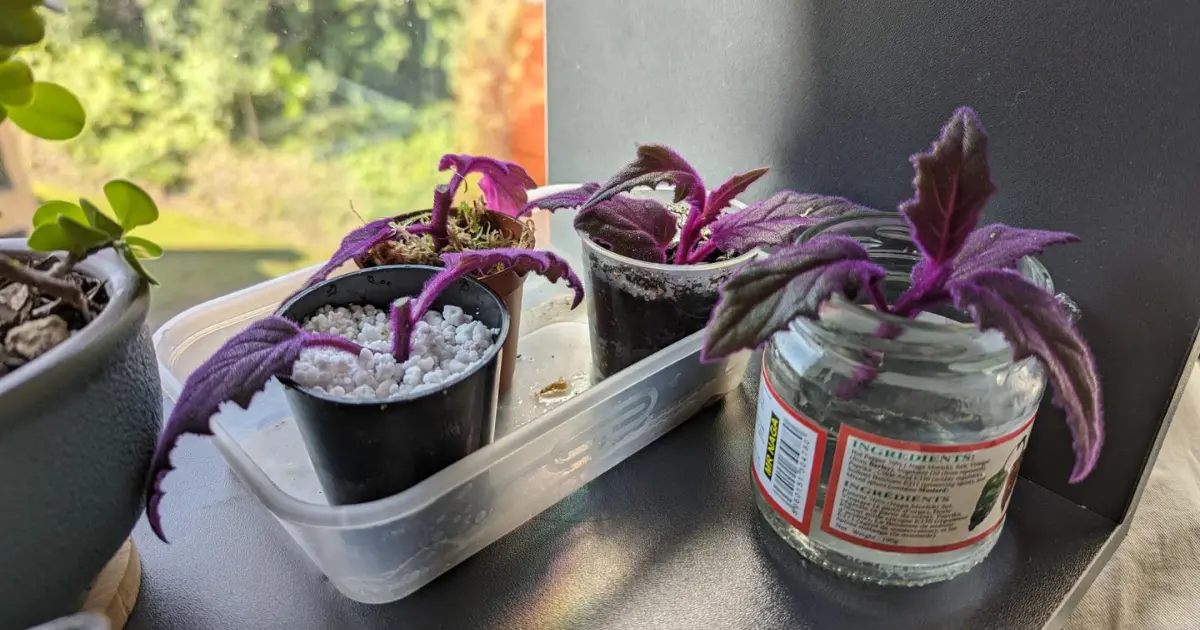
How to Propagate Purple Passion Plants (Gynura aurantiaca)
Have you ever been mesmerized by the neon-purple glow and fuzzy, velvet-like leaves of a [...]
Feb

How to Grow Beauregard Sweet Potatoes: From Slips to a Bountiful Harvest
Are you ready to add a classic, heavy-hitting favorite to your vegetable patch? If you’ve [...]
Feb
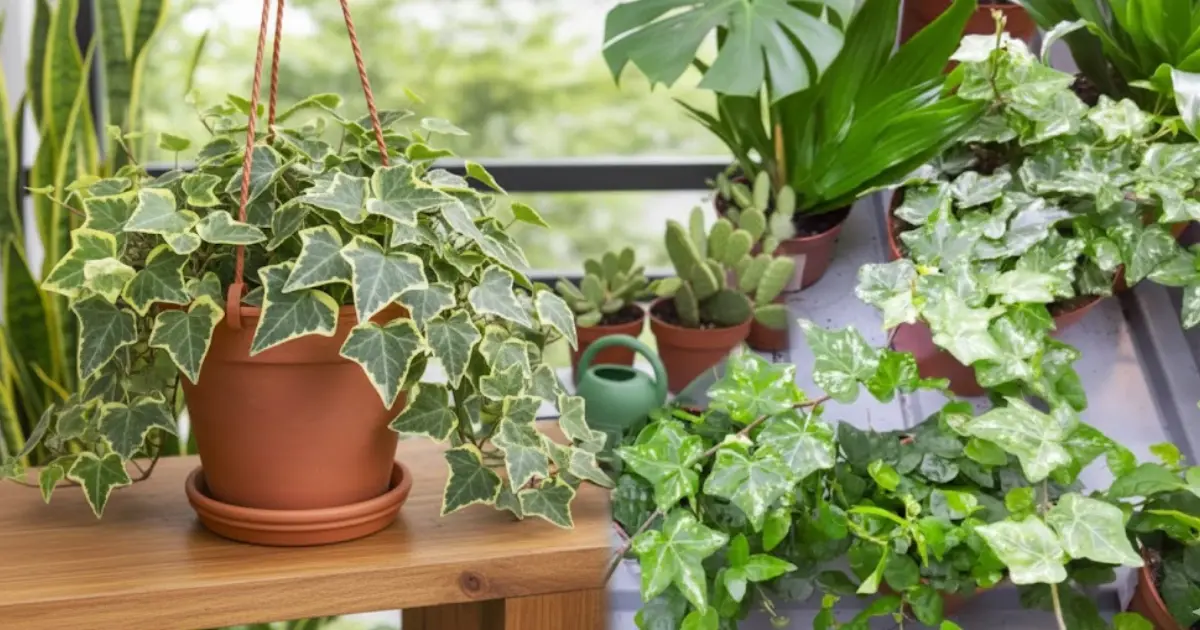
7 Expert Tips to Grow Lush Ivy Indoors: A Beginner’s Guide
Are you tired of seeing the same old Pothos vines in every corner of your [...]
Feb
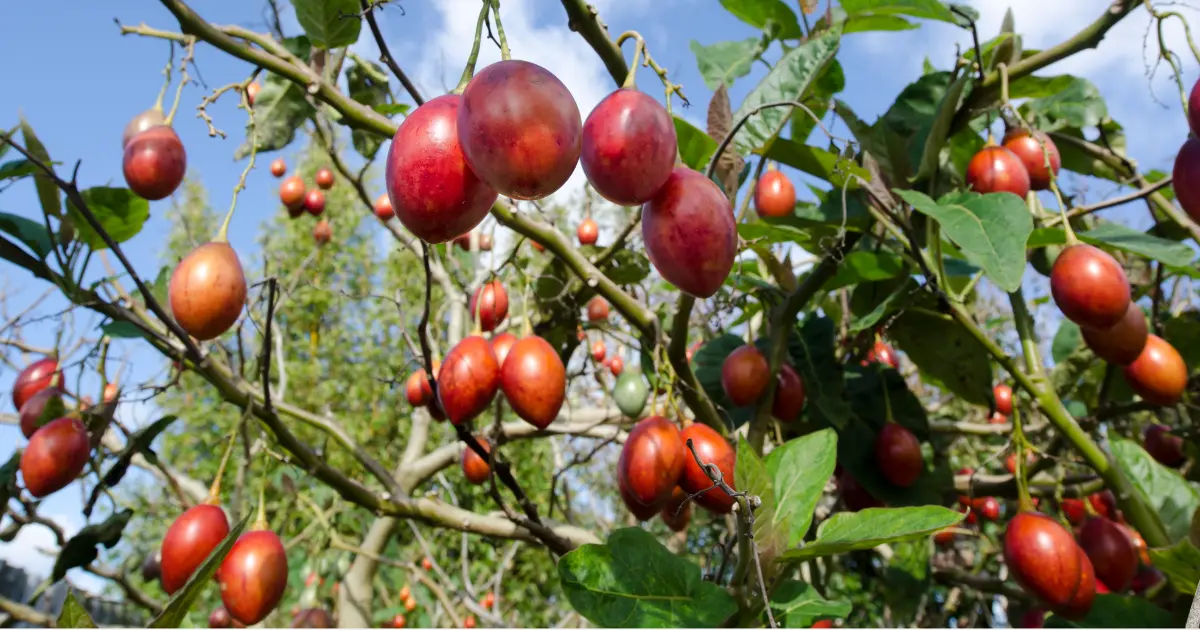
7 Reasons Why Tamarillo Trees Are a Garden Must-Have
Once you start growing a garden, you will keep finding more reasons to add more [...]
Jan
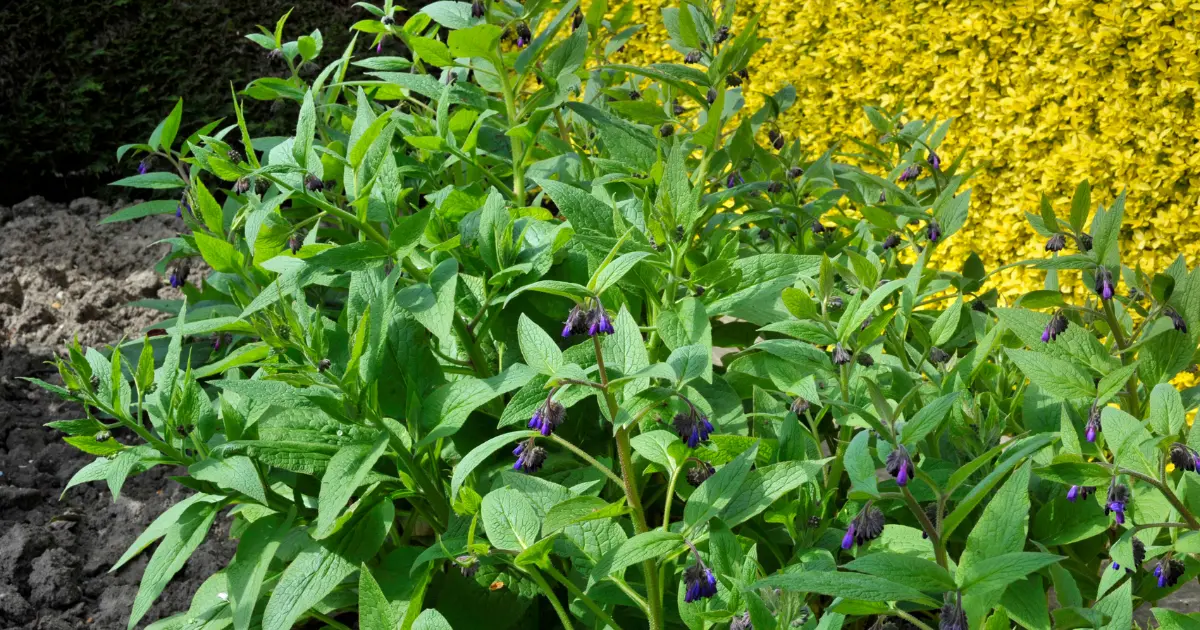
Comfrey Companion Planting: What to Grow Next to Your Comfrey Patch?
Have you ever looked at that lush, fast-growing patch of comfrey in the corner of [...]
Jan
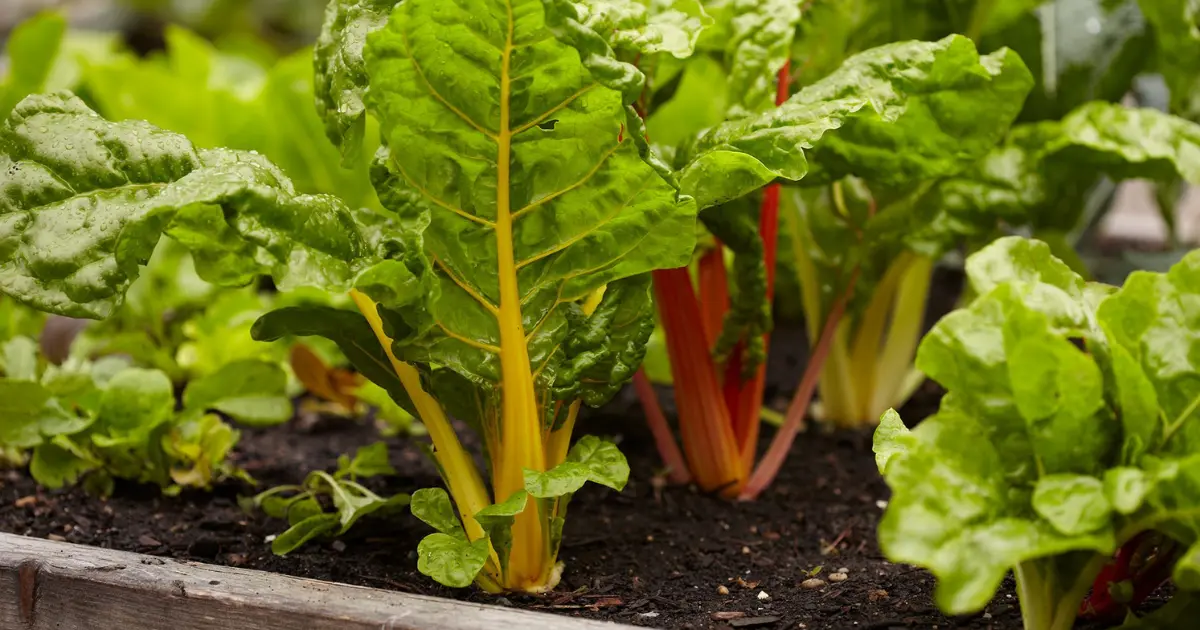
7 Vegetables to Plant in December for a Bountiful Winter Harvest
Winter gardening is a challenge many new gardeners shy away from. But if you’re among [...]
Dec
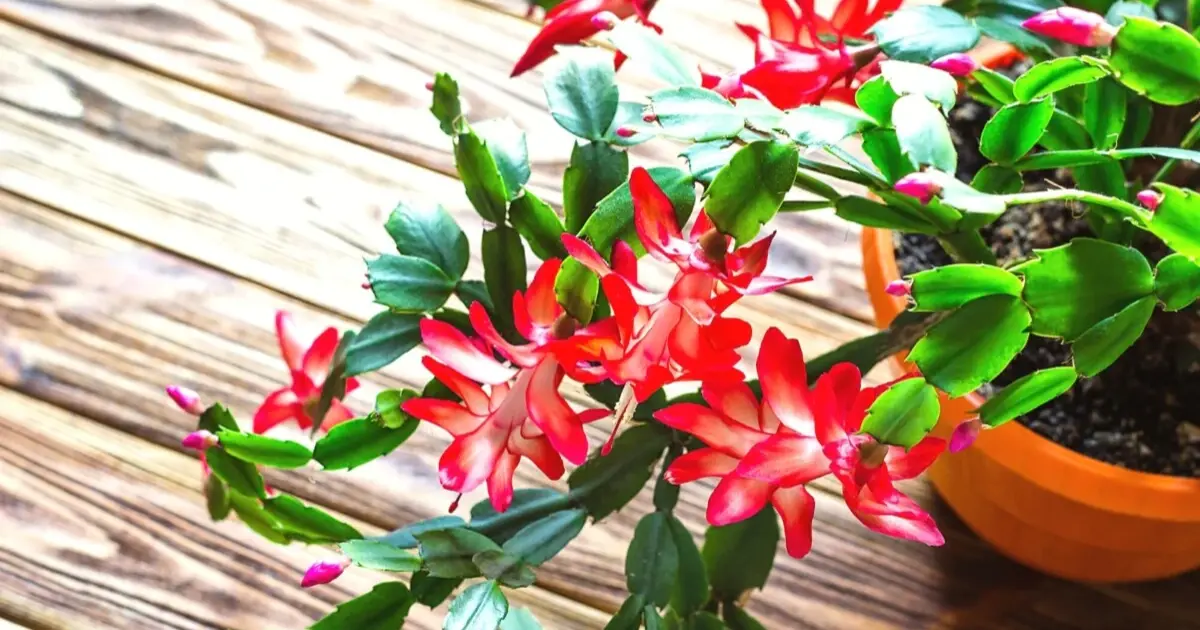
9 Common Christmas Cactus Problems and How to Fix Them
Have you ever walked past your Christmas cactus and wondered why it suddenly looks sad? [...]
Nov



Reviews
There are no reviews yet.