
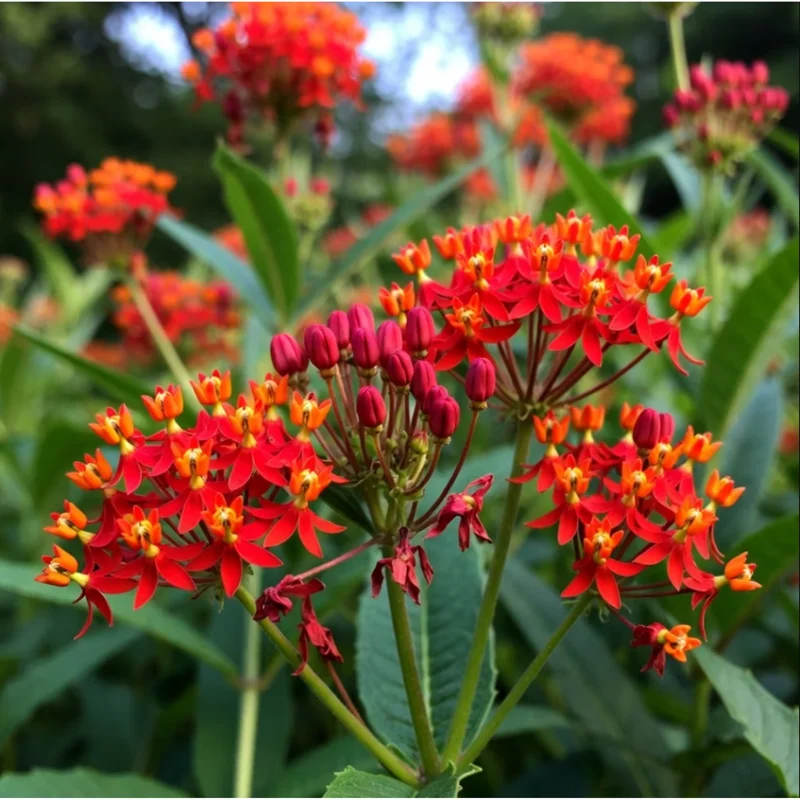
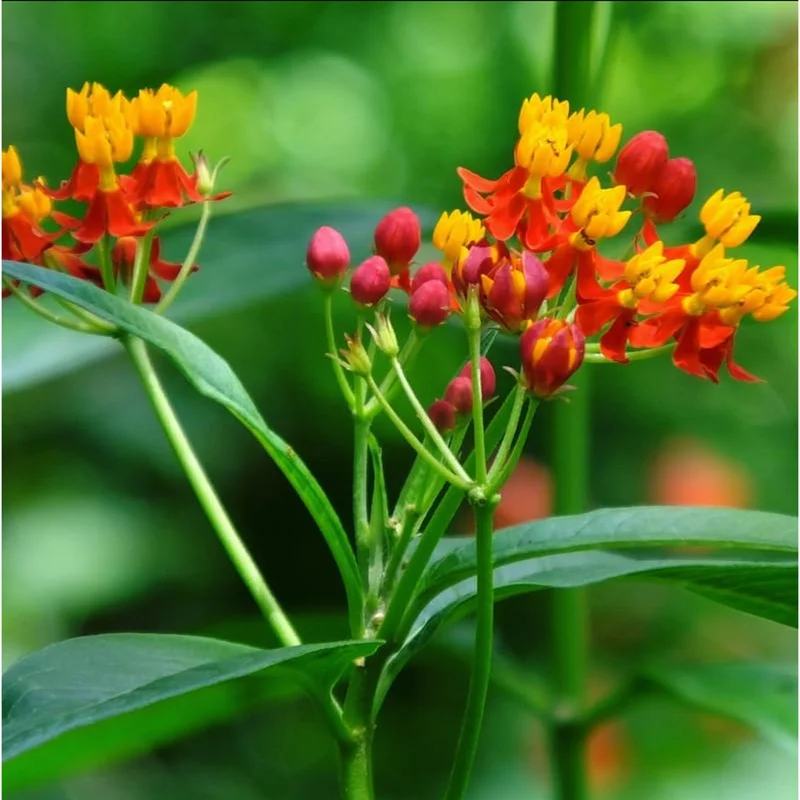
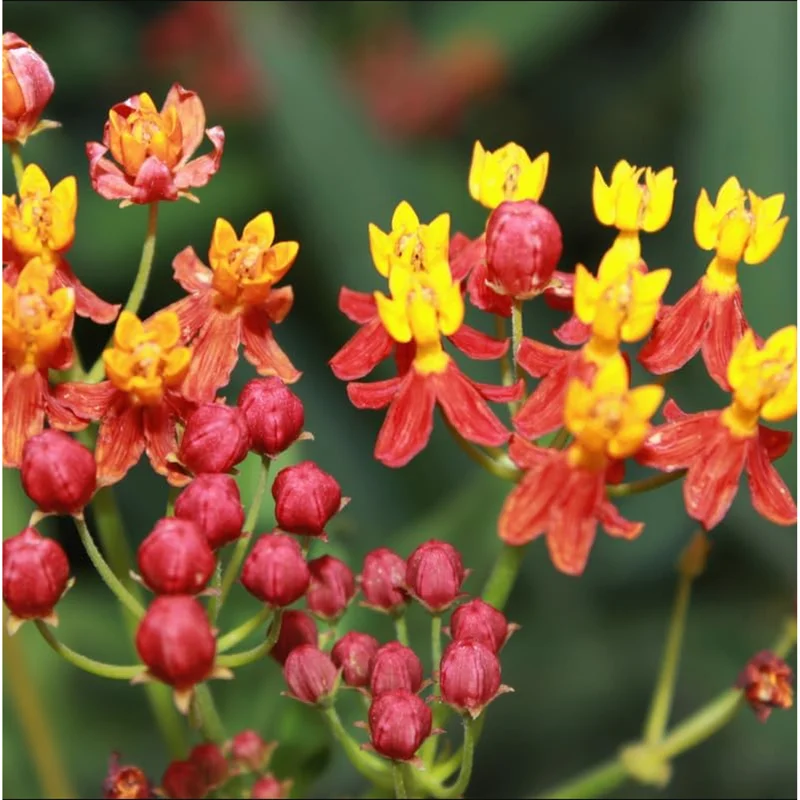
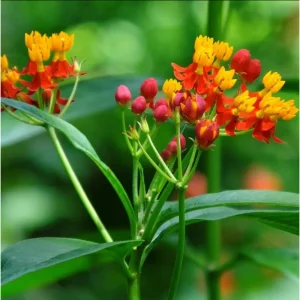
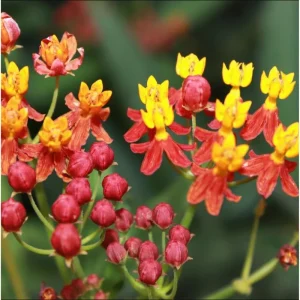
Red Milkweed Live Plant – Tropical Scarlet Milkweed (Asclepias curassavica) – 2 Pack, 4-9 Inch Tall
Original price was: $40.99.$30.99Current price is: $30.99.
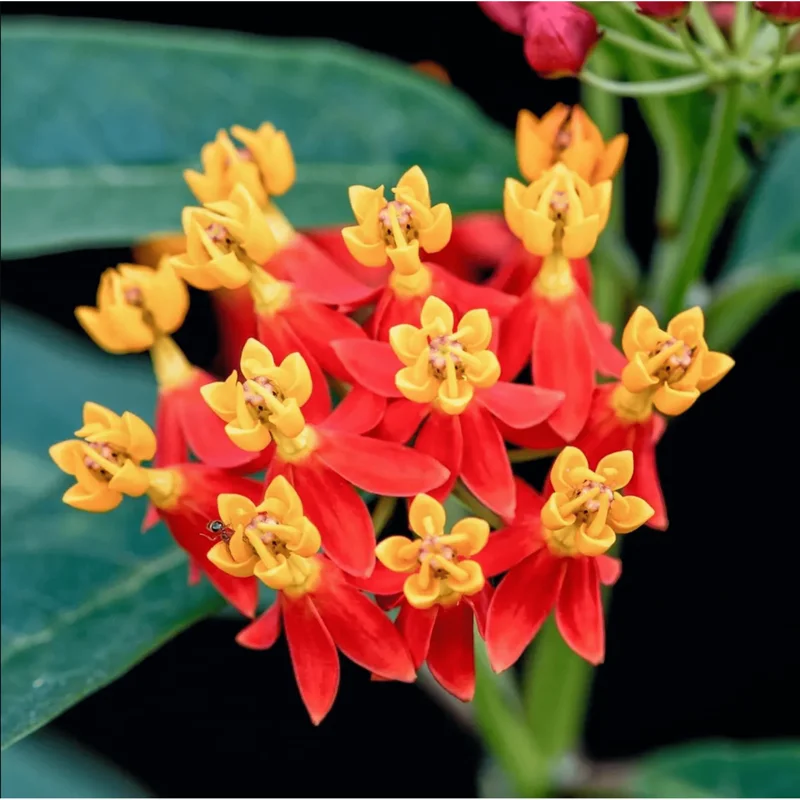
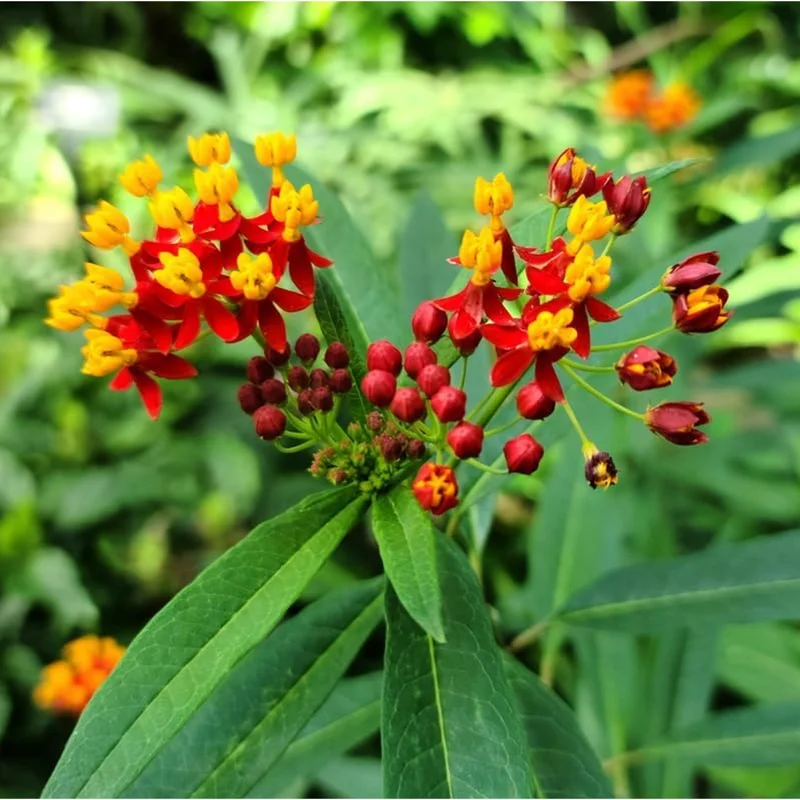
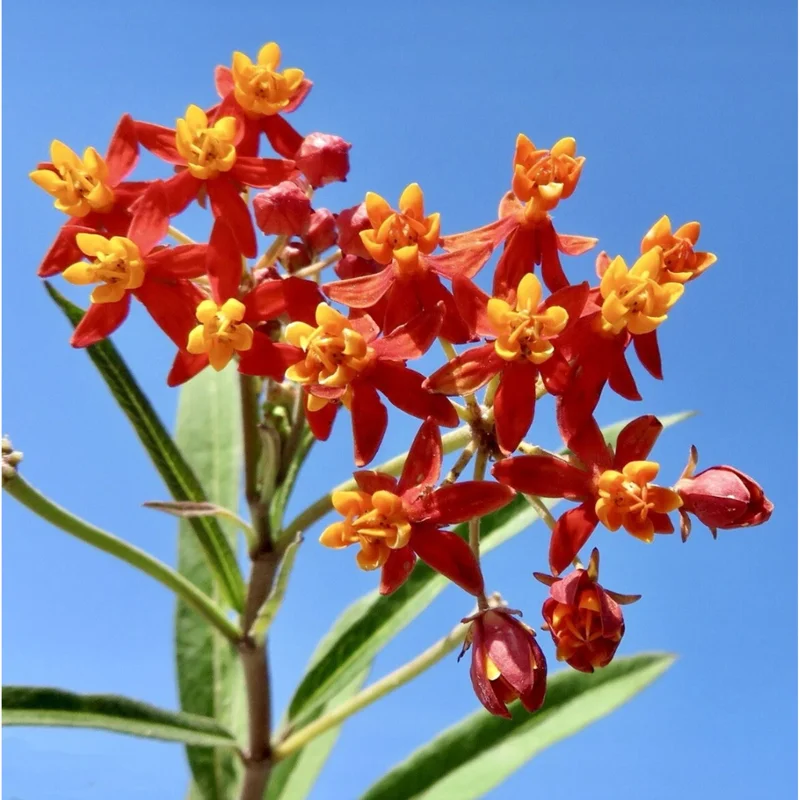
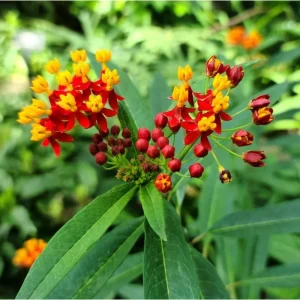
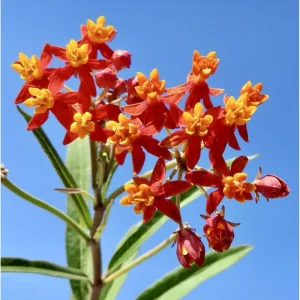
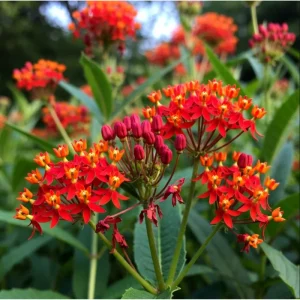
Enhance your garden with a 2-pack of vibrant red milkweed live plant starters. Also known as Tropical Milkweed (Asclepias curassavica), these plants are essential for attracting butterflies and adding a splash of scarlet color. Growing 4-9 inches tall, they thrive in full sun and well-drained soil, making them a beautiful and beneficial addition to any outdoor space.
Estimated arrival
Apr 02
Apr 07 - Apr 09
Apr 12 - Apr 16

Reasonable Price
We offer reasonable price

Support 24/7
Contact us 24 hrs a day

100% Money Back
You've 30 days to Return

Payment Secure
100% secure payment
Overview
Introduce a burst of color and vital support for local wildlife into your garden with this red milkweed live plant 2-pack. Commonly known as Tropical Milkweed or Scarlet Milkweed, and scientifically as Asclepias curassavica, these vibrant plants are renowned for their striking red-orange flowers and their critical role as a host plant for monarch butterfly caterpillars. Our starter plants arrive at 4-9 inches tall, ready to be planted directly into your garden. Choosing red milkweed live plant varieties ensures you’re providing a direct and immediate food source for caterpillars and nectar for adult butterflies, making your garden a haven for these beautiful pollinators. This tropical variety is celebrated for its continuous blooming throughout warmer months, offering a consistent display of color and ecological benefit.
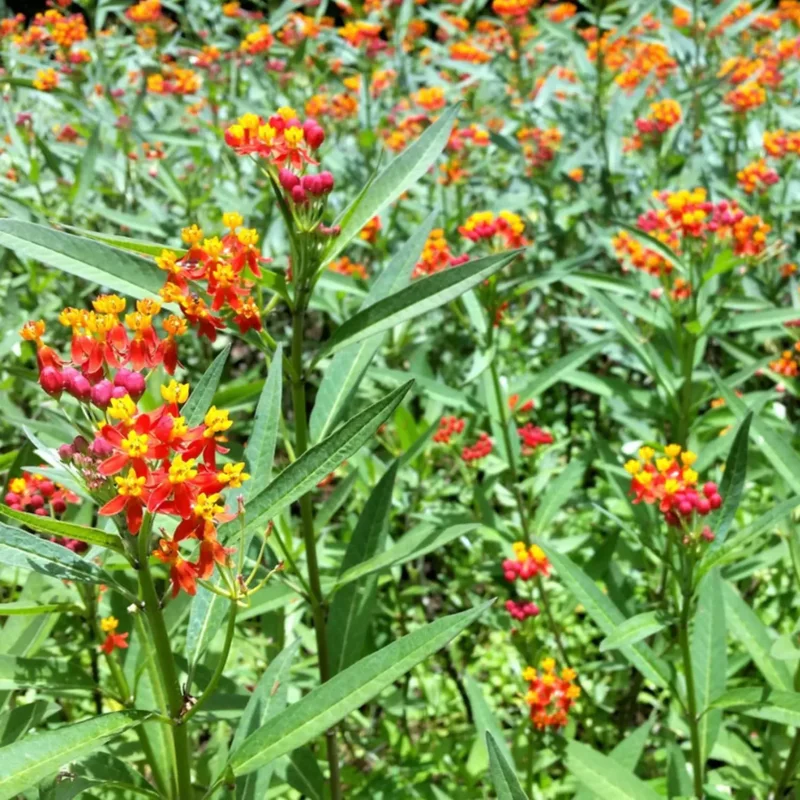
These robust starters are perfect for gardeners looking to establish a thriving butterfly garden quickly and efficiently. The resilience of the red milkweed live plant makes it suitable for various climates, though it truly flourishes in warmer, full-sun environments. Its upright growth habit and dense foliage create an attractive backdrop for its brilliant blooms, which are a strong magnet for not just monarchs but also other beneficial insects. Whether you’re a seasoned gardener or just starting, adding these plants will bring dynamic life and beauty to your outdoor space, fostering a vibrant ecosystem right in your backyard.
Key Benefits
Cultivating red milkweed live plant in your garden offers numerous advantages, blending aesthetic appeal with significant ecological impact. These plants are not just beautiful; they are a cornerstone for biodiversity, especially for crucial pollinators.
- Monarch Butterfly Habitat: The primary benefit of planting red milkweed live plant is its role as the sole food source for monarch butterfly caterpillars. By providing these plants, you directly contribute to the survival and population growth of these iconic pollinators, making your garden a vital part of the monarch migration.
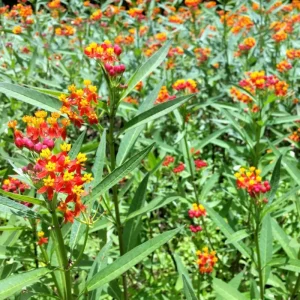
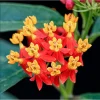
- Vibrant Garden Color: The brilliant scarlet and orange flowers of Tropical Milkweed provide continuous, eye-catching color from spring through fall, significantly enhancing the visual appeal of any garden bed, border, or container planting.
- Attracts Pollinators: Beyond monarchs, the nectar-rich flowers of scarlet milkweed plant attract a wide array of other beneficial insects, including bees, hummingbirds, and various butterfly species, promoting a healthier and more productive garden ecosystem.
- Low Maintenance: Once established, tropical milkweed care is relatively straightforward. These plants are drought-tolerant and adaptable to various soil conditions, requiring minimal intervention to thrive and produce abundant blooms.
- Fast Growing: These starter plants grow quickly, allowing you to establish a robust butterfly garden in a short amount of time. You’ll soon see your garden teeming with life.
- Deer Resistant: The sap of milkweed plants is unpalatable to deer and other common garden pests, making them a safe choice for areas where wildlife browsing is a concern.
- Educational Value: Growing asclepias curassavica for sale provides an excellent opportunity to observe the life cycle of monarch butterflies firsthand, offering educational benefits for children and adults alike.
Plant Care & Growing Tips
Ensuring the health and vitality of your red milkweed live plant involves understanding its basic needs for light, water, and soil. These plants are generally resilient, but optimal conditions will lead to the most prolific blooms and a thriving environment for pollinators. For successful tropical milkweed care, consider the following guidelines.
Sunlight Requirements: Red Milkweed thrives in full sun, requiring at least 6-8 hours of direct sunlight daily to produce abundant flowers. In areas with intense summer heat, some afternoon shade can be beneficial, but generally, the more sun, the better. When considering butterfly garden plants, ensure your chosen location provides ample light. Soil & Watering: These plants are adaptable and can grow in almost any well-drained soil, including sandy or clay-heavy types. Excellent drainage is crucial to prevent root rot. While establishing, keep the soil consistently moist. Once mature, asclepias curassavica for sale becomes quite drought-tolerant, only needing water during prolonged dry spells. Avoid overwatering, as this can be detrimental to the plant’s health. Temperature & Hardiness: Tropical Milkweed is a tender perennial, typically grown as an annual in cooler climates (below USDA Zone 8). In warmer zones (USDA Zones 8-11), it can overwinter and return year after year. It prefers warm temperatures and is not frost-tolerant. If you live in a colder region, you can grow it in containers and bring it indoors during winter.
Fertilization & Pruning: Fertilize sparingly; a balanced, all-purpose fertilizer applied once or twice during the growing season is usually sufficient. Over-fertilizing can lead to lush foliage at the expense of flowers. Regular deadheading (removing spent blooms) will encourage continuous flowering. Pruning back the plant in late fall or early spring can help rejuvenate it and prevent the spread of OE (Ophryocystis elektroscirrha), a monarch parasite. This practice is especially important for scarlet milkweed plant grown in regions where it overwinters, as it encourages fresh growth for new generations of monarch caterpillars.
Size & Details
This offering includes a 2-pack of red milkweed live plant starter specimens, each standing approximately 4-9 inches tall at the time of shipment. These plants are grown to a healthy, established size, ready for transplanting into your garden or larger containers. They are carefully packaged to ensure safe arrival, though they do not ship in a pot to minimize waste and shipping costs; they will be securely wrapped to protect their root systems. Once planted, these Tropical Milkweed plants exhibit a moderate to fast growth rate, typically reaching mature heights of 2-5 feet and a spread of 1-3 feet within their first growing season under optimal conditions. The vibrant red and orange blooms of this asclepias curassavica for sale will appear continuously from late spring through fall, providing an extended season of color and pollinator support.
Frequently Asked Questions
- Q: How big do these Red Milkweed live plants get? A: These red milkweed live plant starters are 4-9 inches tall upon arrival. Once planted, they typically grow to a mature height of 2-5 feet with a spread of 1-3 feet, depending on growing conditions and climate.
- Q: Is this an indoor or outdoor plant? A: Tropical Milkweed (Asclepias curassavica) is primarily an outdoor plant, thriving in full sun. While it can be overwintered indoors in colder climates, it is best suited for garden beds, borders, or outdoor containers as a key component of butterfly garden plants.
- Q: How much sunlight does it need? A: This plant requires full sun exposure, meaning at least 6-8 hours of direct sunlight per day, for optimal growth and flowering. Less sun will result in fewer blooms and leggy growth.
- Q: Is this plant easy to care for? A: Yes, tropical milkweed care is considered relatively easy. Once established, it is drought-tolerant and adaptable to various soil types, making it suitable for both beginner and experienced gardeners.
- Q: What condition will it arrive in? A: Your scarlet milkweed plant will arrive as a healthy, bare-root starter, carefully packaged to protect its root system. It will not be in a pot to facilitate shipping.
- Q: Can I use Red Milkweed to attract monarch butterflies? A: Absolutely! Red milkweed live plant is crucial for monarch butterflies as it is the only plant that monarch caterpillars can eat. Planting it is one of the best ways to support the monarch population.
- Q: When is the best time to plant this Red Milkweed? A: The best time to plant is in spring after the last frost, allowing the plant ample time to establish before the peak growing season.
- Q: Will it survive winter in my zone? A: Tropical Milkweed is a tender perennial. It will likely survive winter outdoors in USDA Zones 8-11. In colder zones, it is typically grown as an annual or can be brought indoors for winter protection.
- Q: Why is it important to prune tropical milkweed? A: Pruning asclepias curassavica for sale in late fall or early spring in warmer climates helps remove overwintering monarch parasites (OE spores) and encourages fresh, healthy growth for the next season’s caterpillars.
- Q: What type of soil does this plant prefer? A: It thrives in almost any well-drained soil, including sandy or clay-heavy types. Good drainage is key to preventing root issues.
Be the first to review “Red Milkweed Live Plant – Tropical Scarlet Milkweed (Asclepias curassavica) – 2 Pack, 4-9 Inch Tall”
-
USDA Hardiness Zone
USDA zones 8-11 (as perennial), all zones (as annual) -
Soil Type
Well-draining soil -
Sunlight Exposure
Full sun (6-8+ hours daily) -
Expected Planting Period
Spring to early summer
People Also Viewd


Sold 128 products
Original price was: $89.99.$64.99Current price is: $64.99.

Sold 128 products
Original price was: $27.00.$24.00Current price is: $24.00.

Sold 126 products
Original price was: $3,536.00.$23.99Current price is: $23.99.

Sold 125 products
Original price was: $86.99.$66.99Current price is: $66.99.
Sold 116 products
Original price was: $27.99.$16.99Current price is: $16.99.

Flower Bulbs
3 Cranesbill Wild Geranium Organic Maculatums Bare Roots | Wildflower for Outdoor Garden
Sold 114 products
Original price was: $21.99.$6.99Current price is: $6.99.

Sold 114 products
Original price was: $28.99.$17.99Current price is: $17.99.

Sold 109 products
Original price was: $63.99.$28.99Current price is: $28.99.RELATED posts
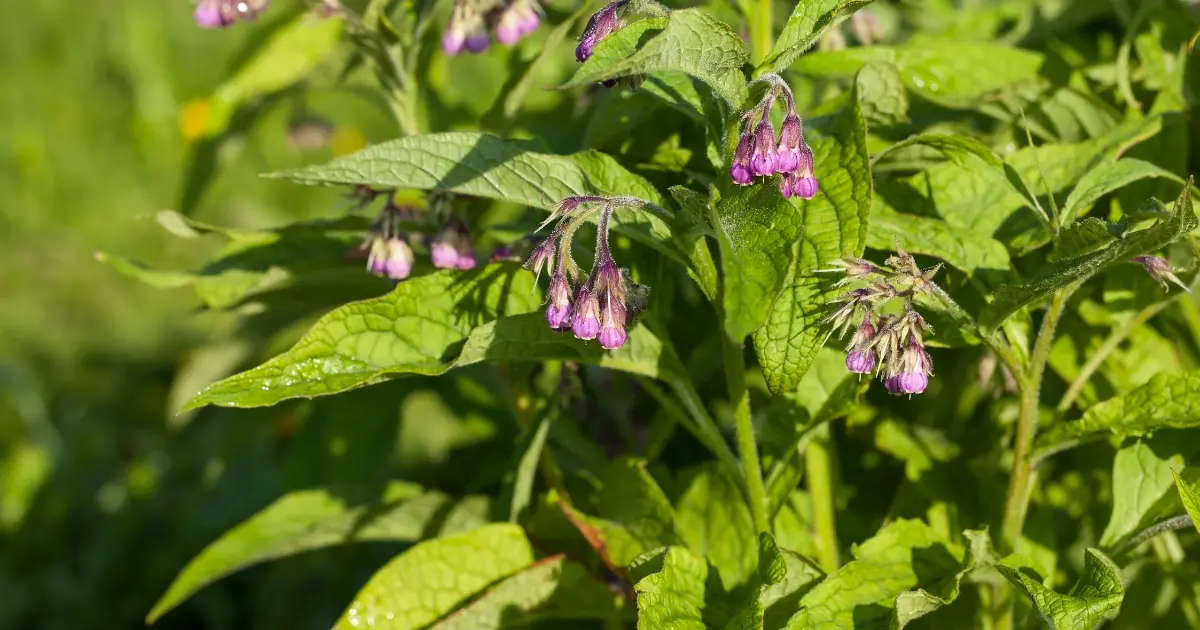
How to Identify Bocking 14 Comfrey: 5 Simple Visual Signs
If you’re growing comfrey for mulch, compost, or animal feed, knowing exactly which variety you [...]
Mar
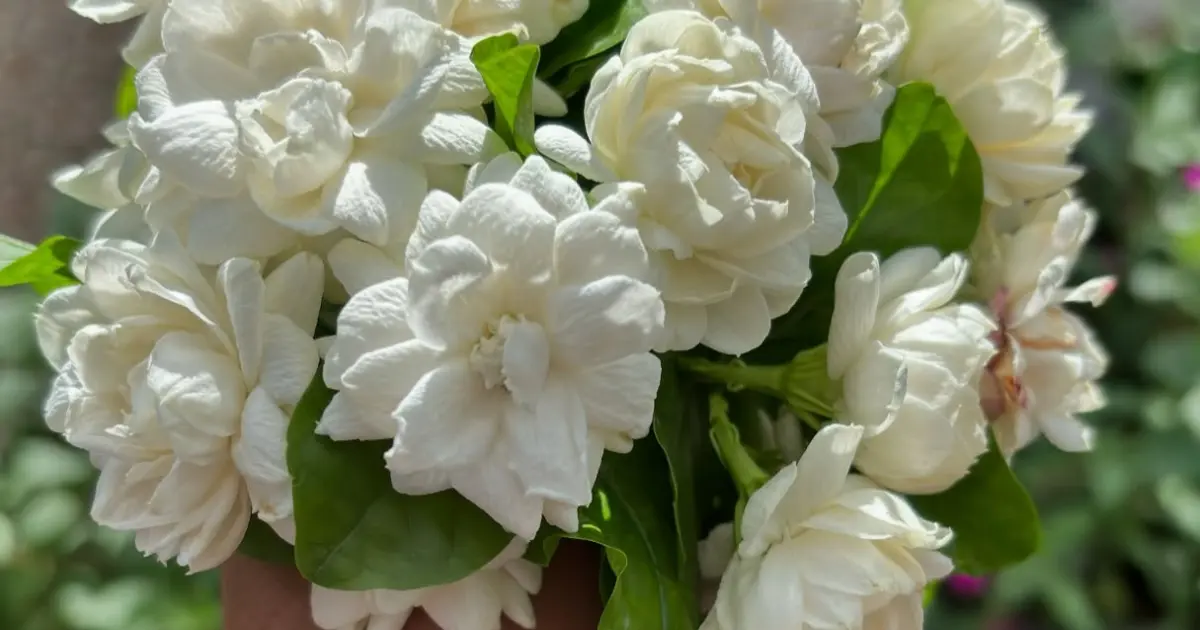
Grand Duke of Tuscany Jasmine: The Ultimate Guide to Growing a Fragrant Masterpiece
Have you ever caught a scent in the air so rich, creamy, and honey-sweet that [...]
Mar
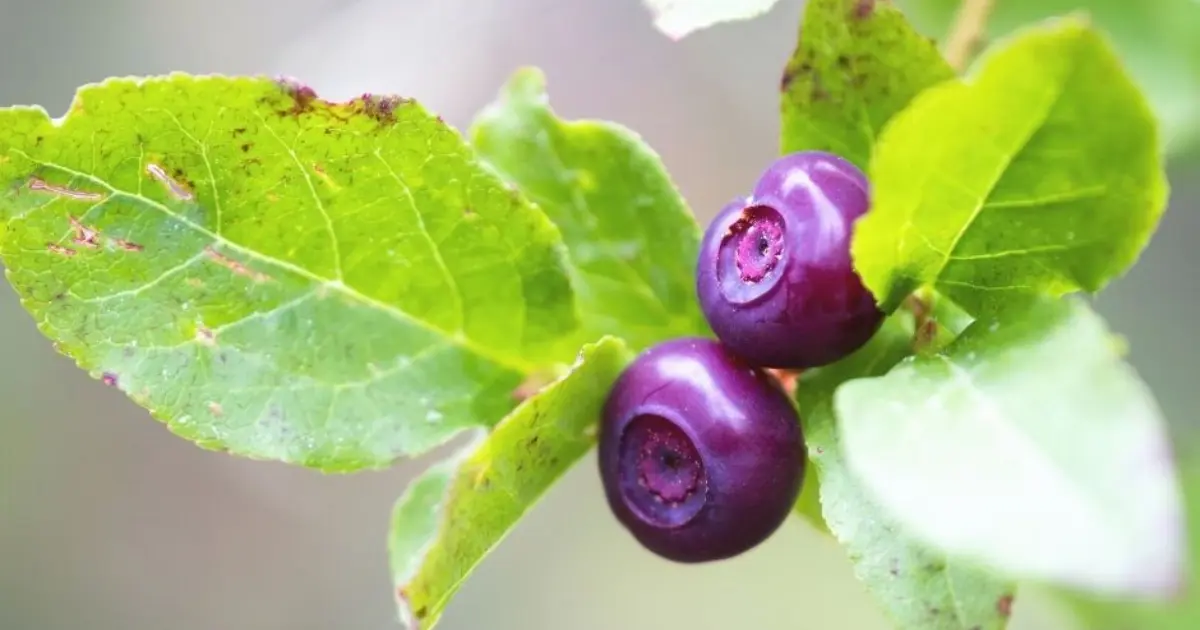
How to Grow Wild Huckleberries: A Guide to “Purple Gold”
Have you ever spent a summer afternoon hiking through the Pacific Northwest or the Rocky [...]
Mar
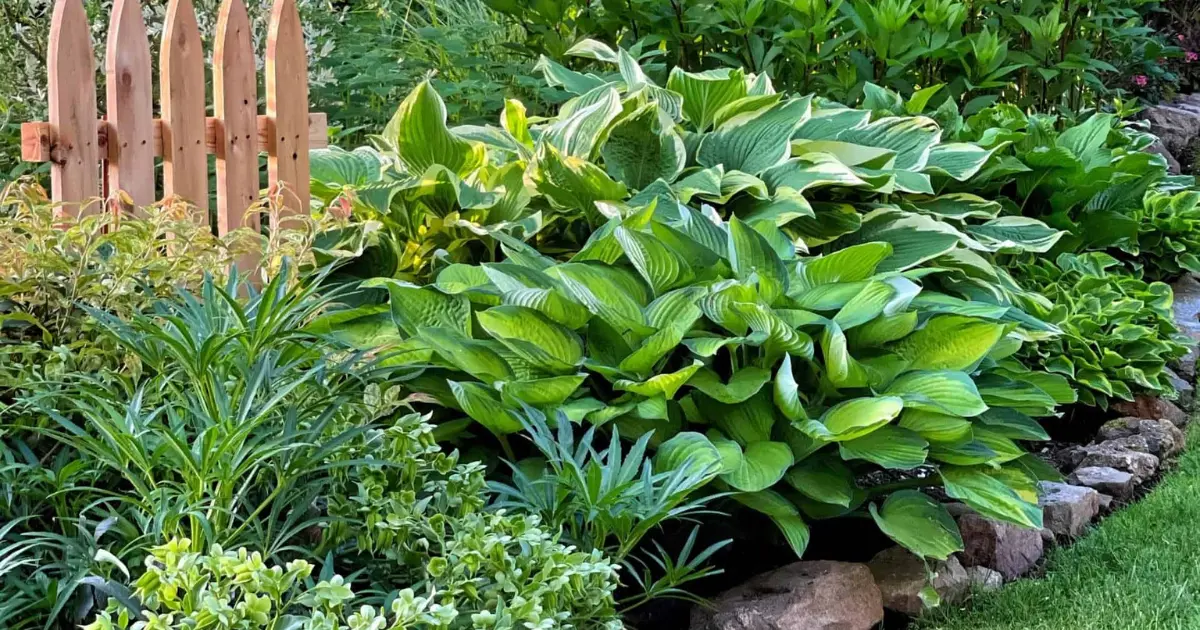
5 Best Shade-Loving Perennials for a Lush, Vibrant Garden
The world of gardening often shines a spotlight on sun-drenched blossoms, but there is a [...]
Mar

7 Common Curry Leaf Plant Problems: Easy Fixes for a Thriving Plant
Is your curry leaf plant looking a bit sad lately? Maybe you woke up to [...]
Mar
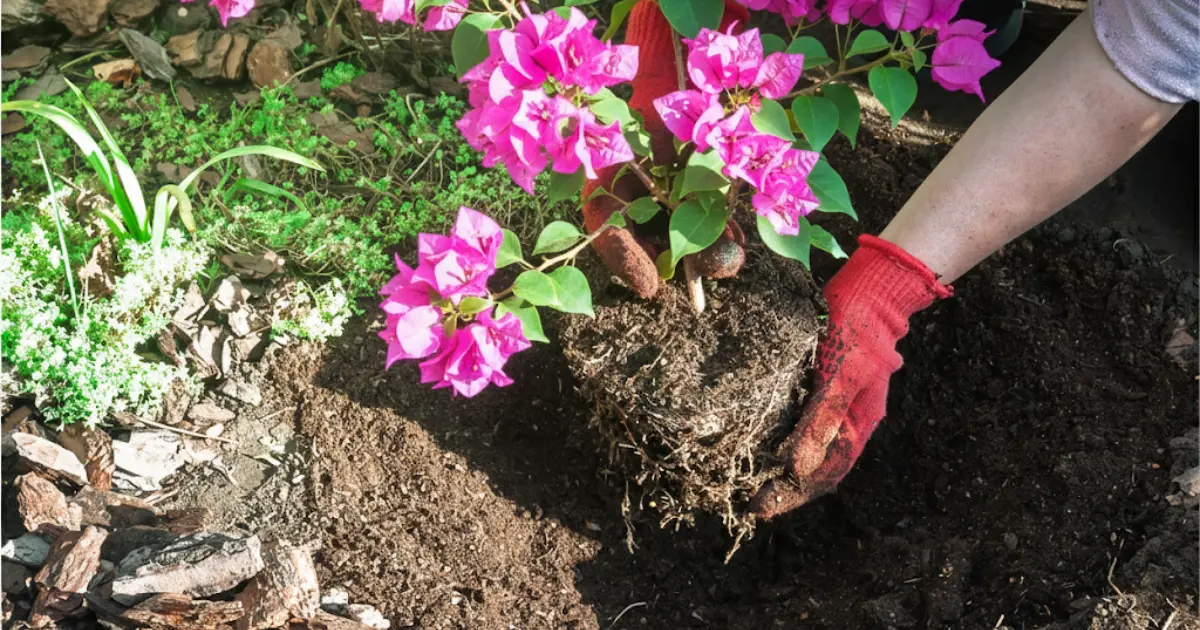
Best Time to Plant Bougainvillea: Timing for Vibrant Blooms
If you’re looking for a hardy tropical vine that delivers a riot of neon color, [...]
Feb
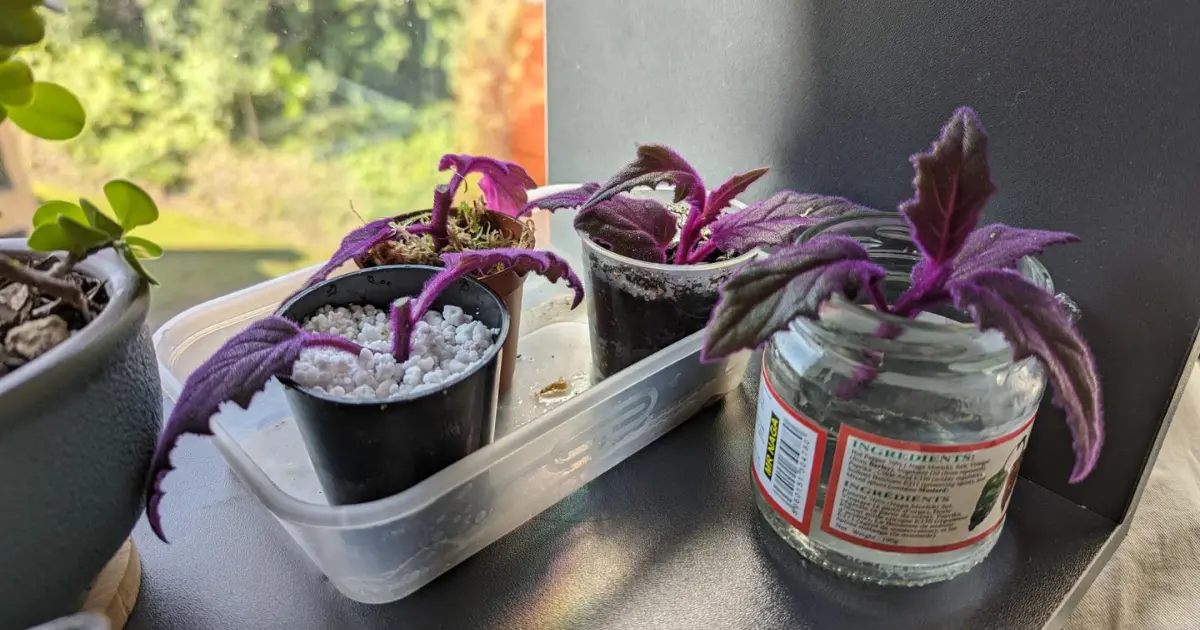
How to Propagate Purple Passion Plants (Gynura aurantiaca)
Have you ever been mesmerized by the neon-purple glow and fuzzy, velvet-like leaves of a [...]
Feb
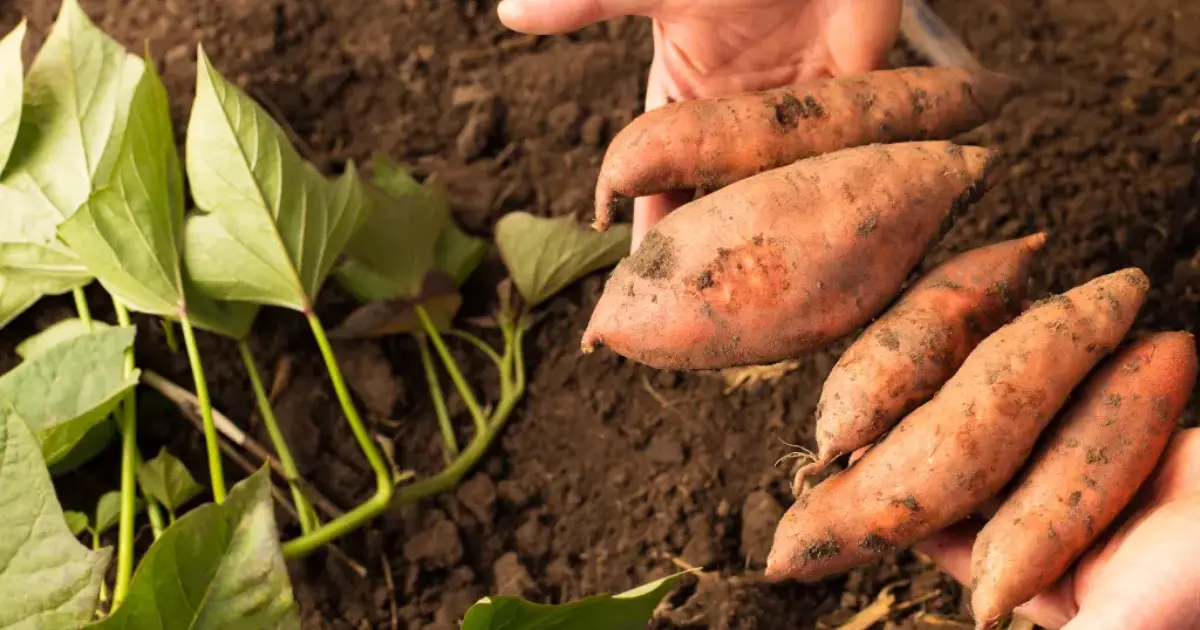
How to Grow Beauregard Sweet Potatoes: From Slips to a Bountiful Harvest
Are you ready to add a classic, heavy-hitting favorite to your vegetable patch? If you’ve [...]
Feb
Reviews
There are no reviews yet.