
Roselle Hibiscus Plants – 2 Live Hibiscus Sabdariffa in 4 inch Pot
Original price was: $79.98.$19.99Current price is: $19.99.
Grow your own vibrant blooms with these 2 Live Roselle Hibiscus Plants (Hibiscus sabdariffa). Each plant is 4-6” tall and comes in a 4″ nursery pot, well-rooted and ready to thrive. Enjoy fast growth and beautiful flowers!
Estimated arrival
Mar 15
Mar 20 - Mar 22
Mar 25 - Mar 29

Reasonable Price
We offer reasonable price

Support 24/7
Contact us 24 hrs a day

100% Money Back
You've 30 days to Return

Payment Secure
100% secure payment
Bring the Exotic Beauty of Roselle Hibiscus to Your Garden
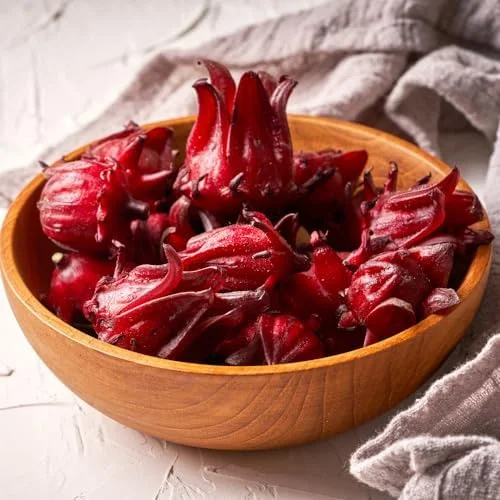
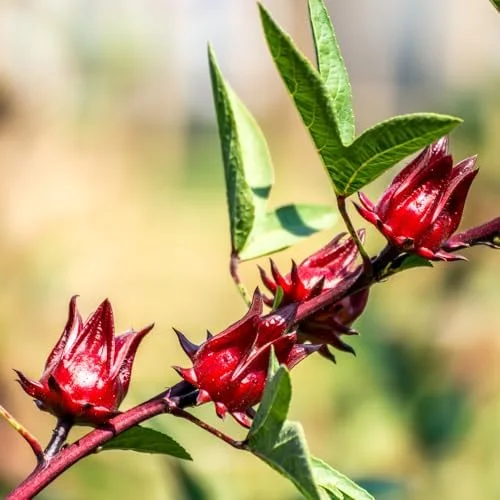
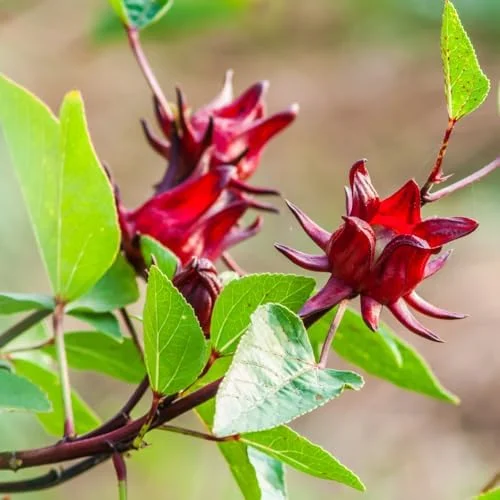
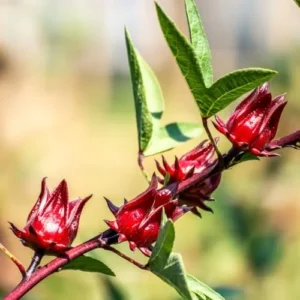
Cultivate your own vibrant garden with these 2 Live Roselle Hibiscus Plants (Hibiscus sabdariffa). These plants are delivered to you 4-6” tall in a 4″ nursery pot, well-rooted and ready to thrive. Enjoy the beauty and potential health benefits of this unique plant.
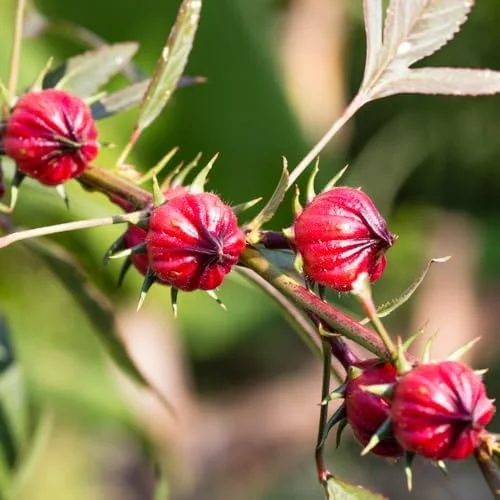
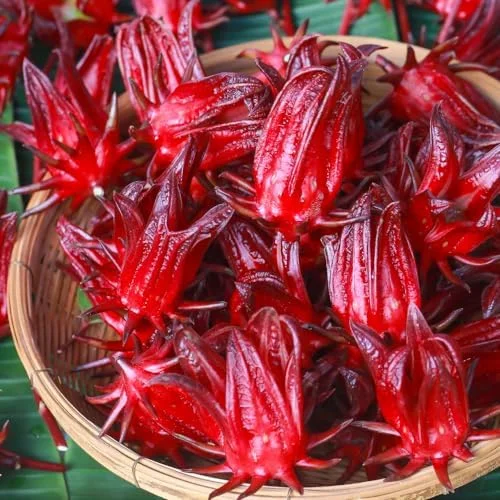
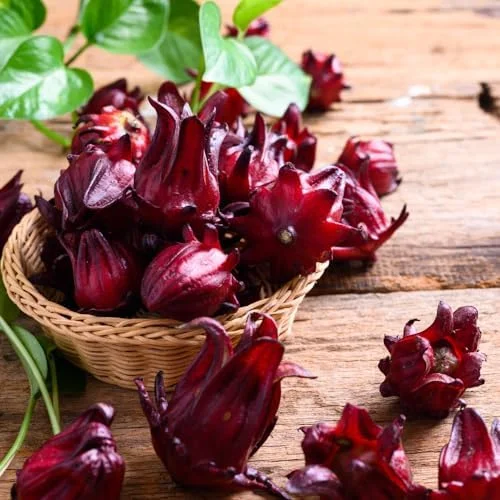
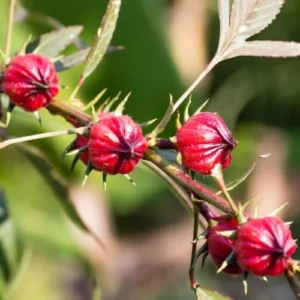
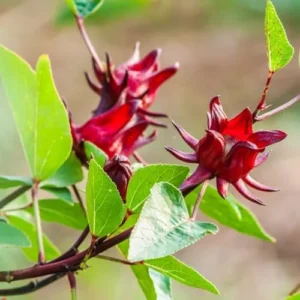
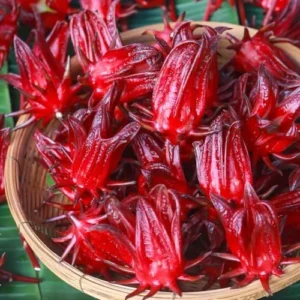
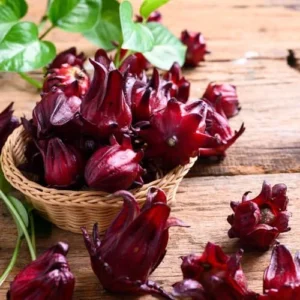
This fast-growing annual or perennial can reach up to 5-7 feet in one season in warm climates. The Roselle Hibiscus, also known as Jamaica Sorrel, is prized for its beautiful red calyces, which can be used to make teas, jams, and other culinary delights. Imagine harvesting your own ingredients right from your backyard!
Key Benefits:
- Beautiful Blooms: Enjoy vibrant red flowers that add a pop of color to your garden.
- Culinary Uses: Harvest the calyces for making delicious teas, jams, and more.
- Fast Growth: See your plants quickly reach maturity in warm climates.
- Easy to Grow: Thrives in full sun with regular watering.
- Ornamental Value: Adds a unique and exotic touch to your landscape.
These Roselle Hibiscus plants thrive in full sun with regular watering, making them relatively easy to care for. With proper care, you’ll be rewarded with a bountiful harvest of beautiful, edible calyces. Transform your garden into a vibrant oasis with these stunning plants.
Frequently Asked Questions:
- How tall will these Roselle Hibiscus plants grow? These plants can reach a mature height of 5-7 feet in a single season, given the right conditions.
- What kind of sunlight do they need? Roselle Hibiscus plants thrive best in full sun, requiring at least 6-8 hours of direct sunlight per day.
- How often should I water my Roselle Hibiscus? Water regularly, keeping the soil consistently moist but not waterlogged. Check the soil moisture regularly, especially during hot weather.
- Can I grow Roselle Hibiscus in a container? Yes, you can. Ensure the container is large enough to accommodate the plant’s mature size and has good drainage.
- When is the best time to plant Roselle Hibiscus? The ideal time to plant is in the spring after the last frost, when the soil has warmed up.
Be the first to review “Roselle Hibiscus Plants – 2 Live Hibiscus Sabdariffa in 4 inch Pot”
People Also Viewd


Sold 128 products
Original price was: $27.00.$24.00Current price is: $24.00.

Sold 125 products
Original price was: $86.99.$66.99Current price is: $66.99.

Sold 125 products
Original price was: $89.99.$64.99Current price is: $64.99.

Sold 124 products
Original price was: $3,536.00.$23.99Current price is: $23.99.
Sold 116 products
Original price was: $27.99.$16.99Current price is: $16.99.

Flower Bulbs
3 Cranesbill Wild Geranium Organic Maculatums Bare Roots | Wildflower for Outdoor Garden
Sold 114 products
Original price was: $21.99.$6.99Current price is: $6.99.

Sold 114 products
Original price was: $28.99.$17.99Current price is: $17.99.

Sold 109 products
Original price was: $63.99.$28.99Current price is: $28.99.RELATED posts
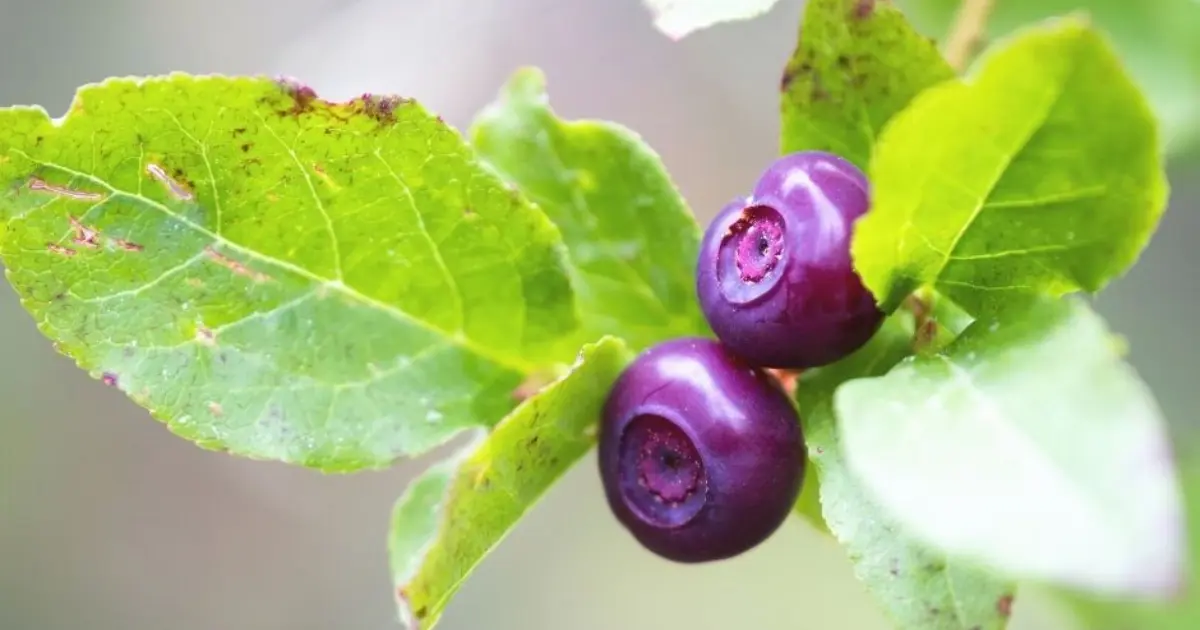
How to Grow Wild Huckleberries: A Guide to “Purple Gold”
Have you ever spent a summer afternoon hiking through the Pacific Northwest or the Rocky [...]
Mar
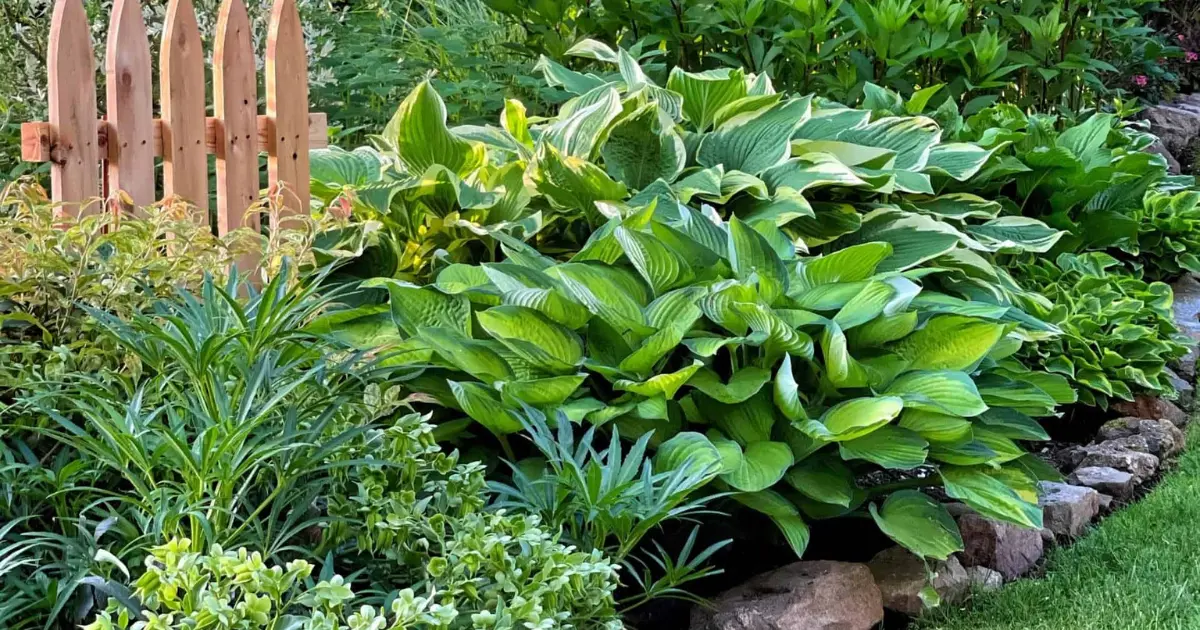
5 Best Shade-Loving Perennials for a Lush, Vibrant Garden
The world of gardening often shines a spotlight on sun-drenched blossoms, but there is a [...]
Mar

7 Common Curry Leaf Plant Problems: Easy Fixes for a Thriving Plant
Is your curry leaf plant looking a bit sad lately? Maybe you woke up to [...]
Mar
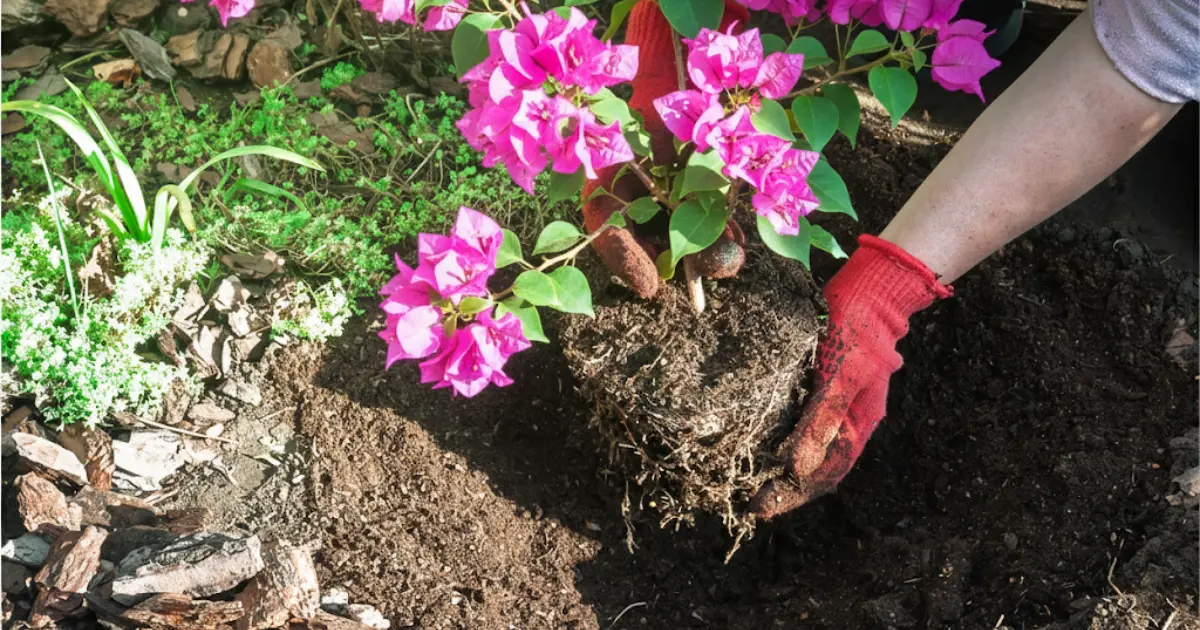
Best Time to Plant Bougainvillea: Timing for Vibrant Blooms
If you’re looking for a hardy tropical vine that delivers a riot of neon color, [...]
Feb
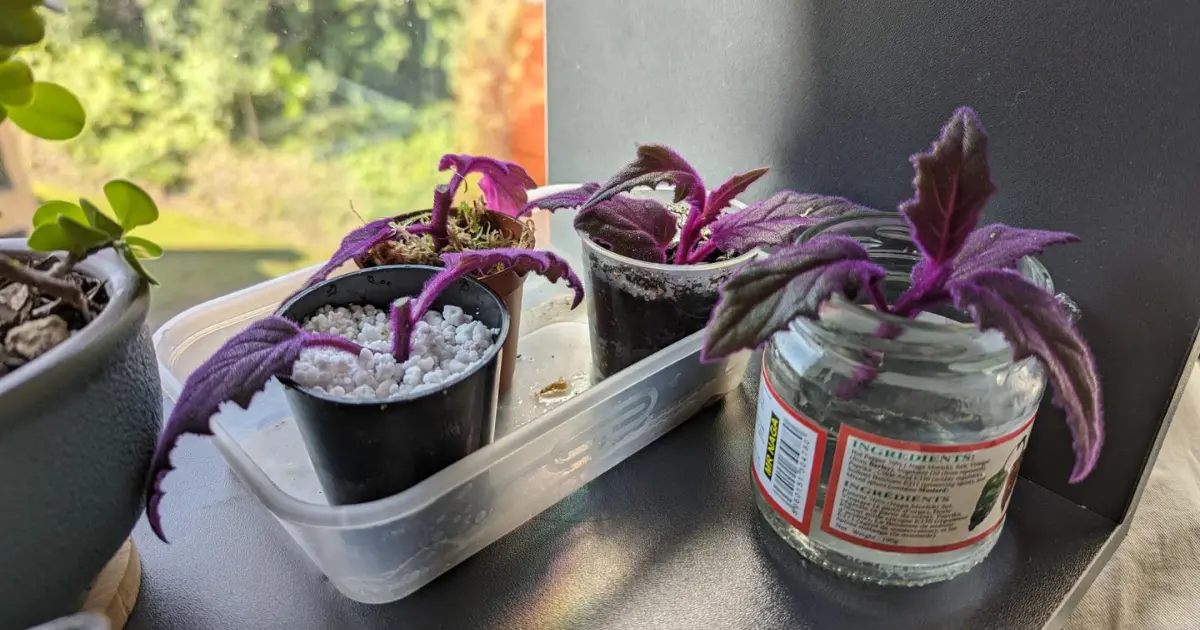
How to Propagate Purple Passion Plants (Gynura aurantiaca)
Have you ever been mesmerized by the neon-purple glow and fuzzy, velvet-like leaves of a [...]
Feb
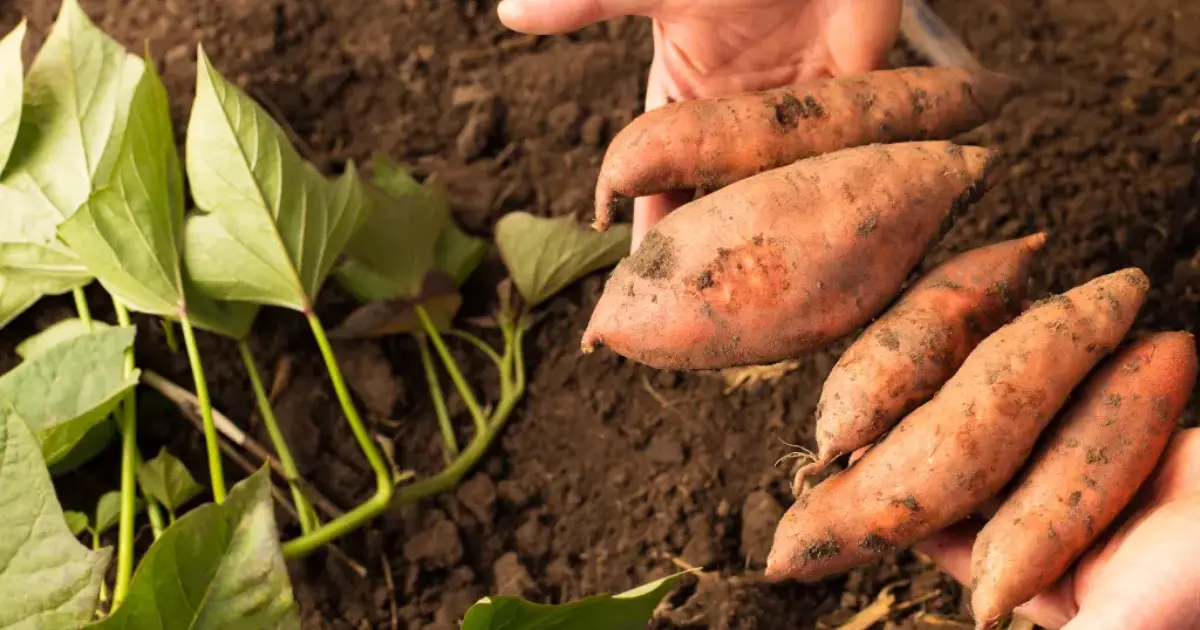
How to Grow Beauregard Sweet Potatoes: From Slips to a Bountiful Harvest
Are you ready to add a classic, heavy-hitting favorite to your vegetable patch? If you’ve [...]
Feb
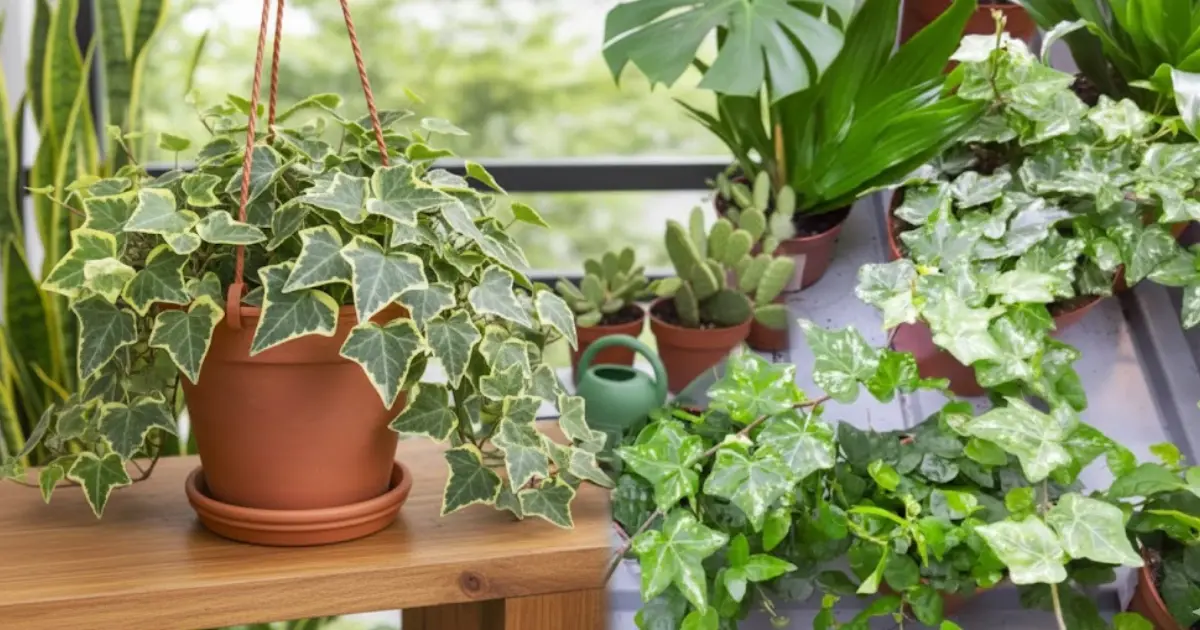
7 Expert Tips to Grow Lush Ivy Indoors: A Beginner’s Guide
Are you tired of seeing the same old Pothos vines in every corner of your [...]
Feb
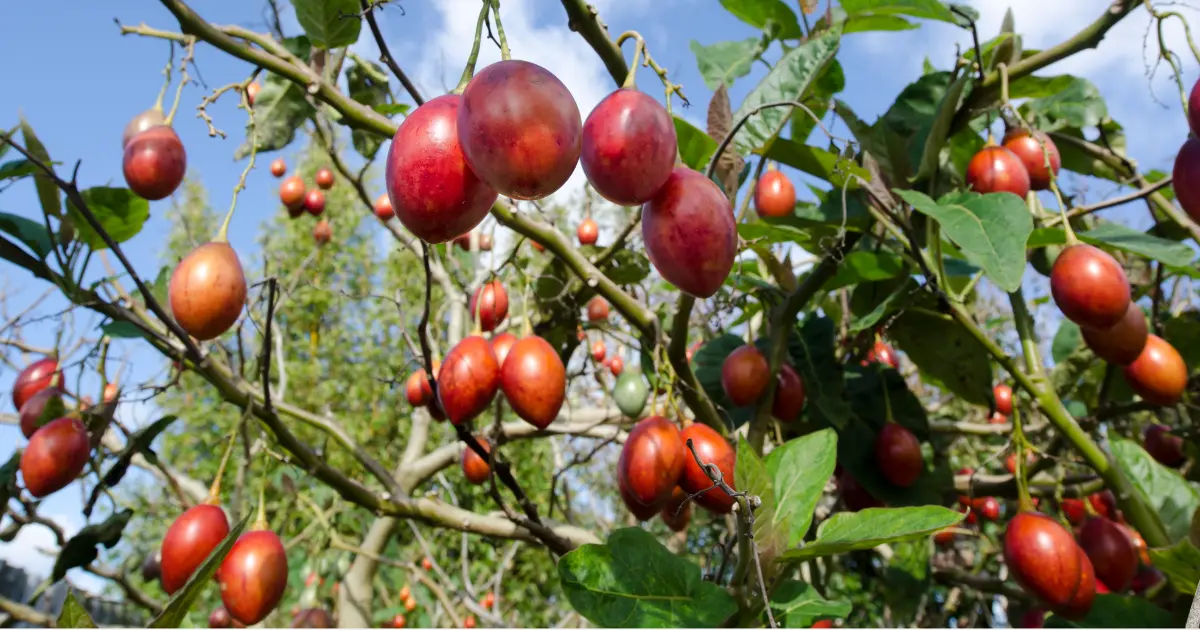
7 Reasons Why Tamarillo Trees Are a Garden Must-Have
Once you start growing a garden, you will keep finding more reasons to add more [...]
Jan



Reviews
There are no reviews yet.