
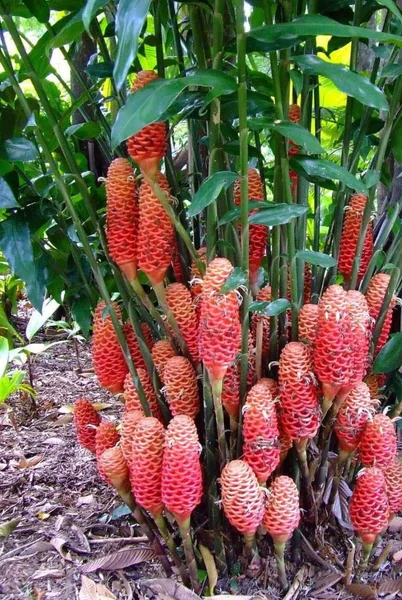
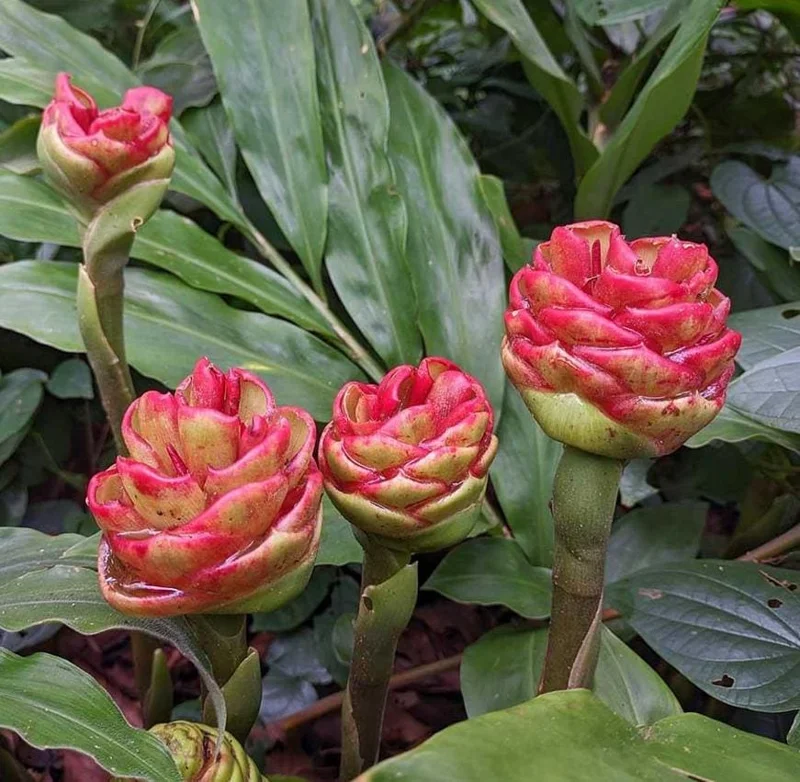
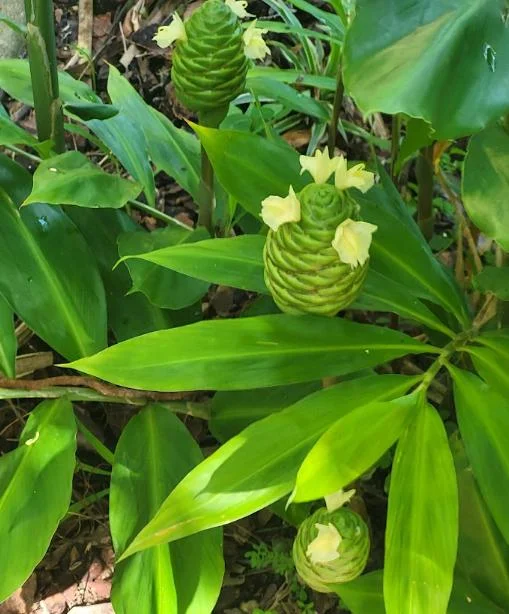
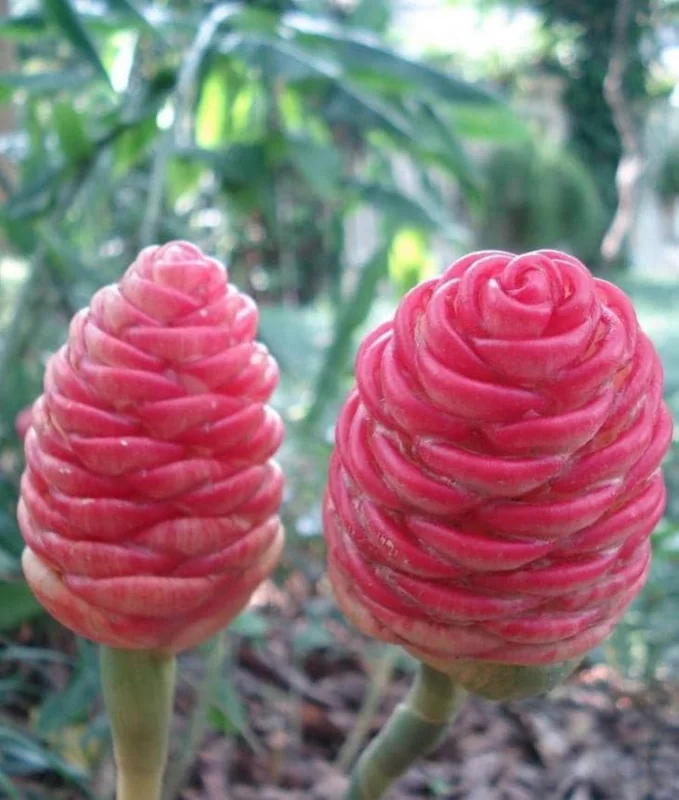
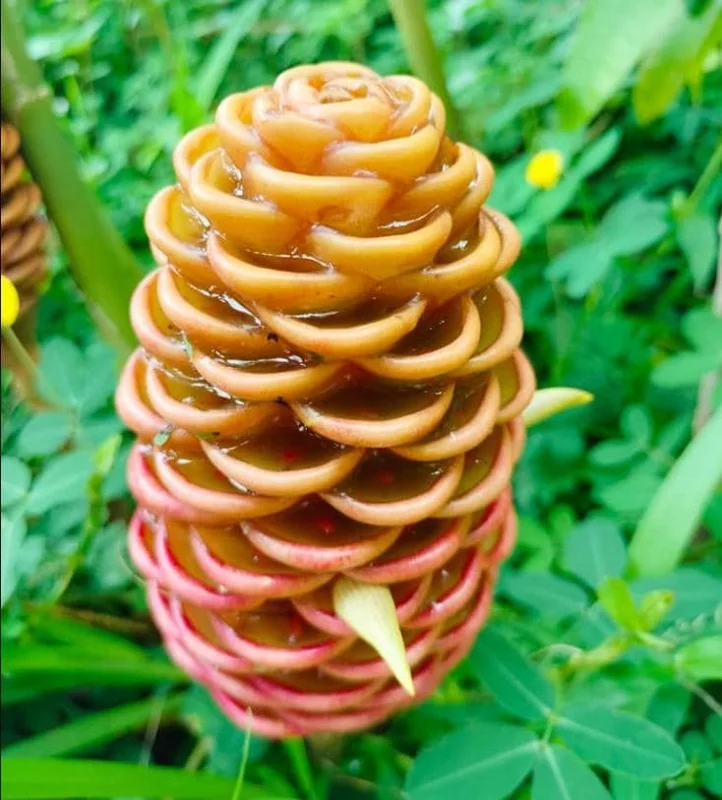
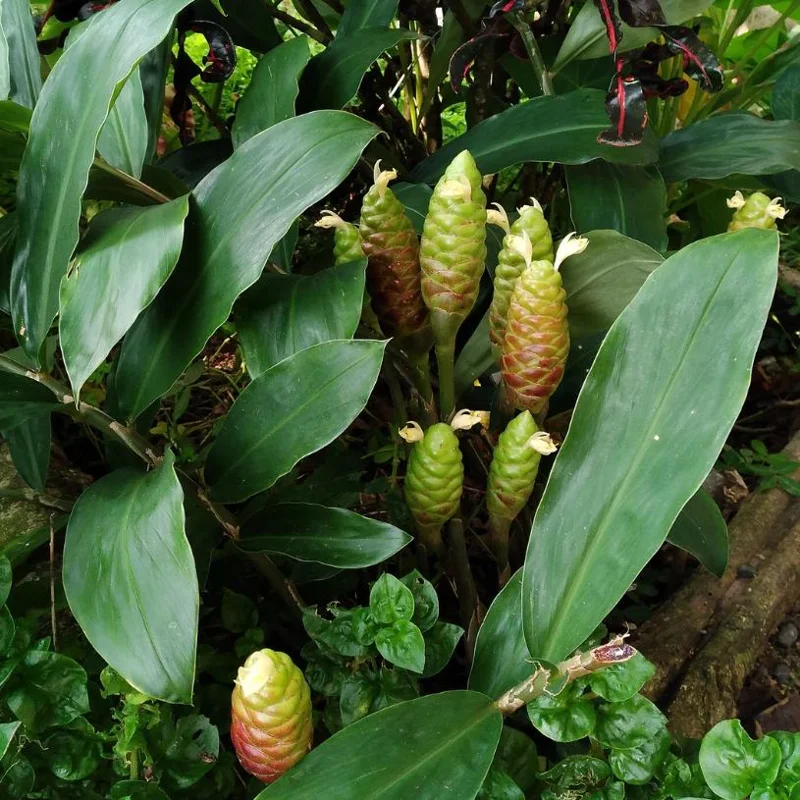
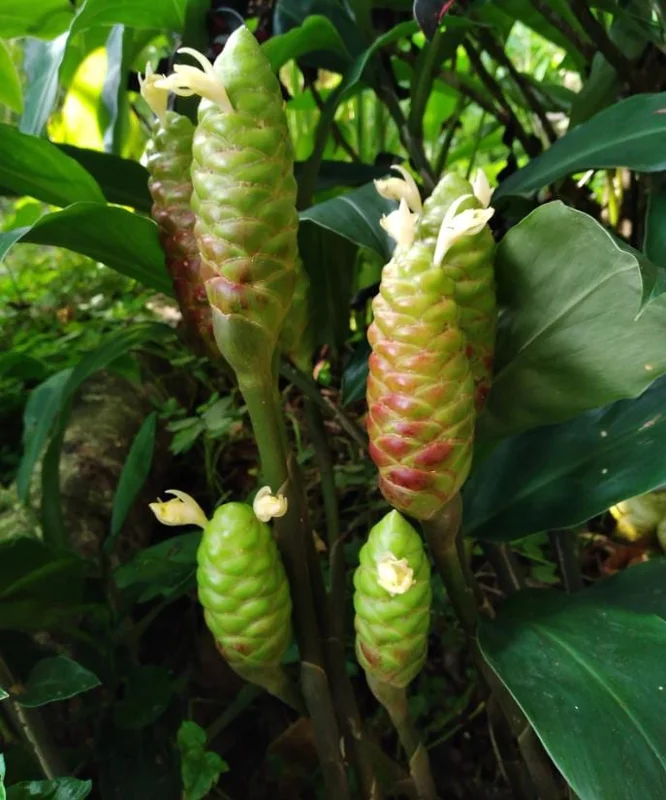
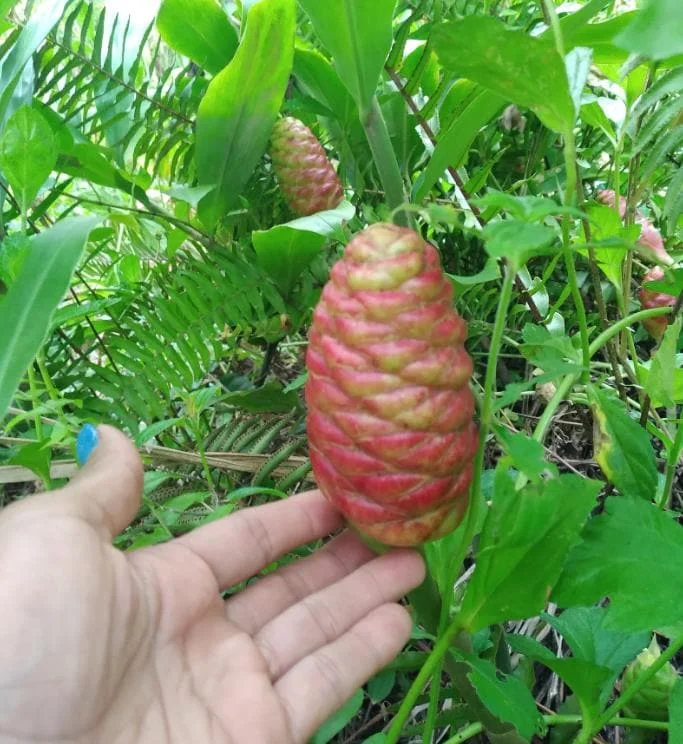
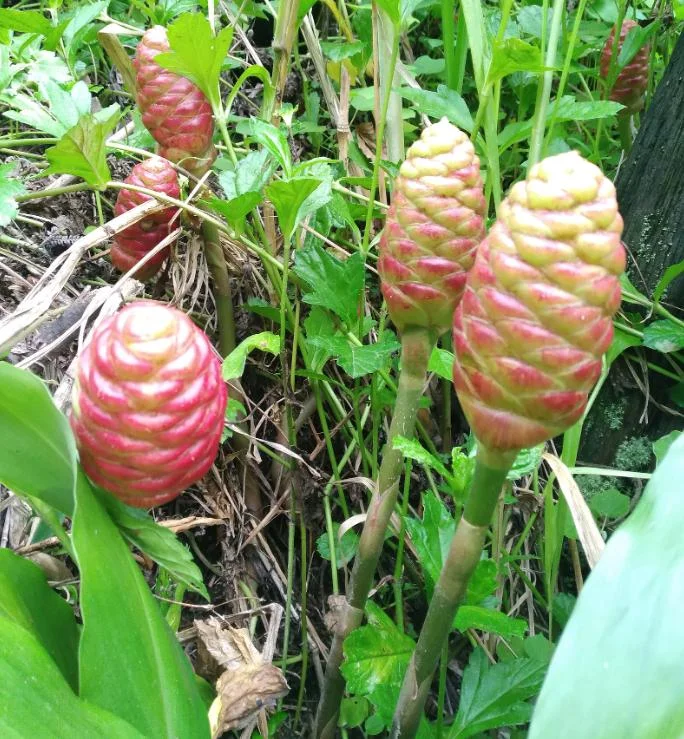
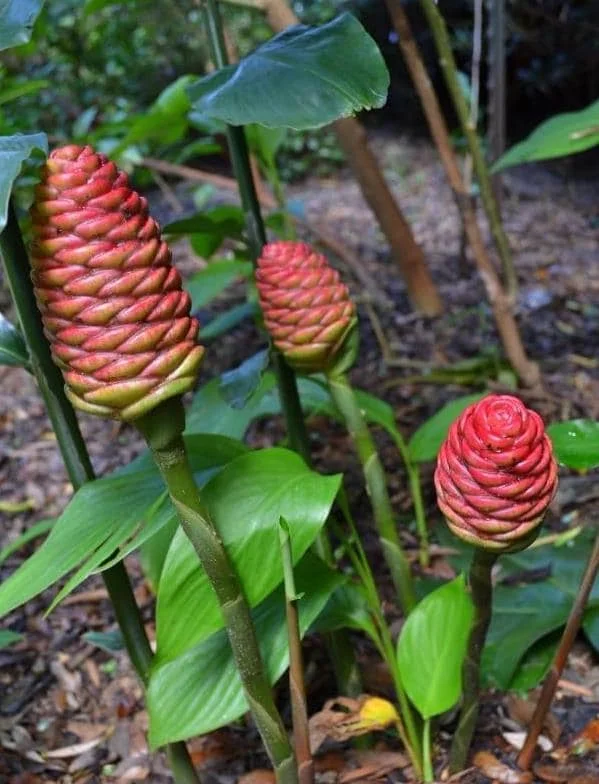
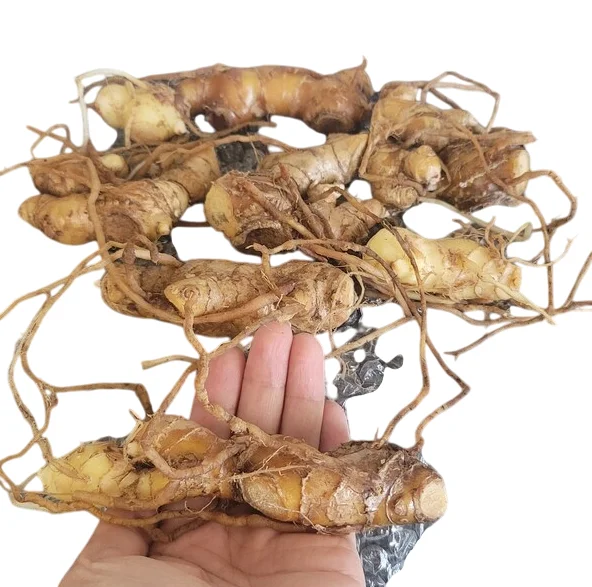
Set 8 Hawaiian Awapuhi Shampoo Ginger Rhizomes for Planting, Pinecone Ginger Root Zingiber Zerumbet Bulbs
Original price was: $41.58.$22.99Current price is: $22.99.
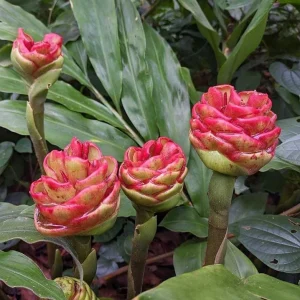
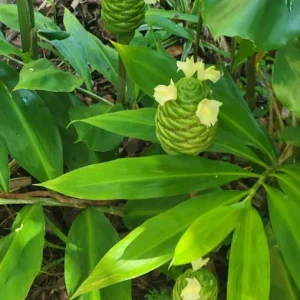
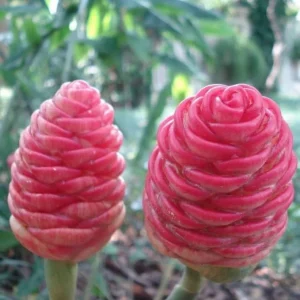
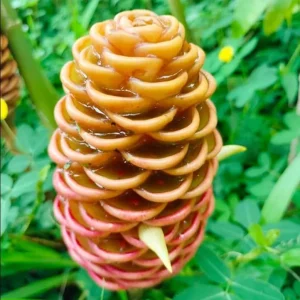
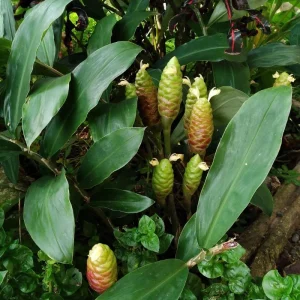
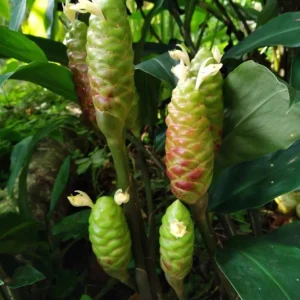
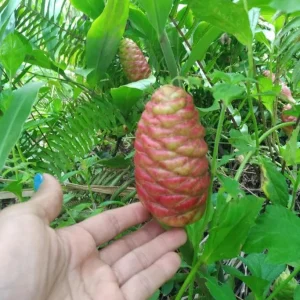
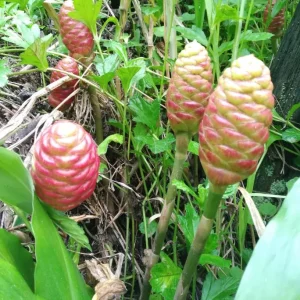
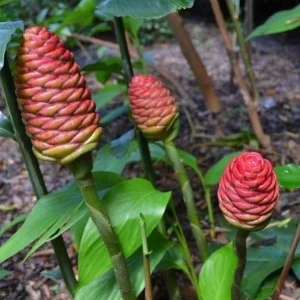
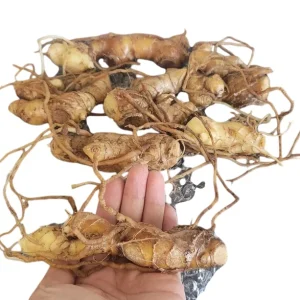
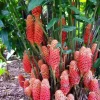
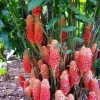
Cultivate the exotic Hawaiian Awapuhi Ginger (Zingiber zerumbet) in your own garden. This set includes 8 healthy rhizomes, perfect for growing the unique Shampoo Ginger plant, known for its fragrant pinecone-like blooms and traditional uses in natural hair care.
- Set of 8 Awapuhi Ginger Rhizomes
- Fragrant, Pinecone-shaped Flowers
- Traditional Use in Natural Hair Care
- Thrives in USDA Zones 8-11
Estimated arrival
Apr 02
Apr 07 - Apr 09
Apr 12 - Apr 16

Reasonable Price
We offer reasonable price

Support 24/7
Contact us 24 hrs a day

100% Money Back
You've 30 days to Return

Payment Secure
100% secure payment
Growing Hawaiian Awapuhi Shampoo Ginger (Zingiber zerumbet) from rhizomes can be a rewarding experience, as this unique ginger plant is known for its fragrant flowers and the sap inside its rhizomes, which has traditionally been used in natural hair care as a shampoo. Here’s a detailed guide on how to grow and care for Hawaiian Awapuhi Shampoo Ginger:
1. Choosing the Right Location
Climate: Awapuhi ginger is a tropical plant, thriving in warm, humid climates. It’s best suited for USDA hardiness zones 8-11. If you live in a cooler region, you can grow it in a container and bring it indoors during the winter months.
Sunlight: Awapuhi ginger prefers partial to full shade, though it can tolerate some morning sun. Too much direct sunlight can scorch its leaves, especially in hotter climates.
Soil: The plant prefers rich, well-draining, slightly acidic soil with a pH of 5.5 to 6.5. You can amend the soil with organic matter like compost or peat moss for added fertility.
2. Planting the Rhizomes
Preparation: Start by selecting healthy, fresh rhizomes. They should have visible buds or “eyes” (small protrusions where new shoots will emerge).
When to Plant: The best time to plant the rhizomes is in the spring, after the last frost date has passed, and temperatures are consistently warm.
Planting Depth: Dig a hole about 3–4 inches deep. Place the rhizome horizontally in the soil, with the buds facing upward.
Spacing: Space rhizomes about 12–18 inches apart to allow the plants room to grow and spread.
3. Watering
Consistent Moisture: Hawaiian Awapuhi ginger requires consistent moisture to thrive, especially during the growing season. However, ensure the soil is well-draining to prevent waterlogging, as this can lead to rot.
Irrigation: Water the plant deeply but allow the soil to dry out slightly between waterings. If growing in a container, ensure proper drainage to prevent root rot.
4. Caring for the Plant
Mulching: Apply a layer of mulch around the base of the plant to help retain moisture, keep the roots cool, and reduce weed growth.
Fertilizing: Awapuhi ginger benefits from regular feeding. Use a balanced fertilizer (such as 10-10-10) every 4–6 weeks during the growing season, or you can apply slow-release organic fertilizers like compost or fish emulsion.
Pruning: While the plant doesn’t require frequent pruning, remove any dead or damaged leaves to keep it looking tidy and to allow for better air circulation
Be the first to review “Set 8 Hawaiian Awapuhi Shampoo Ginger Rhizomes for Planting, Pinecone Ginger Root Zingiber Zerumbet Bulbs”
People Also Viewd


Sold 128 products
Original price was: $89.99.$64.99Current price is: $64.99.

Sold 128 products
Original price was: $27.00.$24.00Current price is: $24.00.

Sold 126 products
Original price was: $3,536.00.$23.99Current price is: $23.99.

Sold 125 products
Original price was: $86.99.$66.99Current price is: $66.99.
Sold 116 products
Original price was: $27.99.$16.99Current price is: $16.99.

Flower Bulbs
3 Cranesbill Wild Geranium Organic Maculatums Bare Roots | Wildflower for Outdoor Garden
Sold 114 products
Original price was: $21.99.$6.99Current price is: $6.99.

Sold 114 products
Original price was: $28.99.$17.99Current price is: $17.99.
Sold 109 products
Original price was: $63.99.$28.99Current price is: $28.99.RELATED posts
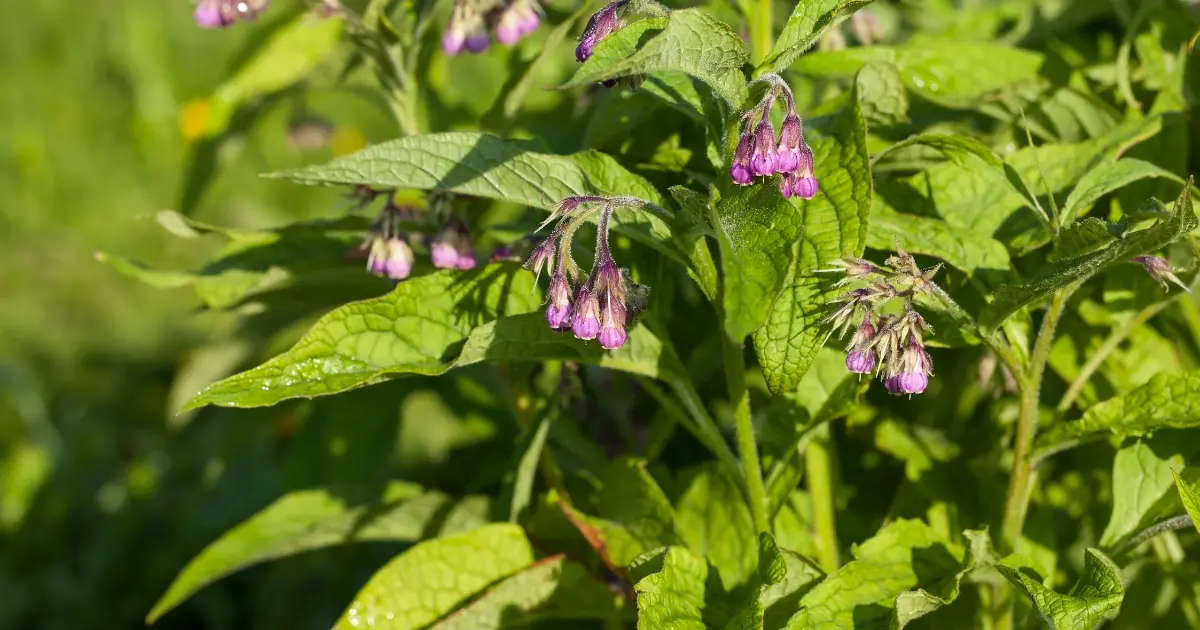
How to Identify Bocking 14 Comfrey: 5 Simple Visual Signs
If you’re growing comfrey for mulch, compost, or animal feed, knowing exactly which variety you [...]
Mar
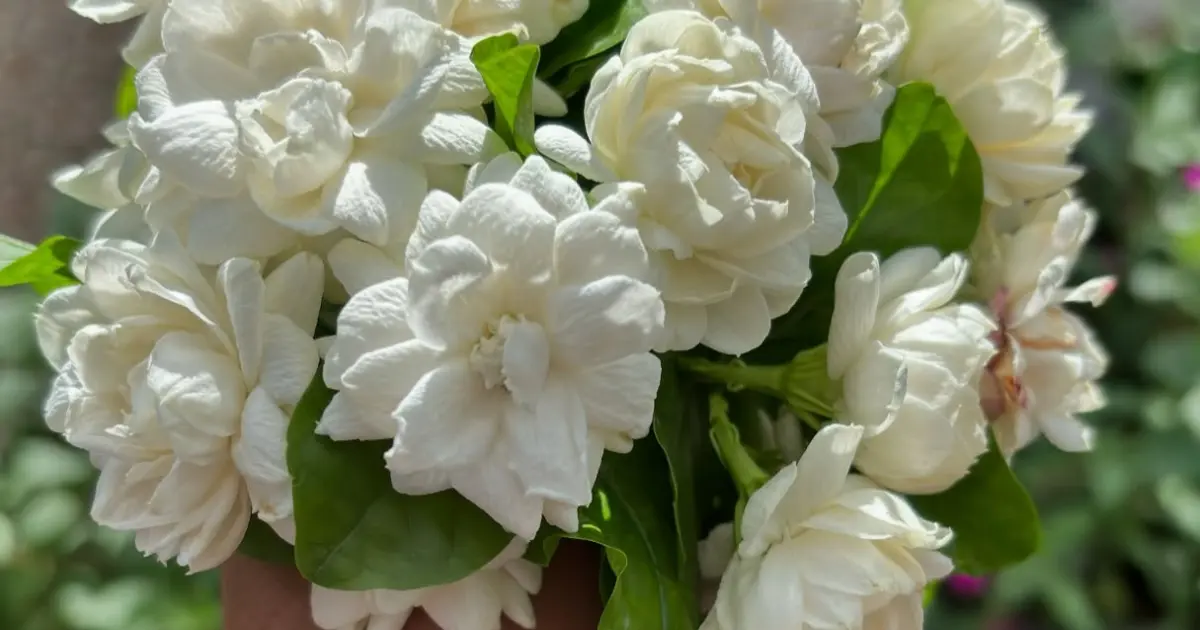
Grand Duke of Tuscany Jasmine: The Ultimate Guide to Growing a Fragrant Masterpiece
Have you ever caught a scent in the air so rich, creamy, and honey-sweet that [...]
Mar
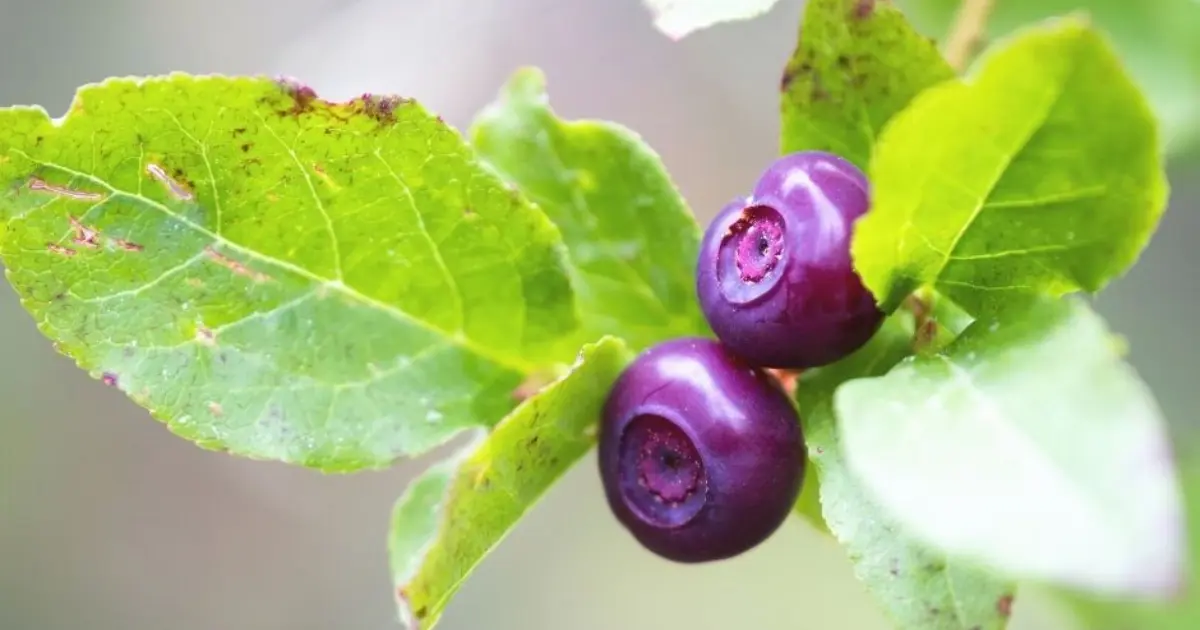
How to Grow Wild Huckleberries: A Guide to “Purple Gold”
Have you ever spent a summer afternoon hiking through the Pacific Northwest or the Rocky [...]
Mar
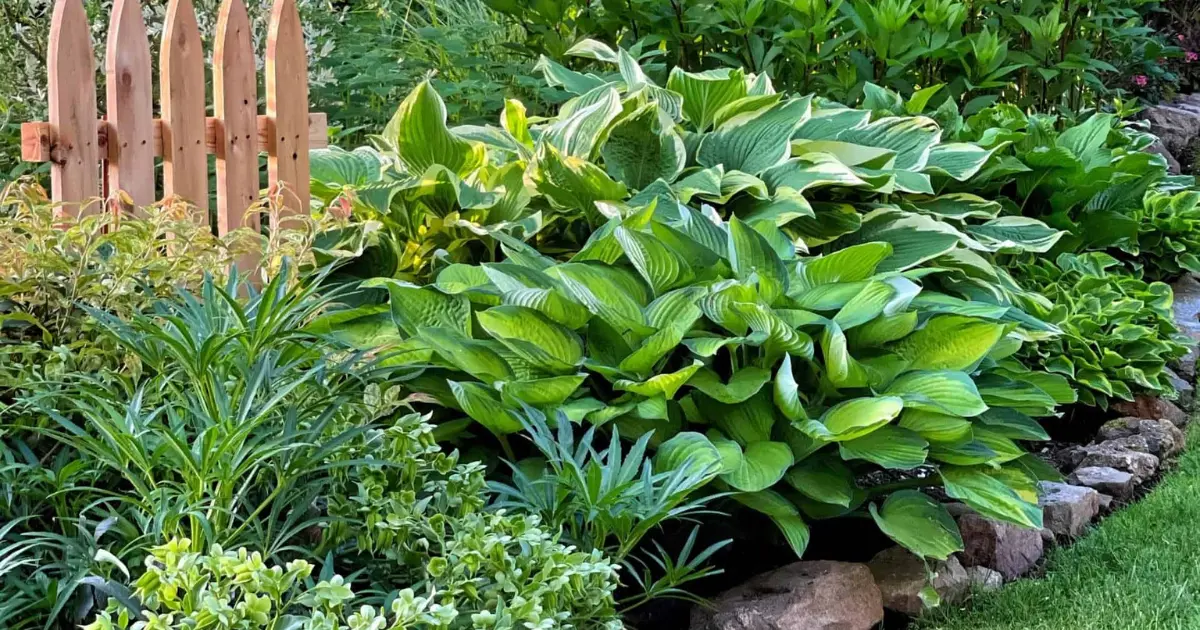
5 Best Shade-Loving Perennials for a Lush, Vibrant Garden
The world of gardening often shines a spotlight on sun-drenched blossoms, but there is a [...]
Mar

7 Common Curry Leaf Plant Problems: Easy Fixes for a Thriving Plant
Is your curry leaf plant looking a bit sad lately? Maybe you woke up to [...]
Mar
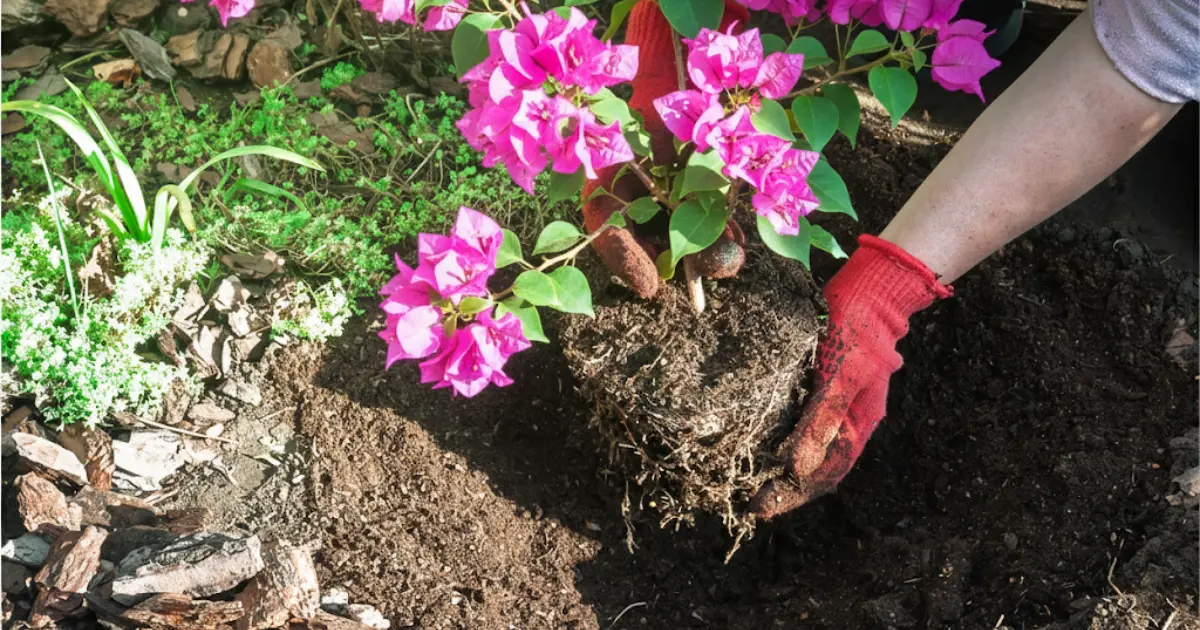
Best Time to Plant Bougainvillea: Timing for Vibrant Blooms
If you’re looking for a hardy tropical vine that delivers a riot of neon color, [...]
Feb
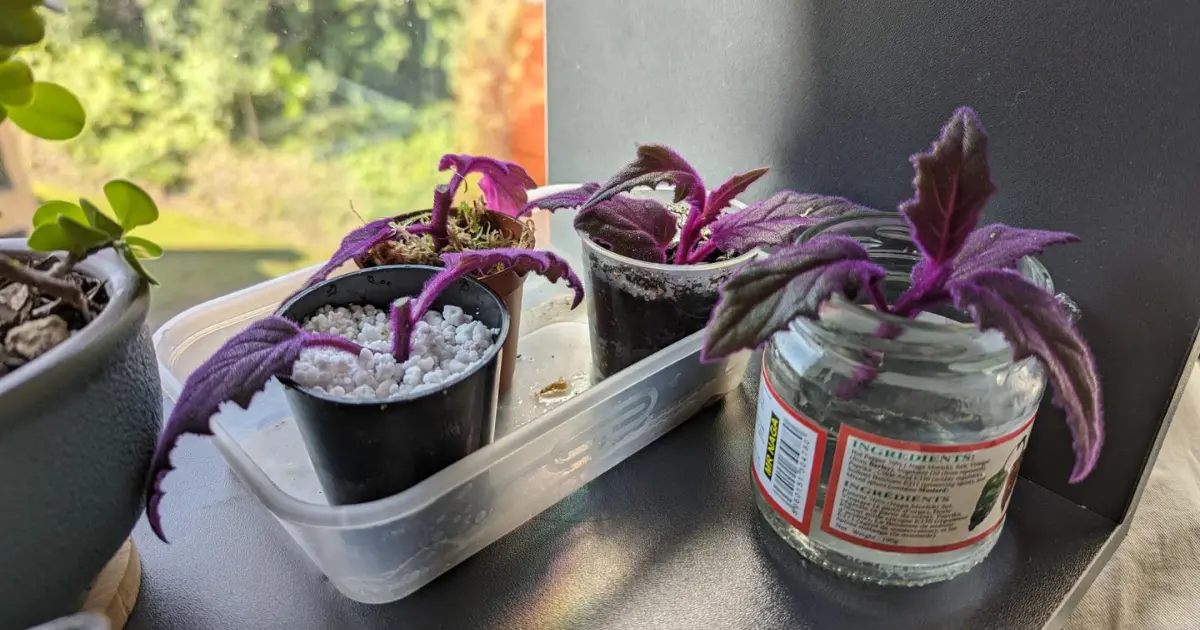
How to Propagate Purple Passion Plants (Gynura aurantiaca)
Have you ever been mesmerized by the neon-purple glow and fuzzy, velvet-like leaves of a [...]
Feb
How to Grow Beauregard Sweet Potatoes: From Slips to a Bountiful Harvest
Are you ready to add a classic, heavy-hitting favorite to your vegetable patch? If you’ve [...]
Feb
Reviews
There are no reviews yet.