
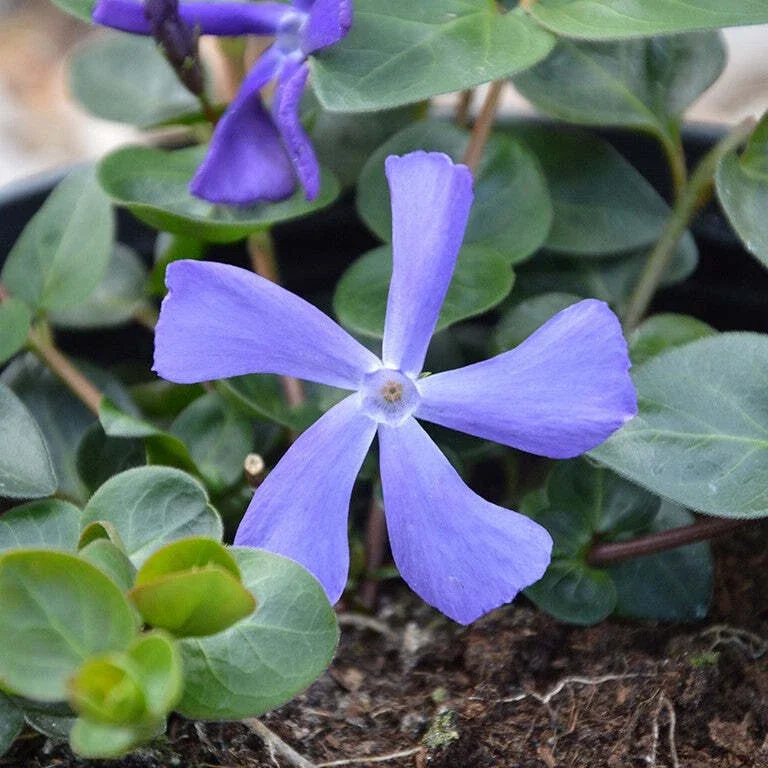
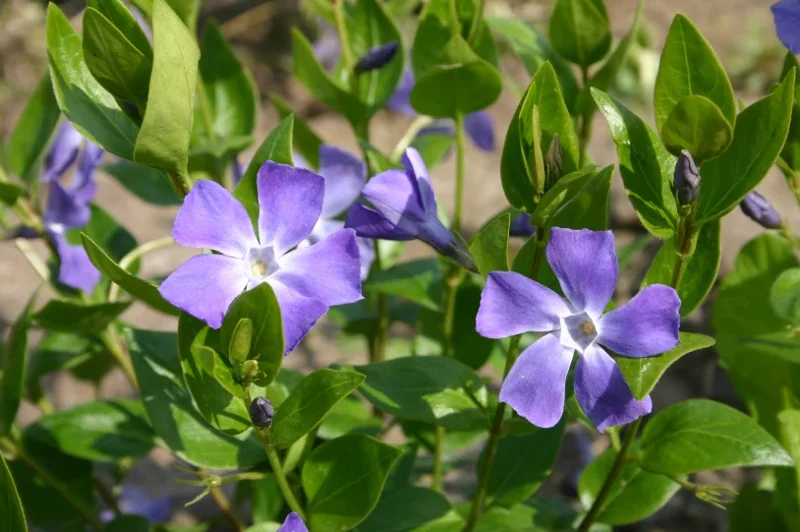
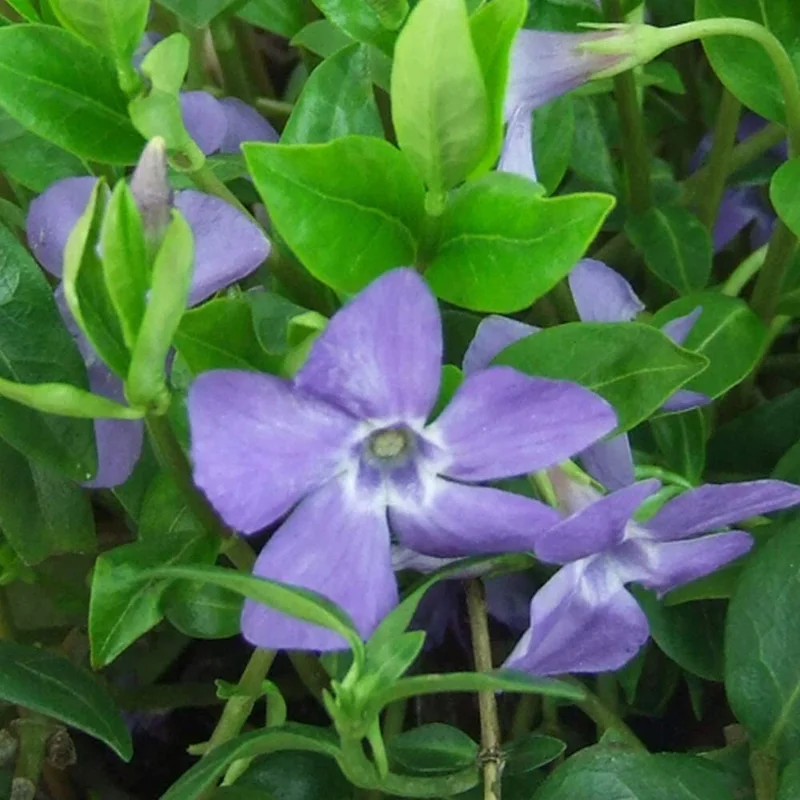
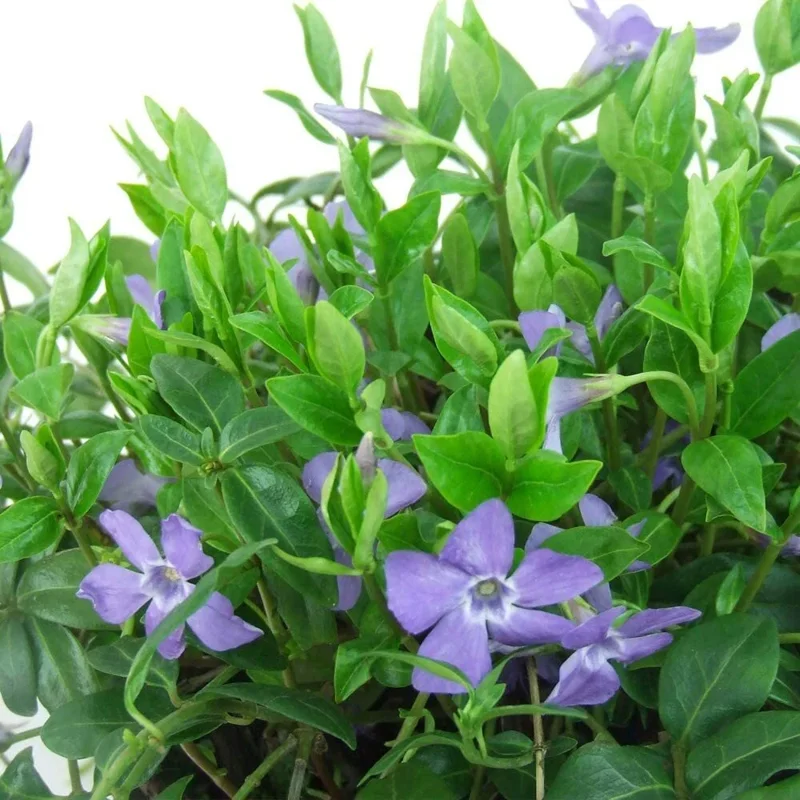
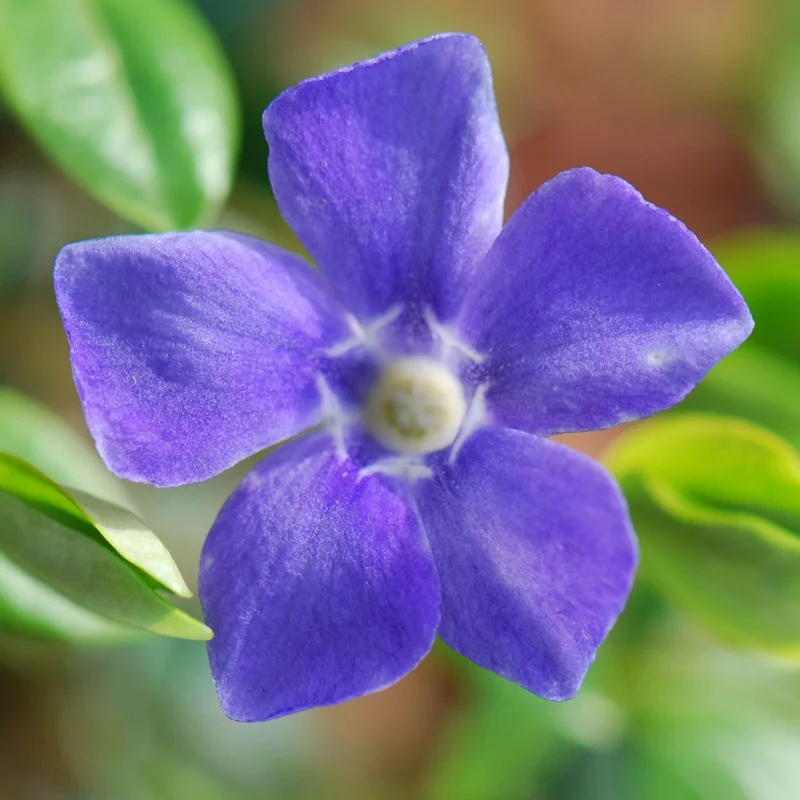
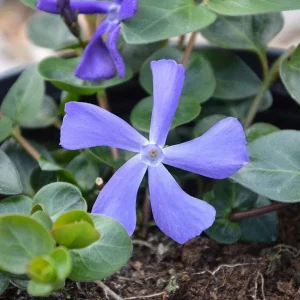
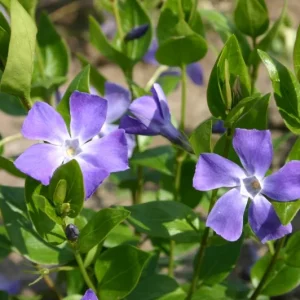
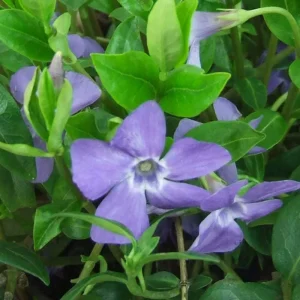
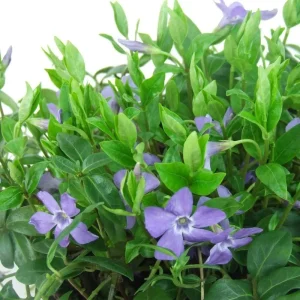
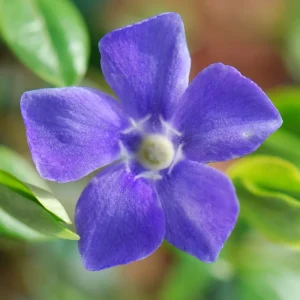
Set of 12 Vinca Minor Periwinkle Live Starter Plants, Blue Flower Ground Cover, Hardy Evergreen, 4-6 Inch Tall
Original price was: $29.99.$20.99Current price is: $20.99.
Transform your garden with this set of 12 vinca minor live plant starter plants. Known as creeping periwinkle ground cover, these hardy evergreens boast glossy foliage and charming blue flowers. Ideal for suppressing weeds and stabilizing soil in shaded areas.
Estimated arrival
Apr 02
Apr 07 - Apr 09
Apr 12 - Apr 16

Reasonable Price
We offer reasonable price

Support 24/7
Contact us 24 hrs a day

100% Money Back
You've 30 days to Return

Payment Secure
100% secure payment
Overview
Introduce enduring beauty and practical functionality to your landscape with this collection of vinca minor live plant starter plants. Also known as Creeping Periwinkle, this resilient evergreen is celebrated for its lush, glossy green foliage and its ability to form a dense, attractive carpet in your garden. These well-established starter plants promise quick growth, effectively helping to suppress weeds and stabilize soil on slopes, under trees, or in garden beds. The charming violet-blue flowers that emerge in spring and early summer add a delightful splash of color, making Vinca Minor a versatile and valuable addition to various garden designs. This offering provides a significant quantity of plants, ensuring you can cover a substantial area with this beautiful and low-maintenance ground cover.
The vinca minor live plant is a staple for gardeners seeking an easy-to-care-for solution for challenging shaded spots. Its trailing habit creates a neat, low-growing mat, perfect for filling empty spaces and providing a consistent green backdrop throughout the year. The vibrant blue to lavender blooms are a welcome sight, signaling the arrival of warmer months and attracting beneficial pollinators to your outdoor space. Whether you’re aiming for erosion control, defining borders, or simply adding continuous greenery, Vinca Minor offers a reliable and aesthetically pleasing solution.
Key Benefits
Choosing these vinca minor live plant starter plants brings numerous advantages to your garden and landscape. Their robust nature and beautiful appearance make them a top choice for a variety of gardening needs.
- Effective Ground Cover: These plants quickly spread to form a dense mat, acting as an excellent creeping periwinkle ground cover. This natural carpet helps to suppress unwanted weeds, reducing the need for constant weeding and maintenance in your garden beds and borders.
- Erosion Control: With their vigorous root systems and spreading habit, Vinca Minor plants are highly effective for stabilizing soil, particularly on slopes or in areas prone to erosion. They help to hold the soil in place, protecting your landscape from runoff.
- Year-Round Greenery: As a hardy evergreen, Vinca Minor maintains its vibrant green foliage throughout the year, even in colder climates. This provides consistent visual interest and a fresh look to your garden when many other plants are dormant.
- Beautiful Blue Blooms: In spring and early summer, the plants produce charming violet-blue to lavender flowers. These delicate yet striking blooms add a beautiful pop of color against the dark green foliage, enhancing the aesthetic appeal of your garden. You’ll love the look of the blue flower vinca minor.
- Versatile Planting Options: Vinca Minor thrives in various light conditions, from partial shade to full shade, and can tolerate some sun once established. This adaptability makes it suitable for a wide range of garden settings, including shaded areas under trees, borders, and rock gardens.
- Low Maintenance: Once established, evergreen vinca plants require minimal care. They are drought-tolerant and generally resistant to pests and diseases, making them an ideal choice for busy gardeners or those new to gardening.
- Landscape Enhancement: Perfect for creating neat, low-growing borders, filling empty spaces, or softening hard edges in your landscape design. Their trailing nature allows them to cascade beautifully over retaining walls or containers.
Plant Care & Growing Tips
Caring for your vinca minor live plant is straightforward, making it an excellent choice for both novice and experienced gardeners. These plants are known for their hardiness and adaptability, but providing the right conditions will ensure they thrive and establish quickly. Understanding vinca minor care is key to a beautiful, flourishing ground cover.
Sunlight Requirements: Vinca Minor prefers partial to full shade. It can tolerate some morning sun, especially in cooler climates, but intense afternoon sun can scorch its leaves, particularly in hot regions. Aim for locations that receive dappled sunlight or indirect light for most of the day. For optimal growth and flowering, a spot with about 2-4 hours of morning sun or consistent filtered light is ideal. While they are resilient, providing the right light exposure will result in lusher foliage and more abundant blooms.
Watering Schedule and Soil Moisture: These plants prefer consistently moist, but not waterlogged, soil during their establishment period. Once mature, evergreen vinca plants become quite drought-tolerant, requiring less frequent watering. Water deeply once or twice a week during dry spells, especially in warmer months. Allow the top inch of soil to dry out between waterings. Overwatering can lead to root rot, so ensure good drainage. In regions with regular rainfall, supplemental watering may be minimal.
Soil Type and Drainage: Vinca Minor adapts to a variety of soil types but thrives best in well-draining, organically rich soil. A slightly acidic to neutral pH (6.0-7.0) is preferred. If your soil is heavy clay, amend it with compost or other organic matter to improve drainage and aeration. Good drainage is crucial to prevent waterlogging, which can be detrimental to the plant’s health. For best results, consider a loamy soil texture that retains some moisture but drains efficiently.
Temperature Range and USDA Hardiness Zone: Vinca Minor is a very hardy perennial, typically thriving in USDA Hardiness Zones 4-9. It can withstand cold winters and hot summers within this range. In extremely cold areas, a layer of mulch can provide additional winter protection. In very hot climates, ensuring adequate shade is even more important to prevent stress. The plant is generally tolerant of a wide range of temperatures, making it a reliable choice for many regions.
Fertilization Schedule: Generally, Vinca Minor does not require heavy fertilization. An annual application of a balanced, slow-release granular fertilizer in early spring, just as new growth begins, is usually sufficient. Alternatively, you can top-dress with a layer of compost to provide nutrients and improve soil structure. Avoid over-fertilizing, as this can lead to excessive foliage growth at the expense of flowering. For a healthy creeping periwinkle ground cover, less is often more when it comes to nutrients.
Common Problems and Solutions: Vinca Minor is relatively pest and disease resistant. However, watch out for aphids or mites, which can be managed with insecticidal soap. Fungal issues like leaf spot or stem blight can occur in overly wet or humid conditions; ensure good air circulation and avoid overhead watering. If yellowing leaves appear, it might indicate overwatering or nutrient deficiency. Adjust watering habits and consider a light fertilization. Regular monitoring will help catch and address any issues early.
Size & Details
This offering includes a set of 12 vinca minor live plant starter plants, providing ample material to establish a beautiful ground cover area. Each live starter plant arrives approximately 4-6 inches tall, ensuring they are well-established enough to transplant successfully into your garden. These plants are shipped without pots to facilitate safe and efficient delivery, minimizing environmental impact and shipping costs. Upon arrival, they are ready for immediate planting.
Vinca Minor is known for its moderate to fast growth rate, quickly spreading to form a dense mat. It typically spreads up to 18 inches wide, creating a continuous carpet of foliage. The mature height of the foliage is generally between 4-6 inches, with the delicate blue flower vinca minor rising slightly above. Expect these plants to establish well within their first growing season, with significant coverage appearing by the second year. This quantity is ideal for covering small to medium-sized areas or for creating impactful borders and accents in larger landscapes.
Frequently Asked Questions
- Q: How big do these Vinca Minor plants get? A: These vinca minor live plant starter plants will arrive approximately 4-6 inches tall. Once established, the foliage typically maintains a height of 4-6 inches, while the plant itself can spread up to 18 inches wide, forming a dense ground cover.
- Q: Is this an indoor or outdoor plant? A: Vinca Minor is primarily an outdoor plant, ideally suited for ground cover, borders, and erosion control in garden settings. While it can be grown indoors in containers, it thrives best in outdoor conditions with proper light and moisture.
- Q: How much sunlight does the creeping periwinkle ground cover need? A: Vinca Minor prefers partial to full shade. It can tolerate some morning sun, but protection from harsh afternoon sun is recommended, especially in warmer climates, to prevent leaf scorch.
- Q: Is this plant easy to care for? A: Yes, Vinca Minor is known for its low maintenance requirements. Once established, it is quite hardy, drought-tolerant, and generally resistant to pests and diseases, making it an excellent choice for beginners and busy gardeners.
- Q: What condition will the plants arrive in? A: The plants are shipped as live starter plants, approximately 4-6 inches tall, and are sent without pots to ensure safe and efficient delivery. They are carefully packaged to arrive healthy and ready for planting.
- Q: When is the best time to plant evergreen vinca plants? A: The best time to plant Vinca Minor is in spring or early fall. This allows the plants sufficient time to establish their root systems before the onset of extreme temperatures.
- Q: Will these plants survive winter in my zone? A: Vinca Minor is a hardy perennial typically suitable for USDA Hardiness Zones 4-9. Within these zones, they are evergreen and will generally survive winter without special protection, maintaining their foliage.
- Q: What is the ideal soil type for blue flower vinca minor? A: Vinca Minor thrives in well-draining, organically rich soil. It can adapt to various soil types, but good drainage is crucial to prevent root issues. Amending heavy clay soil with compost is beneficial.
- Q: Do these plants require frequent fertilization? A: No, Vinca Minor does not require extensive fertilization. A light application of a balanced, slow-release fertilizer in early spring or a top-dressing of compost once a year is usually sufficient.
- Q: Can vinca minor care include pruning? A: Yes, occasional pruning can help maintain a tidy appearance and control spread. This is best done in late winter or early spring before new growth begins, or after flowering to encourage denser growth.
Be the first to review “Set of 12 Vinca Minor Periwinkle Live Starter Plants, Blue Flower Ground Cover, Hardy Evergreen, 4-6 Inch Tall”
-
USDA Hardiness Zone
USDA Zones 4-9 -
Soil Type
Well-draining, organically rich soil -
Sunlight Exposure
Partial to full shade -
Expected Planting Period
Spring to early fall
People Also Viewd


Sold 128 products
Original price was: $89.99.$64.99Current price is: $64.99.

Sold 128 products
Original price was: $27.00.$24.00Current price is: $24.00.

Sold 126 products
Original price was: $3,536.00.$23.99Current price is: $23.99.

Sold 125 products
Original price was: $86.99.$66.99Current price is: $66.99.
Sold 116 products
Original price was: $27.99.$16.99Current price is: $16.99.

Flower Bulbs
3 Cranesbill Wild Geranium Organic Maculatums Bare Roots | Wildflower for Outdoor Garden
Sold 114 products
Original price was: $21.99.$6.99Current price is: $6.99.

Sold 114 products
Original price was: $28.99.$17.99Current price is: $17.99.

Sold 109 products
Original price was: $63.99.$28.99Current price is: $28.99.RELATED posts
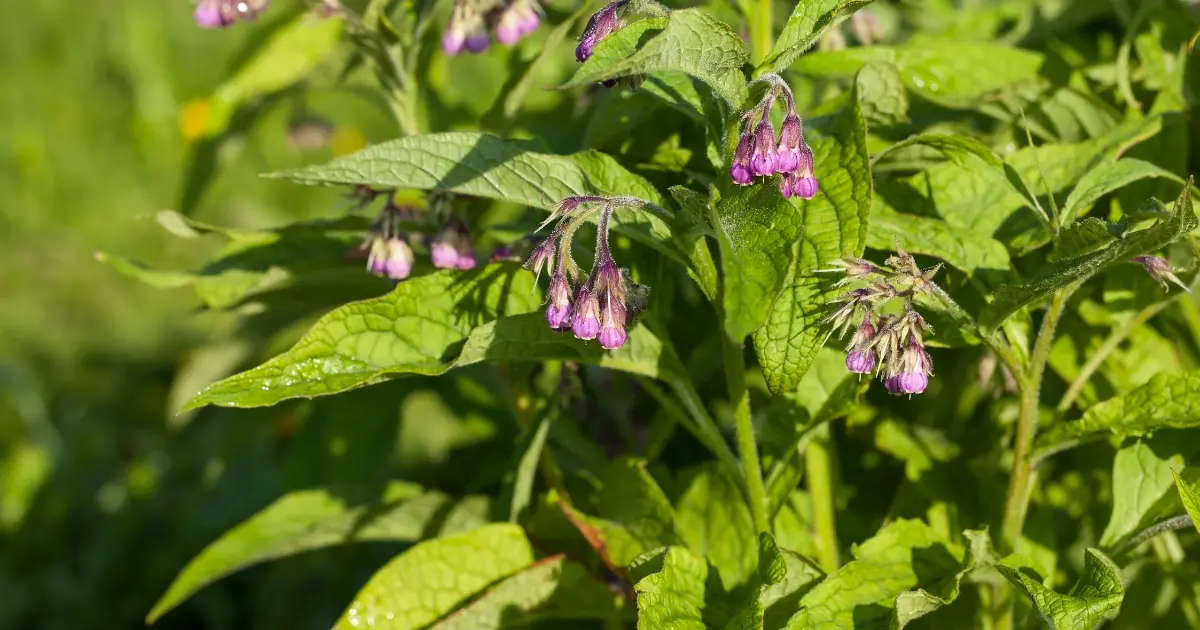
How to Identify Bocking 14 Comfrey: 5 Simple Visual Signs
If you’re growing comfrey for mulch, compost, or animal feed, knowing exactly which variety you [...]
Mar
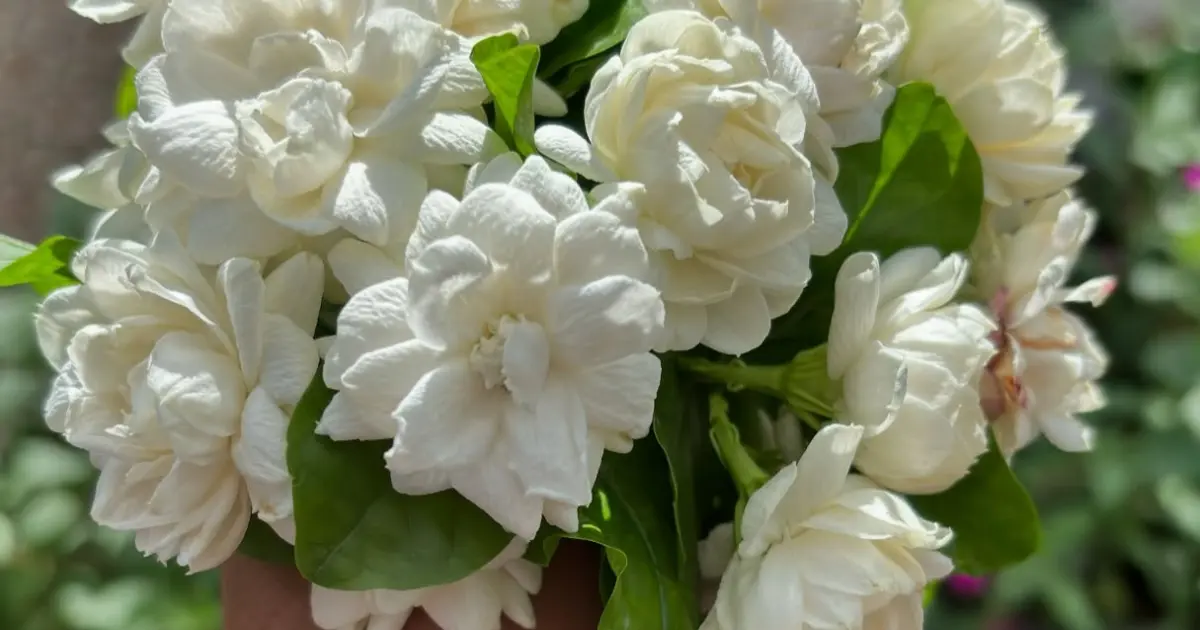
Grand Duke of Tuscany Jasmine: The Ultimate Guide to Growing a Fragrant Masterpiece
Have you ever caught a scent in the air so rich, creamy, and honey-sweet that [...]
Mar
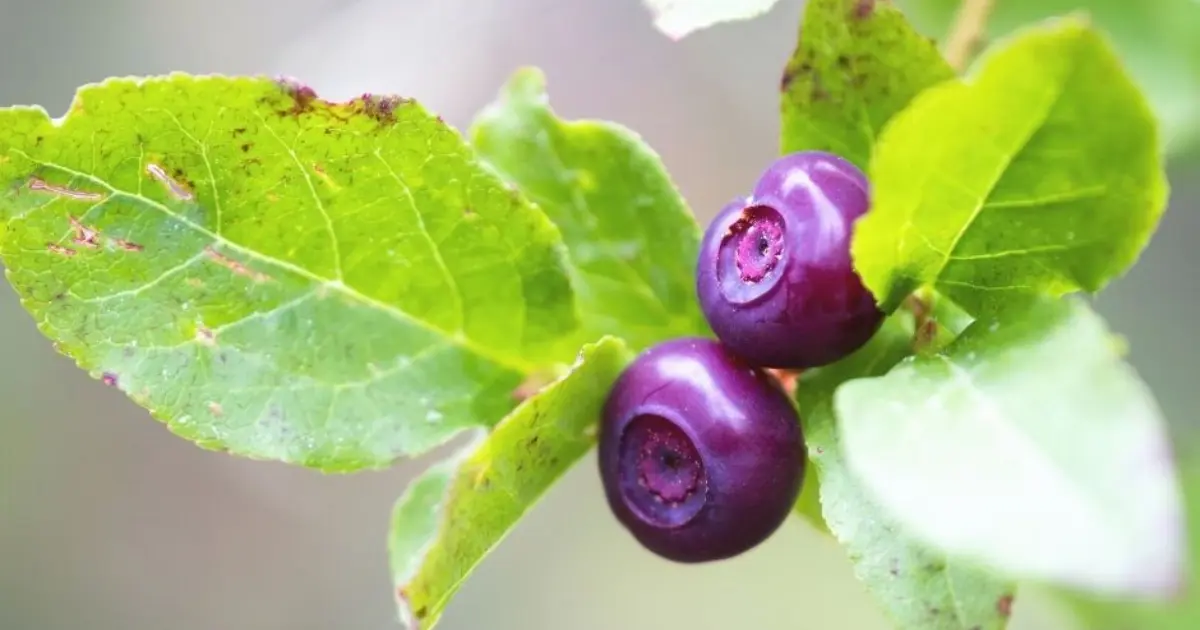
How to Grow Wild Huckleberries: A Guide to “Purple Gold”
Have you ever spent a summer afternoon hiking through the Pacific Northwest or the Rocky [...]
Mar
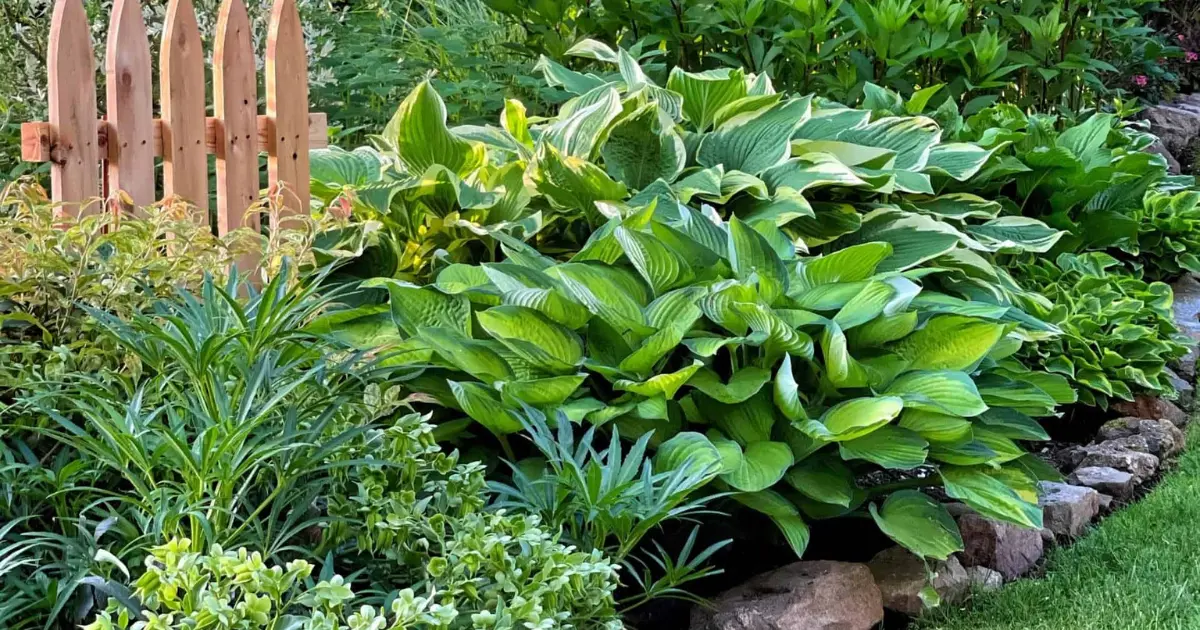
5 Best Shade-Loving Perennials for a Lush, Vibrant Garden
The world of gardening often shines a spotlight on sun-drenched blossoms, but there is a [...]
Mar

7 Common Curry Leaf Plant Problems: Easy Fixes for a Thriving Plant
Is your curry leaf plant looking a bit sad lately? Maybe you woke up to [...]
Mar
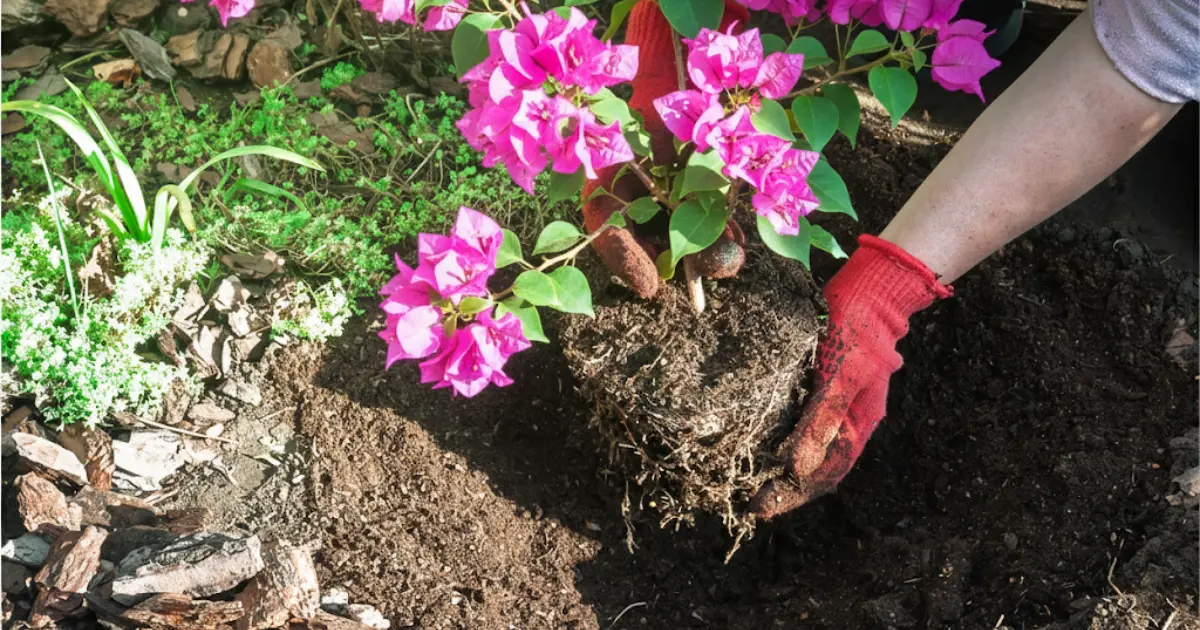
Best Time to Plant Bougainvillea: Timing for Vibrant Blooms
If you’re looking for a hardy tropical vine that delivers a riot of neon color, [...]
Feb
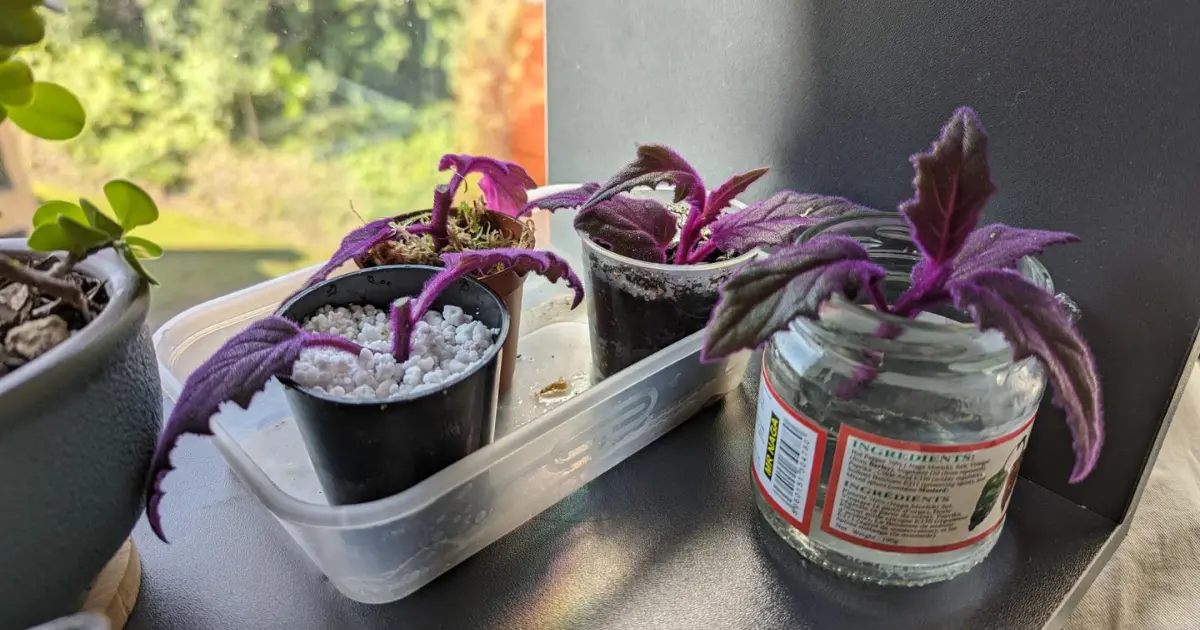
How to Propagate Purple Passion Plants (Gynura aurantiaca)
Have you ever been mesmerized by the neon-purple glow and fuzzy, velvet-like leaves of a [...]
Feb
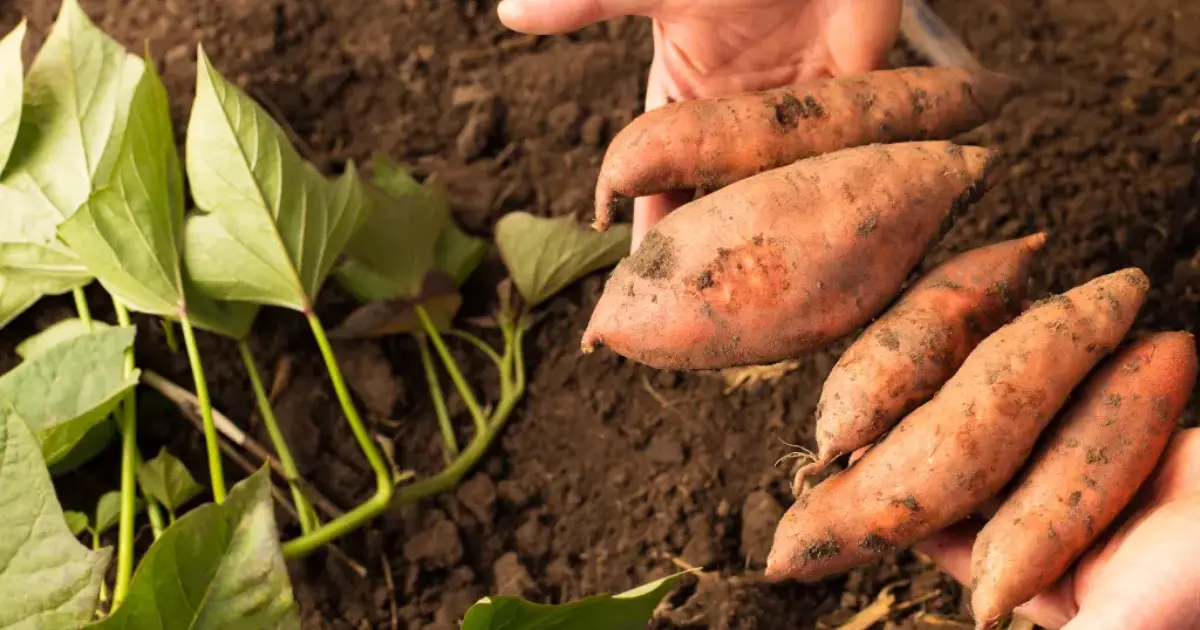
How to Grow Beauregard Sweet Potatoes: From Slips to a Bountiful Harvest
Are you ready to add a classic, heavy-hitting favorite to your vegetable patch? If you’ve [...]
Feb

Reviews
There are no reviews yet.