
Set of 2 Black Locust Tree Live Plant Bare Roots Dormant Seedlings 6-12 Inch Tall, Outdoor Hardy
Original price was: $34.93.$19.93Current price is: $19.93.
Cultivate a resilient landscape with this set of black locust tree bare roots. Each dormant seedling measures 6-12 inches, ready for planting to establish a fast-growing, drought-tolerant, and winter hardy trees. Perfect for sunny locations and adaptable to various soil types.
Estimated arrival
Apr 03
Apr 08 - Apr 10
Apr 13 - Apr 17

Reasonable Price
We offer reasonable price

Support 24/7
Contact us 24 hrs a day

100% Money Back
You've 30 days to Return

Payment Secure
100% secure payment
Overview
Transform your garden or property with our premium set of black locust tree bare roots. These dormant Robinia pseudoacacia seedlings, measuring 6-12 inches tall, are an excellent choice for establishing a robust and beautiful tree quickly. Known for their rapid growth and adaptability, black locust tree bare roots are a favorite among landscapers and home gardeners alike. These trees provide excellent shade, erosion control, and can also be a valuable source of nitrogen fixation for your soil. Planting dormant bare roots ensures a strong start, allowing the plant to focus its energy on root development before leafing out in spring.
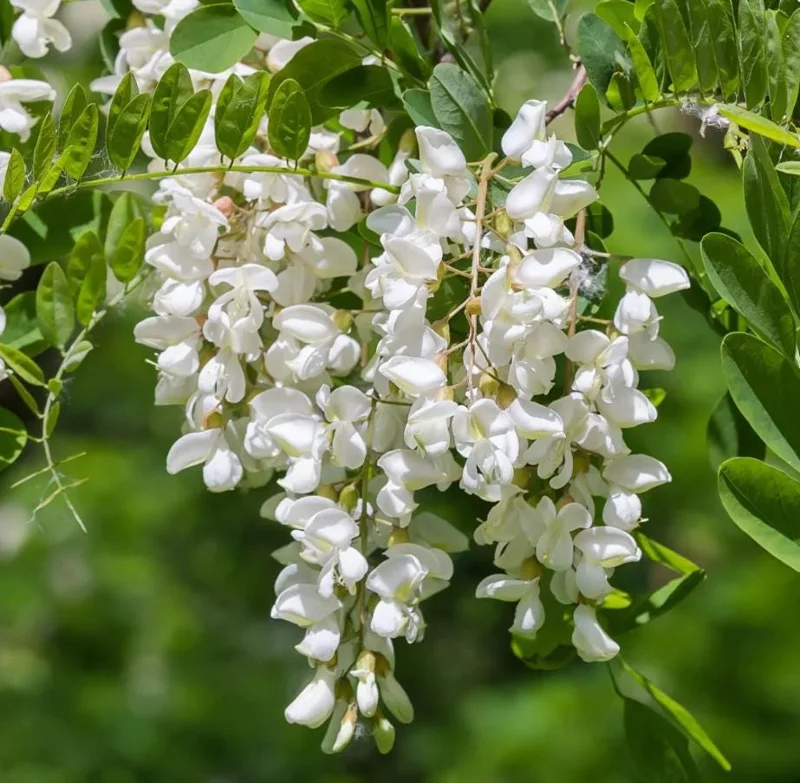
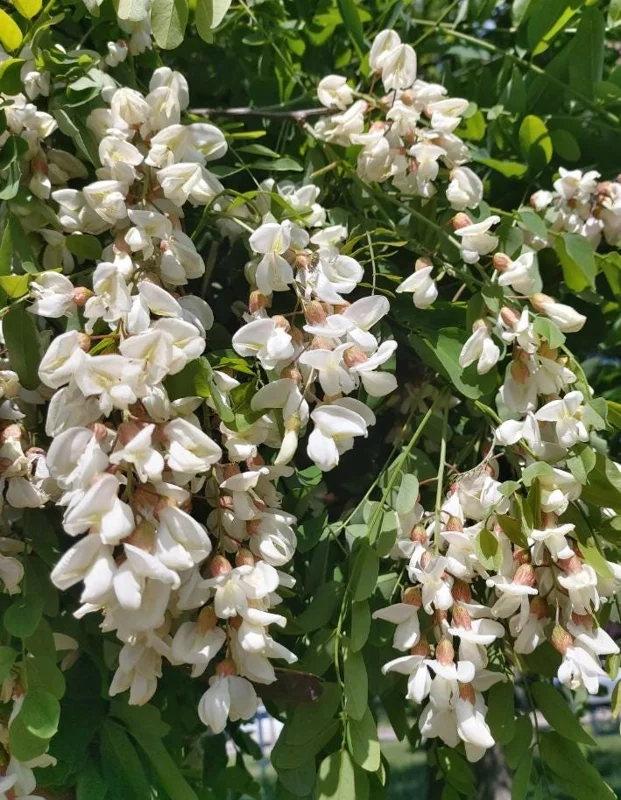
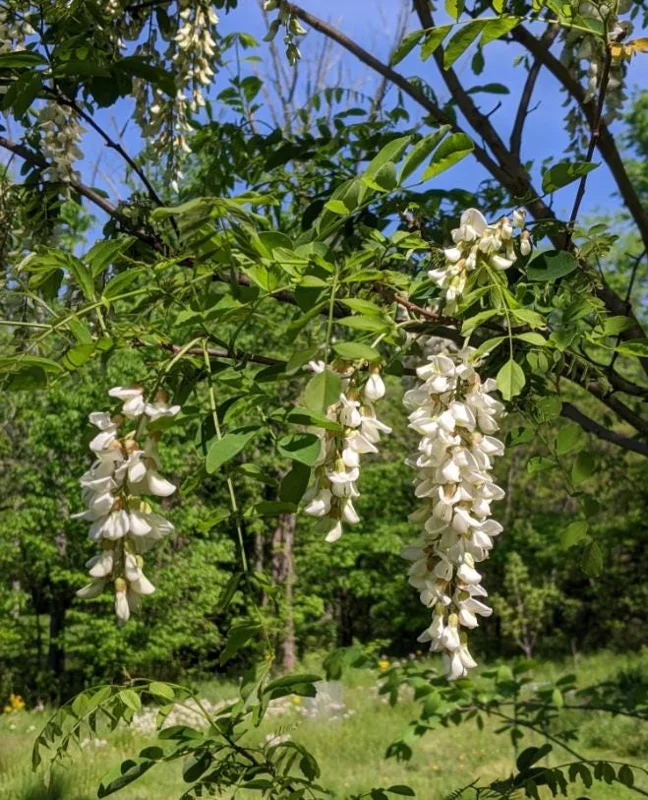
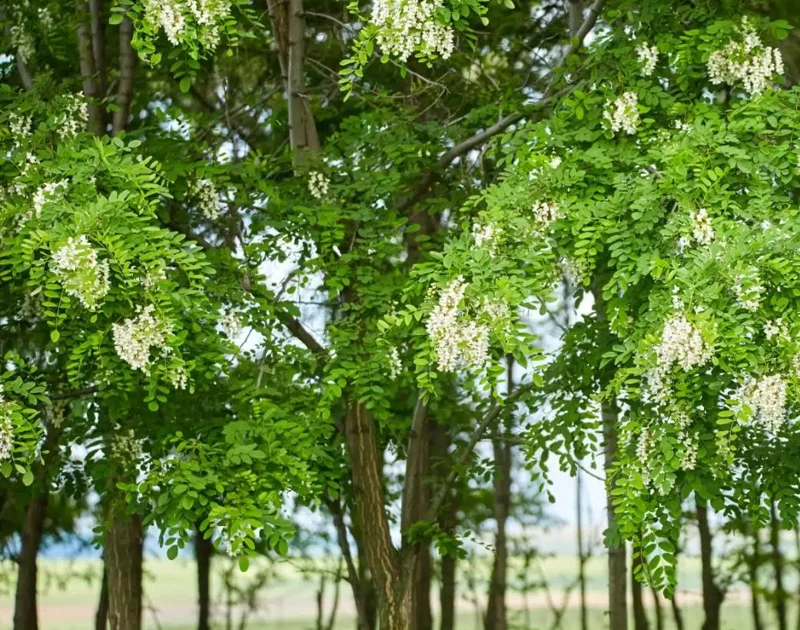
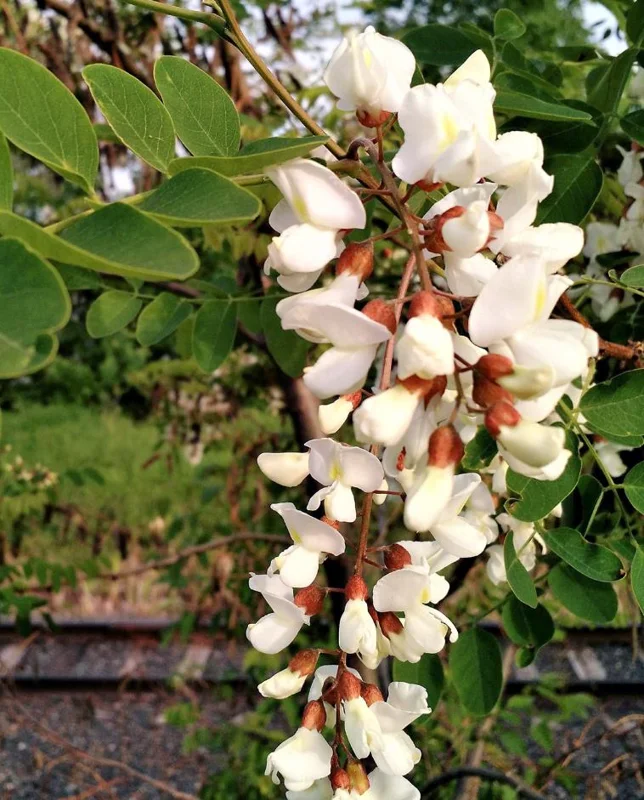
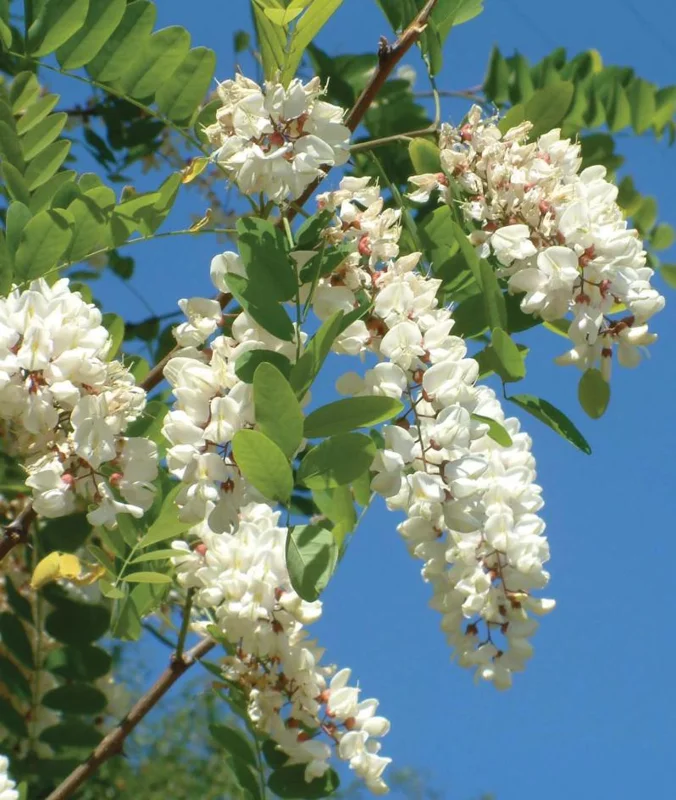
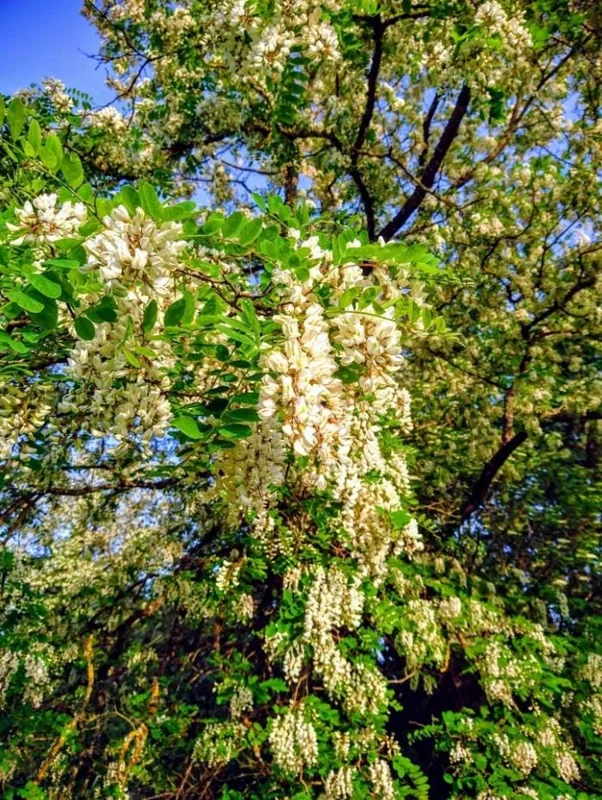
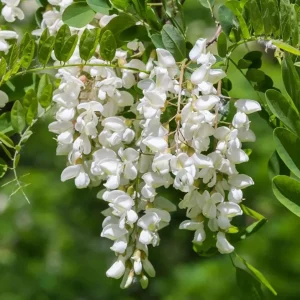
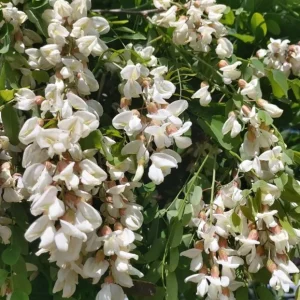
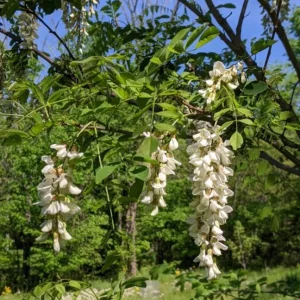
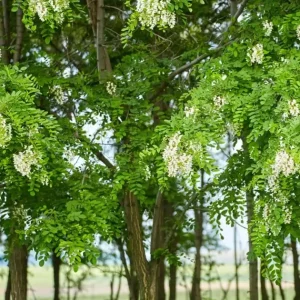
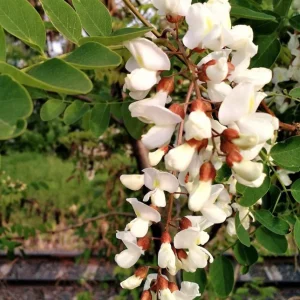
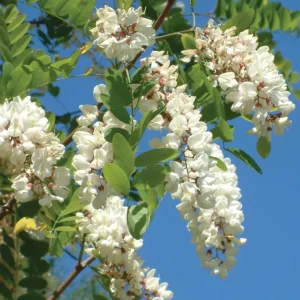
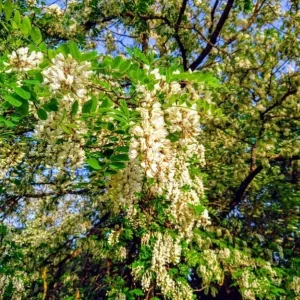
The Black Locust (Robinia pseudoacacia) is a deciduous tree native to the southeastern United States, widely appreciated for its hardiness and attractive appearance. It features distinctive compound leaves, fragrant white flowers in spring, and deeply furrowed bark. Our bare root seedlings are carefully selected to provide you with healthy, viable plants ready for successful establishment in your outdoor environment.
Key Benefits
Choosing these black locust tree bare roots offers numerous advantages for your landscape:
- Fast Growth Rate: Black Locust trees are renowned for their vigorous growth, quickly establishing themselves and providing shade or landscape interest in a shorter timeframe compared to many other tree species.
- Drought Tolerance: Once established, these trees are highly resistant to drought conditions, making them ideal for areas with infrequent rainfall or for gardeners seeking low-maintenance options. This feature makes caring for your black locust plant care much easier.
- Winter Hardy: These seedlings are incredibly resilient and can withstand harsh winter temperatures, making them suitable for a wide range of climates and ensuring they thrive year after year. They are excellent winter hardy trees.
- Soil Adaptability: Black Locust trees are not particular about soil type and can thrive in poor, rocky, or alkaline soils, as long as they are well-drained. This versatility simplifies planting considerably.
- Nitrogen Fixation: As a legume, the Black Locust tree has the unique ability to fix nitrogen in the soil, improving soil fertility for surrounding plants and reducing the need for artificial fertilizers.
- Erosion Control: Their extensive root systems make them an excellent choice for stabilizing slopes and preventing soil erosion, contributing to the health and stability of your land.
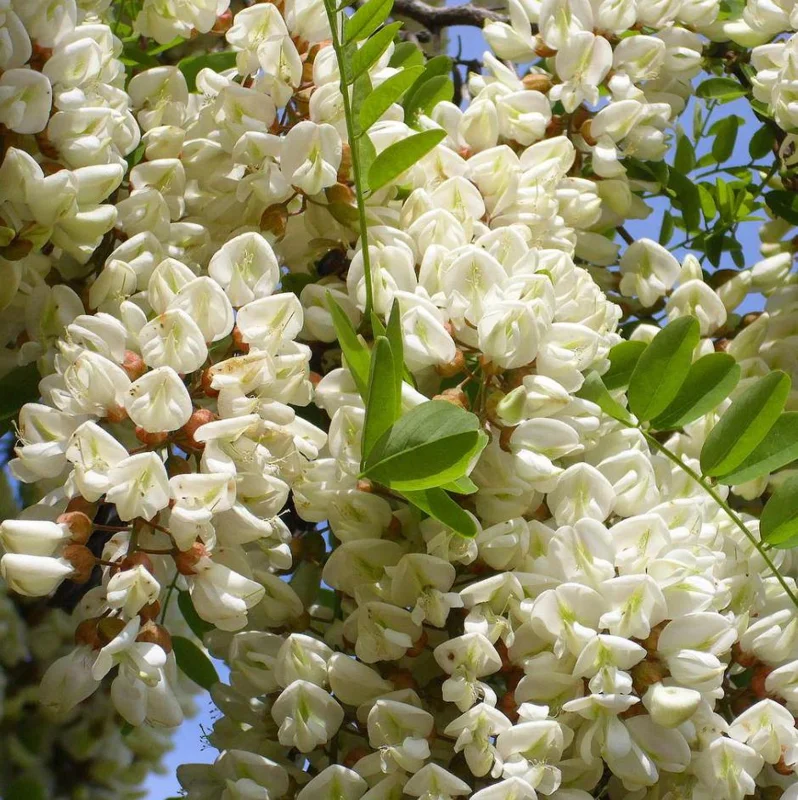
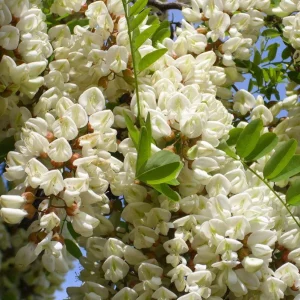
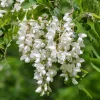
- Attractive Foliage & Flowers: Beyond their practical benefits, Black Locust trees offer aesthetic appeal with their delicate foliage and clusters of fragrant white flowers that attract pollinators in spring.
Plant Care & Growing Tips
To successfully grow your black locust tree bare roots, proper planting and initial care are crucial. Plant your bare root seedlings in early spring or fall when they are dormant. Choose a location that receives full sun, meaning at least 6 hours of direct sunlight daily. Black Locust trees do not tolerate shady or overly wet conditions. Dig a hole that is twice as wide as the root ball and deep enough so that the seedling is planted at the same depth as it was grown previously, with the root collar even with the soil surface. Spread the roots out evenly in the hole before backfilling with soil.
While adaptable to many soil types, including poor, rocky, and alkaline soils, Black Locust prefers well-drained conditions. Avoid very heavy clay or excessively moist soils, as these can lead to root rot. After planting, water the newly planted seedlings thoroughly and deeply to settle the soil around the roots. Continue to water regularly during the first two years to help establish a deep and robust root system. Once established, the tree is very drought-tolerant and will require little supplemental watering. For optimal growth, ensure adequate spacing; if planting multiple trees, space them 20-40 feet apart to accommodate their spreading root systems. This diligent black locust plant care will ensure a thriving tree.
Fertilization is generally not necessary for established Black Locust trees due to their nitrogen-fixing capabilities. However, a light application of a balanced, slow-release fertilizer can support young seedlings in their first year. Monitor for common pests and diseases, though Black Locust trees are generally resilient. Pruning should be done in late winter or early spring to remove dead, damaged, or crossing branches and to shape the tree as desired. Understanding how to grow black locust successfully involves providing the right environment and consistent care during its establishment phase.
Size & Details
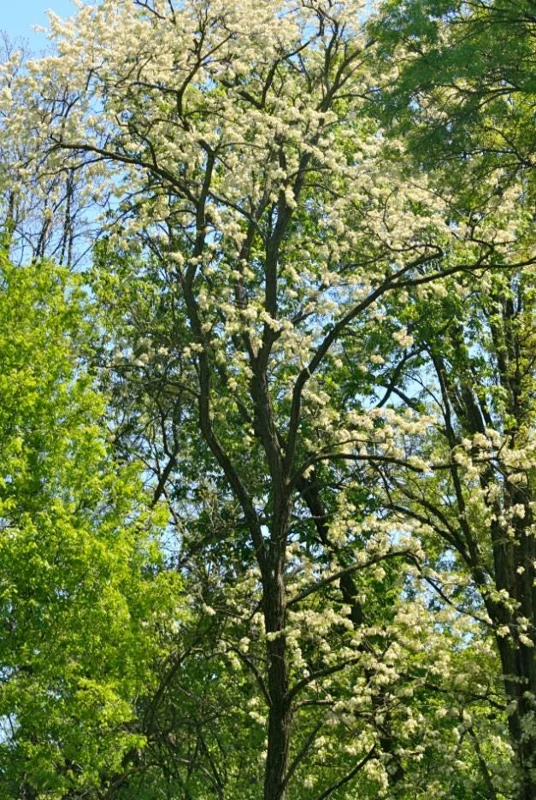
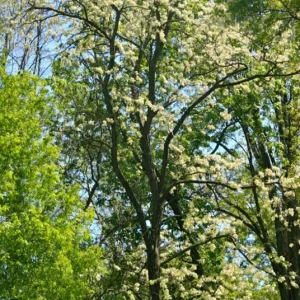
This offering includes a set of two black locust tree bare roots, each measuring approximately 6-12 inches in height. These are dormant seedlings, meaning they are shipped without leaves, allowing for easier transplanting and reducing transplant shock. Bare root trees are an economical and efficient way to plant, as they quickly adapt to their new environment once planted. The mature Black Locust tree typically reaches a height of 30-50 feet with a spread of 20-30 feet, forming an attractive, rounded canopy. They have a medium to fast growth rate, often adding 1-2 feet per year once established. Expect these robust seedlings to develop into strong, long-lived trees that will enhance your landscape for decades.
Frequently Asked Questions
- Q: How big does this plant get? A: These black locust tree bare roots are 6-12 inches tall when shipped as dormant seedlings. Once mature, a Black Locust tree can reach heights of 30-50 feet with a spread of 20-30 feet, offering substantial shade and presence in your landscape.
- Q: Is this an indoor or outdoor plant? A: The Black Locust tree is strictly an outdoor plant, ideal for landscaping, providing shade, and erosion control. It requires full sun exposure to thrive.
- Q: How much sunlight does it need? A: Black Locust trees require full sun, meaning at least 6 hours of direct sunlight daily. This is crucial for their healthy growth and development.
- Q: Is this plant easy to care for? A: Yes, once established, Black Locust trees are very low-maintenance, drought-tolerant, and adaptable to various soil conditions. Initial black locust plant care involves consistent watering for the first two years.
- Q: What condition will it arrive in? A: Your order will arrive as dormant robinia pseudoacacia seedlings, which are bare roots without leaves. This is the optimal state for transplanting and ensures successful establishment.
- Q: When is the best time to plant? A: The best time to plant these bare root seedlings is in early spring or fall when the tree is dormant. This allows the roots to establish before the stress of active growth or extreme weather.
- Q: Will it survive winter in my zone? A: Yes, Black Locust trees are known for being incredibly hardy and are excellent winter hardy trees. They are suitable for a wide range of USDA hardiness zones.
- Q: What type of soil is best for black locust? A: While adaptable to many soil types, Black Locust trees prefer well-drained soil. They can tolerate poor, rocky, or alkaline soils but should avoid excessively moist or heavy clay conditions.
- Q: Do I need to fertilize my black locust tree? A: Established Black Locust trees generally do not need fertilization due to their nitrogen-fixing abilities. A light, balanced fertilizer can be beneficial for young seedlings in their first year.
- Q: Can I grow this tree for timber? A: Yes, Black Locust wood is highly valued for its durability and rot resistance, making it suitable for fence posts, lumber, and other outdoor applications.
Be the first to review “Set of 2 Black Locust Tree Live Plant Bare Roots Dormant Seedlings 6-12 Inch Tall, Outdoor Hardy”
-
USDA Hardiness Zone
USDA zones 4-8 -
Soil Type
Well-draining soil; adaptable to poor, rocky, alkaline soils -
Sunlight Exposure
Full sun (at least 6 hours direct sunlight daily) -
Expected Planting Period
Early spring or fall (while dormant)
People Also Viewd


Sold 128 products
Original price was: $89.99.$64.99Current price is: $64.99.

Sold 128 products
Original price was: $27.00.$24.00Current price is: $24.00.

Sold 126 products
Original price was: $3,536.00.$23.99Current price is: $23.99.

Sold 125 products
Original price was: $86.99.$66.99Current price is: $66.99.
Sold 116 products
Original price was: $27.99.$16.99Current price is: $16.99.

Flower Bulbs
3 Cranesbill Wild Geranium Organic Maculatums Bare Roots | Wildflower for Outdoor Garden
Sold 114 products
Original price was: $21.99.$6.99Current price is: $6.99.

Sold 114 products
Original price was: $28.99.$17.99Current price is: $17.99.

Sold 109 products
Original price was: $63.99.$28.99Current price is: $28.99.RELATED posts
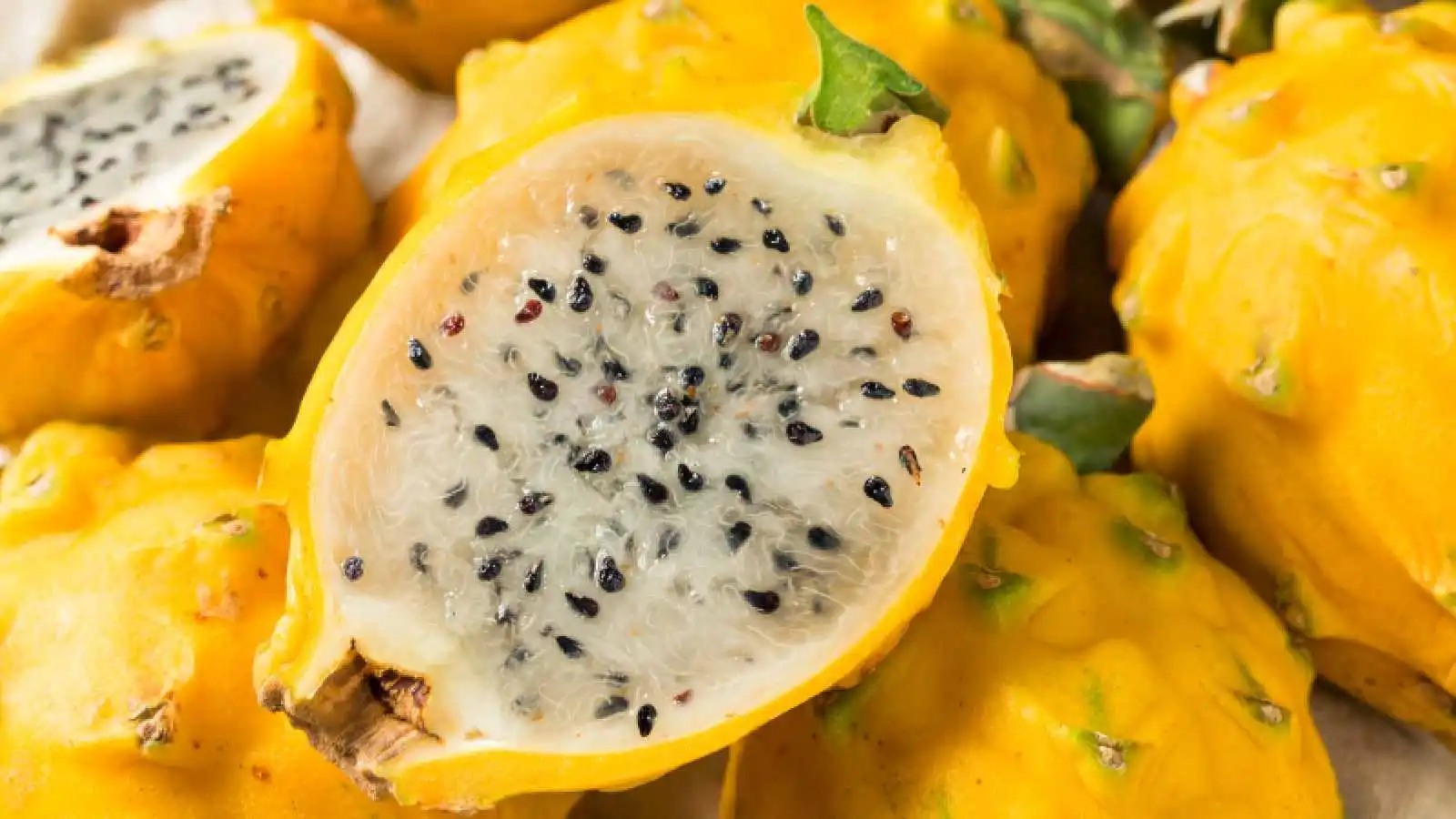
Yellow Dragon Fruit Plant Care: The Ultimate Guide for Healthy Growth
The yellow dragon fruit plant is a unique and rewarding addition to any home garden, [...]
Apr
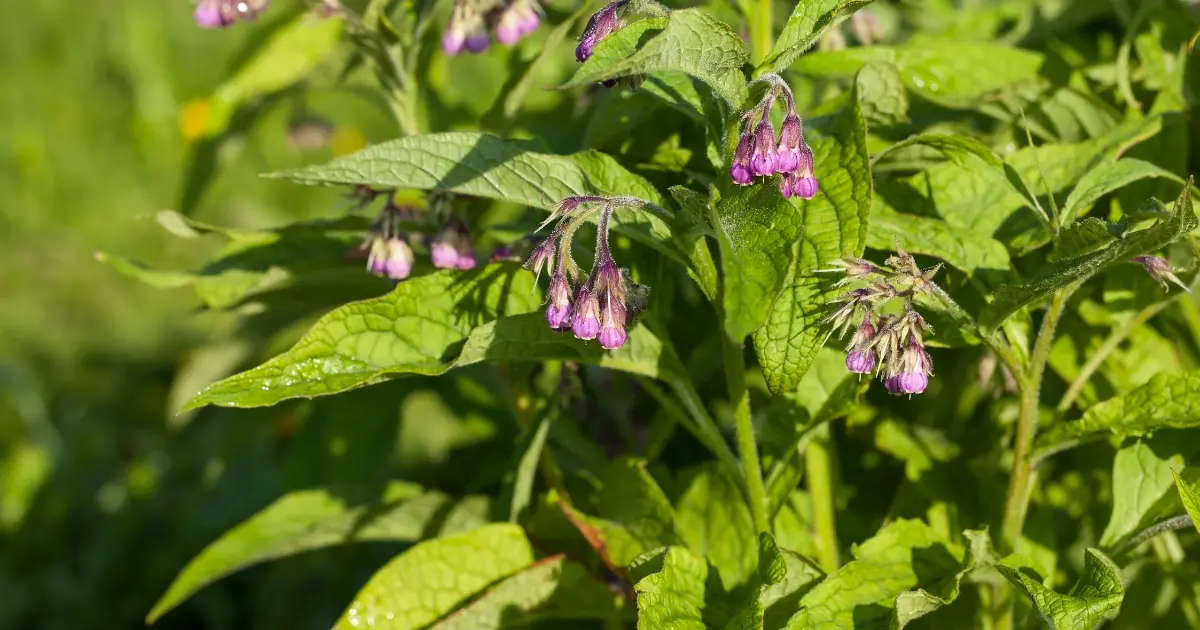
How to Identify Bocking 14 Comfrey: 5 Simple Visual Signs
If you’re growing comfrey for mulch, compost, or animal feed, knowing exactly which variety you [...]
Mar
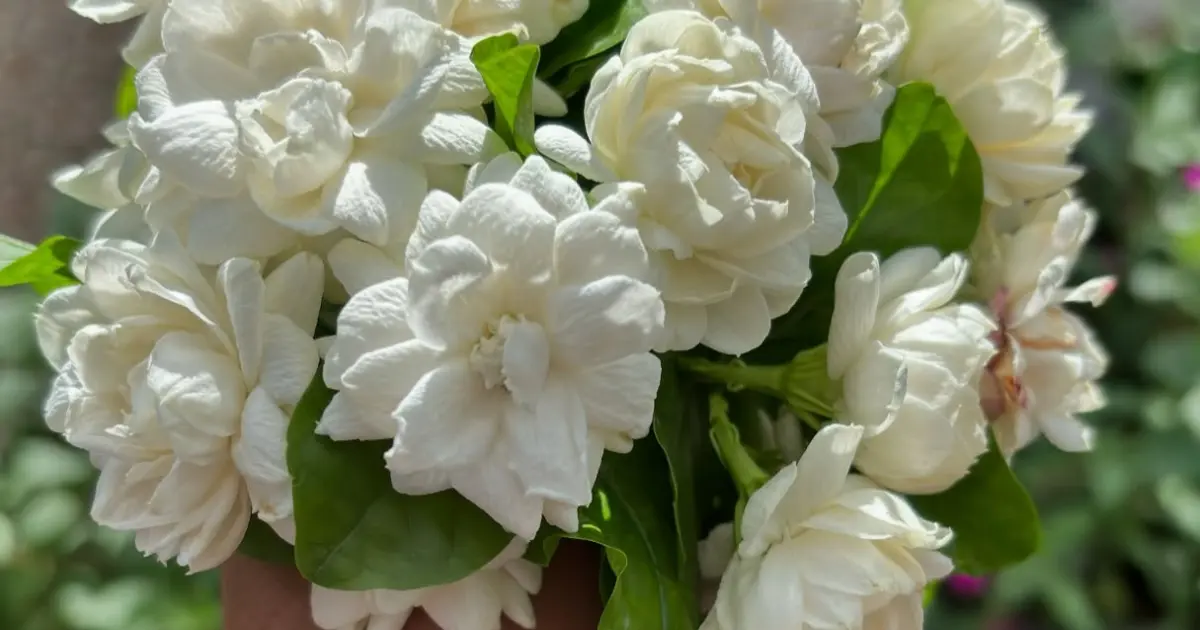
Grand Duke of Tuscany Jasmine: The Ultimate Guide to Growing a Fragrant Masterpiece
Have you ever caught a scent in the air so rich, creamy, and honey-sweet that [...]
Mar
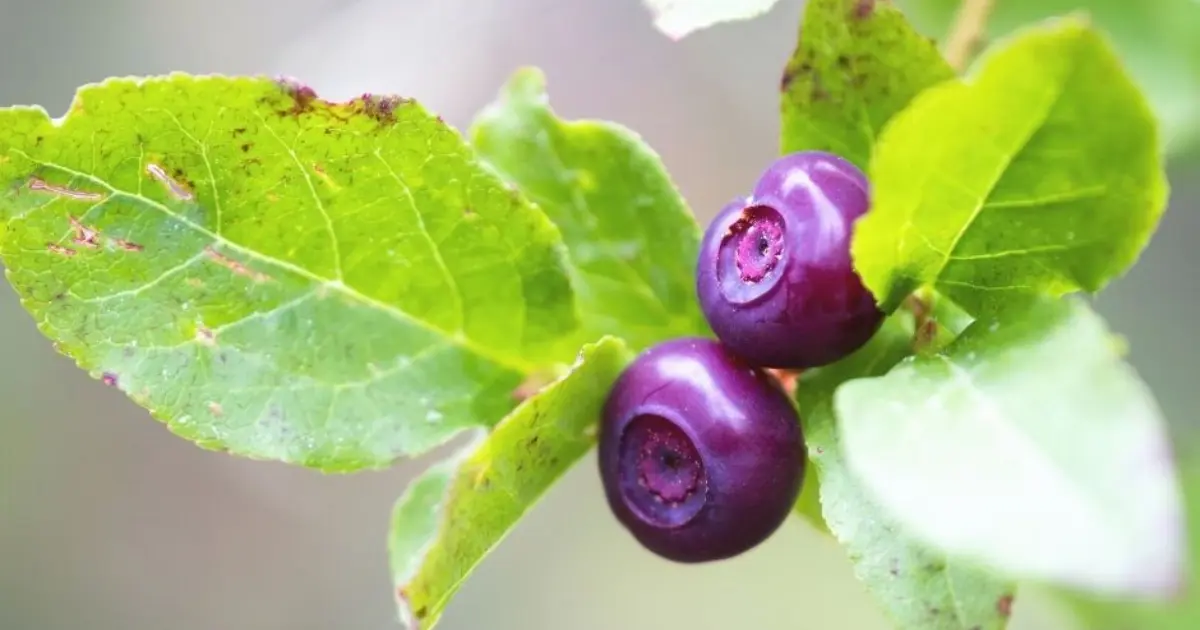
How to Grow Wild Huckleberries: A Guide to “Purple Gold”
Have you ever spent a summer afternoon hiking through the Pacific Northwest or the Rocky [...]
Mar
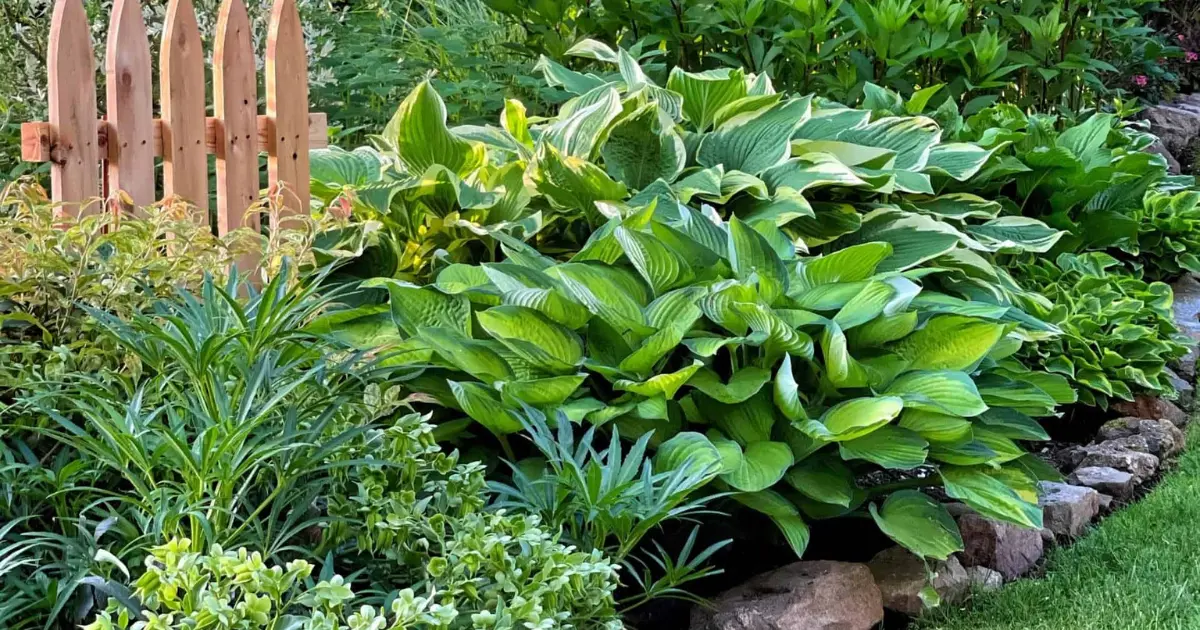
5 Best Shade-Loving Perennials for a Lush, Vibrant Garden
The world of gardening often shines a spotlight on sun-drenched blossoms, but there is a [...]
Mar
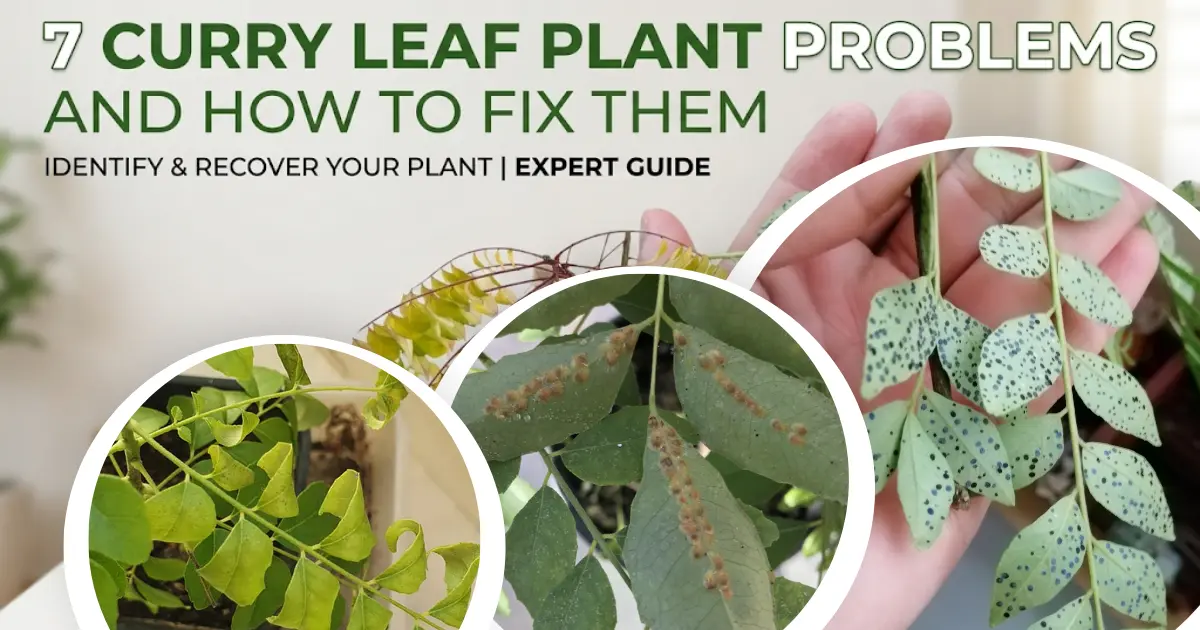
7 Common Curry Leaf Plant Problems: Easy Fixes for a Thriving Plant
Is your curry leaf plant looking a bit sad lately? Maybe you woke up to [...]
Mar
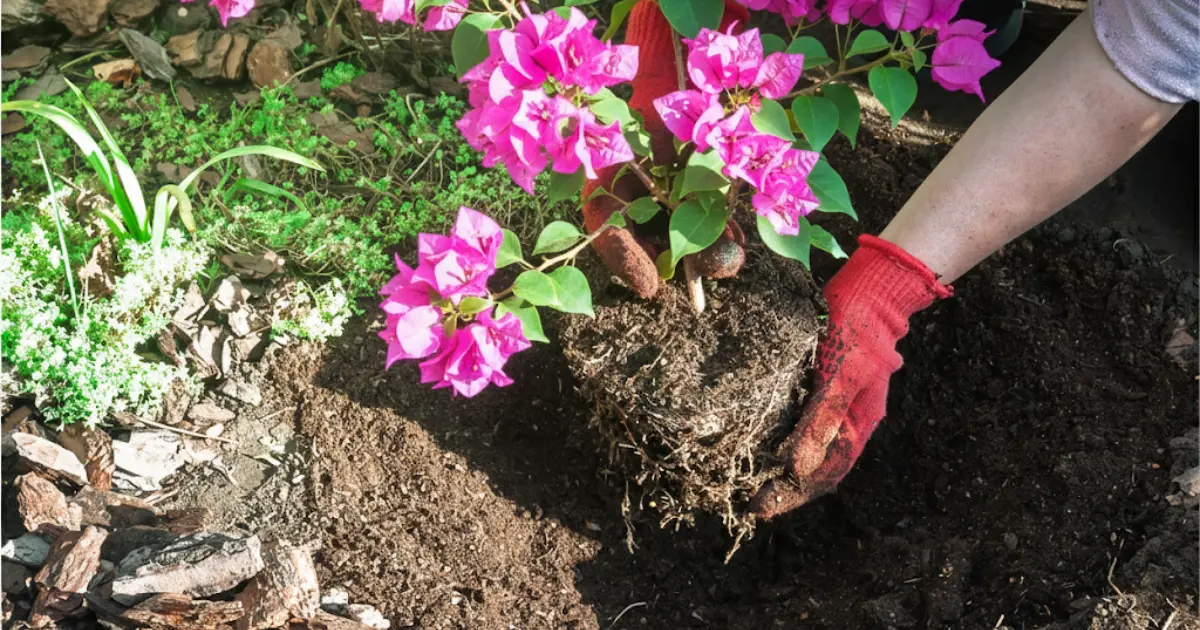
Best Time to Plant Bougainvillea: Timing for Vibrant Blooms
If you’re looking for a hardy tropical vine that delivers a riot of neon color, [...]
Feb
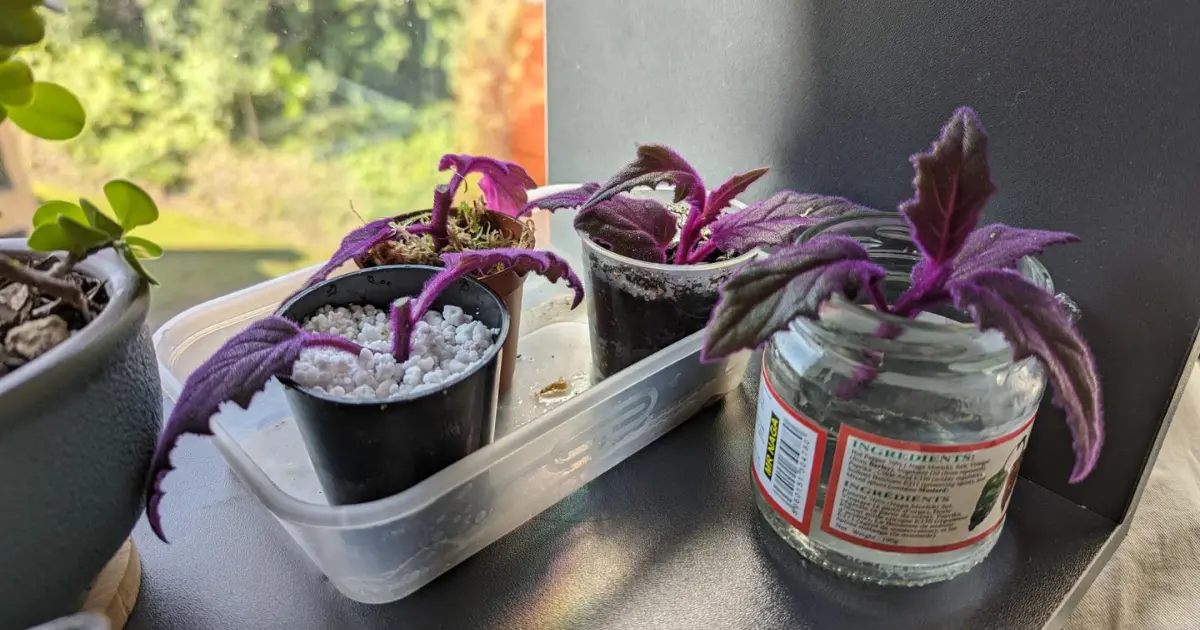
How to Propagate Purple Passion Plants (Gynura aurantiaca)
Have you ever been mesmerized by the neon-purple glow and fuzzy, velvet-like leaves of a [...]
Feb
Reviews
There are no reviews yet.