
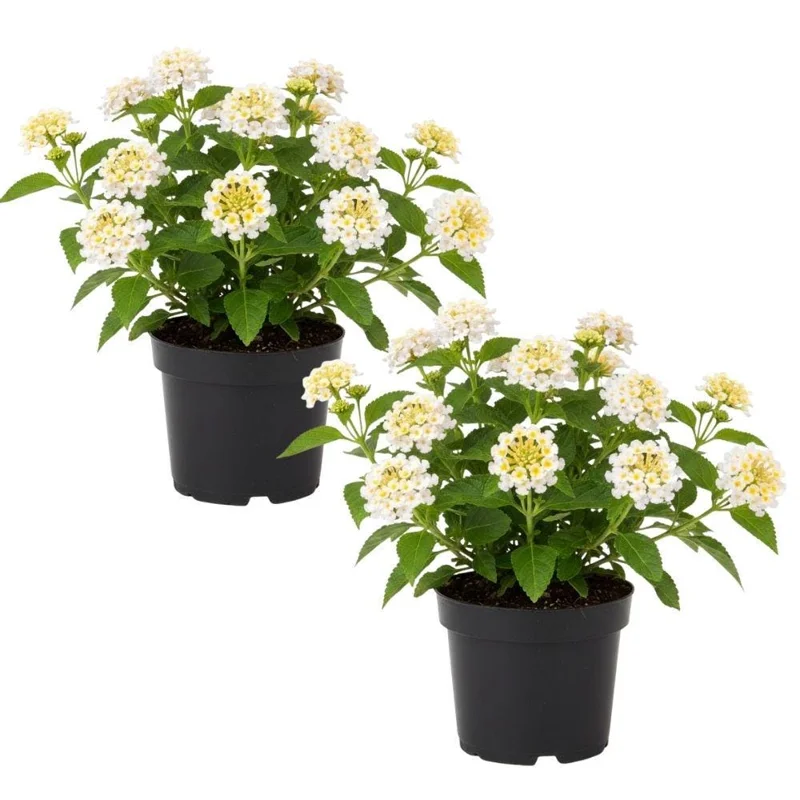
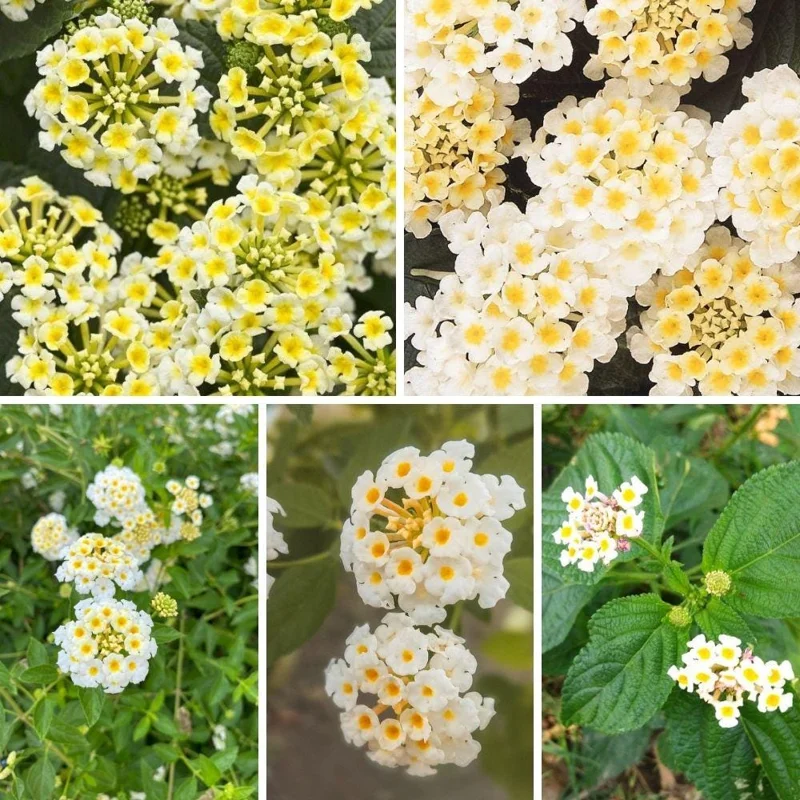
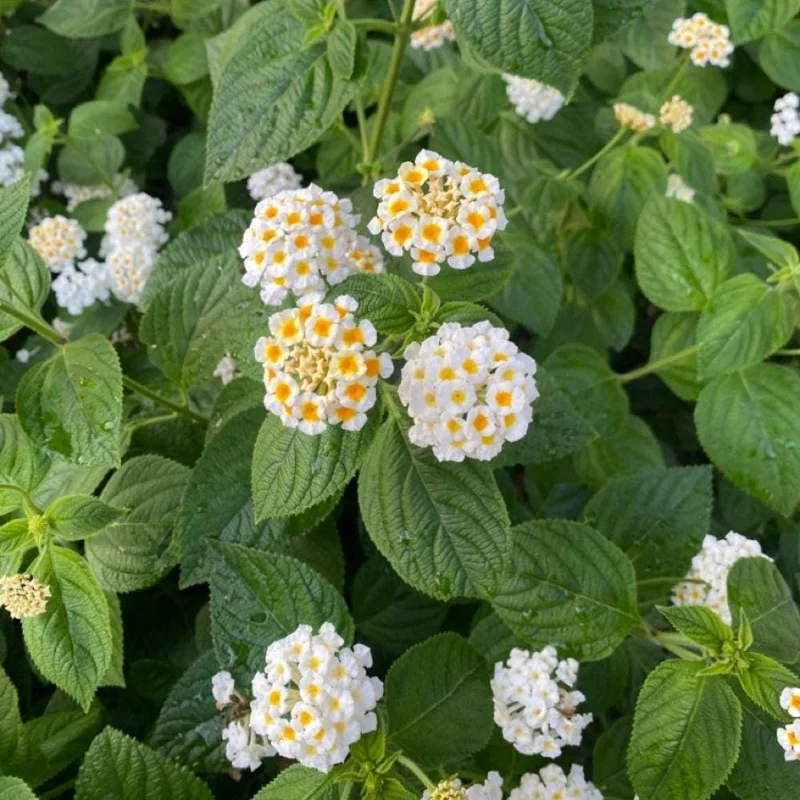
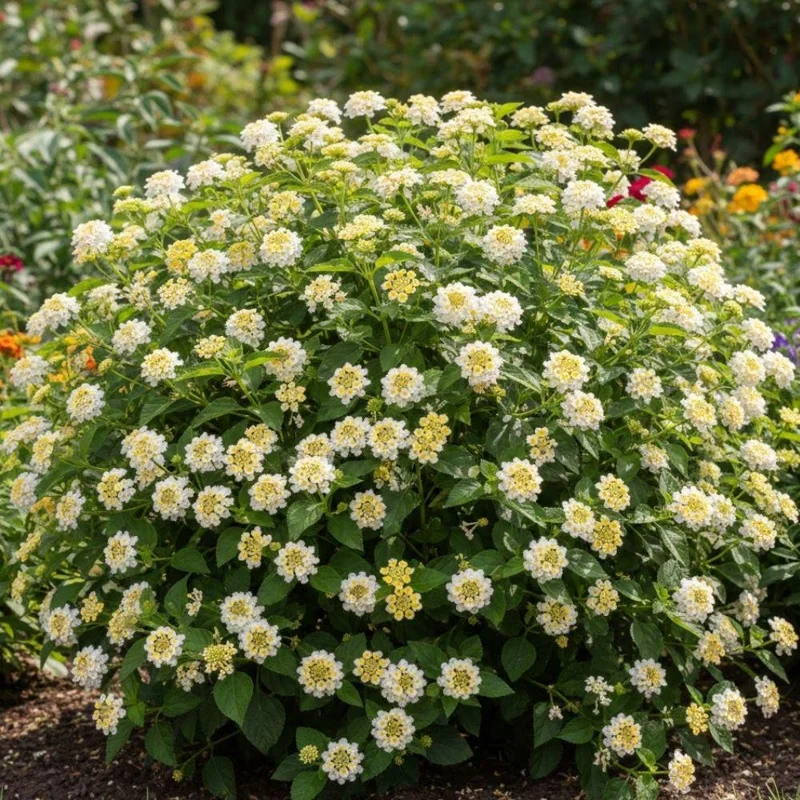
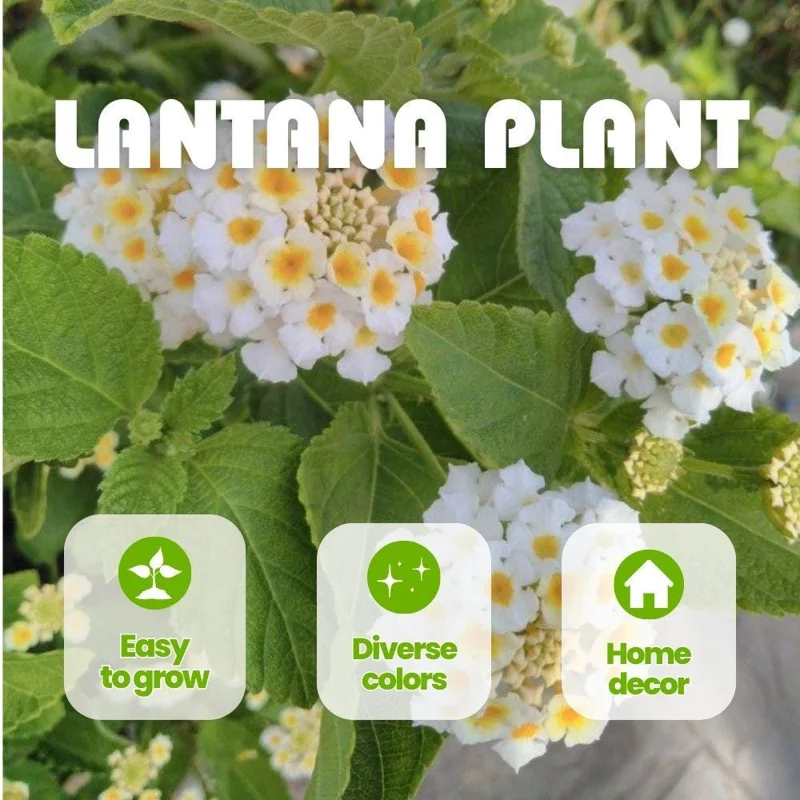
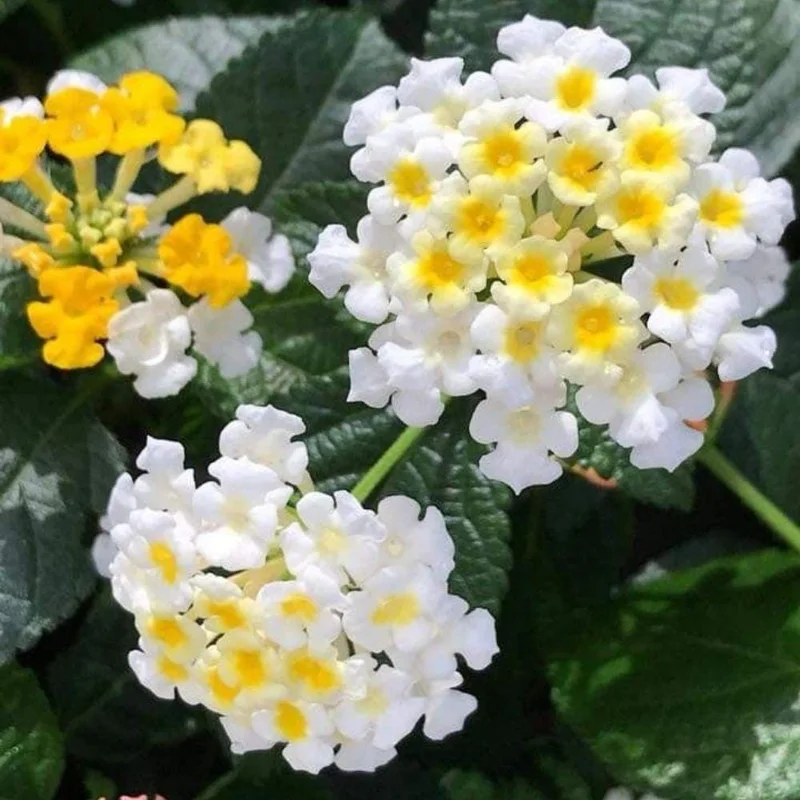
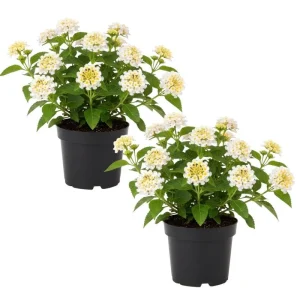
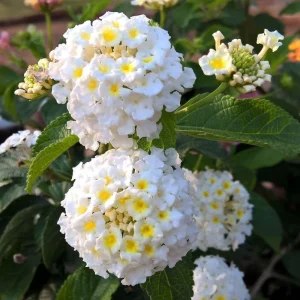
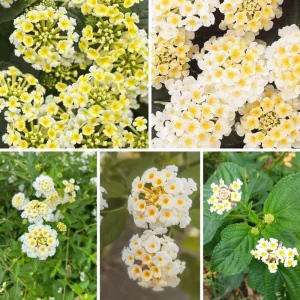
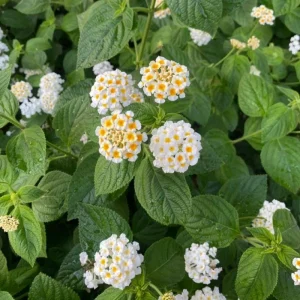
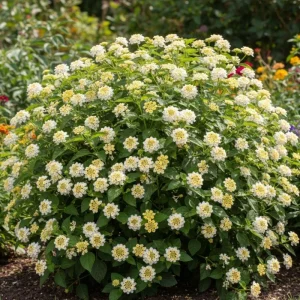
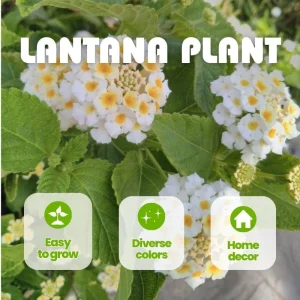
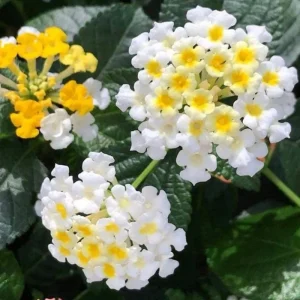
Set of 2 Lantana Live Plants – 6-10 Inches Tall – White to Yellow Flowers – Outdoor Shrub
Original price was: $56.99.$31.99Current price is: $31.99.
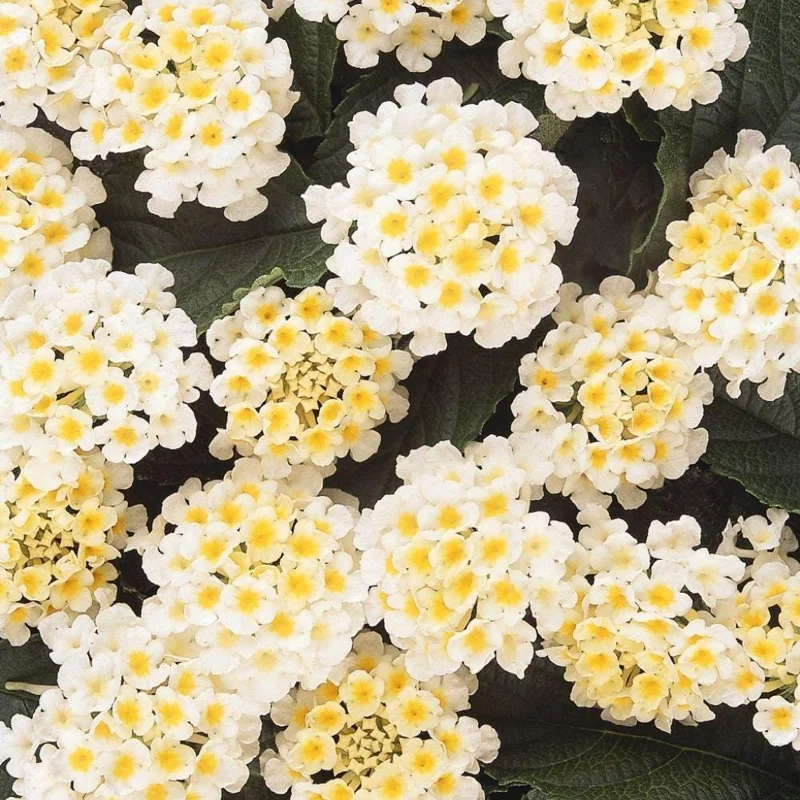
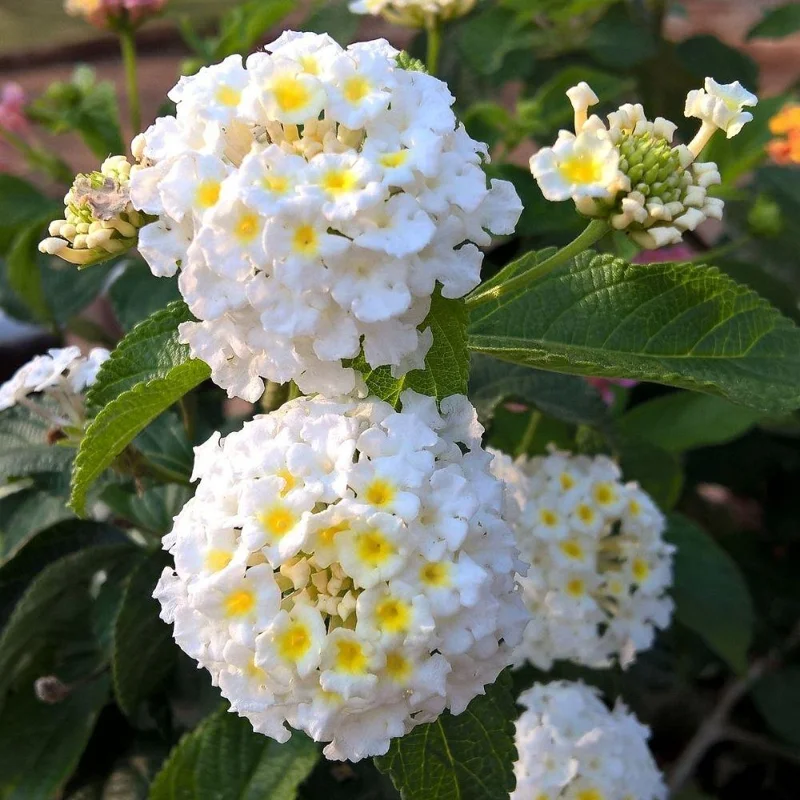
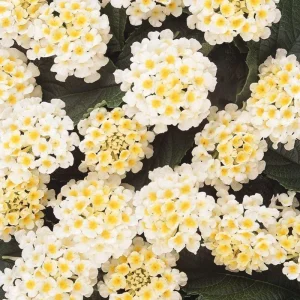
Add vibrant color to your garden with this set of two Lantana live plants. Featuring clusters of flowers that transition from white to yellow, these perennials are perfect for:
- Garden beds and borders
- Landscape planting and patio containers
- Attracting butterflies and pollinators
Estimated arrival
Apr 11
Apr 16 - Apr 18
Apr 21 - Apr 25

Reasonable Price
We offer reasonable price

Support 24/7
Contact us 24 hrs a day

100% Money Back
You've 30 days to Return

Payment Secure
100% secure payment
Overview
Introduce a burst of dynamic color to your outdoor spaces with this exquisite set of two Lantana live plants. Known for their captivating clusters of blooms that gracefully transition from soft white tones to cheerful yellow shades, these plants offer continuous visual interest throughout the warm seasons. The ever-changing hues make them a standout choice for various garden designs, whether you’re looking to fill garden beds, adorn borders, or create stunning container arrangements. White yellow Lantana is celebrated for its robust nature and ability to thrive in sunny environments, providing a reliable and beautiful display of flowers. This easy-to-care-for perennial is an excellent addition for both novice and experienced gardeners seeking vibrant, long-lasting blooms.
Originating from tropical regions, Lantana is a versatile and popular choice for landscapes across the United States. Its ability to withstand heat and relatively dry conditions makes it a resilient plant for many climates. The unique color progression of its flowers, often seen as a single cluster displaying multiple shades, adds a sophisticated touch to any setting. Gardeners frequently choose Lantana for its low maintenance requirements and its consistent flowering habit, ensuring a lively and colorful display from spring until the first frost. This particular variety, with its striking white to yellow blooms, promises to be a focal point in your garden.
Key Benefits
Choosing this Lantana live plant for your garden brings a multitude of advantages, enhancing both the aesthetic appeal and ecological value of your outdoor areas. Its vibrant blooms and hardy nature make it a top pick for diverse landscaping needs. Enjoy these key benefits:
- Continuous Blooming: Produces abundant clusters of flowers that transition from white to yellow tones, offering a prolonged display of color throughout the warm growing seasons. The constant bloom ensures your garden remains lively and engaging.
- Attracts Pollinators: The nectar-rich flowers are a magnet for beneficial insects, including butterflies and hummingbirds, contributing to a healthy and biodiverse garden ecosystem. This makes it an excellent choice for a pollinator-friendly garden.
- Versatile Planting Options: Perfectly suited for a variety of applications, including garden beds, borders, landscape planting, and patio containers. Its branching growth habit allows for creative and decorative outdoor planting areas.
- Low Maintenance: This outdoor flowering plant is known for its resilience and ability to thrive with minimal intervention once established. It tolerates heat and some drought, making it an ideal choice for busy gardeners.
- Drought Tolerant: Once established, Lantana can withstand periods of dryness, requiring less frequent watering compared to many other flowering plants. This makes it a sustainable option for water-wise gardening.
- Heat Resistant: Thrives in full sun and hot climates, performing exceptionally well where other plants might struggle. It is a perfect plant for sunny, exposed locations.
- Visual Interest: The unique color-changing flowers add dynamic visual interest and depth to any garden design. The shifting colors create a captivating display that evolves over time.
Plant Care & Growing Tips
Caring for your Lantana live plant is relatively straightforward, ensuring a vibrant and healthy display with minimal effort. Lantana thrives in conditions that mimic its native tropical environment, primarily requiring plenty of sunlight and well-draining soil. For optimal growth and prolific flowering, plant your Lantana in a location that receives at least six hours of direct sunlight daily. While it can tolerate some partial shade, flowering will be significantly reduced. Ensure the soil is consistently moist after planting, but once established, reduce watering as Lantana prefers slightly drier conditions and is quite drought-tolerant. Avoid overwatering, which can lead to root rot.
The ideal soil for perennial Lantana is well-draining, with a slightly acidic to neutral pH. Amend heavy clay soils with organic matter like compost to improve drainage. Fertilize your Lantana sparingly; an all-purpose slow-release fertilizer applied in spring or early summer is usually sufficient. Over-fertilization can promote foliage growth at the expense of flowers. Pruning is essential for maintaining shape and encouraging more blooms. Lightly trim back spent flowers (deadheading) to encourage continuous flowering. In late winter or early spring, a more substantial pruning can help rejuvenate the plant and remove any winter damage. This trailing Lantana variety may benefit from light shaping to maintain its desired form.
Lantana is generally hardy in USDA Zones 8-11, making it a reliable perennial in warmer climates. In cooler zones, it is often grown as an annual or brought indoors during winter. Protect from frost if temperatures drop significantly. Watch out for common pests like whiteflies or spider mites, especially in dry conditions. These can usually be managed with insecticidal soap or neem oil. With proper care, your outdoor flowering plant will reward you with a season full of beautiful, color-changing blooms.
Size & Details
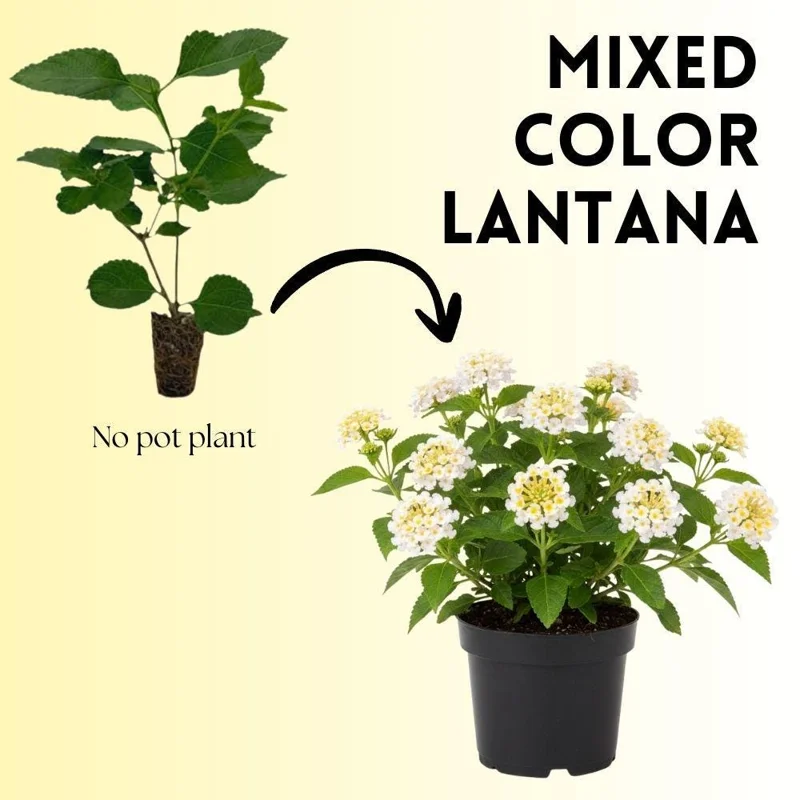
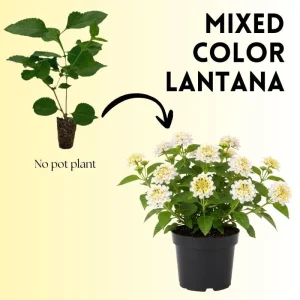
This offering includes a set of two Lantana live plants, each standing approximately 6-10 inches tall from the base of the plant to the tip of the foliage. These plants are shipped ready for planting, typically in a nursery pot or carefully packaged to ensure their health upon arrival. Lantana plants exhibit a moderately fast growth rate, quickly filling out garden spaces or containers. When mature, these plants can spread up to 3-6 feet wide and reach similar heights, forming a dense, bushy mound. The exact dimensions will depend on growing conditions, climate, and pruning practices. Expect these plants to begin flowering profusely within their first growing season, providing continuous blooms from late spring through fall until the first hard frost. This particular variety, known for its white to yellow flowers, will create a vibrant and dynamic display in your landscape.
Frequently Asked Questions
- Q: How big does this Lantana live plant get? A: Each plant typically grows to about 6-10 inches tall upon arrival. Mature plants can reach heights and spreads of 3-6 feet, depending on growing conditions and pruning.
- Q: Is this an indoor or outdoor plant? A: Lantana is primarily an outdoor flowering plant. It thrives in full sun and warm temperatures, making it ideal for garden beds, borders, and patio containers. In colder climates (below USDA Zone 8), it can be treated as an annual or overwintered indoors.
- Q: How much sunlight does perennial Lantana need? A: This plant requires at least 6 hours of direct sunlight per day to produce the most abundant blooms. Full sun exposure is crucial for its health and flowering performance.
- Q: Is this plant easy to care for? A: Yes, Lantana is considered a low-maintenance plant, especially once established. It’s drought-tolerant and heat-resistant, making it a great choice for beginners or those seeking an easy-care flowering plant.
- Q: What condition will it arrive in? A: Your Lantana live plant will arrive carefully packaged, typically in a nursery pot or similar protective packaging, to ensure it is healthy and ready for planting. We take great care to minimize shipping stress.
- Q: When is the best time to plant white yellow Lantana? A: The best time to plant is in spring after the last danger of frost has passed, once soil temperatures have warmed up. This allows the plant ample time to establish before the peak growing season.
- Q: Will it survive winter in my zone? A: Lantana is perennial in USDA Zones 8-11. In zones colder than 8, it is typically grown as an annual or brought indoors to overwinter in a bright, cool location.
- Q: What type of soil does trailing Lantana prefer? A: Lantana prefers well-draining soil. It can tolerate a range of soil types but performs best in slightly acidic to neutral soil that doesn’t retain too much moisture.
- Q: How often should I water my Lantana? A: Water regularly after planting to help it establish. Once established, water when the top few inches of soil feel dry. It is quite drought-tolerant and prefers to dry out slightly between waterings rather than being constantly wet.
Be the first to review “Set of 2 Lantana Live Plants – 6-10 Inches Tall – White to Yellow Flowers – Outdoor Shrub”
-
USDA Hardiness Zone
USDA Zones 8-11 (Perennial), Zones 1-7 (Annual) -
Soil Type
Well-draining soil -
Sunlight Exposure
Full sun -
Expected Planting Period
Spring, after last frost
People Also Viewd


Sold 128 products
Original price was: $89.99.$64.99Current price is: $64.99.
Sold 128 products
Original price was: $159.99.$139.99Current price is: $139.99.

Sold 128 products
Original price was: $27.00.$24.00Current price is: $24.00.

Sold 126 products
Original price was: $3,536.00.$23.99Current price is: $23.99.

Sold 125 products
Original price was: $86.99.$66.99Current price is: $66.99.
Sold 116 products
Original price was: $27.99.$16.99Current price is: $16.99.

Flower Bulbs
3 Cranesbill Wild Geranium Organic Maculatums Bare Roots | Wildflower for Outdoor Garden
Sold 114 products
Original price was: $21.99.$6.99Current price is: $6.99.

Sold 114 products
Original price was: $28.99.$17.99Current price is: $17.99.RELATED posts
5 Tips for Growing Sweet Potatoes to Get the Biggest Sweet Potato Harvest Ever
If you are a fan of sweet potatoes, then these tips for growing sweet potatoes [...]
Apr
Tamarillo Tree Guide: Flavor, Texture & How to Eat Tree Tomatoes
The humble tomato is a kitchen staple we all know and love, but it rarely [...]
Apr
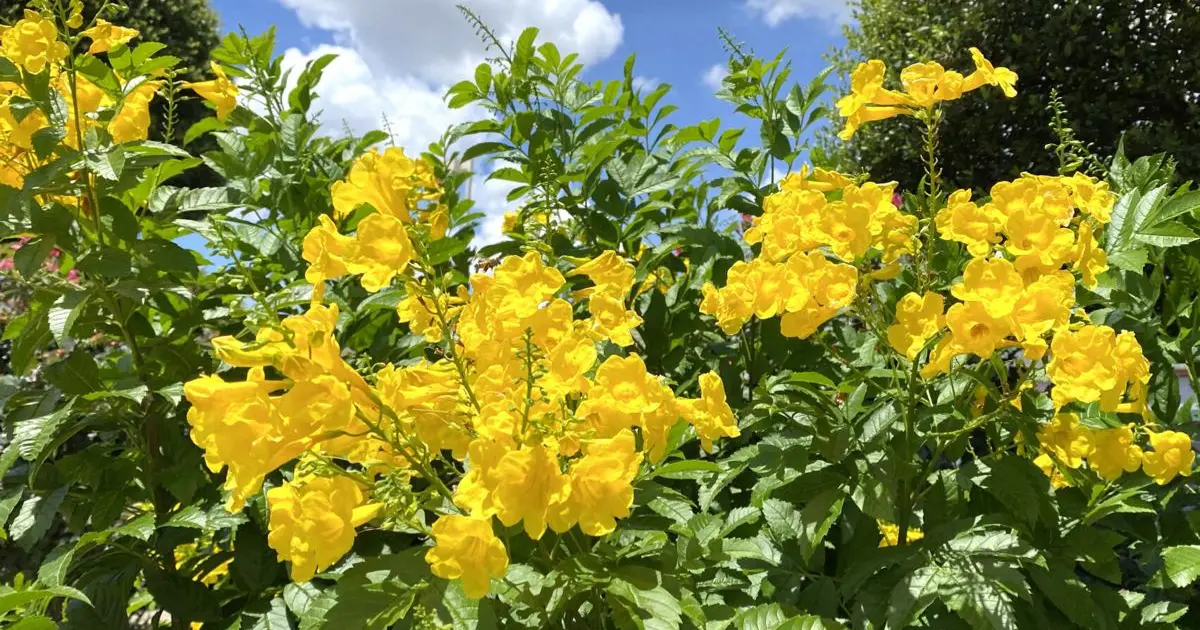
5 Pro Tips to Grow Esperanza ‘Gold Star’ Indoors: A Golden Glow for Your Home
While most gardeners know this Texas Superstar – Esperanza ‘Gold Star’ as a rugged outdoor [...]
Apr
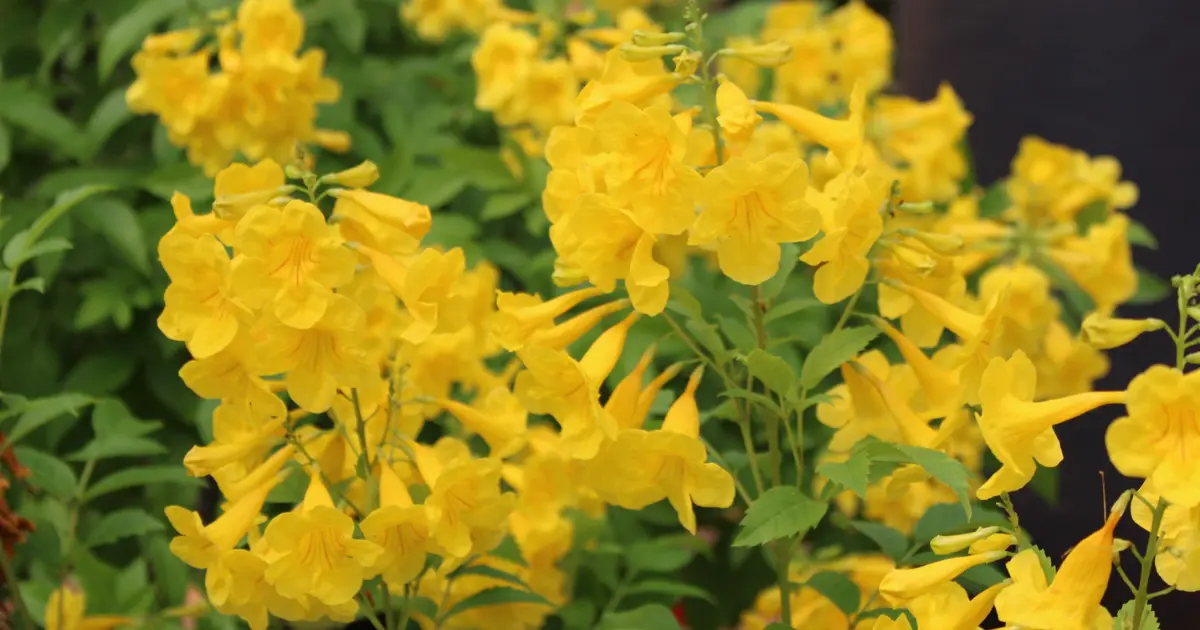
Mastering Esperanza Goldstar: Grow the Ultimate Yellow Bloom
Esperanza Goldstar is more than just a heat-tolerant shrub; for the American gardener battling the [...]
Apr
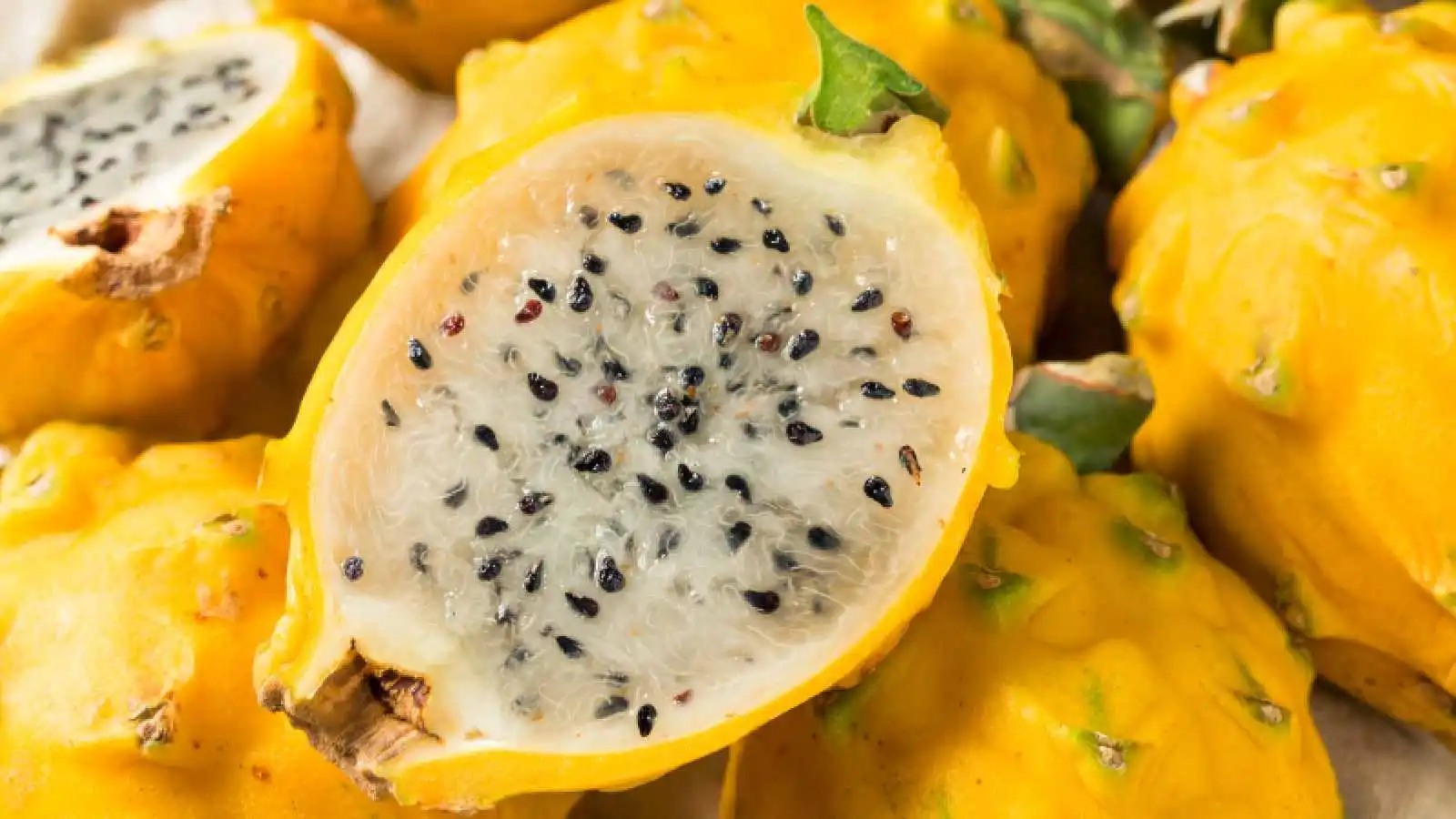
Yellow Dragon Fruit Plant Care: The Ultimate Guide for Healthy Growth
The yellow dragon fruit plant is a unique and rewarding addition to any home garden, [...]
Apr
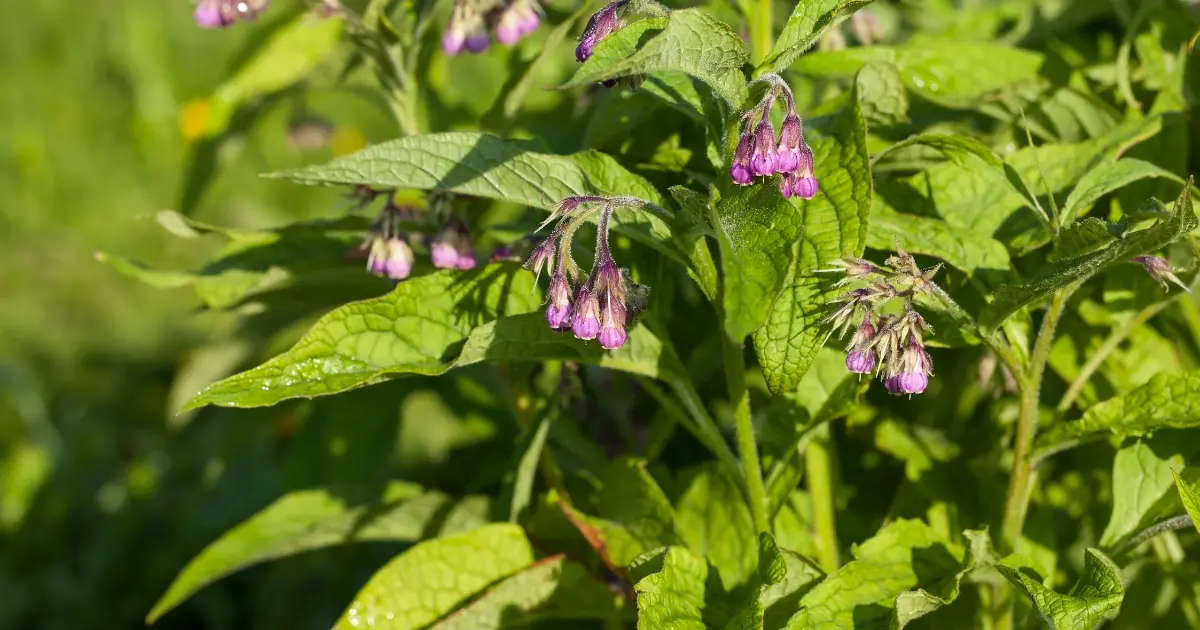
How to Identify Bocking 14 Comfrey: 5 Simple Visual Signs
If you’re growing comfrey for mulch, compost, or animal feed, knowing exactly which variety you [...]
Mar
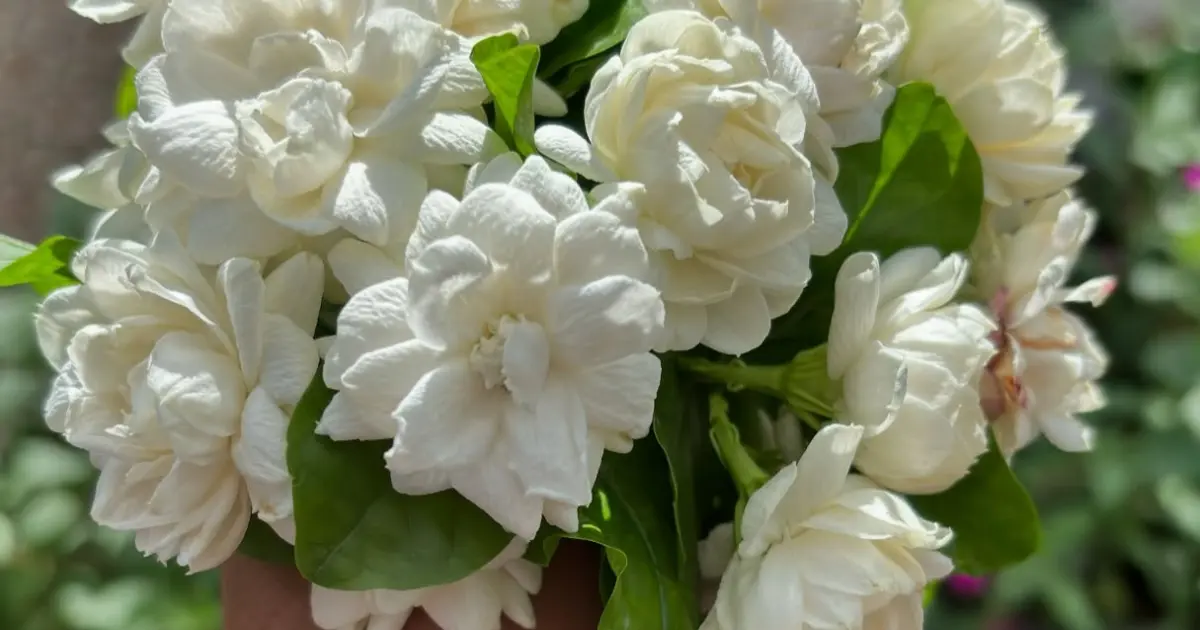
Grand Duke of Tuscany Jasmine: The Ultimate Guide to Growing a Fragrant Masterpiece
Have you ever caught a scent in the air so rich, creamy, and honey-sweet that [...]
Mar
How to Grow Wild Huckleberries: A Guide to “Purple Gold”
Have you ever spent a summer afternoon hiking through the Pacific Northwest or the Rocky [...]
Mar
Reviews
There are no reviews yet.