
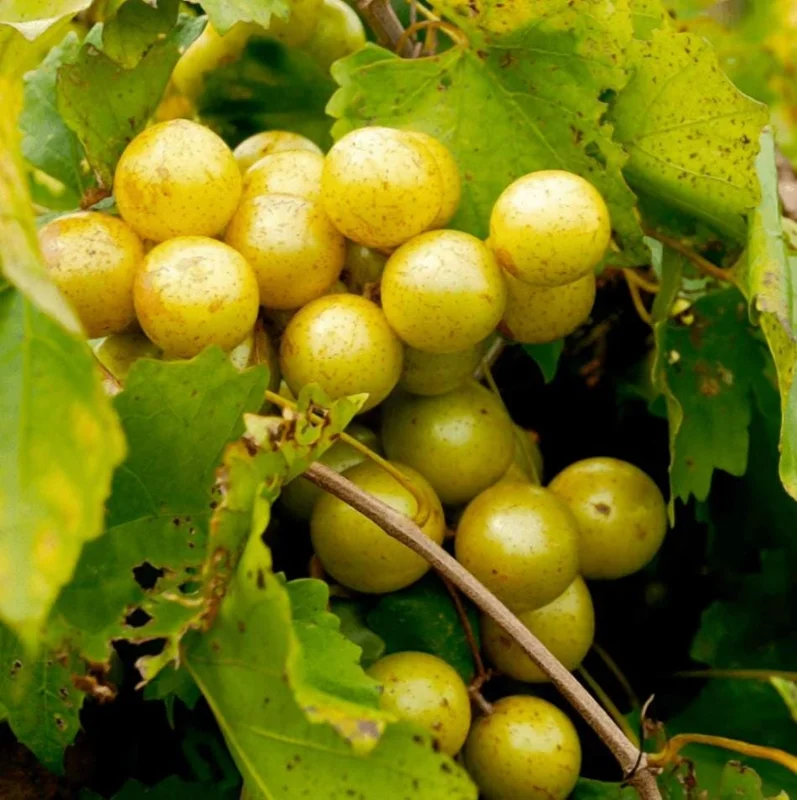
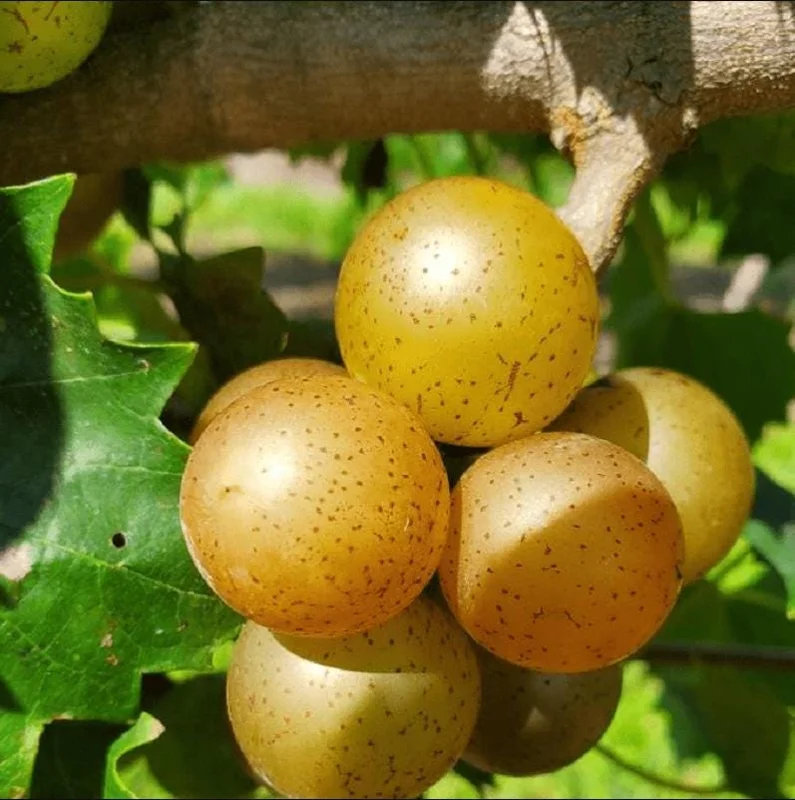
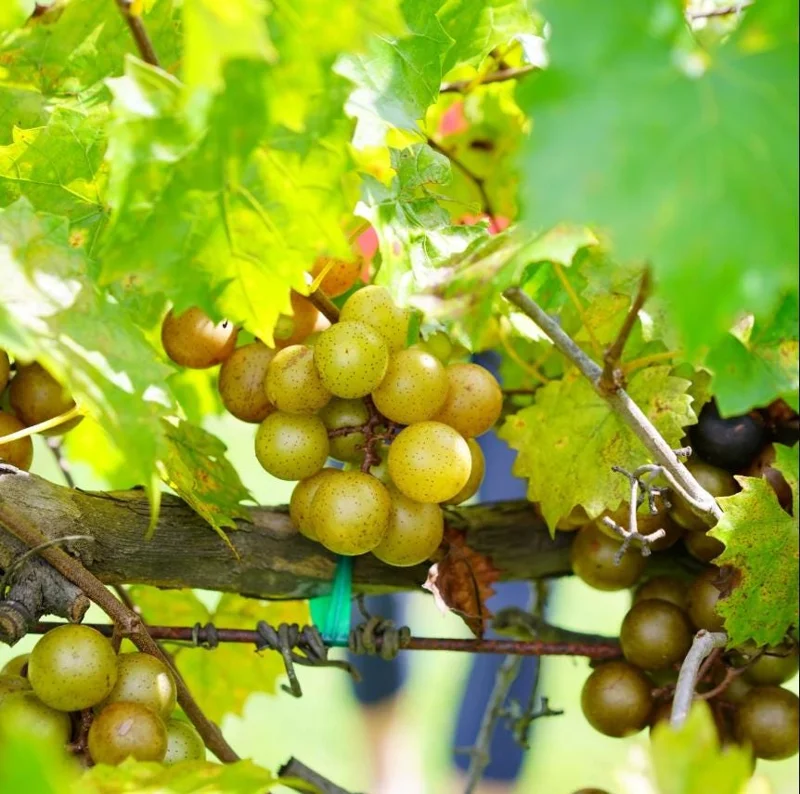
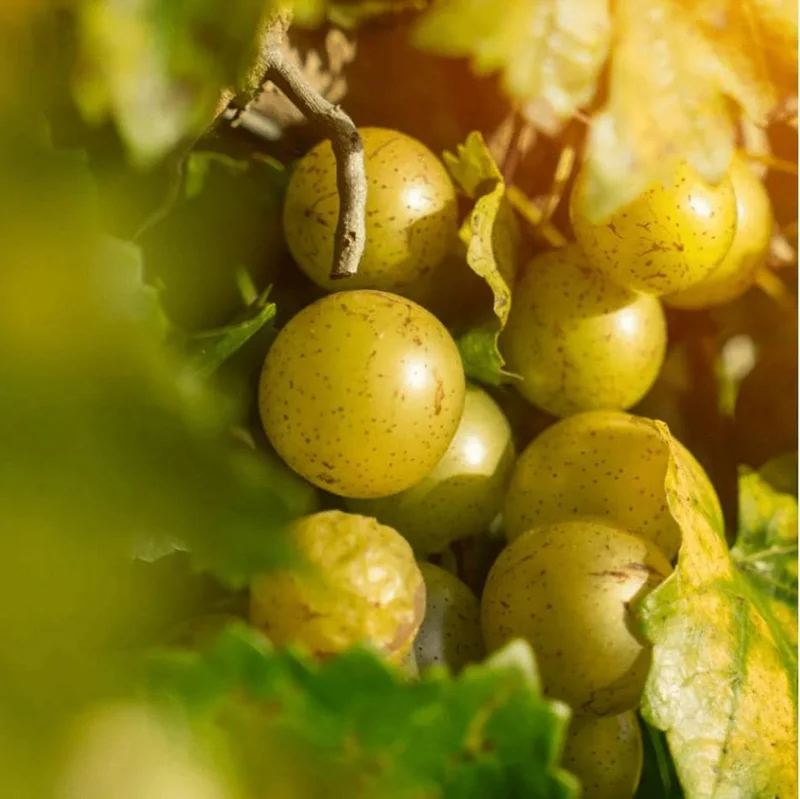
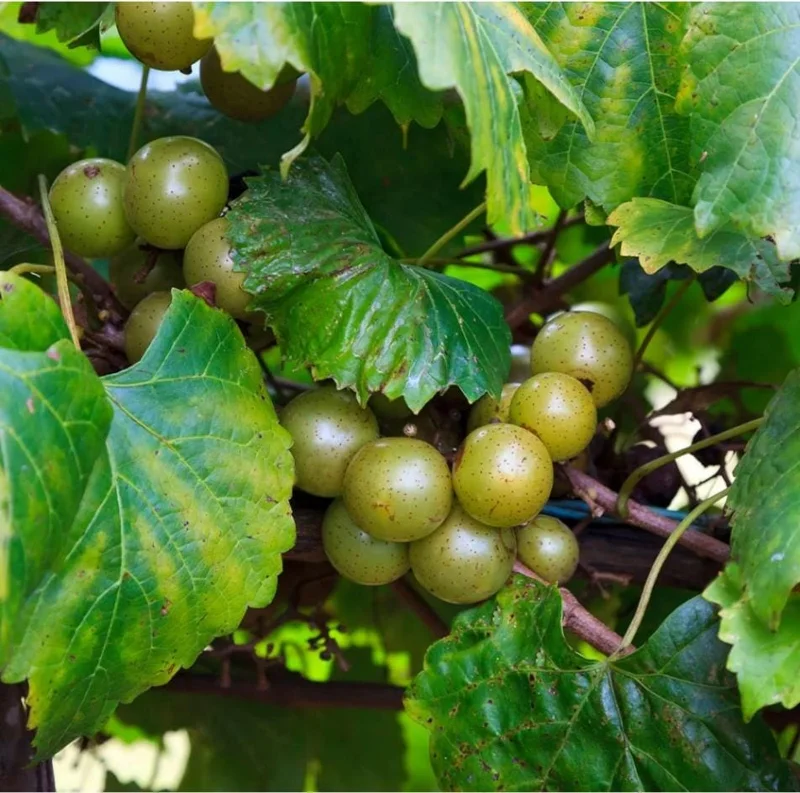
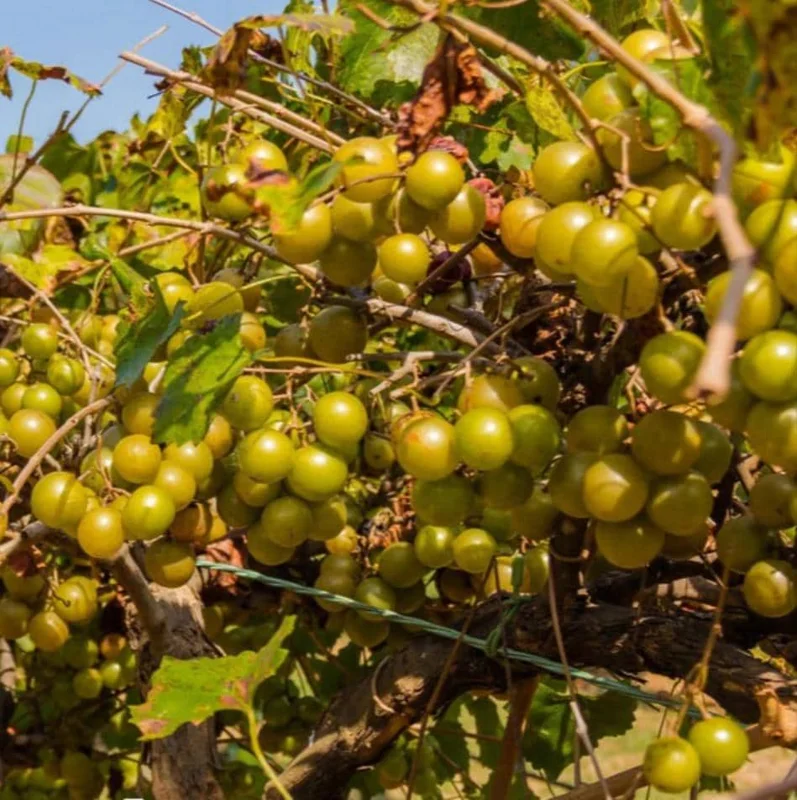
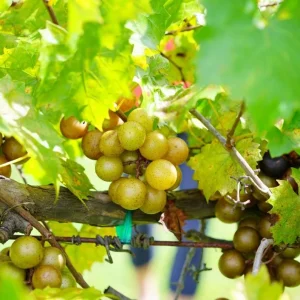
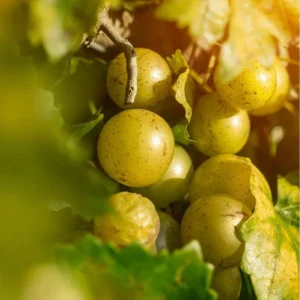
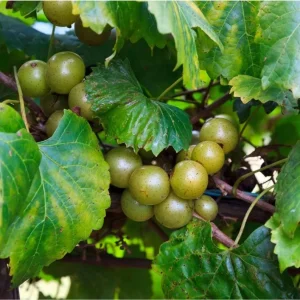
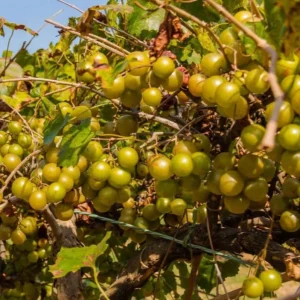
Set of 3 Bronze Muscadine Grape Bare Roots, Carlos Vitis Rotundifolia Starter Plant, 3-5 Inch Tall Edible Vine
Original price was: $33.39.$23.39Current price is: $23.39.
Cultivate your own delicious grapes with this set of bronze muscadine grape bare roots. The ‘Carlos’ Vitis rotundifolia variety is a vigorous, sweet-fruited perennial vine, ideal for edible landscapes. These 3 to 5-inch starter plants are ready for planting and thrive in USDA Zones 7-10, producing abundant fruit in late summer to early fall.
Estimated arrival
Mar 30
Apr 04 - Apr 06
Apr 09 - Apr 13

Reasonable Price
We offer reasonable price

Support 24/7
Contact us 24 hrs a day

100% Money Back
You've 30 days to Return

Payment Secure
100% secure payment
Overview
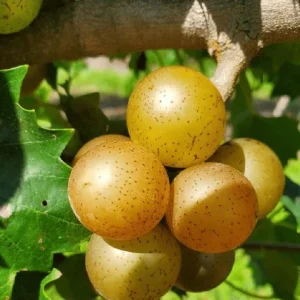
Embark on your grape-growing journey with this exceptional set of bronze muscadine grape bare roots. The ‘Carlos’ variety, scientifically known as Vitis rotundifolia, is renowned for its sweet, juicy, and flavorful bronze-skinned fruit. These hardy perennial vines are a fantastic addition to any garden, providing both ornamental beauty and a bountiful harvest. Each bare root starter plant is carefully selected to ensure vigorous growth and successful establishment in your landscape. Muscadine grapes are a southern favorite, celebrated for their unique taste and versatility, perfect for fresh eating, juices, jellies, and wines. This set of three bare roots offers a strong foundation for creating a thriving muscadine vineyard in your backyard.
Muscadine grapes are distinct from European and American table grapes, known for their thicker skin, larger size, and intense flavor. The ‘Carlos’ variety is particularly prized for its productivity and adaptability to various soil conditions, making it an excellent choice for both novice and experienced growers. Planting bronze muscadine grape bare roots is an economical and effective way to establish these long-lived vines, allowing them to develop a robust root system before the growing season fully begins. Enjoy the satisfaction of harvesting your own home-grown, sweet muscadine grapes year after year.
Key Benefits
Adding bronze muscadine grape bare roots to your garden offers a multitude of advantages, from delicious fruit to landscape enhancement:
- Abundant, Sweet Harvest: The ‘Carlos’ variety is known for its high yield of sweet, flavorful bronze muscadine grapes, perfect for fresh consumption, preserves, and beverages. Enjoy a continuous supply of healthy, home-grown fruit.
- Vigorous Growth & Longevity: Muscadine vines are robust and long-lived, providing many years of enjoyment and productivity once established. These bare roots are designed to develop strong, healthy plants.
- Disease Resistance: Muscadine grapes generally exhibit good resistance to many common grape diseases, making them a lower-maintenance option compared to some other grape varieties. This resilience contributes to easier muscadine grape plant care.
- Versatile Culinary Uses: Beyond fresh eating, these grapes are excellent for making delicious jams, jellies, pies, and even homemade wine. Explore a world of culinary possibilities with your harvest.
- Attractive Landscape Feature: As a vigorous climbing vine, the carlos vitis rotundifolia can be trained on trellises, arbors, or pergolas, creating beautiful green canopies and adding an appealing aesthetic to your garden space.
- Adaptable to Warm Climates: Muscadines thrive in warm, humid conditions, making them particularly well-suited for USDA Zones 7-10 where other grape types might struggle. This ensures successful growth and fruiting for your edible grape vine.
- Self-Pollinating Potential: While some varieties benefit from cross-pollination, ‘Carlos’ is often considered self-fertile, increasing the likelihood of a good fruit set without needing multiple specific cultivars. This simplifies the process of muscadine grape growing.
Plant Care & Growing Tips
Proper care is essential to ensure your bronze muscadine grape bare roots establish well and become productive vines. Muscadines prefer a location with full sun, meaning at least 6-8 hours of direct sunlight daily for optimal fruit development. Adequate sunlight is crucial for the grapes to ripen and develop their characteristic sweetness. Plant your bare roots in well-draining, slightly acidic soil, ideally with a pH between 5.5 and 6.5. Avoid heavy clay soils or areas where water tends to stand, as this can lead to root rot. If your soil is poor, amend it with organic matter like compost before planting to improve drainage and fertility.
Water deeply and consistently, especially during dry spells and when the fruit is developing. While mature muscadine vines are somewhat drought-tolerant, young plants and those in active fruiting stages benefit significantly from regular moisture. However, ensure the soil doesn’t remain waterlogged. Fertilize your muscadine vines in early spring and again mid-season with a balanced fertilizer to support healthy growth and fruit production. For effective muscadine grape plant care, annual pruning in late winter is vital. This encourages new growth, improves air circulation, and helps maintain the vine’s shape and productivity. Remember that the carlos vitis rotundifolia is a vigorous climbing vine and will require a sturdy trellis, arbor, or fence for support as it grows.
Muscadine grapes thrive in warm, humid climates, making them perfectly suited for USDA Zones 7-10. Protect young plants from extreme cold snaps if temperatures dip below their hardiness range. While the ‘Carlos’ variety can be self-fertile, having other muscadine varieties nearby can sometimes enhance pollination and fruit set. Monitor for common grape pests and diseases, although muscadines are generally quite resistant. With consistent attention to these care tips, your edible grape vine will flourish and provide delicious harvests for many years as part of your muscadine grape growing efforts.
Size & Details
This offering includes a set of three bronze muscadine grape bare roots, each measuring approximately 3 to 5 inches in height. These bare roots are shipped dormant and ready for immediate planting upon arrival. Muscadine vines are known for their vigorous growth habit, quickly establishing themselves once planted in suitable conditions. Expect these starter plants to develop into robust climbing vines, typically reaching lengths of 15-20 feet or more when mature, depending on the support structure and pruning. Fruit production usually begins within 2-3 years after planting, with the grapes ripening from late summer to early fall.
The ‘Carlos’ Vitis rotundifolia is a reliable producer, and with proper care, each vine can yield a significant amount of fruit. The bare root format ensures that the plant’s energy is focused on root development, leading to a strong foundation for future growth. The mature size and spread of your edible grape vine will largely depend on how it is trained and pruned, making it adaptable to various garden spaces, from large arbors to smaller trellis systems. These bare roots provide an excellent starting point for a productive and long-lasting muscadine grape planting.
Frequently Asked Questions
- Q: How big will these muscadine grape bare roots grow? A: Each bronze muscadine grape bare root is 3 to 5 inches tall upon arrival. Once planted, these vines are vigorous growers and can reach lengths of 15-20 feet or more, depending on the support provided and how they are pruned.
- Q: Is this an indoor or outdoor plant? A: Muscadine grape vines are outdoor plants. They require full sun and thrive in warm climates, making them suitable for planting directly in the ground in USDA Zones 7-10.
- Q: How much sunlight does the ‘Carlos’ Vitis rotundifolia need? A: For optimal growth and fruit production, the carlos vitis rotundifolia requires at least 6-8 hours of direct sunlight per day. Full sun exposure is key to sweet, well-developed grapes.
- Q: Is this plant easy to care for? A: Muscadine grapes are relatively low-maintenance once established, especially compared to some other grape varieties. Basic muscadine grape plant care involves regular watering, annual pruning, and occasional fertilization.
- Q: What condition will the bare roots arrive in? A: The bronze muscadine grape bare roots will arrive dormant and without foliage, which is normal for bare root plants. They are carefully packaged to ensure they remain healthy during transit.
- Q: When is the best time to plant muscadine bare roots? A: The best time to plant muscadine bare roots is in late winter to early spring, after the last hard frost but before new growth begins.
- Q: Will this edible grape vine survive winter in my zone? A: The ‘Carlos’ muscadine variety is hardy in USDA Zones 7-10. If you are in these zones, it should tolerate winter conditions well. For zones outside this range, winter protection may be necessary.
- Q: How long until I can harvest grapes from this plant? A: Typically, you can expect to start harvesting grapes from your muscadine grape growing efforts within 2 to 3 years after planting the bare roots. Full production usually occurs a few years after that.
- Q: Does this muscadine variety require another plant for pollination? A: The ‘Carlos’ muscadine is generally considered self-fertile, meaning it can produce fruit without another specific pollinator variety. However, having other muscadines nearby can sometimes enhance fruit set.
- Q: What kind of soil is best for muscadine grapes? A: Muscadines prefer well-draining, slightly acidic soil (pH 5.5-6.5). Amending heavy clay soils with organic matter can improve drainage and create a more suitable environment for root growth.
Be the first to review “Set of 3 Bronze Muscadine Grape Bare Roots, Carlos Vitis Rotundifolia Starter Plant, 3-5 Inch Tall Edible Vine”
-
USDA Hardiness Zone
7–10 -
Soil Type
Well-draining, slightly acidic soil (pH 5.5–6.5 preferred) -
Sunlight Exposure
Full sun (at least 6–8 hours daily) -
Expected Planting Period
Late winter to early spring
People Also Viewd
Sold 128 products
Original price was: $27.00.$24.00Current price is: $24.00.
Sold 127 products
Original price was: $89.99.$64.99Current price is: $64.99.
Sold 125 products
Original price was: $3,536.00.$23.99Current price is: $23.99.

Sold 125 products
Original price was: $86.99.$66.99Current price is: $66.99.
Sold 116 products
Original price was: $27.99.$16.99Current price is: $16.99.
Flower Bulbs
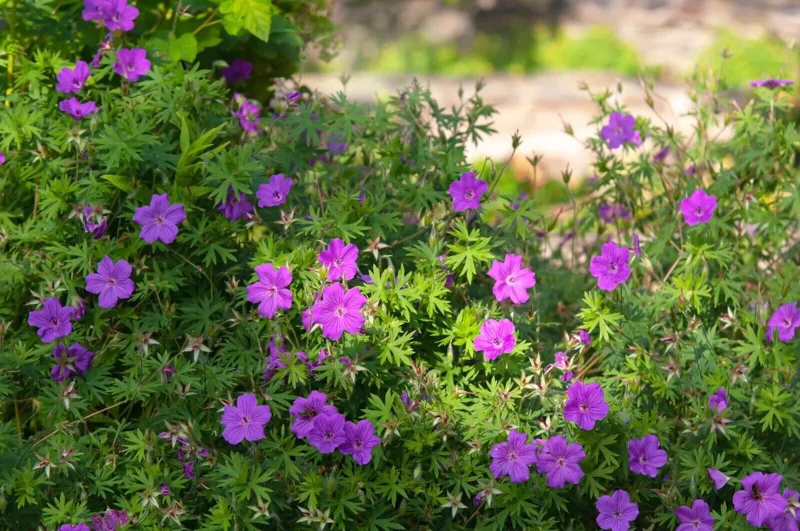
3 Cranesbill Wild Geranium Organic Maculatums Bare Roots | Wildflower for Outdoor Garden
Sold 114 products
Original price was: $21.99.$6.99Current price is: $6.99.
Sold 114 products
Original price was: $28.99.$17.99Current price is: $17.99.

Sold 109 products
Original price was: $63.99.$28.99Current price is: $28.99.RELATED posts
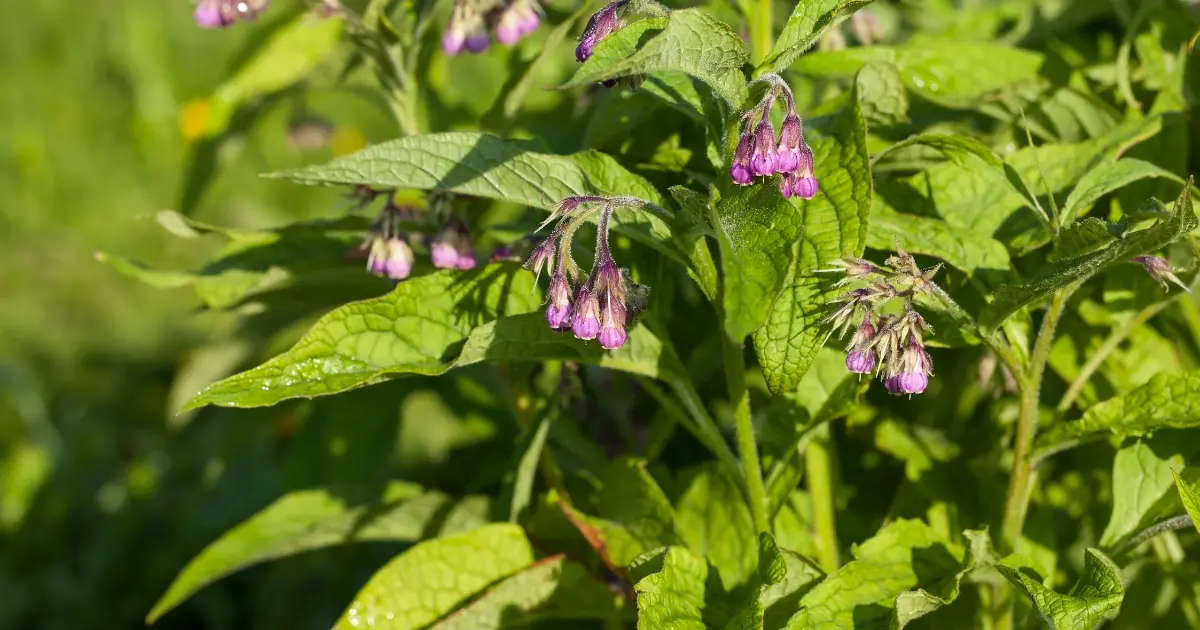
How to Identify Bocking 14 Comfrey: 5 Simple Visual Signs
If you’re growing comfrey for mulch, compost, or animal feed, knowing exactly which variety you [...]
Mar
Grand Duke of Tuscany Jasmine: The Ultimate Guide to Growing a Fragrant Masterpiece
Have you ever caught a scent in the air so rich, creamy, and honey-sweet that [...]
Mar
How to Grow Wild Huckleberries: A Guide to “Purple Gold”
Have you ever spent a summer afternoon hiking through the Pacific Northwest or the Rocky [...]
Mar
5 Best Shade-Loving Perennials for a Lush, Vibrant Garden
The world of gardening often shines a spotlight on sun-drenched blossoms, but there is a [...]
Mar

7 Common Curry Leaf Plant Problems: Easy Fixes for a Thriving Plant
Is your curry leaf plant looking a bit sad lately? Maybe you woke up to [...]
Mar
Best Time to Plant Bougainvillea: Timing for Vibrant Blooms
If you’re looking for a hardy tropical vine that delivers a riot of neon color, [...]
Feb
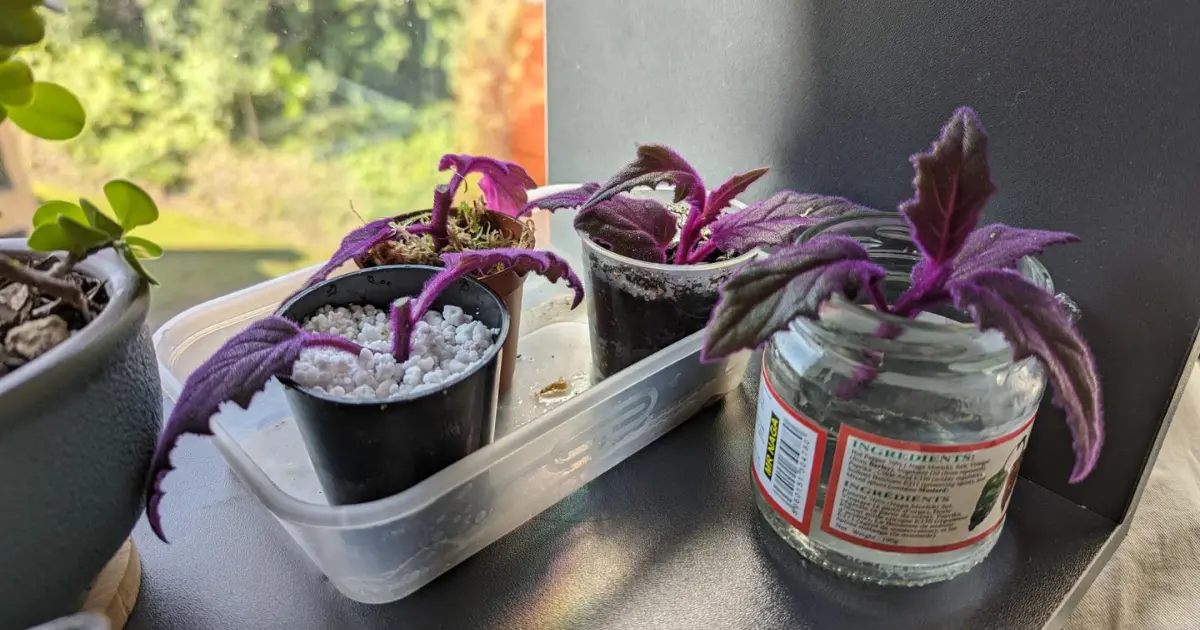
How to Propagate Purple Passion Plants (Gynura aurantiaca)
Have you ever been mesmerized by the neon-purple glow and fuzzy, velvet-like leaves of a [...]
Feb
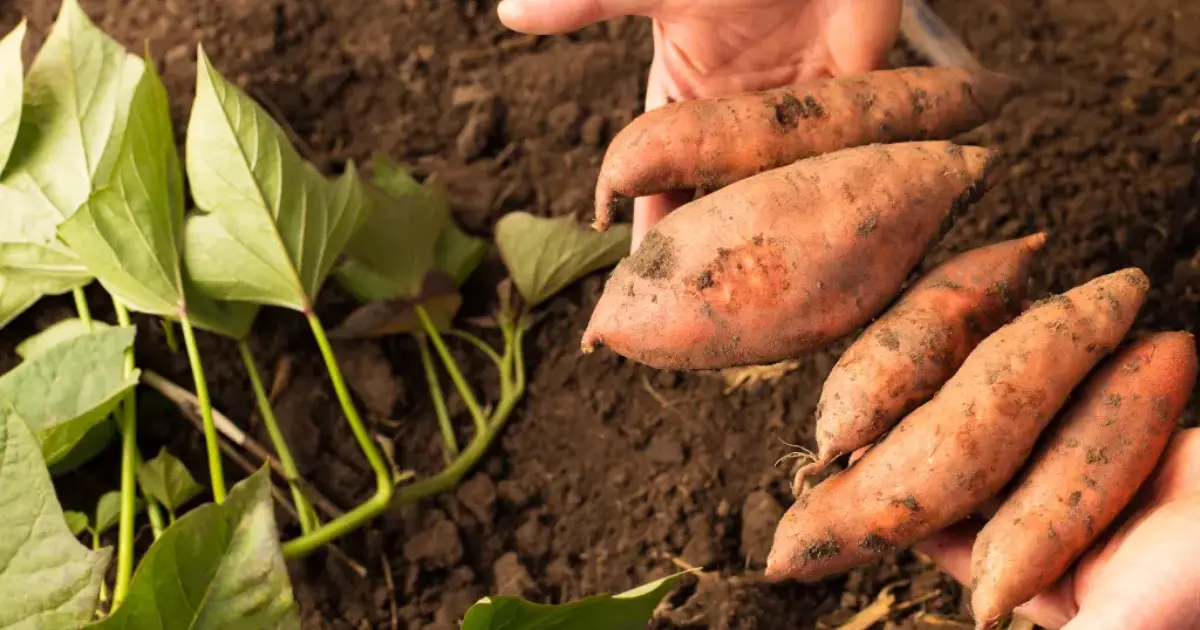
How to Grow Beauregard Sweet Potatoes: From Slips to a Bountiful Harvest
Are you ready to add a classic, heavy-hitting favorite to your vegetable patch? If you’ve [...]
Feb



Reviews
There are no reviews yet.