
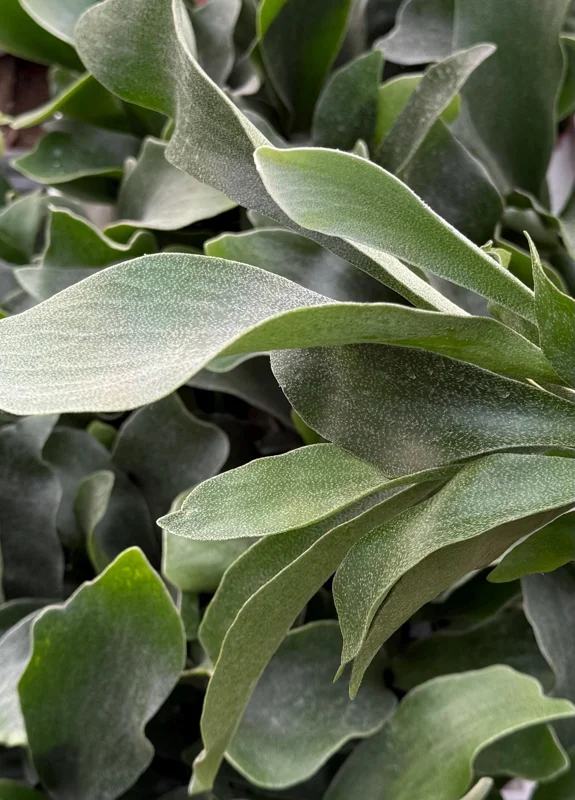
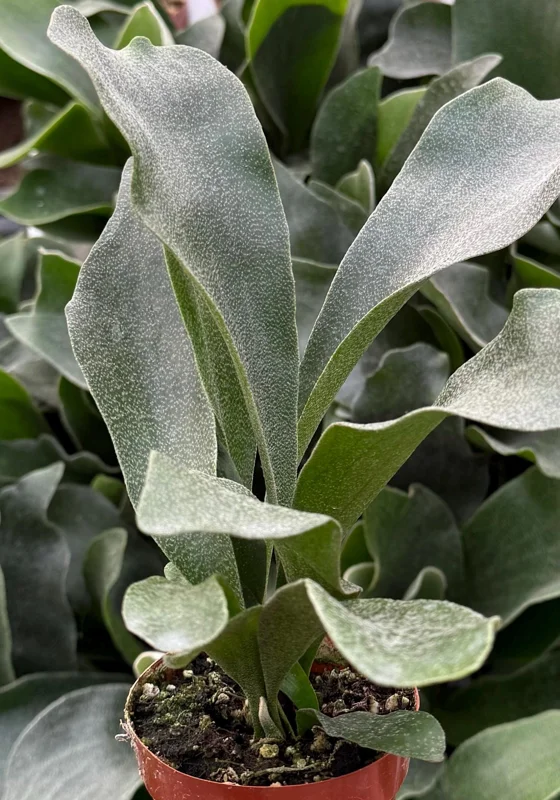
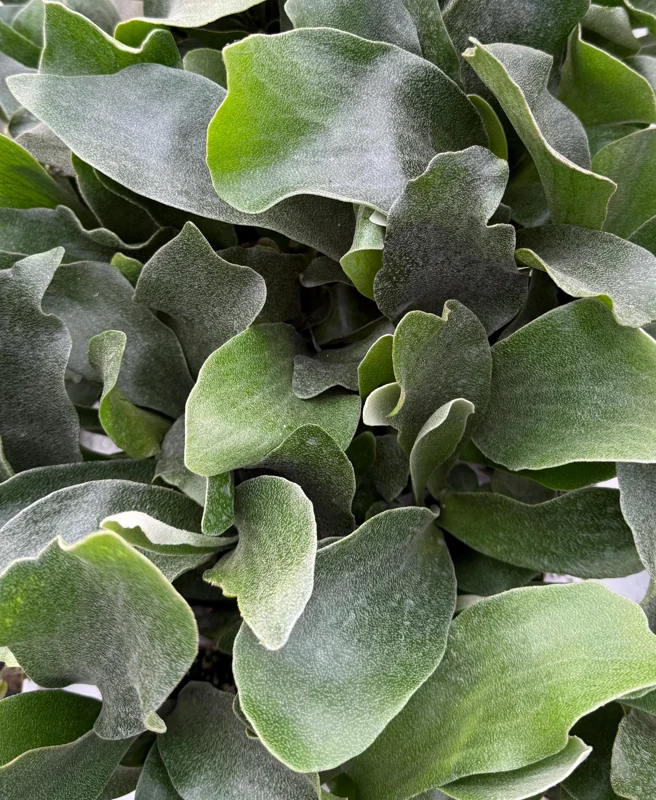
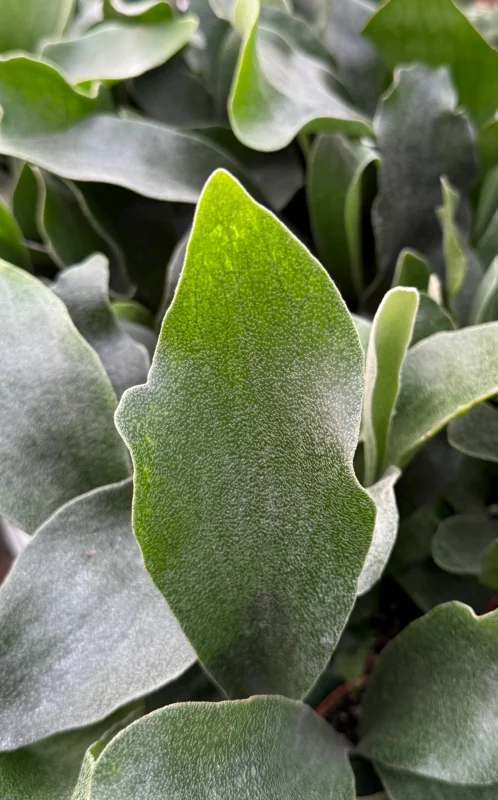
Staghorn Fern (Platycerium Bifurcatum) Live Plant – Unique Hanging Houseplant
Original price was: $51.99.$26.99Current price is: $26.99.
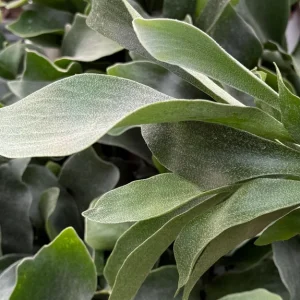
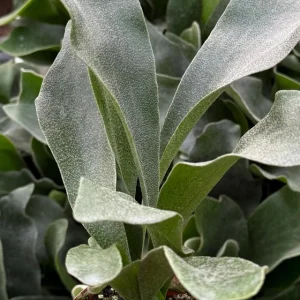
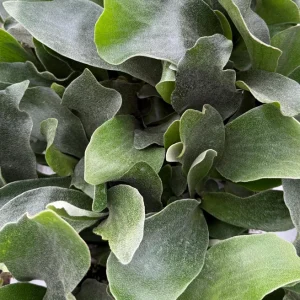
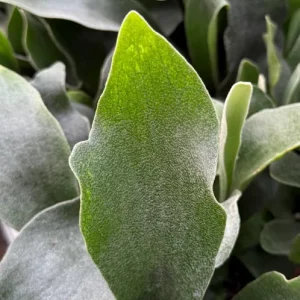
Bring the exotic beauty of the tropics into your home with a stunning staghorn fern live plant. This unique epiphytic plant, also known as Platycerium bifurcatum care, is renowned for its distinctive antler-like fronds. Perfect as a hanging houseplant, it adds a striking focal point to any interior.
Estimated arrival
Apr 07
Apr 12 - Apr 14
Apr 17 - Apr 21

Reasonable Price
We offer reasonable price

Support 24/7
Contact us 24 hrs a day

100% Money Back
You've 30 days to Return

Payment Secure
100% secure payment
Overview
Introduce a touch of the extraordinary to your botanical collection with the magnificent staghorn fern live plant. Scientifically known as Platycerium bifurcatum care, these fascinating epiphytic plants are celebrated for their dramatic, antler-shaped fronds that truly make them a unique indoor plant. Thriving in tropical and subtropical regions, staghorn ferns naturally grow on trees, absorbing moisture and nutrients from the air and surrounding environment. This particular variety, Platycerium bifurcatum, is among the most popular and adaptable for home cultivation, offering a captivating display that mimics its natural rainforest habitat. Each plant features two distinct types of fronds: flat, rounded shield fronds that protect the plant’s base and collect organic matter, and the iconic fertile fronds that resemble deer antlers, responsible for spore production and its characteristic appearance. Owning a staghorn fern live plant is an opportunity to cultivate a living piece of art, bringing a dynamic and sculptural element to your indoor jungle.
These remarkable ferns are not only visually stunning but also relatively easy to care for once their specific needs are understood. Their epiphytic nature means they prefer to be mounted on wood or cork, or grown in hanging baskets, which allows for proper air circulation around their root systems. This method also beautifully showcases their cascading fronds. A healthy staghorn fern live plant can become a long-term companion, growing larger and more impressive over time, making it a rewarding choice for both novice and experienced plant enthusiasts looking for a truly distinctive botanical specimen. Embrace the allure of the tropics with this exceptional addition to your home or office.
Key Benefits
A staghorn fern live plant offers a multitude of benefits beyond its captivating appearance, making it an excellent choice for enhancing your living space. Its unique growth habit and striking foliage provide both aesthetic appeal and practical advantages.
- Dramatic Visual Appeal: The most prominent benefit is its unparalleled beauty. The antler-like fronds create a sculptural, artistic statement, instantly becoming a focal point and conversation starter in any room. It’s a living piece of art that continually evolves.
- Air Purification: Like many houseplants, the staghorn fern live plant contributes to healthier indoor air by absorbing toxins and releasing oxygen. This natural air-purifying quality helps create a fresher and more invigorating environment for you and your family.
- Unique Epiphytic Growth: Its ability to grow without soil, typically mounted or in hanging baskets, offers versatile display options. This characteristic allows for creative interior design, transforming walls or ceilings into green canvases.
- Low Maintenance Once Established: While initial setup requires attention, once your platycerium bifurcatum care routine is established, these ferns are surprisingly resilient. They don’t demand constant watering or fertilization, making them suitable for busy individuals.
- Adaptable to Various Settings: Whether you have a bright, humid bathroom or a well-lit living room, a staghorn fern live plant can thrive with the right adjustments. Its adaptability makes it a versatile choice for different indoor environments.
- Educational and Engaging: Observing the growth and development of a staghorn fern, especially the distinct shield and fertile fronds, can be a fascinating and educational experience. It fosters a deeper appreciation for botanical diversity.
- Long Lifespan: With proper platycerium bifurcatum care, these ferns can live for many years, growing into magnificent specimens that can be passed down through generations. They offer enduring beauty and a lasting connection to nature.
Plant Care & Growing Tips
Caring for your staghorn fern live plant is a rewarding experience that requires understanding its natural epiphytic tendencies. Proper platycerium bifurcatum care ensures your fern thrives and develops its impressive fronds. When it comes to lighting, these ferns prefer bright, indirect light. Avoid direct, harsh sunlight, which can scorch their delicate fronds. An east or north-facing window is often ideal, or a spot a few feet away from a south or west-facing window. If the fronds appear pale or yellowish, it might be receiving too much light; if they are dark green and sparse, it may need more light.
Watering is crucial and differs from typical potted plants. Since they are often mounted, the entire root ball (or mounting medium) should be thoroughly soaked when dry. This can be done by submerging the mounted fern in a sink or bucket of water for 10-20 minutes until it is fully saturated. Allow it to drip dry completely before rehanging. The frequency depends on humidity, temperature, and air circulation, but generally, once every 1-2 weeks is sufficient. During warmer, drier months, or if your home is particularly dry, you may need to water more frequently. The shield fronds will tell you when it’s time to water; they will start to shrivel or curl inwards. Humidity is also vital for these tropical plants. Consider misting your staghorn fern live plant regularly, especially in dry environments, or placing it near a humidifier. Grouping it with other plants can also help create a microclimate with higher humidity.
For soil, or rather, the mounting medium, a well-draining, airy substrate is essential. Options include sphagnum moss, coco fiber, or a mix of bark and perlite. When mounting, ensure the root ball is securely attached but not overly compressed. Fertilize sparingly; a diluted liquid fertilizer (half strength) can be applied during the growing season (spring and summer) approximately once a month. Avoid fertilizing in fall and winter when the plant’s growth slows. Common problems include brown frond tips (low humidity), yellowing fronds (too much light or overwatering), and black spots (fungal issues, often due to poor air circulation or overwatering). Ensuring good air flow and consistent, appropriate watering are key to preventing most issues. For those wondering about staghorn fern mounted care, the principles remain the same, focusing on proper hydration and light.
Size & Details
This offering is for a healthy, established staghorn fern live plant, typically shipped as a young to mid-sized specimen ready for mounting or placement in a hanging basket. The exact dimensions will vary slightly depending on the individual plant’s growth stage, but expect a plant with several developing fronds, ranging from 6 to 12 inches in spread. Over time, with optimal platycerium bifurcatum care, these ferns can grow significantly, with fertile fronds reaching lengths of 2-3 feet or more, and shield fronds expanding to cover the entire mounting surface. The growth rate is moderate, allowing you to enjoy its development over months and years. Your fern will arrive carefully packaged to minimize stress during transit, typically with its root ball wrapped in sphagnum moss, ready for you to mount or pot.
The plant is cultivated to ensure strong root development and healthy foliage, providing a robust foundation for continued growth in your home. While it arrives as an individual plant, its epiphytic nature means it will eventually form a stunning cascading display when properly mounted. This unique indoor plant is a long-term investment, offering years of exotic beauty and a dynamic focal point. Expect to see new frond development throughout the warmer months, with the plant entering a period of slower growth during winter. The specific size may vary from the image, as each plant is a living organism, but it will be a high-quality representation of a staghorn fern live plant.
Frequently Asked Questions
- Q: How big does this staghorn fern get? A: A staghorn fern live plant can grow quite large over time. While individual fronds can reach 2-3 feet in length, the overall spread of a mature mounted specimen can be several feet across, making it a very impressive display.
- Q: Is this an indoor or outdoor plant? A: This staghorn fern live plant is primarily an indoor plant for most climates in the US. It can be grown outdoors in USDA zones 9-11 where temperatures remain above freezing, but it thrives indoors with consistent humidity and bright, indirect light.
- Q: How much sunlight does it need? A: Your staghorn fern live plant thrives in bright, indirect light. Avoid direct sunlight, which can burn its fronds. An east or north-facing window is ideal, or a filtered light spot.
- Q: Is this plant easy to care for? A: Once you understand its specific needs, especially regarding watering and humidity, a staghorn fern live plant is considered moderately easy to care for. It’s not a set-it-and-forget-it plant, but it’s very rewarding.
- Q: What condition will it arrive in? A: Your staghorn fern live plant will arrive carefully packed, typically with its root system secured in sphagnum moss to ensure it stays hydrated and protected during shipping. It will be ready for you to mount or place in a hanging basket.
- Q: Can I mount my staghorn fern? A: Yes, mounting is the preferred display method for a staghorn fern live plant as it mimics its natural growth habit. You can mount it on a piece of wood, cork bark, or a sturdy board using sphagnum moss and fishing line or wire. This is a great way to display your staghorn fern mounted.
- Q: What is the best way to water a mounted staghorn fern? A: For a staghorn fern mounted, the best method is to submerge the entire mount (plant and board) into a sink or bucket of room-temperature water for 10-20 minutes until the moss is fully saturated. Allow it to drip dry completely before re-hanging.
- Q: Is this a good plant for beginners? A: While perhaps not the easiest beginner plant due to its unique watering needs, a dedicated beginner who researches platycerium bifurcatum care will find it a rewarding and achievable project. It’s a great step up for those looking for something a bit more unique.
- Q: How often should I fertilize my staghorn fern? A: Fertilize your staghorn fern live plant sparingly during its active growing season (spring and summer) with a diluted liquid fertilizer, about once a month. Avoid fertilizing in fall and winter.
- Q: What is the difference between shield fronds and fertile fronds? A: Shield fronds are sterile, flat, and round, growing close to the mount to protect the root ball and collect debris. Fertile fronds are the iconic antler-like fronds that produce spores for reproduction, giving the plant its common name and making it a truly unique indoor plant.
Be the first to review “Staghorn Fern (Platycerium Bifurcatum) Live Plant – Unique Hanging Houseplant”
-
USDA Hardiness Zone
USDA zones 9-11 (outdoors); year-round indoors -
Soil Type
Well-draining, airy medium (sphagnum moss, coco fiber, bark mix) -
Sunlight Exposure
Bright indirect light -
Expected Planting Period
Year-round indoors
People Also Viewd


Sold 128 products
Original price was: $89.99.$64.99Current price is: $64.99.

Sold 128 products
Original price was: $27.00.$24.00Current price is: $24.00.
Sold 127 products
Original price was: $159.99.$139.99Current price is: $139.99.

Sold 126 products
Original price was: $3,536.00.$23.99Current price is: $23.99.

Sold 125 products
Original price was: $86.99.$66.99Current price is: $66.99.
Sold 116 products
Original price was: $27.99.$16.99Current price is: $16.99.

Flower Bulbs
3 Cranesbill Wild Geranium Organic Maculatums Bare Roots | Wildflower for Outdoor Garden
Sold 114 products
Original price was: $21.99.$6.99Current price is: $6.99.

Sold 114 products
Original price was: $28.99.$17.99Current price is: $17.99.RELATED posts
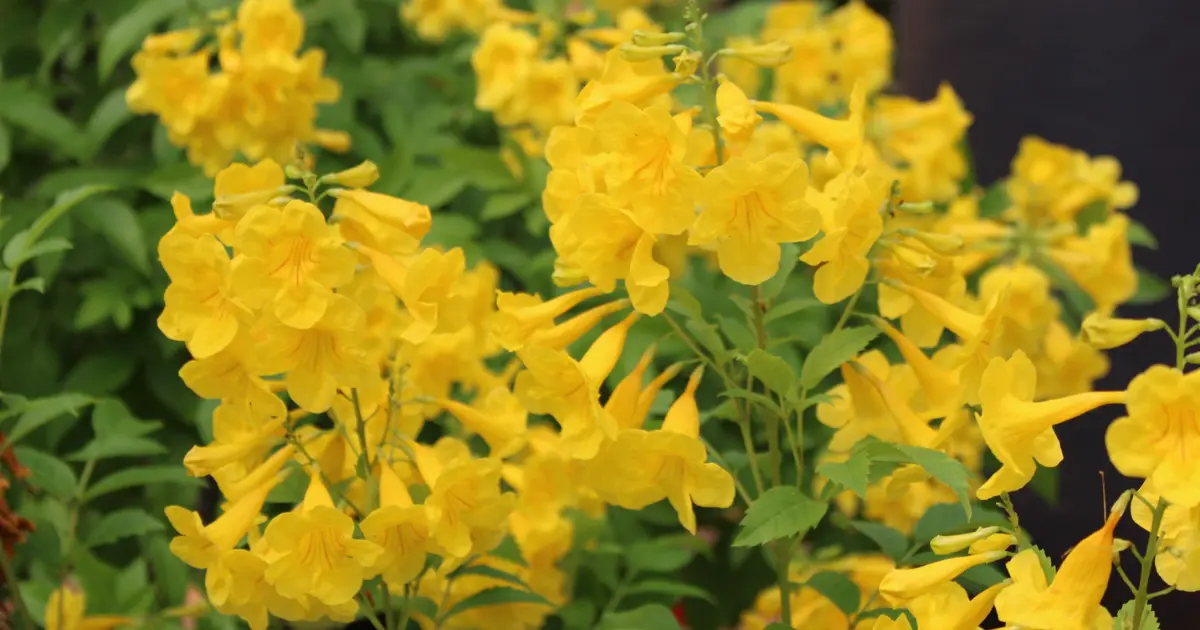
Mastering Esperanza Goldstar: Grow the Ultimate Yellow Bloom
Esperanza Goldstar is more than just a heat-tolerant shrub; for the American gardener battling the [...]
Apr
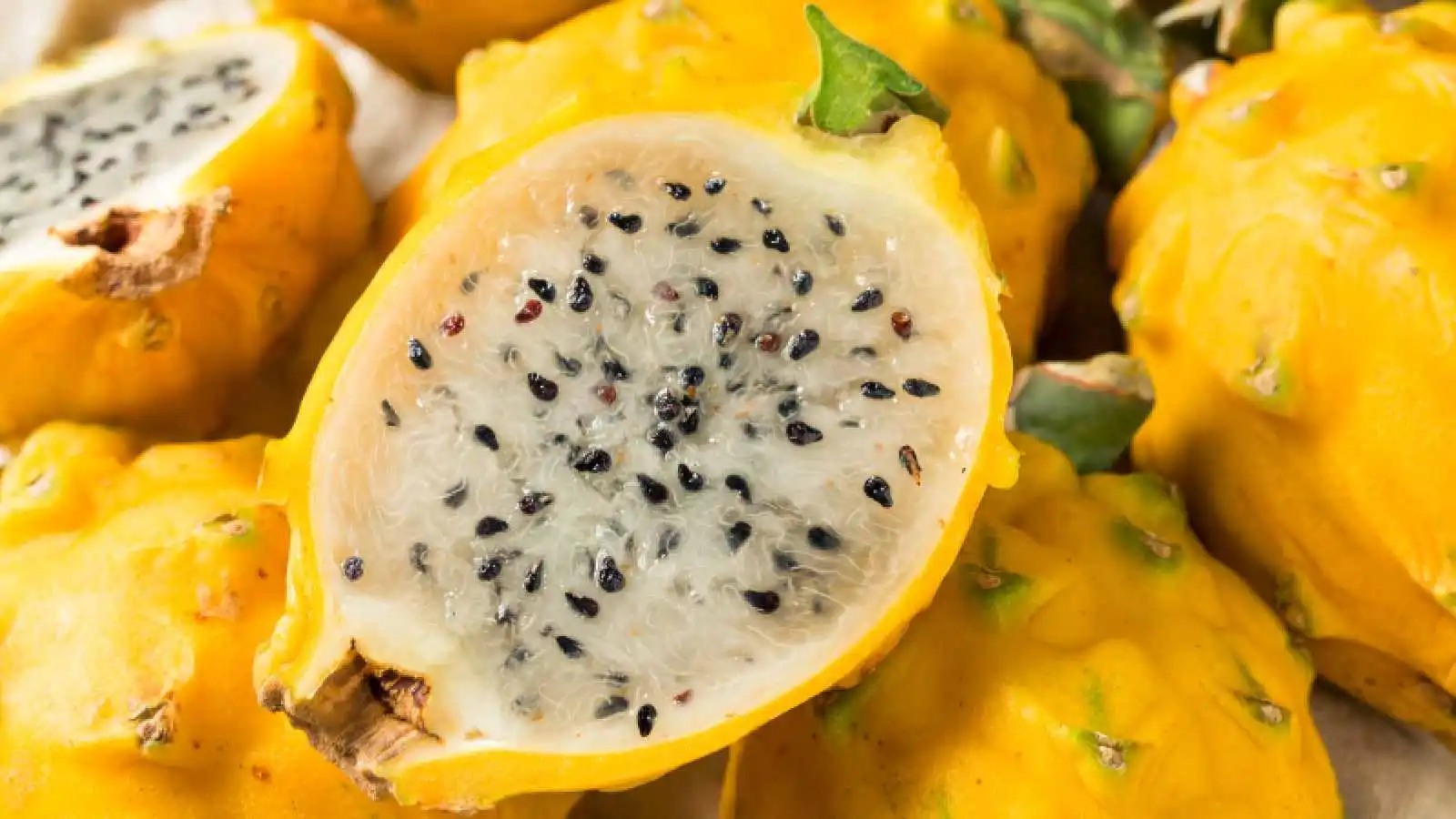
Yellow Dragon Fruit Plant Care: The Ultimate Guide for Healthy Growth
The yellow dragon fruit plant is a unique and rewarding addition to any home garden, [...]
Apr
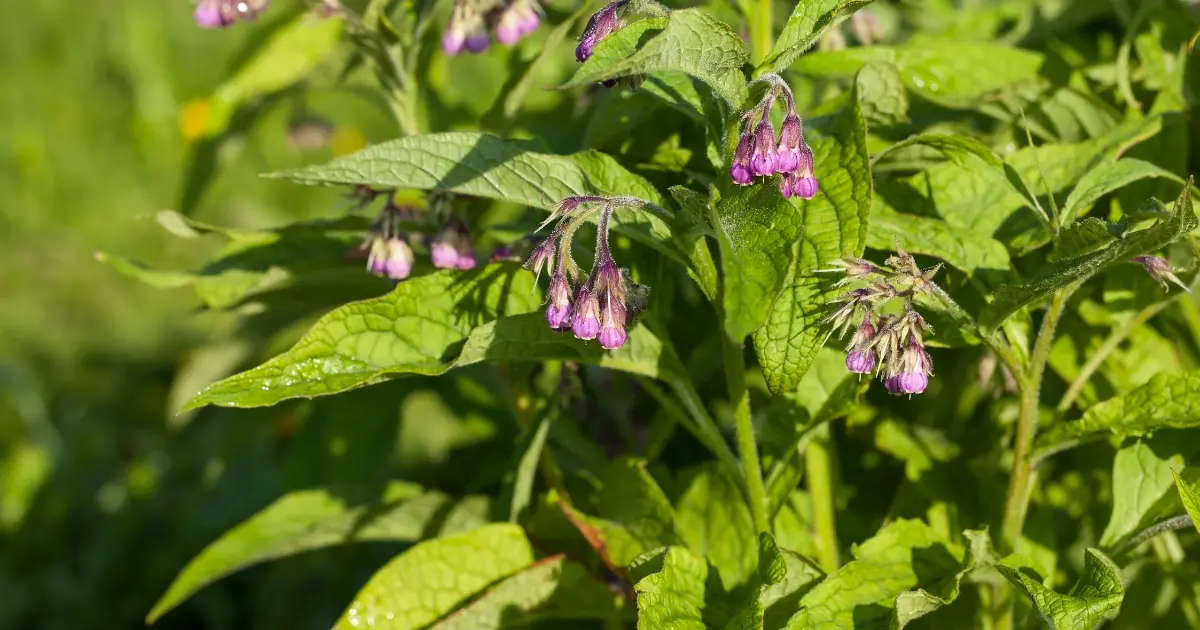
How to Identify Bocking 14 Comfrey: 5 Simple Visual Signs
If you’re growing comfrey for mulch, compost, or animal feed, knowing exactly which variety you [...]
Mar
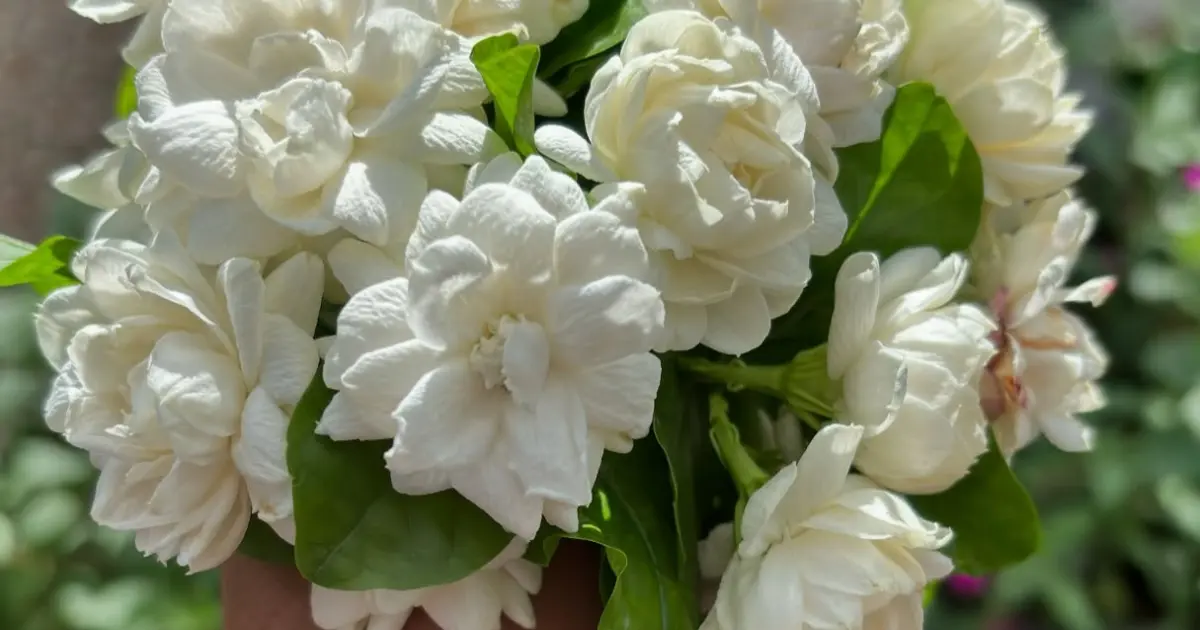
Grand Duke of Tuscany Jasmine: The Ultimate Guide to Growing a Fragrant Masterpiece
Have you ever caught a scent in the air so rich, creamy, and honey-sweet that [...]
Mar
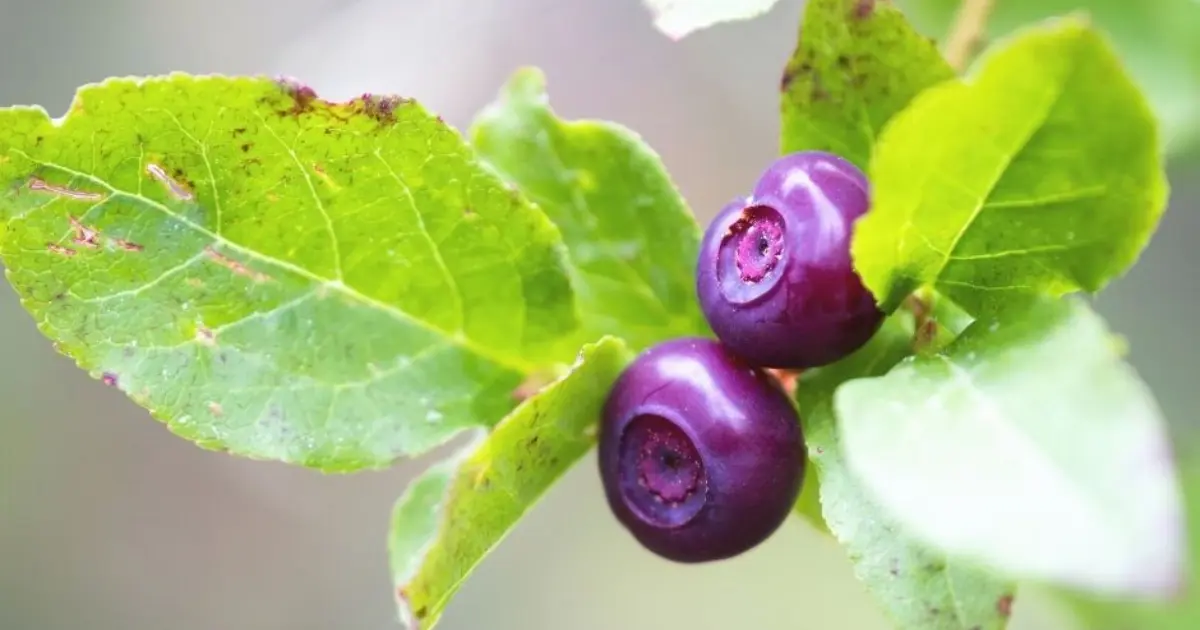
How to Grow Wild Huckleberries: A Guide to “Purple Gold”
Have you ever spent a summer afternoon hiking through the Pacific Northwest or the Rocky [...]
Mar
5 Best Shade-Loving Perennials for a Lush, Vibrant Garden
The world of gardening often shines a spotlight on sun-drenched blossoms, but there is a [...]
Mar

7 Common Curry Leaf Plant Problems: Easy Fixes for a Thriving Plant
Is your curry leaf plant looking a bit sad lately? Maybe you woke up to [...]
Mar
Best Time to Plant Bougainvillea: Timing for Vibrant Blooms
If you’re looking for a hardy tropical vine that delivers a riot of neon color, [...]
Feb
Reviews
There are no reviews yet.