
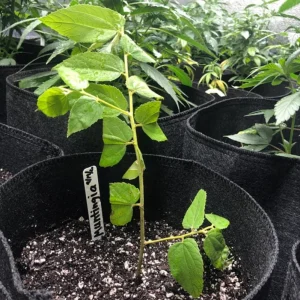
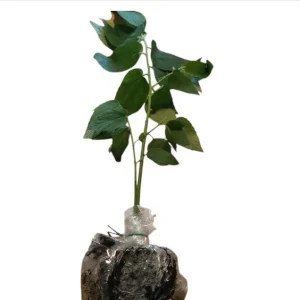
Strawberry Jamaican Cherry Live Plant – Muntingia Calabura Tropical Fruit Tree, 4-8 Inch Tall
Original price was: $33.39.$23.39Current price is: $23.39.
Bring the taste of the tropics to your garden with a strawberry jamaican cherry live plant. This vibrant Muntingia Calabura tree produces sweet, red berries and is known for its fast growth. Perfect for edible landscapes and fresh fruit enthusiasts.
Estimated arrival
Mar 30
Apr 04 - Apr 06
Apr 09 - Apr 13

Reasonable Price
We offer reasonable price

Support 24/7
Contact us 24 hrs a day

100% Money Back
You've 30 days to Return

Payment Secure
100% secure payment
Overview
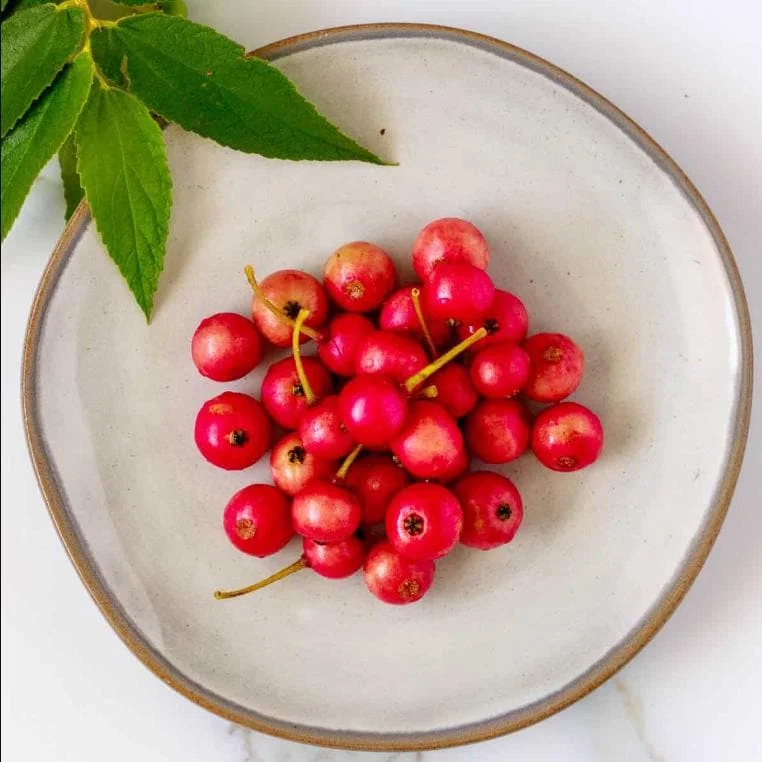
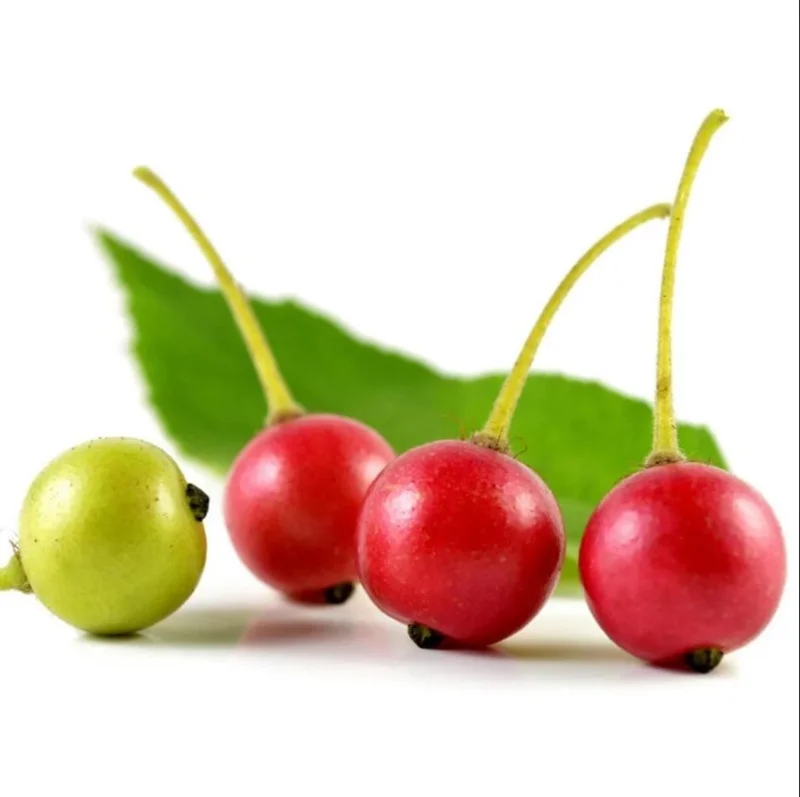
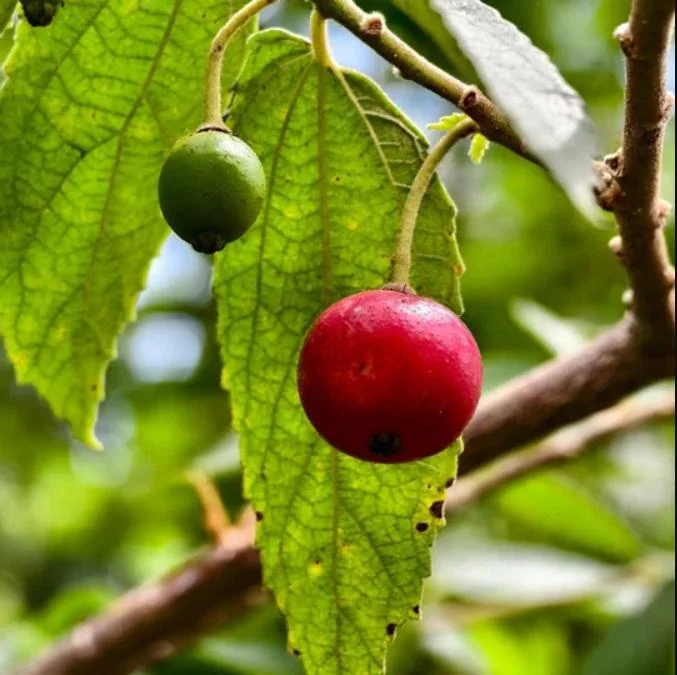
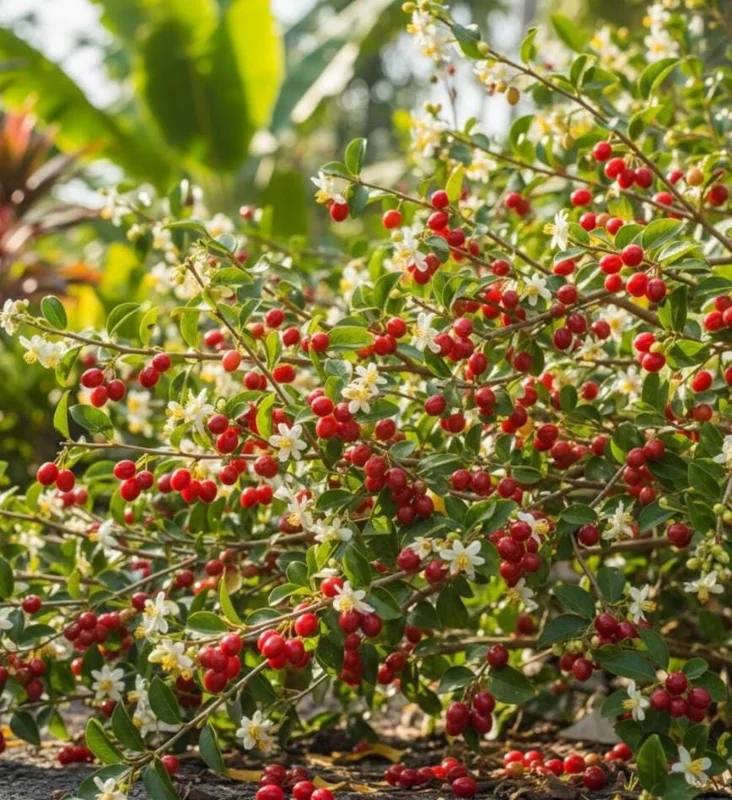
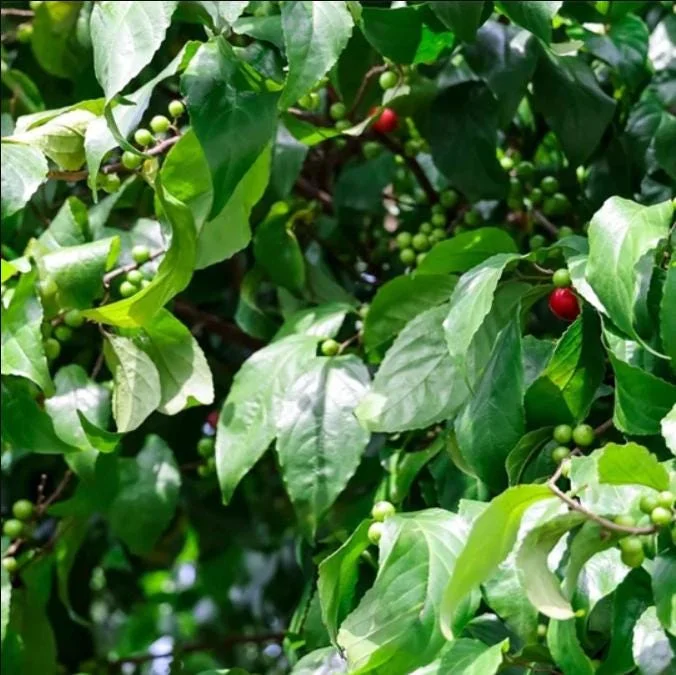
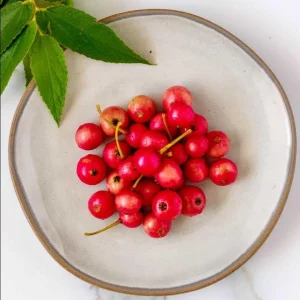
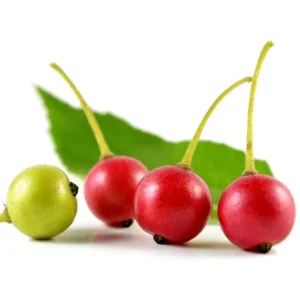
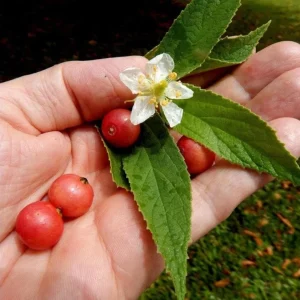
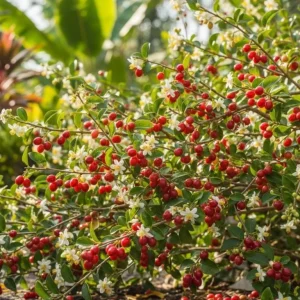
Cultivate your own exotic treats with this strawberry jamaican cherry live plant. Also known as Muntingia Calabura or West Indian Cherry, this delightful tropical fruit tree is celebrated for its rapid growth and abundant production of small, sweet, red berries that taste remarkably like strawberries with hints of caramel. Originating from Central and South America, the muntingia calabura tree is a fantastic addition to any edible garden, offering both ornamental beauty and delicious fruit. This starter plant, typically 4-8 inches tall, is ready to establish itself in your home, eventually providing a continuous harvest of its unique and flavorful fruit. It’s an excellent choice for gardeners looking for something unusual and rewarding.
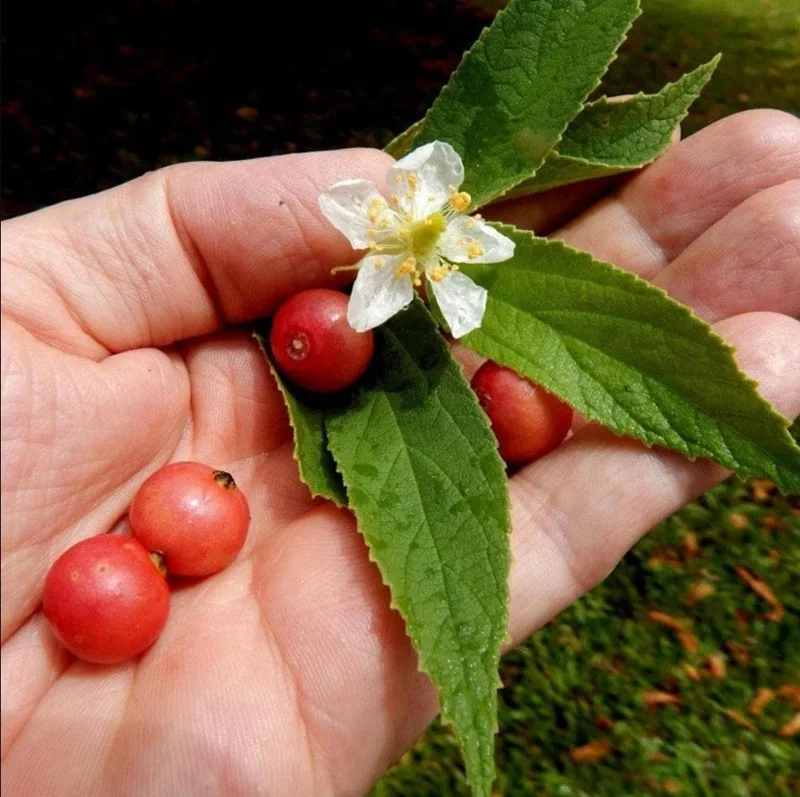
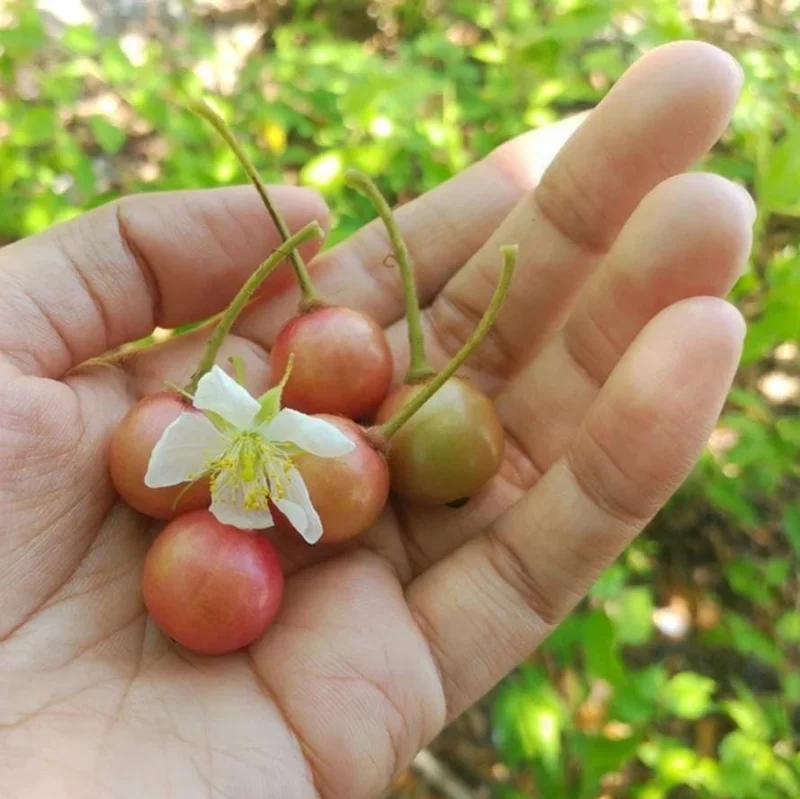
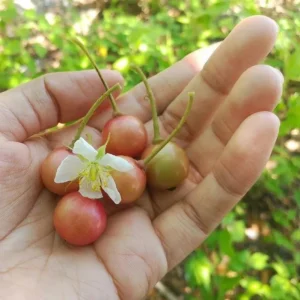
The strawberry jamaican cherry live plant is a versatile specimen that can be grown in containers or directly in the ground in warmer climates. Its delicate white flowers give way to the edible fruits, which are not only tasty for humans but also attract birds and other wildlife, adding to your garden’s biodiversity. Even as a young plant, you’ll find it to be a vigorous grower, quickly establishing a strong root system. While your starter plant will arrive without fruit or flowers, with proper care and time, it will mature into a productive and beautiful tropical fruit tree.
Key Benefits
Growing a strawberry jamaican cherry live plant offers a multitude of benefits, from its delicious fruit to its attractive foliage. This resilient plant is a joy to cultivate and provides ongoing rewards:
- Abundant, Sweet Fruit: Enjoy a continuous supply of small, red berries that boast a unique flavor profile, often described as a blend of strawberry and caramel. These fruits are perfect for fresh eating, jams, or desserts.
- Fast Growing: The muntingia calabura tree is known for its quick growth rate, meaning you won’t have to wait long to see it establish and begin producing fruit, especially under optimal conditions.
- Attractive Foliage and Flowers: Beyond its fruit, the plant features delicate white flowers that are quite charming, followed by lush green leaves, making it an attractive ornamental addition to your garden or patio.
- Versatile Landscaping: Ideal for edible landscaping, container gardening, or as a focal point in a tropical-themed garden. Its moderate size makes it suitable for various garden designs.
- Attracts Pollinators and Wildlife: The flowers attract beneficial pollinators, while the fruits are a favorite treat for birds, enhancing the ecological balance and vibrancy of your outdoor space.
- Relatively Low Maintenance: Once established, the jamaican cherry care requirements are straightforward, making it suitable for both experienced gardeners and those new to growing tropical fruits.
- Nutrient-Rich Fruit: The berries are not only delicious but also contain vitamins and antioxidants, offering a healthy snack directly from your garden.
Plant Care & Growing Tips
Caring for your strawberry jamaican cherry live plant is relatively simple, especially once it’s established. This tropical fruit tree thrives in warm conditions and benefits from consistent attention during its early stages. For optimal fruiting, ensure your plant receives ample sunlight. It prefers full sun, meaning 6-8+ hours of direct sunlight daily. In extremely hot climates, some afternoon shade can be beneficial to prevent leaf scorch, but generally, more sun equals more fruit. If growing indoors, place it in your brightest window or supplement with a grow light.
Watering is crucial, especially for young plants. Keep the soil consistently moist, but not waterlogged. Allow the top inch of soil to dry out slightly between waterings. Mature trees are moderately drought-tolerant, but regular watering will promote better fruit production. Ensure good drainage to prevent root rot. The ideal soil for your muntingia calabura tree is well-draining, loamy soil with a pH between 6.0 and 7.0. A good quality potting mix amended with some compost will work well for container planting.
The strawberry jamaican cherry live plant is generally suited for USDA Zones 9-11 outdoors, but can be grown as a container plant and brought indoors during colder months in other regions. It prefers temperatures above 50°F (10°C). Fertilize every 2-4 weeks during the growing season (spring and summer) with a balanced liquid fertilizer or a slow-release granular fertilizer formulated for fruit trees. Reduce feeding in fall and winter. Pruning can be done to maintain shape and size, and to encourage more branching and fruit production. Watch out for common pests like aphids or mealybugs, and treat with organic insecticidal soap if necessary. With proper jamaican cherry care, your plant will flourish.
Size & Details
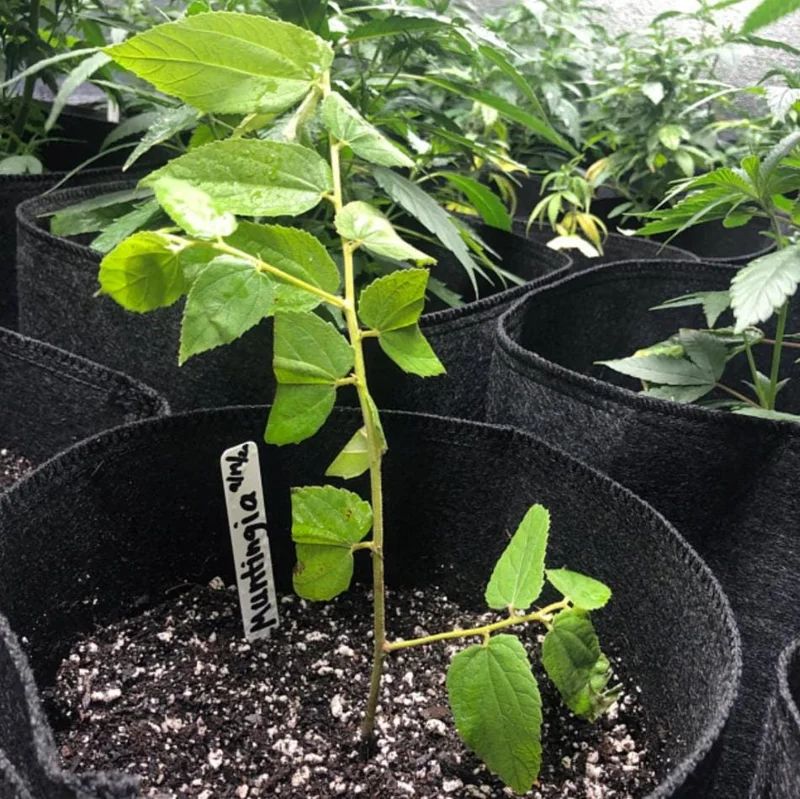
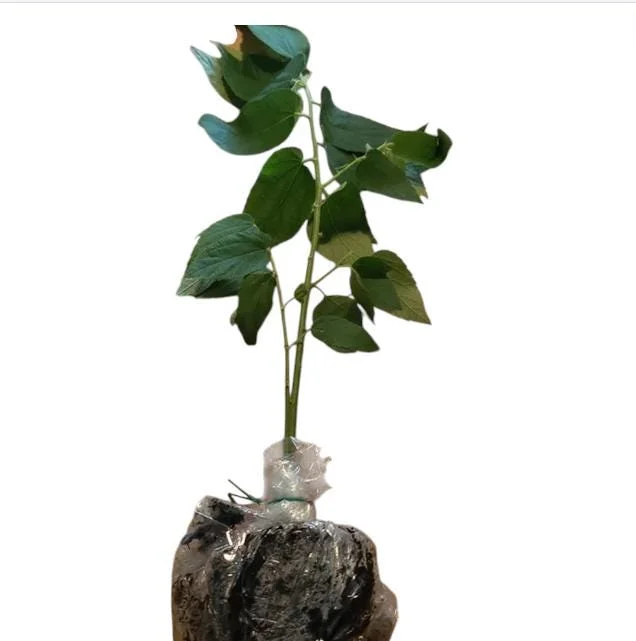
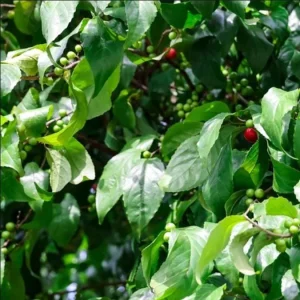
You will receive one healthy strawberry jamaican cherry live plant starter, typically measuring between 4 to 8 inches in height. This young plant is well-rooted in soil, ensuring a strong start in your garden or container. Please note that photos of mature plants are for reference only; your plant is a young starter and will not have flowers or fruit upon arrival. The plant is shipped without a pot to reduce shipping costs and environmental impact, and is carefully packaged to ensure its safe arrival. Upon receiving, plant it immediately into a suitable container or garden spot.
This tropical fruit tree has a moderate growth rate and can reach heights of 10-20 feet in ideal outdoor conditions, though it can be kept smaller with pruning or when grown in a container. It typically begins to flower and fruit within 1-2 years from a starter plant, providing a continuous harvest throughout the warmer months. The mature plant forms a lovely, somewhat weeping canopy, making it an attractive specimen even when not in fruit. Expect a robust root system and vigorous top growth as it establishes.
Frequently Asked Questions
- Q: How big does this strawberry jamaican cherry live plant get? A: In optimal outdoor conditions, it can grow up to 10-20 feet tall, but it can be maintained at a smaller size through regular pruning or by growing it in a container, which restricts its overall growth.
- Q: Is this an indoor or outdoor plant? A: It is primarily an outdoor tropical fruit tree suitable for USDA Zones 9-11. However, it can be successfully grown indoors in a bright location or in a greenhouse in colder climates, provided it receives enough light and warmth.
- Q: How much sunlight does it need? A: For the best fruit production, the muntingia calabura tree requires full sun, meaning at least 6-8 hours of direct sunlight per day. In very hot climates, some afternoon shade can be beneficial.
- Q: Is this plant easy to care for? A: Yes, once established, the strawberry jamaican cherry live plant is considered relatively easy to care for. Its primary needs are ample sunlight, consistent watering, and well-draining soil.
- Q: What condition will it arrive in? A: You will receive a healthy, well-rooted starter plant, typically 4-8 inches tall. It will be shipped without a pot, with its roots carefully protected, to ensure it arrives in good condition for immediate planting.
- Q: How long until it blooms and fruits? A: Under good growing conditions, your tropical fruit tree starter plant can begin to flower and produce fruit within 1 to 2 years after planting. Fruit production is often continuous during warm periods.
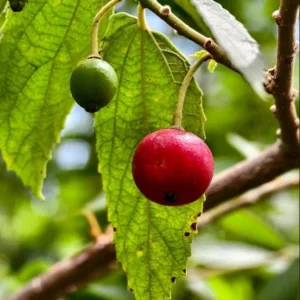
- Q: What are the fruits like? A: The fruits are small, round, red berries with a sweet, unique flavor often described as a mix between strawberry, fig, and caramel. They can be eaten fresh or used in various culinary applications.
- Q: What kind of soil does it prefer? A: The muntingia calabura tree thrives in well-draining, loamy soil with a slightly acidic to neutral pH (6.0-7.0). Good drainage is essential to prevent root issues.
- Q: How often should I water my jamaican cherry care plant? A: Keep the soil consistently moist, especially for young plants. Allow the top inch of soil to dry out slightly between waterings. Mature plants are more tolerant of brief dry spells but prefer regular moisture.
- Q: Is this plant known by other names? A: Yes, it is commonly known as Jamaican Cherry, Singapore Cherry, Panama Berry, or West Indian Cherry, all referring to the same delicious muntingia calabura tree.
Be the first to review “Strawberry Jamaican Cherry Live Plant – Muntingia Calabura Tropical Fruit Tree, 4-8 Inch Tall”
-
USDA Hardiness Zone
USDA zones 9-11 -
Soil Type
Well-draining, loamy soil (pH 6.0-7.0) -
Sunlight Exposure
Full sun (6-8+ hours daily) -
Expected Planting Period
Year-round in warm climates; spring to summer in cooler regions (indoors)
People Also Viewd
Sold 128 products
Original price was: $27.00.$24.00Current price is: $24.00.
Sold 127 products
Original price was: $89.99.$64.99Current price is: $64.99.
Sold 125 products
Original price was: $3,536.00.$23.99Current price is: $23.99.

Sold 125 products
Original price was: $86.99.$66.99Current price is: $66.99.
Sold 116 products
Original price was: $27.99.$16.99Current price is: $16.99.
Flower Bulbs
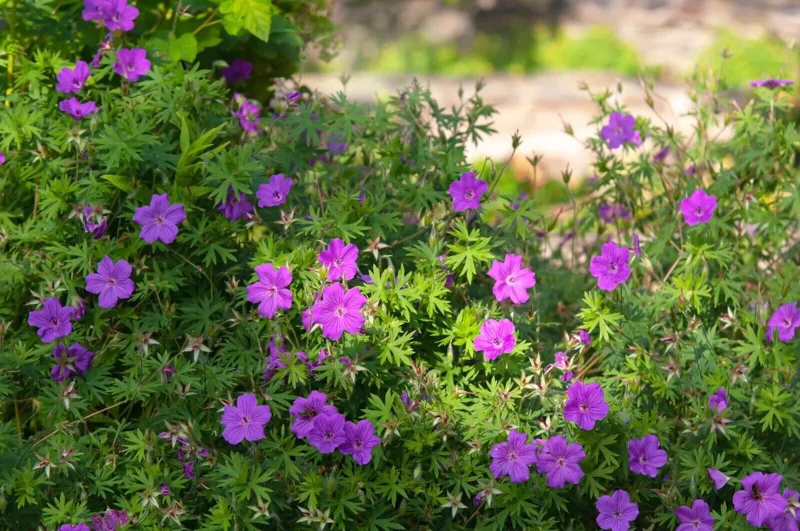
3 Cranesbill Wild Geranium Organic Maculatums Bare Roots | Wildflower for Outdoor Garden
Sold 114 products
Original price was: $21.99.$6.99Current price is: $6.99.
Sold 114 products
Original price was: $28.99.$17.99Current price is: $17.99.
Sold 109 products
Original price was: $63.99.$28.99Current price is: $28.99.RELATED posts
How to Identify Bocking 14 Comfrey: 5 Simple Visual Signs
If you’re growing comfrey for mulch, compost, or animal feed, knowing exactly which variety you [...]
Mar
Grand Duke of Tuscany Jasmine: The Ultimate Guide to Growing a Fragrant Masterpiece
Have you ever caught a scent in the air so rich, creamy, and honey-sweet that [...]
Mar
How to Grow Wild Huckleberries: A Guide to “Purple Gold”
Have you ever spent a summer afternoon hiking through the Pacific Northwest or the Rocky [...]
Mar
5 Best Shade-Loving Perennials for a Lush, Vibrant Garden
The world of gardening often shines a spotlight on sun-drenched blossoms, but there is a [...]
Mar

7 Common Curry Leaf Plant Problems: Easy Fixes for a Thriving Plant
Is your curry leaf plant looking a bit sad lately? Maybe you woke up to [...]
Mar
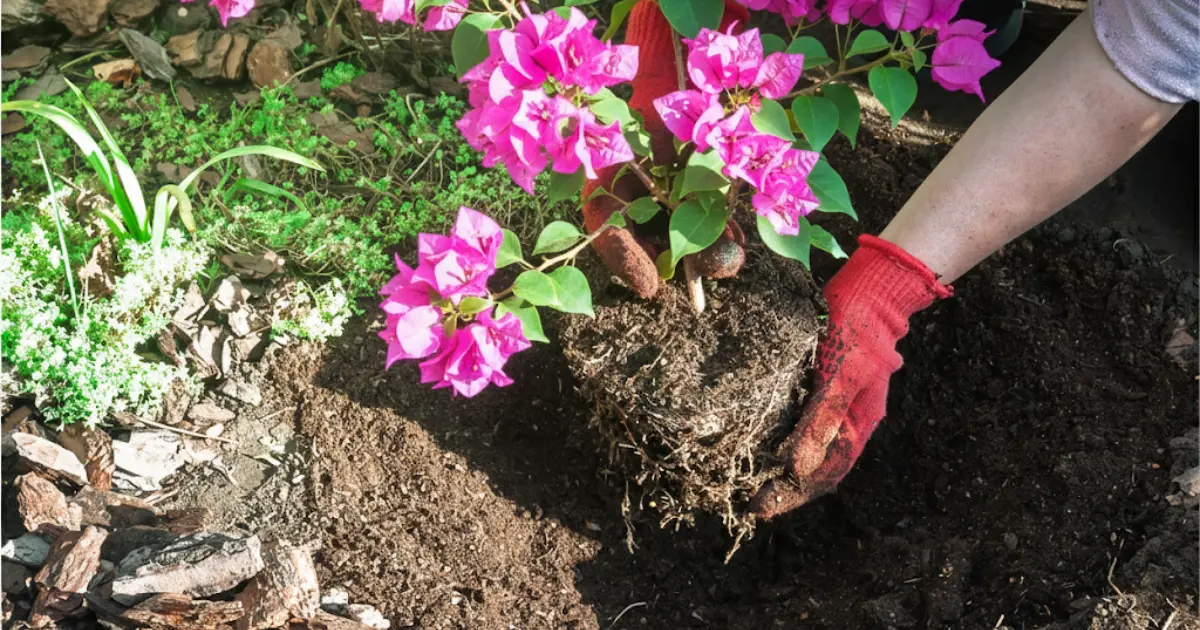
Best Time to Plant Bougainvillea: Timing for Vibrant Blooms
If you’re looking for a hardy tropical vine that delivers a riot of neon color, [...]
Feb
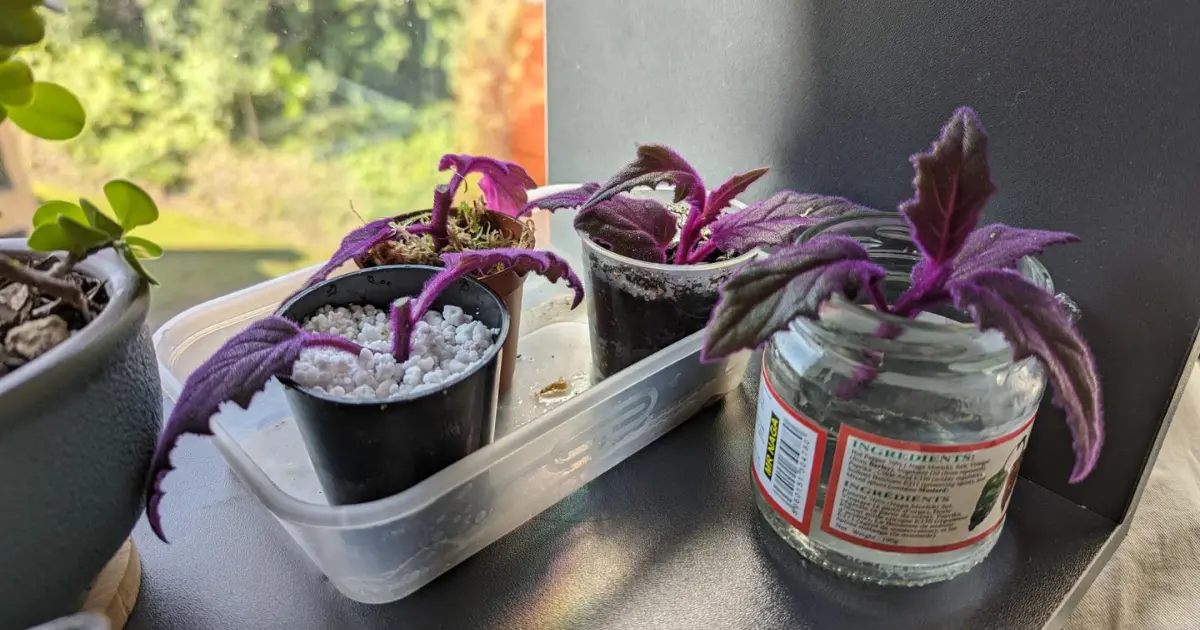
How to Propagate Purple Passion Plants (Gynura aurantiaca)
Have you ever been mesmerized by the neon-purple glow and fuzzy, velvet-like leaves of a [...]
Feb
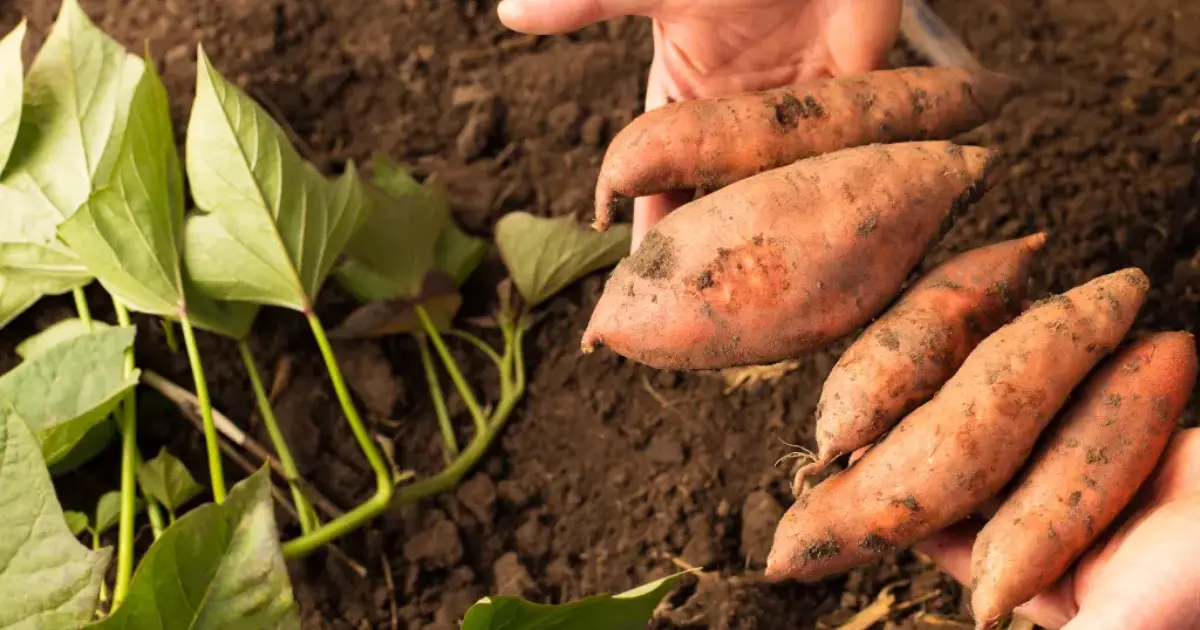
How to Grow Beauregard Sweet Potatoes: From Slips to a Bountiful Harvest
Are you ready to add a classic, heavy-hitting favorite to your vegetable patch? If you’ve [...]
Feb

Reviews
There are no reviews yet.