
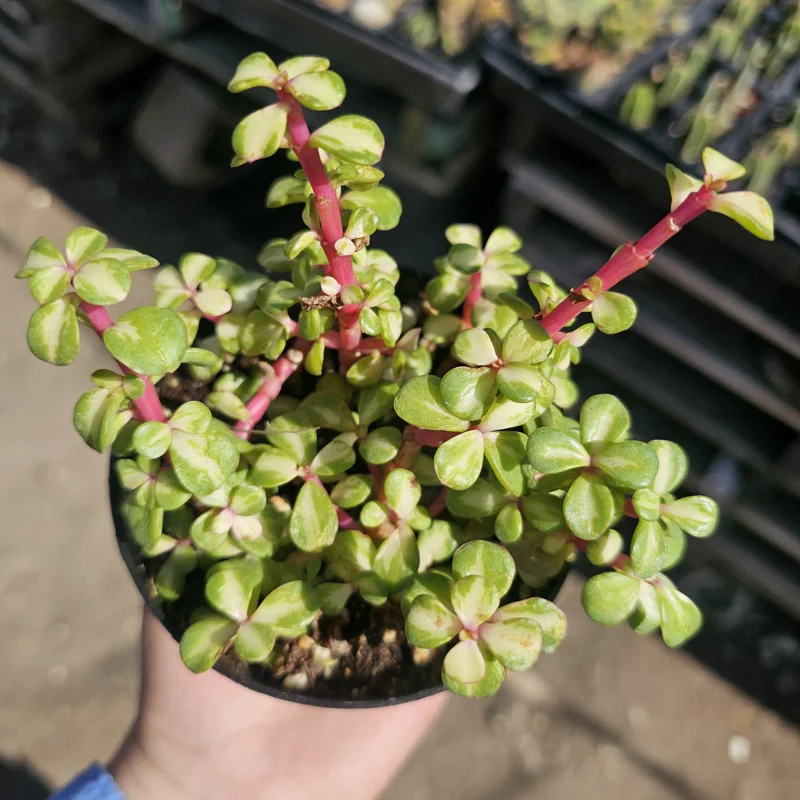
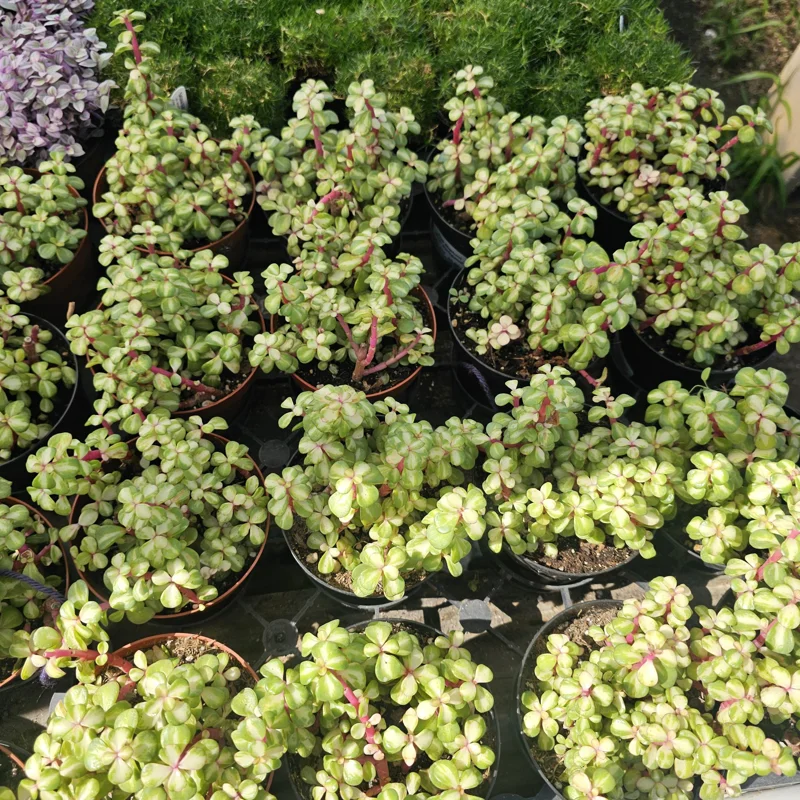
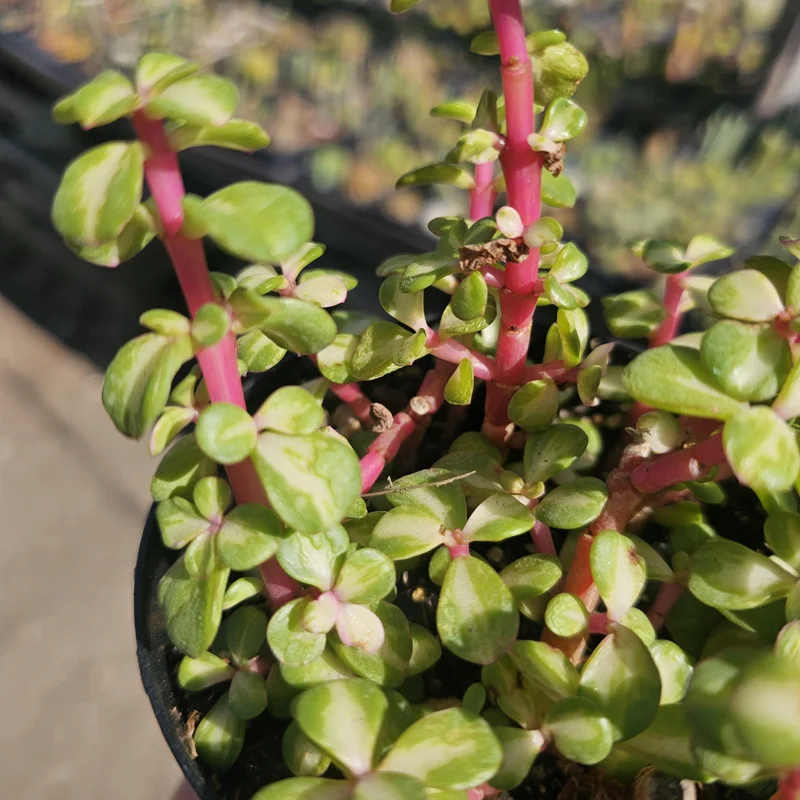
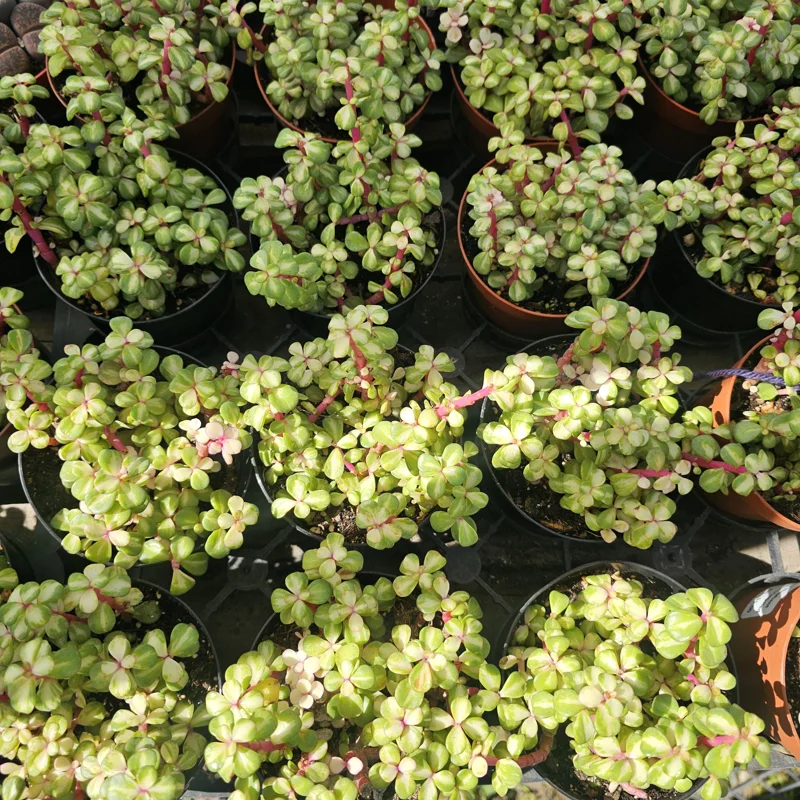
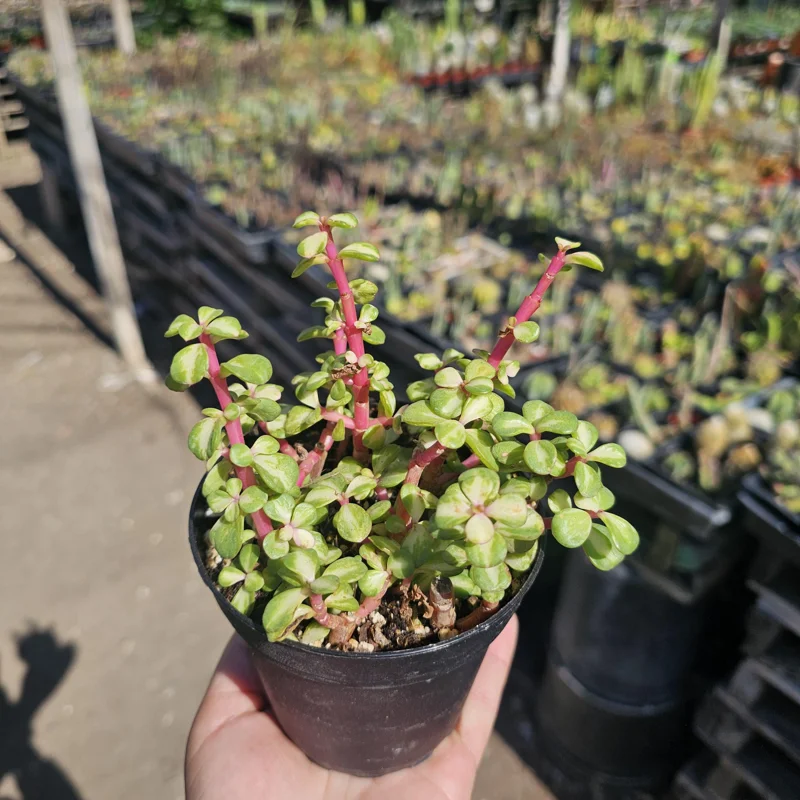
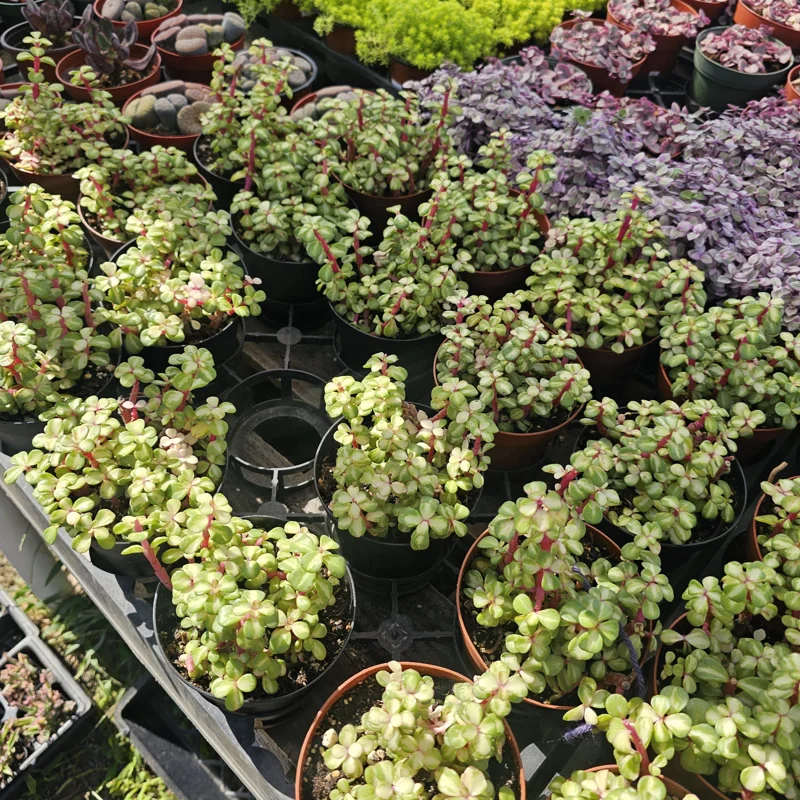
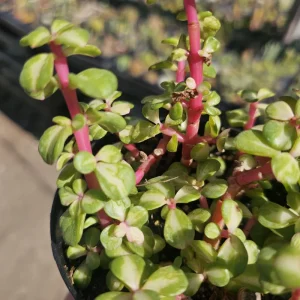
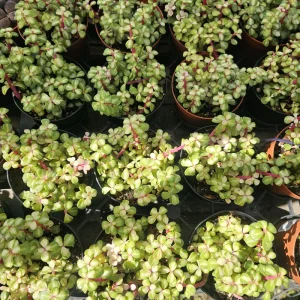
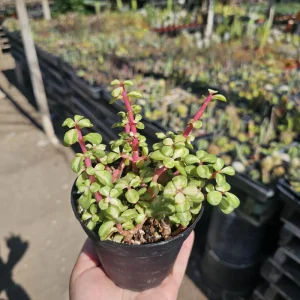
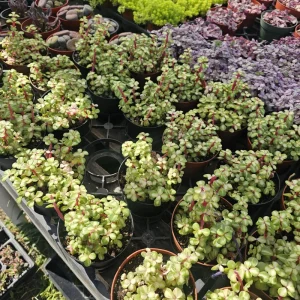
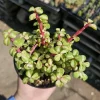
Variegated Rainbow Elephant Bush Live Plant Portulacaria afra Variegata 2in or 4in Pot
Original price was: $41.48.$16.48Current price is: $16.48.
Brighten your space with the vibrant Variegated Rainbow Elephant Bush, a stunning succulent known for its colorful leaves and easy care. Perfect for beginners, this dwarf jade plant variegated thrives indoors or out.
- Low maintenance and drought-tolerant
- Beautiful variegated foliage
- Comes in 2in or 4in nursery pot
Estimated arrival
Apr 11
Apr 16 - Apr 18
Apr 21 - Apr 25

Reasonable Price
We offer reasonable price

Support 24/7
Contact us 24 hrs a day

100% Money Back
You've 30 days to Return

Payment Secure
100% secure payment
Overview
The Variegated Rainbow Elephant Bush (Portulacaria afra ‘Variegata’) is a captivating succulent that brings a splash of color and unique texture to any plant collection. Also known as the Portulacaria afra Variegata care, this delightful plant features small, rounded leaves that display a beautiful mosaic of green, cream, and sometimes pink hues, especially when exposed to bright light. As a live plant, it’s an excellent choice for both seasoned succulent enthusiasts and beginners alike, due to its resilient nature and relatively simple care requirements. Originating from South Africa, this succulent is a fantastic addition to rock gardens, container arrangements, or as a charming indoor houseplant. Its compact growth habit and striking appearance make it a popular choice for bonsai enthusiasts as well. This Variegated Rainbow Elephant Bush offers year-round visual interest and is known for its ability to store water in its thick leaves and stems, making it incredibly drought-tolerant.
The common name, ‘Elephant Bush’, comes from the fact that elephants in its native habitat enjoy eating its foliage. However, rest assured, it’s a safe and non-toxic plant for most household pets when grown indoors. Its ability to adapt to various growing conditions further enhances its appeal, allowing it to thrive in diverse environments. Whether you are looking to add a touch of the exotic to your home or create a vibrant outdoor display, the Variegated Rainbow Elephant Bush is a versatile and rewarding choice. Its distinctive foliage and easy-going personality make it a standout among succulents, promising to be a conversation starter.
Key Benefits
The Variegated Rainbow Elephant Bush offers a multitude of benefits, making it a highly desirable plant for various settings. Its striking appearance is just one of the many reasons to add this beautiful succulent to your home or garden. Enjoy the beauty and simplicity that this plant brings.
- Stunning Visual Appeal: The variegated leaves, with their blend of green, cream, and pink, create a vibrant and eye-catching display. This makes the Variegated Rainbow Elephant Bush an excellent focal point in any plant arrangement or as a standalone specimen.
- Low Maintenance: This succulent is incredibly forgiving and requires minimal attention, making it perfect for busy individuals or those new to plant care. Its drought-tolerant nature means it doesn’t need frequent watering.
- Drought-Tolerant: As a succulent, it stores water in its leaves and stems, allowing it to withstand periods of dryness. This characteristic makes it an ideal plant for xeriscaping or for those who occasionally forget to water.
- Versatile Placement: Thrives both indoors as a charming houseplant and outdoors in suitable climates, especially in container gardens, rock gardens, or as ground cover. Its adaptability is a major advantage.
- Air Purifying Qualities: Like many plants, it contributes to better indoor air quality by absorbing toxins and releasing oxygen, creating a healthier living environment.
- Pet-Friendly: Though elephants love it, this plant is generally considered non-toxic to cats and dogs, offering peace of mind for pet owners who want to enjoy beautiful greenery.
- Easy Propagation: The dwarf jade plant variegated is remarkably easy to propagate from cuttings, allowing you to expand your collection or share with friends and family with minimal effort.
Plant Care & Growing Tips
Proper Portulacaria afra Variegata care is straightforward, ensuring your plant remains healthy and vibrant. This succulent thrives with adequate sunlight and conservative watering. For optimal growth, place your Variegated Rainbow Elephant Bush in a location where it can receive at least 4-6 hours of bright, direct sunlight daily. If growing indoors, a south-facing window is ideal. When grown outdoors, it can tolerate full sun, but in very hot climates, some afternoon shade will prevent leaf scorch. Ensuring good air circulation is also beneficial for preventing fungal issues.
When it comes to watering, the key is moderation. Allow the soil to dry out completely between waterings to prevent root rot, which is a common issue for succulents. During the active growing season (spring and summer), you might water more frequently, while in winter, reduce watering significantly. The best way to check is to feel the soil – if it’s dry an inch or two down, it’s time to water. The ideal soil type for your rainbow elephant bush plant is a well-draining succulent or cactus mix. This type of soil ensures that excess water drains away quickly, preventing moisture buildup around the roots. Fertilize sparingly during the growing season with a diluted, balanced liquid fertilizer; once a month is usually sufficient. This plant is generally hardy in USDA Zones 9-11, making it suitable for outdoor perennial growth in warmer regions. In colder climates, it should be brought indoors before the first frost. Watch out for common pests like mealybugs, which can be treated with insecticidal soap or neem oil. With proper elephant bush succulent indoor care, your plant will flourish.
Size & Details
The Variegated Rainbow Elephant Bush is offered in a convenient 2in or 4in nursery pot, providing a healthy start for your new succulent. These young plants are typically compact, making them perfect for windowsills, desk spaces, or as part of a larger succulent arrangement. In their natural habitat or when given ample space, these plants can grow into larger shrubs, but they are easily maintained at a smaller size through pruning, especially when used for bonsai or as indoor houseplants. The growth rate is moderate, allowing you to enjoy its development without it quickly outgrowing its space. Expect your plant to arrive well-rooted in its original nursery container, ready for you to enjoy. The size provided refers to the diameter of the pot, with the plant’s height varying slightly based on its growth stage but generally remaining proportionate to the pot size. This resilient plant is known for its ability to adapt and thrive, quickly settling into its new environment.
Frequently Asked Questions
- Q: How big does the Variegated Rainbow Elephant Bush get? A: When grown in a pot, the Variegated Rainbow Elephant Bush can be maintained at a compact size, typically 6-12 inches tall and wide. In ideal outdoor conditions, it can grow much larger, even up to several feet, but it responds well to pruning to control its size.
- Q: What size pot does it come in? A: This Variegated Rainbow Elephant Bush is available in either a 2-inch or 4-inch nursery pot. These sizes are ideal for young plants and provide a good foundation for transplanting into a decorative container of your choice.
- Q: Is this an indoor or outdoor plant? A: The Variegated Rainbow Elephant Bush is versatile and can thrive both indoors and outdoors. In USDA Zones 9-11, it can be grown outdoors year-round. In colder climates, it’s best kept as an indoor houseplant or brought inside during winter months, making it a flexible elephant bush succulent indoor option.
- Q: How much sunlight does it need? A: This succulent requires plenty of bright light. Ideally, it should receive at least 4-6 hours of direct sunlight daily. If indoors, place it near a south-facing window. Outdoors, it can handle full sun, but protect it from intense afternoon sun in extremely hot regions.
- Q: Is this plant easy to care for? A: Yes, the Variegated Rainbow Elephant Bush is considered very easy to care for, making it an excellent choice for beginners. Its drought tolerance and minimal needs for frequent watering contribute to its low-maintenance reputation.
- Q: What condition will it arrive in? A: Your plant will arrive healthy and well-rooted in its nursery pot. It will be carefully packaged to minimize soil disturbance and protect its delicate foliage during transit, ensuring a good start for your rainbow elephant bush plant.
- Q: Is it pet-safe? A: The Variegated Rainbow Elephant Bush (Portulacaria afra) is generally considered non-toxic to cats and dogs. However, it’s always wise to monitor pets around new plants to ensure they don’t consume large quantities.
- Q: When is the best time to plant or repot? A: The best time to plant or repot your Portulacaria afra Variegata care is during the spring or early summer, which is its active growing season. This allows the plant ample time to establish itself in its new environment before cooler temperatures arrive.
- Q: What’s the minimum temperature this plant can tolerate? A: The Variegated Rainbow Elephant Bush is sensitive to frost and should not be exposed to temperatures below 40°F (4°C) for extended periods. It thrives in warmer conditions and should be brought indoors if temperatures drop.
- Q: How often should I water my dwarf jade plant variegated? A: Water thoroughly only when the soil has completely dried out. In summer, this might be every 2-4 weeks, and in winter, even less frequently, perhaps once a month or less. Always err on the side of underwatering rather than overwatering to prevent root rot.
| Option | 2In Pot |
|---|
Be the first to review “Variegated Rainbow Elephant Bush Live Plant Portulacaria afra Variegata 2in or 4in Pot”
-
USDA Hardiness Zone
USDA zones 9–11 -
Soil Type
Well-draining succulent or cactus mix -
Sunlight Exposure
Bright direct to indirect light -
Expected Planting Period
Year-round indoors, spring to early summer outdoors
People Also Viewd
Sold 128 products
Original price was: $89.99.$64.99Current price is: $64.99.
Sold 128 products
Original price was: $159.99.$139.99Current price is: $139.99.
Sold 128 products
Original price was: $27.00.$24.00Current price is: $24.00.
Sold 126 products
Original price was: $3,536.00.$23.99Current price is: $23.99.

Sold 125 products
Original price was: $86.99.$66.99Current price is: $66.99.
Sold 116 products
Original price was: $27.99.$16.99Current price is: $16.99.
Flower Bulbs
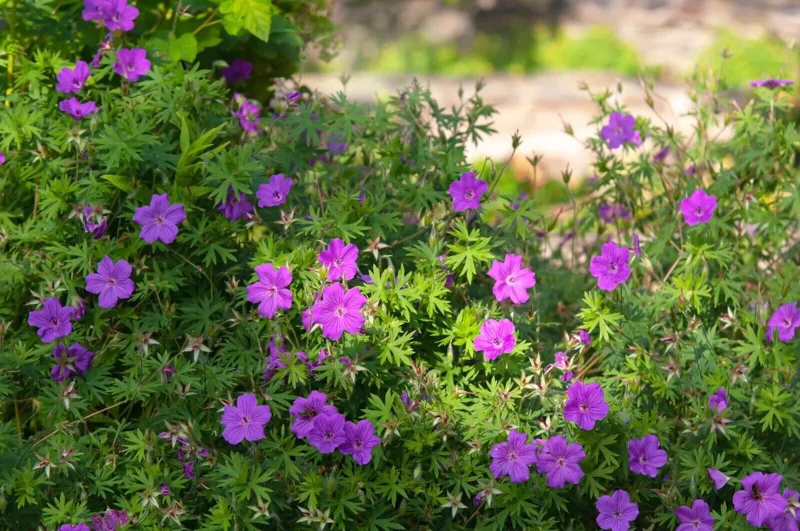
3 Cranesbill Wild Geranium Organic Maculatums Bare Roots | Wildflower for Outdoor Garden
Sold 114 products
Original price was: $21.99.$6.99Current price is: $6.99.
Sold 114 products
Original price was: $28.99.$17.99Current price is: $17.99.RELATED posts

5 Tips for Growing Sweet Potatoes to Get the Biggest Sweet Potato Harvest Ever
If you are a fan of sweet potatoes, then these tips for growing sweet potatoes [...]
Apr
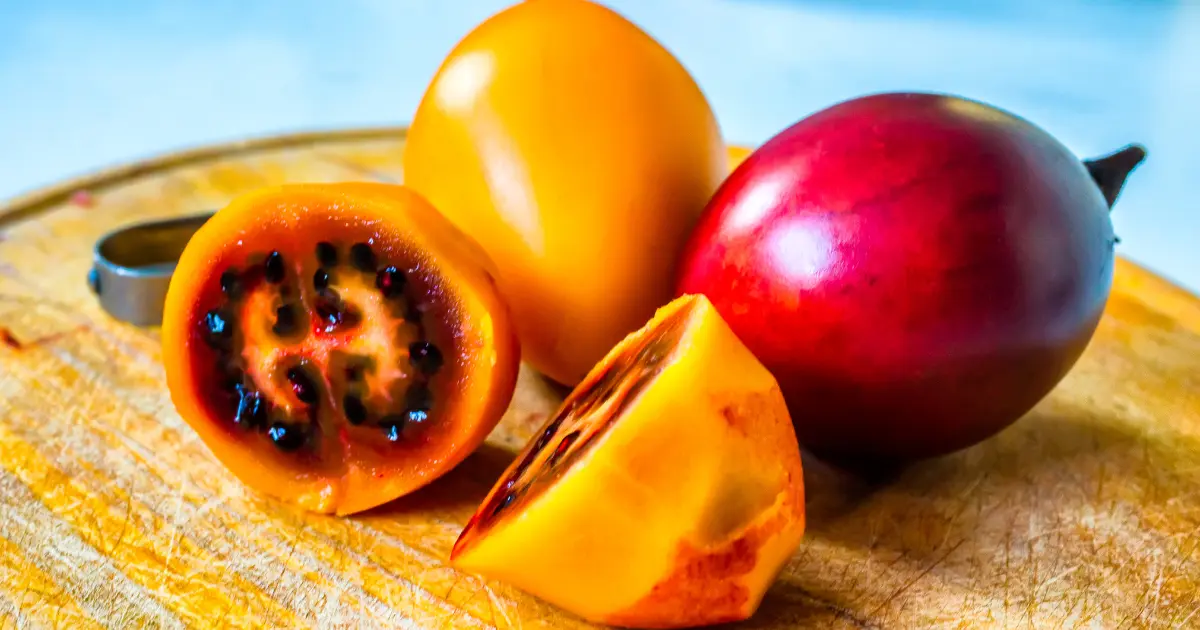
Tamarillo Tree Guide: Flavor, Texture & How to Eat Tree Tomatoes
The humble tomato is a kitchen staple we all know and love, but it rarely [...]
Apr
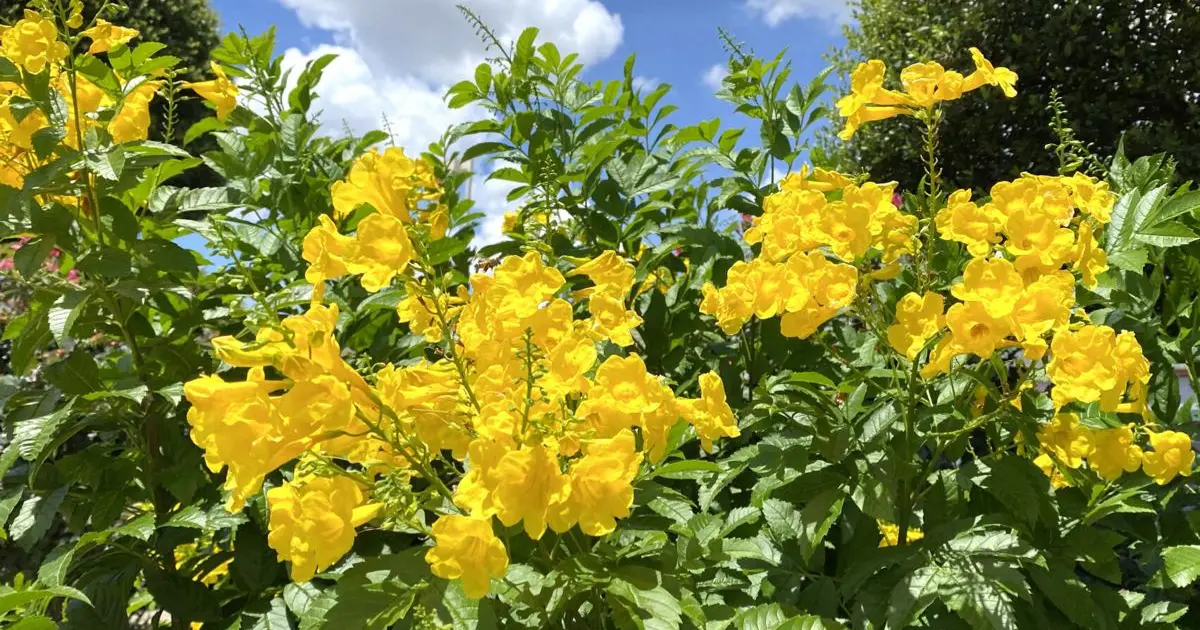
5 Pro Tips to Grow Esperanza ‘Gold Star’ Indoors: A Golden Glow for Your Home
While most gardeners know this Texas Superstar – Esperanza ‘Gold Star’ as a rugged outdoor [...]
Apr
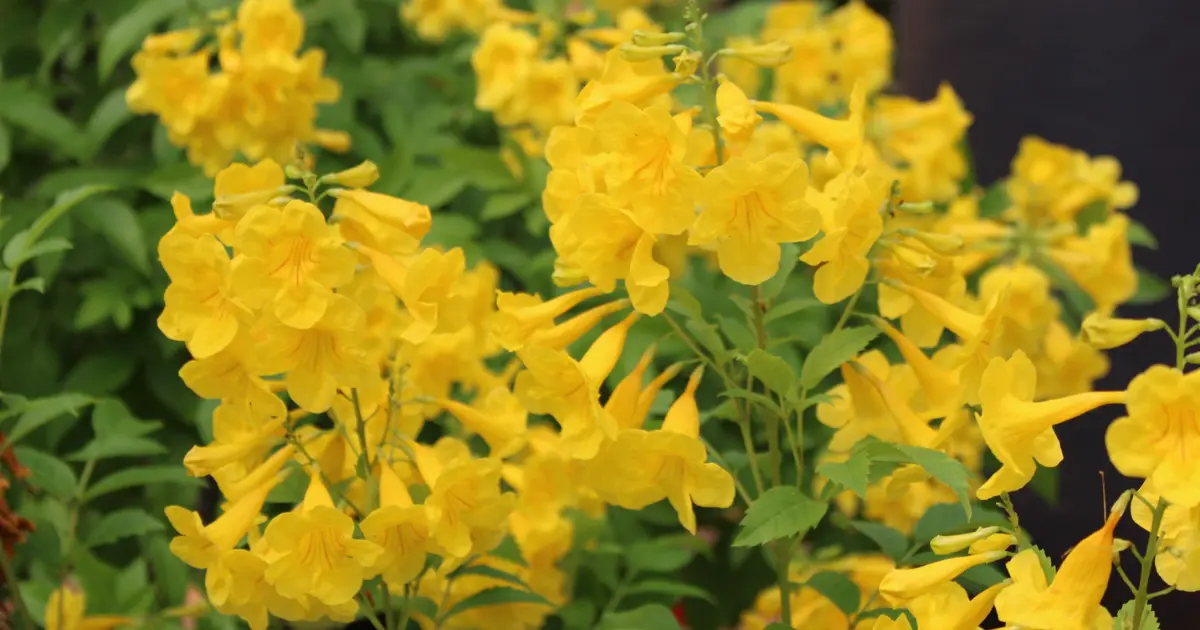
Mastering Esperanza Goldstar: Grow the Ultimate Yellow Bloom
Esperanza Goldstar is more than just a heat-tolerant shrub; for the American gardener battling the [...]
Apr

Yellow Dragon Fruit Plant Care: The Ultimate Guide for Healthy Growth
The yellow dragon fruit plant is a unique and rewarding addition to any home garden, [...]
Apr
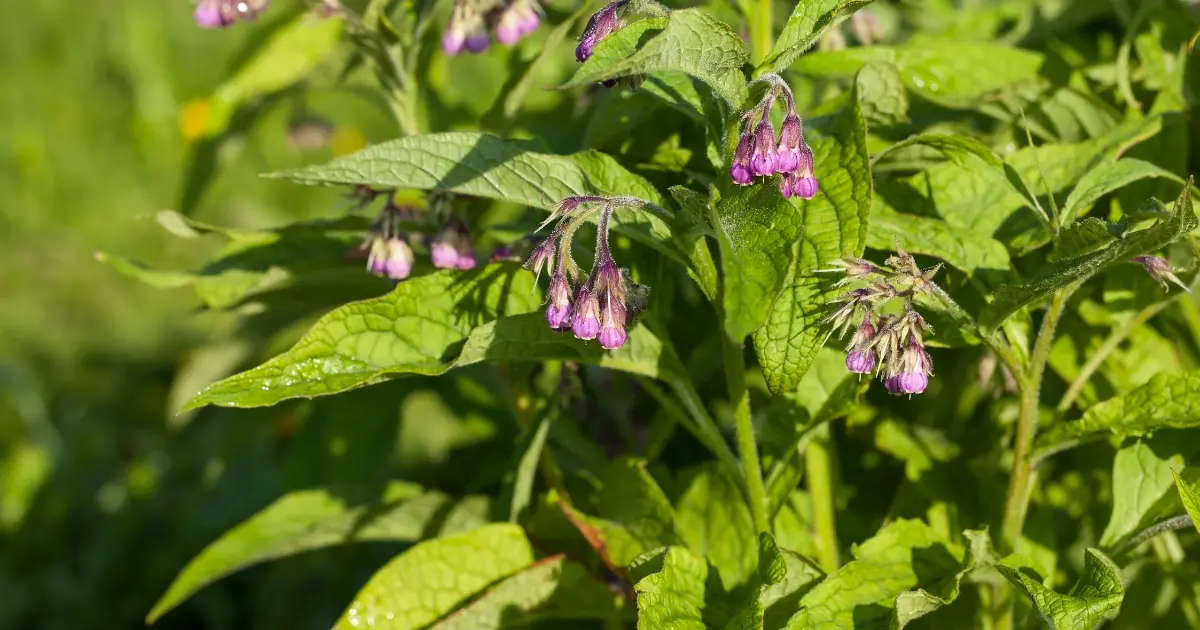
How to Identify Bocking 14 Comfrey: 5 Simple Visual Signs
If you’re growing comfrey for mulch, compost, or animal feed, knowing exactly which variety you [...]
Mar
Grand Duke of Tuscany Jasmine: The Ultimate Guide to Growing a Fragrant Masterpiece
Have you ever caught a scent in the air so rich, creamy, and honey-sweet that [...]
Mar
How to Grow Wild Huckleberries: A Guide to “Purple Gold”
Have you ever spent a summer afternoon hiking through the Pacific Northwest or the Rocky [...]
Mar
Reviews
There are no reviews yet.