
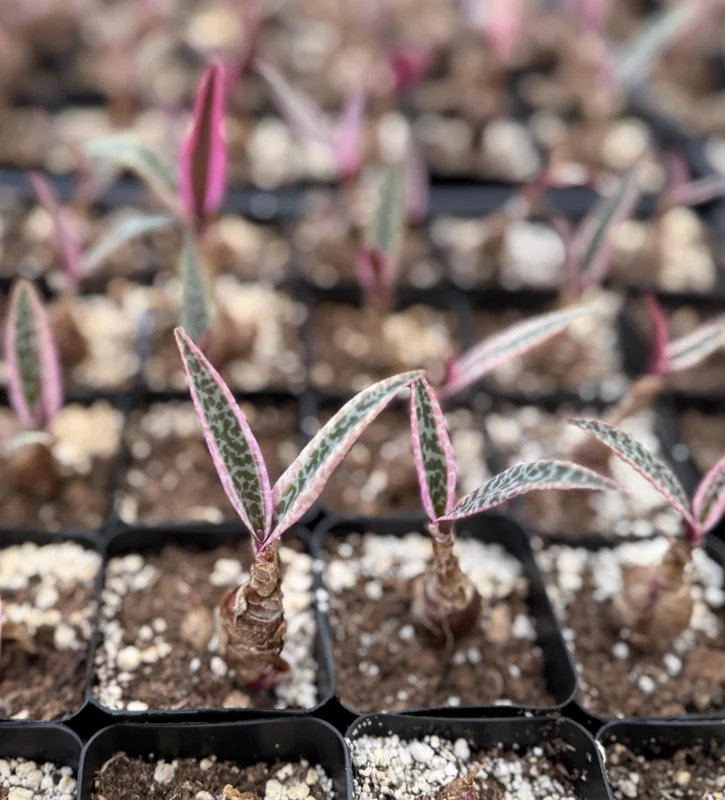
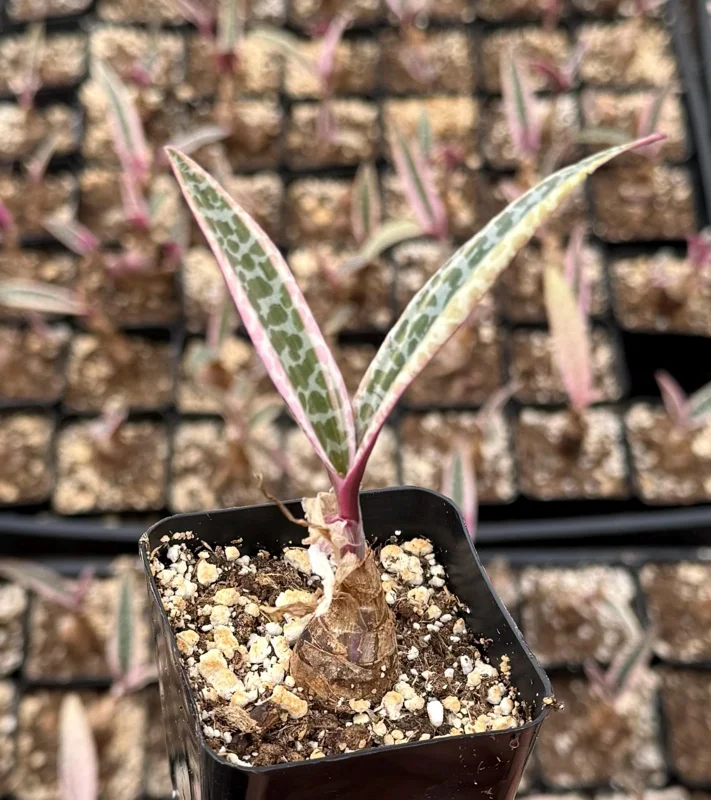
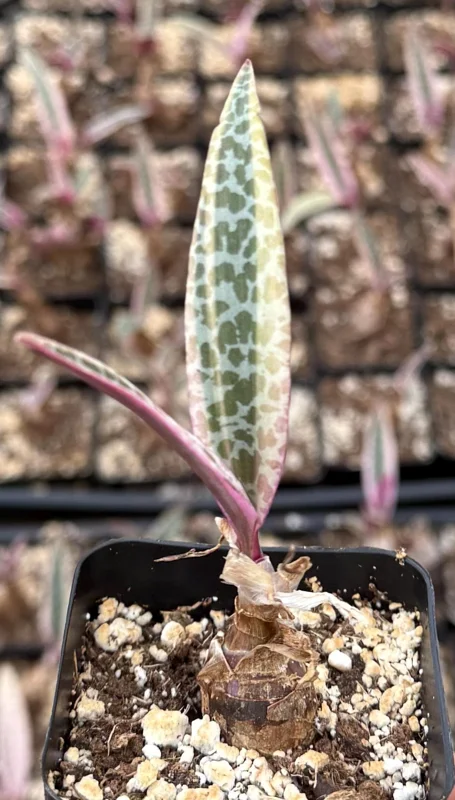
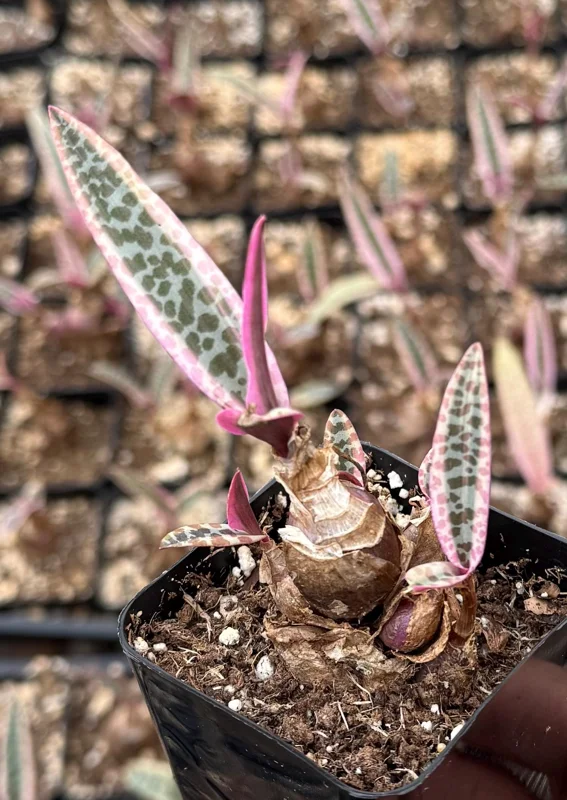
Variegated Silver Squill Live Plant – Ledebouria Socialis Pink – 2.5 Inch Pot – Indoor Houseplant
Original price was: $42.96.$22.96Current price is: $22.96.
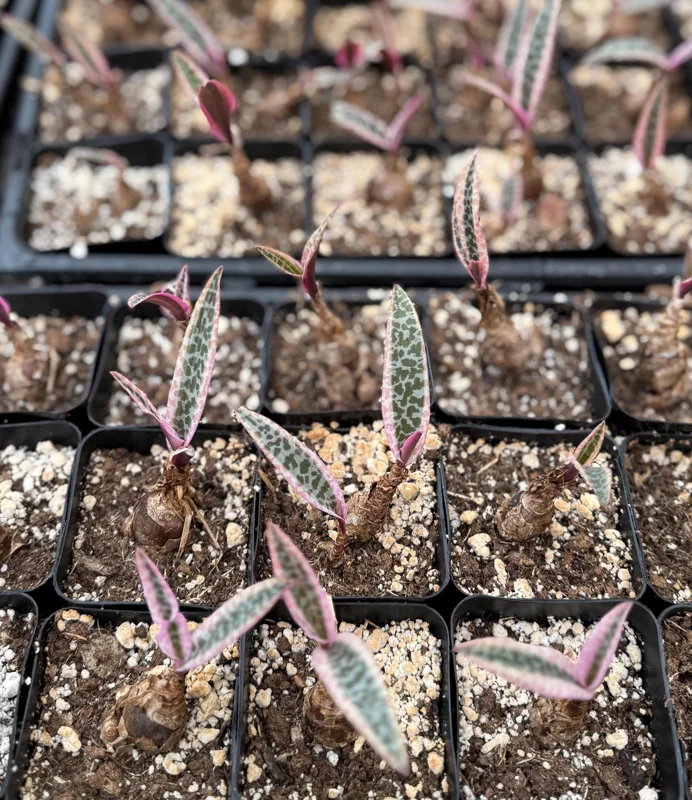
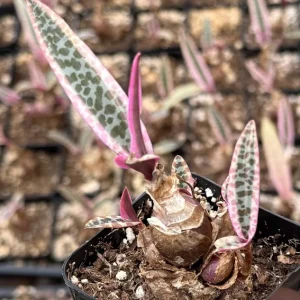
Bring unique beauty to your home with the variegated silver squill live plant (Ledebouria Socialis), a captivating succulent-like bulbous perennial. Its striking pink, silver, and green variegated foliage adds a touch of elegance to any indoor space, thriving with minimal care and offering year-round visual interest.
Estimated arrival
Apr 05
Apr 10 - Apr 12
Apr 15 - Apr 19

Reasonable Price
We offer reasonable price

Support 24/7
Contact us 24 hrs a day

100% Money Back
You've 30 days to Return

Payment Secure
100% secure payment
Overview
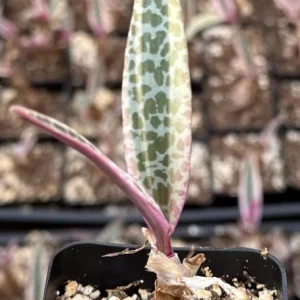
Introduce a touch of exotic elegance to your indoor plant collection with the exquisite variegated silver squill live plant. Scientifically known as Ledebouria socialis ‘Variegata’, this captivating bulbous perennial is a rare and highly sought-after variant of the popular Silver Squill. Its leaves are a spectacle of nature, featuring a stunning mosaic of green, silver, and often delicate pink or cream streaks, creating a truly unique display. Unlike its standard counterpart, this variegated form boasts an enhanced visual appeal, making it a focal point in any plant arrangement. The variegated silver squill live plant is characterized by its charming bulbous base, which often sits partially above the soil, and its tendency to grow in attractive clusters. Beyond its foliage, it occasionally graces its owner with small, bell-shaped purple flowers, adding to its allure. Ideal for collectors and beginners alike, this plant is a testament to nature’s artistry.
The variegated silver squill live plant, also known affectionately as Pink Silver Squill or simply Ledebouria Socialis, is a fantastic choice for those looking for an easy-care yet visually dramatic houseplant. Its compact growth habit makes it perfect for windowsills, desks, or as part of a mixed succulent display. This plant is not just a pretty face; its resilience and low-maintenance nature ensure it will thrive even with occasional neglect, making it a rewarding addition to any home or office environment. Dive into the world of unique houseplants with this stunning specimen.
Key Benefits
The variegated silver squill live plant offers a multitude of benefits that make it an exceptional choice for any plant enthusiast. Its unique characteristics contribute to both aesthetic appeal and ease of care, ensuring a rewarding experience.
- Stunning Variegated Foliage: The most striking feature is its captivating leaves, showcasing beautiful streaks and patches of silver, green, and often pink, providing year-round visual interest and a unique decorative element. This makes the variegated silver squill live plant a true conversation starter.
- Low Maintenance: This plant is incredibly forgiving and requires minimal attention, making it perfect for busy individuals or novice gardeners. It tolerates occasional neglect and is not prone to many common plant issues.
- Compact Growth Habit: With its moderate size, the Ledebouria Socialis is ideal for small spaces, windowsills, terrariums, or as a desk plant. It doesn’t take up much room but still makes a significant impact.
- Unique Bulbous Base: The exposed bulbous base adds an interesting sculptural element to the plant, contributing to its overall exotic appearance and making it distinct from other houseplants.
- Drought Tolerant: As a succulent-like plant, it stores water in its bulbs and leaves, allowing it to withstand periods of drought, reducing the frequency of watering.
- Air Purifying Qualities: Like many houseplants, the silver squill plant benefits from its ability to help filter indoor air, contributing to a healthier living environment.
- Collector’s Item: Due to its rare variegation, this particular Ledebouria socialis is often sought after by plant collectors looking to add unique and unusual specimens to their collections. If you want to buy silver squill online, this variegated variant is a must-have.
Plant Care & Growing Tips
Caring for your variegated silver squill live plant is straightforward, making it an excellent choice for both beginners and experienced plant enthusiasts. Understanding its basic needs will ensure it thrives and displays its beautiful foliage to its fullest potential. This plant, also known as ledebouria socialis care, primarily revolves around proper light, watering, and soil conditions.
Sunlight Requirements: The variegated silver squill thrives in bright, indirect light. A south or east-facing window where it receives several hours of bright, filtered light is ideal. While it can tolerate some direct morning sun, intense afternoon sun can scorch its delicate variegated leaves, causing them to lose their vibrant coloration. In lower light conditions, the variegation may become less pronounced. Rotate the plant periodically to ensure even growth and light exposure on all sides.
Watering Schedule and Soil Moisture: As a bulbous plant with succulent-like qualities, the variegated silver squill prefers to dry out between waterings. Overwatering is the most common cause of problems, leading to bulb rot. Allow the top inch or two of soil to become dry before watering thoroughly. During the plant’s active growing season (spring and summer), it will require more frequent watering than during its dormant period in winter. Reduce watering significantly in cooler months. Always ensure the pot has drainage holes to prevent water accumulation at the bottom.
Soil Type and Drainage: A well-draining potting mix is crucial for the health of your variegated silver squill live plant. A standard succulent or cactus mix, or a general potting mix amended with perlite or coarse sand to improve drainage, is highly recommended. The soil should be airy and allow water to pass through freely, preventing the bulbs from sitting in soggy conditions. Repotting is generally needed only when the plant outgrows its container, typically every 2-3 years.
Temperature Range and USDA Hardiness Zone: This plant prefers average room temperatures, ideally between 65°F and 80°F (18°C-27°C). It is not frost-tolerant and should be protected from temperatures below 50°F (10°C). As an indoor plant, it is suitable for most climates. If grown outdoors in appropriate zones, it would typically be in USDA Zones 9-11 during warmer months, but generally brought indoors for winter. Avoid sudden temperature fluctuations and cold drafts.
Fertilization Schedule: The variegated silver squill is not a heavy feeder. Fertilize sparingly during the active growing season (spring and summer) with a balanced liquid fertilizer diluted to half strength, once every 4-6 weeks. Avoid fertilizing during the fall and winter months when the plant’s growth slows down. Excessive fertilization can lead to salt buildup in the soil, which can harm the plant.
Common Problems and Solutions: The pink silver squill is generally pest-resistant. Watch out for common houseplant pests like mealybugs or spider mites, especially on the undersides of leaves. Treat any infestations promptly with insecticidal soap or neem oil. The primary issue is usually overwatering, which causes yellowing leaves and soft, rotting bulbs. If this occurs, reduce watering immediately and consider repotting into fresh, dry soil. Ensure good air circulation to prevent fungal issues.
Size & Details
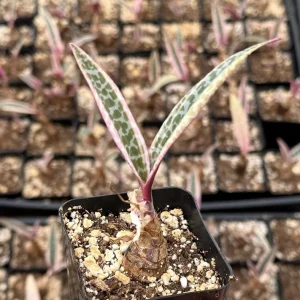
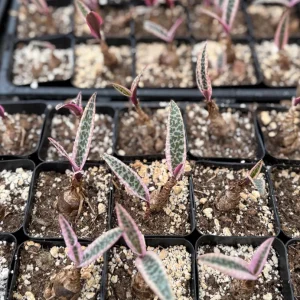
This offering is for one variegated silver squill live plant, meticulously cultivated and ready to thrive in its new home. Each plant comes established in a 2.5 inch nursery pot, providing a perfect starter size for immediate display or transplanting into a decorative container. The plant typically reaches a mature height of 6-12 inches, with a similar spread, forming attractive clusters over time. Its growth rate is moderate, allowing you to enjoy its evolving beauty without it quickly outgrowing its space.
The plant you receive will be a healthy specimen of Ledebouria Socialis ‘Variegata’, exhibiting the characteristic silver, green, and often pink variegation on its strap-like leaves. It is shipped as a rooted, live plant in its nursery pot, ensuring minimal transplant shock upon arrival. Expect the plant to continue growing and producing more offsets, eventually filling out its pot beautifully. This compact size makes it an ideal candidate for terrariums, fairy gardens, or as a charming addition to any desk or shelf. When you buy silver squill online from us, you’re getting a robust plant ready to flourish.
Frequently Asked Questions
- Q: How big does this plant get? A: The variegated silver squill live plant typically grows to a height of 6 to 12 inches, with a similar spread as it produces offsets and forms clusters. Its compact nature makes it ideal for smaller spaces.
- Q: What size pot does it come in? A: Each variegated silver squill live plant is shipped in a 2.5 inch nursery pot, providing a healthy root system and allowing for easy transition to your preferred decorative planter.
- Q: Is this an indoor or outdoor plant? A: While it can tolerate outdoor conditions in warm climates (USDA Zones 9-11), the pink silver squill is primarily grown as an indoor houseplant in most regions due to its sensitivity to cold temperatures.
- Q: How much sunlight does it need? A: It prefers bright, indirect light. Direct afternoon sun can scorch its leaves, so a spot near an east or south-facing window with filtered light is ideal for optimal variegation and growth.
- Q: Is this plant easy to care for? A: Yes, the ledebouria socialis care requirements are quite minimal. It’s a very forgiving plant, making it a great choice for beginners and those with busy schedules. Its drought tolerance is a major plus.
- Q: What condition will it arrive in? A: Your variegated silver squill live plant will arrive as a healthy, rooted specimen in its nursery pot, carefully packaged to ensure its safe journey and ready to be placed in your home.
- Q: Is it shipped in soil? A: Yes, the plant is shipped fully rooted in its original nursery soil and pot to minimize stress and make for an easy transition upon arrival.
- Q: When is the best time to plant or repot? A: The best time to repot your variegated silver squill live plant is during its active growing season in spring or early summer. For indoor plants, it can generally be done year-round if conditions are stable.
- Q: How often should I water my silver squill? A: Water thoroughly only when the top 1-2 inches of soil are completely dry. Reduce watering significantly during the cooler, dormant months to prevent root rot.
- Q: What are the main benefits of owning this plant? A: Beyond its stunning visual appeal with unique variegation, the silver squill plant benefits include being low maintenance, compact, and drought-tolerant, making it a rewarding and easy-to-care-for addition to any indoor space.
Be the first to review “Variegated Silver Squill Live Plant – Ledebouria Socialis Pink – 2.5 Inch Pot – Indoor Houseplant”
-
USDA Hardiness Zone
USDA zones 9–11 (outdoors); suitable for all zones indoors -
Soil Type
Well-draining potting mix; succulent/cactus mix recommended -
Sunlight Exposure
Bright indirect light -
Expected Planting Period
Year-round indoors
People Also Viewd


Sold 128 products
Original price was: $89.99.$64.99Current price is: $64.99.

Sold 128 products
Original price was: $27.00.$24.00Current price is: $24.00.
Sold 126 products
Original price was: $159.99.$139.99Current price is: $139.99.

Sold 126 products
Original price was: $3,536.00.$23.99Current price is: $23.99.

Sold 125 products
Original price was: $86.99.$66.99Current price is: $66.99.
Sold 116 products
Original price was: $27.99.$16.99Current price is: $16.99.

Flower Bulbs
3 Cranesbill Wild Geranium Organic Maculatums Bare Roots | Wildflower for Outdoor Garden
Sold 114 products
Original price was: $21.99.$6.99Current price is: $6.99.

Sold 114 products
Original price was: $28.99.$17.99Current price is: $17.99.RELATED posts
Yellow Dragon Fruit Plant Care: The Ultimate Guide for Healthy Growth
The yellow dragon fruit plant is a unique and rewarding addition to any home garden, [...]
Apr
How to Identify Bocking 14 Comfrey: 5 Simple Visual Signs
If you’re growing comfrey for mulch, compost, or animal feed, knowing exactly which variety you [...]
Mar
Grand Duke of Tuscany Jasmine: The Ultimate Guide to Growing a Fragrant Masterpiece
Have you ever caught a scent in the air so rich, creamy, and honey-sweet that [...]
Mar
How to Grow Wild Huckleberries: A Guide to “Purple Gold”
Have you ever spent a summer afternoon hiking through the Pacific Northwest or the Rocky [...]
Mar
5 Best Shade-Loving Perennials for a Lush, Vibrant Garden
The world of gardening often shines a spotlight on sun-drenched blossoms, but there is a [...]
Mar
7 Common Curry Leaf Plant Problems: Easy Fixes for a Thriving Plant
Is your curry leaf plant looking a bit sad lately? Maybe you woke up to [...]
Mar
Best Time to Plant Bougainvillea: Timing for Vibrant Blooms
If you’re looking for a hardy tropical vine that delivers a riot of neon color, [...]
Feb
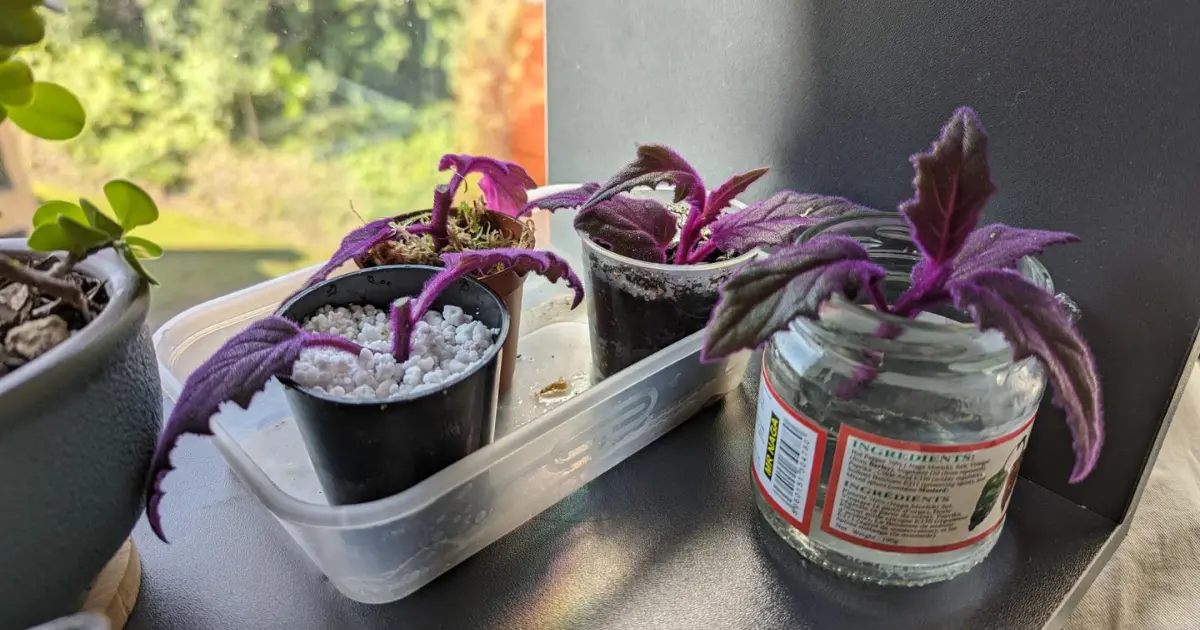
How to Propagate Purple Passion Plants (Gynura aurantiaca)
Have you ever been mesmerized by the neon-purple glow and fuzzy, velvet-like leaves of a [...]
Feb
Reviews
There are no reviews yet.