

Weeping Willow Tree Cuttings – 12 Unrooted Salix babylonica – Fast Growing
Original price was: $41.79.$21.79Current price is: $21.79.
Cultivate stunning landscapes with our weeping willow tree cuttings. This set includes 12 unrooted Salix babylonica cuttings, ready for propagation. Enjoy the beauty of these fast growing willow trees, perfect for adding elegance to any garden or waterside.
Estimated arrival
Apr 06
Apr 11 - Apr 13
Apr 16 - Apr 20

Reasonable Price
We offer reasonable price

Support 24/7
Contact us 24 hrs a day

100% Money Back
You've 30 days to Return

Payment Secure
100% secure payment
Overview
Transform your garden into a serene oasis with a set of weeping willow tree cuttings. This offering provides 12 high-quality, unrooted cuttings of the classic Weeping Willow, scientifically known as Salix babylonica cuttings. Renowned for their dramatic, cascading branches and rapid growth, these trees create a picturesque focal point in any landscape. Whether you’re looking to establish a new garden feature, enhance a pond or stream bank, or simply admire the unique beauty of this species, these cuttings provide an excellent starting point for cultivating your own magnificent Weeping Willow trees. The ease of propagation from cuttings makes this an accessible project for both novice and experienced gardeners.
The Weeping Willow is a deciduous tree celebrated for its graceful, sweeping form and vibrant green foliage. It is a symbol of peace and tranquility in many cultures, offering shade and a soothing aesthetic. These unrooted cuttings are carefully selected to ensure viability and robust growth once established. With proper care, these cuttings will quickly develop into strong, healthy saplings, ready to bring their distinctive charm to your outdoor space.
Key Benefits
Cultivating weeping willow tree cuttings offers numerous advantages for your garden and personal enjoyment. These trees are not only visually appealing but also contribute positively to the environment.
- Rapid Growth: Weeping willows are famous for being incredibly fast growing willow trees, quickly establishing themselves and providing shade and beauty in just a few years. This rapid development means you won’t have to wait long to enjoy the full splendor of your new trees.
- Elegant Landscape Feature: The iconic drooping branches and slender leaves create a striking silhouette, making it an ideal specimen tree for lawns, near water features, or as a natural screen. Its unique form adds a touch of sophistication and movement to any garden design.
- Erosion Control: Due to their extensive root systems, weeping willows are excellent for stabilizing soil, especially along riverbanks, ponds, and slopes, helping to prevent erosion and maintain landscape integrity.
- Wildlife Habitat: These trees provide shelter and nesting sites for various bird species and insects, contributing to the biodiversity of your garden. Their presence can attract beneficial wildlife, enhancing the natural ecosystem.
- Low Maintenance Once Established: After the initial rooting and establishment phase, weeping willow tree cuttings are relatively low maintenance. They are adaptable to a range of soil conditions and are generally robust against common pests and diseases.
- Air Purification: Like all trees, weeping willows help to purify the air by absorbing carbon dioxide and releasing oxygen, contributing to a healthier environment around your home.
- Versatile Planting: Ideal for a variety of settings, from large estates to suburban gardens, as long as they have adequate space and moisture. They can also be pruned to maintain a desired shape and size.
Plant Care & Growing Tips
Successfully propagating and growing weeping willow tree cuttings requires a few key steps to ensure strong root development and healthy growth. These trees thrive in specific conditions that mimic their natural habitat.
Sunlight Requirements: Weeping willows prefer full sun, meaning at least 6-8 hours of direct sunlight per day. While they can tolerate partial shade, their growth will be more vigorous and their form more characteristic in brighter conditions. For optimal results when you plant weeping willow, choose a location that receives ample sunlight throughout the day.
Watering Schedule and Soil Moisture: These trees are naturally found in moist environments, making consistent watering crucial, especially during the rooting and establishment phase. Keep the soil consistently moist but not waterlogged. Once established, they are more tolerant of varying moisture levels but will still benefit from regular watering, particularly during dry spells. Heavy watering is especially important when you grow weeping willow from cuttings.
Soil Type and Drainage: Weeping willows are adaptable to a wide range of soil types, but they prefer rich, moist, well-draining soil. They can tolerate clay soils as long as they don’t become waterlogged. A slightly acidic to neutral pH is ideal. When planting the Salix babylonica cuttings, consider amending the soil with compost to improve fertility and moisture retention.
Temperature Range and USDA Hardiness Zone: These trees are hardy and can thrive in USDA Hardiness Zones 4-9. They are tolerant of cold winters and hot summers, making them suitable for many regions across the United States. Ensure adequate protection for young cuttings if planting in areas with extreme temperature fluctuations.
Fertilization: Young cuttings typically do not require immediate fertilization. Once they begin to show significant growth, a balanced, slow-release fertilizer can be applied in early spring. Avoid over-fertilizing, as this can lead to excessive foliage growth at the expense of root development. Regular fertilization helps ensure your fast growing willow continues to thrive.
Common Problems and Solutions: Weeping willows are generally robust but can be susceptible to certain issues. Pests like aphids and caterpillars can be managed with insecticidal soap or neem oil. Fungal diseases such as powdery mildew can occur in humid conditions; ensure good air circulation and consider fungicide if severe. Proper pruning helps maintain tree health and shape.
Size & Details
This set includes 12 weeping willow tree cuttings, each unrooted and ready for propagation. The cuttings are typically harvested from mature, healthy trees to ensure genetic vigor and desirable characteristics. While the exact length of each cutting can vary, they are generally sized to optimize rooting success, typically ranging from 8 to 12 inches. These cuttings are designed to be planted directly into moist soil or water for rooting.
Weeping willows are known for their impressive mature size, typically reaching heights of 30-50 feet with a similar spread. They exhibit a moderate to fast growth rate, especially once established, adding several feet of height per year. The leaves are slender, bright green, and turn a lovely yellow in the fall before dropping. The unrooted form allows you to easily start your own collection and observe the fascinating process of root development. With proper care, these cuttings can develop into substantial trees within a few years, offering significant shade and aesthetic appeal.
Frequently Asked Questions
- Q: How big does a Weeping Willow tree get? A: A mature Weeping Willow tree can typically reach heights of 30 to 50 feet and spread equally wide, creating a large, graceful canopy. Its size makes it ideal for larger landscapes where it has room to grow.
- Q: What condition will the cuttings arrive in? A: Your weeping willow tree cuttings will arrive unrooted, carefully packaged to maintain freshness and viability during transit. They will be ready for immediate planting in either water or soil to encourage rooting.
- Q: Is this an indoor or outdoor plant? A: Weeping Willows are primarily outdoor trees, requiring ample space and direct sunlight to thrive. They are not suitable for long-term indoor cultivation, though cuttings can be rooted indoors before transplanting outside.
- Q: How much sunlight do these cuttings need to establish? A: To successfully grow weeping willow from cuttings, they need at least 6-8 hours of direct sunlight per day. Adequate light is crucial for photosynthesis and robust root development.
- Q: Is it easy to plant weeping willow from cuttings? A: Yes, weeping willow cuttings are known for their ease of rooting. Simply place them in water or moist soil, and they will typically begin to develop roots within a few weeks, making them a great choice for beginners.
- Q: When is the best time to plant Weeping Willow cuttings? A: The ideal time to plant Salix babylonica cuttings is in early spring or late fall when the tree is dormant or just beginning its growth cycle. This allows them to establish roots before extreme weather conditions.
- Q: What USDA Hardiness Zone is suitable for Weeping Willows? A: Weeping Willows are hardy in USDA Zones 4-9, making them adaptable to a wide range of climates. They can withstand both cold winters and warm summers in these zones.
- Q: How long does it take for fast growing willow cuttings to root? A: Typically, weeping willow tree cuttings will begin to show roots within 2-4 weeks when placed in water or consistently moist soil. Transplanting to the ground should occur once a strong root system has developed.
- Q: Can these trees be grown near foundations or septic systems? A: Due to their aggressive and wide-spreading root systems, it is generally not recommended to plant weeping willows close to building foundations, septic systems, or underground pipes, as roots can cause damage.
- Q: Do these cuttings require any special soil? A: While adaptable, weeping willow cuttings prefer rich, moist, well-draining soil. Amending with organic matter can help improve soil quality and support healthy growth for your future weeping willow tree.
Be the first to review “Weeping Willow Tree Cuttings – 12 Unrooted Salix babylonica – Fast Growing”
-
USDA Hardiness Zone
5 (-20 to -10 °F) -
Soil Type
Moist, well-draining soil -
Sunlight Exposure
Full Sun -
Expected Planting Period
Spring, Summer
People Also Viewd
Sold 128 products
Original price was: $27.00.$24.00Current price is: $24.00.
Sold 128 products
Original price was: $89.99.$64.99Current price is: $64.99.
Sold 127 products
Original price was: $159.99.$139.99Current price is: $139.99.
Sold 126 products
Original price was: $3,536.00.$23.99Current price is: $23.99.

Sold 125 products
Original price was: $86.99.$66.99Current price is: $66.99.
Sold 116 products
Original price was: $27.99.$16.99Current price is: $16.99.
Sold 114 products
Original price was: $28.99.$17.99Current price is: $17.99.
Flower Bulbs
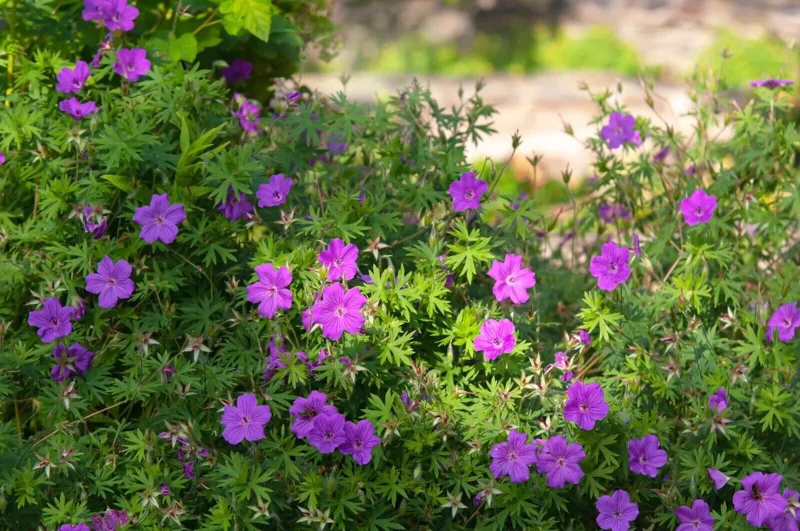
3 Cranesbill Wild Geranium Organic Maculatums Bare Roots | Wildflower for Outdoor Garden
Sold 114 products
Original price was: $21.99.$6.99Current price is: $6.99.RELATED posts

Yellow Dragon Fruit Plant Care: The Ultimate Guide for Healthy Growth
The yellow dragon fruit plant is a unique and rewarding addition to any home garden, [...]
Apr
How to Identify Bocking 14 Comfrey: 5 Simple Visual Signs
If you’re growing comfrey for mulch, compost, or animal feed, knowing exactly which variety you [...]
Mar
Grand Duke of Tuscany Jasmine: The Ultimate Guide to Growing a Fragrant Masterpiece
Have you ever caught a scent in the air so rich, creamy, and honey-sweet that [...]
Mar
How to Grow Wild Huckleberries: A Guide to “Purple Gold”
Have you ever spent a summer afternoon hiking through the Pacific Northwest or the Rocky [...]
Mar
5 Best Shade-Loving Perennials for a Lush, Vibrant Garden
The world of gardening often shines a spotlight on sun-drenched blossoms, but there is a [...]
Mar

7 Common Curry Leaf Plant Problems: Easy Fixes for a Thriving Plant
Is your curry leaf plant looking a bit sad lately? Maybe you woke up to [...]
Mar

Best Time to Plant Bougainvillea: Timing for Vibrant Blooms
If you’re looking for a hardy tropical vine that delivers a riot of neon color, [...]
Feb
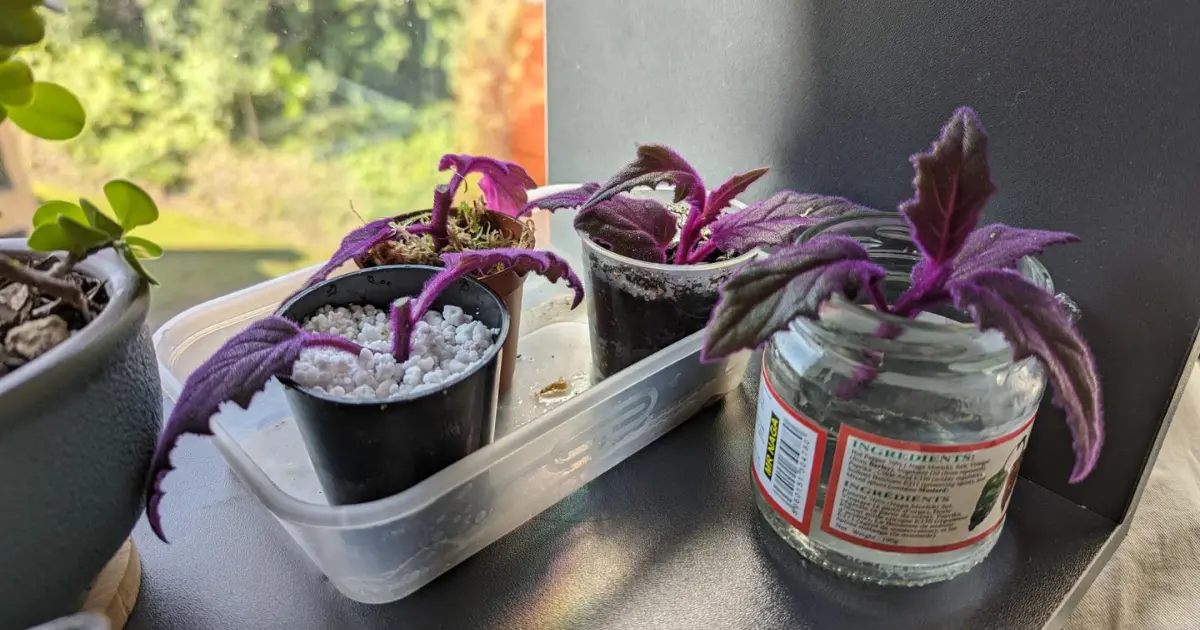
How to Propagate Purple Passion Plants (Gynura aurantiaca)
Have you ever been mesmerized by the neon-purple glow and fuzzy, velvet-like leaves of a [...]
Feb



Reviews
There are no reviews yet.