
Wild Huckleberry Live Plant – 3-6 inch Tall, 3 inch Pot – Edible Berry Shrub
Original price was: $29.99.$15.99Current price is: $15.99.
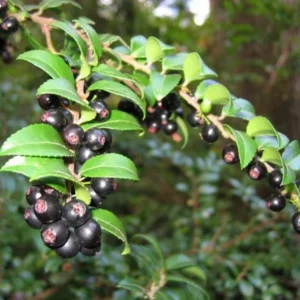
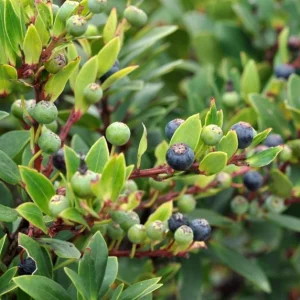
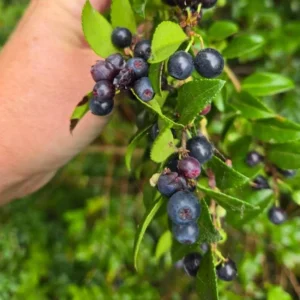
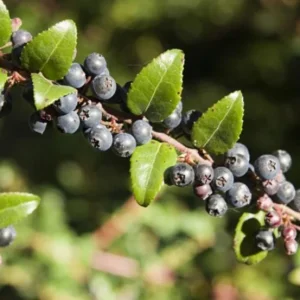
Bring the taste of the wild to your garden with this wild huckleberry live plant. Perfect for woodland and shade areas, this edible berry shrub produces flavorful dark berries. Ships as a starter plant, 3-6 inches tall in a 3-inch pot.
Estimated arrival
Apr 07
Apr 12 - Apr 14
Apr 17 - Apr 21

Reasonable Price
We offer reasonable price

Support 24/7
Contact us 24 hrs a day

100% Money Back
You've 30 days to Return

Payment Secure
100% secure payment
Overview
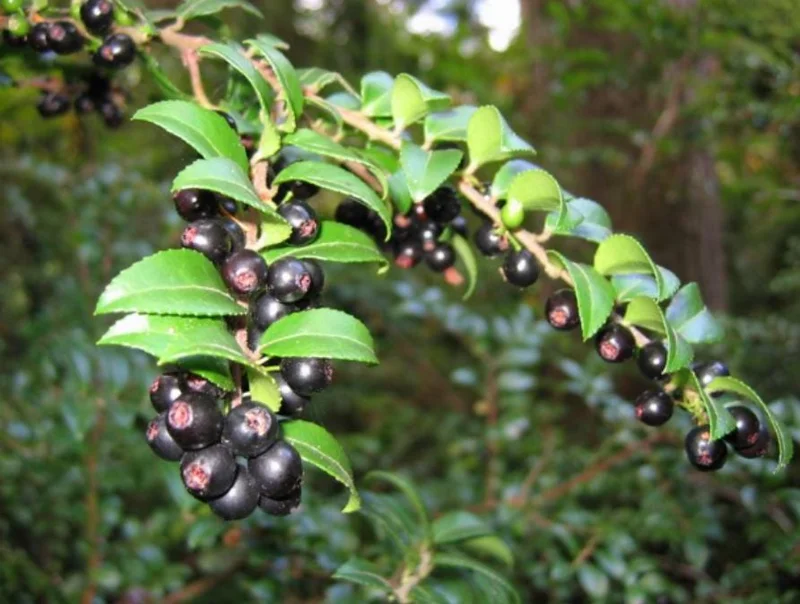
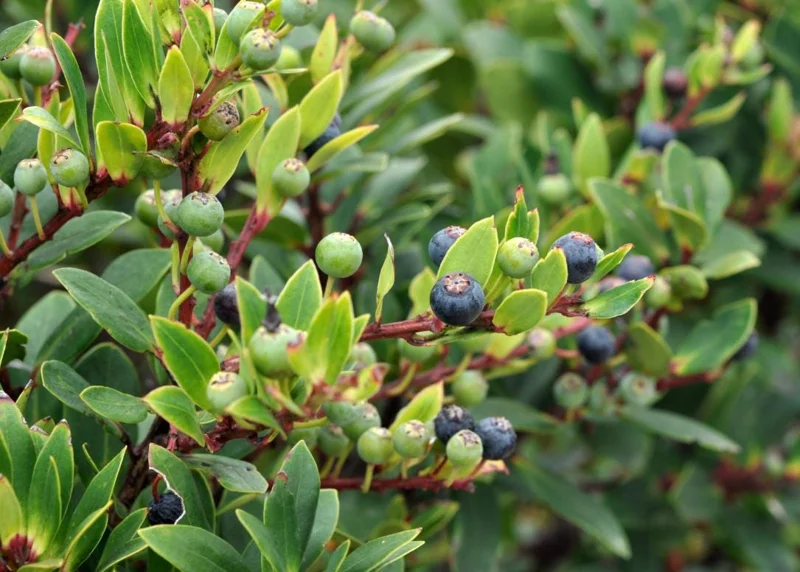
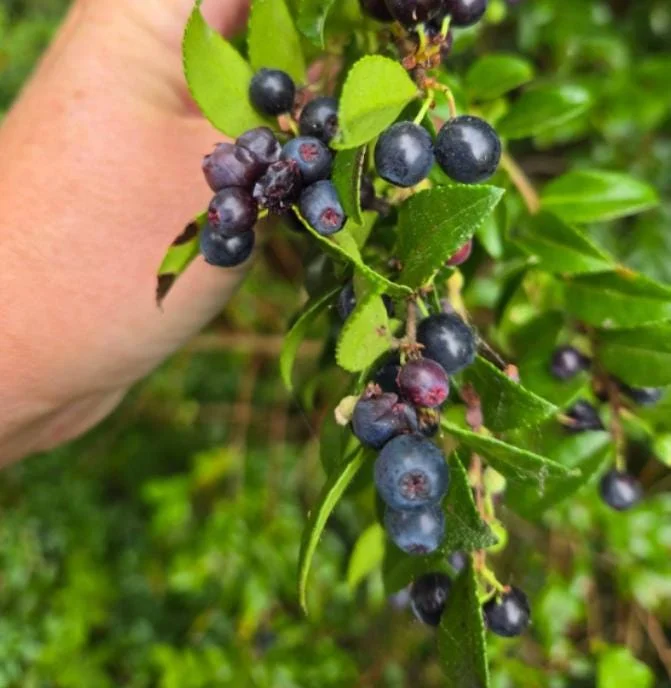
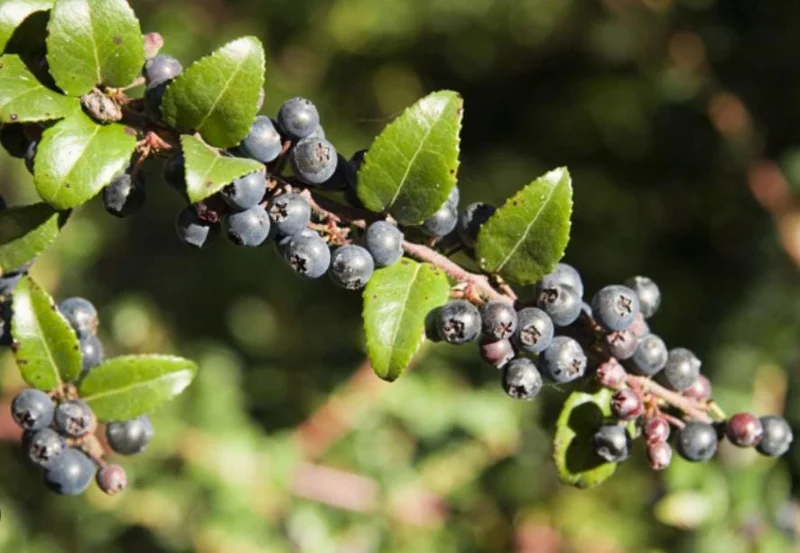
Discover the joy of growing your own delicious berries with the wild huckleberry live plant. This exquisite edible berry shrub, known botanically as Vaccinium spp., is a highly prized native plant celebrated for its small, intensely flavorful dark berries and attractive foliage. Ideal for creating a naturalistic feel in your landscape, this plant thrives in woodland settings and partial shade, making it a versatile addition to many garden types. Our offering is a starter plant, measuring 3-6 inches tall, provided in a 3-inch pot, ready to establish itself in your garden. The native huckleberry plant is a wonderful choice for those looking to add both beauty and bounty to their outdoor spaces, particularly in areas where other fruit-bearing plants might struggle due to light conditions. Experience the rewarding process of nurturing this plant from a young stage to a mature, fruit-producing shrub, bringing a taste of the wild to your home.
The wild huckleberry live plant is not just about its delicious fruit; it also offers significant ecological benefits. As a native species, it supports local wildlife, providing food for birds and other small animals, and contributes to the biodiversity of your garden. Its charming appearance, with delicate foliage and small bell-shaped flowers that precede the berries, adds ornamental value throughout the seasons. This resilient shrub is an excellent choice for gardeners seeking sustainable and low-maintenance options that deliver both aesthetic appeal and a bountiful harvest. Whether you’re an experienced gardener or just starting, this plant offers a unique and rewarding growing experience.
Key Benefits
Adding a wild huckleberry live plant to your garden provides numerous advantages, from delicious harvests to ecological contributions:
- Delicious Edible Berries: Enjoy small, dark, and intensely flavorful berries that are perfect for fresh eating, baking, jams, and preserves. The taste of these wild berries is truly unique and a delightful culinary experience.
- Native Species for Local Ecosystems: As a native huckleberry plant, it supports local wildlife, providing essential food sources for birds and other small animals, enhancing biodiversity in your garden.
- Thrives in Woodland & Shade Gardens: This shrub is perfectly suited for areas with partial shade or dappled sunlight, making it an excellent choice for challenging spots where other fruit plants might not flourish. It’s an ideal shade garden plant.
- Attractive Foliage: Beyond its fruit, the wild huckleberry offers appealing green foliage that adds texture and interest to your landscape throughout the growing season.
- Low Maintenance & Hardy: Once established, this edible berry shrub is relatively low-maintenance and hardy, capable of thriving in its preferred conditions with minimal intervention.
- Versatile Culinary Use: The berries can be used in a wide array of recipes, from pies and muffins to sauces and smoothies, adding a unique tart-sweet flavor profile.
- Sustainable Gardening Choice: Opting for a native plant like the wild huckleberry promotes sustainable gardening practices and helps preserve regional plant diversity.
Plant Care & Growing Tips
Caring for your wild huckleberry live plant involves providing conditions that mimic its natural woodland habitat. These plants thrive in USDA zones 4–8, though specific hardiness can vary by species within Vaccinium spp.. They require acidic, well-drained soil that is rich in organic matter, with an ideal pH range of 4.5–5.5. Prior to planting, it’s beneficial to amend your soil with peat moss or pine bark to achieve the necessary acidity and improve drainage. Full sun to partial shade is best; while more sun can lead to increased fruit production, protection from intense afternoon sun is vital, especially in hotter climates. For optimal growth and fruiting, aim for at least 4-6 hours of direct sunlight daily, or dappled shade throughout the day.
Consistent moisture is crucial for the wild huckleberry live plant, particularly during flowering and fruiting periods. The soil should be kept consistently moist but never waterlogged. Mulching with pine needles, pine bark, or wood chips is highly recommended. This not only helps retain soil moisture and suppress weeds but also slowly acidifies the soil as it decomposes, maintaining the ideal pH for your edible berry shrub. Fertilize sparingly in early spring with an acid-loving plant fertilizer, following product instructions carefully. Avoid fertilizers high in nitrogen, which can harm huckleberries. Pruning is generally minimal, focusing on removing dead or weak branches in late winter to encourage new growth and better air circulation. Watch out for common pests like aphids or diseases like powdery mildew, addressing them promptly with organic solutions if they appear.
When planting, dig a hole twice as wide as the root ball and just as deep. Gently loosen the roots before placing the plant in the hole, ensuring the top of the root ball is level with the surrounding soil. Backfill with your amended soil, gently firming it around the base. Water thoroughly after planting to settle the soil. Regular monitoring of soil moisture and pH will help ensure your wild huckleberry live plant establishes well and produces a bountiful harvest year after year. For those interested in the Vaccinium species, understanding these specific needs is key to success.
Size & Details
This offering is for one wild huckleberry live plant, which arrives as a starter plant. The plant typically measures 3-6 inches in height from the top of the soil, and it is rooted in a 3-inch nursery pot. This size is ideal for transplanting into its permanent garden location or a larger container. While it is a young plant, with proper care, it will grow into a mature edible berry shrub. Huckleberries generally have a moderate growth rate, reaching mature heights of 2-5 feet, and a similar spread, depending on the specific Vaccinium species and growing conditions. Expect the plant to establish its root system and produce its first significant berry harvest within 2-3 years, though some fruit may appear sooner. The plant is carefully packaged to ensure it arrives healthy and ready for planting, offering a strong start to your native huckleberry plant journey.
As a perennial, this shrub will return year after year, growing larger and more productive with each season. The berries typically ripen in mid to late summer, offering a delightful treat. The mature size and yield of this shade garden plant will depend on your local climate, soil quality, and care regimen. Providing ample space for growth and ensuring consistent moisture and acidic soil will yield the best results for this rewarding berry producer. This particular Vaccinium species is selected for its hardiness and ability to adapt to varying garden conditions within its optimal zones.
Frequently Asked Questions
- Q: How big will my wild huckleberry live plant get? A: Your wild huckleberry live plant will arrive as a starter plant, typically 3-6 inches tall. With proper care, it can grow to a mature height and spread of 2-5 feet, depending on the specific species and growing conditions. Its mature size makes it a perfect edible berry shrub for various garden settings.
- Q: Is this an indoor or outdoor plant? A: The wild huckleberry live plant is an outdoor shrub. It is best suited for planting in garden beds, woodland areas, or large outdoor containers where it can receive adequate sunlight and space to grow. It is not generally grown as an indoor houseplant.
- Q: How much sunlight does a native huckleberry plant need? A: A native huckleberry plant thrives in full sun to partial shade. For the best fruit production, aim for at least 4-6 hours of direct sunlight per day, ideally with some protection from intense afternoon sun, especially in warmer climates. It’s a great shade garden plant.
- Q: Is this plant easy to care for? A: Once established, the wild huckleberry live plant is relatively low-maintenance. Its primary requirements are acidic, well-draining soil and consistent moisture. Providing these conditions makes it a straightforward plant for most gardeners.
- Q: When is the best time to plant wild huckleberries? A: The best time to plant your wild huckleberry live plant is in spring after the last frost or in early fall before the ground freezes. This allows the plant time to establish its root system before extreme weather conditions.
- Q: What kind of soil does this Vaccinium species prefer? A: This Vaccinium species requires highly acidic, well-draining soil rich in organic matter. An ideal pH range is 4.5–5.5. Amending your soil with peat moss or pine bark is often recommended to achieve these conditions for your edible berry shrub.
- Q: Will the wild huckleberry plant survive winter in my zone? A: Wild huckleberries are hardy in USDA zones 4–8, meaning they are well-adapted to survive winter temperatures within this range. Ensure adequate mulching in colder zones to protect the roots.
- Q: What condition will the plant arrive in? A: Your wild huckleberry live plant will arrive as a healthy, rooted starter plant in a 3-inch pot, carefully packaged to minimize stress during transit, ready for immediate planting.
- Q: Can I grow this plant in a container? A: Yes, you can grow a wild huckleberry live plant in a container, especially if your native soil isn’t suitable. Choose a large pot with good drainage and use an acidic potting mix. Remember that container plants may require more frequent watering and feeding.
- Q: How long until my plant produces berries? A: While your wild huckleberry live plant is a starter, you can typically expect it to begin producing a significant harvest of berries within 2-3 years, once it has had time to establish and mature.
Be the first to review “Wild Huckleberry Live Plant – 3-6 inch Tall, 3 inch Pot – Edible Berry Shrub”
-
USDA Hardiness Zone
USDA zones 4-8 -
Soil Type
Acidic, well-draining soil rich in organic matter (pH 4.5-5.5) -
Sunlight Exposure
Full sun to partial shade -
Expected Planting Period
Spring to early fall
People Also Viewd
Sold 128 products
Original price was: $89.99.$64.99Current price is: $64.99.
Sold 128 products
Original price was: $27.00.$24.00Current price is: $24.00.
Sold 127 products
Original price was: $159.99.$139.99Current price is: $139.99.
Sold 126 products
Original price was: $3,536.00.$23.99Current price is: $23.99.

Sold 125 products
Original price was: $86.99.$66.99Current price is: $66.99.
Sold 116 products
Original price was: $27.99.$16.99Current price is: $16.99.
Flower Bulbs
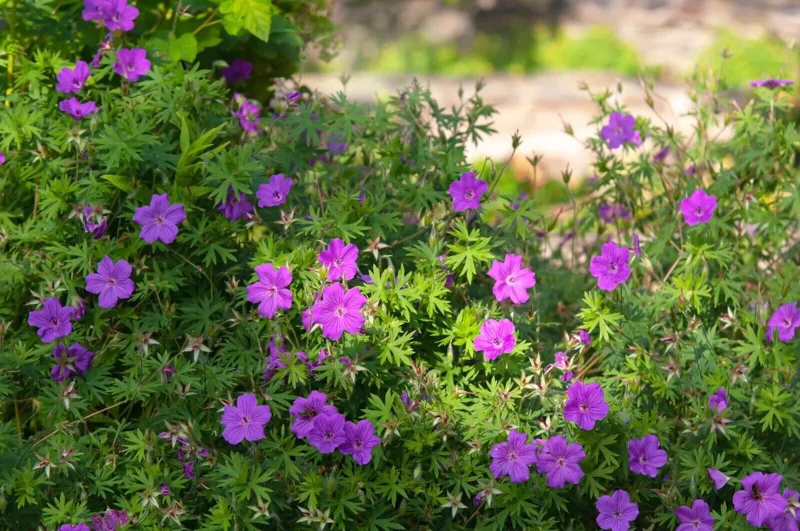
3 Cranesbill Wild Geranium Organic Maculatums Bare Roots | Wildflower for Outdoor Garden
Sold 114 products
Original price was: $21.99.$6.99Current price is: $6.99.
Sold 114 products
Original price was: $28.99.$17.99Current price is: $17.99.RELATED posts
Yellow Dragon Fruit Plant Care: The Ultimate Guide for Healthy Growth
The yellow dragon fruit plant is a unique and rewarding addition to any home garden, [...]
Apr
How to Identify Bocking 14 Comfrey: 5 Simple Visual Signs
If you’re growing comfrey for mulch, compost, or animal feed, knowing exactly which variety you [...]
Mar
Grand Duke of Tuscany Jasmine: The Ultimate Guide to Growing a Fragrant Masterpiece
Have you ever caught a scent in the air so rich, creamy, and honey-sweet that [...]
Mar
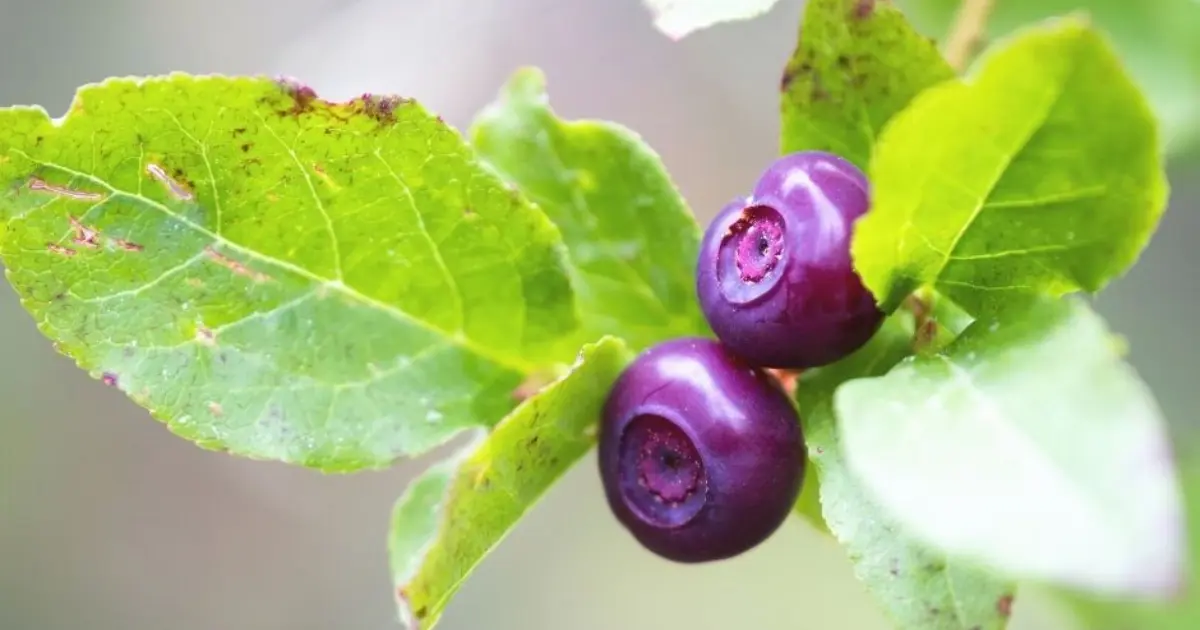
How to Grow Wild Huckleberries: A Guide to “Purple Gold”
Have you ever spent a summer afternoon hiking through the Pacific Northwest or the Rocky [...]
Mar
5 Best Shade-Loving Perennials for a Lush, Vibrant Garden
The world of gardening often shines a spotlight on sun-drenched blossoms, but there is a [...]
Mar
7 Common Curry Leaf Plant Problems: Easy Fixes for a Thriving Plant
Is your curry leaf plant looking a bit sad lately? Maybe you woke up to [...]
Mar
Best Time to Plant Bougainvillea: Timing for Vibrant Blooms
If you’re looking for a hardy tropical vine that delivers a riot of neon color, [...]
Feb
How to Propagate Purple Passion Plants (Gynura aurantiaca)
Have you ever been mesmerized by the neon-purple glow and fuzzy, velvet-like leaves of a [...]
Feb
Reviews
There are no reviews yet.