
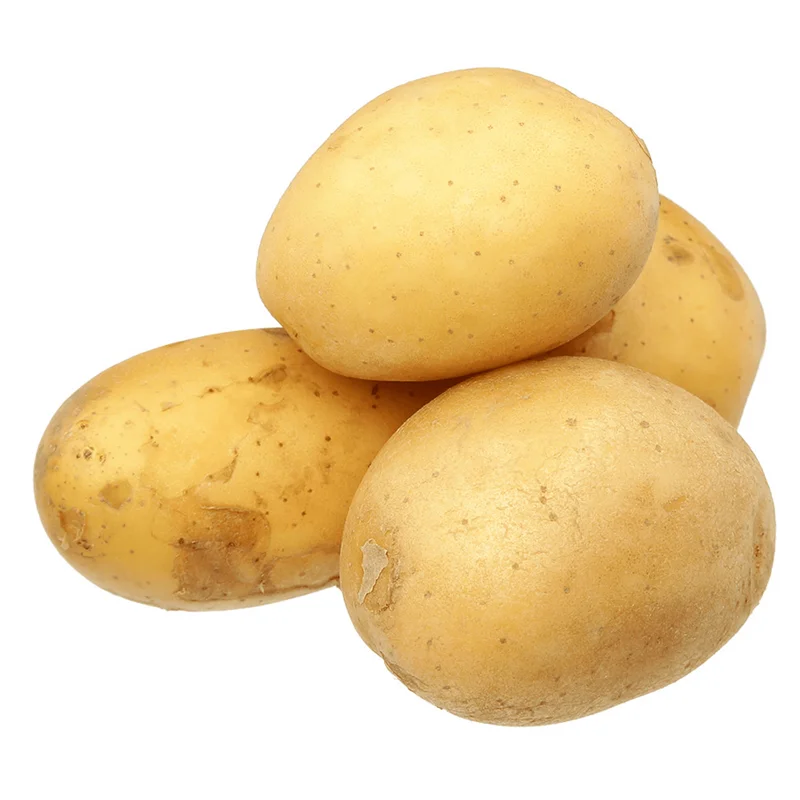
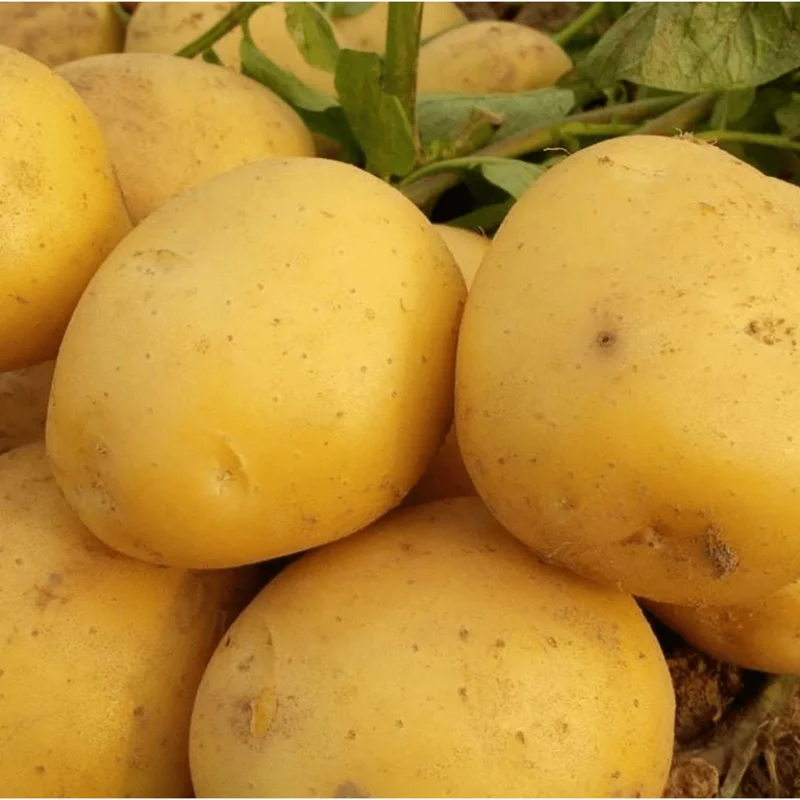
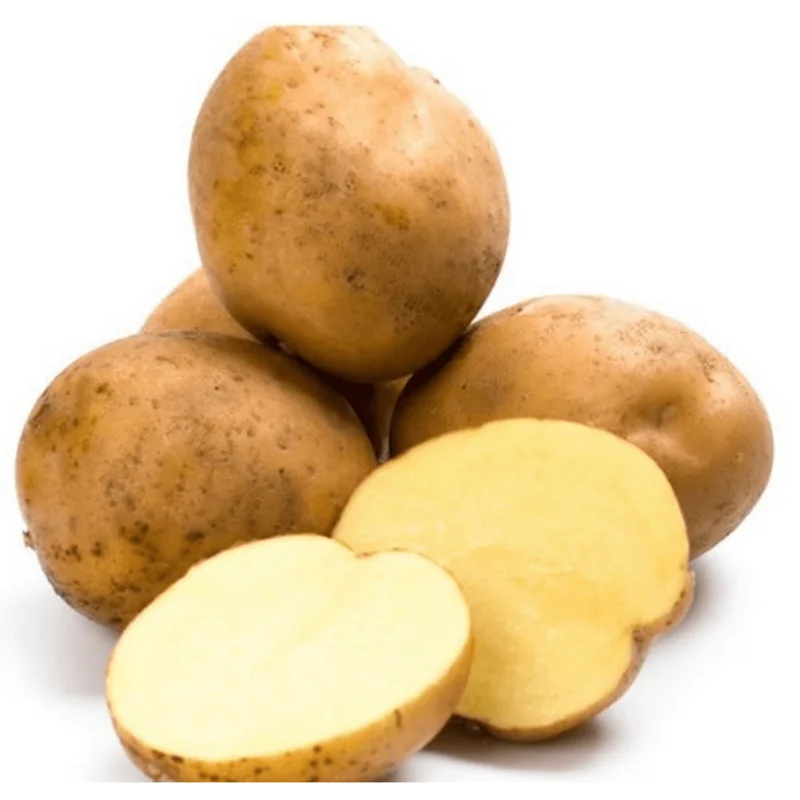
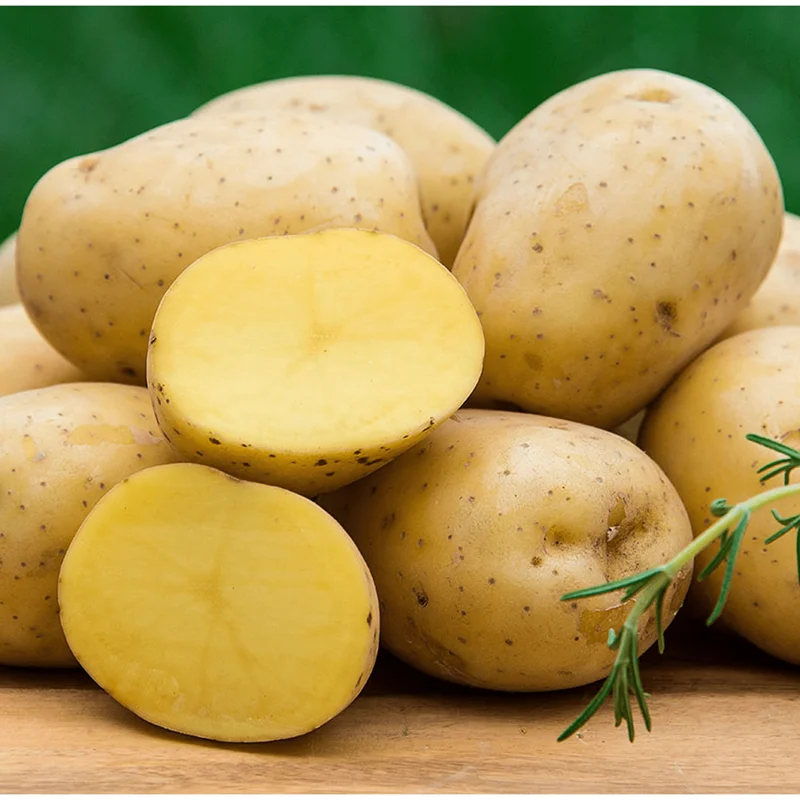
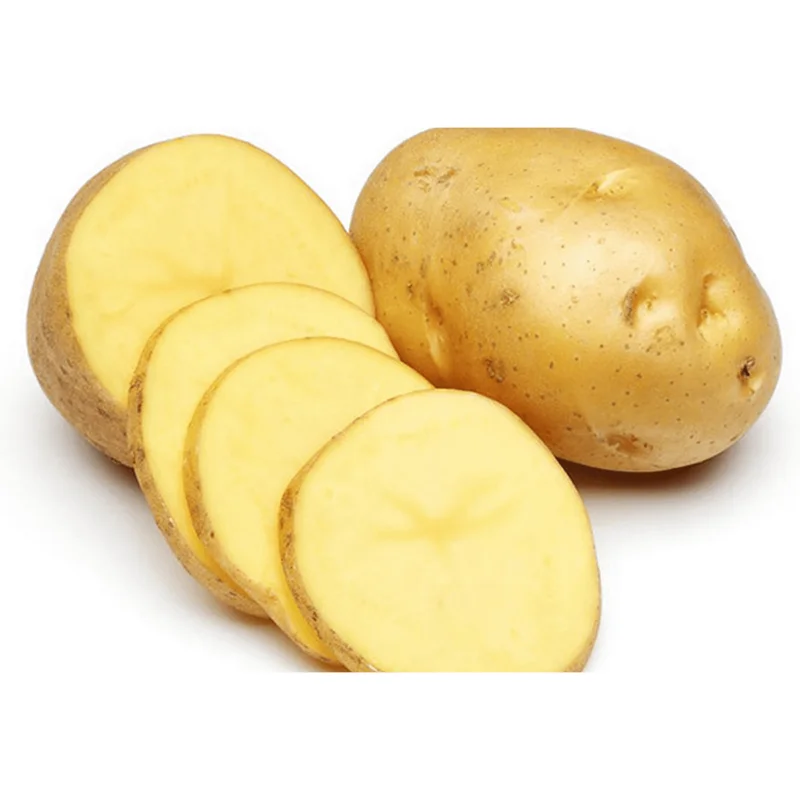
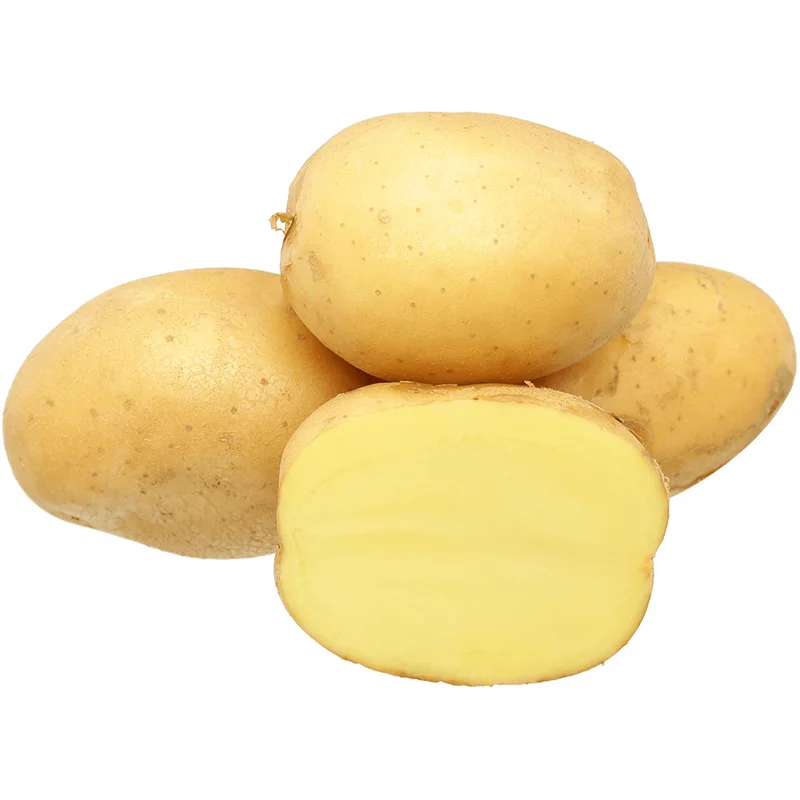
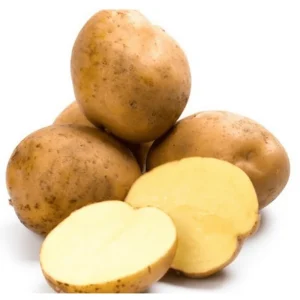
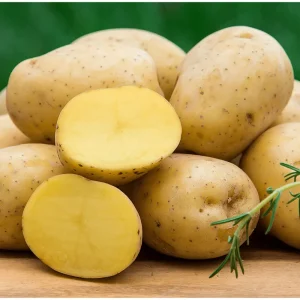
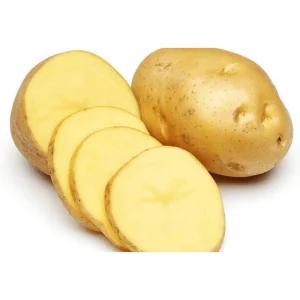
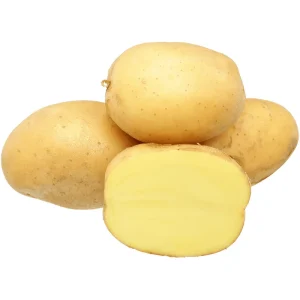
Yellow Potato Whole Tubers – 2 Lbs Seeds for Planting, Outdoor Vegetable
Original price was: $39.96.$29.96Current price is: $29.96.
Cultivate your own delicious yellow potatoes with these premium yellow potato tubers. Each 2 lbs pack contains whole potato seeds ready for planting in your garden. Enjoy fresh, homegrown vegetables with ease.
Estimated arrival
Apr 01
Apr 06 - Apr 08
Apr 11 - Apr 15

Reasonable Price
We offer reasonable price

Support 24/7
Contact us 24 hrs a day

100% Money Back
You've 30 days to Return

Payment Secure
100% secure payment
Overview
Embark on a rewarding gardening journey with our premium yellow potato tubers. This 2 lbs pack provides high-quality whole potato seeds, perfect for cultivating your own bountiful harvest of delicious yellow potatoes right in your backyard. Yellow potatoes (Solanum tuberosum) are a cool-weather vegetable, known for their versatile culinary uses and creamy texture. These tubers are specifically selected for planting, ensuring robust growth and excellent yields for home gardeners. Whether you’re a seasoned gardener or just starting, these potato tubers offer a straightforward and satisfying way to produce fresh, organic vegetables. Experience the joy of digging up your own golden treasures, knowing exactly where your food comes from.
Our yellow potato tubers are ideal for anyone looking to add a staple crop to their garden. They are vigorous growers, and with proper care, you can expect a generous yield. The process of growing yellow potatoes is not only productive but also incredibly gratifying, transforming simple tubers into a delicious food source. These aren’t just any potato seeds; they are whole tubers, providing a head start for healthy plant development and a strong root system. Get ready to enjoy the rich flavor and satisfying texture of homegrown yellow potatoes in all your favorite dishes.
Key Benefits
Discover the numerous advantages of planting our whole yellow potato tubers in your garden:
- Abundant Harvest: Each 2 lbs pack is designed to provide a generous yield of delicious yellow potatoes, ensuring you have plenty for your kitchen. Enjoy a continuous supply of fresh, homegrown produce throughout the season.
- Superior Flavor & Texture: Homegrown yellow potatoes often boast a richer, more authentic flavor and a creamy texture that surpasses store-bought varieties. Perfect for mashing, roasting, or baking.
- Easy to Plant & Grow: These whole tubers simplify the planting process, making it accessible for gardeners of all experience levels. Follow our simple guidelines for successful cultivation and watch your garden thrive.
- Nutrient-Rich Food Source: Potatoes are a fantastic source of essential vitamins and minerals, including Vitamin C, Vitamin B6, potassium, and fiber. Growing your own ensures a healthy addition to your diet.
- Rewarding Gardening Experience: The satisfaction of planting a small tuber and harvesting a bounty of potatoes is immense. It’s a fantastic way to connect with nature and enjoy the fruits of your labor.
- Versatile Culinary Ingredient: Yellow potato tubers are incredibly versatile in the kitchen. Use them in soups, stews, salads, or as a hearty side dish. The possibilities are endless for culinary creativity.
- Sustainable & Organic Potential: By plant yellow potatoes at home, you have full control over the growing conditions, allowing for organic practices and reducing your carbon footprint.
Plant Care & Growing Tips
To ensure a successful harvest of your yellow potato tubers, understanding their care requirements is key. Potatoes thrive in cool weather, making spring the ideal time for planting after the last frost. For optimal growth, tubers should be planted at a depth of 6-8 inches, spaced between 1 and 2 feet apart, with rows spaced 3 feet apart. When planting, place each piece of potato cut side down, ensuring the eyes are pointing upwards. This orientation encourages strong upward growth from the sprouting eyes.
Potatoes prefer light, loose, and well-drained soil in full sun. A trench of 6-8 inches deep, covered with 4 inches of soil, is an excellent starting point. As the potato plants grow, gradually mound soil around the emerging foliage, a process known as ‘hilling’. This protects the developing tubers from sunlight, which can turn them green and inedible, and also encourages more tubers to form. Regular watering is crucial, especially during flowering and dry periods. Ensure the top inch or two of soil dries out between waterings to prevent rot, but avoid letting the soil become completely parched. Consistent moisture is vital for healthy tuber development when you plant yellow potatoes.
Fertilization can boost your yield, with a balanced fertilizer applied at planting and again when the plants are about 6-8 inches tall. Monitor for common pests like potato beetles and diseases such as blight, taking appropriate organic measures if necessary. Harvesting typically occurs when the foliage begins to yellow and die back, usually 2-4 weeks after the plant has finished flowering. Carefully dig around the plant to reveal your delicious homegrown potatoes. Proper curing of harvested potatoes in a cool, dark, and well-ventilated area for a week or two will improve their storage life. For those interested in how to grow potatoes successfully, these detailed guidelines will provide a solid foundation for a bountiful harvest.
Size & Details
This product includes 2 lbs of whole yellow potato tubers, carefully selected and ready for planting. Each tuber is an individual ‘seed’ potato, ensuring viable growth and a strong start for your garden. While the exact number of tubers per 2 lbs can vary based on their individual size, this quantity is typically sufficient to plant a significant portion of a home garden bed, providing a substantial yield to enjoy. These tubers are ideal for outdoor planting and are known for their consistent performance in various climates.
Potatoes typically mature within 70-120 days from planting, depending on the variety and growing conditions. They are best suited for outdoor cultivation and will develop into full-sized plants that produce multiple edible potatoes beneath the soil. The tubers are shipped in a dormant state, ready to sprout once planted in appropriate conditions. Expect a moderate growth rate, with plants reaching heights of 1-3 feet. This pack of potato seeds for planting offers a practical and efficient way to start your potato patch.
Frequently Asked Questions
- Q: How much area will 2 lbs of yellow potato tubers cover? A: A 2 lbs bag of yellow potato tubers can typically plant a row of about 10-15 feet, depending on the spacing you use. This can yield a significant amount of potatoes for a home garden.
- Q: When is the best time to plant yellow potato tubers? A: The ideal time to plant yellow potatoes is 2-3 weeks after your last frost date in early spring, when the soil has warmed up slightly. They are a cool-weather crop.
- Q: Do these potato tubers need to be cut before planting? A: For these whole potato seeds for planting, cutting is not strictly necessary but can be done if tubers are very large. If cutting, ensure each piece has at least one ‘eye’ and allow the cut surfaces to cure (dry) for a day or two before planting to prevent rot.
- Q: How much sunlight do yellow potato plants need? A: Yellow potato plants thrive in full sun, requiring at least 6-8 hours of direct sunlight per day for optimal growth and tuber development.
- Q: How deep should I plant the potato tubers? A: Plant the yellow potato tubers at a depth of 6-8 inches, with the eyes pointing upwards. As the plant grows, gradually hill soil around the stems.
- Q: Are these yellow potato tubers organic? A: While we strive for quality, the organic status of these specific yellow potato tubers cannot be guaranteed without explicit certification. Please check packaging for details.
- Q: What kind of soil is best for growing yellow potatoes? A: Well-drained, loose, and slightly acidic to neutral soil (pH 5.0-7.0) is ideal for growing yellow potatoes. Amend heavy clay soils with compost to improve drainage.
- Q: How long does it take for yellow potatoes to grow? A: Most yellow potato varieties mature in about 70-120 days from planting. You’ll know they’re ready when the foliage begins to yellow and die back.
- Q: Can I grow these yellow potato tubers in containers? A: Yes, you can grow yellow potato tubers in large containers (at least 15-gallon capacity) or grow bags. Ensure good drainage and follow hilling instructions.
- Q: What are some common uses for yellow potatoes? A: Yellow potatoes are incredibly versatile. They are excellent for mashing, roasting, baking, making potato salads, or adding to soups and stews due to their creamy texture and rich flavor.
Be the first to review “Yellow Potato Whole Tubers – 2 Lbs Seeds for Planting, Outdoor Vegetable”
-
USDA Hardiness Zone
USDA zones 3-10 (as an annual) -
Soil Type
Light, loose, well-draining soil -
Sunlight Exposure
Full sun -
Expected Planting Period
Spring, after last frost
People Also Viewd
Sold 128 products
Original price was: $27.00.$24.00Current price is: $24.00.
Sold 127 products
Original price was: $89.99.$64.99Current price is: $64.99.
Sold 126 products
Original price was: $3,536.00.$23.99Current price is: $23.99.

Sold 125 products
Original price was: $86.99.$66.99Current price is: $66.99.
Sold 116 products
Original price was: $27.99.$16.99Current price is: $16.99.
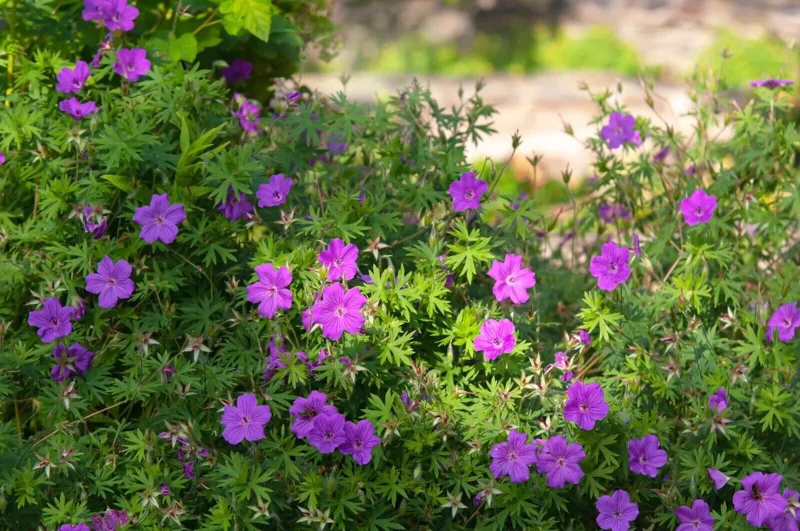
Flower Bulbs
3 Cranesbill Wild Geranium Organic Maculatums Bare Roots | Wildflower for Outdoor Garden
Sold 114 products
Original price was: $21.99.$6.99Current price is: $6.99.
Sold 114 products
Original price was: $28.99.$17.99Current price is: $17.99.
Sold 109 products
Original price was: $63.99.$28.99Current price is: $28.99.RELATED posts
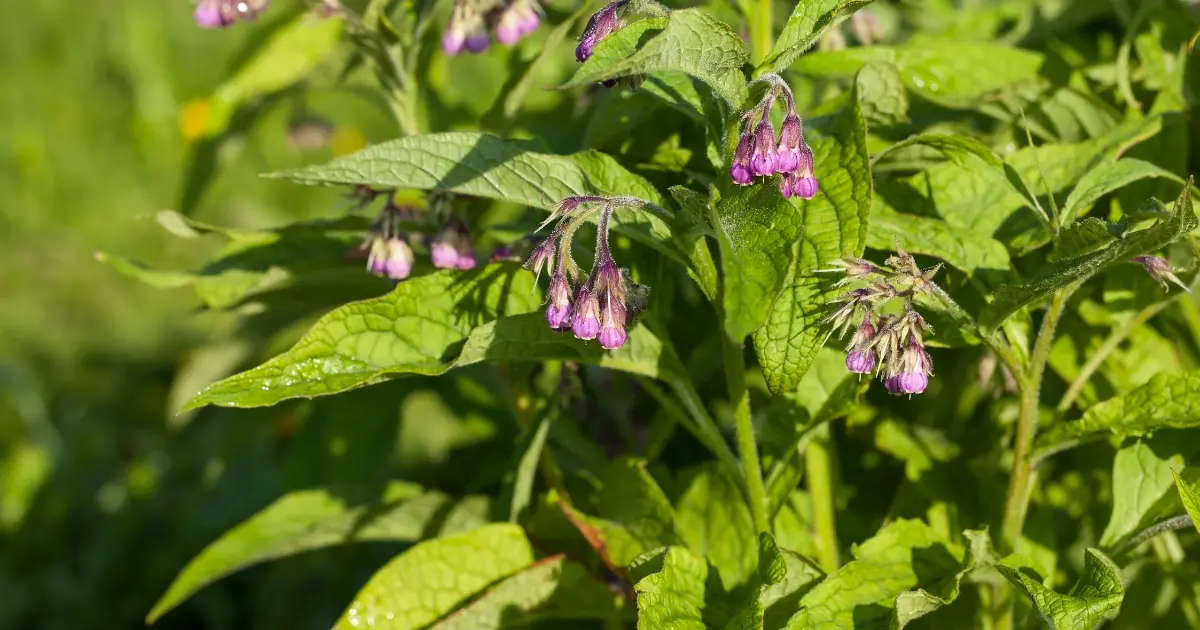
How to Identify Bocking 14 Comfrey: 5 Simple Visual Signs
If you’re growing comfrey for mulch, compost, or animal feed, knowing exactly which variety you [...]
Mar
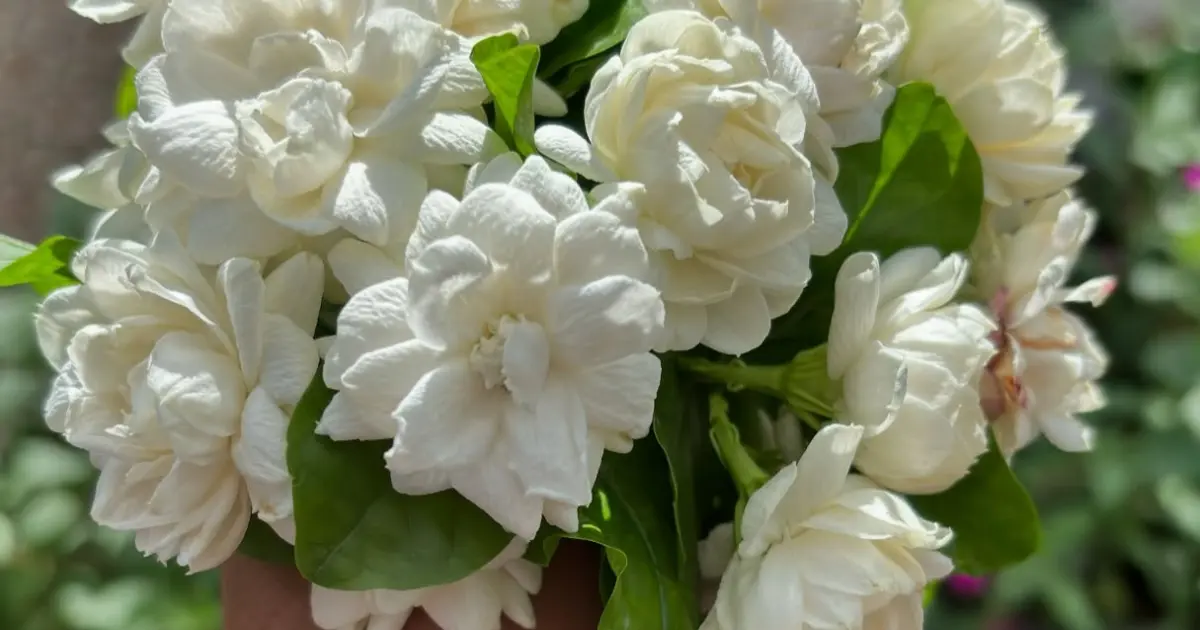
Grand Duke of Tuscany Jasmine: The Ultimate Guide to Growing a Fragrant Masterpiece
Have you ever caught a scent in the air so rich, creamy, and honey-sweet that [...]
Mar
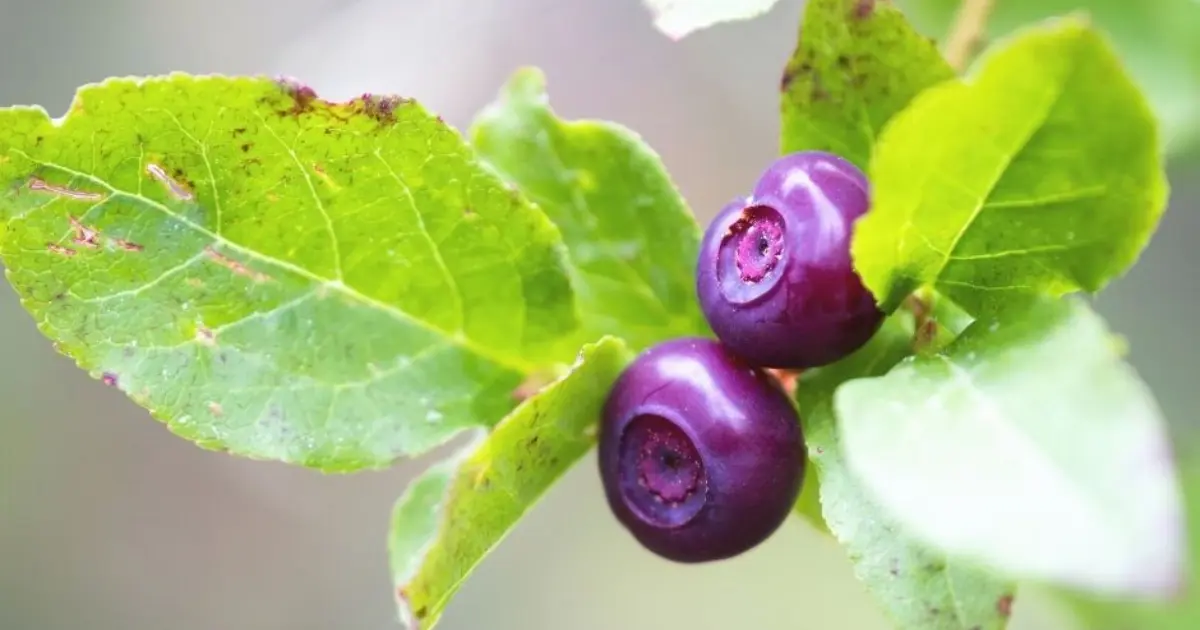
How to Grow Wild Huckleberries: A Guide to “Purple Gold”
Have you ever spent a summer afternoon hiking through the Pacific Northwest or the Rocky [...]
Mar
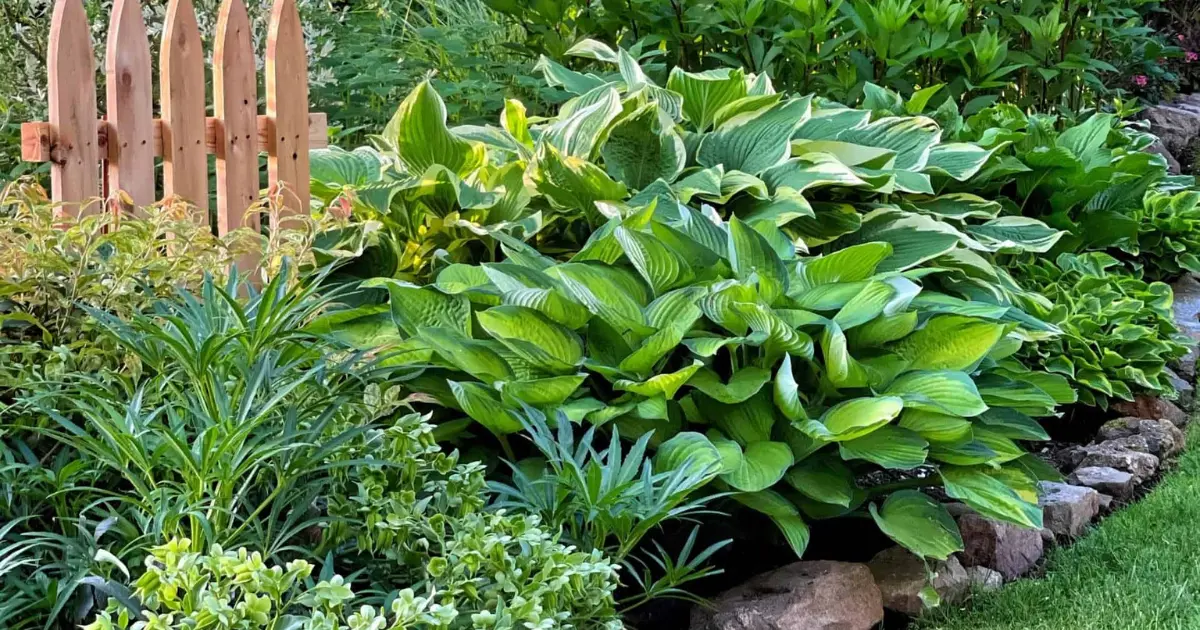
5 Best Shade-Loving Perennials for a Lush, Vibrant Garden
The world of gardening often shines a spotlight on sun-drenched blossoms, but there is a [...]
Mar

7 Common Curry Leaf Plant Problems: Easy Fixes for a Thriving Plant
Is your curry leaf plant looking a bit sad lately? Maybe you woke up to [...]
Mar
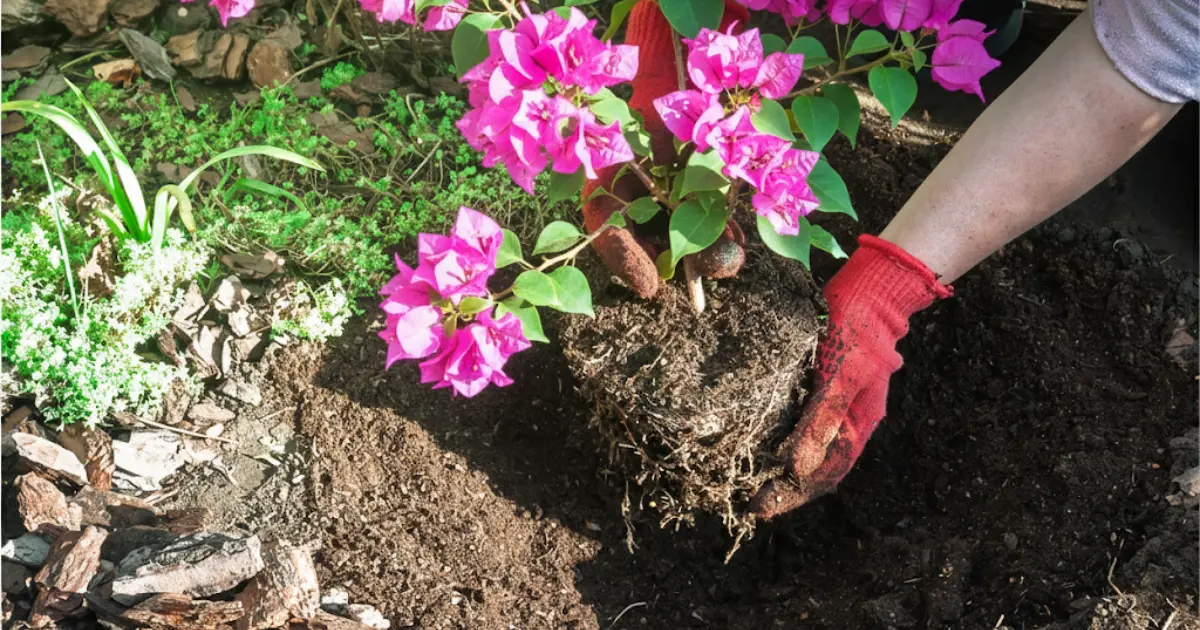
Best Time to Plant Bougainvillea: Timing for Vibrant Blooms
If you’re looking for a hardy tropical vine that delivers a riot of neon color, [...]
Feb
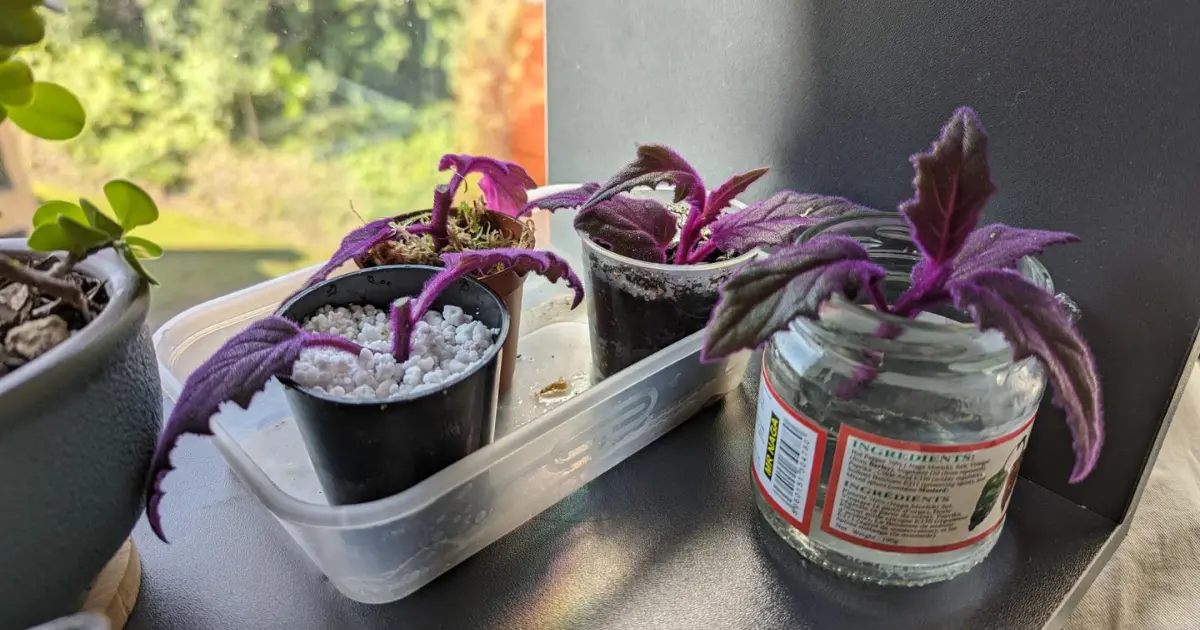
How to Propagate Purple Passion Plants (Gynura aurantiaca)
Have you ever been mesmerized by the neon-purple glow and fuzzy, velvet-like leaves of a [...]
Feb
How to Grow Beauregard Sweet Potatoes: From Slips to a Bountiful Harvest
Are you ready to add a classic, heavy-hitting favorite to your vegetable patch? If you’ve [...]
Feb
Reviews
There are no reviews yet.