



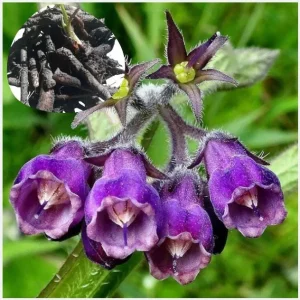
15 Packs Bocking 14 Comfrey Plant Roots – 4 Inch Bare Root Perennial
Original price was: $47.58.$25.99Current price is: $25.99.
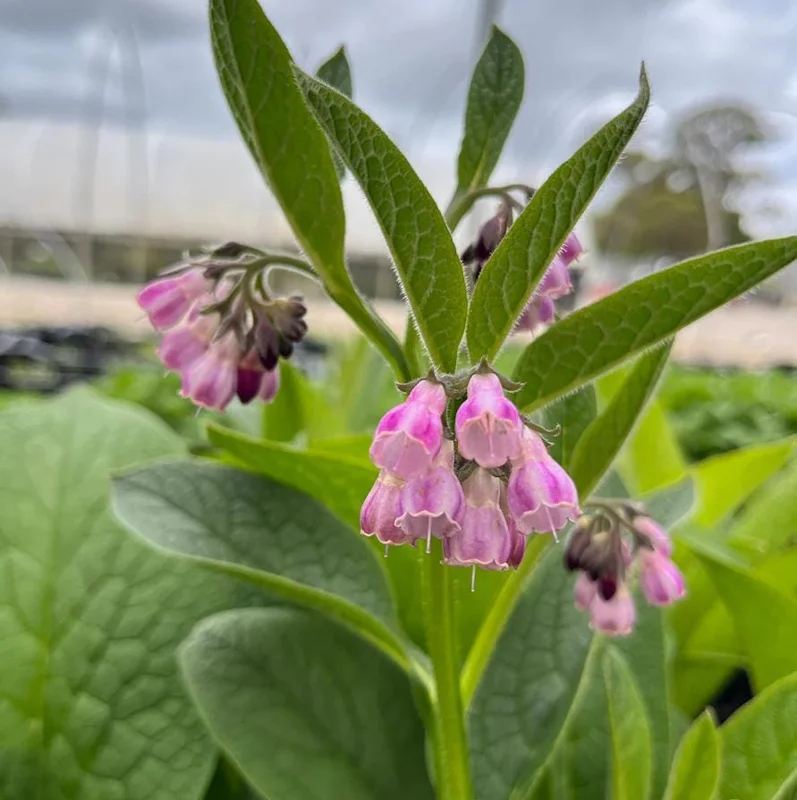
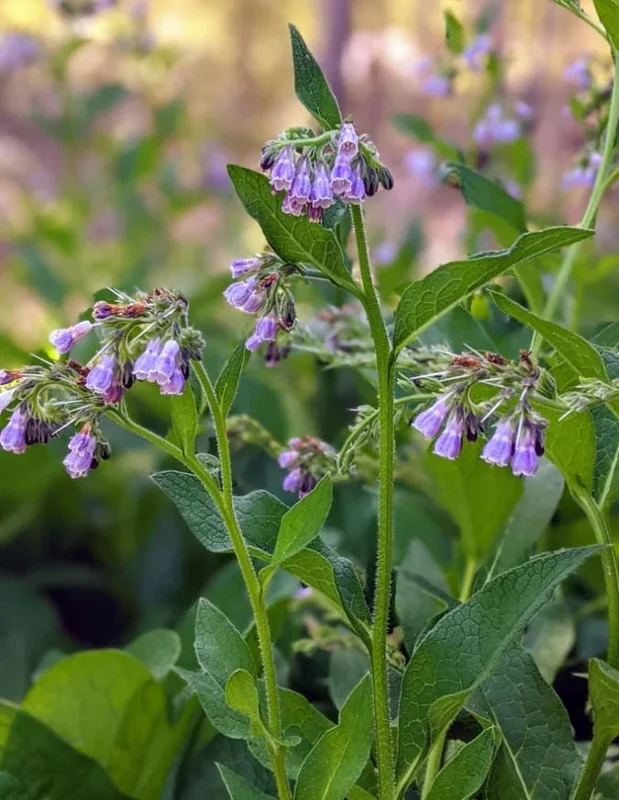
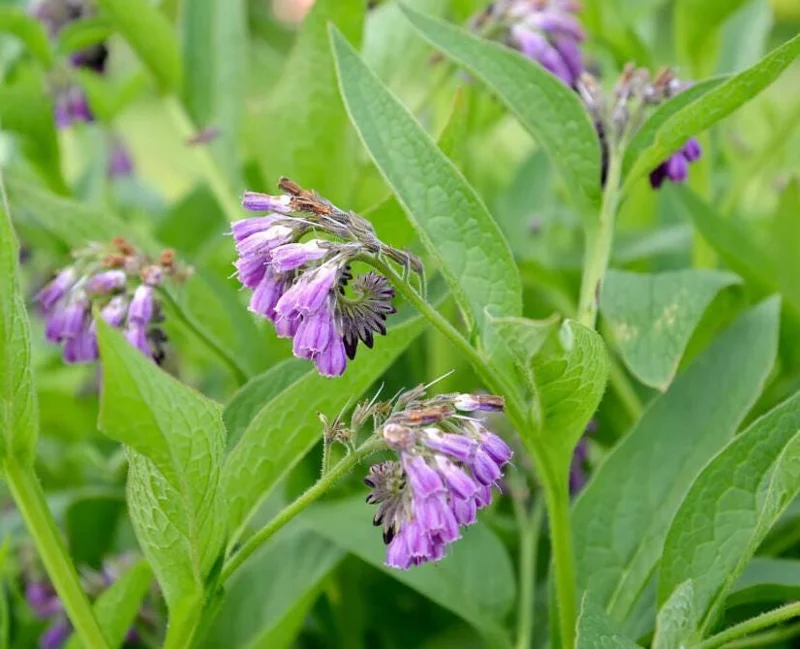
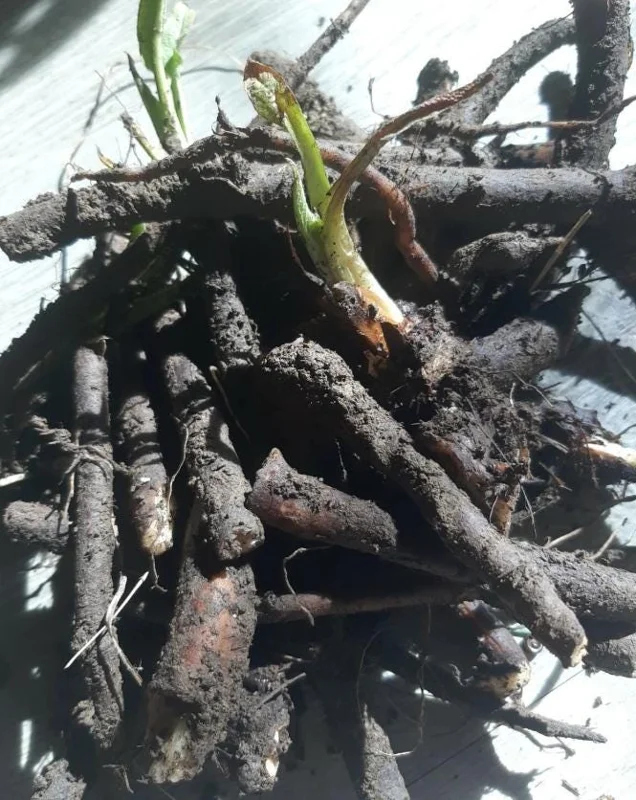
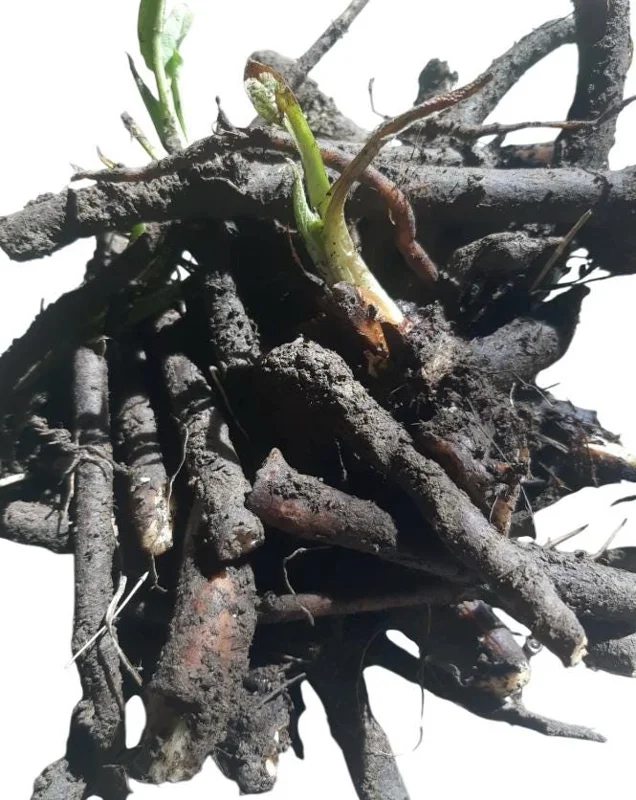
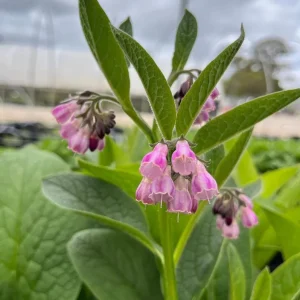
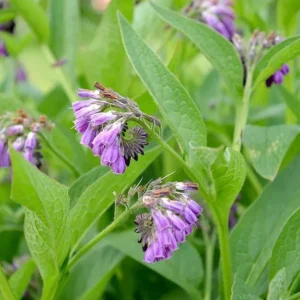
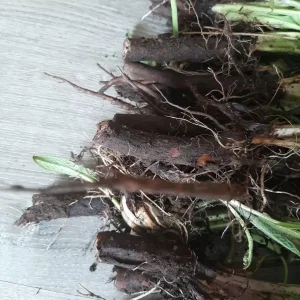
Cultivate your garden with bocking 14 comfrey plant roots. This pack contains 15 sterile comfrey roots, each 4 inches long, ideal for creating nutrient-rich compost, mulch, and natural fertilizers. A robust perennial, it thrives in various conditions and is easy to establish for a sustainable garden.
Estimated arrival
Jan 16
Jan 21 - Jan 23
Jan 26 - Jan 30

Reasonable Price
We offer reasonable price

Support 24/7
Contact us 24 hrs a day

100% Money Back
You've 30 days to Return

Payment Secure
100% secure payment
Overview
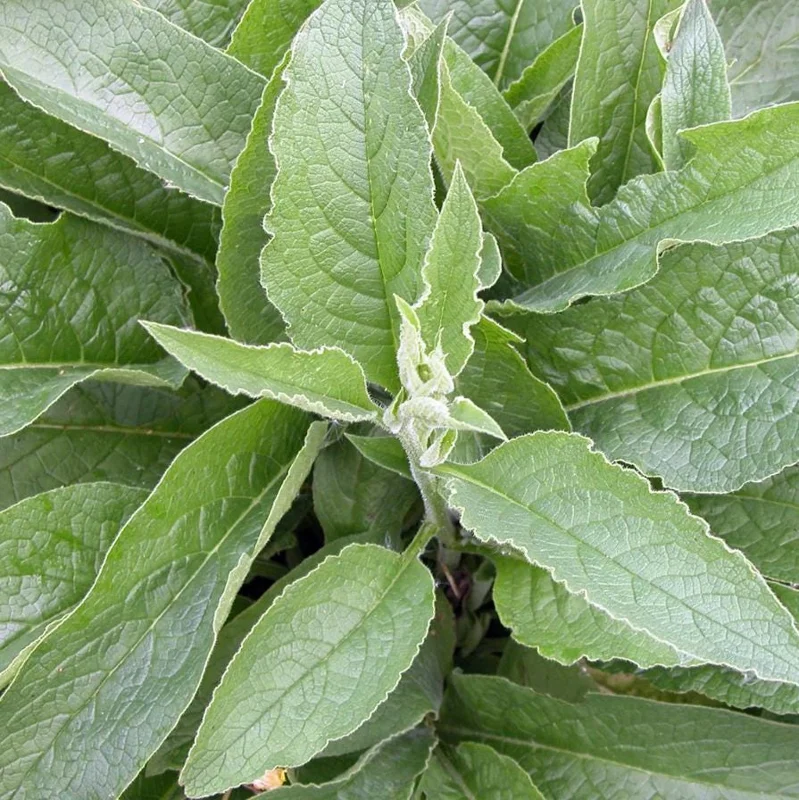
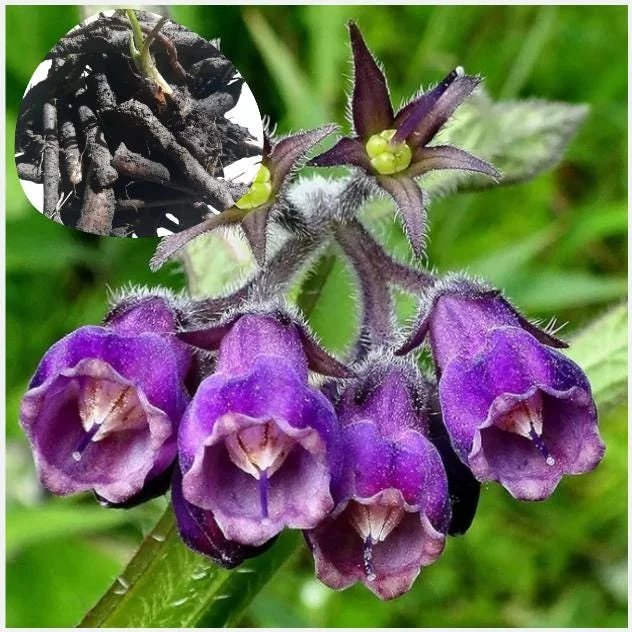
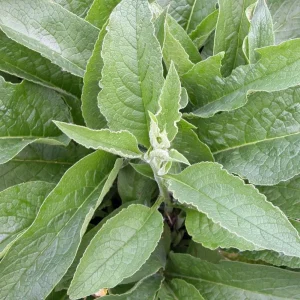
Enhance your garden’s vitality with these premium bocking 14 comfrey plant roots. This offering includes 15 robust, 4-inch bare roots of the renowned Symphytum officinale, commonly known as Russian Comfrey or Sterile Comfrey. Bocking 14 is a highly prized variety, celebrated for its vigorous growth and exceptional ability to accumulate essential nutrients from the soil, making it an invaluable asset for organic gardening. Unlike some other comfrey varieties, Bocking 14 is sterile, meaning it will not spread by seed, providing excellent control over its placement in your garden. These bare roots are ready for planting, promising a strong start to a highly productive perennial that will benefit your garden for years to come. Whether you’re looking to improve soil health, create nutrient-dense compost, or produce natural liquid fertilizers, this russian comfrey plant is an excellent choice for any eco-conscious gardener.
The bocking 14 comfrey plant roots are an ideal solution for gardeners seeking sustainable and effective ways to boost their soil. Comfrey acts as a dynamic accumulator, drawing up deep-seated nutrients that other plants might miss. This makes it a fantastic ‘chop and drop’ mulch, a potent compost activator, and a key ingredient for nutrient-rich comfrey tea, a natural plant food. Its rapid growth provides abundant biomass throughout the growing season, ensuring a continuous supply of organic material for your garden’s needs. Invest in these high-quality roots to transform your gardening practices and foster a healthier, more productive outdoor space.
Key Benefits
The bocking 14 comfrey plant roots offer a multitude of advantages for both the gardener and the garden. This versatile perennial is more than just a plant; it’s a living fertilizer factory and soil improver, providing sustainable solutions for enhancing your garden’s health and productivity. Here are some of the key benefits you’ll enjoy:
- Exceptional Soil Enrichment: Comfrey is a dynamic accumulator, meaning its deep taproots draw up essential nutrients like potassium, phosphorus, and nitrogen from deep within the soil. These nutrients become available to other plants when comfrey leaves are used as mulch or compost, significantly improving soil fertility and structure.
- Natural Fertilizer Production: The abundant foliage of the russian comfrey plant can be harvested multiple times a year to create nutrient-rich comfrey tea, an excellent liquid feed for all your plants. This organic fertilizer promotes strong growth and prolific flowering and fruiting without the need for synthetic chemicals.
- Weed Suppression and Moisture Retention: When used as a ‘chop and drop’ mulch, comfrey leaves form a dense layer that effectively suppresses weeds around other plants. This mulch also helps retain soil moisture, reducing the need for frequent watering and protecting delicate root systems from temperature fluctuations.
- Sterile and Non-Invasive Growth: The Bocking 14 variety is a sterile comfrey plant, which means it will not produce viable seeds. This characteristic is highly desirable as it prevents unwanted spreading, allowing you to maintain control over where your comfrey grows without it becoming invasive.
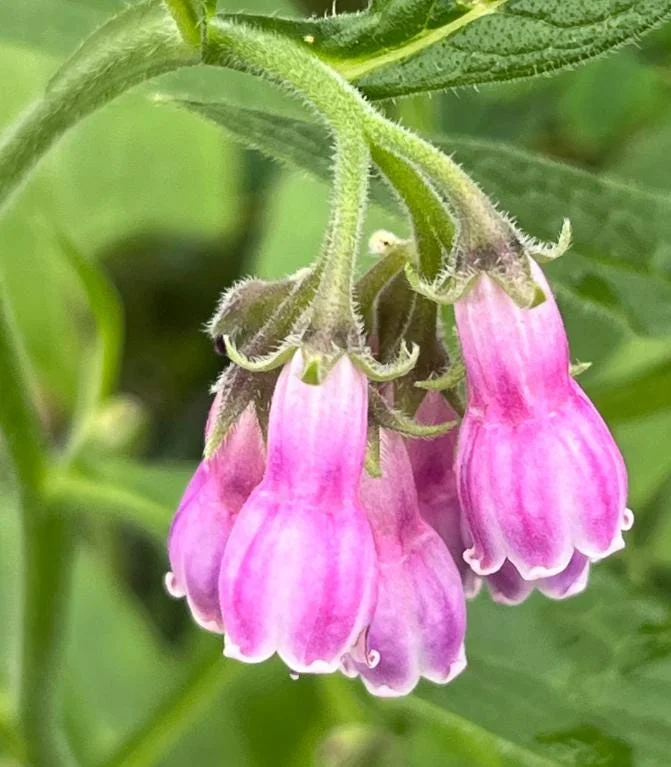
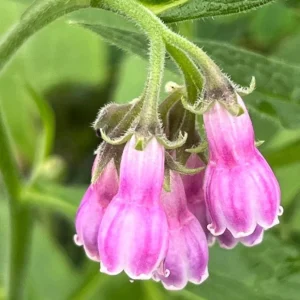
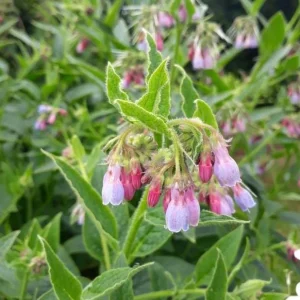
- Attracts Beneficial Pollinators: While primarily grown for its leaves, comfrey flowers are a magnet for bees and other beneficial pollinators. Encouraging these insects into your garden can enhance the pollination of your fruits and vegetables, leading to better yields.
- Easy to Grow and Maintain: Once established, comfrey is incredibly hardy and low-maintenance. It tolerates a wide range of soil types and conditions, requiring minimal care to thrive. This makes it an excellent choice for both novice and experienced gardeners looking for a reliable and beneficial plant.
- Sustainable Gardening Practice: Incorporating comfrey into your garden reduces reliance on external inputs like synthetic fertilizers. By growing your own nutrient source, you contribute to a more sustainable and environmentally friendly gardening system, promoting a healthy ecosystem within your own backyard. This is an excellent way to learn how to grow comfrey effectively.
Plant Care & Growing Tips
Growing bocking 14 comfrey plant roots is a rewarding experience, as this hardy perennial requires minimal fuss once established. To ensure a successful start, plant the 4-inch comfrey roots horizontally about 2-3 inches deep in loose, well-drained soil. A good planting depth is crucial for root establishment. While comfrey is adaptable, it thrives best in a location that receives full sun to partial shade, meaning at least 4-6 hours of direct sunlight daily. In hotter climates, some afternoon shade can be beneficial to prevent leaf scorch. The soil should be consistently moist, especially during the initial growth phase, but never waterlogged. Comfrey prefers a slightly acidic to neutral soil pH (6.0-7.0).
Once established, the russian comfrey plant becomes remarkably drought-tolerant, although consistent moisture will encourage more vigorous leaf production. Fertilization is generally not heavily required as comfrey is a nutrient accumulator itself. However, an annual application of compost or well-rotted manure around the base of the plant in early spring can boost growth. Harvesting leaves can begin once the plant is well-established, usually in the second year. Cut back the foliage to about 6 inches above the ground, and it will quickly regrow. This regular cutting promotes more leaf production. Comfrey is incredibly cold-hardy, typically surviving winters in USDA Zones 3-9, and will resprout year after year from its deep root system. Keep an eye out for slugs and snails, which can occasionally be an issue, especially on young plants. Regular harvesting and good air circulation can help mitigate pest problems.
How to grow comfrey successfully also involves understanding its growth habit. Because it’s a perennial with deep roots, choose a permanent location where it won’t be disturbed. Avoid planting it where you might need to dig extensively later, as even small root fragments can regrow. This makes it an ideal plant for ‘chop and drop’ systems around fruit trees or in dedicated comfrey beds. The leaves are typically ready for harvest when they are large and lush, usually every 4-6 weeks during the growing season. For optimal nutrient accumulation, allow the plant to grow for a full season before heavy harvesting, especially if you are using it for soil improvement. This ensures the root system is robust enough to continuously draw up nutrients.
Size & Details
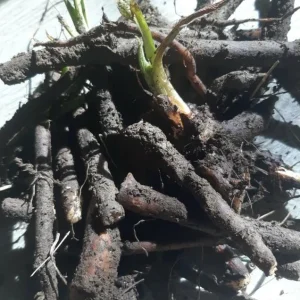
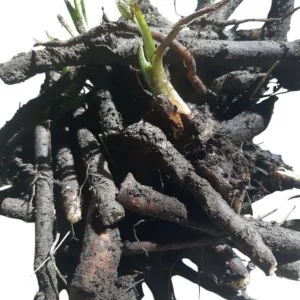
This offering includes 15 individual bocking 14 comfrey plant roots, each carefully selected to be approximately 4 inches in length. These bare roots are mature and ready for planting, ensuring a strong start for your comfrey patch. Once established, the sterile comfrey plant can reach an impressive height of 2-4 feet with a similar spread, forming a dense clump of large, hairy leaves. Its growth rate is vigorous, especially after the first year, providing ample biomass for various garden uses. The plants typically begin to produce significant foliage for harvesting from their second year onwards, continuing to do so for many years.
These comfrey roots are shipped dormant and will begin to sprout leaves once planted in suitable conditions. Expect the first flush of growth within a few weeks of planting, depending on soil temperature and moisture. The deep root system of comfrey can extend several feet into the ground, making it incredibly resilient and efficient at nutrient cycling. This robust root structure is why it is so effective as a dynamic accumulator. The Bocking 14 variety is known for its productivity and ease of management, making it an excellent choice for gardeners focused on sustainable practices. For those wondering how to grow comfrey effectively, starting with quality roots like these is key.
Frequently Asked Questions
- Q: How big does this plant get? A: Once established, the bocking 14 comfrey plant roots will grow into a robust plant, typically reaching a height and spread of 2 to 4 feet. It forms a dense clump of foliage, providing abundant material for your garden needs.
- Q: Is this an indoor or outdoor plant? A: Comfrey is primarily an outdoor plant. It is a hardy perennial best suited for garden beds, borders, or dedicated comfrey patches where it can thrive and contribute to soil health. It is not generally grown indoors.
- Q: How much sunlight does it need? A: Comfrey prefers a location with full sun to partial shade, ideally receiving at least 4-6 hours of direct sunlight per day. In very hot climates, some afternoon shade can be beneficial to prevent the leaves from scorching.
- Q: Is this plant easy to care for? A: Yes, comfrey is considered very easy to care for. Once established, it is a hardy and low-maintenance perennial that tolerates a range of conditions. It’s an excellent choice for both beginner and experienced gardeners.
- Q: What condition will it arrive in? A: Your order will arrive as 15 dormant, 4-inch bocking 14 comfrey plant roots. These bare roots are carefully packaged to ensure they are healthy and ready for planting upon arrival.
- Q: When is the best time to plant these comfrey roots? A: The best time to plant comfrey roots is in early spring after the last frost, or in the fall before the ground freezes. This allows the roots to establish themselves before extreme temperatures.
- Q: Will it survive winter in my zone? A: The russian comfrey plant is incredibly cold-hardy and typically thrives in USDA Hardiness Zones 3 through 9. It will die back to the ground in winter but reliably regrow from its deep root system each spring.
- Q: Can I use comfrey as a fertilizer for all my plants? A: Yes, comfrey is an excellent natural fertilizer. Its leaves are rich in nutrients and can be used to make nutrient-rich comfrey tea, a fantastic liquid feed for almost all garden plants, or as a chopped mulch. This is key to understanding how to grow comfrey for maximum benefit.
- Q: How often can I harvest the leaves? A: Once the comfrey plant is well-established (usually from its second year), you can typically harvest the leaves every 4-6 weeks throughout the growing season. Regular harvesting encourages more abundant growth.
- Q: Why is Bocking 14 considered a sterile comfrey plant? A: Bocking 14 is a specific cultivar of comfrey that is sterile, meaning it does not produce viable seeds. This is a significant advantage as it prevents the plant from spreading uncontrollably via seed, making it easier to manage in your garden.
Be the first to review “15 Packs Bocking 14 Comfrey Plant Roots – 4 Inch Bare Root Perennial”
-
USDA Hardiness Zone
USDA Zones 3-9 -
Soil Type
Loose, well-drained soil -
Sunlight Exposure
Full sun to partial shade -
Expected Planting Period
Early spring or fall


People Also Viewd


Sold 127 products
Original price was: $27.00.$24.00Current price is: $24.00.
Sold 123 products
Original price was: $26.99.$16.99Current price is: $16.99.

Sold 123 products
Original price was: $89.99.$64.99Current price is: $64.99.

Sold 122 products
Original price was: $86.99.$66.99Current price is: $66.99.

Sold 118 products
Original price was: $3,536.00.$23.99Current price is: $23.99.
Sold 114 products
Original price was: $27.99.$16.99Current price is: $16.99.

Sold 114 products
Original price was: $28.99.$17.99Current price is: $17.99.

Flower Bulbs
3 Cranesbill Wild Geranium Organic Maculatums Bare Roots | Wildflower for Outdoor Garden
Sold 113 products
Original price was: $21.99.$6.99Current price is: $6.99.RELATED posts
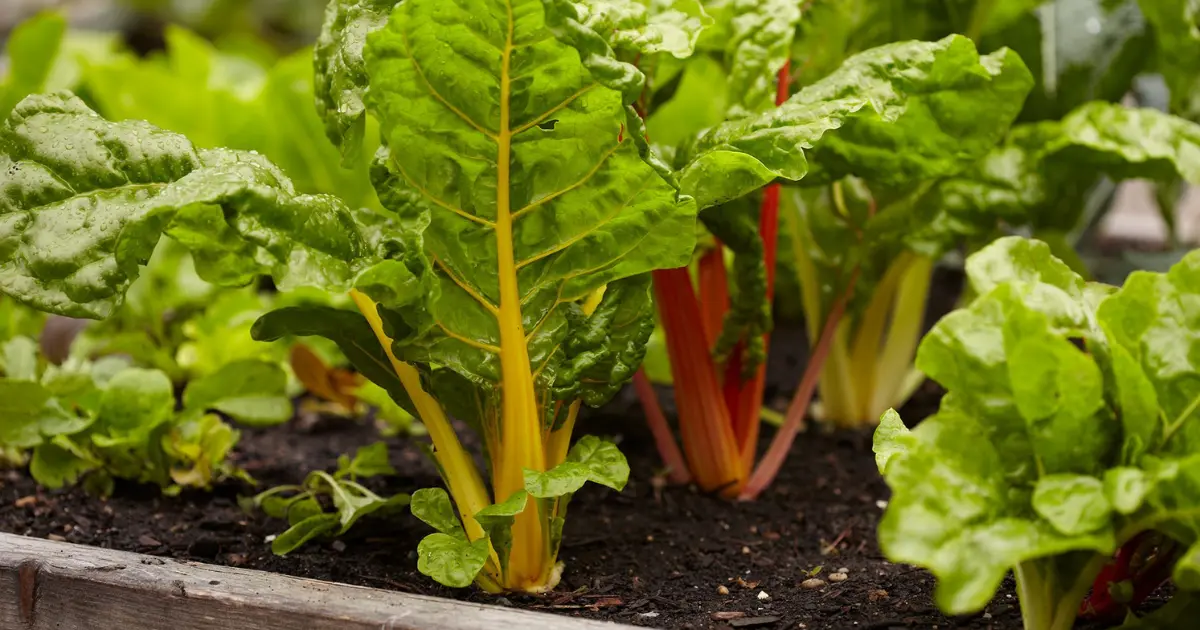
7 Vegetables to Plant in December for a Bountiful Winter Harvest
Winter gardening is a challenge many new gardeners shy away from. But if you’re among [...]
Dec
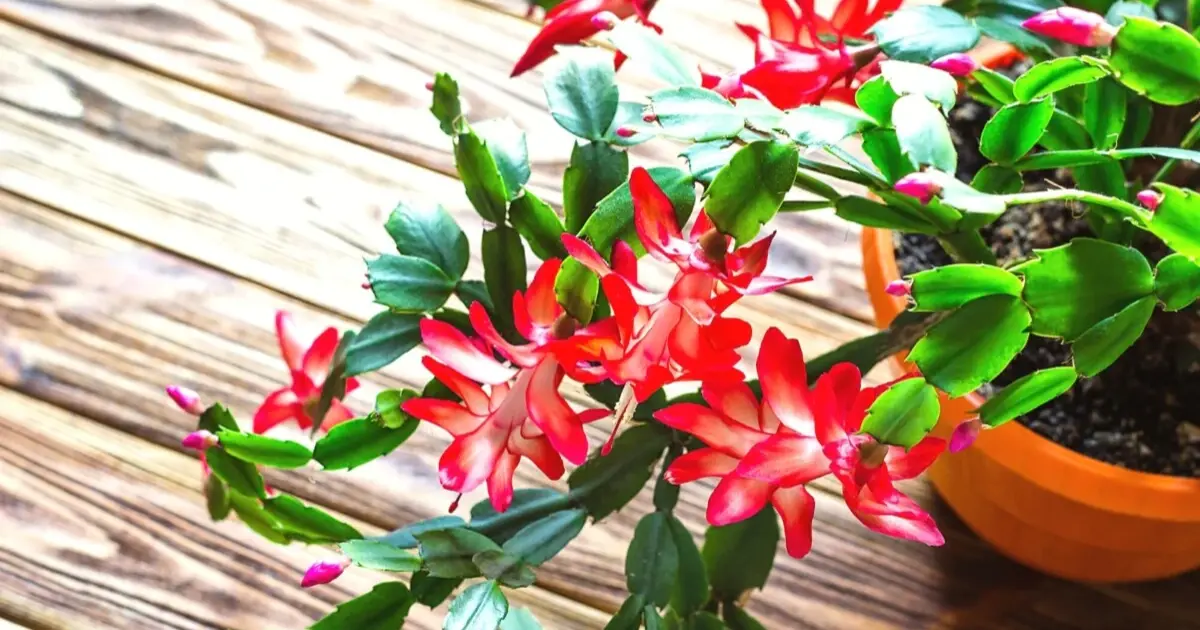
9 Common Christmas Cactus Problems and How to Fix Them
Have you ever walked past your Christmas cactus and wondered why it suddenly looks sad? [...]
Nov
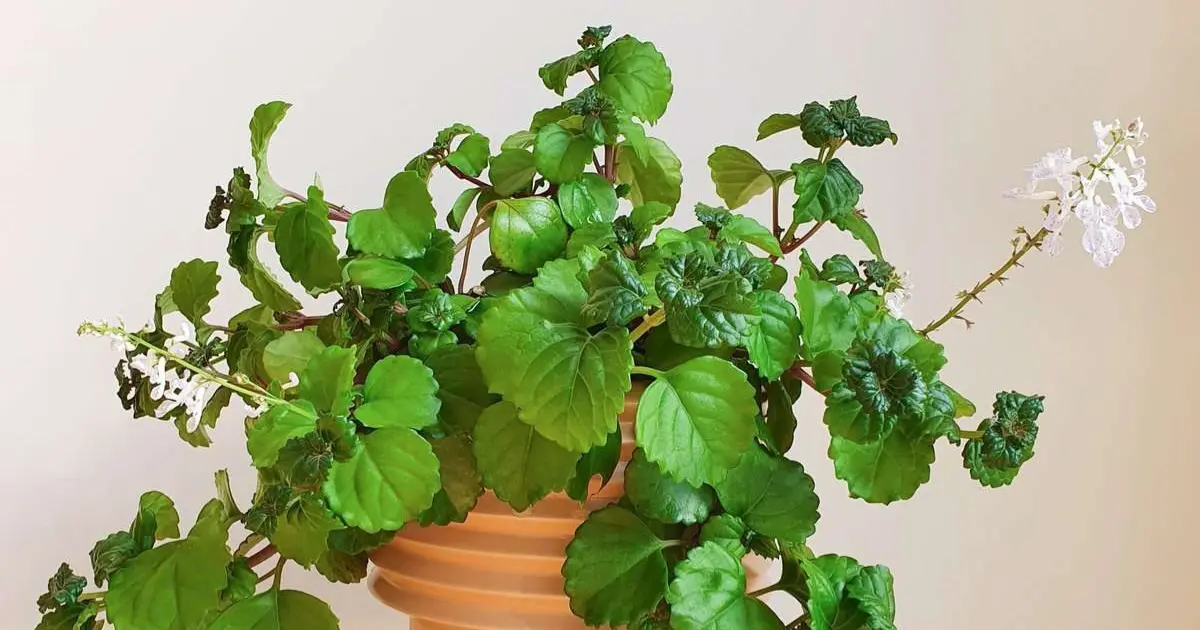
Swedish Ivy Care: How to Grow a Healthy, Thriving Plant
Have you ever looked at your Swedish Ivy and wondered why the leaves are turning [...]
Nov
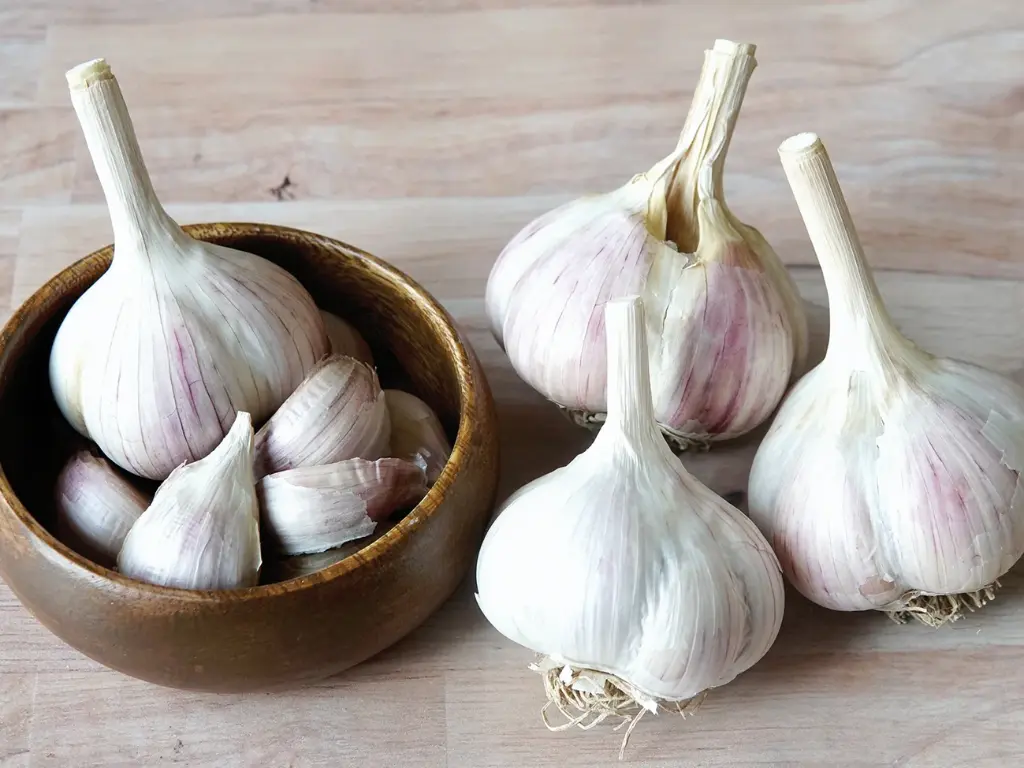
Avoid These 10 Garlic Planting Mistakes for Bigger, Healthier Bulbs
Growing garlic at home is one of the most satisfying things a gardener can do [...]
Nov
How to Prevent Christmas Cactus Bud Drop: Tips for a Healthy Bloom
Have you ever noticed your beautiful Christmas cactus (Schlumbergera) starting to lose its buds just [...]
Nov
Discover 7 Stunning Types of Night-Blooming Cereus
Have you ever waited for a flower that only opens at night and then disappears [...]
Nov
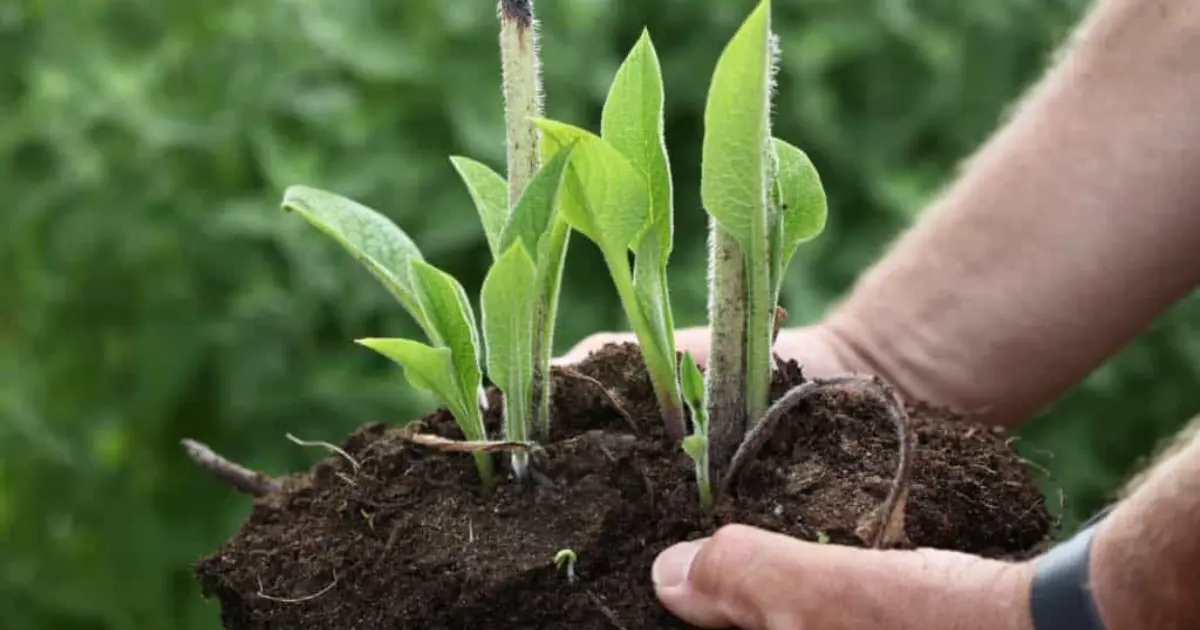
How to Propagate Comfrey from Root Cuttings: Easy Guide for Beginners
If you’re looking to grow your own healthy comfrey plants without spending too much, propagating [...]
Nov

10 Best Christmas Plants to Gift This Holiday Season
The holiday season is finally upon us, and if you’re searching for the perfect gift [...]
Oct

Reviews
There are no reviews yet.