
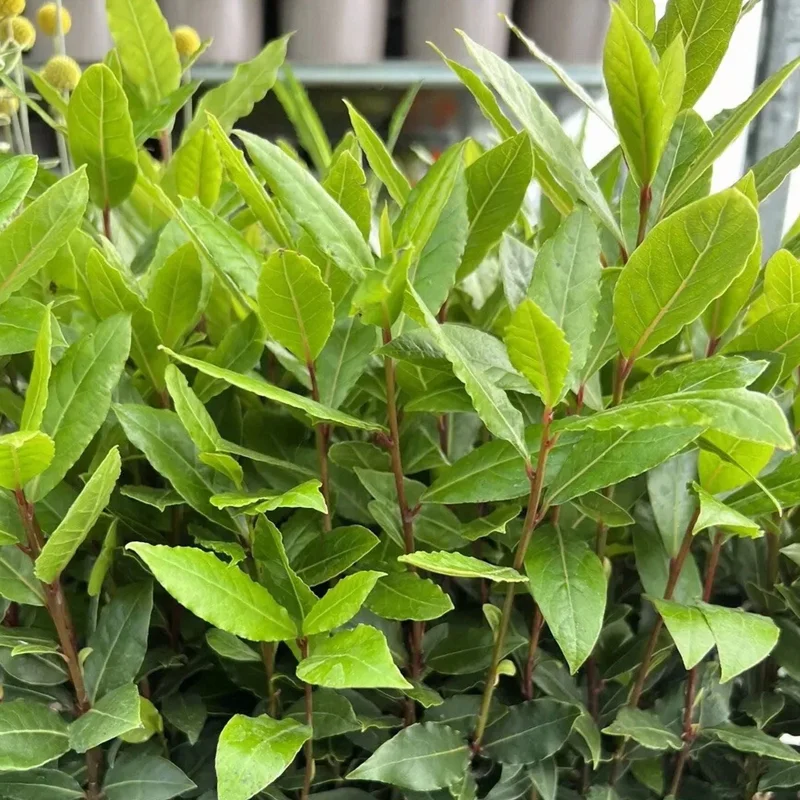
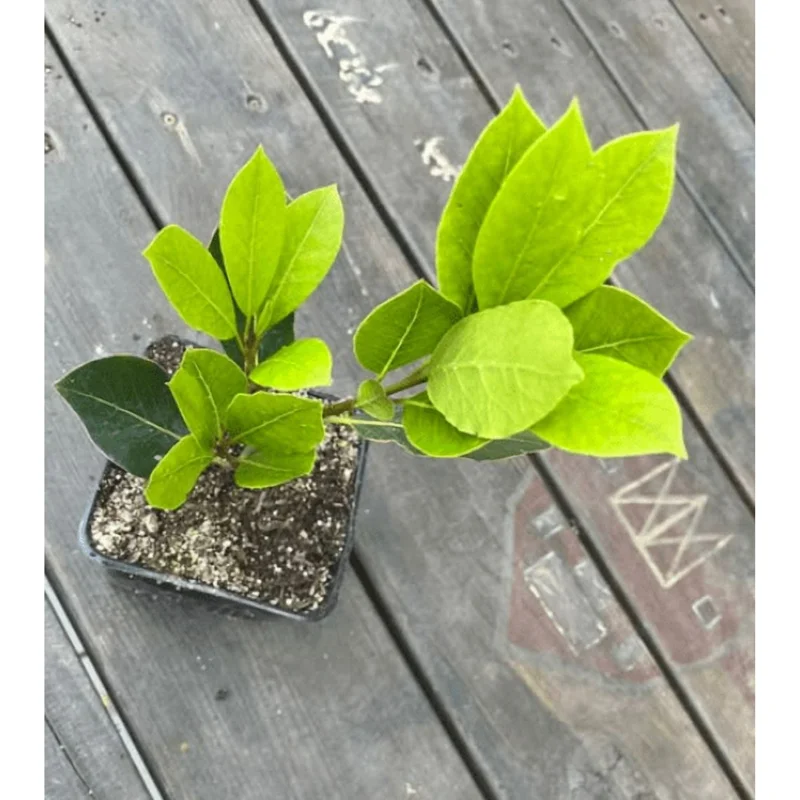
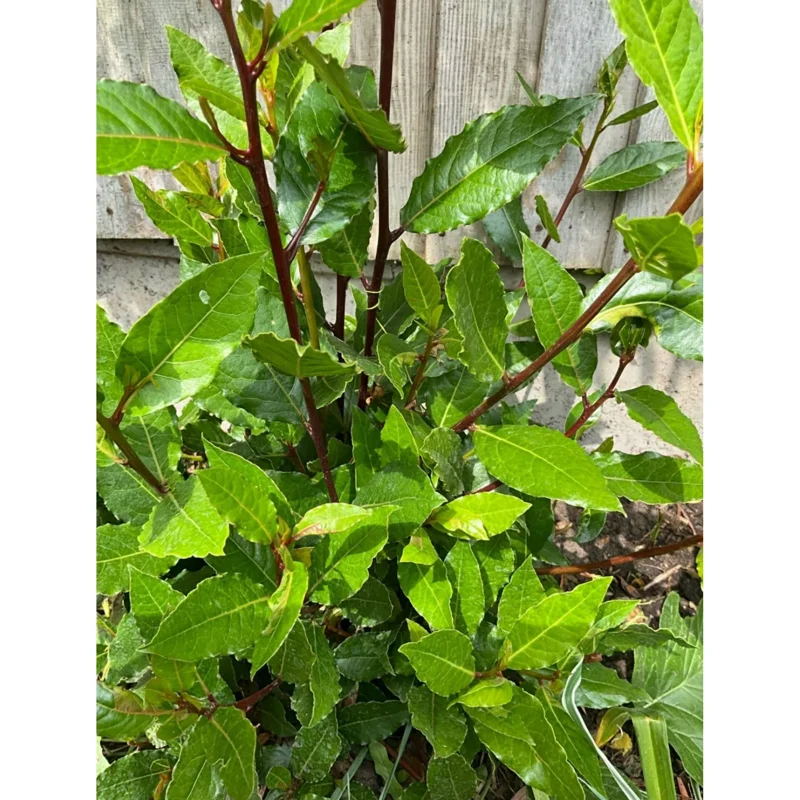
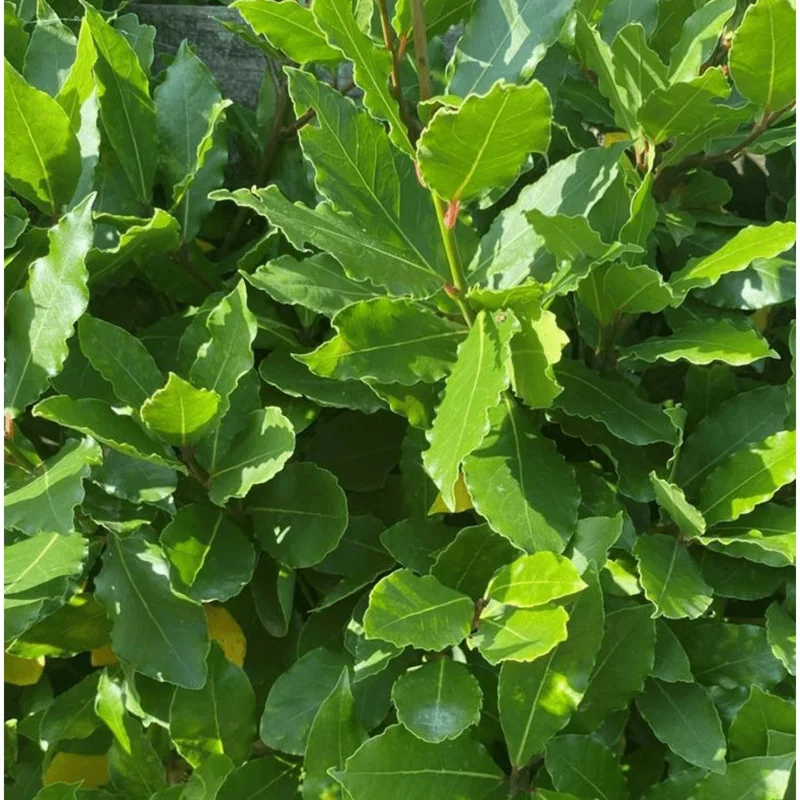
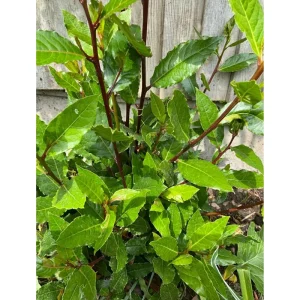
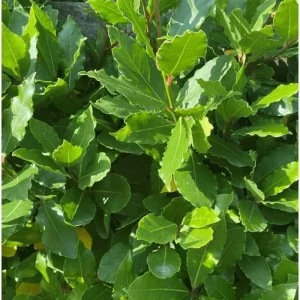
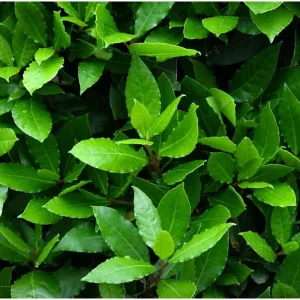
Bay Leaf Live Plant Laurus Nobilis Sweet Bay Starter, 4 Inch Pot
Original price was: $56.49.$36.49Current price is: $36.49.
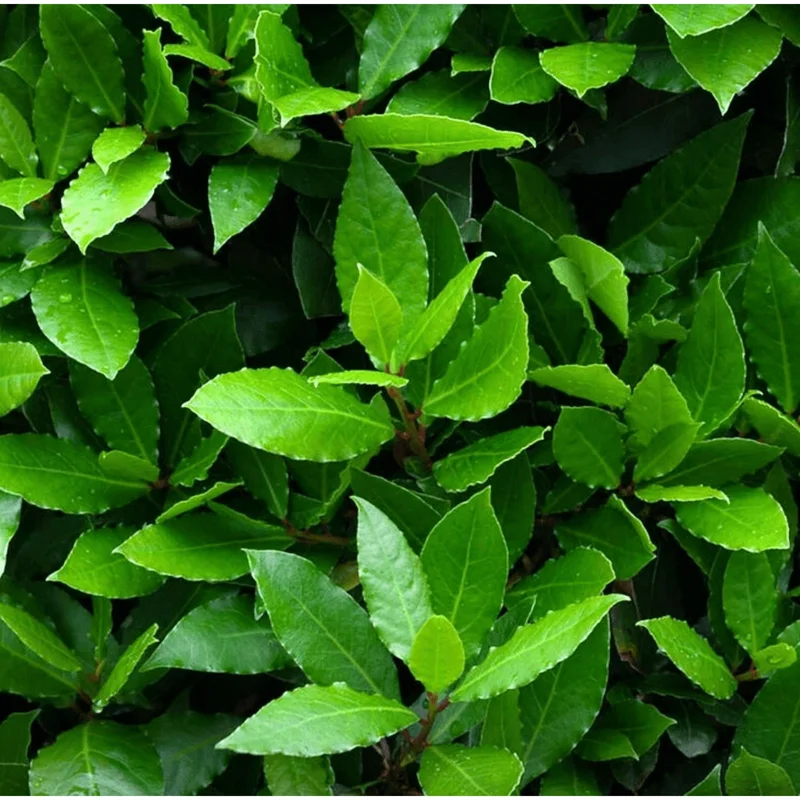
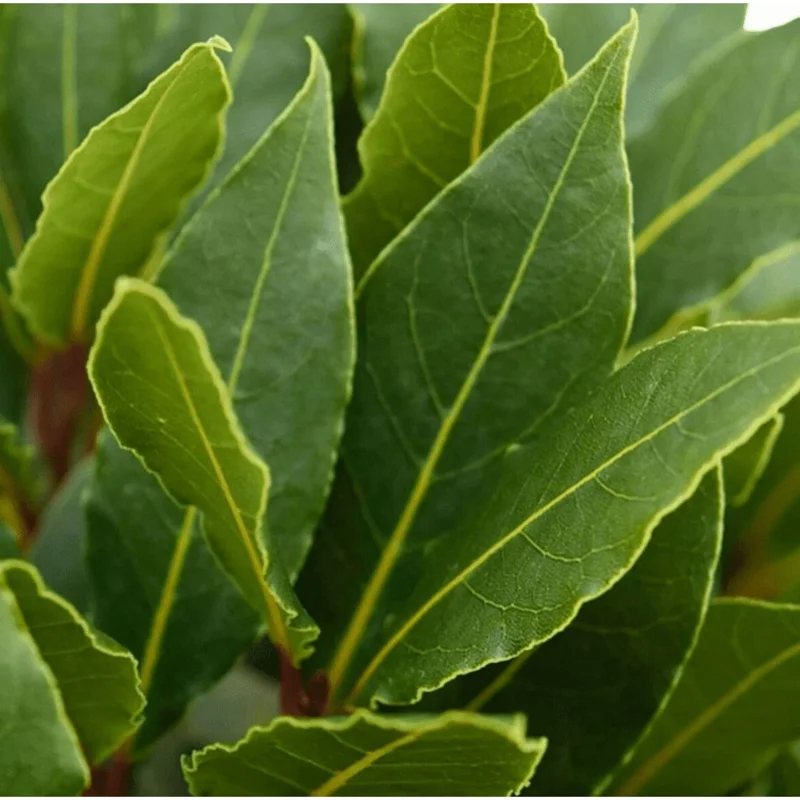
Cultivate your own aromatic herbs with this bay leaf live plant, a Laurus Nobilis plant often called Sweet Bay. Arriving in a 4-inch pot, this starter plant is perfect for both indoor and outdoor growing, adding flavor to your dishes and beauty to your space. Enjoy fresh bay leaves for cooking and gardening.
Estimated arrival
Apr 11
Apr 16 - Apr 18
Apr 21 - Apr 25

Reasonable Price
We offer reasonable price

Support 24/7
Contact us 24 hrs a day

100% Money Back
You've 30 days to Return

Payment Secure
100% secure payment
Overview
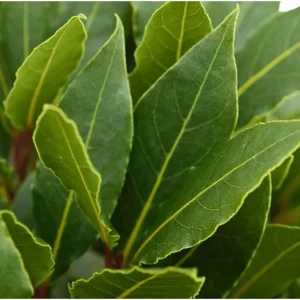
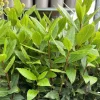
Bring the delightful aroma and culinary versatility of fresh bay leaves right to your home with this exquisite bay leaf live plant. Known botanically as Laurus Nobilis, this evergreen shrub or small tree is commonly referred to as Sweet Bay, Bay Laurel, or Bay Tree. Our starter plant comes in a convenient 4-inch pot, making it easy to transplant into your garden or a larger container for indoor enjoyment. The Bay Leaf plant is cherished for its glossy, dark green leaves that are a staple in many cuisines, adding a rich, herbaceous flavor to soups, stews, sauces, and more. Beyond its culinary appeal, the Sweet Bay also makes an attractive ornamental plant with its dense foliage and classic form. Whether you’re an experienced gardener or a budding enthusiast, growing your own Laurus Nobilis plant is a rewarding experience that offers both beauty and utility.
This resilient plant can thrive in a variety of settings, from a sunny spot on your patio to a bright corner indoors. It’s a fantastic choice for those looking to add a touch of Mediterranean elegance and practical herbs to their living space. With proper care, your bay leaf plant will provide you with a continuous supply of fresh, fragrant leaves for years to come.
Key Benefits
The bay leaf live plant offers a multitude of advantages for both the home cook and the garden enthusiast. Its practical and aesthetic qualities make it a highly desirable addition.
- Culinary Excellence: Fresh bay leaves from your own plant offer a more potent and nuanced flavor than dried leaves, elevating your cooking with their distinct aroma. Use them in slow-cooked dishes, marinades, and stocks.
- Aromatic Foliage: The glossy, dark green leaves release a pleasant, spicy fragrance when bruised, adding a natural air freshener to your home or garden space.
- Ornamental Appeal: With its neat growth habit and attractive evergreen foliage, the Laurus Nobilis plant serves as an elegant decorative element, whether in a pot on your deck or as part of a garden bed.
- Low Maintenance: Once established, the sweet bay starter is relatively easy to care for, requiring consistent watering and occasional feeding, making it suitable for gardeners of all skill levels.
- Air Purification: Like many plants, the Bay Laurel contributes to a healthier indoor environment by converting carbon dioxide into oxygen and potentially filtering some airborne toxins.
- Versatile Growing: This plant can be grown outdoors in warmer climates (USDA zones 8 and above) or successfully indoors as a potted plant, allowing flexibility for various living situations.
- Long-Lived: With proper care, a Bay Leaf tree can live for many decades, becoming a long-term source of fresh herbs and a beautiful landscape feature.
Plant Care & Growing Tips
Caring for your bay leaf live plant is straightforward and ensures a healthy, productive specimen. The bay tree care requirements are moderate, making it a good choice for many gardeners.
Sunlight: Bay laurels thrive in full sun to partial shade. Outdoors, they prefer a location with at least 6 hours of direct sunlight, but will appreciate some afternoon shade in hotter climates. If growing indoors, place your Laurus Nobilis plant in a bright spot near a south or west-facing window where it can receive ample light. Rotate the pot occasionally to ensure even growth.
Watering: Water your bay leaf plant regularly to keep the soil consistently moist, but never waterlogged. Allow the top inch of soil to dry out slightly between waterings. Overwatering can lead to root rot, so ensure good drainage. Reduce watering frequency during the cooler, dormant months, especially if growing indoors.
Soil: Plant your bay laurel in average garden soil that drains exceptionally well. A good quality potting mix designed for containers with added perlite or sand for improved drainage is ideal for potted plants. Bay laurels prefer a slightly acidic to neutral pH (6.0-7.0).
Temperature & Hardiness: Bay laurels are hardy in USDA growing zones 8-10 for outdoor planting. In zones below 8, it’s best to grow your sweet bay starter in a container so it can be brought indoors for the winter. Indoors, aim for relatively cool but bright conditions, ideally between 50-70°F (10-21°C). Protect outdoor plants from hard freezes.
Fertilization: Feed your bay leaf plant with a balanced, all-purpose liquid fertilizer every 2-4 weeks during the active growing season (spring and summer). Reduce feeding in fall and winter. Avoid over-fertilizing, as this can lead to excessive foliage growth at the expense of flavor.
Pruning: Prune your bay leaf plant to maintain its desired size and shape, and to encourage bushier growth. This can be done at any time, but is best in spring before new growth begins. Regular harvesting of leaves for culinary use also acts as a form of light pruning.
Size & Details
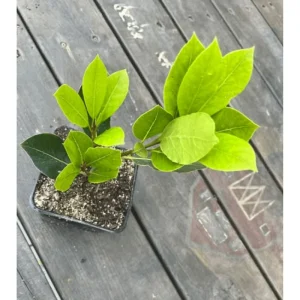
This bay leaf live plant is provided as a starter specimen, carefully cultivated in a 4-inch nursery pot. At this stage, the plant typically stands approximately 6-10 inches tall from the base of the soil, with a compact, bushy form. Bay laurels are slow to moderate growers. When mature, if planted outdoors in ideal conditions, a Laurus Nobilis plant can reach heights of 10-60 feet tall and a width of 5-20 feet, often grown as a multi-stemmed shrub or small tree. Indoors, growth is much more constrained, with plants typically reaching 2-6 feet tall with regular pruning. The plant ships as a well-rooted, healthy specimen, ready for transplanting into a larger pot or your garden. Expect continuous growth throughout the warmer months, providing you with fresh leaves for your kitchen.
Frequently Asked Questions
- Q: How big does this plant get? A: This sweet bay starter comes in a 4-inch pot and is typically 6-10 inches tall. Outdoors, mature bay trees can reach 10-60 feet tall, but indoors they usually stay 2-6 feet with pruning.
- Q: What size pot does it come in? A: The bay leaf live plant is supplied in a 4-inch nursery pot, providing a strong root system for easy transplanting.
- Q: Is this an indoor or outdoor plant? A: The Laurus Nobilis plant is versatile. It can be grown outdoors in USDA zones 8-10 year-round. In colder zones, it thrives as a potted indoor plant, especially during winter.
- Q: How much sunlight does it need? A: Bay laurels prefer full sun to partial shade. Outdoors, aim for at least 6 hours of direct sun. Indoors, place it in the brightest available window, such as a south or west-facing exposure.
- Q: Is this plant easy to care for? A: Yes, bay tree care is considered moderate. It requires consistent watering, well-draining soil, and good light, but is generally low-maintenance once established.
- Q: What condition will it arrive in? A: Your plant will arrive as a healthy, well-rooted starter plant in its 4-inch nursery pot, carefully packaged to minimize stress during transit.
- Q: Can I use bay leaf in cooking? A: Absolutely! The leaves from this bay leaf live plant are perfect for culinary use, adding a distinctive flavor to various dishes like soups, stews, and sauces.
- Q: Is it pet-safe? A: Bay laurel leaves are generally considered toxic to pets if ingested in large quantities. It’s best to keep the plant out of reach of curious pets.
- Q: How long until it blooms? A: Bay laurels typically bloom with small, inconspicuous yellow flowers in spring, but primarily after they’ve reached a certain maturity, usually a few years old.
- Q: Will it survive winter in my zone? A: If you are in USDA zones 8-10, it can survive winter outdoors. In zones below 8, you must bring your Laurus Nobilis plant indoors to protect it from freezing temperatures.
Be the first to review “Bay Leaf Live Plant Laurus Nobilis Sweet Bay Starter, 4 Inch Pot”
-
USDA Hardiness Zone
USDA zones 8-10 (outdoors); all zones (indoors) -
Soil Type
Well-draining garden soil or potting mix -
Sunlight Exposure
Full sun to partial shade -
Expected Planting Period
Year-round indoors, spring to early summer outdoors
People Also Viewd
Sold 128 products
Original price was: $89.99.$64.99Current price is: $64.99.
Sold 128 products
Original price was: $159.99.$139.99Current price is: $139.99.
Sold 128 products
Original price was: $27.00.$24.00Current price is: $24.00.
Sold 126 products
Original price was: $3,536.00.$23.99Current price is: $23.99.

Sold 125 products
Original price was: $86.99.$66.99Current price is: $66.99.
Sold 116 products
Original price was: $27.99.$16.99Current price is: $16.99.
Sold 114 products
Original price was: $28.99.$17.99Current price is: $17.99.
Flower Bulbs
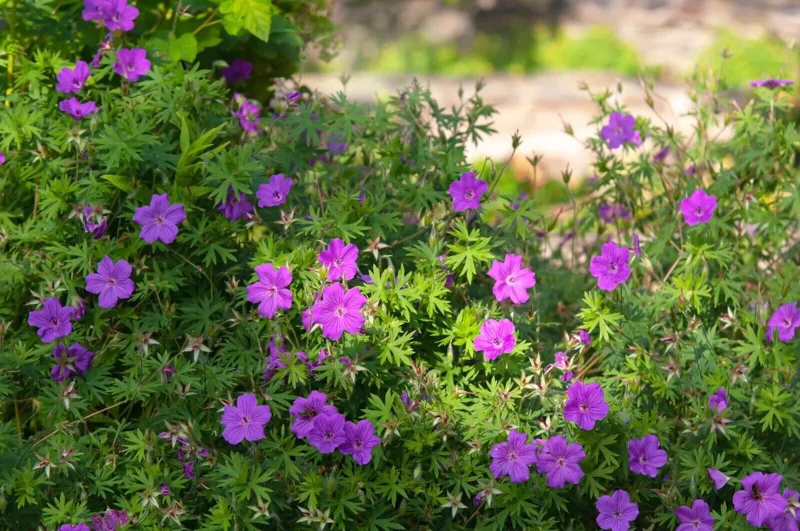
3 Cranesbill Wild Geranium Organic Maculatums Bare Roots | Wildflower for Outdoor Garden
Sold 114 products
Original price was: $21.99.$6.99Current price is: $6.99.RELATED posts
5 Tips for Growing Sweet Potatoes to Get the Biggest Sweet Potato Harvest Ever
If you are a fan of sweet potatoes, then these tips for growing sweet potatoes [...]
Apr
Tamarillo Tree Guide: Flavor, Texture & How to Eat Tree Tomatoes
The humble tomato is a kitchen staple we all know and love, but it rarely [...]
Apr
5 Pro Tips to Grow Esperanza ‘Gold Star’ Indoors: A Golden Glow for Your Home
While most gardeners know this Texas Superstar – Esperanza ‘Gold Star’ as a rugged outdoor [...]
Apr
Mastering Esperanza Goldstar: Grow the Ultimate Yellow Bloom
Esperanza Goldstar is more than just a heat-tolerant shrub; for the American gardener battling the [...]
Apr

Yellow Dragon Fruit Plant Care: The Ultimate Guide for Healthy Growth
The yellow dragon fruit plant is a unique and rewarding addition to any home garden, [...]
Apr
How to Identify Bocking 14 Comfrey: 5 Simple Visual Signs
If you’re growing comfrey for mulch, compost, or animal feed, knowing exactly which variety you [...]
Mar
Grand Duke of Tuscany Jasmine: The Ultimate Guide to Growing a Fragrant Masterpiece
Have you ever caught a scent in the air so rich, creamy, and honey-sweet that [...]
Mar
How to Grow Wild Huckleberries: A Guide to “Purple Gold”
Have you ever spent a summer afternoon hiking through the Pacific Northwest or the Rocky [...]
Mar

Reviews
There are no reviews yet.