
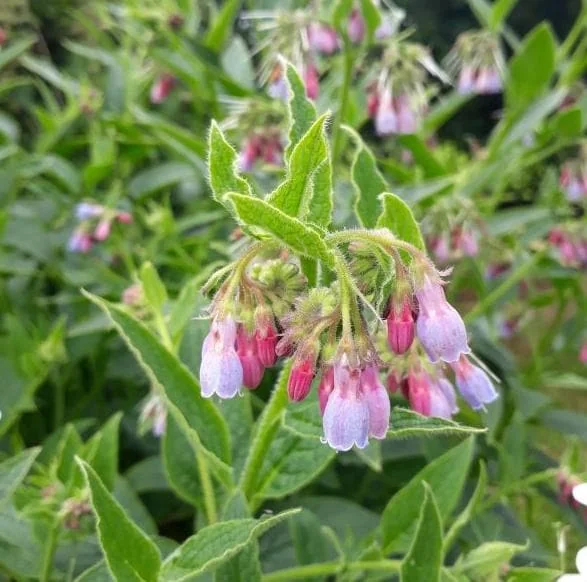
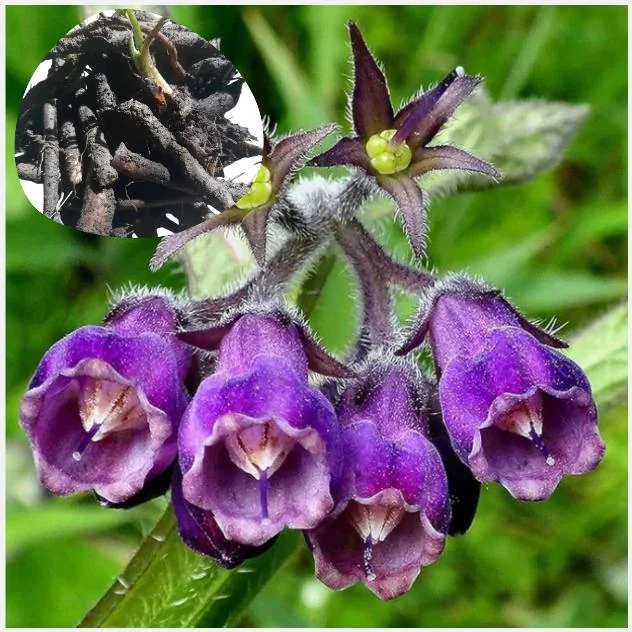
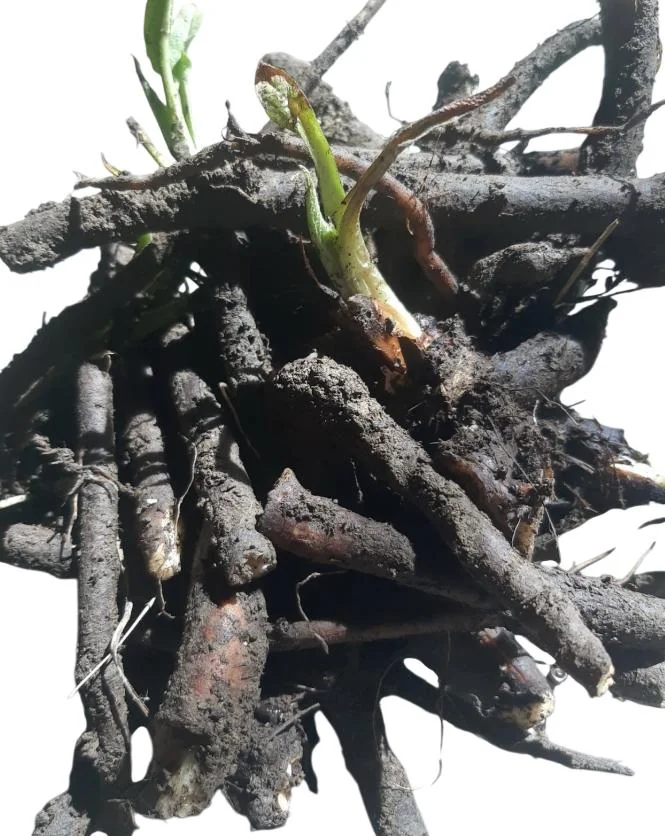
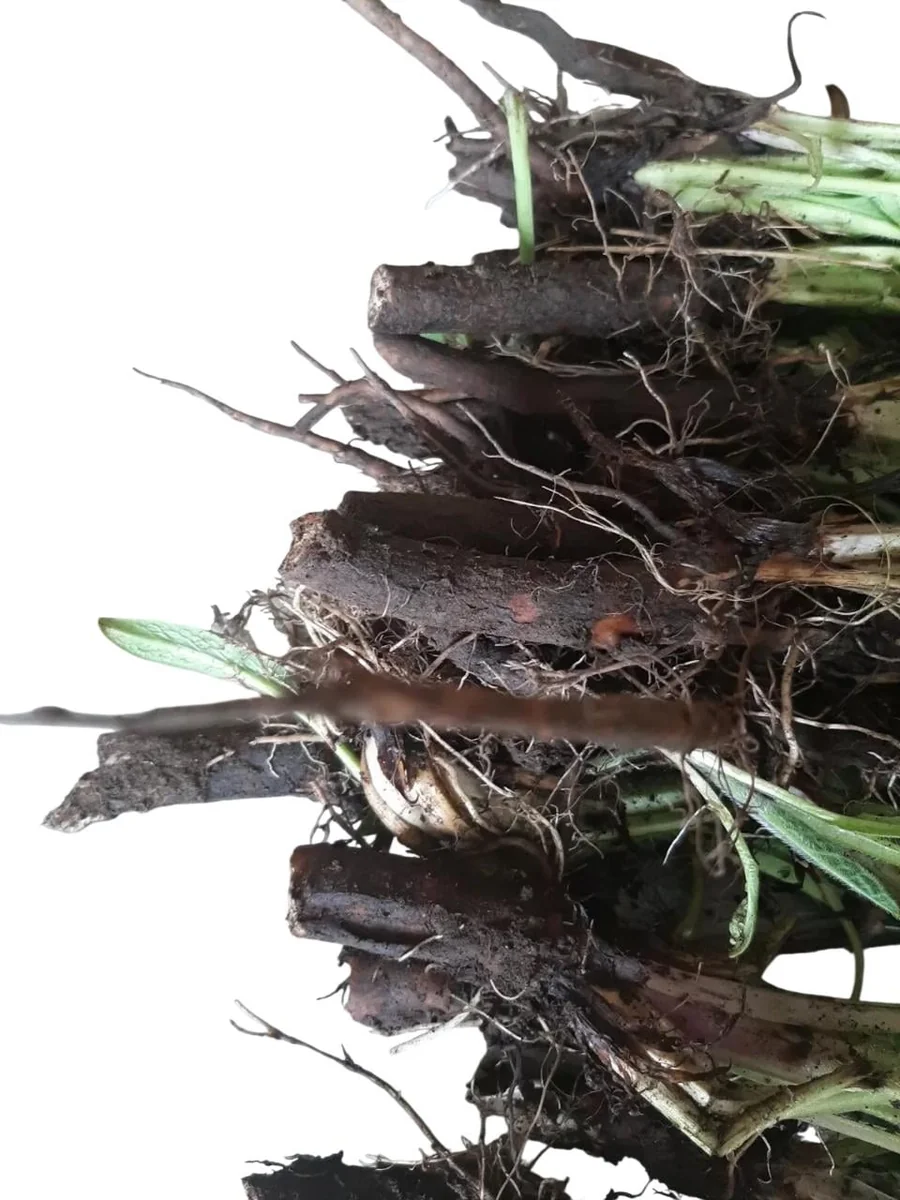
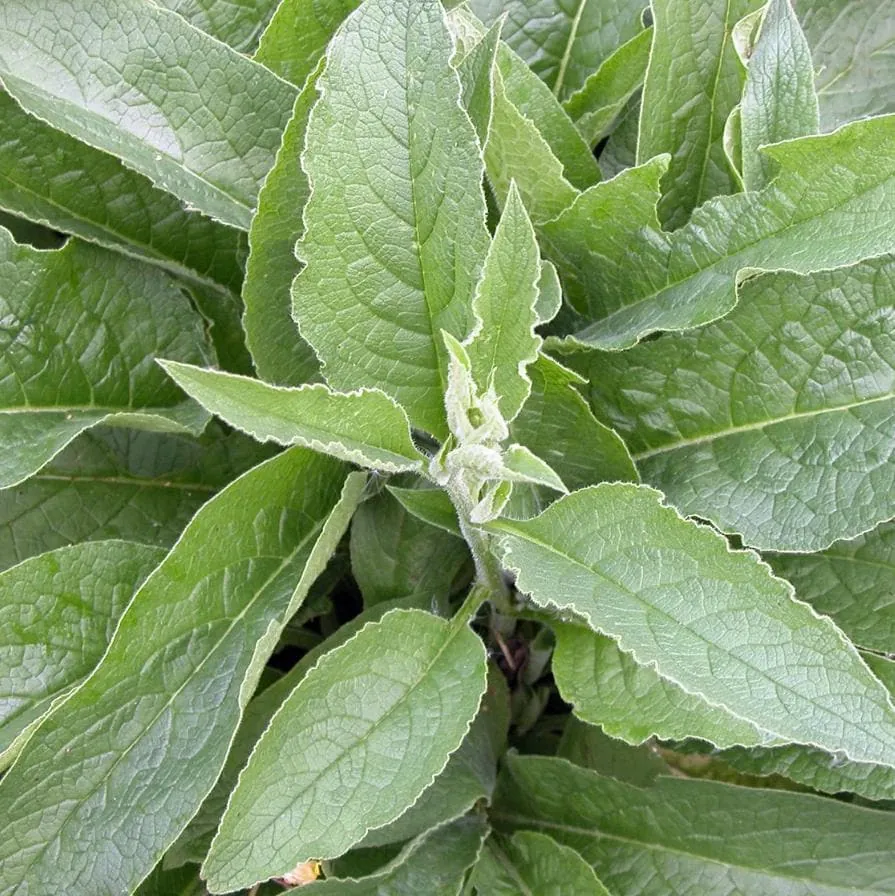
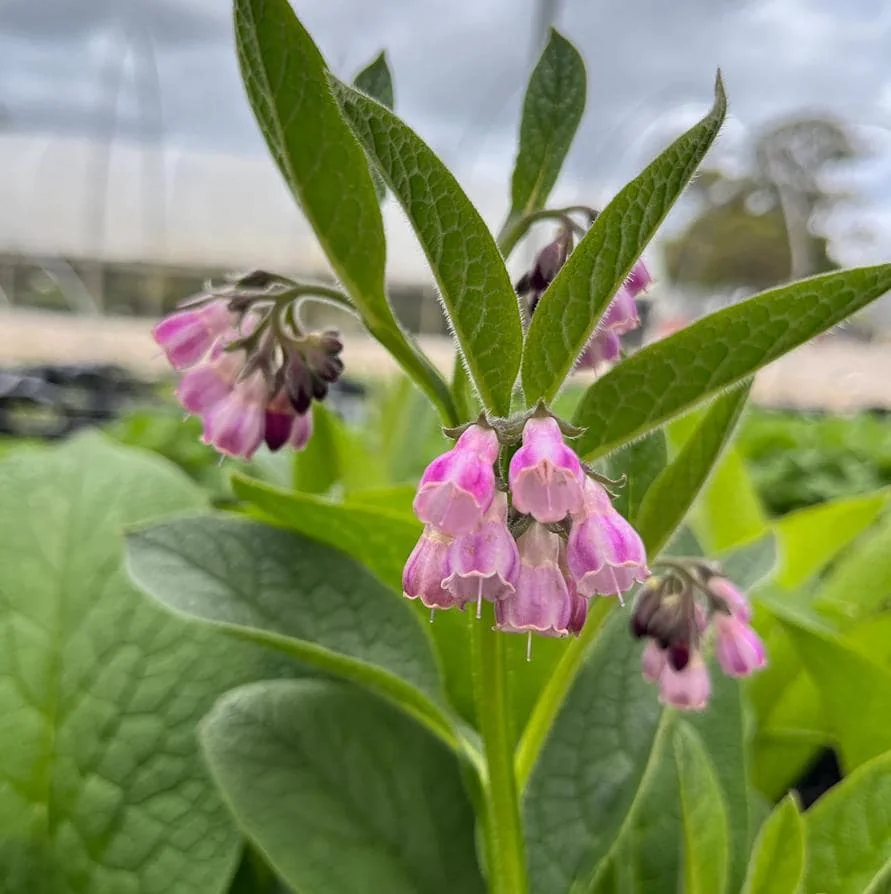
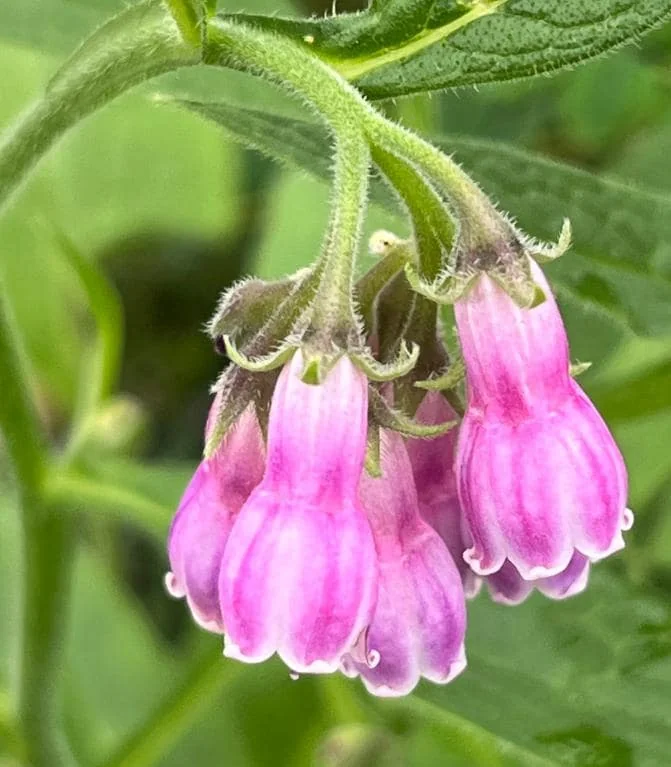
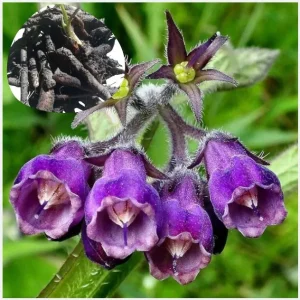
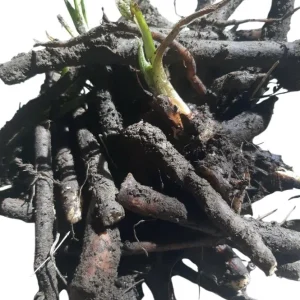
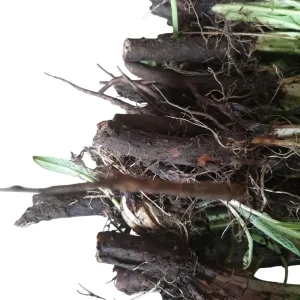
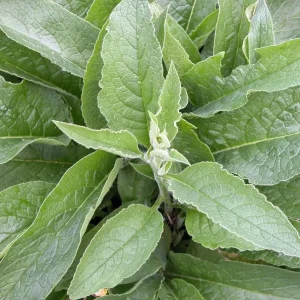
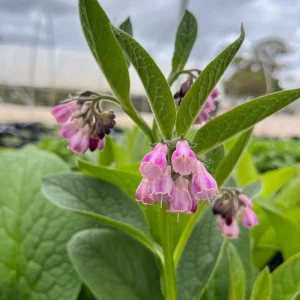
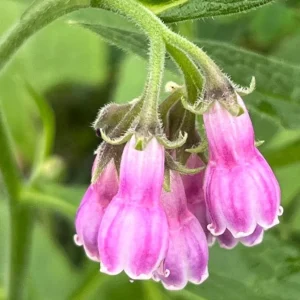
Bocking 14 Comfrey Plant Roots – 10 Packs, 4 Inch Long, Symphytum Officinale
Original price was: $33.99.$15.99Current price is: $15.99.
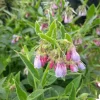
bocking 14 comfrey roots. These 4-inch roots are ideal for creating nutrient-rich mulch and compost, naturally enhancing your soil. A hardy perennial, perfect for sustainable gardening.
Estimated arrival
Jan 22
Jan 27 - Jan 29
Feb 01 - Feb 05

Reasonable Price
We offer reasonable price

Support 24/7
Contact us 24 hrs a day

100% Money Back
You've 30 days to Return

Payment Secure
100% secure payment
Unlock the secret to a naturally fertile garden with these premium bocking 14 comfrey roots. Each pack contains 10 robust 4-inch roots of Symphytum officinale, commonly known as Russian Comfrey or Sterile Comfrey. This remarkable perennial plant is a cornerstone for any organic gardening enthusiast, renowned for its ability to mine deep soil nutrients and make them available to other plants. Unlike seed-grown varieties, Bocking 14 comfrey is sterile, meaning it won’t spread aggressively through seeds, making it a well-behaved yet vigorous addition to your garden. These roots are ready to plant and establish quickly, providing abundant biomass for your composting and mulching needs. Experience the benefits of a self-sustaining garden ecosystem with this invaluable plant.
The bocking 14 comfrey roots are specifically chosen for their strong growth and high nutrient content, offering an excellent source of organic matter. Whether you’re a seasoned gardener or just starting out, introducing comfrey into your beds will significantly improve soil health and plant vigor. This variety, Symphytum officinale, is celebrated for its ease of cultivation and its myriad uses within a permaculture or organic garden setting.
Key Benefits
Incorporating bocking 14 comfrey roots into your garden brings a multitude of advantages, enhancing both soil fertility and plant health. This versatile plant offers sustainable solutions for various gardening challenges.
- Natural Soil Enrichment: Comfrey acts as a dynamic accumulator, drawing essential nutrients like nitrogen, phosphorus, and potassium from deep within the soil. When its leaves are cut and applied as mulch, these nutrients are released, enriching the topsoil for other plants.
- Excellent Compost Activator: The high nitrogen content of comfrey leaves makes them an ideal ‘green’ material for composting. Adding comfrey to your compost pile helps to speed up decomposition and create a richer, more potent finished compost.
- Potent Liquid Fertilizer: Easily create nutrient-rich comfrey tea by steeping leaves in water. This liquid feed provides a powerful boost to fruiting and flowering plants, promoting vigorous growth and higher yields.
- Biomass Production: Once established, comfrey produces an astonishing amount of leafy biomass throughout the growing season. This makes it a sustainable source for continuous mulching and composting without depleting your garden resources.
- Weed Suppression: The large, broad leaves of a mature comfrey plant for garden can effectively shade out weeds around its base, reducing competition for nutrients and moisture for nearby plants.
- Pollinator Attraction: Comfrey flowers, while sterile in Bocking 14, still attract beneficial insects like bees and other pollinators, contributing to the overall biodiversity and health of your garden ecosystem.
- Erosion Control: Its deep and extensive root system helps to stabilize soil, making it valuable for preventing erosion on slopes or in areas prone to soil runoff.
Plant Care & Growing Tips
Growing bocking 14 comfrey roots is straightforward, as this plant is incredibly hardy and forgiving. To ensure successful establishment, plant the 4-inch roots horizontally about 2–3 inches deep in loose, well-drained soil. Good soil drainage is crucial to prevent root rot. While comfrey is adaptable, it thrives best in a location that receives full sun to partial shade. In hotter climates, some afternoon shade can prevent leaf scorch and prolong its vigorous growth. Once established, comfrey is remarkably drought-tolerant, but consistent moisture during early growth will help it develop a strong root system.
For optimal growth and nutrient accumulation, maintain consistently moist soil, especially during dry spells. Fertilization is generally not necessary, as the symphytum officinale itself is a nutrient accumulator. However, incorporating some organic matter or a balanced slow-release fertilizer at planting can give it a good start. Comfrey is incredibly cold-hardy, typically surviving down to USDA Zone 3, and will resprout year after year. The primary ‘care’ for comfrey involves harvesting its leaves. You can cut the leaves back multiple times throughout the growing season, typically when they are about 1-2 feet tall, to encourage new growth and provide fresh material for your compost or mulch. Watch out for slugs and snails, especially on young plants, though mature comfrey is generally pest-resistant.
Size & Details
This offering includes 10 individual packs of bocking 14 comfrey roots, each approximately 4 inches in length. These are bare root divisions, ready for direct planting upon arrival. When mature, a single comfrey plant can spread to about 2-3 feet wide and reach heights of 2-4 feet, depending on growing conditions and frequency of harvest. The vigorous growth rate means you can expect multiple harvests of leaves within its first year. These roots are specifically chosen for the Bocking 14 variety, a non-seeding type of russian comfrey plant, ensuring it stays where you plant it without becoming invasive through seed dispersal. Expect this hardy perennial to return year after year, providing a continuous supply of green manure and compost material.
The 4-inch root length provides a substantial starting point for rapid establishment, allowing the plant to quickly develop its deep taproot system. This ensures it can access nutrients from lower soil profiles. Plant these roots in spring or early fall for best results, giving them ample time to establish before extreme weather. The perennial nature of this sterile comfrey means a one-time planting provides benefits for many years to come.
Frequently Asked Questions
- Q: How do I plant these Bocking 14 comfrey roots? A: Plant the 4-inch bocking 14 comfrey roots horizontally about 2-3 inches deep in loose, well-drained soil. Ensure the soil is consistently moist after planting to aid establishment.
- Q: Is Bocking 14 comfrey invasive? A: No, Bocking 14 comfrey is a sterile variety of Symphytum officinale. It does not produce viable seeds, so it will not spread invasively via seed, only slowly through root division.
- Q: What are the main uses for comfrey in the garden? A: Comfrey is primarily used for creating nutrient-rich mulch, making comfrey tea liquid fertilizer, and adding to compost piles as a ‘green’ activator. It’s an excellent natural soil enhancer.
- Q: How much sun does comfrey need? A: For vigorous growth, a comfrey plant for garden thrives in full sun to partial shade. In very hot climates, partial afternoon shade can help prevent leaf scorch.
- Q: What condition will the comfrey roots arrive in? A: Your russian comfrey plant roots will arrive as bare root divisions, carefully packed to ensure they are healthy and ready for planting. We recommend planting them as soon as possible after arrival.
- Q: How often can I harvest comfrey leaves? A: Once established, you can typically harvest comfrey leaves 3-5 times per growing season. Cut the leaves about 2 inches above the ground to encourage rapid regrowth.
- Q: What kind of soil does comfrey prefer? A: Comfrey is quite adaptable but prefers well-drained, fertile soil. It can tolerate a range of soil types, from sandy to clay, as long as drainage is adequate.
- Q: Can I grow comfrey in a container? A: While possible, comfrey has a deep taproot, so it requires a very large container (at least 15-20 gallons) to thrive. It’s best suited for in-ground planting.
- Q: Is this the medicinal comfrey? A: While Symphytum officinale has historical medicinal uses, Bocking 14 is primarily cultivated for its high nutrient content and use as a garden amendment. We recommend researching specific varieties for medicinal purposes.
- Q: What USDA zones are suitable for growing sterile comfrey? A: This hardy perennial is suitable for USDA hardiness zones 3 through 9, making it a robust choice for most climates across the US.
Be the first to review “Bocking 14 Comfrey Plant Roots – 10 Packs, 4 Inch Long, Symphytum Officinale”
-
USDA Hardiness Zone
USDA zones 3-9 -
Soil Type
Loose, well-drained soil -
Sunlight Exposure
Full sun to partial shade -
Expected Planting Period
Spring to early fall


People Also Viewd
Sold 127 products
Original price was: $27.00.$24.00Current price is: $24.00.
Sold 123 products
Original price was: $26.99.$16.99Current price is: $16.99.
Sold 123 products
Original price was: $89.99.$64.99Current price is: $64.99.

Sold 122 products
Original price was: $86.99.$66.99Current price is: $66.99.
Sold 118 products
Original price was: $3,536.00.$23.99Current price is: $23.99.
Sold 114 products
Original price was: $27.99.$16.99Current price is: $16.99.
Sold 114 products
Original price was: $28.99.$17.99Current price is: $17.99.
Flower Bulbs
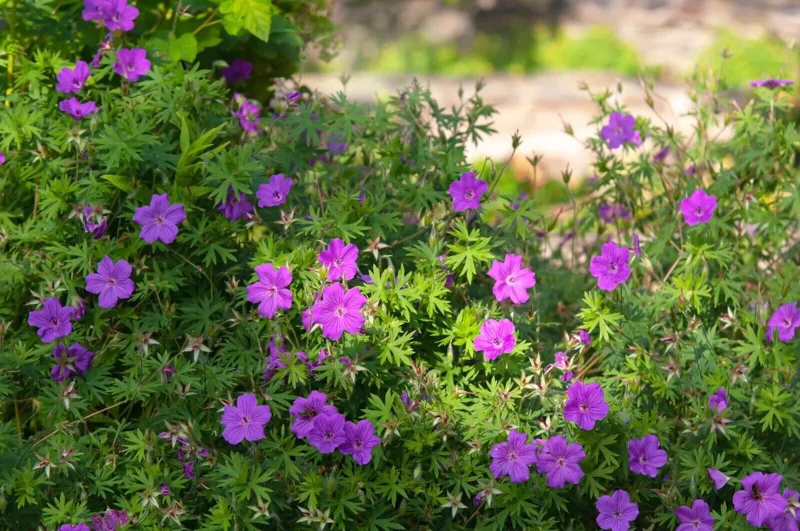
3 Cranesbill Wild Geranium Organic Maculatums Bare Roots | Wildflower for Outdoor Garden
Sold 113 products
Original price was: $21.99.$6.99Current price is: $6.99.RELATED posts

Comfrey Companion Planting: What to Grow Next to Your Comfrey Patch?
Have you ever looked at that lush, fast-growing patch of comfrey in the corner of [...]
Jan
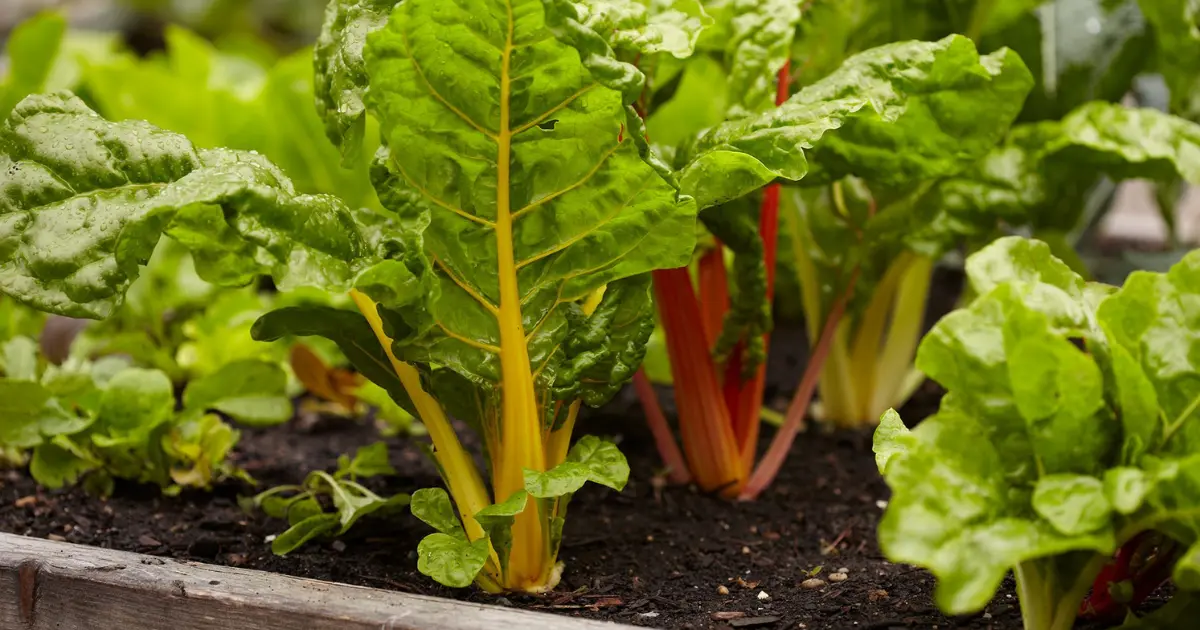
7 Vegetables to Plant in December for a Bountiful Winter Harvest
Winter gardening is a challenge many new gardeners shy away from. But if you’re among [...]
Dec
9 Common Christmas Cactus Problems and How to Fix Them
Have you ever walked past your Christmas cactus and wondered why it suddenly looks sad? [...]
Nov
Swedish Ivy Care: How to Grow a Healthy, Thriving Plant
Have you ever looked at your Swedish Ivy and wondered why the leaves are turning [...]
Nov
Avoid These 10 Garlic Planting Mistakes for Bigger, Healthier Bulbs
Growing garlic at home is one of the most satisfying things a gardener can do [...]
Nov
How to Prevent Christmas Cactus Bud Drop: Tips for a Healthy Bloom
Have you ever noticed your beautiful Christmas cactus (Schlumbergera) starting to lose its buds just [...]
Nov
Discover 7 Stunning Types of Night-Blooming Cereus
Have you ever waited for a flower that only opens at night and then disappears [...]
Nov
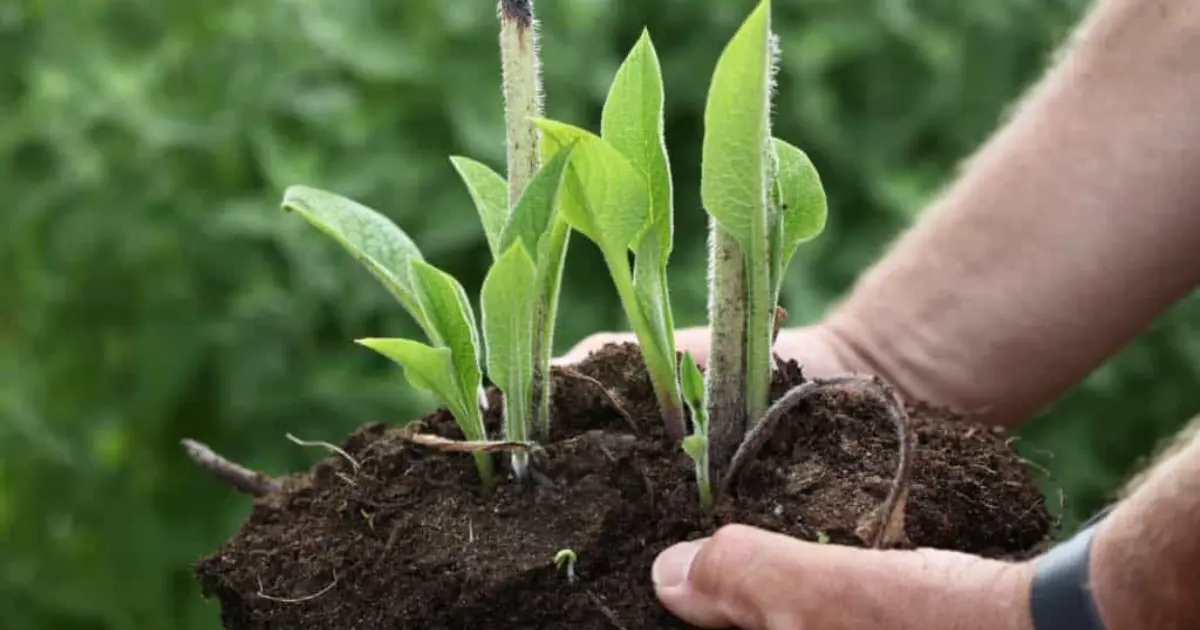
How to Propagate Comfrey from Root Cuttings: Easy Guide for Beginners
If you’re looking to grow your own healthy comfrey plants without spending too much, propagating [...]
Nov
Reviews
There are no reviews yet.