
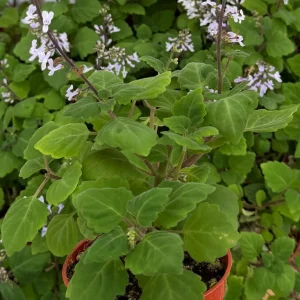
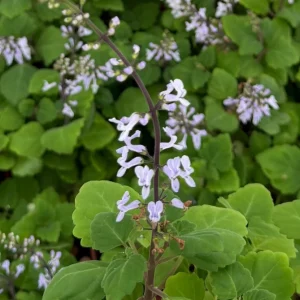
Bonsai Spurflower Plectranthus Ernstii Live Plant 4 Inch Pot Rare Succulent
Original price was: $53.25.$33.25Current price is: $33.25.
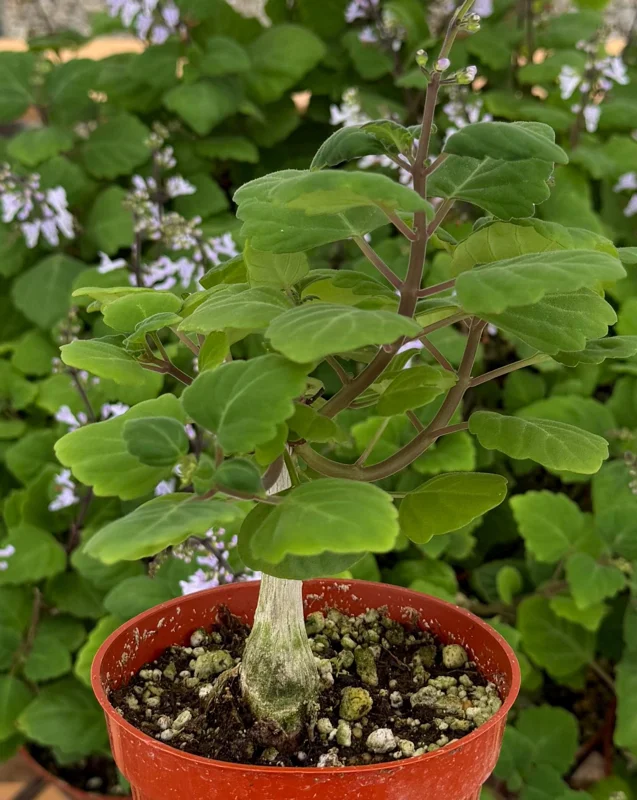
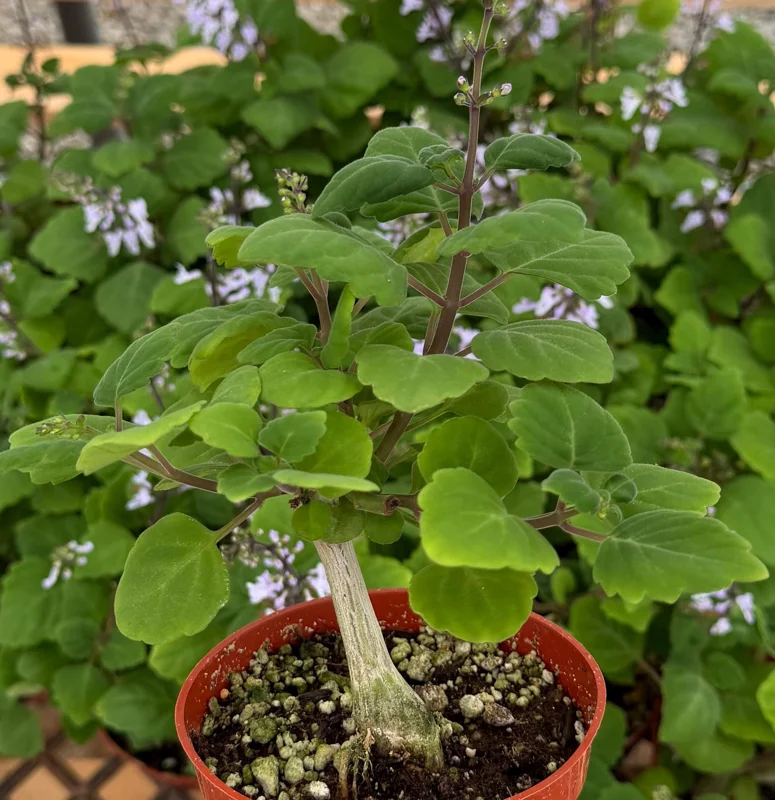
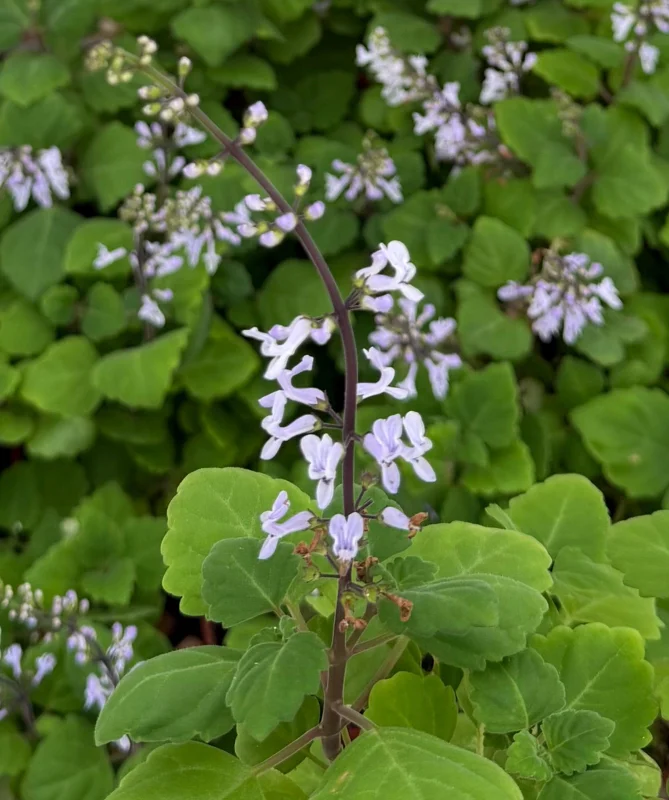
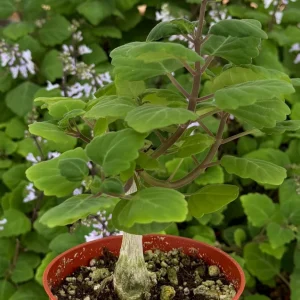
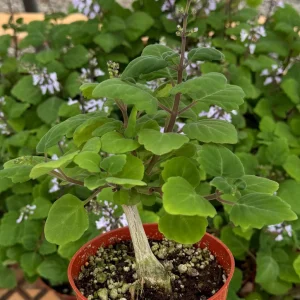
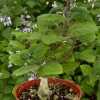
Bring home a unique botanical treasure with the Bonsai Spurflower live plant (Plectranthus ernstii) in a 4 inch pot. This rare succulent features a distinctive woody caudex, giving it a natural bonsai appearance. Its aromatic leaves and delicate lavender flowers make it a captivating addition for collectors and plant enthusiasts.
Estimated arrival
Apr 06
Apr 11 - Apr 13
Apr 16 - Apr 20

Reasonable Price
We offer reasonable price

Support 24/7
Contact us 24 hrs a day

100% Money Back
You've 30 days to Return

Payment Secure
100% secure payment
Overview
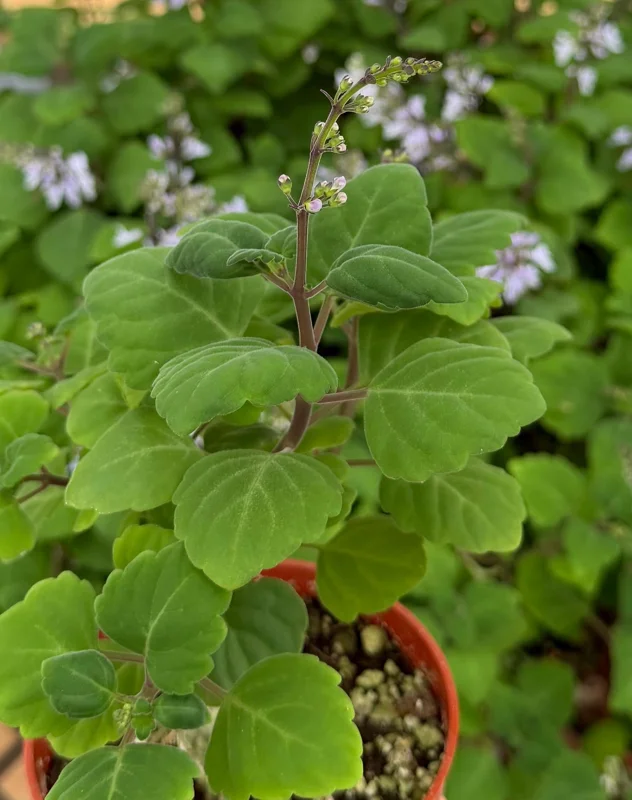
Introducing the captivating Bonsai Spurflower live plant, scientifically known as Plectranthus ernstii. This is a live, rooted plant, carefully cultivated and ready to thrive in your home or garden. Hailing from the Eastern Cape of South Africa, this semi-succulent species is celebrated for its remarkable aesthetic, mimicking a miniature bonsai with its thick, woody caudex. It’s a true collector’s item, offering both unique visual appeal and a fascinating growth habit. The Plectranthus ernstii is a member of the mint family, known for its fleshy, angular stems covered in fine hairs, and soft, aromatic leaves with scalloped edges that release a pleasant scent when touched. Its distinctive form makes it a standout piece, perfect for those seeking an unusual and rewarding plant to nurture.
The allure of the Bonsai Spurflower live plant lies in its natural sculptural quality. Unlike traditional bonsai that require extensive shaping, the Plectranthus ernstii naturally develops a thick, woody base that gives it a mature, ancient tree-like appearance. This makes it an ideal choice for enthusiasts who appreciate the art of bonsai but prefer a plant with inherent structural beauty. Its unique characteristics also appeal to succulent collectors and those interested in caudiciform plants, which are known for their swollen stems or roots used for water storage. This particular species is relatively low-maintenance once established, making it suitable for a wide range of plant parents, from beginners to experienced horticulturists.
Key Benefits
The Bonsai Spurflower live plant offers a multitude of benefits that make it a desirable addition to any plant collection. Its unique features contribute to both aesthetic appeal and ease of care, providing a rewarding experience for its owner.
- Distinctive Caudex Development: The most striking feature of the Plectranthus ernstii is its naturally forming woody caudex, which gives it a unique, miniature bonsai appearance. This sculptural base adds significant visual interest and makes each plant a one-of-a-kind living artwork, perfect for display.
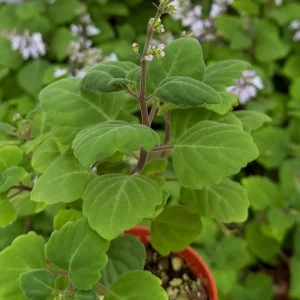
- Aromatic Foliage: The soft, slightly fuzzy leaves of the Bonsai Spurflower live plant release a pleasant, mint-like scent when touched. This adds an engaging sensory element to your plant collection, enhancing the overall experience.
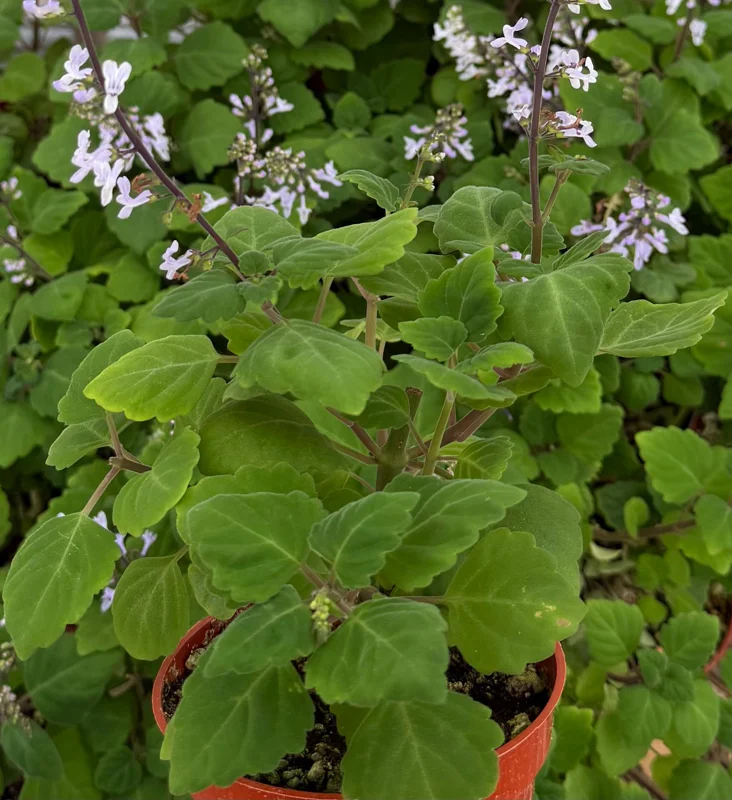
- Charming Floral Display: In late summer to early autumn, this plant produces delicate lavender to bluish-purple tubular flowers. These blooms rise elegantly above the foliage, creating a beautiful contrast and adding a splash of color to its already attractive form.
- Low Maintenance Succulent: As a semi-succulent, the Plectranthus ernstii is relatively easy to care for, especially for those familiar with succulent plant care. It tolerates periods of drought and thrives with minimal intervention once its basic needs are met.
- Collector’s Item: Due to its unique caudiciform nature and striking appearance, the Bonsai Spurflower live plant is highly sought after by rare plant collectors and succulent enthusiasts, making it a valuable addition to any specialized collection.
- Adaptable to Various Settings: This plant can be grown indoors in bright light or outdoors in partial sun, making it versatile for different living environments. Its compact growth habit is ideal for windowsills, desks, or rock gardens.
- Conversation Starter: Its unusual form and striking features are sure to attract attention and spark conversations, making it a focal point in any room or garden setting.
Plant Care & Growing Tips
Caring for your Bonsai Spurflower live plant (Plectranthus ernstii) is straightforward, making it a rewarding choice for both novice and experienced plant enthusiasts. This semi-succulent thrives with consistent care tailored to its native habitat. For optimal growth and to maintain its distinctive caudex, providing the right environmental conditions is key. Understanding the specific needs of Plectranthus Ernstii care will ensure your plant flourishes.
Sunlight and Temperature: The Plectranthus ernstii prefers bright light or partial sun. Indoors, place it near a south or west-facing window where it can receive several hours of bright, indirect light daily. If growing outdoors, ensure it gets morning sun and is protected from intense afternoon sun, which can scorch its leaves. It enjoys warm conditions and is not frost-tolerant. Protect it from temperatures below 40°F (4°C). If you live in a region with cold winters, it’s best to grow this rare succulent plant in a pot that can be moved indoors when temperatures drop.
Watering and Soil: Water moderately, allowing the soil to dry out completely between waterings. Overwatering is the most common cause of problems for succulents, leading to root rot. During winter months, reduce watering significantly. The ideal soil for this plant is well-draining, such as a cactus or succulent potting mix. Good drainage is crucial to prevent waterlogging around the caudex. Fertilize sparingly during the growing season (spring and summer) with a balanced, diluted liquid fertilizer. This crested spurflower indoor plant does not require heavy feeding.
Size & Details
This offering is for one healthy Bonsai Spurflower live plant, Plectranthus ernstii, grown and shipped in a 4 inch nursery pot. The plant’s size will vary slightly but typically features a well-established caudex and vigorous foliage. While growth rates can differ, this plant is known for its relatively compact habit, making it suitable for smaller spaces and container gardening. The caudex, which gives it its unique bonsai-like appearance, will continue to thicken and develop over time with proper care. It is a slow to moderate grower, allowing you to enjoy its evolving form for many years.
Your caudiciform plant for sale will arrive carefully packaged, with its roots and soil intact, ready for you to place in its new home. Expect the plant to be approximately 4-6 inches tall from the top of the soil, with a caudex diameter that varies. It will be a juvenile to semi-mature specimen, already showcasing the characteristic woody base that makes it so desirable. This plant is often grown as a miniature bonsai or displayed as a collectible caudiciform plant, making it a unique addition to any collection.
Frequently Asked Questions
- Q: How big does this plant get? A: The Bonsai Spurflower live plant typically remains compact, usually reaching about 6-12 inches in height and width. Its caudex will continue to thicken over time, enhancing its bonsai-like appearance rather than growing excessively tall.
- Q: What size pot does it come in? A: This plant is shipped in a 4 inch nursery pot, providing a good starting size for its development. You can transplant it into a slightly larger decorative pot once it outgrows its current container.
- Q: Is this an indoor or outdoor plant? A: The Plectranthus ernstii can thrive both indoors and outdoors. It requires bright light or partial sun and prefers warm conditions. If you live in a region with frost, it’s best to grow it as a crested spurflower indoor plant during colder months.
- Q: How much sunlight does it need? A: It needs bright, indirect sunlight for at least 4-6 hours a day. If placing it outdoors, protect it from harsh afternoon sun to prevent leaf scorch.
- Q: Is this plant easy to care for? A: Yes, it is considered relatively easy to care for, especially for those with experience in succulent plant care. The key is well-draining soil and careful watering to prevent root rot, which is common for succulents.
- Q: What condition will it arrive in? A: Your Bonsai Spurflower live plant will arrive carefully packaged to ensure its safety during transit. It will be a healthy, rooted plant in its nursery pot, ready for acclimation to your home.
- Q: Is it pet-safe? A: While Plectranthus species are generally considered non-toxic, it’s always best to keep plants out of reach of pets to avoid any potential irritation or upset stomachs if ingested.
- Q: When is the best time to plant or repot? A: The best time to plant or repot your rare succulent plant is during its active growing season, which is spring to early summer. This allows the plant to establish itself quickly in its new environment.
- Q: Will it survive winter in my zone? A: This plant is not frost-tolerant. It thrives in USDA zones 10-11 if grown outdoors year-round. In colder zones, it must be brought indoors and kept in a warm, bright location during winter.
- Q: What is the main appeal of Plectranthus ernstii? A: The primary appeal of Plectranthus ernstii is its unique, naturally occurring woody caudex, which gives it a distinctive bonsai-like appearance without extensive pruning. This makes it a prized caudiciform plant for sale.
Be the first to review “Bonsai Spurflower Plectranthus Ernstii Live Plant 4 Inch Pot Rare Succulent”
-
USDA Hardiness Zone
USDA zones 10-11 (outdoors) or indoors year-round -
Soil Type
Well-draining succulent or cactus potting mix -
Sunlight Exposure
Bright light or partial sun -
Expected Planting Period
Year-round indoors, spring to early summer outdoors
People Also Viewd
Sold 128 products
Original price was: $89.99.$64.99Current price is: $64.99.
Sold 128 products
Original price was: $27.00.$24.00Current price is: $24.00.
Sold 127 products
Original price was: $159.99.$139.99Current price is: $139.99.
Sold 126 products
Original price was: $3,536.00.$23.99Current price is: $23.99.

Sold 125 products
Original price was: $86.99.$66.99Current price is: $66.99.
Sold 116 products
Original price was: $27.99.$16.99Current price is: $16.99.
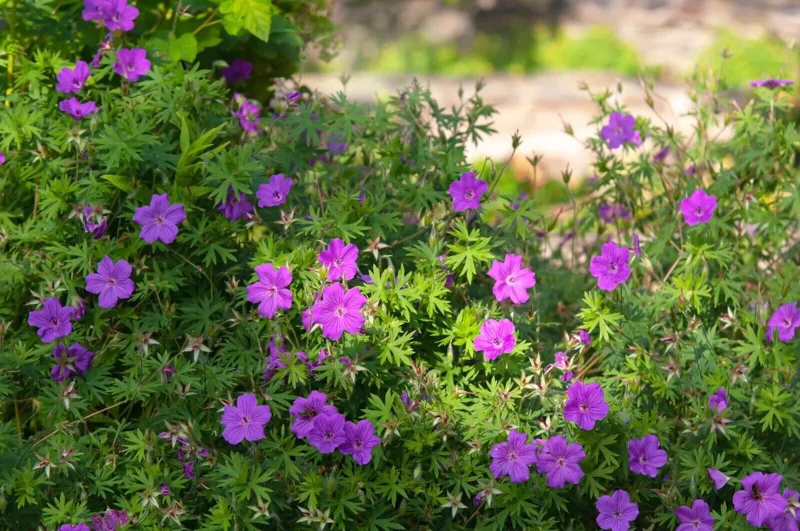
Flower Bulbs
3 Cranesbill Wild Geranium Organic Maculatums Bare Roots | Wildflower for Outdoor Garden
Sold 114 products
Original price was: $21.99.$6.99Current price is: $6.99.
Sold 114 products
Original price was: $28.99.$17.99Current price is: $17.99.RELATED posts
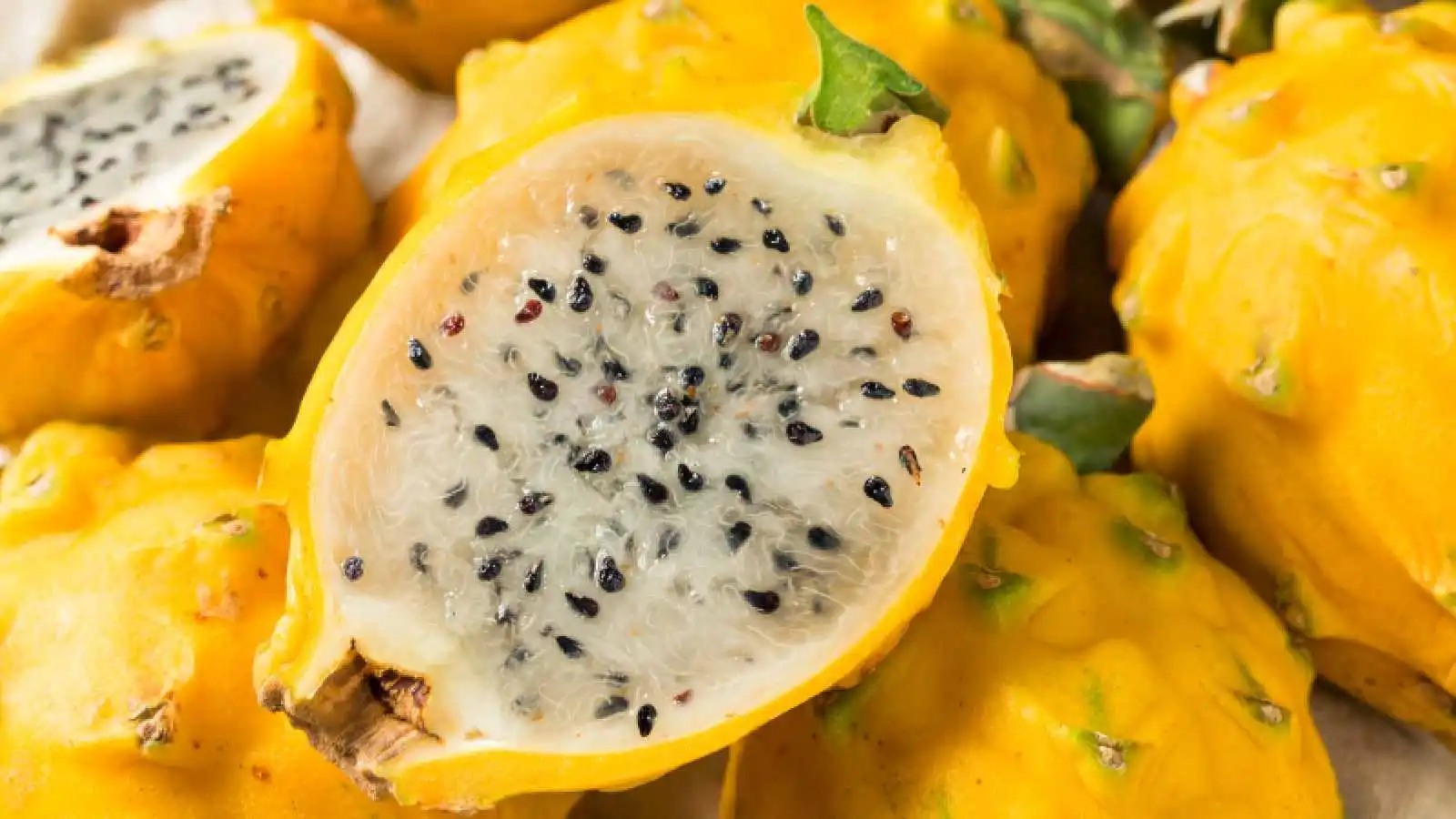
Yellow Dragon Fruit Plant Care: The Ultimate Guide for Healthy Growth
The yellow dragon fruit plant is a unique and rewarding addition to any home garden, [...]
Apr
How to Identify Bocking 14 Comfrey: 5 Simple Visual Signs
If you’re growing comfrey for mulch, compost, or animal feed, knowing exactly which variety you [...]
Mar
Grand Duke of Tuscany Jasmine: The Ultimate Guide to Growing a Fragrant Masterpiece
Have you ever caught a scent in the air so rich, creamy, and honey-sweet that [...]
Mar
How to Grow Wild Huckleberries: A Guide to “Purple Gold”
Have you ever spent a summer afternoon hiking through the Pacific Northwest or the Rocky [...]
Mar
5 Best Shade-Loving Perennials for a Lush, Vibrant Garden
The world of gardening often shines a spotlight on sun-drenched blossoms, but there is a [...]
Mar

7 Common Curry Leaf Plant Problems: Easy Fixes for a Thriving Plant
Is your curry leaf plant looking a bit sad lately? Maybe you woke up to [...]
Mar
Best Time to Plant Bougainvillea: Timing for Vibrant Blooms
If you’re looking for a hardy tropical vine that delivers a riot of neon color, [...]
Feb
How to Propagate Purple Passion Plants (Gynura aurantiaca)
Have you ever been mesmerized by the neon-purple glow and fuzzy, velvet-like leaves of a [...]
Feb
Reviews
There are no reviews yet.