










Creeping Thyme Herb Flower Seeds – Thymus Serpyllum Ground Cover Blue Perennial
Original price was: $25.66.$10.66Current price is: $10.66.
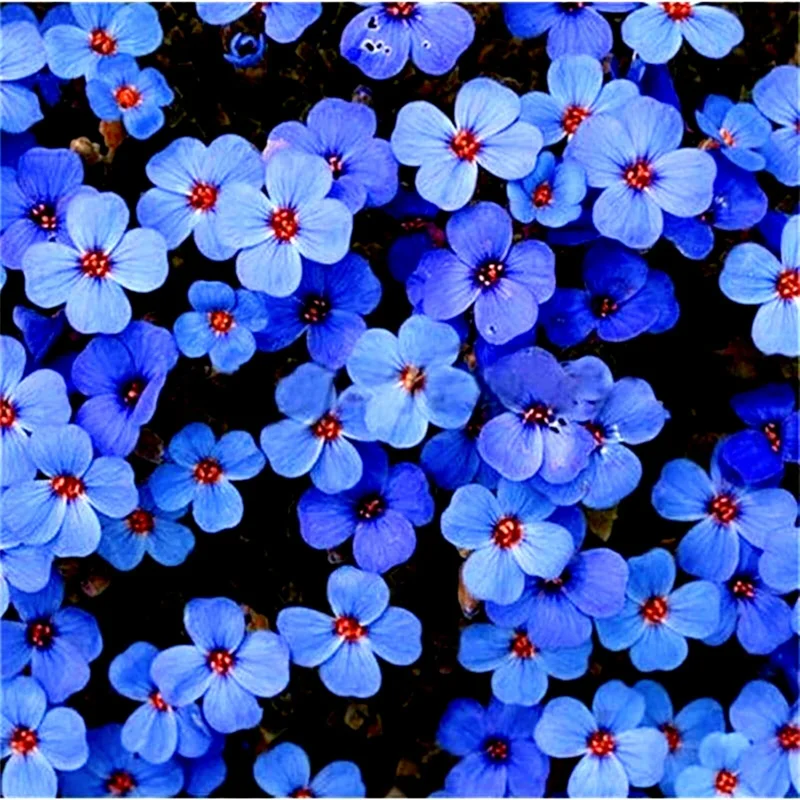
Cultivate a vibrant, low-maintenance landscape with creeping thyme seeds. These Thymus Serpyllum seeds yield a beautiful, fragrant ground cover with charming blue flowers. Ideal for rock gardens, pathways, or filling in spaces, this perennial herb seeds option is drought-tolerant and attracts pollinators, enhancing your garden’s aesthetic and ecological value.
Estimated arrival
Apr 07
Apr 12 - Apr 14
Apr 17 - Apr 21

Reasonable Price
We offer reasonable price

Support 24/7
Contact us 24 hrs a day

100% Money Back
You've 30 days to Return

Payment Secure
100% secure payment
Overview
Transform your garden into a fragrant, colorful haven with these premium creeping thyme seeds. Known scientifically as Thymus Serpyllum, this delightful perennial is celebrated for its dense, mat-forming growth habit and profusion of small, delicate blue flowers. Ideal for creating a lush carpet of greenery, creeping thyme seeds are perfect for gardeners seeking an attractive, low-growing ground cover that offers both visual appeal and a pleasant aroma. Whether you’re looking to soften hardscape edges, fill in gaps between stepping stones, or establish a resilient lawn alternative, these seeds provide an excellent foundation for a beautiful and functional landscape. This variety is particularly known for its vigor and ability to thrive in various conditions, making it a favorite among both novice and experienced gardeners. The charming blue blooms add a subtle splash of color that complements other garden elements beautifully.
Originating from Europe and North Africa, Thymus Serpyllum has been cherished for centuries not only for its beauty but also for its hardiness. These Thymus Serpyllum seeds are carefully selected to ensure high germination rates and robust plant development, allowing you to cultivate a thriving patch of this versatile herb. The plant’s low profile makes it an excellent choice for areas where traditional lawn grasses struggle or where a more natural, informal look is desired. Its ability to tolerate foot traffic also makes it a practical option for pathways and high-traffic areas in the garden. Enjoy the subtle fragrance released when brushed against, adding another sensory layer to your outdoor space.
Key Benefits
Discover the numerous advantages of incorporating creeping thyme seeds into your garden design, offering both aesthetic and practical benefits that enhance any outdoor area.
- Beautiful Ground Cover: These creeping thyme seeds produce a dense, mat-forming plant perfect for covering bare soil, preventing weeds, and creating a lush green carpet. Its low-growing habit ensures a neat and tidy appearance.
- Attractive Blue Blooms: Enjoy a profusion of small, vibrant blue flowers throughout the summer, adding a charming splash of color to your garden. These flowers also attract beneficial pollinators like bees and butterflies.
- Drought Tolerant: Once established, Thymus Serpyllum is highly resilient to dry conditions, making it an excellent choice for xeriscaping or gardens in arid climates. This reduces the need for frequent watering.
- Fragrant Foliage: The delicate leaves release a pleasant, herbaceous aroma when brushed or walked upon, adding a sensory dimension to pathways and seating areas. This natural fragrance is a delightful bonus.
- Low Maintenance: Requiring minimal care, this perennial ground cover is easy to grow and maintain, needing little more than occasional watering and light pruning to keep it looking its best.
- Versatile Use: Ideal for rock gardens, pathways, borders, slopes, or as a lawn alternative, offering flexibility in garden design. It adapts well to various landscape settings, providing continuous beauty.
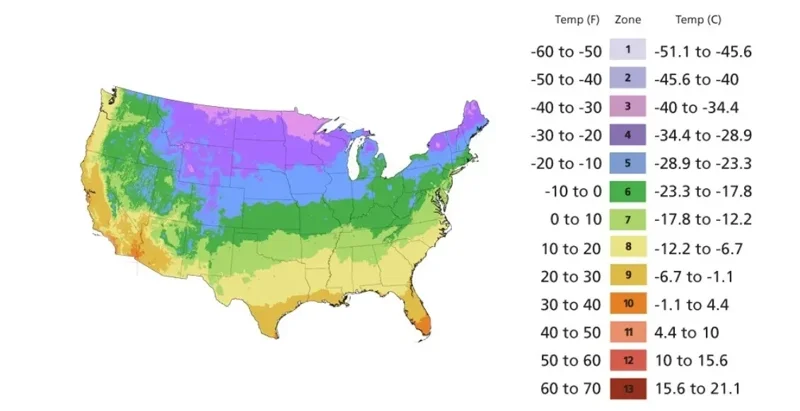
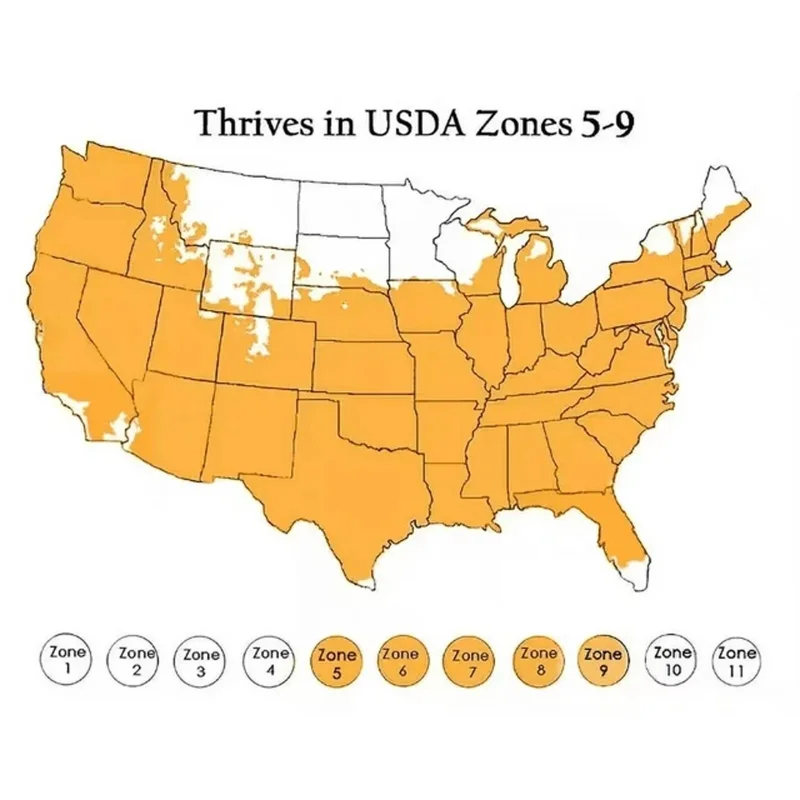
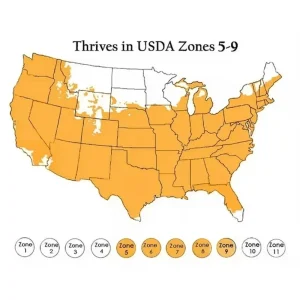
- Hardy Perennial: As a perennial herb seeds variety, it returns year after year, providing long-lasting beauty and reducing the need for annual replanting. It is well-suited for a wide range of USDA Hardiness Zones.
Plant Care & Growing Tips
Successfully growing creeping thyme seeds into a flourishing ground cover requires understanding its basic needs for sunlight, water, and soil. This resilient plant is relatively easy to care for, making it suitable for gardeners of all experience levels. For optimal growth, ensure your planting site receives full sun to partial shade. Full sun (at least 6 hours of direct sunlight per day) will promote the densest growth and most abundant flowering for your blue creeping thyme. In hotter climates, some afternoon shade can be beneficial to prevent scorching. These seeds are best sown directly outdoors in spring after the last frost, or indoors 6-8 weeks before the last frost date for an earlier start. Lightly cover the tiny seeds with a thin layer of soil or fine sand, as they need light to germinate.
When it comes to watering, Thymus Serpyllum seeds prefer well-draining soil and are quite drought-tolerant once established. During germination and the initial growth phase, keep the soil consistently moist but not waterlogged. Overwatering can lead to root rot, so it’s crucial to allow the top inch of soil to dry out between waterings. For soil type, a neutral pH and sandy or loamy soil are ideal. Avoid heavy clay soils that retain too much moisture. Fertilization is rarely necessary for established creeping thyme; however, a light application of a balanced, slow-release granular fertilizer in early spring can encourage vigorous growth. Watch out for common pests like spider mites or mealybugs, which can be treated with insecticidal soap. Proper spacing during planting (about 6-12 inches apart) will allow the plants to spread and form a continuous mat, effectively becoming a beautiful ground cover seeds solution.
Size & Details
These creeping thyme seeds will mature into a low-growing, spreading perennial, typically reaching a height of 2 to 4 inches with an impressive spread of up to 18 inches. The plant forms a dense mat of small, oval-shaped leaves and produces charming blue flowers throughout the summer months. Each packet contains a generous quantity of seeds, ensuring ample coverage for your desired area. The germination period generally ranges from 14 to 28 days under optimal conditions, with flowering occurring in the second year from seed. This particular variety is known for its relatively fast growth rate once established, quickly filling in spaces and providing a verdant, aromatic carpet. It is shipped as a packet of seeds, ready for you to sow and cultivate into a beautiful landscape feature.
Frequently Asked Questions
- Q: How big does this plant get? A: Creeping thyme seeds will mature into plants that typically reach a height of 2 to 4 inches, spreading up to 18 inches wide to form a dense ground cover. Its low-growing habit makes it perfect for pathways and rock gardens.
- Q: How much sunlight does it need? A: This plant thrives in full sun, requiring at least 6 hours of direct sunlight per day for the best growth and bloom. It can tolerate partial shade, especially in hotter climates, but may have less dense foliage and fewer flowers.
- Q: Is this plant easy to care for? A: Yes, Thymus Serpyllum seeds are considered very easy to grow and maintain. Once established, it is drought-tolerant and requires minimal watering and fertilization, making it a great choice for beginners.
- Q: What condition will it arrive in? A: Your order will arrive as a packet of high-quality creeping thyme seeds, ready for planting. The seeds are carefully packaged to ensure their viability and safe arrival.
- Q: Can I use creeping thyme in cooking? A: While this specific variety is primarily grown for its ornamental and ground cover qualities, some creeping thymes can be used sparingly in culinary applications, though garden thyme (Thymus vulgaris) is more commonly used for cooking.
- Q: When is the best time to plant these seeds? A: The best time to plant creeping thyme seeds is in the spring after the last danger of frost has passed. For an earlier start, you can sow them indoors 6-8 weeks before the last frost and transplant them outdoors.
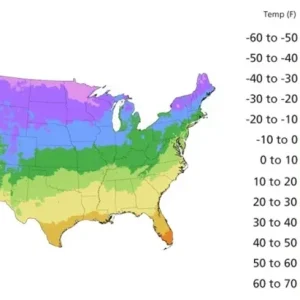
- Q: Will it survive winter in my zone? A: Creeping thyme is a hardy perennial suitable for USDA Hardiness Zones 2-9. It is cold-resistant and will typically return year after year, even after harsh winters.
- Q: Is it good for beginners? A: Absolutely! Due to its low-maintenance nature and resilience, creeping thyme seeds are an excellent choice for beginner gardeners looking for an attractive and easy-to-grow ground cover.
- Q: What type of soil does it prefer? A: Creeping thyme prefers well-draining soil, ideally sandy or loamy, with a neutral pH. Good drainage is crucial to prevent root issues.
- Q: Does it attract pollinators? A: Yes, the beautiful blue flowers of the blue creeping thyme are a favorite of bees, butterflies, and other beneficial pollinators, helping to support local ecosystems.
Be the first to review “Creeping Thyme Herb Flower Seeds – Thymus Serpyllum Ground Cover Blue Perennial”
-
USDA Hardiness Zone
2-9 -
Soil Type
Well-draining, sandy or loamy soil -
Sunlight Exposure
Full sun to partial shade -
Expected Planting Period
Spring
People Also Viewd
Sold 128 products
Original price was: $89.99.$64.99Current price is: $64.99.
Sold 128 products
Original price was: $27.00.$24.00Current price is: $24.00.
Sold 127 products
Original price was: $159.99.$139.99Current price is: $139.99.
Sold 126 products
Original price was: $3,536.00.$23.99Current price is: $23.99.

Sold 125 products
Original price was: $86.99.$66.99Current price is: $66.99.
Sold 116 products
Original price was: $27.99.$16.99Current price is: $16.99.
Flower Bulbs
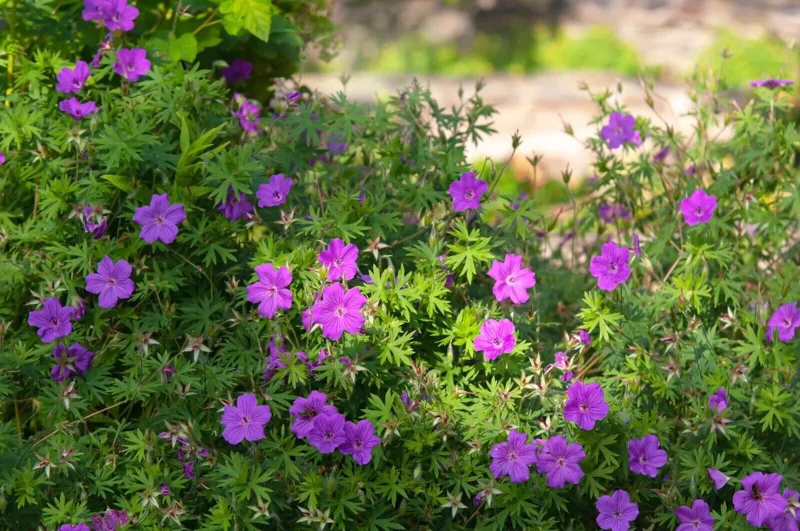
3 Cranesbill Wild Geranium Organic Maculatums Bare Roots | Wildflower for Outdoor Garden
Sold 114 products
Original price was: $21.99.$6.99Current price is: $6.99.
Sold 114 products
Original price was: $28.99.$17.99Current price is: $17.99.RELATED posts

Yellow Dragon Fruit Plant Care: The Ultimate Guide for Healthy Growth
The yellow dragon fruit plant is a unique and rewarding addition to any home garden, [...]
Apr
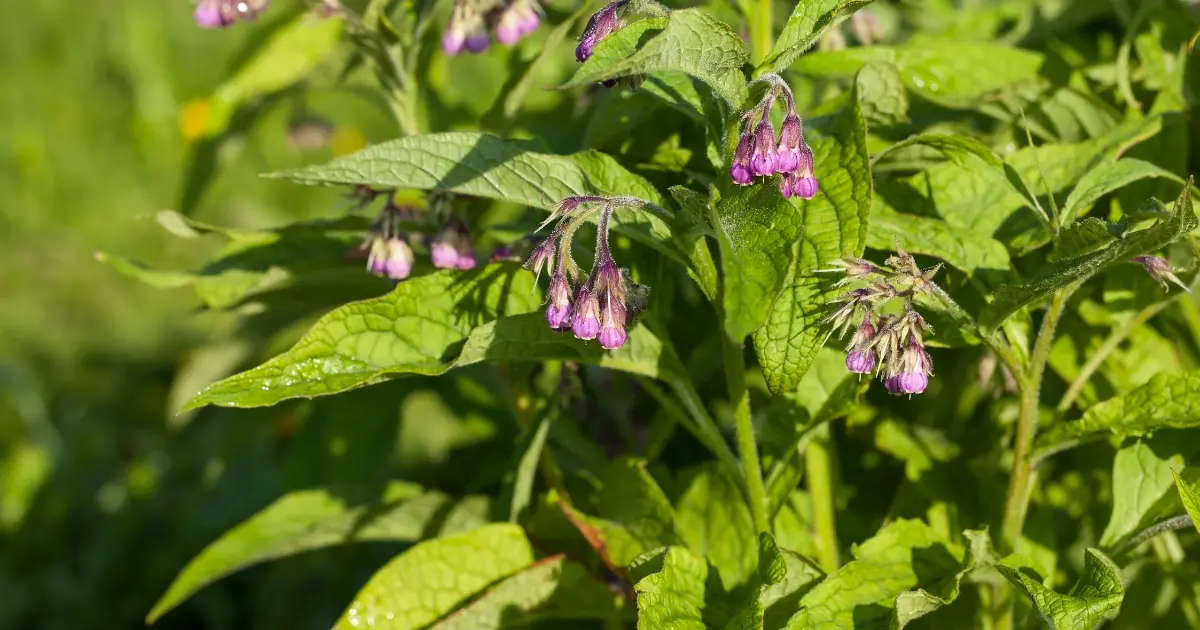
How to Identify Bocking 14 Comfrey: 5 Simple Visual Signs
If you’re growing comfrey for mulch, compost, or animal feed, knowing exactly which variety you [...]
Mar
Grand Duke of Tuscany Jasmine: The Ultimate Guide to Growing a Fragrant Masterpiece
Have you ever caught a scent in the air so rich, creamy, and honey-sweet that [...]
Mar
How to Grow Wild Huckleberries: A Guide to “Purple Gold”
Have you ever spent a summer afternoon hiking through the Pacific Northwest or the Rocky [...]
Mar
5 Best Shade-Loving Perennials for a Lush, Vibrant Garden
The world of gardening often shines a spotlight on sun-drenched blossoms, but there is a [...]
Mar

7 Common Curry Leaf Plant Problems: Easy Fixes for a Thriving Plant
Is your curry leaf plant looking a bit sad lately? Maybe you woke up to [...]
Mar
Best Time to Plant Bougainvillea: Timing for Vibrant Blooms
If you’re looking for a hardy tropical vine that delivers a riot of neon color, [...]
Feb
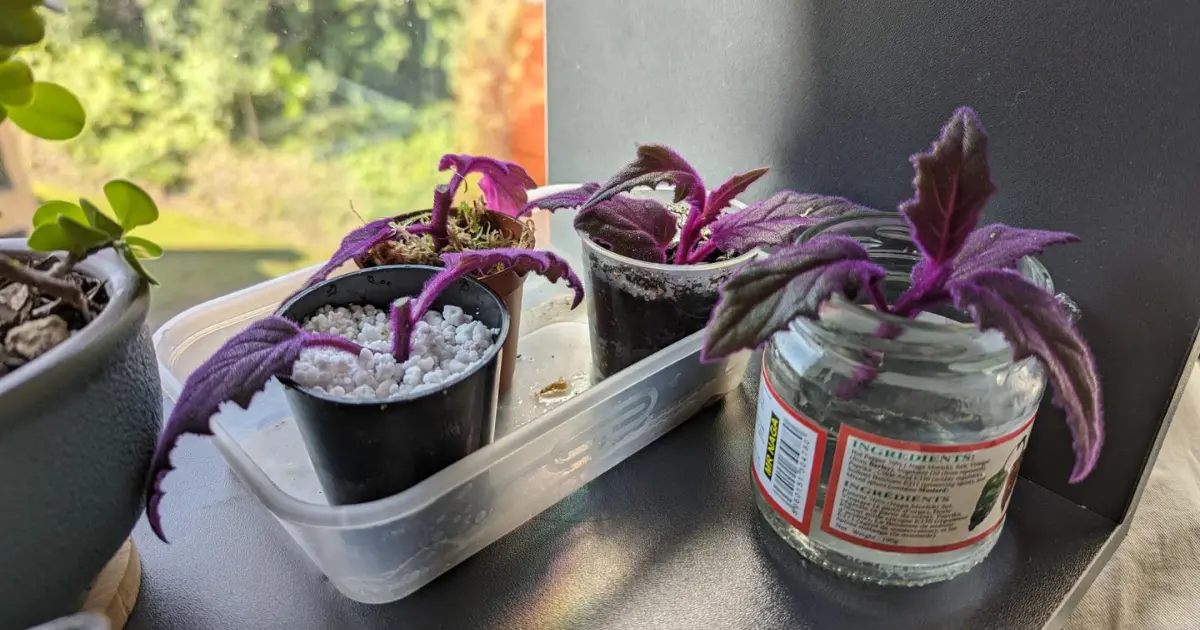
How to Propagate Purple Passion Plants (Gynura aurantiaca)
Have you ever been mesmerized by the neon-purple glow and fuzzy, velvet-like leaves of a [...]
Feb


Reviews
There are no reviews yet.