
Euphorbia Obesa Live Plant – Rare Baseball Succulent in 4 Inch Pot
Original price was: $53.25.$33.25Current price is: $33.25.
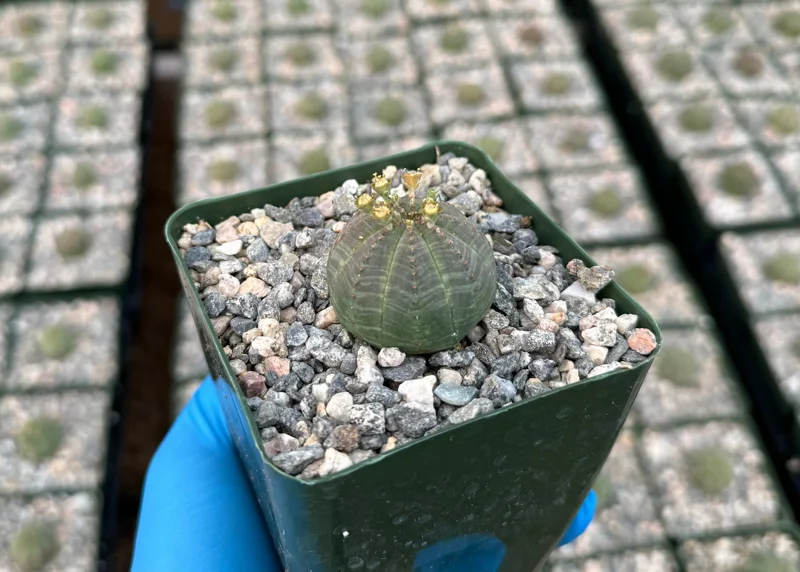
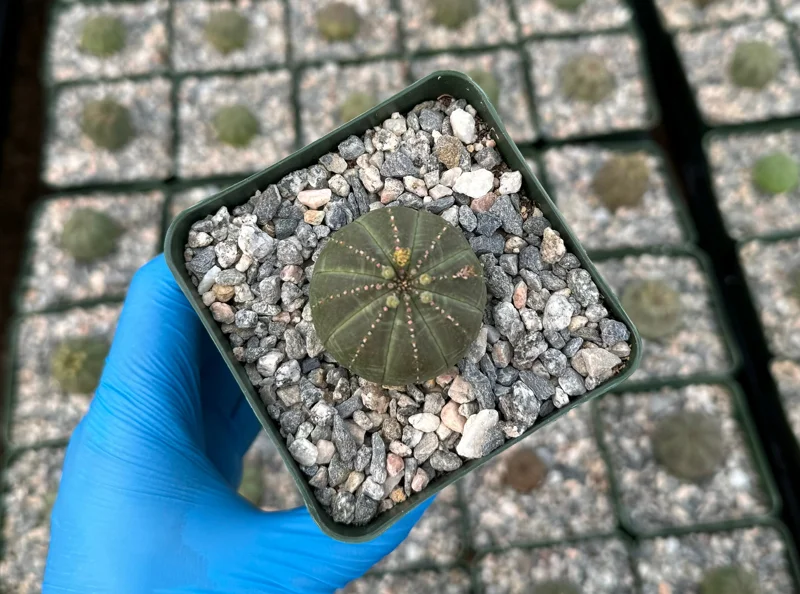
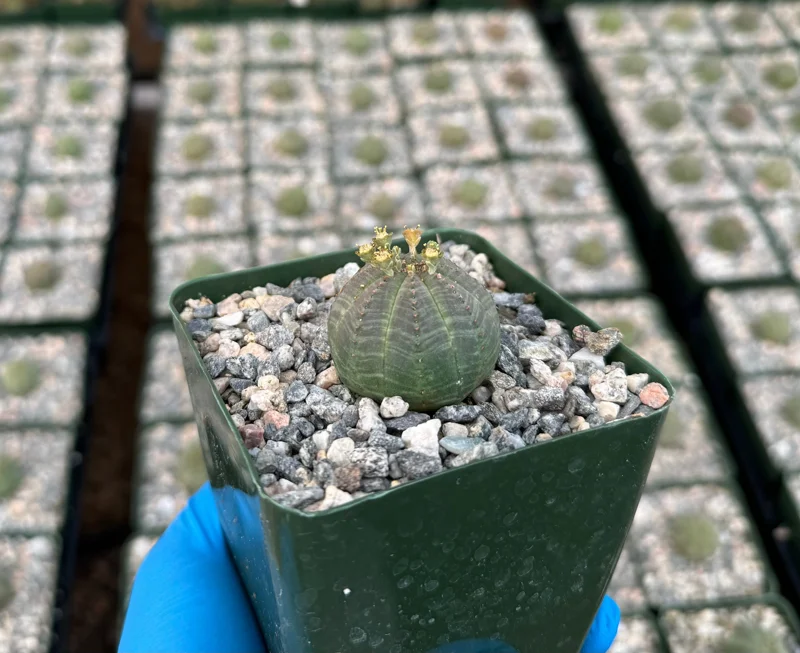
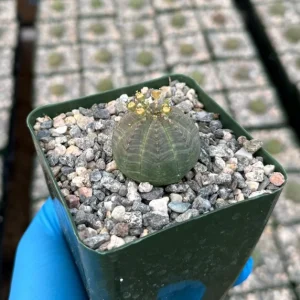
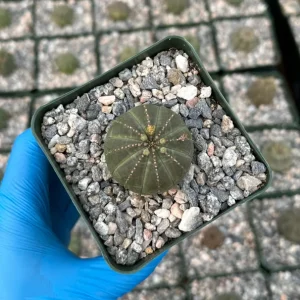
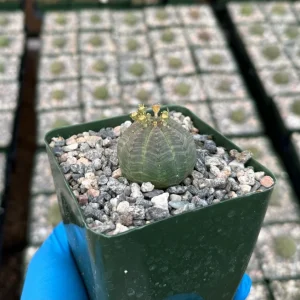
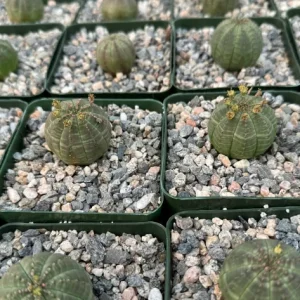
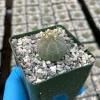
Bring home a fascinating Euphorbia obesa live plant, famously known as the baseball plant succulent. This rare succulent plant boasts a unique spherical shape and is a captivating addition to any collection. Perfect for indoor display, it comes ready in a 4-inch pot.
Estimated arrival
Apr 06
Apr 11 - Apr 13
Apr 16 - Apr 20

Reasonable Price
We offer reasonable price

Support 24/7
Contact us 24 hrs a day

100% Money Back
You've 30 days to Return

Payment Secure
100% secure payment
Overview
The Euphorbia obesa live plant is a truly captivating botanical specimen, often referred to as the baseball plant succulent due to its distinctive, perfectly spherical form. Native to the arid regions of South Africa, this unique plant is a prized possession for succulent enthusiasts and collectors seeking something out of the ordinary. As a member of the diverse Euphorbiaceae family, it stands out with its striking symmetry and compact growth habit. This particular offering provides a healthy, established specimen, ready to thrive in its new home. Its slow growth rate makes it an excellent, low-maintenance choice for adding a touch of exotic elegance to your indoor plant collection.
This remarkable rare succulent plant is celebrated not only for its unusual appearance but also for its resilience. Unlike many other succulents, Euphorbia obesa lacks sharp spines, making it a friendly addition to homes with pets or children, though caution is always advised with any plant. Its green to bluish-green stem is adorned with faint, often purplish, horizontal bands, adding to its visual appeal. Whether you’re a seasoned collector or new to the world of succulents, the Euphorbia obesa live plant offers an engaging and rewarding growing experience, bringing a piece of South African desert beauty into your living space.
Key Benefits
Owning a Euphorbia obesa live plant brings a host of benefits beyond its striking appearance, making it a highly desirable choice for plant lovers:
-
Exceptional Aesthetic Appeal: The unique spherical shape, resembling a baseball or a small melon, makes the baseball plant succulent an instant conversation starter and a focal point in any room. Its symmetrical form is visually calming and adds a modern, sculptural element to your decor.
-
Low Maintenance: As a desert native, this succulent is incredibly drought-tolerant and requires minimal watering, making it ideal for busy individuals or those new to plant care. Its resilience ensures it can withstand periods of neglect with ease.
-
Compact Size: Growing slowly and remaining relatively small, the Euphorbia obesa live plant is perfect for windowsills, desks, shelves, or terrariums where space is limited. It won’t quickly outgrow its spot, maintaining its charming proportions.
-
Rare and Collectible: This is a genuinely rare succulent plant, sought after by collectors for its distinctiveness and unusual growth habit. Adding it to your collection enhances its diversity and prestige.
-
Air Purification: Like many houseplants, it contributes to better indoor air quality by absorbing toxins and releasing oxygen, albeit on a smaller scale due to its compact size.
-
Educational Value: Observing the unique growth patterns and reproductive characteristics (dioecious nature) of Euphorbia obesa can be a fascinating educational experience for both children and adults.
-
Year-Round Interest: Unlike flowering plants that have seasonal appeal, the consistent form and subtle beauty of the Euphorbia obesa live plant provide year-round visual interest.
Plant Care & Growing Tips
Caring for your Euphorbia obesa live plant is relatively straightforward, making it an excellent choice for both novice and experienced succulent growers. The key to its health lies in replicating its natural arid environment. It thrives in bright light; place it near a south or west-facing window where it can receive several hours of direct sunlight daily. If direct sun is too intense, bright indirect light will also suffice, but insufficient light can lead to etiolation (stretching). Good air circulation is also beneficial for preventing fungal issues.
When it comes to watering, less is more for this baseball plant succulent. Allow the soil to dry out completely between waterings, then water thoroughly until it drains from the bottom of the pot. During its dormant period in winter, reduce watering significantly, perhaps once a month or even less. Overwatering is the most common cause of root rot and plant death for succulents. For optimal Euphorbia obesa care, use a well-draining succulent or cactus potting mix, optionally amended with extra perlite or pumice to enhance drainage. A terracotta pot is also recommended as it allows the soil to breathe and dry out faster.
This rare succulent plant prefers warm temperatures, ideally between 60-85°F (15-30°C). Protect it from frost, as it is not cold-hardy. Fertilization is generally not necessary for Euphorbia obesa, but if you wish to feed it, use a diluted succulent fertilizer once or twice during the growing season (spring and summer). Repotting is rarely needed due to its slow growth; only do so when it has completely outgrown its container. Watch out for common pests like mealybugs, which can be treated with rubbing alcohol or insecticidal soap. Proper Euphorbia obesa care ensures a long-lived and beautiful specimen.
Size & Details
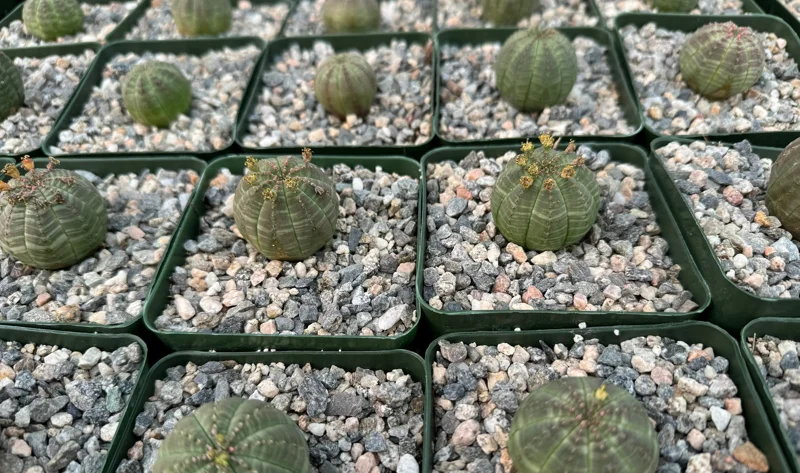
This offering is for a healthy, established Euphorbia obesa live plant, shipped in its 4-inch nursery pot. The plant’s spherical stem typically measures between 2 to 4 inches in diameter upon arrival, showcasing its characteristic ‘baseball’ shape. As a slow-growing succulent, it will gradually increase in size, eventually reaching up to 6 inches (15 cm) in diameter over many years. Its compact nature makes it an ideal choice for small spaces, terrariums, or as part of a succulent arrangement. The plant will arrive carefully packaged to ensure its safety during transit, ready to be placed in your chosen display area.
The baseball plant succulent is dioecious, meaning individual plants are either male or female. While both produce small, greenish-yellow flowers, the female flowers are more inconspicuous. This plant is a fantastic choice for anyone seeking a unique succulent for sale that offers both rarity and ease of care. You can expect your plant to continue its slow, steady growth, developing its distinctive contours and subtle coloration with proper care. It is an excellent specimen for botanical enthusiasts who appreciate the intricate beauty of desert flora.
Frequently Asked Questions
-
Q: How big does this Euphorbia obesa live plant get? A: This plant is a slow grower. While it comes in a 4-inch pot, its spherical stem can eventually reach up to 6 inches (15 cm) in diameter over many years, maintaining its compact and unique form.
-
Q: Is this an indoor or outdoor plant? A: While it can be grown outdoors in warm, frost-free climates (USDA zones 10-11), it is primarily cultivated as an indoor houseplant in most regions due to its sensitivity to cold and preference for controlled environments. It makes an excellent baseball plant succulent for windowsills.
-
Q: How much sunlight does it need? A: The Euphorbia obesa live plant thrives in bright light. It prefers several hours of direct sunlight daily, ideally from a south or west-facing window, but can also do well in very bright indirect light.
-
Q: Is this plant easy to care for? A: Yes, it is considered a low-maintenance succulent. Its primary requirements are plenty of light and infrequent watering, making Euphorbia obesa care relatively simple for beginners and experienced growers alike.
-
Q: What condition will it arrive in? A: Your rare succulent plant will arrive as a healthy, established specimen in its 4-inch nursery pot, carefully packaged to minimize stress and damage during shipping.
-
Q: How often should I water my baseball plant succulent? A: Water only when the soil has completely dried out. In summer, this might be every 2-4 weeks, and in winter, it could be as little as once a month or less, depending on your environment. Always err on the side of underwatering.
-
Q: Is the Euphorbia obesa live plant pet-safe? A: Like many Euphorbias, the sap can be irritating if ingested or if it comes into contact with skin or eyes. It’s best to keep it out of reach of pets and children. This is an important aspect of proper Euphorbia obesa care.
-
Q: Does Euphorbia obesa flower? A: Yes, Euphorbia obesa is dioecious, meaning individual plants are either male or female. Both produce small, greenish-yellow flowers (cyathia), typically in clusters at the top of the plant during the growing season.
-
Q: When is the best time to repot this unique succulent for sale? A: Due to its slow growth, repotting is infrequent. Only repot when the plant has significantly outgrown its current pot, usually every 2-3 years, preferably in the spring or early summer.
-
Q: What kind of soil does it need? A: Use a well-draining potting mix specifically formulated for succulents or cacti. You can also create your own by mixing regular potting soil with perlite, pumice, or coarse sand to improve drainage for your baseball plant succulent.
Be the first to review “Euphorbia Obesa Live Plant – Rare Baseball Succulent in 4 Inch Pot”
-
USDA Hardiness Zone
USDA Zones 10-11 (outdoors) or indoors year-round -
Soil Type
Well-draining succulent or cactus mix -
Sunlight Exposure
Bright direct to bright indirect light -
Expected Planting Period
Year-round indoors
People Also Viewd
Sold 128 products
Original price was: $89.99.$64.99Current price is: $64.99.
Sold 128 products
Original price was: $27.00.$24.00Current price is: $24.00.
Sold 127 products
Original price was: $159.99.$139.99Current price is: $139.99.
Sold 126 products
Original price was: $3,536.00.$23.99Current price is: $23.99.
Sold 125 products
Original price was: $86.99.$66.99Current price is: $66.99.
Sold 116 products
Original price was: $27.99.$16.99Current price is: $16.99.
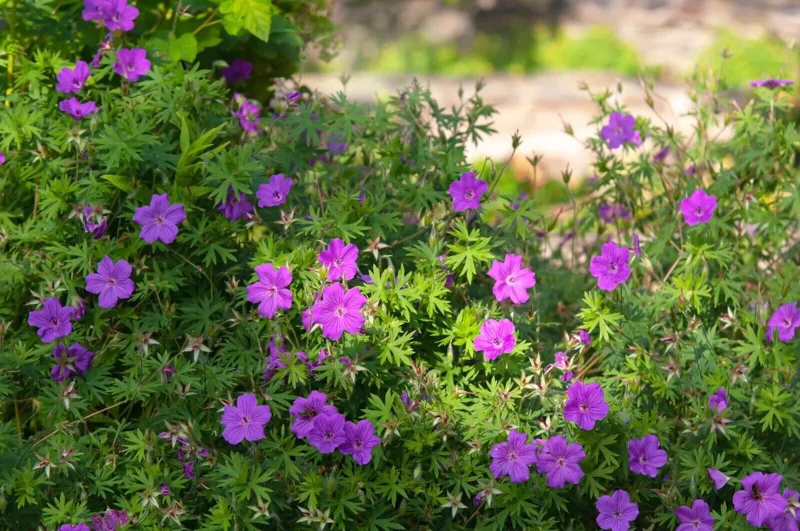
Flower Bulbs
3 Cranesbill Wild Geranium Organic Maculatums Bare Roots | Wildflower for Outdoor Garden
Sold 114 products
Original price was: $21.99.$6.99Current price is: $6.99.
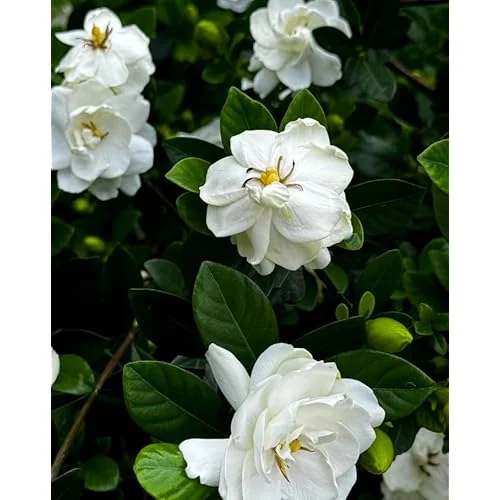
Sold 114 products
Original price was: $28.99.$17.99Current price is: $17.99.RELATED posts
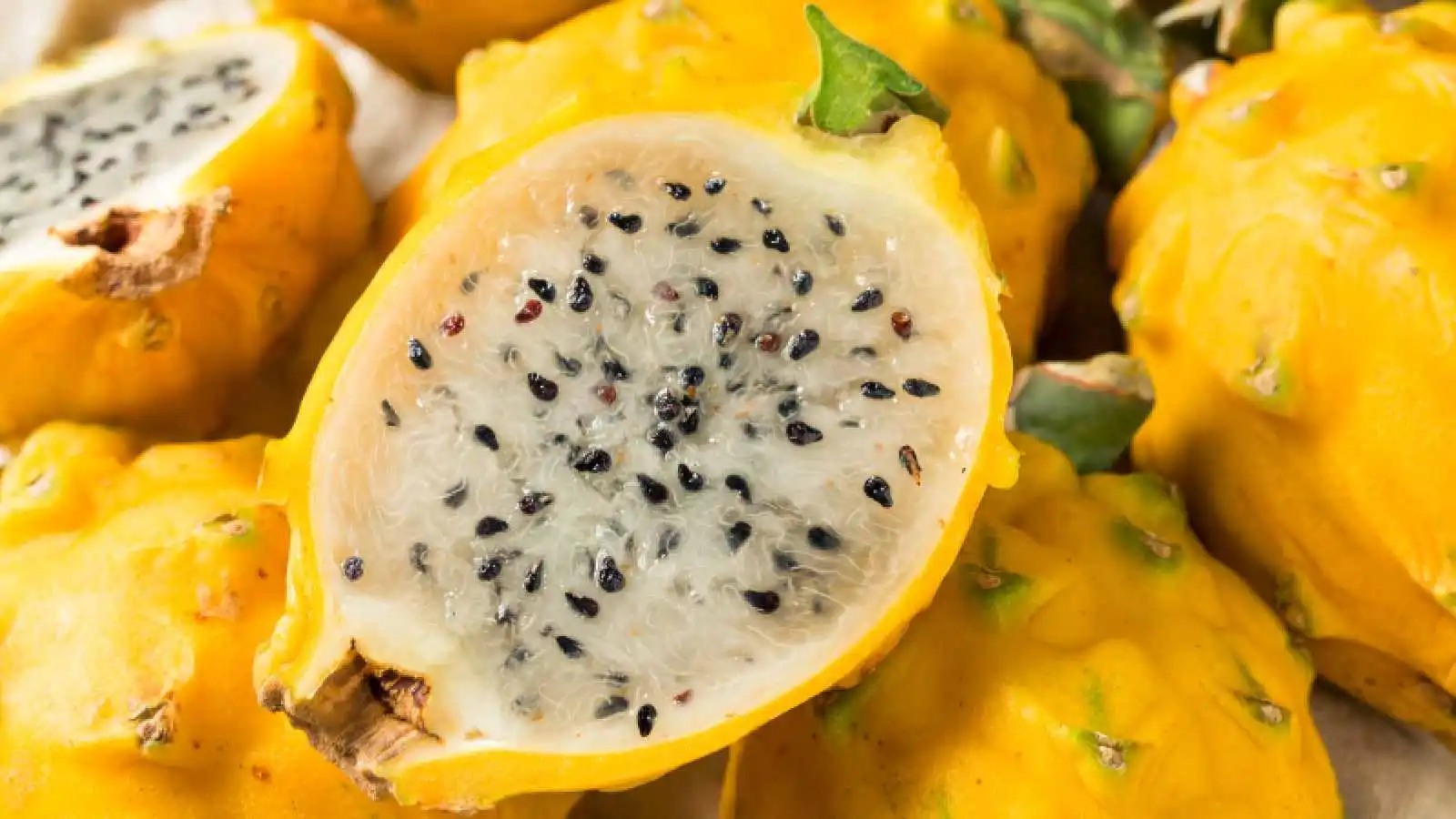
Yellow Dragon Fruit Plant Care: The Ultimate Guide for Healthy Growth
The yellow dragon fruit plant is a unique and rewarding addition to any home garden, [...]
Apr
How to Identify Bocking 14 Comfrey: 5 Simple Visual Signs
If you’re growing comfrey for mulch, compost, or animal feed, knowing exactly which variety you [...]
Mar
Grand Duke of Tuscany Jasmine: The Ultimate Guide to Growing a Fragrant Masterpiece
Have you ever caught a scent in the air so rich, creamy, and honey-sweet that [...]
Mar
How to Grow Wild Huckleberries: A Guide to “Purple Gold”
Have you ever spent a summer afternoon hiking through the Pacific Northwest or the Rocky [...]
Mar
5 Best Shade-Loving Perennials for a Lush, Vibrant Garden
The world of gardening often shines a spotlight on sun-drenched blossoms, but there is a [...]
Mar

7 Common Curry Leaf Plant Problems: Easy Fixes for a Thriving Plant
Is your curry leaf plant looking a bit sad lately? Maybe you woke up to [...]
Mar
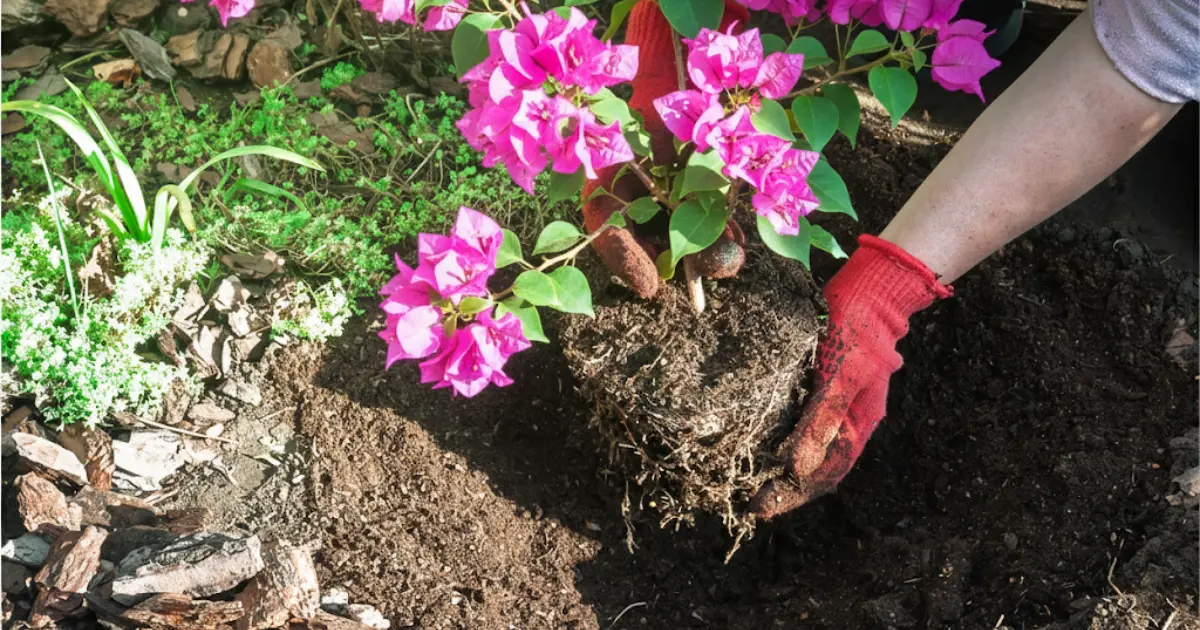
Best Time to Plant Bougainvillea: Timing for Vibrant Blooms
If you’re looking for a hardy tropical vine that delivers a riot of neon color, [...]
Feb
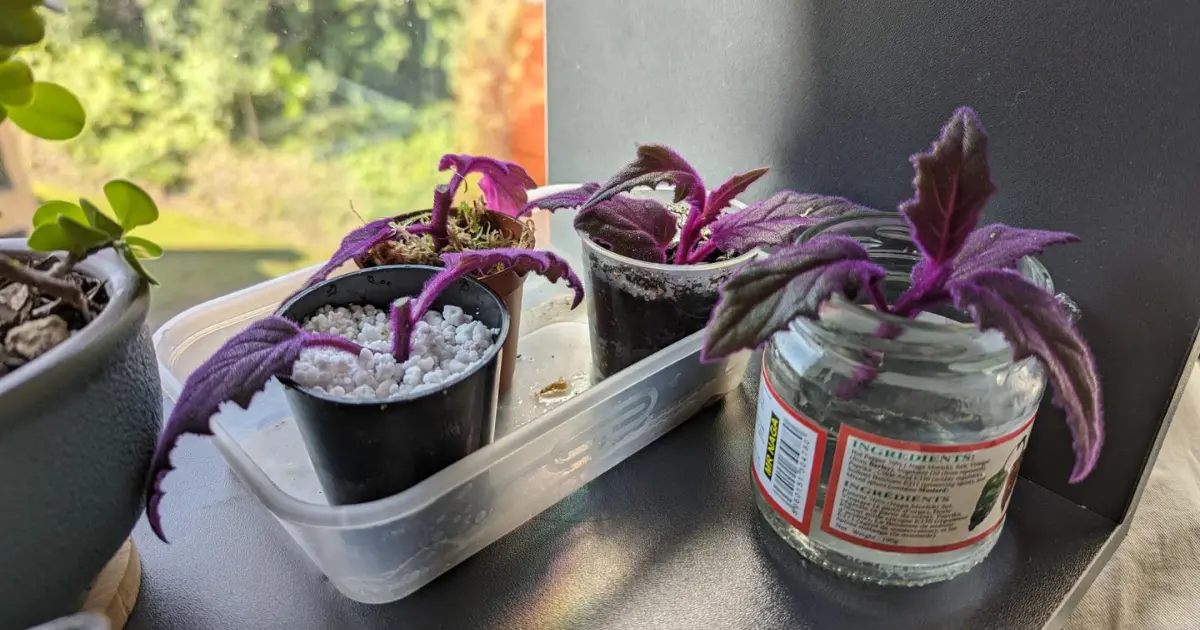
How to Propagate Purple Passion Plants (Gynura aurantiaca)
Have you ever been mesmerized by the neon-purple glow and fuzzy, velvet-like leaves of a [...]
Feb
Reviews
There are no reviews yet.