
Forsythia Bush Cuttings – Set of 12 Unrooted Stems, 6-8 Inches, Outdoor Shrub
Original price was: $33.39.$13.39Current price is: $13.39.
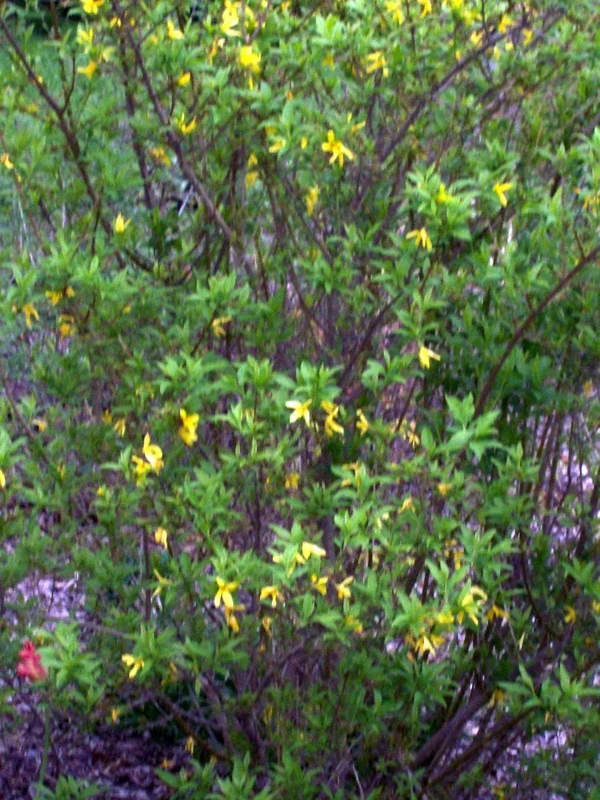
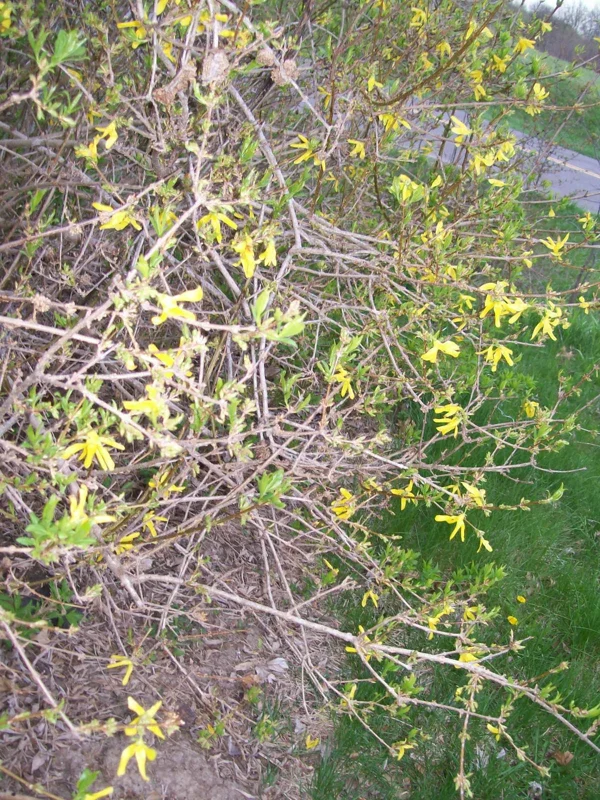
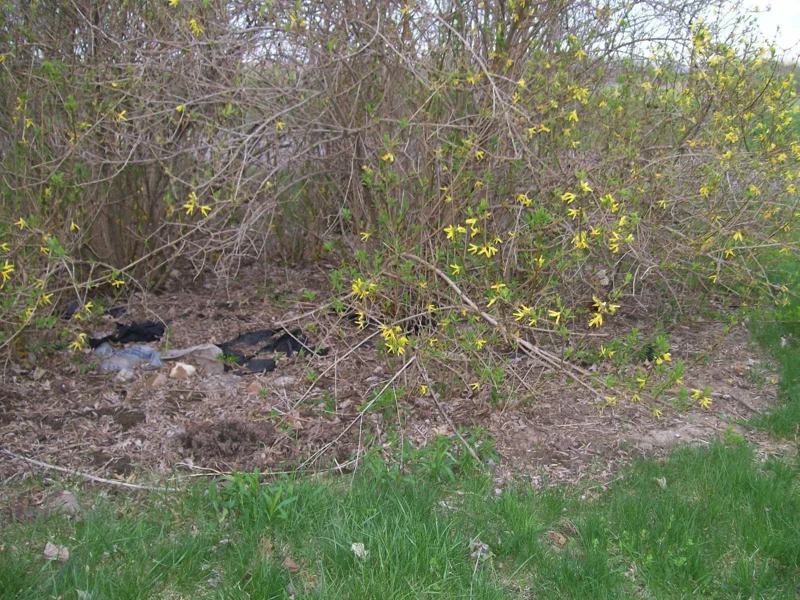
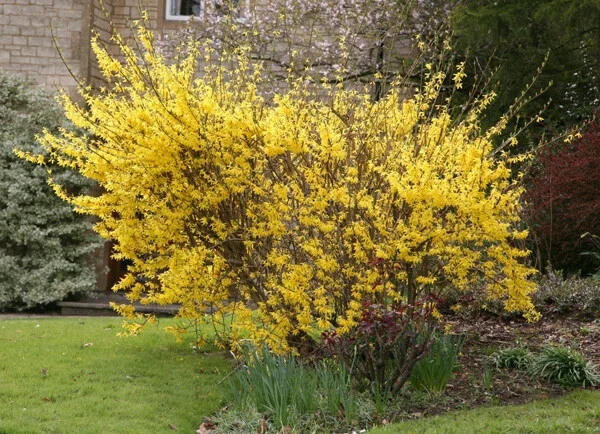
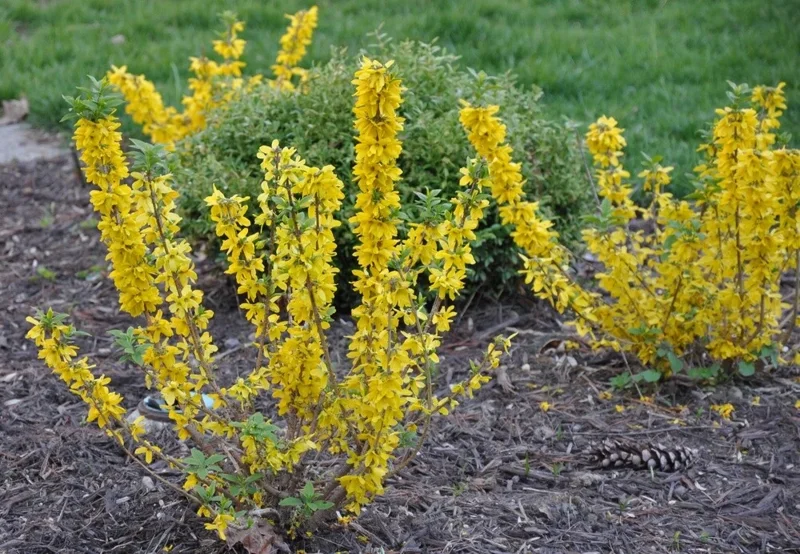
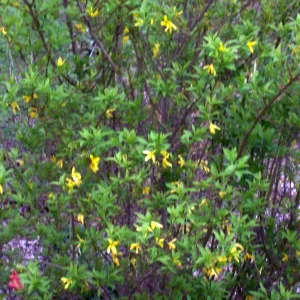
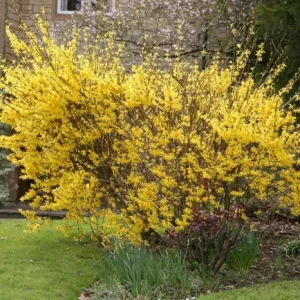
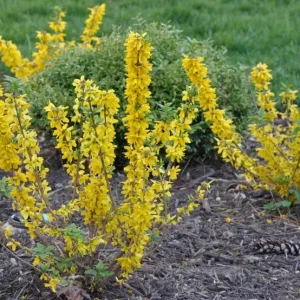
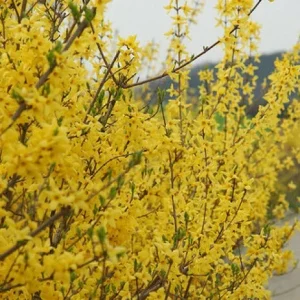
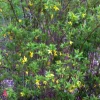
Cultivate the vibrant beauty of forsythia bush cuttings in your garden. This set includes 12 fresh, unrooted stems, each measuring 6 to 8 inches, ready for propagation. Perfect for creating new hedges or adding early spring color to your outdoor landscape.
Estimated arrival
Apr 06
Apr 11 - Apr 13
Apr 16 - Apr 20

Reasonable Price
We offer reasonable price

Support 24/7
Contact us 24 hrs a day

100% Money Back
You've 30 days to Return

Payment Secure
100% secure payment
Overview
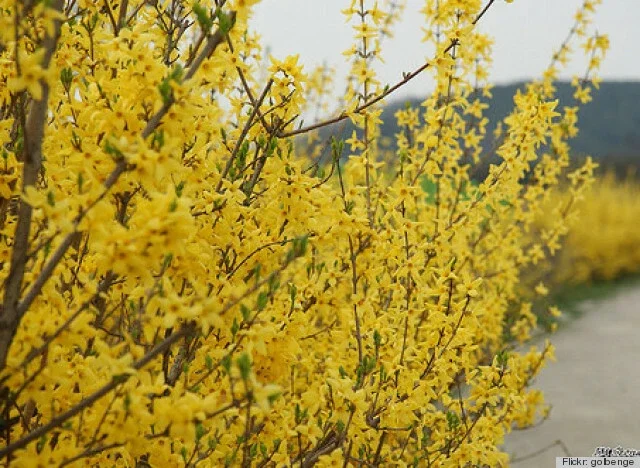
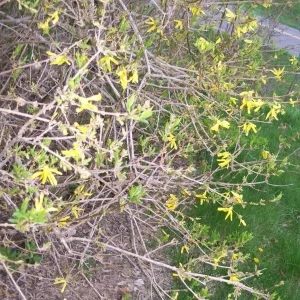
Transform your garden with a stunning display of early spring color by growing these forsythia bush cuttings. This offering provides a generous set of 12 unrooted stems, each carefully selected to be between 6 to 8 inches in length, ensuring a good foundation for successful propagation. Forsythia, known botanically as Oleaceae, is a deciduous shrub celebrated for its profusion of bright yellow flowers that emerge even before its leaves in early spring. These cuttings are an economical and rewarding way to establish new plants, allowing you to expand your garden’s beauty or share the joy of gardening with others. The process of rooting these cuttings is straightforward, making it an accessible project for both novice and experienced gardeners eager to cultivate the charm of this popular shrub. Get ready to enjoy the golden spectacle that only a thriving forsythia bush cuttings can provide.
The lively yellow blossoms of Forsythia are often considered the first true sign of spring, brightening up landscapes after the long winter months. By starting with unrooted cuttings, you gain the satisfaction of nurturing a plant from its earliest stages. This set provides ample material to experiment with different rooting methods or to create a substantial planting. These unrooted forsythia stems are a fantastic choice for hedges, borders, or as standalone accent plants, promising a spectacular floral show year after year.
Key Benefits
Growing forsythia from cuttings offers numerous advantages for any gardener looking to enhance their outdoor space. These easy-to-root plants provide a wealth of benefits:
-
Prolific Early Spring Blooms: Forsythia is renowned for its abundant, cheerful yellow flowers that burst forth in early spring, often before other plants have even begun to leaf out. This provides a much-needed splash of color to the awakening landscape.
-
Easy Propagation: These forsythia bush cuttings are specifically prepared for easy rooting, making them a great project for gardeners of all skill levels. With proper care, you can successfully grow new plants from these unrooted stems.
-
Versatile Landscape Use: Forsythia shrubs can be used in various ways within your garden design. They are excellent for creating vibrant hedges, attractive borders, or as specimen plants that stand out with their bright foliage and flowers.
-
Fast Growth Rate: Once established, forsythia plants grow relatively quickly, allowing you to achieve a mature, flowering shrub in a shorter amount of time compared to other plant varieties.
-
Low Maintenance: After rooting and establishing, forsythia plant care is generally low-maintenance. They are quite hardy and tolerant of a range of soil and light conditions, requiring minimal intervention to thrive.
-
Attracts Pollinators: The early spring flowers provide an important nectar source for early emerging pollinators, contributing to the biodiversity and health of your garden ecosystem.
Plant Care & Growing Tips
Caring for your forsythia bush cuttings to ensure successful rooting and growth is relatively simple. Upon arrival, place the unrooted cuttings in water or directly into a well-draining rooting medium. For best results, dip the cut end into rooting hormone powder, though it’s not always necessary. Maintain consistent moisture in the rooting medium but avoid waterlogging, which can lead to rot. A warm environment and bright, indirect light are ideal for encouraging root development. Once roots are established (typically within a few weeks to a couple of months), the young plants can be transplanted to their permanent outdoor location.
When considering how to grow forsythia, select a site with full sun to medium sun exposure, meaning at least 6 hours of direct sunlight per day. While forsythia can tolerate some partial shade, flowering will be less prolific. The plant thrives in temperate climates and is adaptable to a variety of soil types, though it prefers well-draining soil. Water regularly, especially during dry spells, until the plant is well-established. Once mature, forsythia is fairly drought-tolerant. Fertilize lightly in spring with a balanced slow-release fertilizer. Pruning should be done immediately after flowering to maintain shape and encourage new growth for the following season’s blooms. This prevents cutting off the flower buds that form on old wood.
Forsythia is typically hardy in USDA zones 5-8, making it a robust choice for many regions. It can withstand various weather conditions, though extreme cold might damage some flower buds. The foliage is broadleaf and remains green throughout the growing season, providing a lush backdrop even when not in bloom. With proper forsythia plant care, these cuttings will mature into magnificent shrubs, creating a stunning visual impact with their vibrant yellow flowering shrub display each spring.
Size & Details
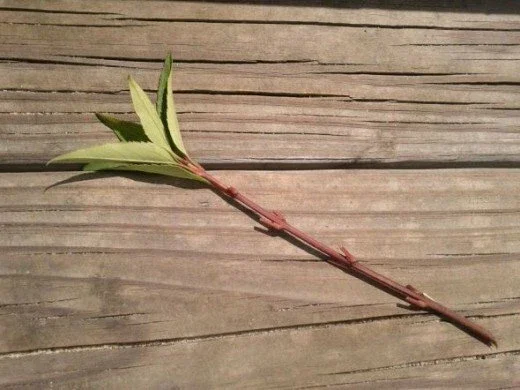
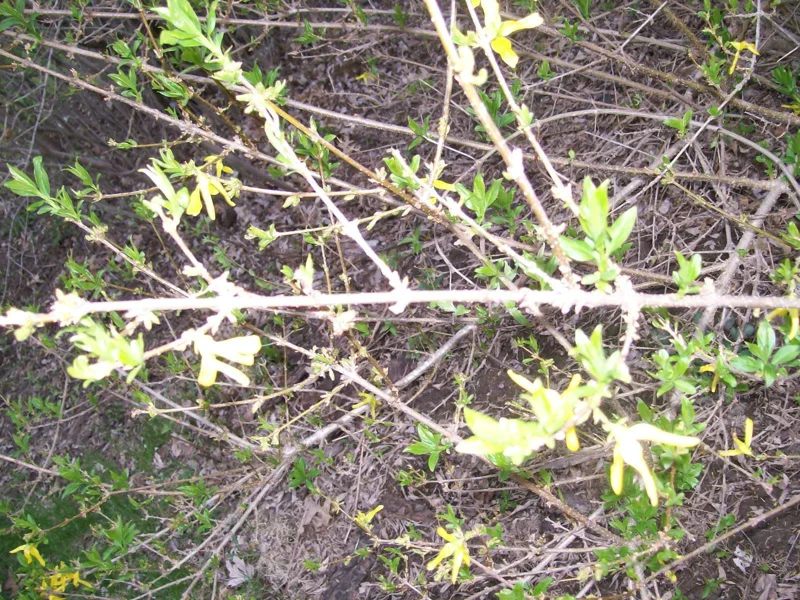
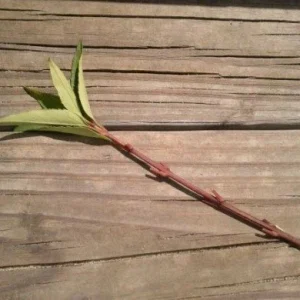
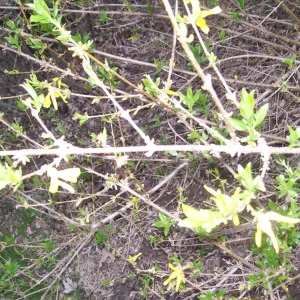
This offering includes a set of 12 forsythia bush cuttings, each carefully cut to a length of 6 to 8 inches. These are unrooted stems, meaning they do not yet have developed root systems and will require propagation upon arrival. They are ideal for gardeners who enjoy the process of growing plants from scratch and wish to cultivate multiple shrubs. The cuttings are taken from healthy, mature forsythia plants, ensuring good genetic material for vigorous growth.
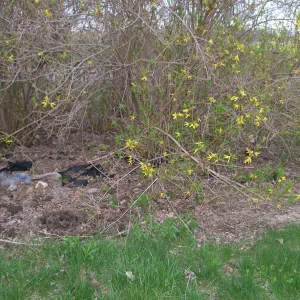
Once successfully rooted and planted, these forsythia plants are known for their relatively fast growth rate, quickly developing into medium-sized shrubs. Mature forsythia bushes typically reach heights of 8 to 10 feet with a similar spread, though they can be maintained at smaller sizes through annual pruning. The plants will ship as bare, unrooted cuttings, ready for you to begin the rooting process. Expect the first significant flowering to occur within 1-2 years after successful rooting and establishment, bringing the iconic yellow flowering shrub to your landscape.
Frequently Asked Questions
-
Q: How big does this plant get? A: Once rooted and mature, forsythia shrubs typically grow to be about 8 to 10 feet tall and wide. Regular pruning after flowering can help manage their size and shape effectively.
-
Q: Is this an indoor or outdoor plant? A: Forsythia is primarily an outdoor shrub. It requires a period of winter dormancy to produce its abundant spring flowers and is best suited for garden beds, hedges, or as a standalone landscape plant.
-
Q: How much sunlight does it need? A: For the best flowering results, forsythia prefers full sun, meaning at least 6 hours of direct sunlight per day. It can tolerate partial shade, but you may see fewer blooms.
-
Q: Is this plant easy to care for? A: Yes, forsythia is considered a very easy-to-care-for shrub. Once established, it is quite hardy, drought-tolerant, and requires minimal attention beyond annual pruning.
-
Q: What condition will the forsythia bush cuttings arrive in? A: The cuttings will arrive as fresh, unrooted stems, carefully packaged to maintain their viability during transit. They will need to be placed in water or rooting medium upon arrival.
-
Q: When is the best time to plant these cuttings? A: Spring or early summer is generally the best time to root and plant unrooted forsythia cuttings, allowing them ample time to establish before winter. However, with indoor rooting, they can be started earlier.
-
Q: Will it survive winter in my zone? A: Forsythia is very cold hardy, typically thriving in USDA Zones 5-8. It can tolerate winter temperatures well within these zones, ensuring a return of its beautiful yellow flowering shrub each spring.
-
Q: What type of soil is best for how to grow forsythia? A: Forsythia is adaptable to most soil types but performs best in well-draining soil. It can tolerate clay or sandy soils as long as drainage is adequate.
-
Q: Do these cuttings need rooting hormone? A: While not strictly necessary, using a rooting hormone can significantly increase the success rate and speed of root development for these forsythia bush cuttings.
-
Q: How long until the plants bloom? A: You can typically expect your rooted forsythia plants to start producing flowers within 1 to 2 years after they have been successfully rooted and transplanted into the garden.
Be the first to review “Forsythia Bush Cuttings – Set of 12 Unrooted Stems, 6-8 Inches, Outdoor Shrub”
-
USDA Hardiness Zone
USDA Zones 5-8 -
Soil Type
Well-draining soil -
Sunlight Exposure
Full Sun to Medium Sun -
Expected Planting Period
Spring to Early Summer
People Also Viewd


Sold 128 products
Original price was: $27.00.$24.00Current price is: $24.00.

Sold 128 products
Original price was: $89.99.$64.99Current price is: $64.99.
Sold 127 products
Original price was: $159.99.$139.99Current price is: $139.99.

Sold 126 products
Original price was: $3,536.00.$23.99Current price is: $23.99.

Sold 125 products
Original price was: $86.99.$66.99Current price is: $66.99.
Sold 116 products
Original price was: $27.99.$16.99Current price is: $16.99.

Sold 114 products
Original price was: $28.99.$17.99Current price is: $17.99.

Flower Bulbs
3 Cranesbill Wild Geranium Organic Maculatums Bare Roots | Wildflower for Outdoor Garden
Sold 114 products
Original price was: $21.99.$6.99Current price is: $6.99.RELATED posts
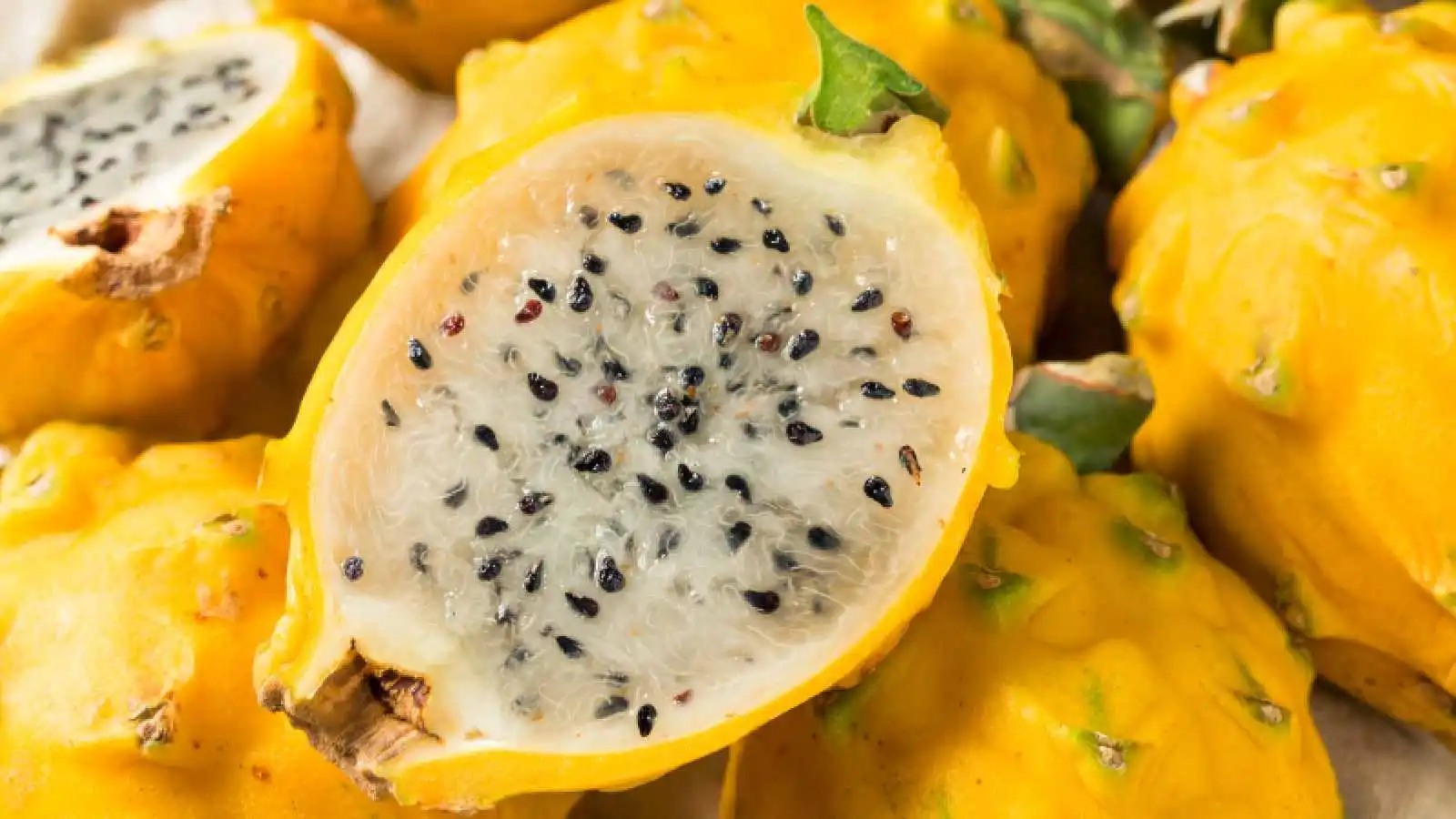
Yellow Dragon Fruit Plant Care: The Ultimate Guide for Healthy Growth
The yellow dragon fruit plant is a unique and rewarding addition to any home garden, [...]
Apr
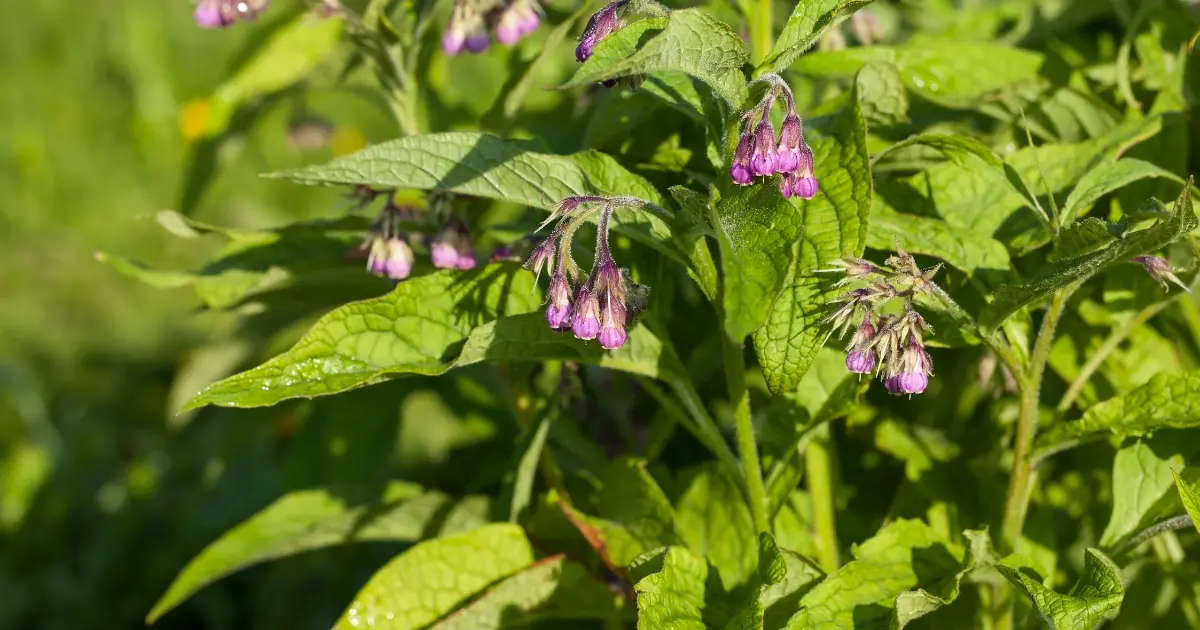
How to Identify Bocking 14 Comfrey: 5 Simple Visual Signs
If you’re growing comfrey for mulch, compost, or animal feed, knowing exactly which variety you [...]
Mar
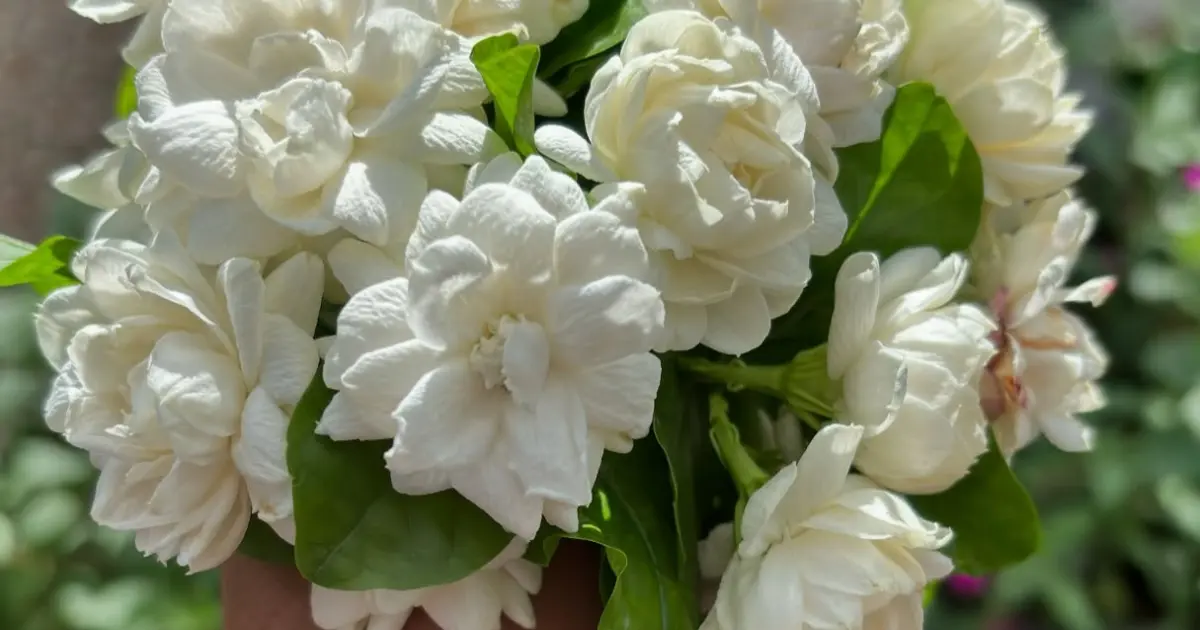
Grand Duke of Tuscany Jasmine: The Ultimate Guide to Growing a Fragrant Masterpiece
Have you ever caught a scent in the air so rich, creamy, and honey-sweet that [...]
Mar
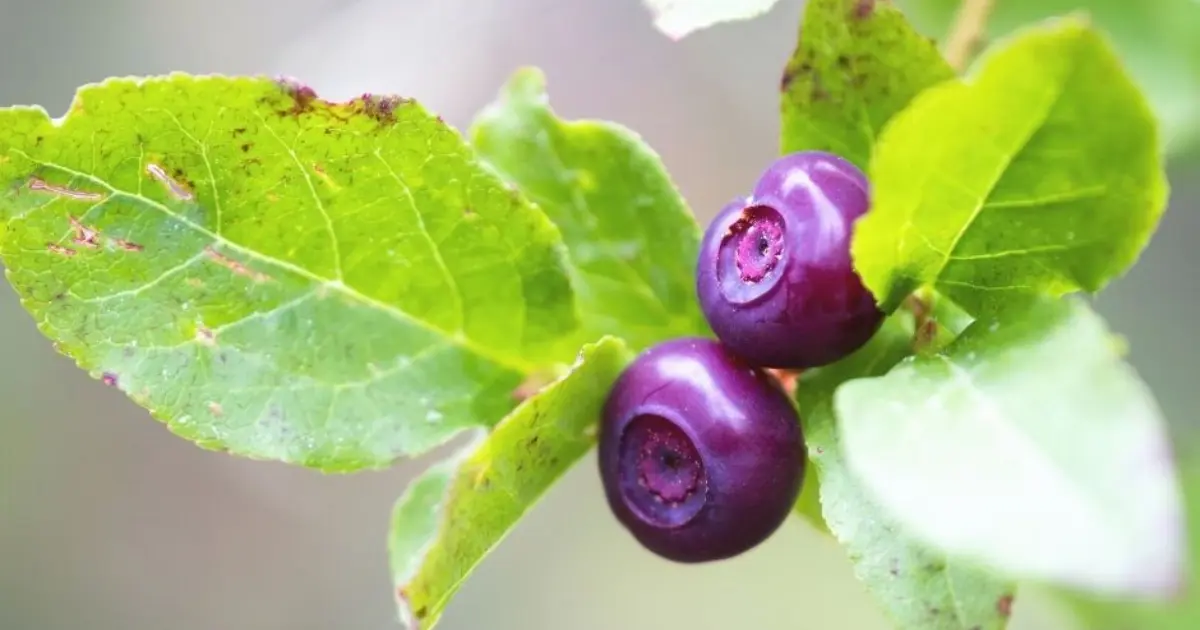
How to Grow Wild Huckleberries: A Guide to “Purple Gold”
Have you ever spent a summer afternoon hiking through the Pacific Northwest or the Rocky [...]
Mar
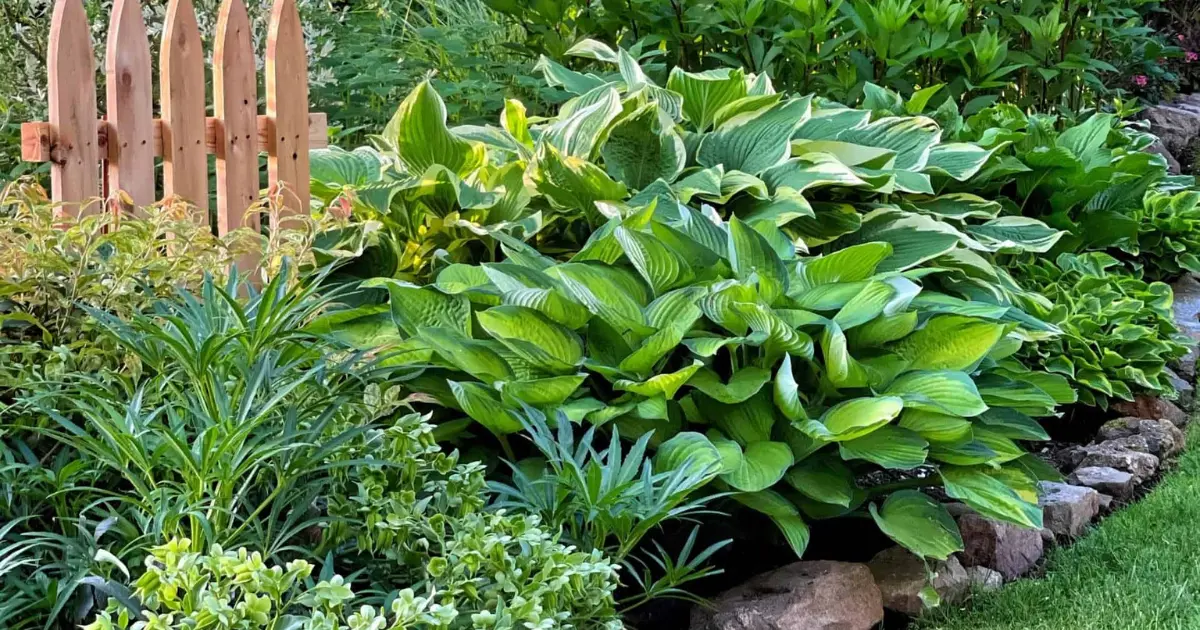
5 Best Shade-Loving Perennials for a Lush, Vibrant Garden
The world of gardening often shines a spotlight on sun-drenched blossoms, but there is a [...]
Mar

7 Common Curry Leaf Plant Problems: Easy Fixes for a Thriving Plant
Is your curry leaf plant looking a bit sad lately? Maybe you woke up to [...]
Mar
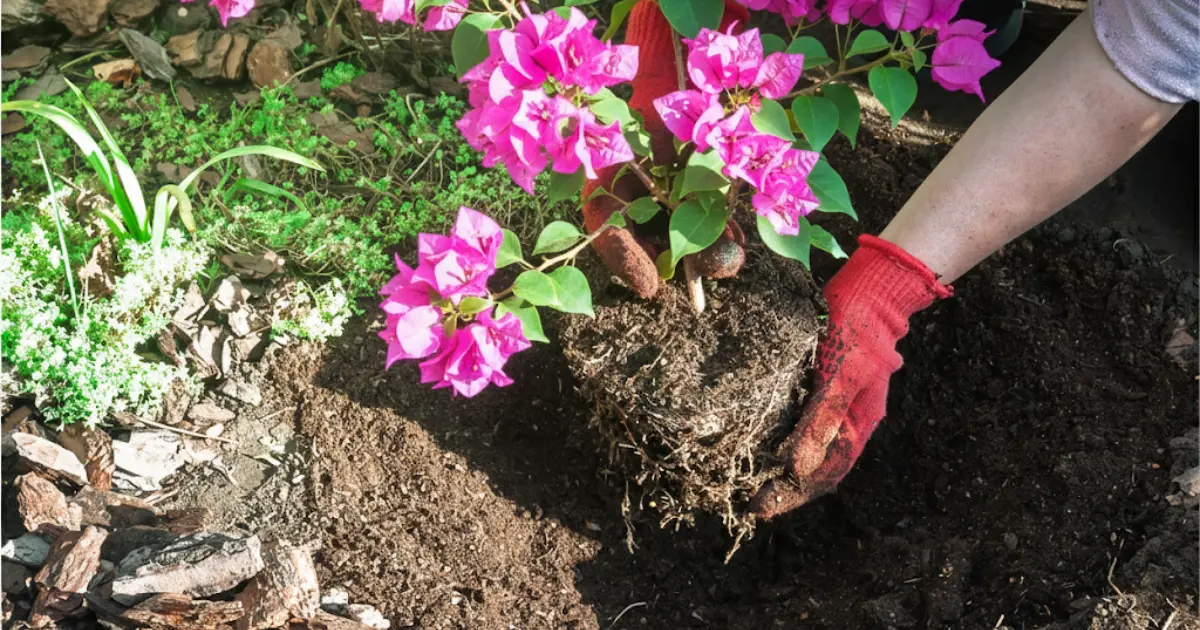
Best Time to Plant Bougainvillea: Timing for Vibrant Blooms
If you’re looking for a hardy tropical vine that delivers a riot of neon color, [...]
Feb
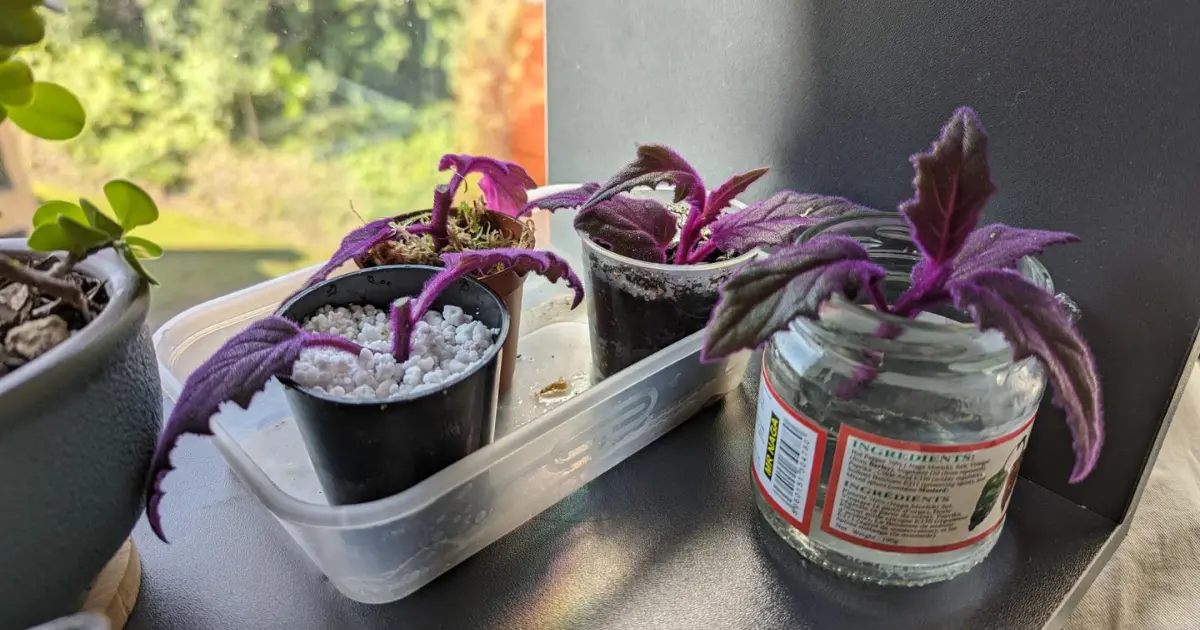
How to Propagate Purple Passion Plants (Gynura aurantiaca)
Have you ever been mesmerized by the neon-purple glow and fuzzy, velvet-like leaves of a [...]
Feb
Reviews
There are no reviews yet.