
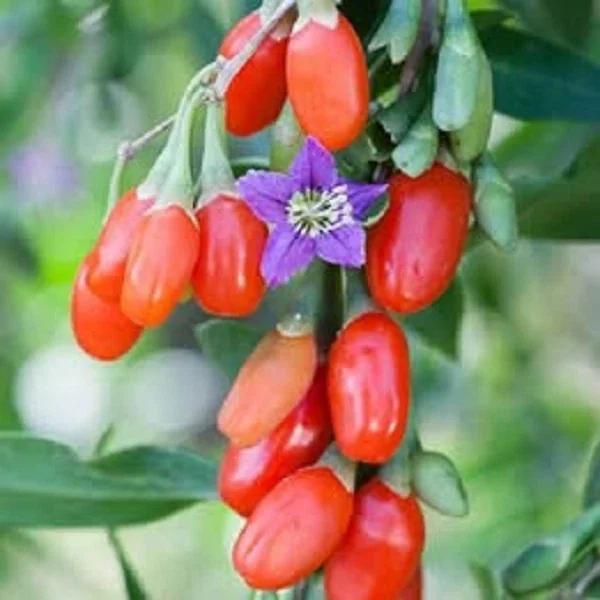
Goji Berry Live Plant – 2.5 to 3.5 ft Tall – Nutrient-Rich Superfood Bush
Original price was: $111.00.$55.50Current price is: $55.50.
Bring the health benefits of fresh Goji berries to your home with this robust goji berry live plant, standing 2.5 to 3.5 feet tall. Known scientifically as Lycium barbarum, this deciduous superfood is celebrated for its vibrant, antioxidant-packed red fruits. It’s a hardy and versatile addition to any garden or large container, offering both edible bounty and attractive foliage.
Estimated arrival
Feb 26
Mar 03 - Mar 05
Mar 08 - Mar 12

Reasonable Price
We offer reasonable price

Support 24/7
Contact us 24 hrs a day

100% Money Back
You've 30 days to Return

Payment Secure
100% secure payment
Overview
Bring the health benefits of fresh Goji berries directly to your home with this robust goji berry live plant. Standing proudly at an impressive 2.5 to 3.5 feet tall, this thriving specimen is ready to establish itself in your garden or a large container. Known scientifically as Lycium barbarum, the Goji berry, also commonly called wolfberry, is celebrated for its vibrant red fruits packed with antioxidants and vitamins. This deciduous fruit plant offers more than just nutritious berries; its attractive foliage and graceful growth habit make it a beautiful addition to any landscape. Whether you’re an experienced gardener or just starting, growing your own goji berry live plant is a rewarding experience that connects you with nature’s superfoods. It’s a versatile plant, adaptable to various climates and growing conditions, making it an excellent choice for many regions.
Our goji berry live plant is carefully nurtured to ensure a healthy root system and vigorous growth upon arrival. These plants are known for their hardiness and ability to thrive in a range of environments, from temperate to subtropical zones. With proper care, you can look forward to a bountiful harvest of delicious Goji berries, perfect for snacking, smoothies, or drying. This plant is a fantastic choice for those looking to add an edible and ornamental element to their outdoor garden or even a sunny indoor spot. Its natural resilience means less fuss for you, allowing you to enjoy the process of nurturing a plant that gives back with its healthful bounty. Experience the joy of growing your own nutrient-dense fruit with this exceptional goji berry live plant.
Key Benefits
Investing in a goji berry live plant offers a multitude of benefits, both for your garden and your well-being. These plants are not only producers of highly nutritious fruit but also contribute to the aesthetic and ecological value of your space. Understanding proper goji berry plant care will unlock its full potential.
- Nutrient-Rich Harvest: Enjoy a consistent supply of fresh Goji berries, renowned for their high levels of antioxidants, vitamins (especially Vitamin C and A), and minerals. Growing your own ensures organic, pesticide-free superfoods right at your fingertips. These berries are perfect for boosting your daily nutritional intake.
- Versatile Growth: This goji berry live plant can be successfully grown both indoors in a large pot or outdoors in your garden, offering flexibility regardless of your living situation. It adapts well to various settings, making it a great choice for urban and rural gardeners alike.
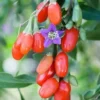
- Attractive Landscape Addition: Beyond its fruit, the Goji berry plant features bright green foliage and delicate purple flowers, adding visual interest to your garden throughout the growing season. The vibrant red berries also provide a beautiful contrast.
- Hardy and Resilient: Goji berry plants are known for their robust nature, tolerating a range of soil types and climates, including cold temperatures. This makes them a relatively low-maintenance option for many gardeners, simplifying goji berry plant care.
- Long Fruiting Season: Once established, your goji berry live plant can produce berries from mid-summer through fall, providing an extended harvest period for fresh consumption or preservation.
- Supports Local Ecosystems: The flowers attract pollinators like bees, contributing to the biodiversity of your garden environment. The berries can also be a food source for local birds.
- Easy to Grow: With basic attention to sunlight, water, and soil, you can successfully grow goji berries. They are forgiving plants, making them suitable for beginners and experienced gardeners alike.
Plant Care & Growing Tips
Proper goji berry plant care is essential for a healthy and productive plant. These plants are relatively low-maintenance but do have specific requirements to ensure they thrive and produce abundant fruit. Understanding how to grow goji berries will lead to a successful harvest.
Sunlight: Goji berry plants require abundant sunlight to flourish and produce substantial fruit. Aim for at least 6-8 hours of direct sunlight per day. In hotter climates, some afternoon shade can be beneficial to prevent scorching, but generally, full sun is preferred. If growing indoors, place your goji berry live plant in your sunniest window, ideally south-facing, or supplement with a grow light to ensure it receives adequate light. Insufficient light will result in leggy growth and poor fruit production.
Watering: While Goji berries are somewhat drought-tolerant once established, consistent watering is crucial, especially during their first year and during fruiting periods. Water deeply when the top 1-2 inches of soil feel dry to the touch. Avoid overwatering, which can lead to root rot. Ensure good drainage, whether planting in the ground or in a container. Reduce watering in the dormant winter months for outdoor plants. For indoor plants, monitor soil moisture carefully, as pots can dry out faster.
Soil Type & Fertilization: Goji berry plants are adaptable to various soil types, but they prefer well-draining soil with a pH between 6.5 and 7.0. They can tolerate clay, loam, peat, sand, and silt soils. Amend heavy clay soils with organic matter to improve drainage. For optimal growth, incorporate compost or well-rotted manure into the soil before planting. Fertilize your lycium barbarum plant in early spring with a balanced, slow-release fertilizer or a granular fertilizer formulated for fruit-bearing plants. Avoid excessive nitrogen, which can promote leafy growth at the expense of berries. A light feeding again in mid-summer can be beneficial during the fruiting season.
Temperature & USDA Hardiness Zone: Goji berry plants are remarkably cold-resistant and are hardy in USDA Zones 5-9. They can tolerate temperatures down to -20 to -10 °F (-29 to -23 °C) once mature and dormant. In colder zones, provide winter protection or consider growing them in containers that can be moved indoors. In hotter climates, ensuring adequate water and some afternoon shade will help them thrive. They are adaptable to temperate, sub-tropical, and even some tropical climates, though extreme heat may reduce fruit set. This resilience makes it easier to grow goji berries in diverse regions.
Pruning: Pruning is important for maintaining plant health, shape, and maximizing fruit production. Prune in late winter or early spring while the plant is dormant. Remove any dead, damaged, or crossing branches. Goji berries produce fruit on new wood, so encourage new growth by selectively removing older branches. You can train them as a bush or a small tree. Regular pruning also improves air circulation, reducing the risk of fungal diseases.
Size & Details
This offering is for a single goji berry live plant, carefully selected and shipped to ensure safe arrival. The plant will arrive standing between 2.5 to 3.5 feet tall, providing a significant head start for your garden. It is a live plant, indicating a well-established root system ready for transplanting. Goji berry plants are known for their moderate to fast growth rate, and with proper goji berry plant care, you can expect it to reach its mature size of 5-10 feet tall and wide within a few years, depending on growing conditions and pruning. The plant is shipped in a suitable container to protect its roots during transit, ready to be planted in its permanent location upon arrival. Expect the first harvest of delicious red berries typically within 1-2 years after planting, with increasing yields as the plant matures. This is a robust perennial fruit plant, promising many years of healthy fruit production.
Frequently Asked Questions
- Q: How big does this plant get? A: This goji berry live plant will arrive between 2.5 to 3.5 feet tall. With optimal conditions and proper care, it can reach a mature height and spread of 5 to 10 feet. Regular pruning can help manage its size and shape.
- Q: Is this an indoor or outdoor plant? A: The goji berry live plant is highly versatile and can be grown both indoors in a large container or outdoors in a garden setting. For best fruit production, outdoor planting in full sun is generally recommended, but it can thrive indoors with sufficient light.
- Q: How much sunlight does it need? A: Goji berry plants require at least 6-8 hours of direct sunlight per day for vigorous growth and abundant fruit. If growing indoors, place it in the brightest available window or use a supplemental grow light.
- Q: Is this plant easy to care for? A: Yes, Goji berry plants are considered relatively easy to care for and are quite hardy. They tolerate a range of soil conditions and are known for their resilience, making goji berry plant care manageable for most gardeners.
- Q: What condition will it arrive in? A: Your lycium barbarum plant will arrive as a healthy, live plant, carefully packaged to protect its foliage and root system during transit. It will be ready for immediate planting upon arrival.
- Q: When is the best time to plant? A: The best time to plant your goji berry live plant is in early spring after the last frost, or in early fall before the ground freezes. If growing indoors, it can be planted year-round.
- Q: Will it survive winter in my zone? A: Goji berry plants are cold-resistant and hardy in USDA Zones 5-9, meaning they can typically survive winter temperatures down to -20 to -10 °F (-29 to -23 °C) when dormant. In colder zones, winter protection or indoor relocation is advisable.
- Q: How long until it produces fruit? A: Typically, a well-cared-for goji berry live plant will begin to produce berries within 1-2 years after planting, with yields increasing significantly as the plant matures.
- Q: What kind of soil does it prefer? A: Goji berry plants prefer well-draining soil with a neutral to slightly alkaline pH (6.5-7.0). They can adapt to various soil types, including clay, loam, peat, sand, and silt, as long as drainage is good.
- Q: Is this a bush or a tree? A: The Goji berry is typically grown as a deciduous shrub or bush. It can be trained to grow as a small tree with proper pruning, offering flexibility in how you choose to grow goji berries.
Be the first to review “Goji Berry Live Plant – 2.5 to 3.5 ft Tall – Nutrient-Rich Superfood Bush”
-
USDA Hardiness Zone
5-9 -
Soil Type
Well-draining soil with pH 6.5-7.0 -
Sunlight Exposure
Full sun (6-8 hours direct light daily) -
Expected Planting Period
Early spring or early fall (year-round indoors)
People Also Viewd


Sold 128 products
Original price was: $27.00.$24.00Current price is: $24.00.

Sold 125 products
Original price was: $86.99.$66.99Current price is: $66.99.
Sold 125 products
Original price was: $26.99.$16.99Current price is: $16.99.

Sold 123 products
Original price was: $89.99.$64.99Current price is: $64.99.

Sold 122 products
Original price was: $3,536.00.$23.99Current price is: $23.99.
Sold 116 products
Original price was: $27.99.$16.99Current price is: $16.99.

Sold 114 products
Original price was: $28.99.$17.99Current price is: $17.99.

Flower Bulbs
3 Cranesbill Wild Geranium Organic Maculatums Bare Roots | Wildflower for Outdoor Garden
Sold 114 products
Original price was: $21.99.$6.99Current price is: $6.99.RELATED posts
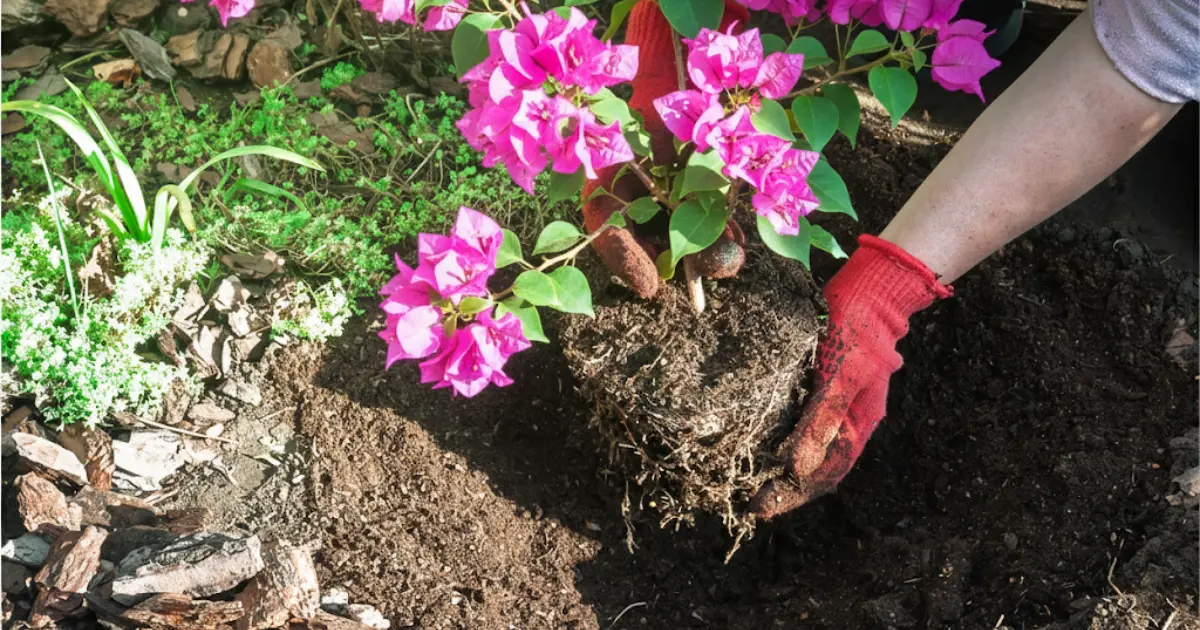
Best Time to Plant Bougainvillea: Timing for Vibrant Blooms
If you’re looking for a hardy tropical vine that delivers a riot of neon color, [...]
Feb
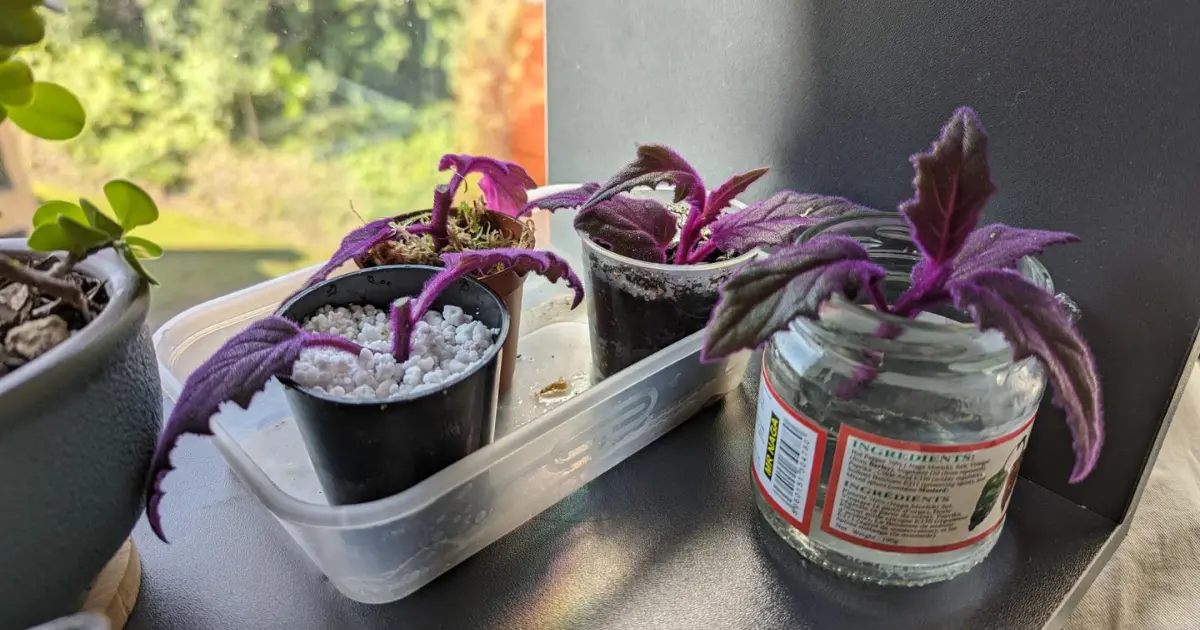
How to Propagate Purple Passion Plants (Gynura aurantiaca)
Have you ever been mesmerized by the neon-purple glow and fuzzy, velvet-like leaves of a [...]
Feb
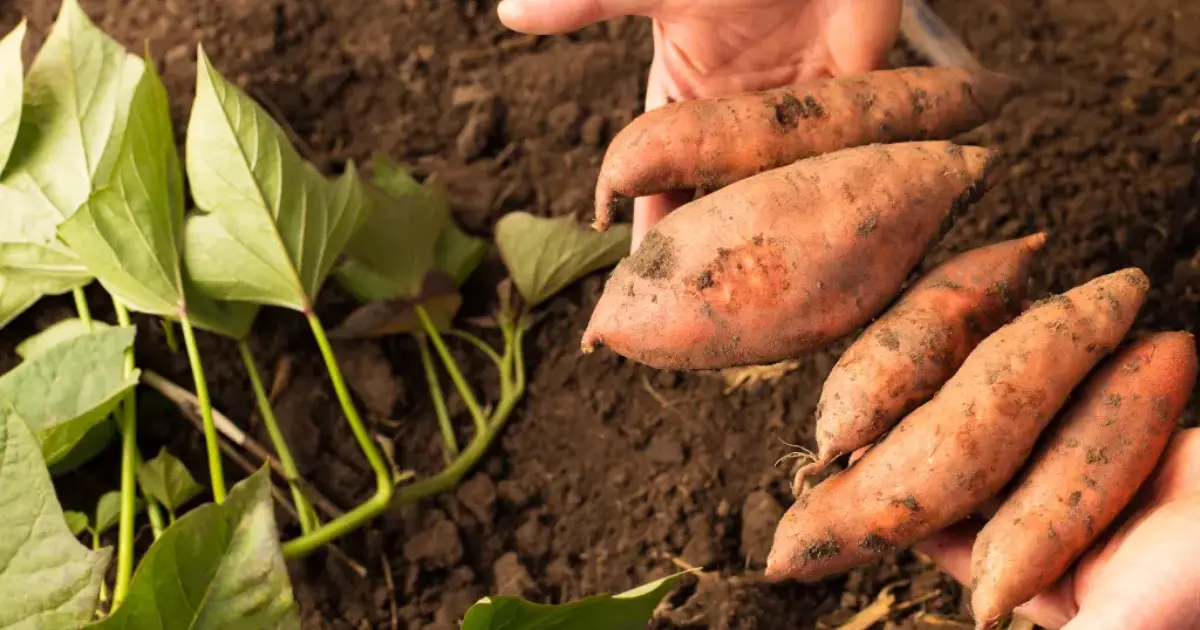
How to Grow Beauregard Sweet Potatoes: From Slips to a Bountiful Harvest
Are you ready to add a classic, heavy-hitting favorite to your vegetable patch? If you’ve [...]
Feb
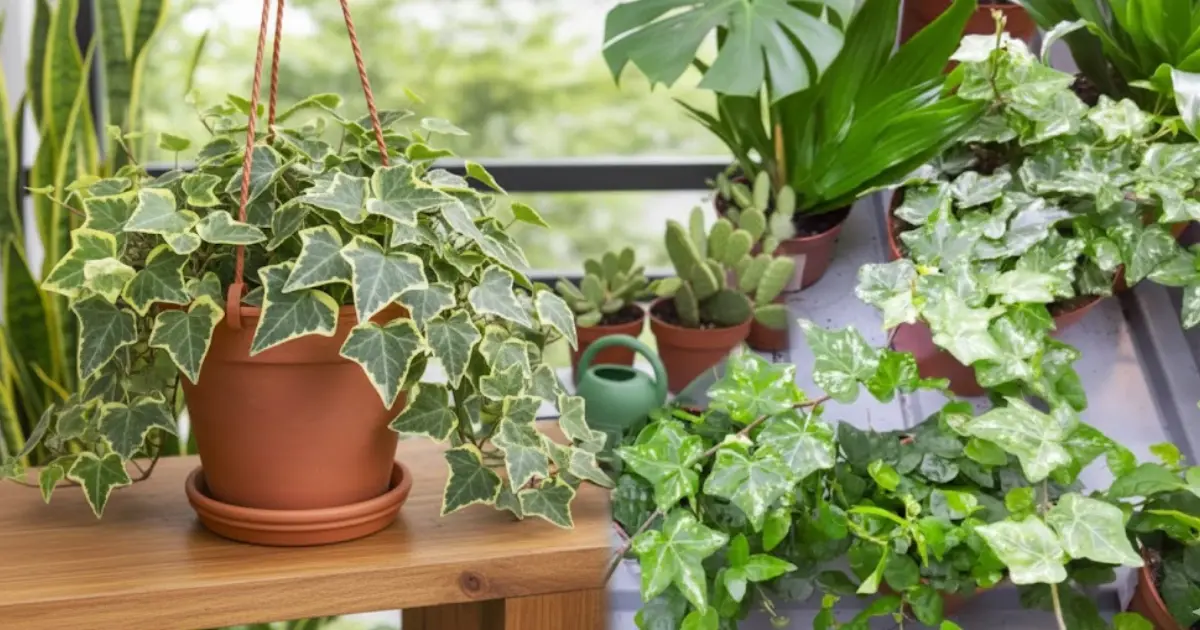
7 Expert Tips to Grow Lush Ivy Indoors: A Beginner’s Guide
Are you tired of seeing the same old Pothos vines in every corner of your [...]
Feb
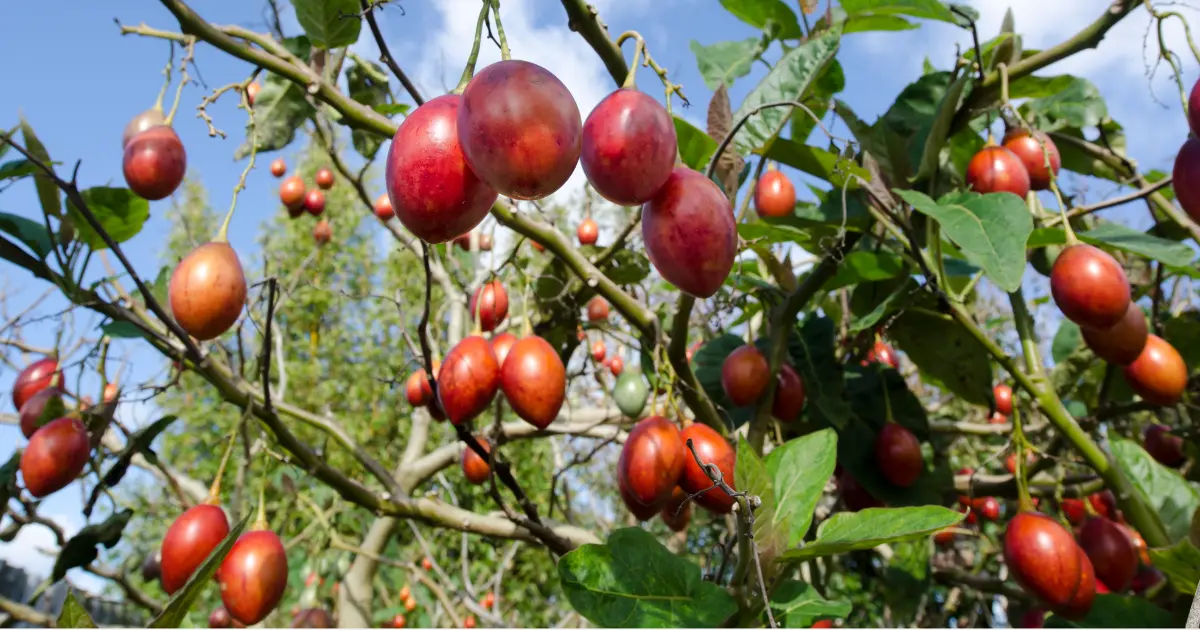
7 Reasons Why Tamarillo Trees Are a Garden Must-Have
Once you start growing a garden, you will keep finding more reasons to add more [...]
Jan
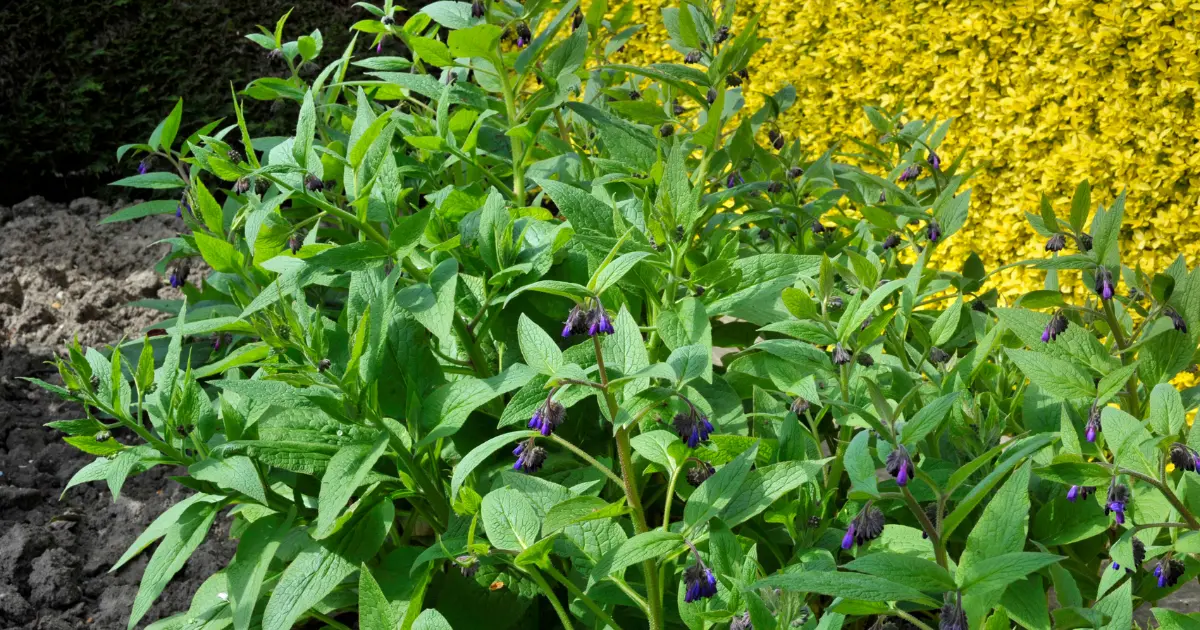
Comfrey Companion Planting: What to Grow Next to Your Comfrey Patch?
Have you ever looked at that lush, fast-growing patch of comfrey in the corner of [...]
Jan
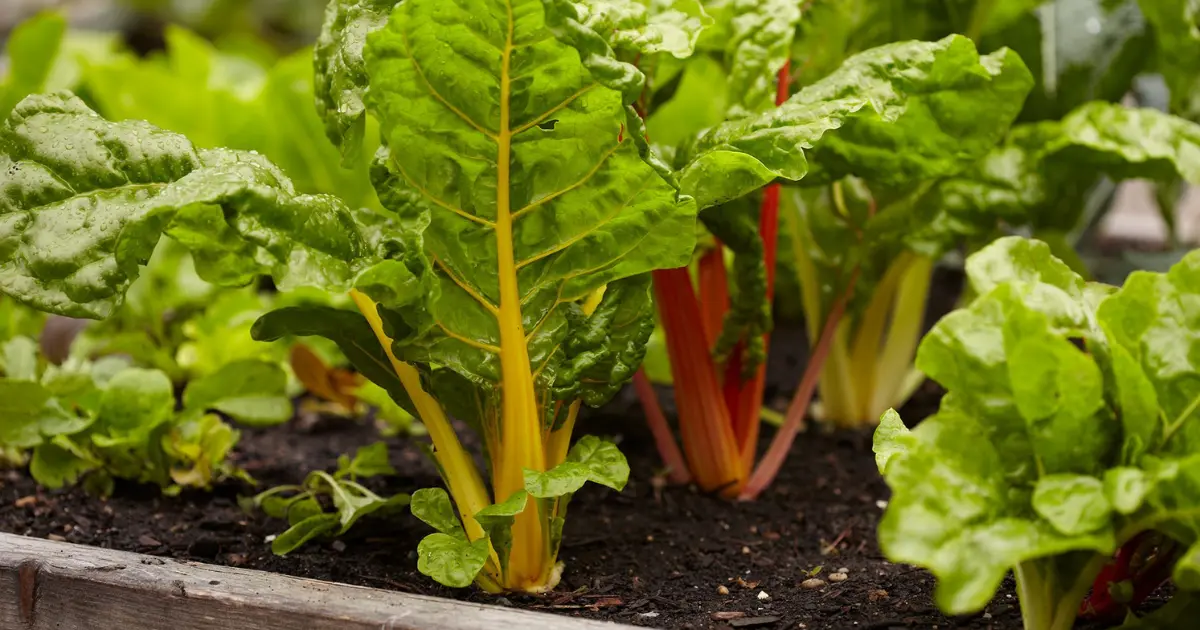
7 Vegetables to Plant in December for a Bountiful Winter Harvest
Winter gardening is a challenge many new gardeners shy away from. But if you’re among [...]
Dec
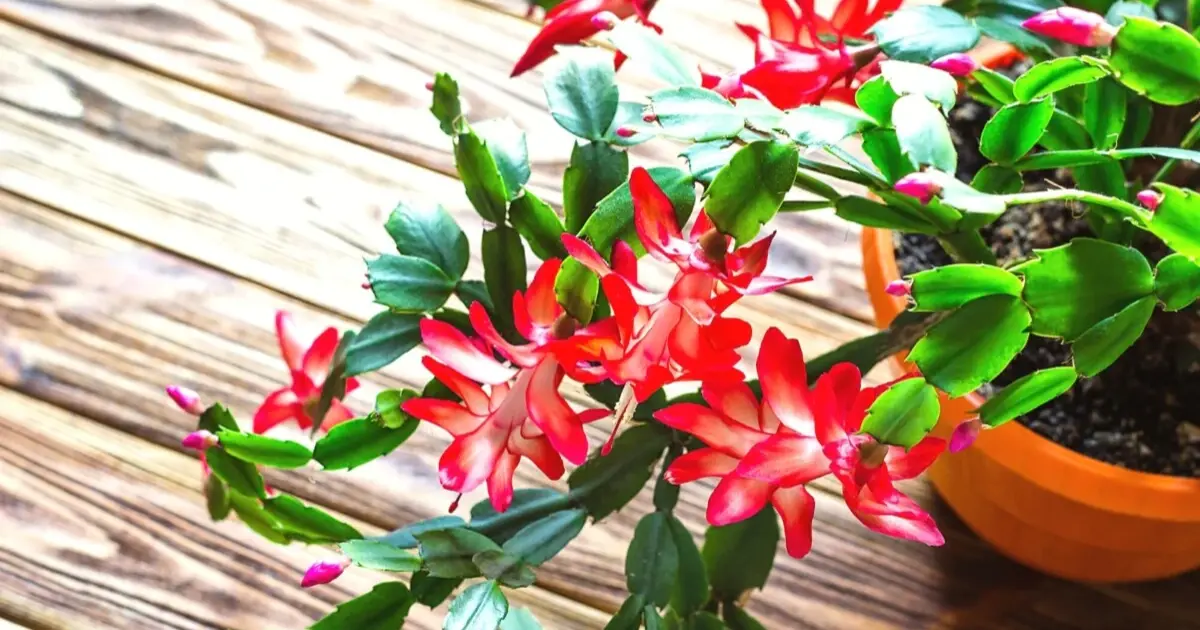
9 Common Christmas Cactus Problems and How to Fix Them
Have you ever walked past your Christmas cactus and wondered why it suddenly looks sad? [...]
Nov


Reviews
There are no reviews yet.