
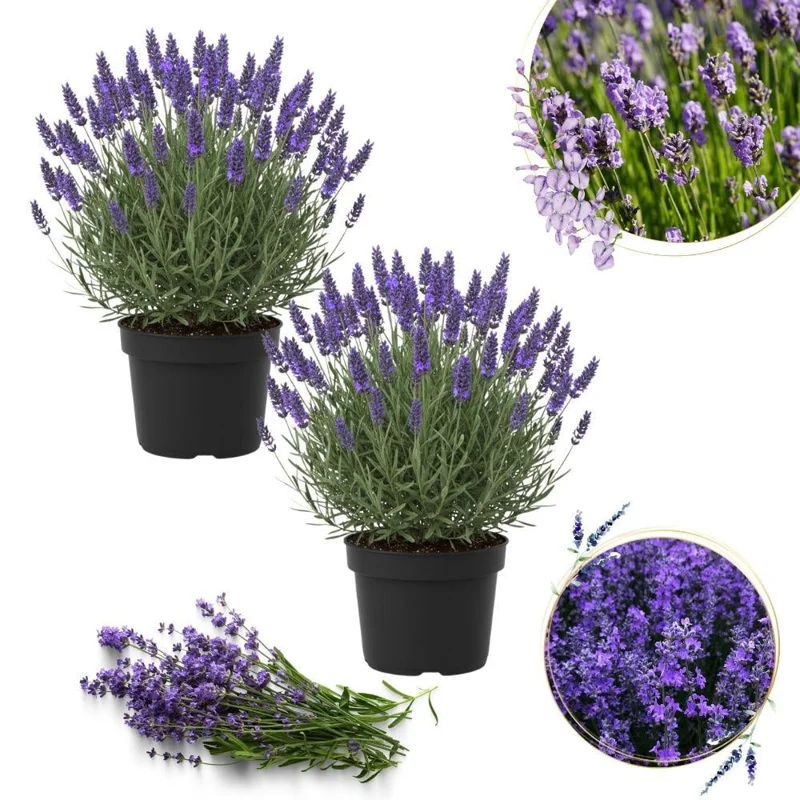
Goodwin Creek Blue Lavender Live Plant – Hardy Fragrant Perennial Herb, 4-6 Inch Height
Original price was: $57.99.$32.99Current price is: $32.99.
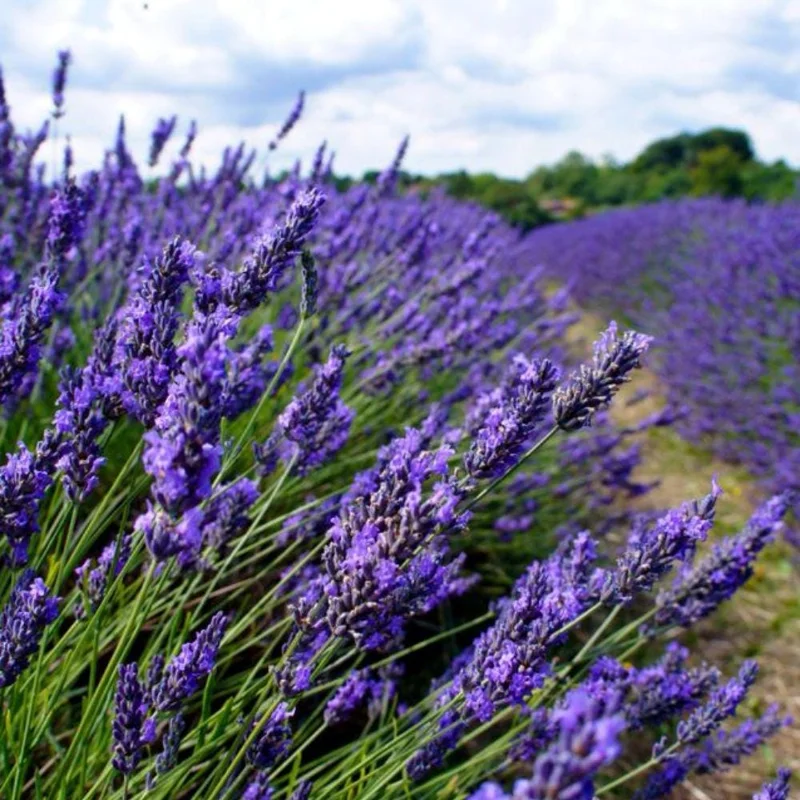
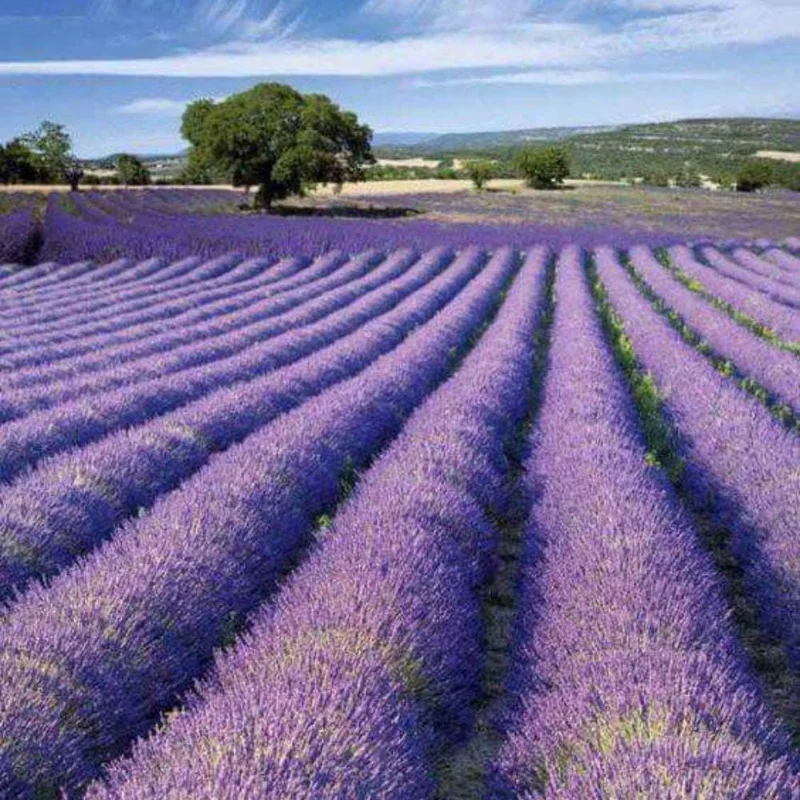
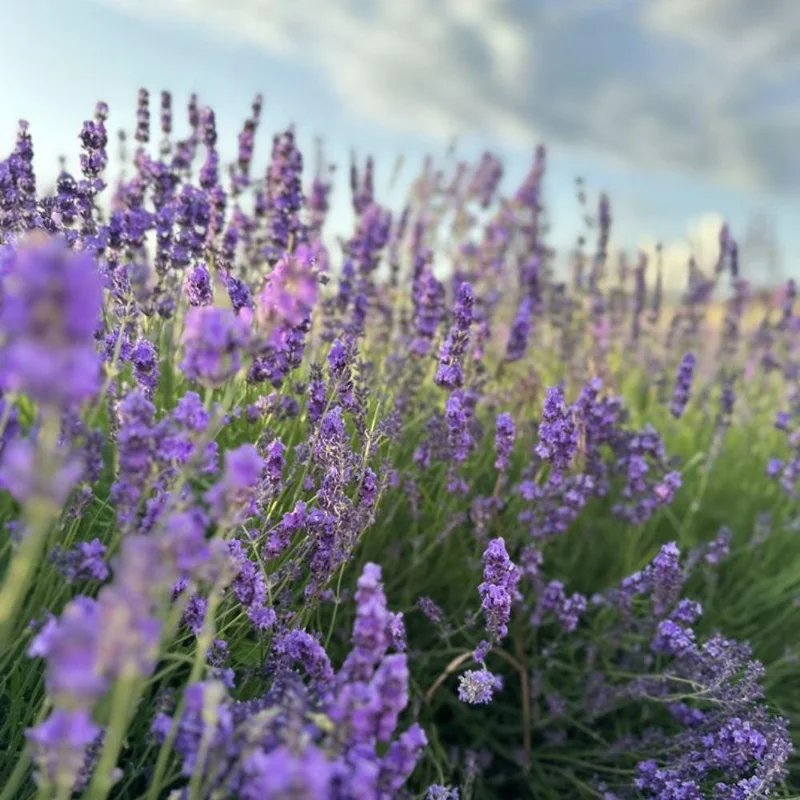
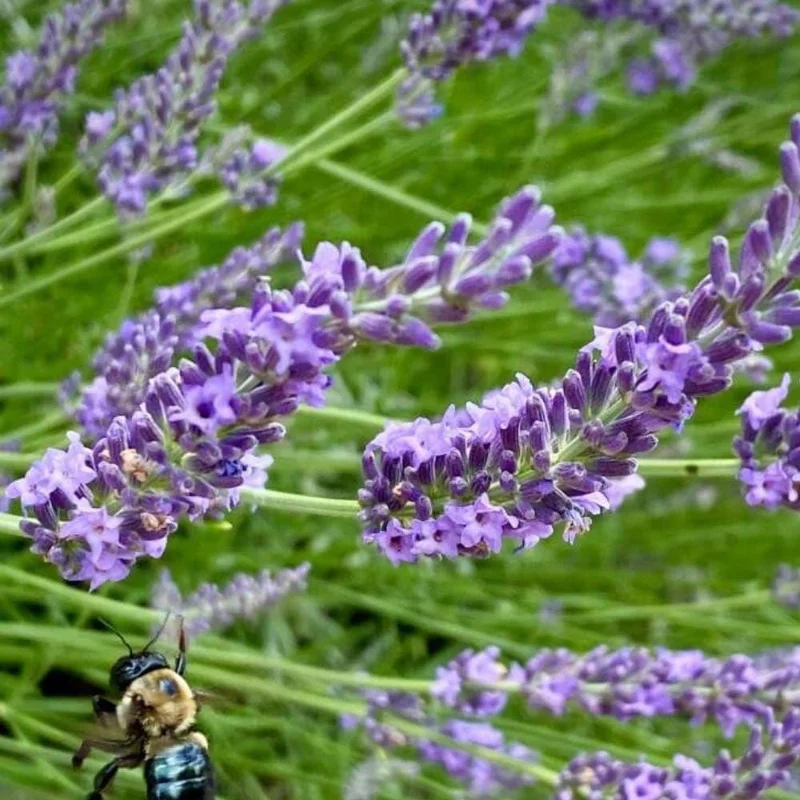
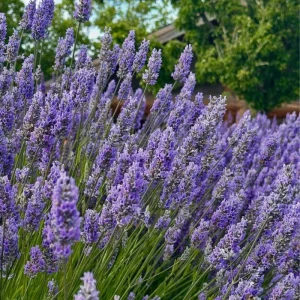
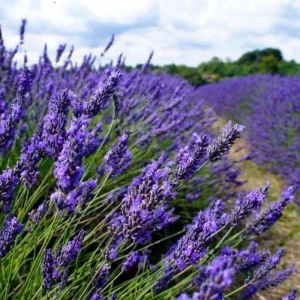
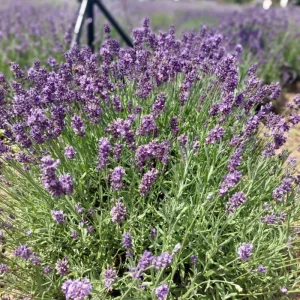
Add enchanting fragrance and color to your garden with the Goodwin Creek Blue Lavender live plant. This beautiful, hardy lavender plant is a versatile perennial herb, perfect for borders, containers, or herb gardens. Enjoy its soft purple blooms and aromatic foliage, ideal for attracting pollinators and crafting.
Estimated arrival
Apr 11
Apr 16 - Apr 18
Apr 21 - Apr 25

Reasonable Price
We offer reasonable price

Support 24/7
Contact us 24 hrs a day

100% Money Back
You've 30 days to Return

Payment Secure
100% secure payment
Overview
Introduce a touch of Mediterranean charm and soothing fragrance to your outdoor space with the Goodwin Creek Blue Lavender live plant. Renowned for its vibrant purple flower spikes and distinctive silvery-green foliage, this specific cultivar of lavender is celebrated for its compact growth habit and robust nature. As a hardy lavender plant, it thrives in a variety of conditions, making it an excellent choice for both experienced gardeners and those new to cultivating herbs. This aromatic perennial herb is not just a feast for the eyes; its delightful scent is cherished in aromatherapy, culinary applications, and as a natural insect repellent. Elevate your garden’s aesthetic and sensory appeal with this exceptional plant.
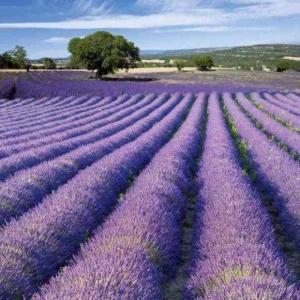
The Goodwin Creek Blue Lavender live plant is a popular choice for gardeners seeking a plant that combines beauty with resilience. Its ability to flourish in sunny, well-drained environments makes it a go-to for rock gardens, xeriscapes, or as an edging plant. The plant’s upright flower spikes add architectural interest, while its evergreen foliage ensures year-round appeal in milder climates. Discover the joy of growing your own lavender, a plant that promises both decorative charm and practical benefits.
Key Benefits
Cultivating a Goodwin Creek Blue Lavender live plant offers a multitude of advantages, transforming your garden into a serene and beautiful sanctuary. Its inherent qualities make it a valuable addition to any landscape design, providing both aesthetic pleasure and functional utility.
- Aromatic Fragrance: Produces a classic, soothing lavender scent that can calm the senses and deter pests. The fragrance is most potent when the flowers are in bloom, making your garden a delightful place to relax.
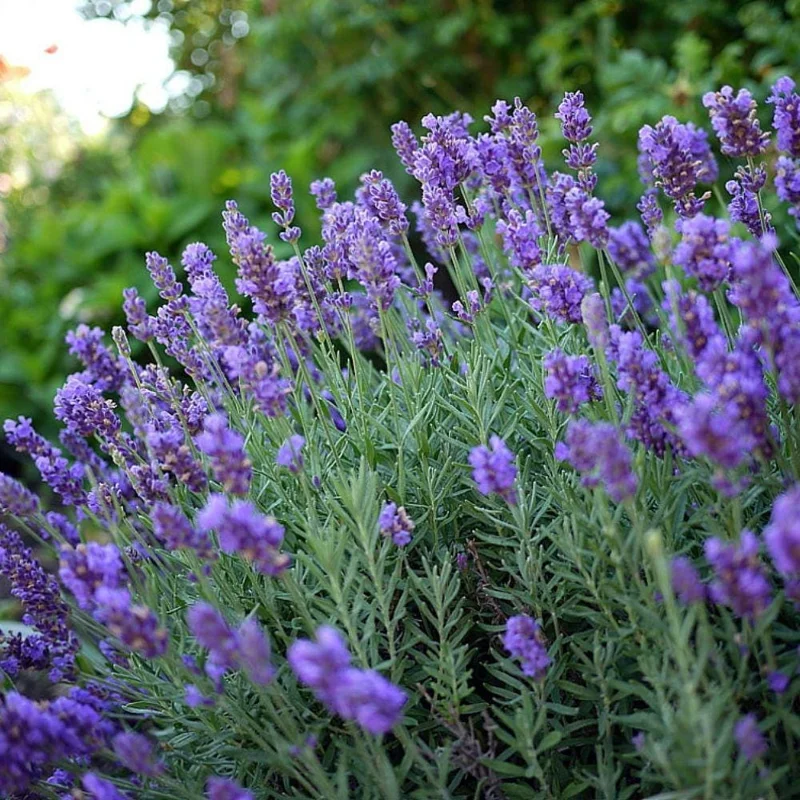
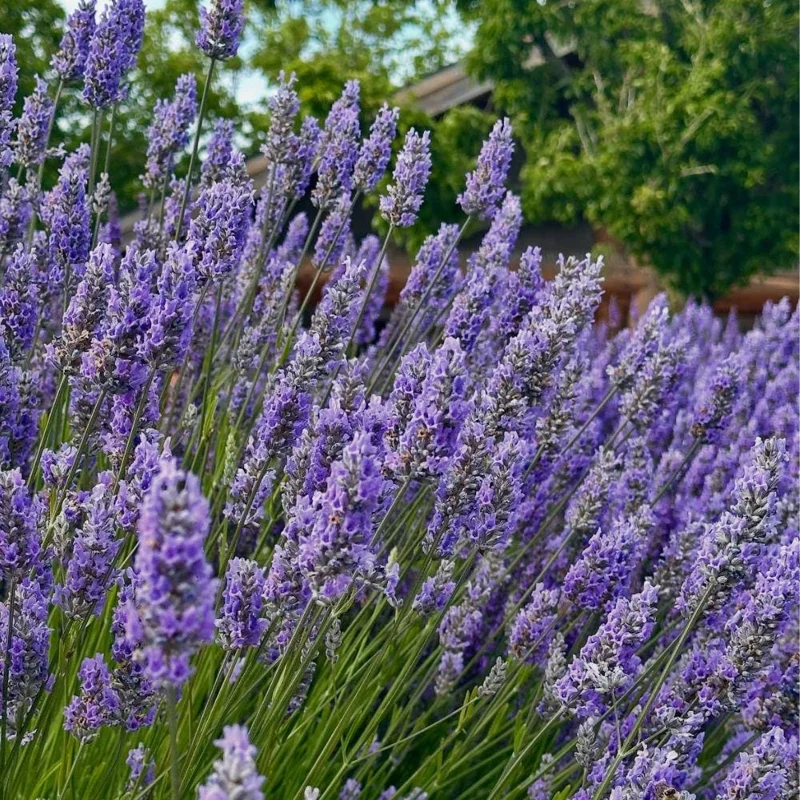
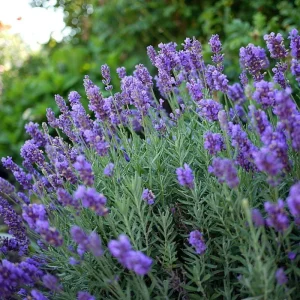
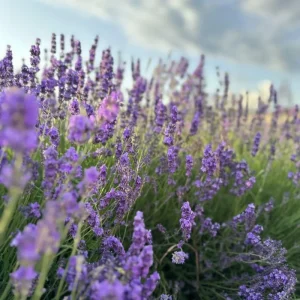
- Vibrant Purple Blooms: Showcases beautiful, soft purple flower spikes that add a gentle but striking color to garden beds, borders, and container plantings. These blooms are long-lasting and create a stunning visual display.
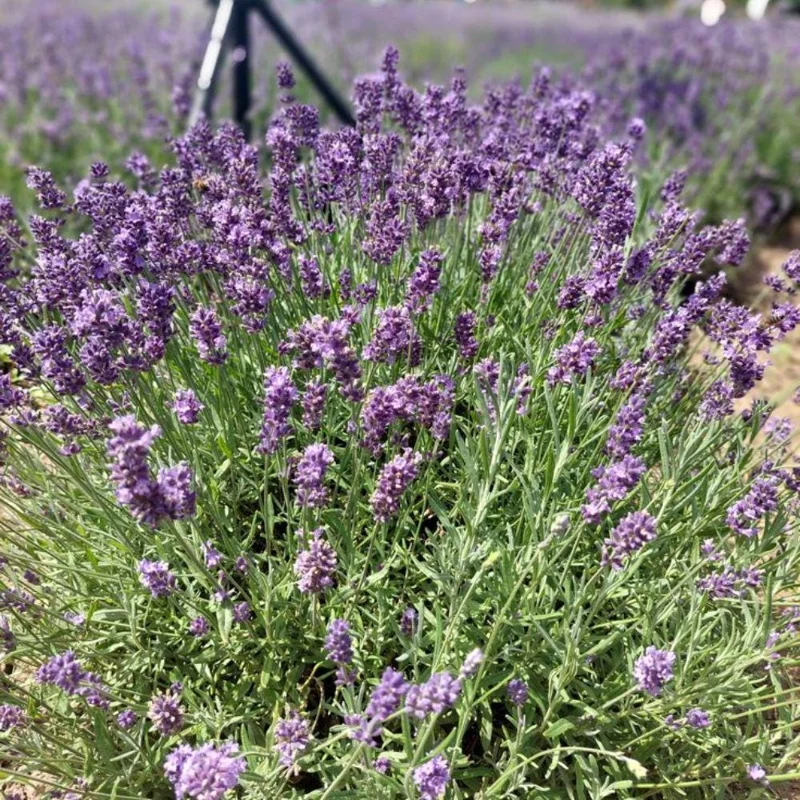
- Attractive Silvery-Green Foliage: The unique silvery-green leaves provide year-round texture and visual interest, even when the plant is not in flower. This foliage contrasts beautifully with other garden plants, enhancing overall appeal.
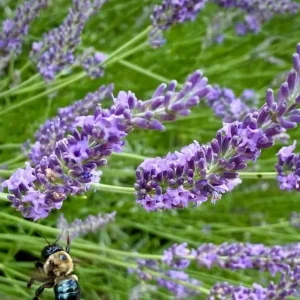
- Pollinator Magnet: The fragrant flowers are highly attractive to bees, butterflies, and other beneficial pollinators, promoting a healthier and more vibrant ecosystem in your garden. This supports local wildlife and improves fruit and vegetable yields nearby.
- Versatile Garden Use: Suitable for a wide range of applications, including herb gardens, borders, rock gardens, containers, and general landscape planting. Its compact size makes it adaptable to various garden styles and spaces.
- Drought Tolerant & Hardy: Once established, this hardy lavender plant is remarkably drought-tolerant, requiring minimal water. It’s also resilient to many common garden pests and diseases, making it a low-maintenance choice.
- Craft & Culinary Applications: The flowers and foliage can be harvested for dried arrangements, sachets, essential oils, and culinary uses. Enjoy fresh lavender in teas, baked goods, or as a garnish, or create beautiful, fragrant crafts.
Plant Care & Growing Tips
Ensuring the success of your Goodwin Creek Blue Lavender live plant involves understanding its specific needs, which are generally straightforward given its hardy nature. Proper care from the outset will lead to a thriving, fragrant specimen that enhances your garden for years.
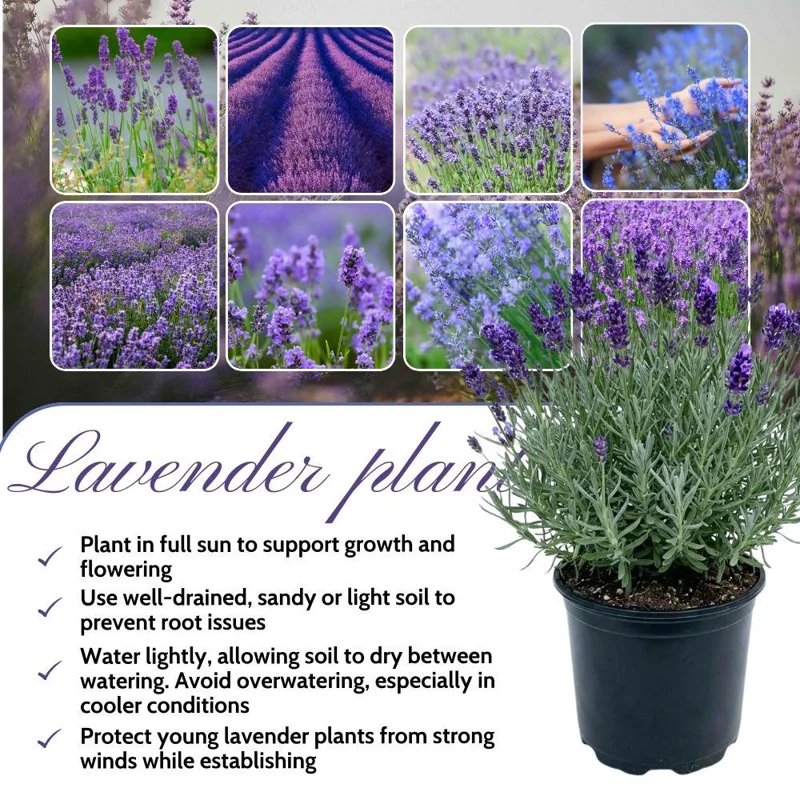
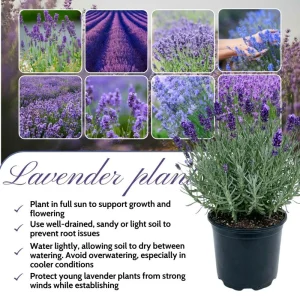
Sunlight & Location: Lavender absolutely thrives in full sun, requiring at least 6-8 hours of direct sunlight per day. Choose a location in your garden that receives ample sun exposure throughout the day. Good air circulation is also crucial to prevent fungal issues, so avoid overly crowded planting spots. This plant is primarily an outdoor specimen, though it can be overwintered indoors in very cold climates if given sufficient light.
Soil & Watering: The most critical aspect of lavender plant care is well-drained soil. Lavender prefers lean to moderately fertile, sandy or gravelly soil with a slightly alkaline pH (6.7 to 7.3). Amend heavy clay soils with sand or grit to improve drainage. Overwatering is the quickest way to kill a lavender plant. Once established, water sparingly, allowing the soil to dry out completely between waterings. In humid climates, even less watering may be necessary. Young plants will need more consistent moisture to establish their root systems.
Temperature & Hardiness: The Goodwin Creek Blue Lavender live plant is generally hardy in USDA Zones 7-10. It can tolerate some frost but may need protection in colder zones, especially during harsh winters. In hot, humid climates, ensure good air circulation to prevent heat stress and fungal diseases. Pruning is best done after the first flush of flowers to encourage a second bloom and maintain a compact shape. Avoid heavy pruning into old wood, as it may not recover.
Size & Details
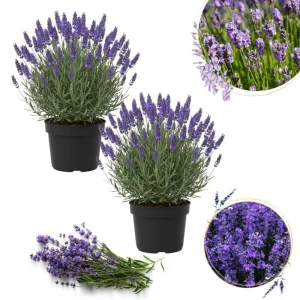
This offering includes a Goodwin Creek Blue Lavender live plant, typically shipped at a height of 4-6 inches. These young, robust plants are ready for transplanting into your garden beds or larger containers upon arrival. Lavender from this variety is known for its moderate growth rate, typically reaching a mature size of 12-24 inches tall and wide. It forms a compact, mounding habit, making it an excellent choice for formal or informal garden designs. Expect your plant to establish quickly and begin producing its characteristic fragrant blooms within the first growing season. It ships as a healthy, actively growing plant, carefully prepared to ensure its vitality during transit, though it may arrive without a pot to reduce shipping stress and encourage root development directly in your chosen growing medium.
Frequently Asked Questions
- Q: How big does this Goodwin Creek Blue Lavender live plant get? A: A mature Goodwin Creek Blue Lavender plant typically reaches a height and spread of 12 to 24 inches, forming a neat, compact mound in your garden. Its size makes it versatile for various planting locations.
- Q: Is this an indoor or outdoor plant? A: This lavender variety is primarily an outdoor plant, thriving best in full sunlight and well-drained soil. While it can be brought indoors in cold climates for overwintering, it requires significant light and good air circulation to survive.
- Q: How much sunlight does the hardy lavender plant need? A: For optimal growth and flowering, the Goodwin Creek Blue Lavender requires at least 6-8 hours of direct sunlight per day. Plant it in the sunniest spot in your garden.
- Q: Is this plant easy to care for? A: Yes, this hardy lavender plant is considered relatively easy to care for, especially once established. Its main requirements are full sun and well-drained soil, with minimal watering needed.
- Q: What condition will it arrive in? A: Your Goodwin Creek Blue Lavender live plant will arrive as a healthy, actively growing plant, carefully packaged to ensure its vitality. It typically ships without a pot to encourage better root development upon planting.
- Q: When is the best time to plant lavender? A: The best time to plant lavender is in the spring after the last frost, or in early fall in warmer climates. This allows the plant to establish its root system before extreme temperatures.
- Q: Can I use Goodwin Creek lavender in cooking? A: Yes, the flowers and leaves of Goodwin Creek Blue Lavender can be used in culinary applications, such as flavoring teas, desserts, and savory dishes. Always ensure the plant has not been treated with harmful pesticides before consuming.
- Q: What are the main steps for good lavender plant care? A: Key steps for good lavender plant care include providing full sun, planting in well-draining soil, watering sparingly once established, and pruning after flowering to maintain shape and encourage new growth.
- Q: Will this fragrant perennial herb attract bees? A: Absolutely! Lavender is a well-known pollinator magnet. Its fragrant blooms are highly attractive to bees, butterflies, and other beneficial insects, making it a great addition to a pollinator garden.
- Q: What type of soil does Goodwin Creek lavender prefer? A: This lavender prefers lean, well-draining soil, ideally sandy or gravelly with a slightly alkaline pH. Avoid heavy clay soils that retain too much moisture.
Be the first to review “Goodwin Creek Blue Lavender Live Plant – Hardy Fragrant Perennial Herb, 4-6 Inch Height”
-
USDA Hardiness Zone
USDA Zones 7-10 -
Soil Type
Well-draining, sandy or gravelly soil -
Sunlight Exposure
Full sun -
Expected Planting Period
Spring to early summer
People Also Viewd


Sold 128 products
Original price was: $89.99.$64.99Current price is: $64.99.
Sold 128 products
Original price was: $159.99.$139.99Current price is: $139.99.

Sold 128 products
Original price was: $27.00.$24.00Current price is: $24.00.

Sold 126 products
Original price was: $3,536.00.$23.99Current price is: $23.99.

Sold 125 products
Original price was: $86.99.$66.99Current price is: $66.99.
Sold 116 products
Original price was: $27.99.$16.99Current price is: $16.99.

Flower Bulbs
3 Cranesbill Wild Geranium Organic Maculatums Bare Roots | Wildflower for Outdoor Garden
Sold 114 products
Original price was: $21.99.$6.99Current price is: $6.99.

Sold 114 products
Original price was: $28.99.$17.99Current price is: $17.99.RELATED posts
5 Tips for Growing Sweet Potatoes to Get the Biggest Sweet Potato Harvest Ever
If you are a fan of sweet potatoes, then these tips for growing sweet potatoes [...]
Apr
Tamarillo Tree Guide: Flavor, Texture & How to Eat Tree Tomatoes
The humble tomato is a kitchen staple we all know and love, but it rarely [...]
Apr
5 Pro Tips to Grow Esperanza ‘Gold Star’ Indoors: A Golden Glow for Your Home
While most gardeners know this Texas Superstar – Esperanza ‘Gold Star’ as a rugged outdoor [...]
Apr
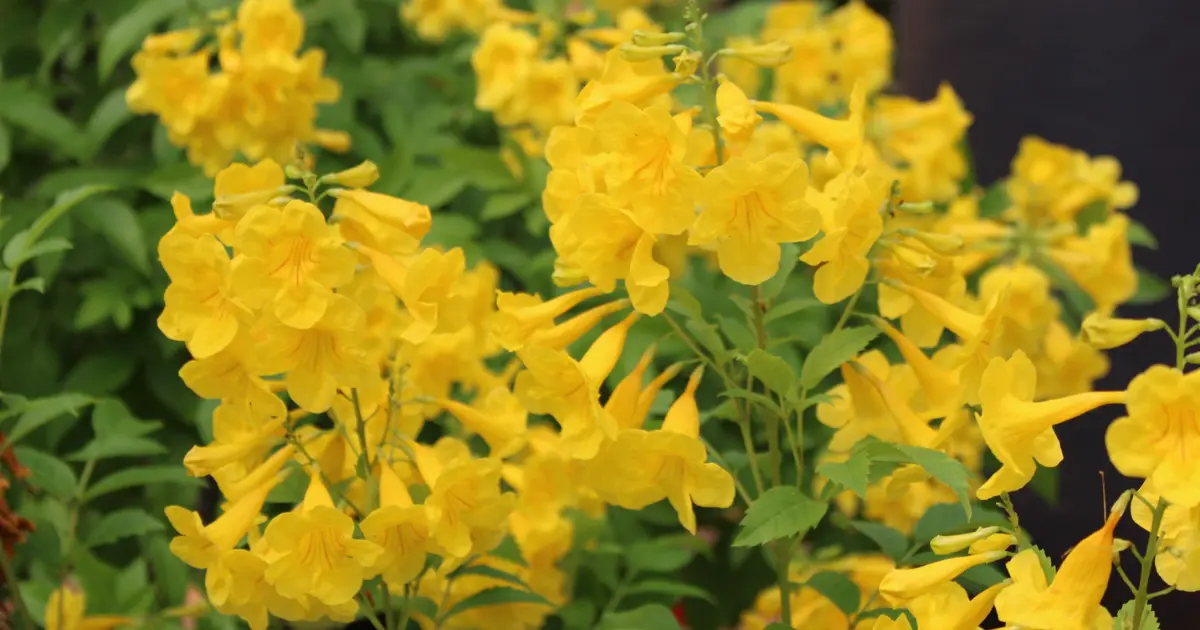
Mastering Esperanza Goldstar: Grow the Ultimate Yellow Bloom
Esperanza Goldstar is more than just a heat-tolerant shrub; for the American gardener battling the [...]
Apr
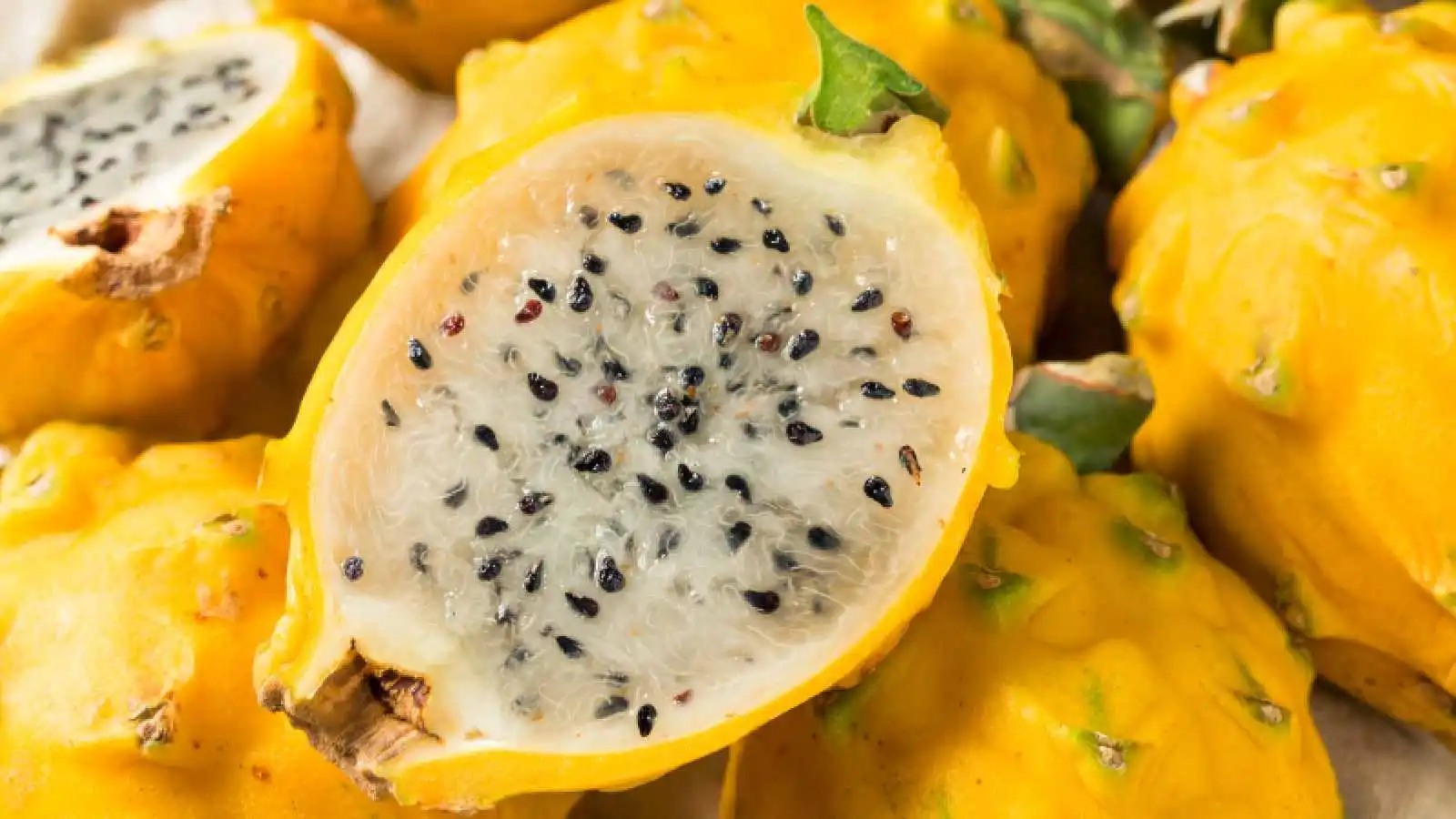
Yellow Dragon Fruit Plant Care: The Ultimate Guide for Healthy Growth
The yellow dragon fruit plant is a unique and rewarding addition to any home garden, [...]
Apr
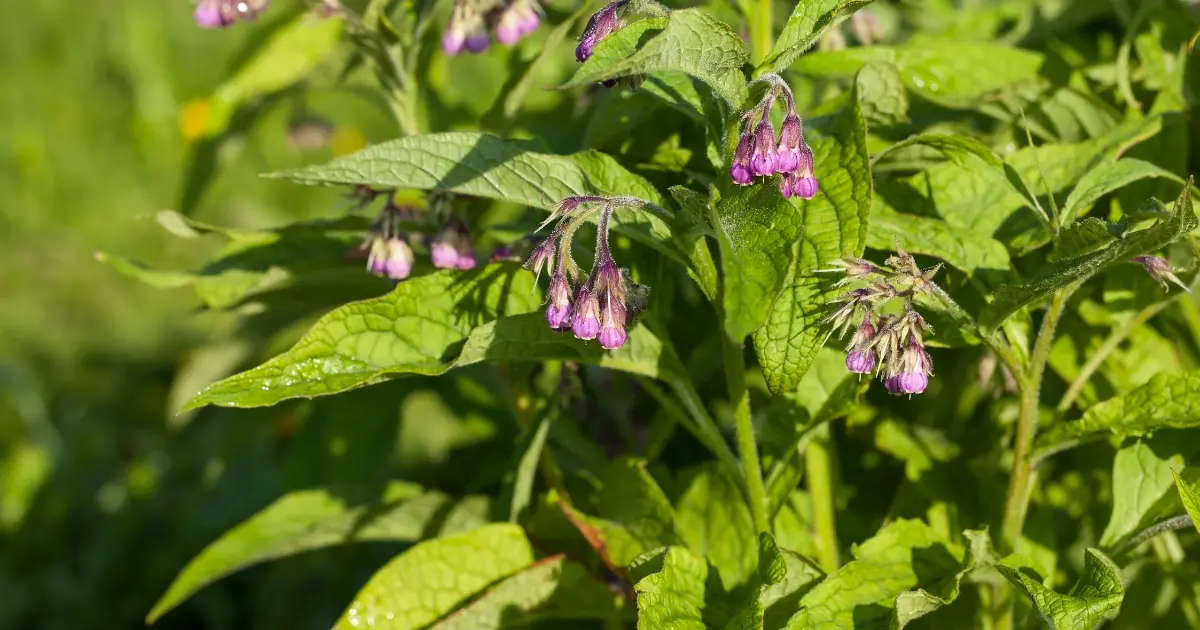
How to Identify Bocking 14 Comfrey: 5 Simple Visual Signs
If you’re growing comfrey for mulch, compost, or animal feed, knowing exactly which variety you [...]
Mar
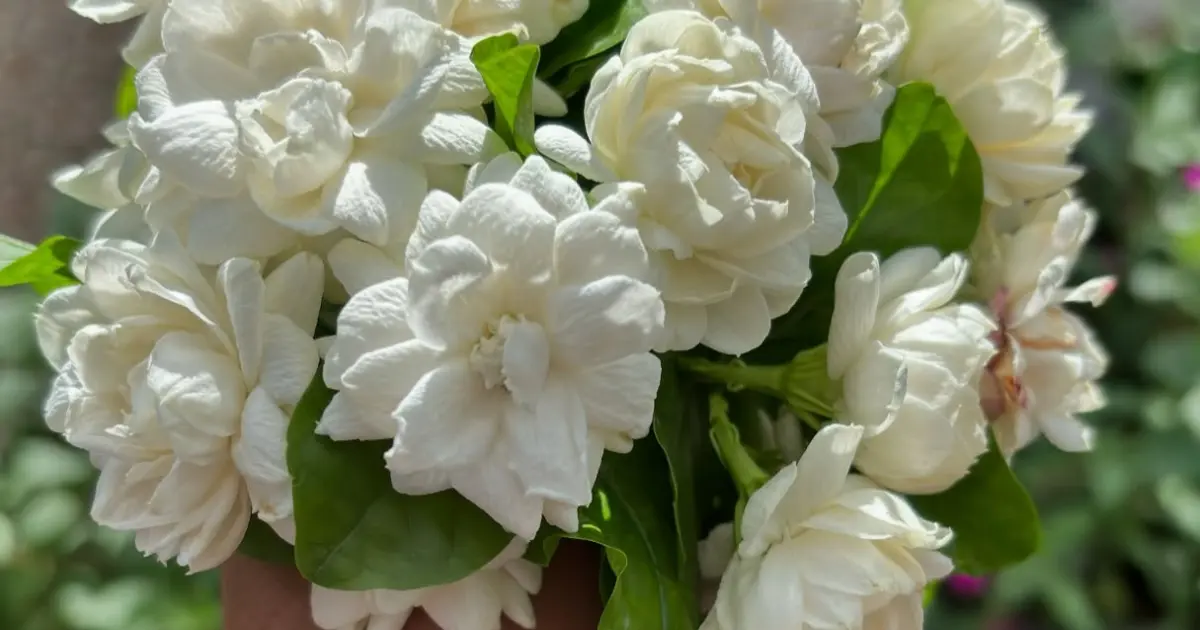
Grand Duke of Tuscany Jasmine: The Ultimate Guide to Growing a Fragrant Masterpiece
Have you ever caught a scent in the air so rich, creamy, and honey-sweet that [...]
Mar
How to Grow Wild Huckleberries: A Guide to “Purple Gold”
Have you ever spent a summer afternoon hiking through the Pacific Northwest or the Rocky [...]
Mar
Reviews
There are no reviews yet.