
Jacaranda Mimosifolia Tree Live Plant – Blue to Purple Flowers – 6-12 Inch Tall
Original price was: $58.96.$38.96Current price is: $38.96.
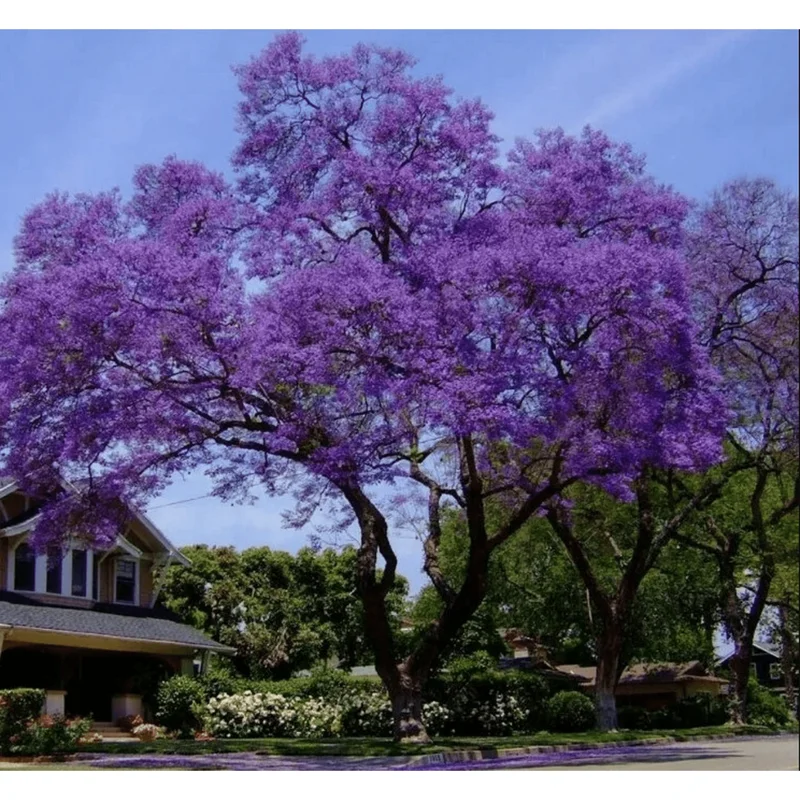
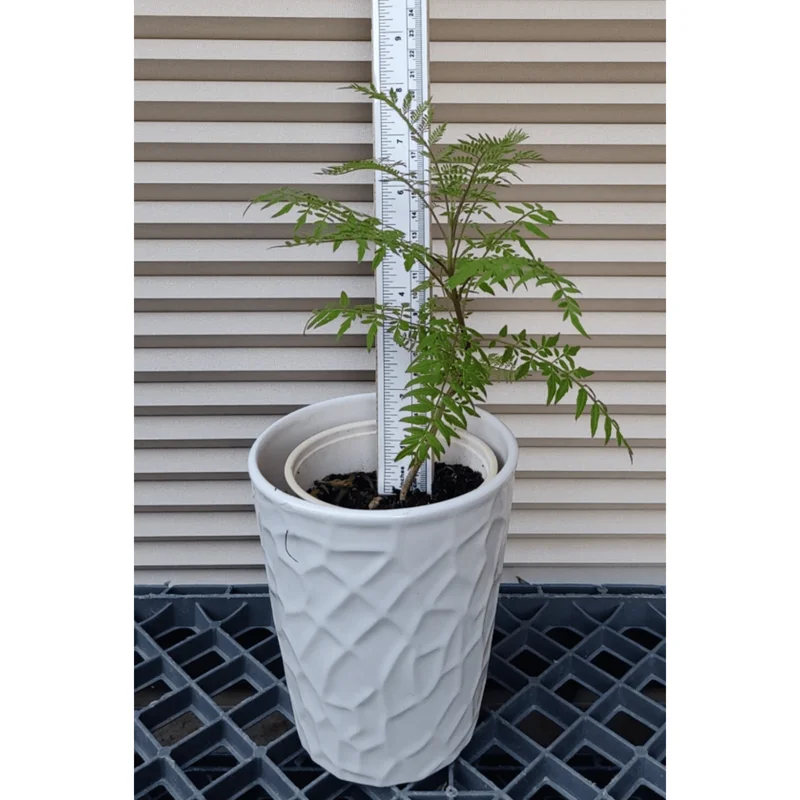
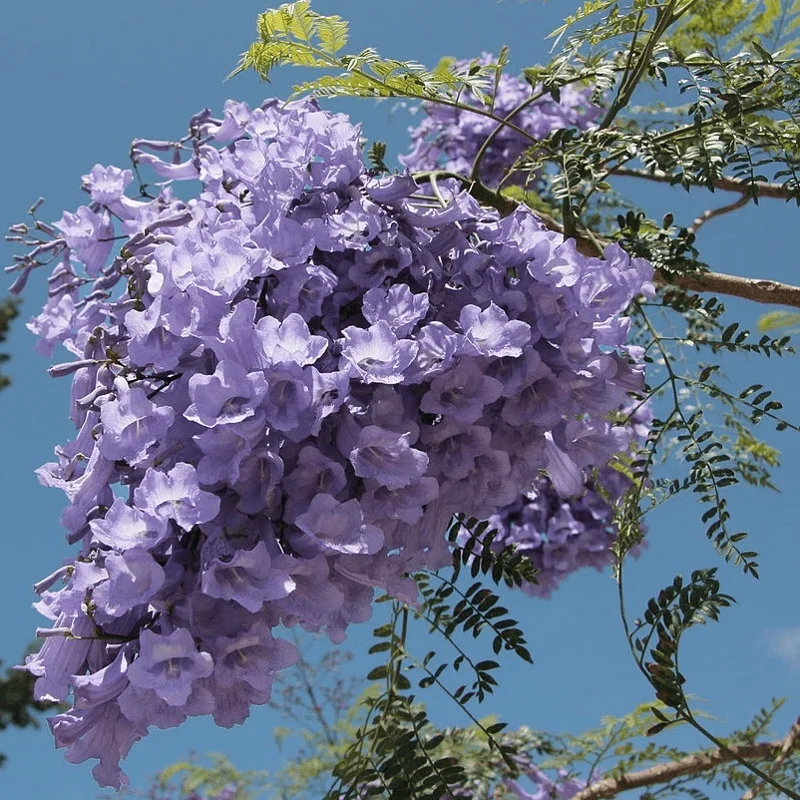
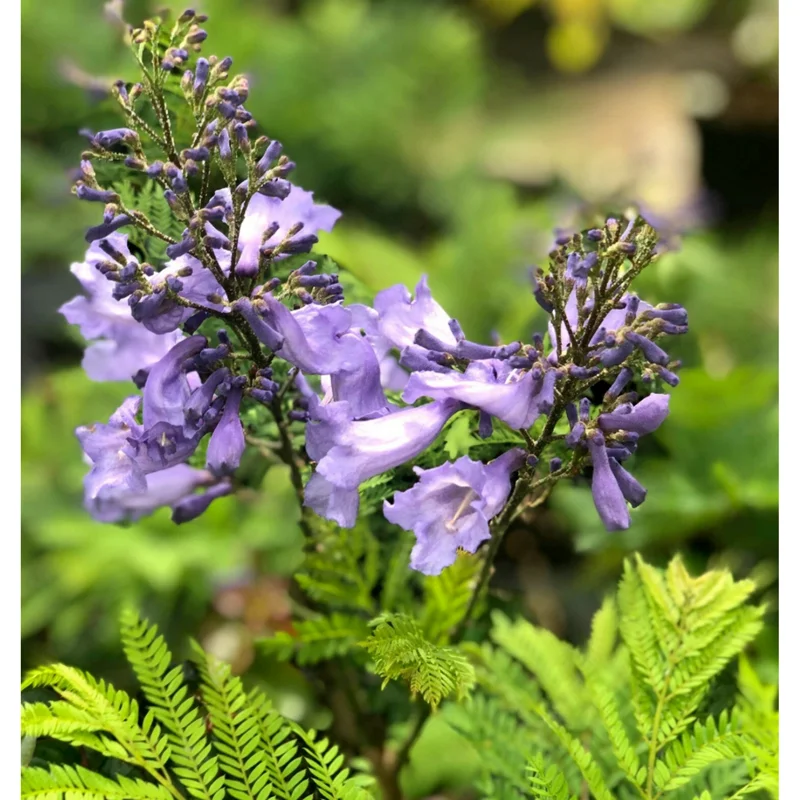
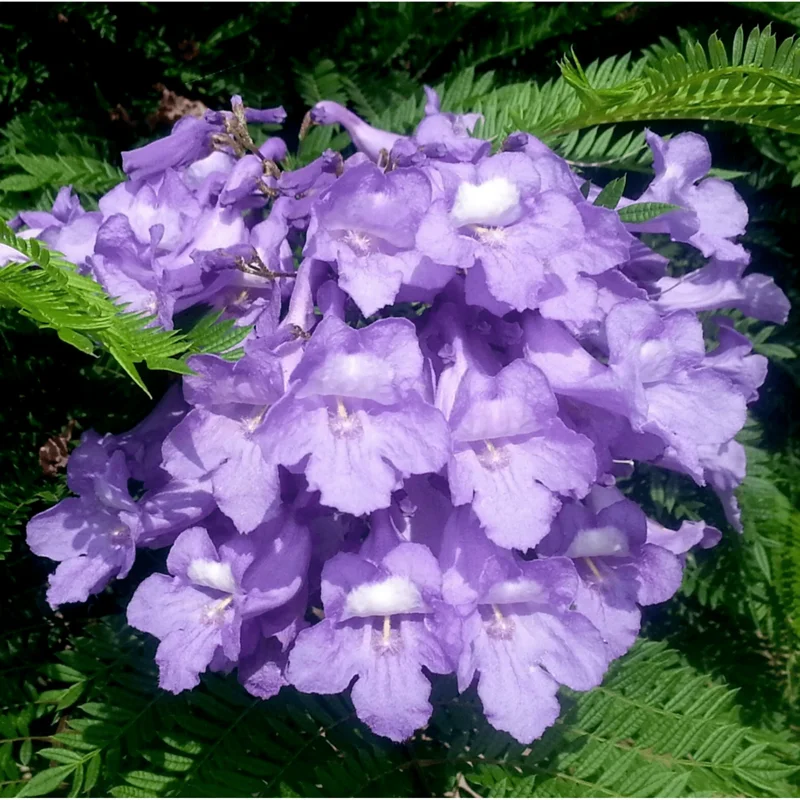
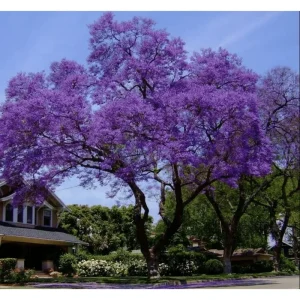
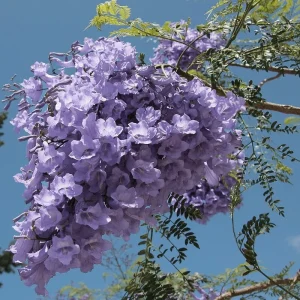
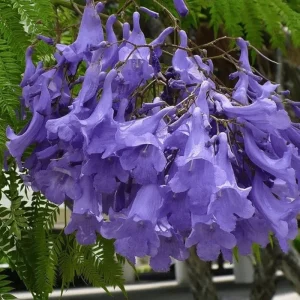
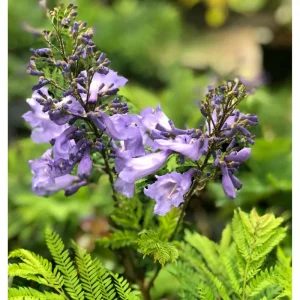
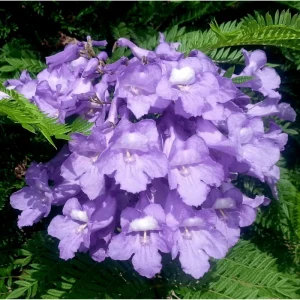
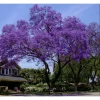
Bring tropical beauty to your landscape with the Jacaranda Mimosifolia tree. This 6-12 inch tall live plant features stunning clusters of blue to purple, fragrant blooms in spring and summer, forming an elegant, umbrella-shaped canopy. A fast-growing tree for warm climates.
Estimated arrival
Apr 09
Apr 14 - Apr 16
Apr 19 - Apr 23

Reasonable Price
We offer reasonable price

Support 24/7
Contact us 24 hrs a day

100% Money Back
You've 30 days to Return

Payment Secure
100% secure payment
Overview
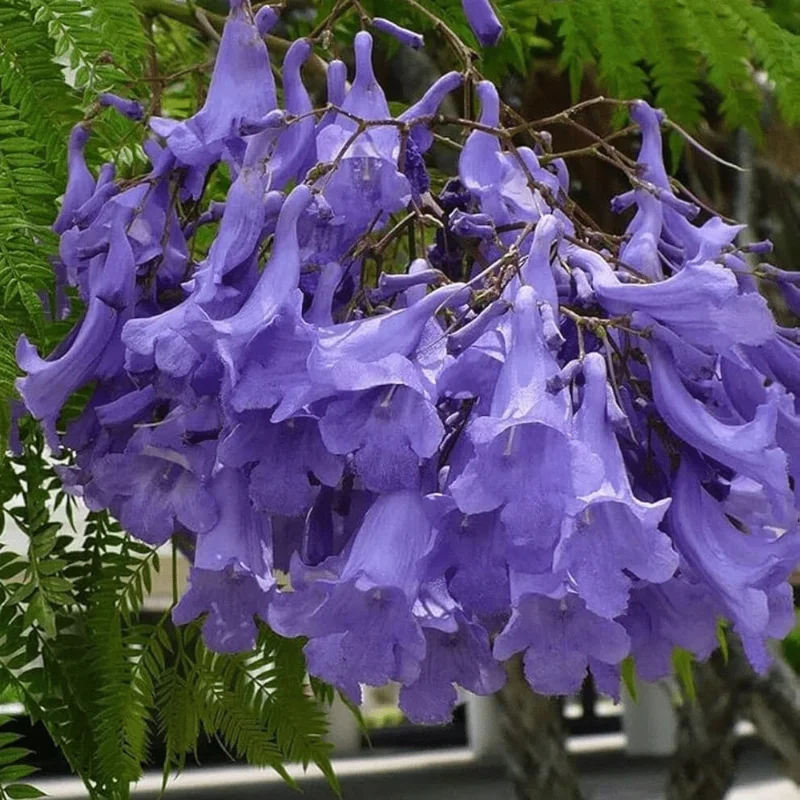
Introduce a touch of exotic elegance to your garden with the Jacaranda Mimosifolia tree. This beautiful live plant, typically 6-12 inches tall, is renowned for its spectacular display of blue to purple flowers that blanket the tree in spring and summer. Also known as the blue flamboyant tree, the Jacaranda Mimosifolia creates a breathtaking visual impact with its panicle-shaped blooms and graceful, arching branches. Native to tropical and subtropical regions, this tree is a fast-growing species, especially in its early years, making it a rewarding addition for those seeking a dramatic landscape transformation. Its distinctive canopy offers dappled shade and a unique architectural element to any outdoor space.
Key Benefits
The Jacaranda Mimosifolia tree offers numerous benefits, from its aesthetic appeal to its environmental contributions, making it a highly desirable plant for various garden styles.
- Stunning Floral Display: Enjoy an explosion of vibrant blue to purple, fragrant flowers that create a truly unforgettable spectacle, turning your garden into a seasonal paradise.
- Elegant Canopy: The arching branches develop into a distinctive, umbrella-shaped canopy, providing beautiful dappled shade and a unique focal point in your landscape design.
- Fast Growth Rate: In ideal tropical environments, this tree can grow rapidly, often gaining about 10 feet a year in its initial stages, allowing for quicker establishment and enjoyment.
- Attracts Pollinators: The fragrant blooms are a magnet for bees and other beneficial pollinators, contributing to the biodiversity and health of your garden ecosystem.
- Low Maintenance (Once Established): While requiring specific conditions to thrive, mature Jacaranda Mimosifolia tree specimens are relatively low maintenance, making them suitable for busy gardeners.
- Tropical Ambiance: Instantly transform your outdoor space into a tropical oasis with the lush foliage and vibrant blooms characteristic of this magnificent tree.
- Drought Tolerance: Once established, the Jacaranda tree shows a good degree of drought tolerance, making it a resilient choice for warmer climates.
Plant Care & Growing Tips
Successful jacaranda tree care involves understanding its specific needs, particularly regarding sunlight, soil, and water. The Jacaranda Mimosifolia tree thrives in full sun exposure, meaning it requires at least 6-8 hours of direct sunlight daily to produce its best blooms. In cooler climates, providing maximum sun exposure is crucial. When it comes to soil, Jacarandas prefer well-draining, moderately sandy soil with a slightly acidic pH level. Avoid heavy clay soils that retain too much moisture, as this can lead to root rot. Good drainage is paramount for the health of this tree.
Watering should be consistent, especially during the tree’s establishment phase. Keep the soil consistently moist but not waterlogged. Once established, the tree becomes more drought-tolerant but will benefit from deep watering during prolonged dry spells. Fertilize in spring with a balanced, slow-release fertilizer designed for flowering trees to encourage vigorous growth and abundant blooms. Pruning is generally minimal, focusing on removing dead or crossing branches and shaping the canopy to maintain its natural, elegant form. Protect young trees from frost if you are in a borderline hardiness zone, as they are sensitive to cold temperatures. Understanding how to grow this purple flowering tree successfully will ensure a stunning display for years.
Size & Details
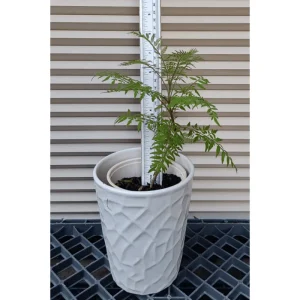
This offering is for a Jacaranda Mimosifolia tree live plant, typically measuring 6-12 inches tall from the base of the root system to the tip of its tallest stem. Jacaranda trees are known for their fast growth rate in tropical environments, potentially adding several feet of height annually in their early years. They are shipped without a pot, as a bare-root specimen, to ensure safe transit and minimize transplant shock. The tree will develop a broad, spreading canopy, reaching mature heights of 20-50 feet with a similar spread, depending on growing conditions and climate. Expect the tree to begin flowering within a few years of planting, with peak bloom time occurring in spring and early summer, though some reblooming can occur in warmer regions. Proper growing jacaranda techniques will lead to a magnificent mature specimen.
Frequently Asked Questions
- Q: How big does this plant get? A: This particular plant is 6-12 inches tall when shipped. Mature Jacaranda Mimosifolia tree specimens can reach heights of 20-50 feet with a similar spread, forming a majestic, umbrella-shaped canopy.
- Q: Is this an indoor or outdoor plant? A: The Jacaranda Mimosifolia tree is primarily an outdoor plant, thriving in warm, tropical, and subtropical climates. It requires full sun exposure and ample space to grow to its full potential.
- Q: How much sunlight does it need? A: Jacaranda trees require full sun, meaning at least 6-8 hours of direct sunlight per day, to ensure vigorous growth and abundant flowering. This is crucial for successful jacaranda tree care.
- Q: What condition will it arrive in? A: The blue flamboyant tree will be shipped as a bare-root plant, meaning it will arrive without a pot or soil around its roots. This method is common for ensuring healthy transit for young trees.
- Q: When is the best time to plant? A: The best time to plant a Jacaranda tree is in spring or early summer, after the last threat of frost has passed, allowing it ample time to establish before cooler weather.
- Q: What’s the minimum temperature it can tolerate? A: Jacaranda trees are sensitive to frost. They are best suited for USDA Zones 9-11 and require protection if temperatures drop below freezing.
- Q: Is this plant easy to care for? A: While relatively low-maintenance once established, young Jacaranda trees require consistent watering and protection from cold. Growing jacaranda successfully involves meeting their specific sun and soil needs.
- Q: How long until it blooms? A: Jacaranda trees typically begin to bloom within 2-5 years of planting, depending on growing conditions and climate. Once established, they will produce their vibrant purple flowering tree display annually.
Be the first to review “Jacaranda Mimosifolia Tree Live Plant – Blue to Purple Flowers – 6-12 Inch Tall”
-
USDA Hardiness Zone
USDA zones 9–11 -
Soil Type
Well-draining, moderately sandy, slightly acidic soil -
Sunlight Exposure
Full sun -
Expected Planting Period
Spring to early summer
People Also Viewd


Sold 128 products
Original price was: $89.99.$64.99Current price is: $64.99.
Sold 128 products
Original price was: $159.99.$139.99Current price is: $139.99.

Sold 128 products
Original price was: $27.00.$24.00Current price is: $24.00.

Sold 126 products
Original price was: $3,536.00.$23.99Current price is: $23.99.

Sold 125 products
Original price was: $86.99.$66.99Current price is: $66.99.
Sold 116 products
Original price was: $27.99.$16.99Current price is: $16.99.

Flower Bulbs
3 Cranesbill Wild Geranium Organic Maculatums Bare Roots | Wildflower for Outdoor Garden
Sold 114 products
Original price was: $21.99.$6.99Current price is: $6.99.

Sold 114 products
Original price was: $28.99.$17.99Current price is: $17.99.RELATED posts
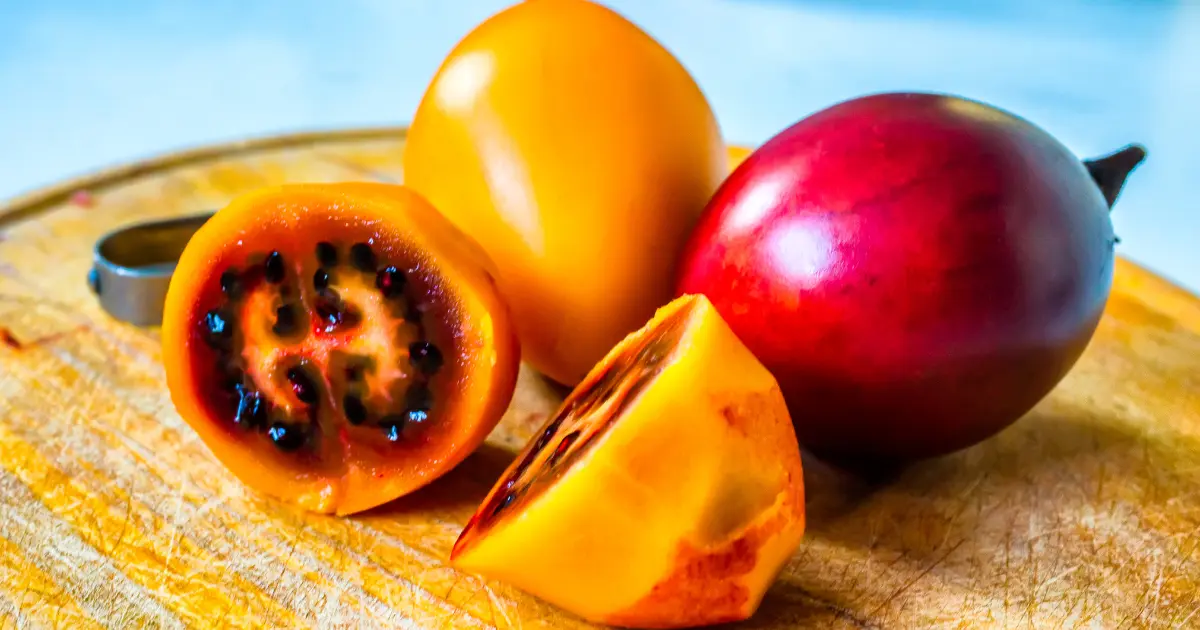
Tamarillo Tree Guide: Flavor, Texture & How to Eat Tree Tomatoes
The humble tomato is a kitchen staple we all know and love, but it rarely [...]
Apr
5 Pro Tips to Grow Esperanza ‘Gold Star’ Indoors: A Golden Glow for Your Home
While most gardeners know this Texas Superstar – Esperanza ‘Gold Star’ as a rugged outdoor [...]
Apr
Mastering Esperanza Goldstar: Grow the Ultimate Yellow Bloom
Esperanza Goldstar is more than just a heat-tolerant shrub; for the American gardener battling the [...]
Apr
Yellow Dragon Fruit Plant Care: The Ultimate Guide for Healthy Growth
The yellow dragon fruit plant is a unique and rewarding addition to any home garden, [...]
Apr
How to Identify Bocking 14 Comfrey: 5 Simple Visual Signs
If you’re growing comfrey for mulch, compost, or animal feed, knowing exactly which variety you [...]
Mar
Grand Duke of Tuscany Jasmine: The Ultimate Guide to Growing a Fragrant Masterpiece
Have you ever caught a scent in the air so rich, creamy, and honey-sweet that [...]
Mar
How to Grow Wild Huckleberries: A Guide to “Purple Gold”
Have you ever spent a summer afternoon hiking through the Pacific Northwest or the Rocky [...]
Mar
5 Best Shade-Loving Perennials for a Lush, Vibrant Garden
The world of gardening often shines a spotlight on sun-drenched blossoms, but there is a [...]
Mar
Reviews
There are no reviews yet.