
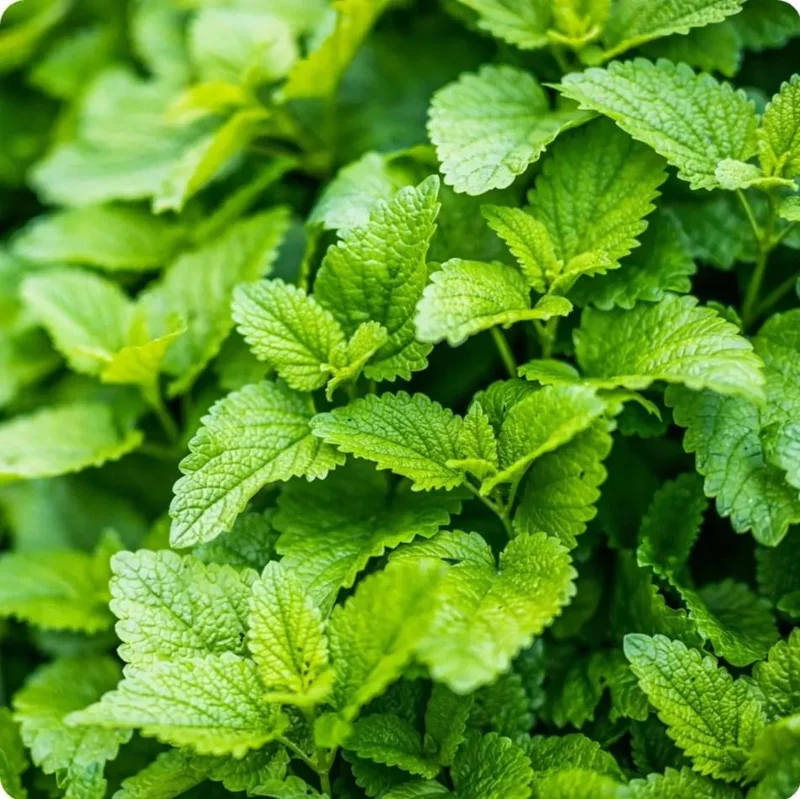
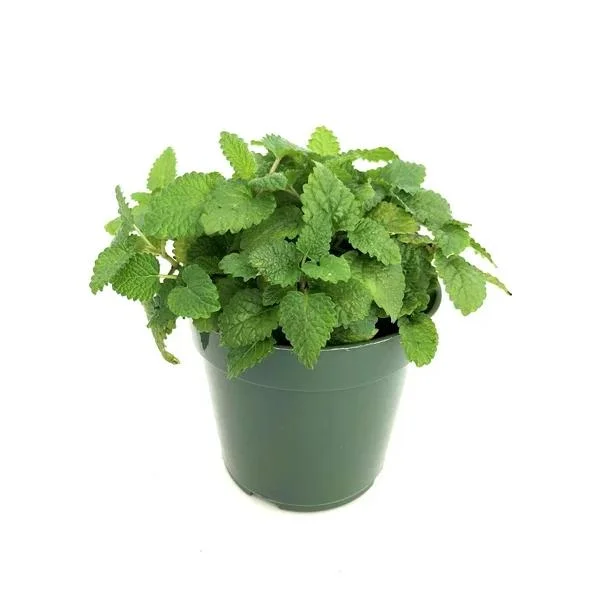
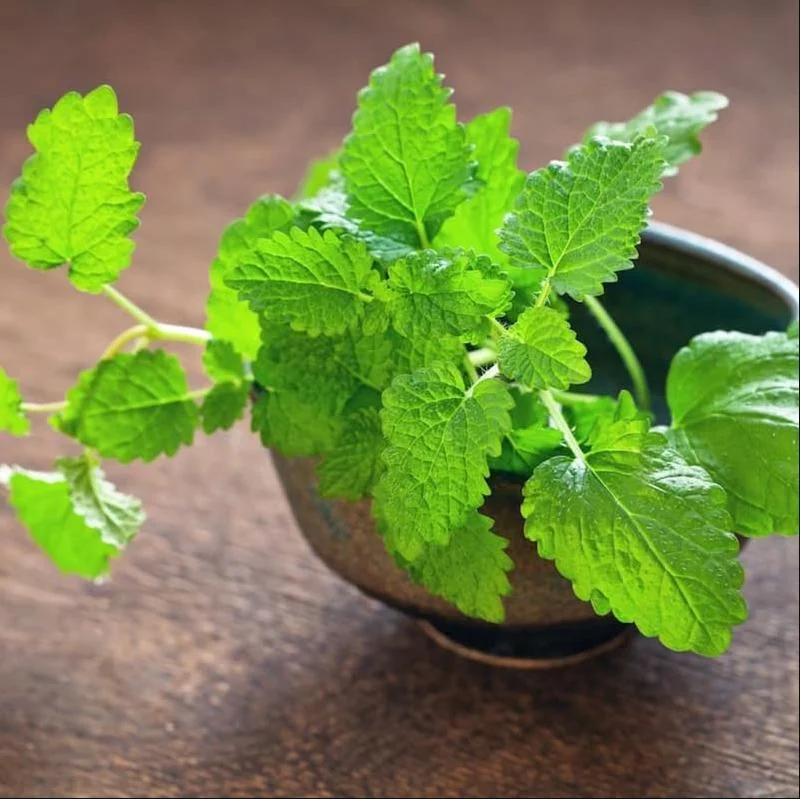
Lemon Balm Live Starter Plants – Pack of 2, 4-6 Inch Tall, Perennial Herb for Tea & Cooking
Original price was: $24.39.$14.39Current price is: $14.39.
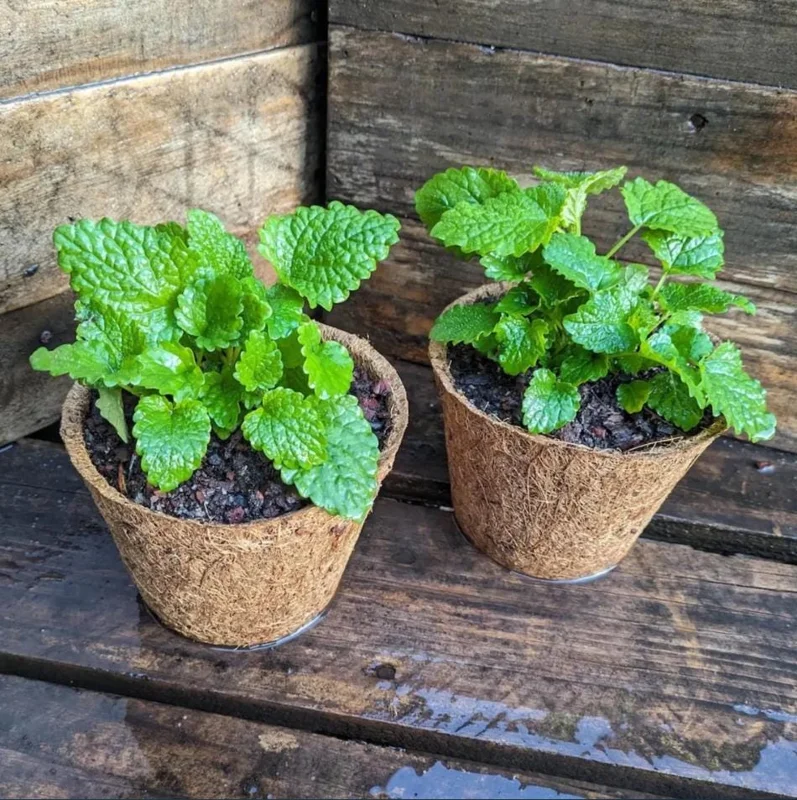
Cultivate your own aromatic garden with this 2-pack of lemon balm live plant starters. Known for its citrusy scent and flavor, this perennial herb is ideal for making herbal teas, enhancing culinary dishes, and attracting beneficial pollinators. Enjoy the ease of growing this versatile plant in your garden or containers.
Estimated arrival
Mar 30
Apr 04 - Apr 06
Apr 09 - Apr 13

Reasonable Price
We offer reasonable price

Support 24/7
Contact us 24 hrs a day

100% Money Back
You've 30 days to Return

Payment Secure
100% secure payment
Overview
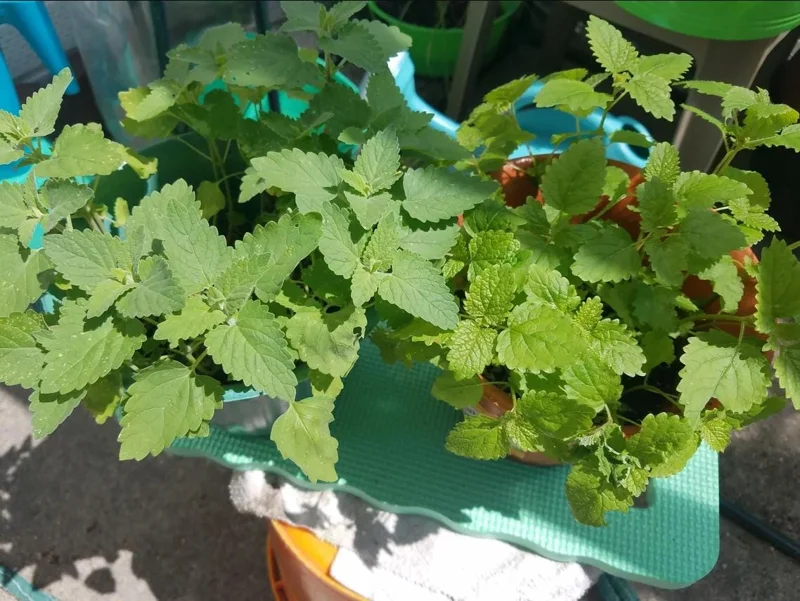
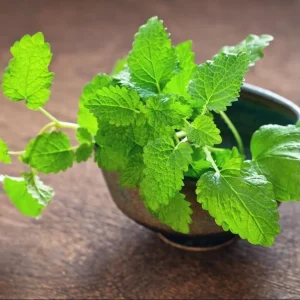
Bring the refreshing essence of lemon to your garden with our lemon balm live plant starter pack. You will receive two healthy, well-rooted young plants, ready to thrive in your outdoor space. Lemon balm (Melissa officinalis) is a beloved perennial herb celebrated for its delightful lemony fragrance and flavor. Historically used for its calming properties and as a culinary ingredient, it’s an excellent addition to herb gardens, kitchen gardens, or even as an attractive border plant. These vigorous plants are easy to establish and will quickly grow to provide a bountiful harvest of fragrant leaves for various uses. Whether you’re a seasoned gardener or just starting, growing lemon balm herb plant is a rewarding experience that offers both beauty and utility.
Key Benefits
Adding a lemon balm live plant to your garden offers a multitude of advantages, enriching both your culinary endeavors and your garden’s ecosystem. Its versatility and ease of care make it a must-have for any plant enthusiast.
- Culinary Versatility: The fresh, citrusy leaves of lemon balm are perfect for infusing into teas, adding a zesty note to salads, desserts, and poultry dishes, or creating refreshing summer drinks.
- Aromatic Appeal: Enjoy the pleasant, uplifting lemon scent that the plant releases, which can help create a serene atmosphere in your garden space. This natural aroma is also known to deter certain pests.
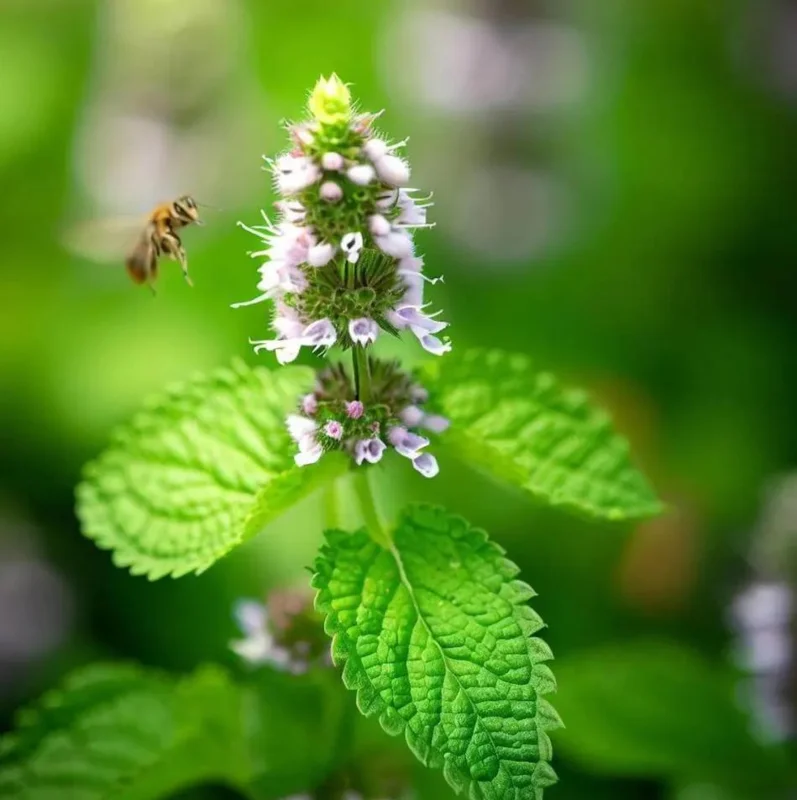
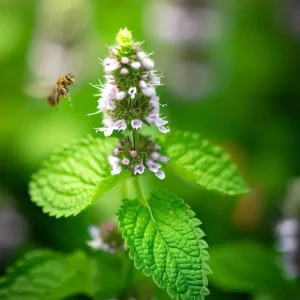
- Pollinator Magnet: Lemon balm flowers, though small, are highly attractive to bees, butterflies, and other beneficial pollinators, contributing to a healthier and more vibrant garden ecosystem.
- Easy to Grow: This hardy perennial is incredibly forgiving and adaptable, making it an excellent choice for beginner gardeners. It tolerates a range of soil conditions and sunlight exposures.
- Perennial Growth: Once established, your perennial herb plants will return year after year, providing a continuous supply of fresh leaves without the need for annual replanting.
- Natural Pest Repellent: The strong lemon scent of lemon balm can help deter mosquitoes and other common garden pests, making outdoor living more enjoyable.
- Medicinal & Wellness Uses: Traditionally, lemon balm has been used in herbal remedies for its calming and uplifting properties, often brewed as a tea to aid relaxation and improve mood.
Plant Care & Growing Tips
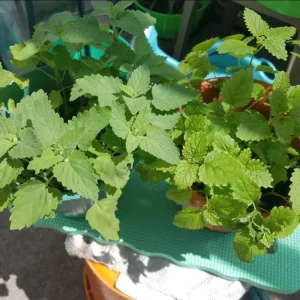
Caring for your lemon balm live plant is straightforward, as it is a remarkably resilient and adaptable herb. These plants thrive with minimal fuss, making them perfect for gardeners of all skill levels. For optimal growth, provide your plants with the right conditions and consistent care.
Sunlight: Lemon balm prefers full sun to partial shade. In cooler climates, full sun (6+ hours of direct sunlight) will encourage the most vigorous growth and strongest flavor. In hotter climates, providing some afternoon shade will protect the leaves from scorching and prevent wilting, ensuring healthy foliage. Aim for at least 4-6 hours of direct sunlight daily.
Soil: This herb is not particularly fussy about soil, but it thrives best in well-drained, sandy loam. It can adapt to most soil types, including clay or rocky soils, as long as they are not waterlogged. Good drainage is key to preventing root rot. If planting in containers, use a high-quality potting mix that drains well.
Watering: Lemon balm care involves keeping the soil consistently moist, especially during dry spells and in its initial growth stages. Water regularly, ensuring the soil feels moist to the touch but not soggy. Once established, it shows some drought tolerance, but consistent moisture will yield the best leaf production. Avoid overhead watering to reduce the risk of fungal issues.
Temperature & Hardiness: Lemon balm is a hardy perennial, typically thriving in USDA Zones 4-9. It can withstand cold winters and hot summers, though extreme heat may cause it to go dormant or require more shade. Protect young plants from severe frost. For those looking to grow lemon balm, it’s reassuring to know it’s a robust choice.
Fertilization: Generally, lemon balm does not require heavy fertilization. If your soil is poor, a light application of a balanced organic fertilizer in spring can be beneficial. Avoid over-fertilizing, as this can lead to lush but less flavorful foliage.
Pruning: Regular harvesting encourages bushier growth and prevents the plant from becoming leggy. Pinch back stems frequently, especially before flowering, to promote leaf production. You can cut the plant back by about one-third several times during the growing season. Deadheading spent flowers will also prevent self-seeding, as lemon balm can spread aggressively.
Size & Details
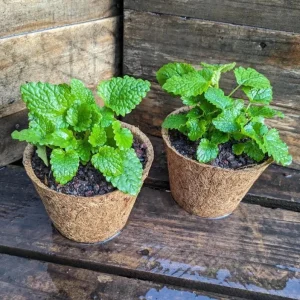
This offering includes a pack of two lemon balm live plant starter plants, each meticulously grown to ensure a strong beginning in your garden. The plants arrive well-rooted and are typically 4 to 6 inches tall, measured from the base of the plant to the top of the foliage. They are shipped without a pot to minimize waste and allow for immediate planting into your preferred location. Lemon balm is a fast-growing perennial that can reach a mature height of 1 to 2 feet and spread equally wide, forming a bushy mound. Expect robust growth during the spring and summer months, providing a continuous supply of fresh leaves. These perennial herb plants will establish quickly, offering a delightful aromatic presence and a practical resource for your culinary and herbal needs.
Frequently Asked Questions
- Q: How big does this plant get? A: Your lemon balm live plant typically grows to a mature height and spread of 1 to 2 feet. It forms a bushy, mounding shape, providing ample foliage for harvesting.
- Q: What size pot does it come in? A: These are live starter plants and are shipped without a pot. They are well-rooted and ready to be transplanted directly into your garden or a larger container upon arrival.
- Q: Is this an indoor or outdoor plant? A: While lemon balm can be grown indoors in a sunny spot, it thrives best as an outdoor plant. It is a hardy perennial well-suited for garden beds, raised beds, or large outdoor containers.
- Q: How much sunlight does it need? A: For optimal growth, lemon balm herb plant requires full sun to partial shade. In hot climates, provide afternoon shade to protect the leaves from intense heat. Aim for at least 4-6 hours of direct sunlight.
- Q: Is this plant easy to care for? A: Yes, lemon balm is known for being very easy to care for, making it an excellent choice for beginner gardeners. It’s tolerant of various conditions and requires minimal fuss once established.
- Q: What condition will it arrive in? A: You will receive two healthy, well-rooted starter plants, typically 4 to 6 inches tall. They are carefully packaged to ensure they arrive in good condition, ready for planting.
- Q: Can I use lemon balm in cooking? A: Absolutely! The leaves of your lemon balm live plant have a wonderful citrusy flavor, perfect for teas, salads, desserts, chicken, fish, and refreshing beverages.
- Q: When is the best time to plant lemon balm? A: The best time to plant lemon balm is in spring after the last frost, or in early fall. This allows the plant to establish its root system before extreme temperatures.
- Q: Will it survive winter in my zone? A: Lemon balm is a robust perennial and is hardy in USDA Zones 4-9. It will typically die back to the ground in winter but will regrow vigorously from the roots in spring.
- Q: What’s the minimum temperature it can tolerate? A: As a perennial in zones 4-9, lemon balm can tolerate winter temperatures well below freezing, typically down to -30°F (-34°C) in its established state.
Be the first to review “Lemon Balm Live Starter Plants – Pack of 2, 4-6 Inch Tall, Perennial Herb for Tea & Cooking”
-
USDA Hardiness Zone
USDA Zones 4-9 -
Soil Type
Well-drained, sandy loam -
Sunlight Exposure
Full sun to partial shade -
Expected Planting Period
Spring to early summer
People Also Viewd
Sold 128 products
Original price was: $27.00.$24.00Current price is: $24.00.
Sold 127 products
Original price was: $89.99.$64.99Current price is: $64.99.
Sold 125 products
Original price was: $3,536.00.$23.99Current price is: $23.99.

Sold 125 products
Original price was: $86.99.$66.99Current price is: $66.99.
Sold 116 products
Original price was: $27.99.$16.99Current price is: $16.99.
Flower Bulbs
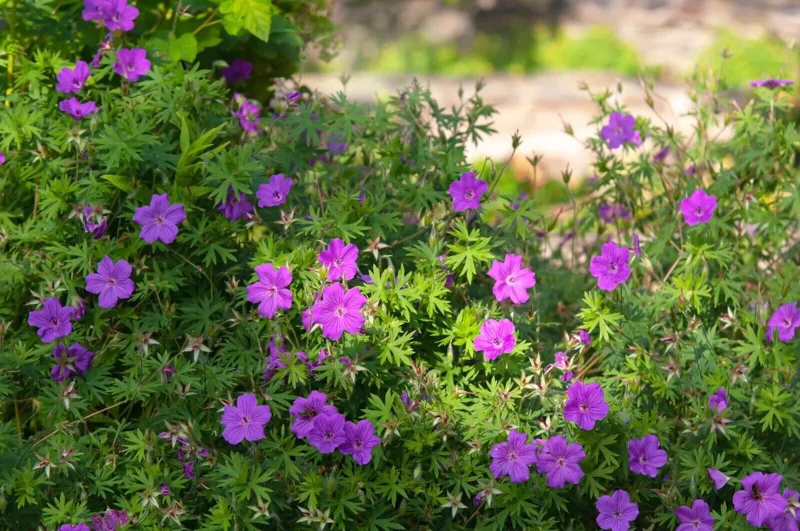
3 Cranesbill Wild Geranium Organic Maculatums Bare Roots | Wildflower for Outdoor Garden
Sold 114 products
Original price was: $21.99.$6.99Current price is: $6.99.
Sold 114 products
Original price was: $28.99.$17.99Current price is: $17.99.
Sold 109 products
Original price was: $63.99.$28.99Current price is: $28.99.RELATED posts
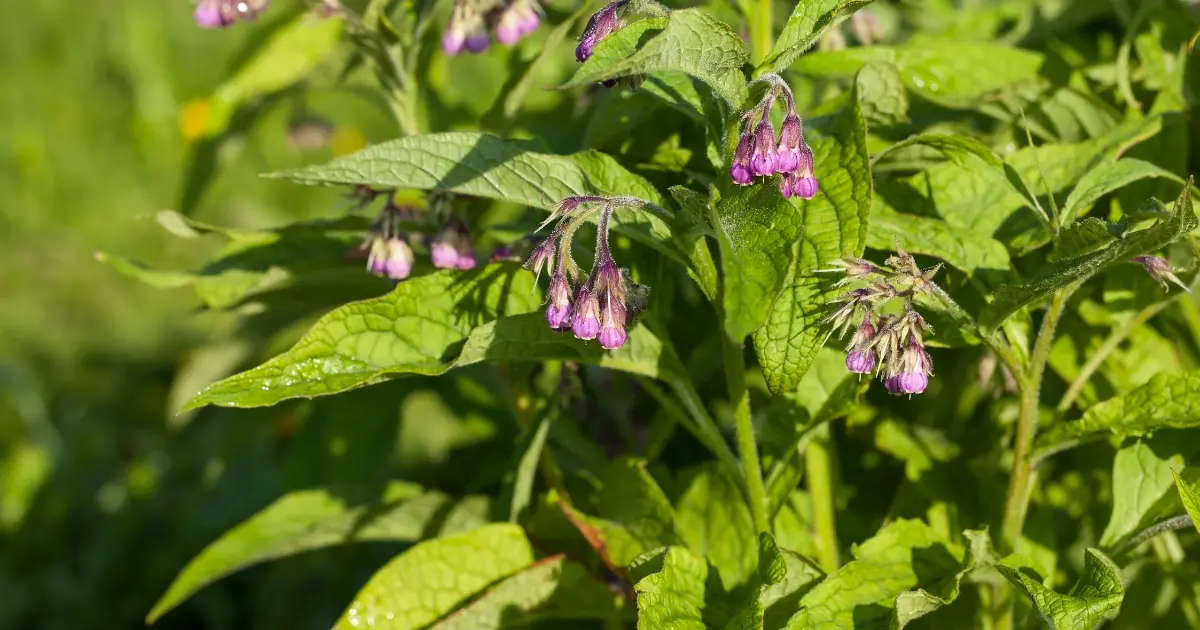
How to Identify Bocking 14 Comfrey: 5 Simple Visual Signs
If you’re growing comfrey for mulch, compost, or animal feed, knowing exactly which variety you [...]
Mar
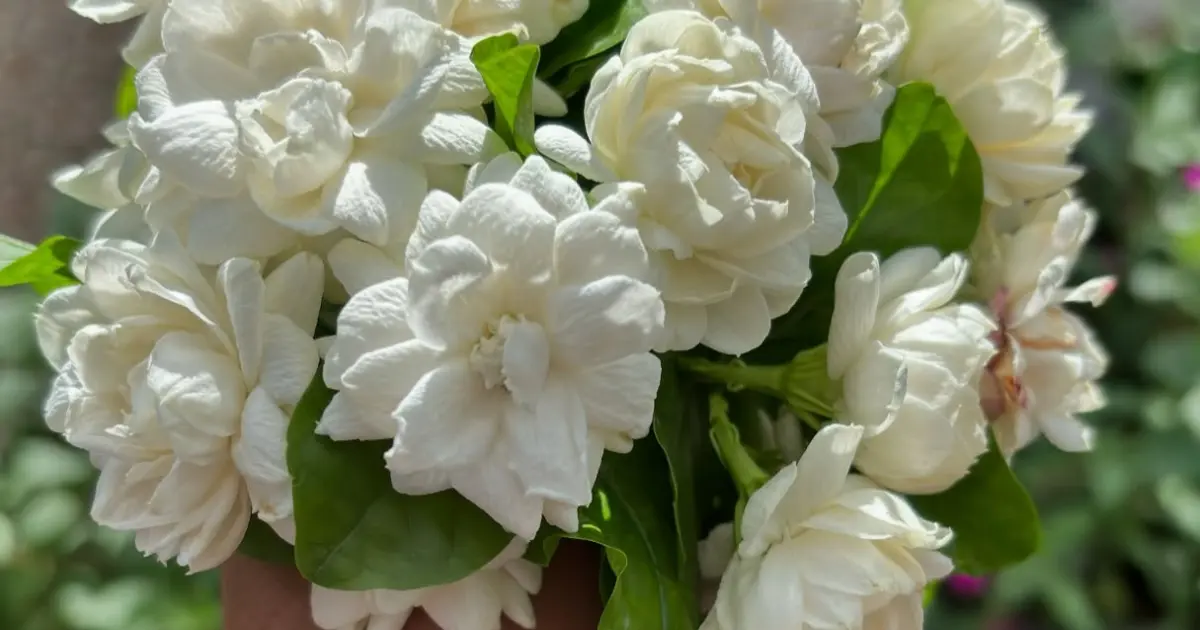
Grand Duke of Tuscany Jasmine: The Ultimate Guide to Growing a Fragrant Masterpiece
Have you ever caught a scent in the air so rich, creamy, and honey-sweet that [...]
Mar
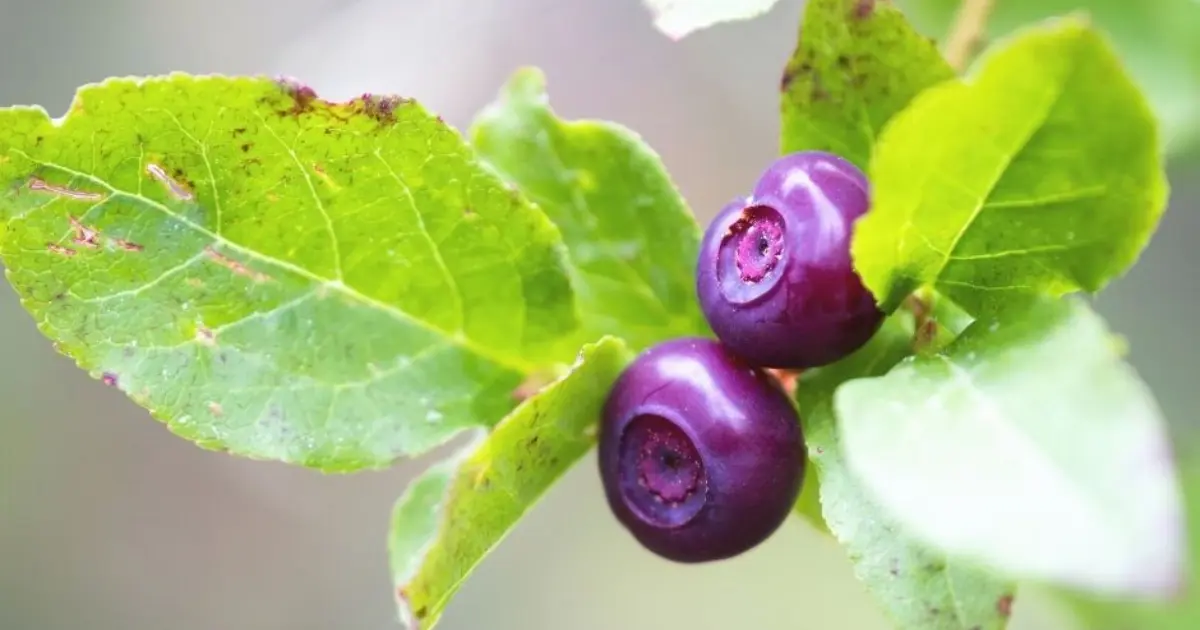
How to Grow Wild Huckleberries: A Guide to “Purple Gold”
Have you ever spent a summer afternoon hiking through the Pacific Northwest or the Rocky [...]
Mar
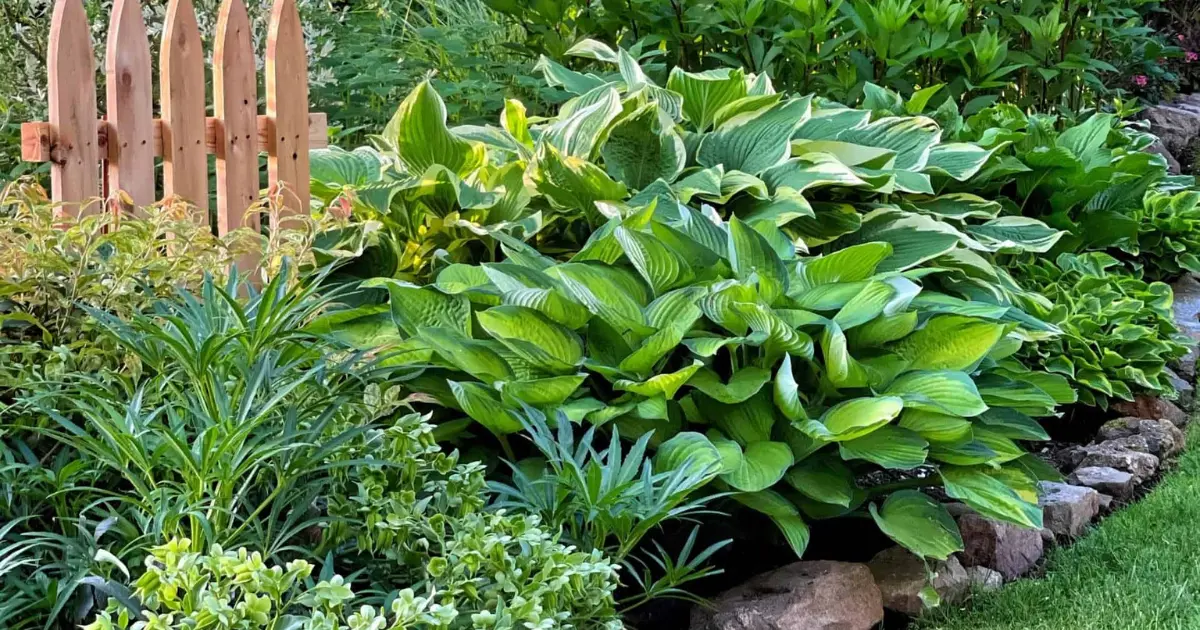
5 Best Shade-Loving Perennials for a Lush, Vibrant Garden
The world of gardening often shines a spotlight on sun-drenched blossoms, but there is a [...]
Mar
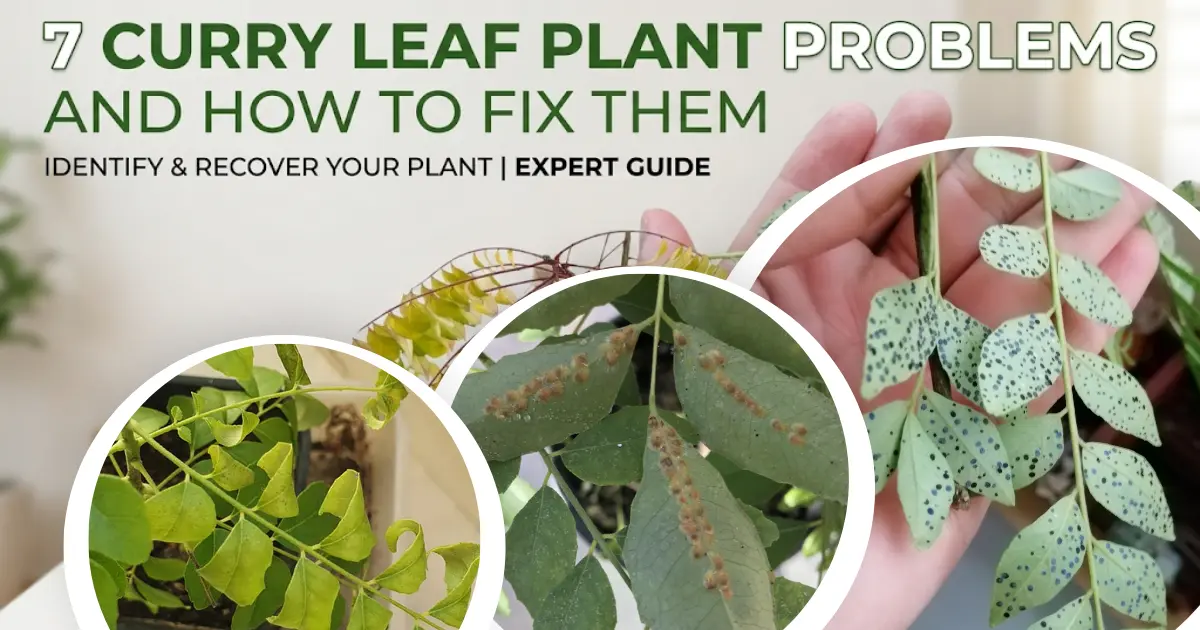
7 Common Curry Leaf Plant Problems: Easy Fixes for a Thriving Plant
Is your curry leaf plant looking a bit sad lately? Maybe you woke up to [...]
Mar
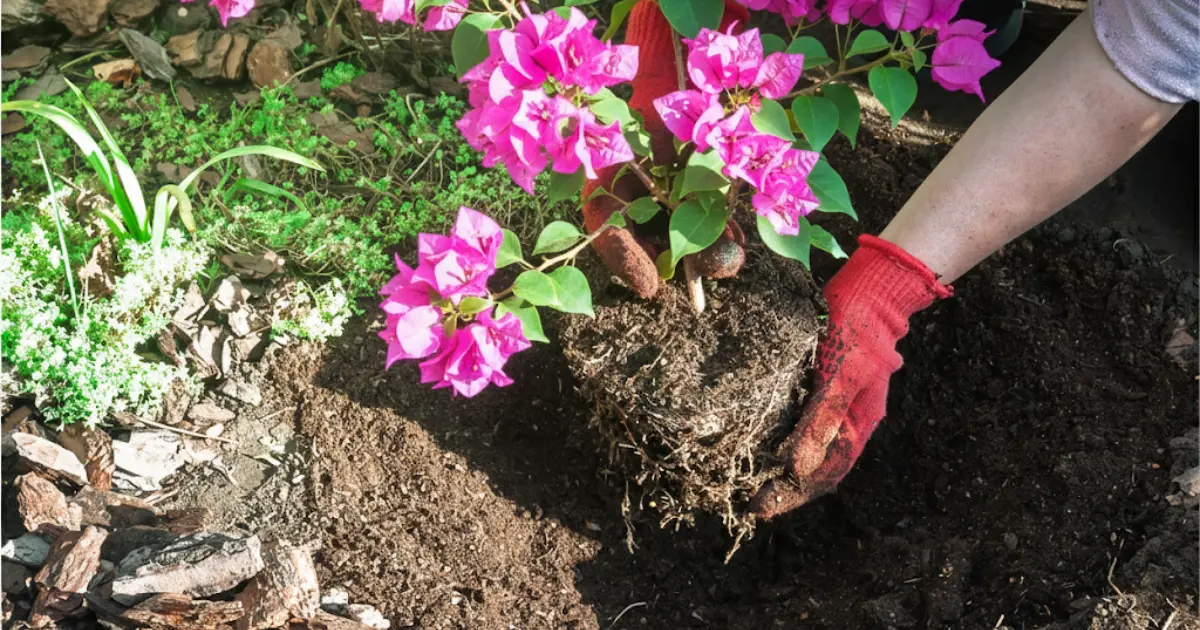
Best Time to Plant Bougainvillea: Timing for Vibrant Blooms
If you’re looking for a hardy tropical vine that delivers a riot of neon color, [...]
Feb
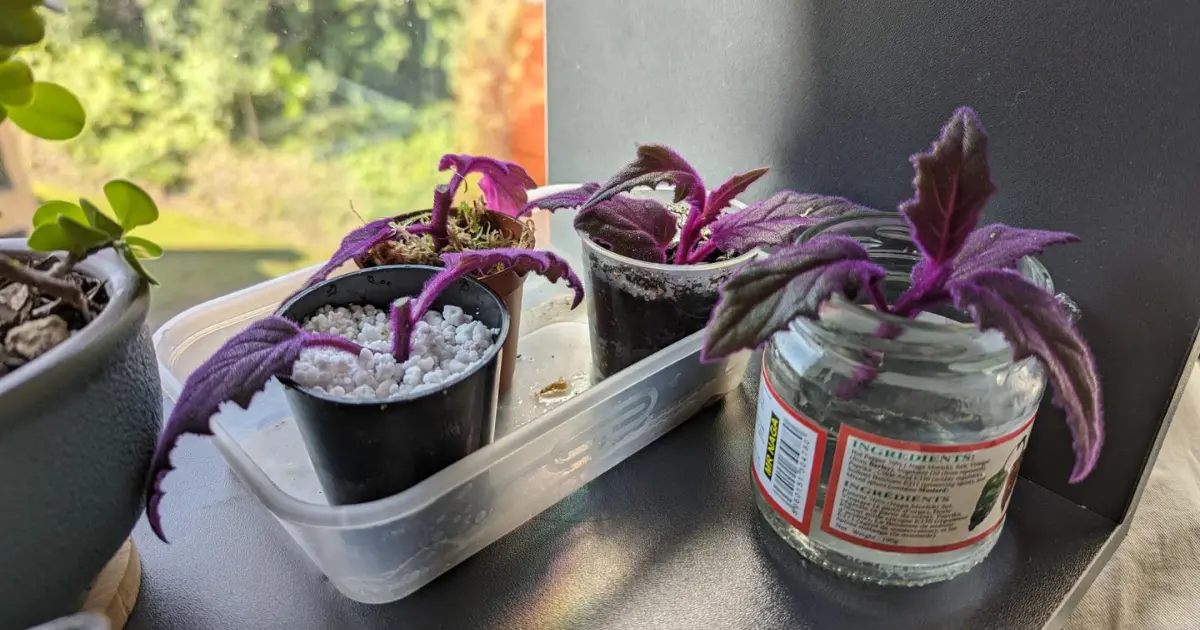
How to Propagate Purple Passion Plants (Gynura aurantiaca)
Have you ever been mesmerized by the neon-purple glow and fuzzy, velvet-like leaves of a [...]
Feb
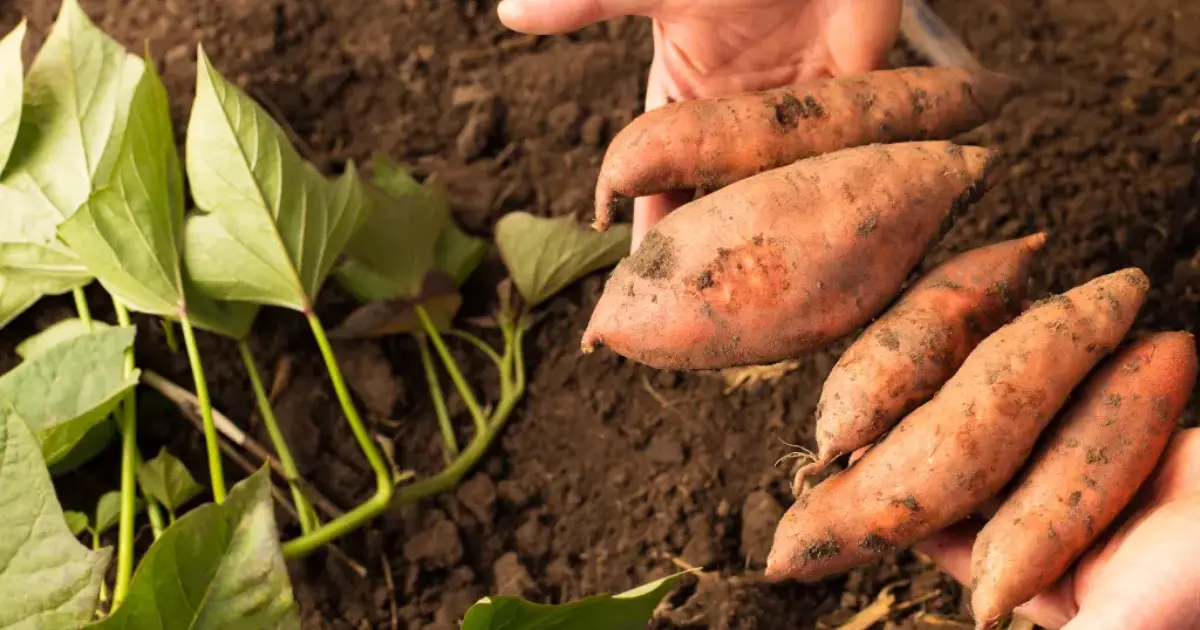
How to Grow Beauregard Sweet Potatoes: From Slips to a Bountiful Harvest
Are you ready to add a classic, heavy-hitting favorite to your vegetable patch? If you’ve [...]
Feb
Reviews
There are no reviews yet.