
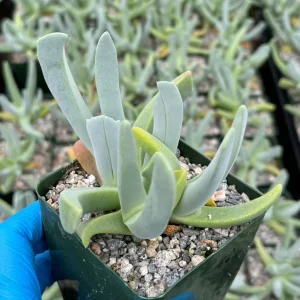
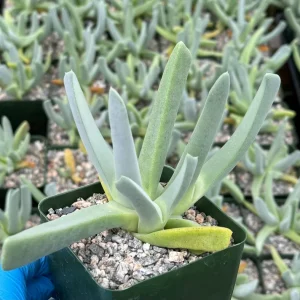
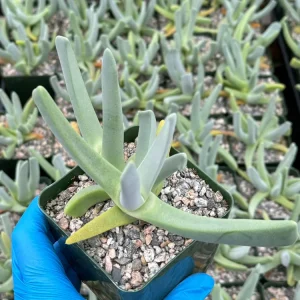
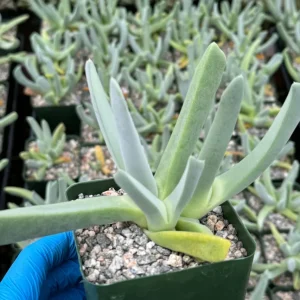
Lobster Claw Live Succulent Plant Cheiridopsis Candidissima in 4 Inch Pot
Original price was: $47.37.$27.37Current price is: $27.37.
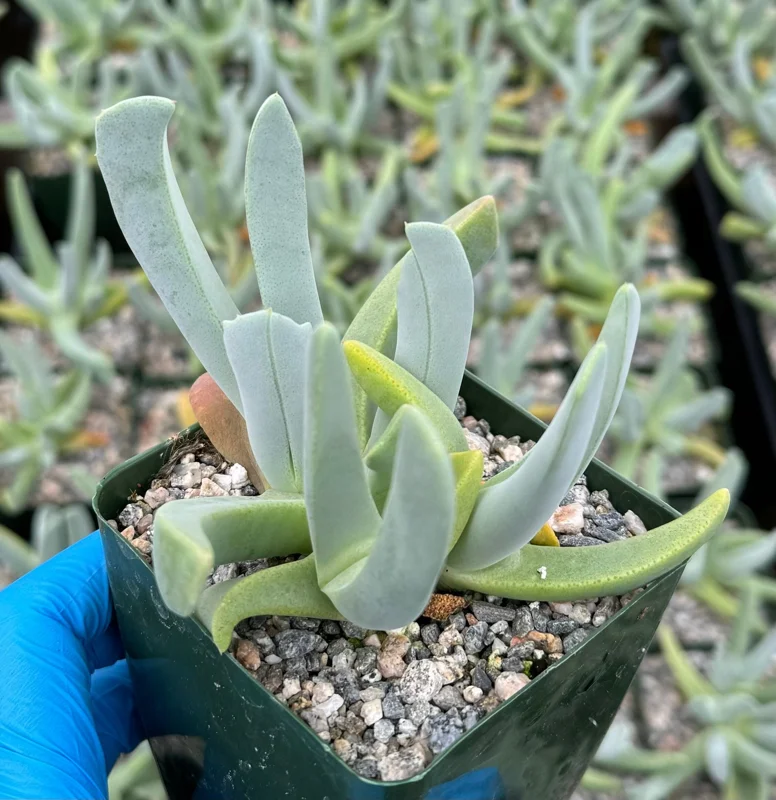
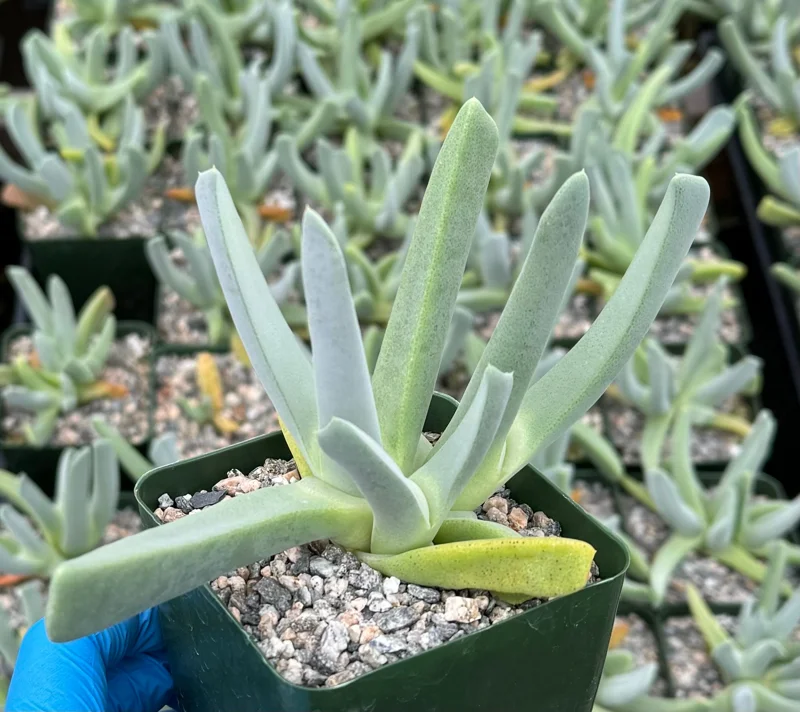
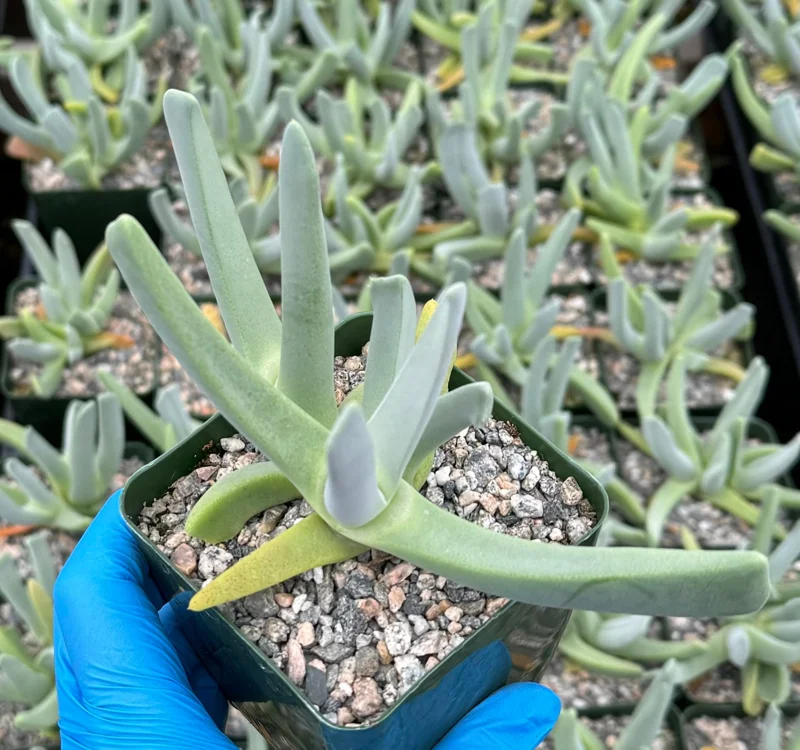
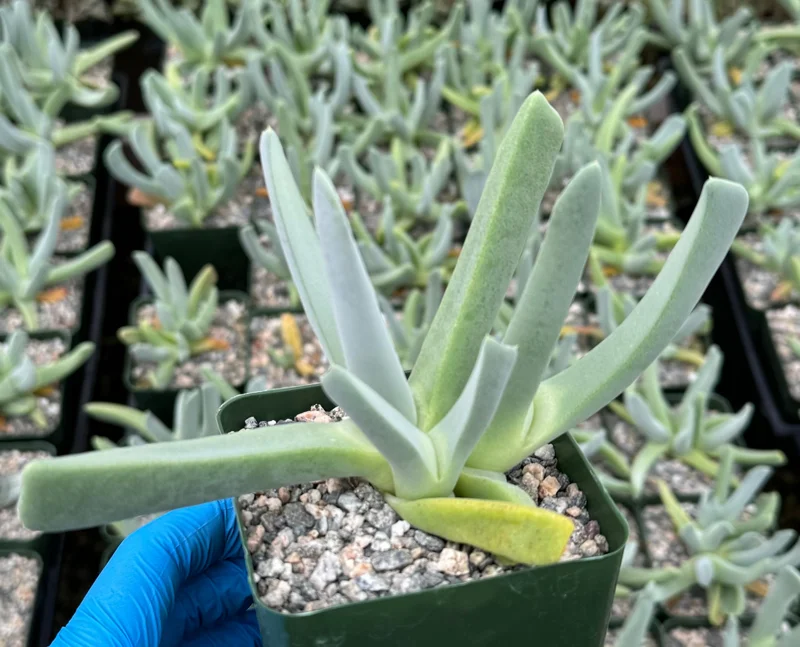
Bring home a truly unique botanical specimen with the lobster claw live succulent. This cheiridopsis candidissima care is easy, making it perfect for beginners. Known for its distinctive foliage resembling lobster claws, this drought tolerant succulent adds exotic charm to any indoor space.
Estimated arrival
Apr 06
Apr 11 - Apr 13
Apr 16 - Apr 20

Reasonable Price
We offer reasonable price

Support 24/7
Contact us 24 hrs a day

100% Money Back
You've 30 days to Return

Payment Secure
100% secure payment
Overview
Introducing the captivating lobster claw live succulent, scientifically known as Cheiridopsis candidissima. This extraordinary succulent is a must-have for plant enthusiasts seeking something truly unique. Native to the arid landscapes of South Africa, the lobster claw live succulent is renowned for its distinctive and striking foliage, which bears a remarkable resemblance to the claws of a lobster or crab. This fascinating appearance makes it an instant conversation starter and a focal point in any plant collection. The plant features pairs of thick, fleshy leaves with curved tips and serrated edges, typically green or bluish-green, often covered in a powdery or waxy coating that gives them a frosted, ethereal look. Beyond its unusual leaves, the Cheiridopsis candidissima also produces small, daisy-like flowers in vibrant shades of yellow or orange, adding to its ornamental appeal. This unique succulent plant is a testament to nature’s artistry, offering both visual intrigue and ease of care, making it an excellent choice for both novice and experienced gardeners.
The lobster claw live succulent thrives on neglect, embodying the resilience characteristic of its desert origins. Its architectural form and intriguing texture make it a popular choice for contemporary decor, succulent arrangements, and rock gardens. This species, often referred to simply as the lobster claw live succulent, is not only beautiful but also incredibly rewarding to grow. Its ability to adapt to various indoor conditions, combined with its low water requirements, positions it as a top contender for those seeking a low-maintenance yet exotic houseplant. Whether you’re starting your succulent journey or looking to expand an existing collection, the Cheiridopsis candidissima offers unparalleled beauty and a touch of the extraordinary.
Key Benefits
The lobster claw live succulent offers a myriad of benefits, making it an exceptional addition to any home or office. Its distinctive appearance and straightforward care routine contribute to its widespread appeal, providing both aesthetic pleasure and practical advantages.
- Unique Ornamental Value: The most striking feature of the lobster claw live succulent is its highly unusual foliage. The thick, fleshy leaves, shaped like lobster claws with curved, serrated tips, create a sculptural and exotic look that instantly elevates any space. This plant is a true living artwork.
- Drought-Tolerant: As a succulent, Cheiridopsis candidissima is incredibly resilient to dry conditions. It stores water in its leaves, meaning it requires infrequent watering, making it an ideal choice for busy individuals or those who tend to forget to water their plants. This makes it a perfect drought tolerant succulent.
- Low Maintenance: This plant is remarkably easy to care for, requiring minimal attention once its basic needs are met. Its undemanding nature ensures that even beginner plant parents can achieve success and enjoy its unique beauty without much effort.
- Compact Size: Growing to a moderate size, the lobster claw live succulent is perfect for windowsills, desks, shelves, or small spaces. Its compact growth habit means it won’t outgrow its spot quickly and can be easily incorporated into various indoor settings.
- Attractive Flowers: In addition to its fascinating foliage, Cheiridopsis candidissima produces charming, daisy-like flowers in shades of yellow or orange. These vibrant blooms add an extra layer of beauty and color, typically appearing in clusters.
- Air Purifying: Like many houseplants, succulents contribute to improving indoor air quality by absorbing certain toxins and releasing oxygen, creating a healthier living environment.
- Conversation Starter: Its unusual appearance is guaranteed to spark interest and conversation among guests, making it a unique and memorable decorative element. This unique succulent plant is truly captivating.
Plant Care & Growing Tips
Caring for your lobster claw live succulent, or Cheiridopsis candidissima, is relatively straightforward, making it an excellent choice for both novice and experienced gardeners. The key to its success lies in replicating its native South African desert environment as closely as possible, focusing on bright light, well-draining soil, and conservative watering. This easy care succulent thrives when given the right conditions.
Sunlight Requirements: The lobster claw live succulent absolutely loves bright, indirect sunlight. It should receive at least 6 hours of bright light per day. Indoors, place it near a south or west-facing window where it can get plenty of natural light but is protected from intense, direct midday sun that can scorch its leaves. If natural light is insufficient, a grow light can supplement its needs. Outdoors, a spot with morning sun and afternoon shade is ideal, especially in hotter climates.
Watering Schedule and Soil Moisture Preferences: Overwatering is the most common cause of succulent demise. The Cheiridopsis candidissima is a drought tolerant succulent and requires infrequent watering. Allow the soil to dry out completely between waterings, then water thoroughly until water drains from the bottom of the pot. During the active growing season (spring and summer), this might mean watering every 2-4 weeks. In winter, when the plant is dormant, reduce watering significantly, perhaps once a month or even less, to prevent root rot. Always check the soil moisture with your finger before watering.
Soil Type and Drainage Requirements: Excellent drainage is paramount for this succulent. Use a specialized succulent or cactus potting mix, which typically contains sand, perlite, or pumice to ensure rapid drainage. If creating your own mix, a good ratio is one-third potting soil, one-third coarse sand, and one-third perlite or pumice. A pot with drainage holes is absolutely essential to prevent water from sitting around the roots. Proper soil and drainage are crucial for healthy cheiridopsis candidissima care.
Temperature Range and USDA Hardiness Zone: Cheiridopsis candidissima prefers warm temperatures, ideally between 65-80°F (18-27°C). It can tolerate cooler temperatures down to about 40°F (4°C) but should be protected from frost. In the US, it is generally considered suitable for outdoor planting in USDA hardiness zones 9-11, where temperatures rarely drop below freezing. For colder zones, it should be grown as an indoor plant or brought indoors during winter.
Fertilization Schedule and Type: This succulent is not a heavy feeder. Fertilize sparingly, if at all. During the growing season (spring and summer), you can apply a diluted, balanced liquid fertilizer (e.g., 10-10-10) at half strength once every 2-3 months. Avoid fertilizing during the dormant winter months. Over-fertilization can lead to leggy growth and damage the plant.
Common Problems and Solutions: The most common issues are related to watering. Overwatering causes root rot, characterized by soft, yellowing leaves and a mushy stem. If caught early, repotting into dry soil after trimming affected roots can save the plant. Underwatering leads to shriveled or wrinkled leaves, which will plump up after a good watering. Pests like mealybugs or spider mites can occasionally appear; treat with insecticidal soap or neem oil. Ensuring proper light and air circulation will help prevent most problems, making cheiridopsis candidissima care straightforward.
Size & Details
This offering includes a healthy lobster claw live succulent (Cheiridopsis candidissima) growing in a 4-inch nursery pot. At the time of shipping, the plant typically stands approximately 3-5 inches tall and has a spread of 4-6 inches, showcasing its distinctive foliage. The growth rate for this unique succulent plant is moderate, allowing it to slowly mature into a more sizable specimen over several years, potentially reaching up to 6-8 inches in height and spread with optimal care. It ships as a well-rooted, established plant, ready to be placed in your preferred location or repotted into a decorative container. Expect the plant to arrive carefully packaged to ensure its safety during transit, with minimal soil disturbance. While flowering times can vary, with proper light and care, you can anticipate seeing its charming yellow or orange flowers during its blooming season, typically in late winter or early spring. This easy care succulent is a perfect addition to any collection.
Frequently Asked Questions
- Q: How big does this lobster claw live succulent get? A: This succulent typically grows to about 6-8 inches tall and wide when mature, though it grows relatively slowly. It remains a compact and manageable size, perfect for indoor display.
- Q: Is this an indoor or outdoor plant? A: While it can be grown outdoors in USDA zones 9-11, it is most commonly cultivated as an indoor plant in cooler climates. It thrives as a potted houseplant, especially with sufficient bright, indirect light.
- Q: How much sunlight does the cheiridopsis candidissima care require? A: It needs at least 6 hours of bright, indirect sunlight daily. A south or west-facing window is usually ideal indoors, or a spot with morning sun and afternoon shade outdoors.
- Q: Is this plant easy to care for? A: Yes, the lobster claw live succulent is considered an easy care succulent. Its drought tolerance and minimal needs make it suitable for beginners and those looking for a low-maintenance plant.
- Q: What condition will it arrive in? A: Your plant will arrive as a healthy, established plant in a 4-inch nursery pot, carefully packaged to minimize stress and ensure its safe journey to your home.
- Q: How often should I water my drought tolerant succulent? A: Water sparingly. Allow the soil to dry out completely between waterings, then water thoroughly. Reduce watering significantly during the winter months.
- Q: Can I repot this unique succulent plant immediately? A: It’s generally best to allow the plant to acclimate to its new environment for a week or two before repotting. When you do repot, use a well-draining succulent mix.
- Q: Does this succulent flower? A: Yes, with proper care and sufficient light, Cheiridopsis candidissima produces small, daisy-like flowers in yellow or orange shades, typically blooming in late winter or early spring.
- Q: Is it pet-safe? A: Information on the toxicity of Cheiridopsis candidissima to pets is not widely available. It’s always best to keep plants out of reach of curious pets to be safe.
- Q: What kind of soil is best for cheiridopsis candidissima care? A: A well-draining succulent or cactus potting mix is essential. This prevents water from sitting around the roots, which can lead to rot.
Be the first to review “Lobster Claw Live Succulent Plant Cheiridopsis Candidissima in 4 Inch Pot”
-
USDA Hardiness Zone
USDA zones 9-11 (or indoor) -
Soil Type
Well-draining succulent/cactus mix -
Sunlight Exposure
Bright indirect light -
Expected Planting Period
Year-round indoors
People Also Viewd
Sold 128 products
Original price was: $89.99.$64.99Current price is: $64.99.
Sold 128 products
Original price was: $27.00.$24.00Current price is: $24.00.
Sold 127 products
Original price was: $159.99.$139.99Current price is: $139.99.
Sold 126 products
Original price was: $3,536.00.$23.99Current price is: $23.99.

Sold 125 products
Original price was: $86.99.$66.99Current price is: $66.99.
Sold 116 products
Original price was: $27.99.$16.99Current price is: $16.99.
Flower Bulbs
3 Cranesbill Wild Geranium Organic Maculatums Bare Roots | Wildflower for Outdoor Garden
Sold 114 products
Original price was: $21.99.$6.99Current price is: $6.99.
Sold 114 products
Original price was: $28.99.$17.99Current price is: $17.99.RELATED posts
Yellow Dragon Fruit Plant Care: The Ultimate Guide for Healthy Growth
The yellow dragon fruit plant is a unique and rewarding addition to any home garden, [...]
Apr
How to Identify Bocking 14 Comfrey: 5 Simple Visual Signs
If you’re growing comfrey for mulch, compost, or animal feed, knowing exactly which variety you [...]
Mar
Grand Duke of Tuscany Jasmine: The Ultimate Guide to Growing a Fragrant Masterpiece
Have you ever caught a scent in the air so rich, creamy, and honey-sweet that [...]
Mar
How to Grow Wild Huckleberries: A Guide to “Purple Gold”
Have you ever spent a summer afternoon hiking through the Pacific Northwest or the Rocky [...]
Mar
5 Best Shade-Loving Perennials for a Lush, Vibrant Garden
The world of gardening often shines a spotlight on sun-drenched blossoms, but there is a [...]
Mar

7 Common Curry Leaf Plant Problems: Easy Fixes for a Thriving Plant
Is your curry leaf plant looking a bit sad lately? Maybe you woke up to [...]
Mar
Best Time to Plant Bougainvillea: Timing for Vibrant Blooms
If you’re looking for a hardy tropical vine that delivers a riot of neon color, [...]
Feb
How to Propagate Purple Passion Plants (Gynura aurantiaca)
Have you ever been mesmerized by the neon-purple glow and fuzzy, velvet-like leaves of a [...]
Feb
Reviews
There are no reviews yet.