
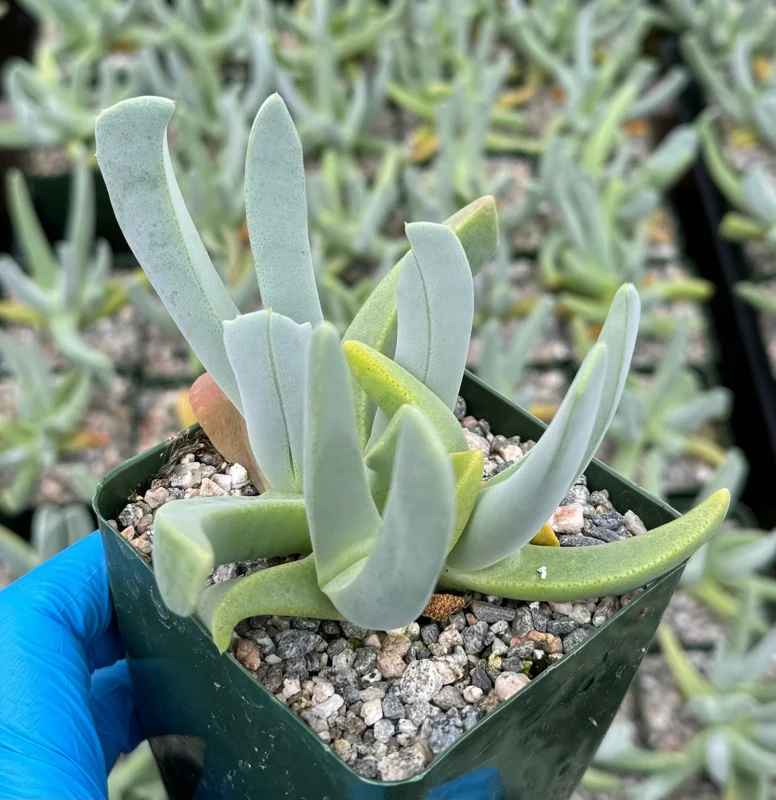
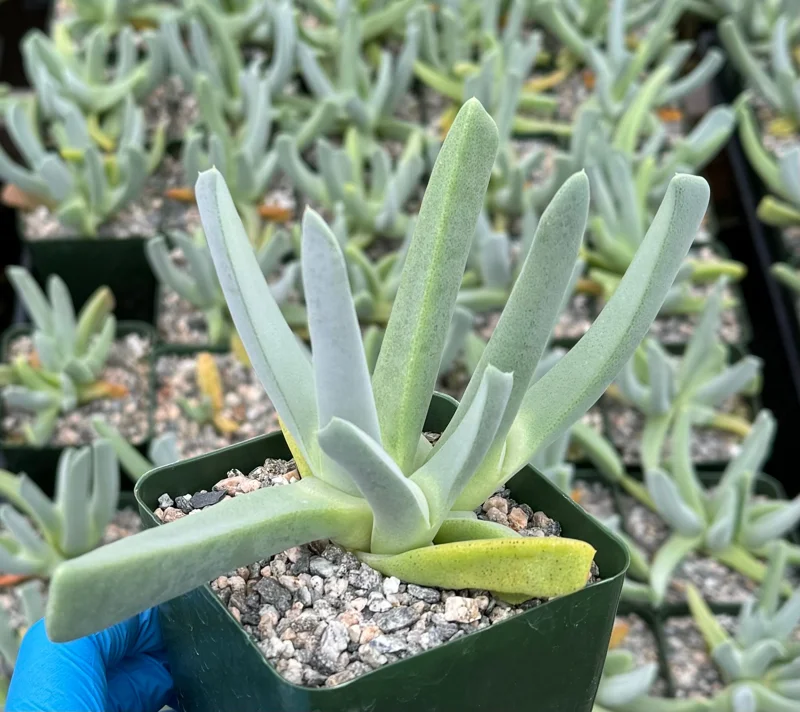
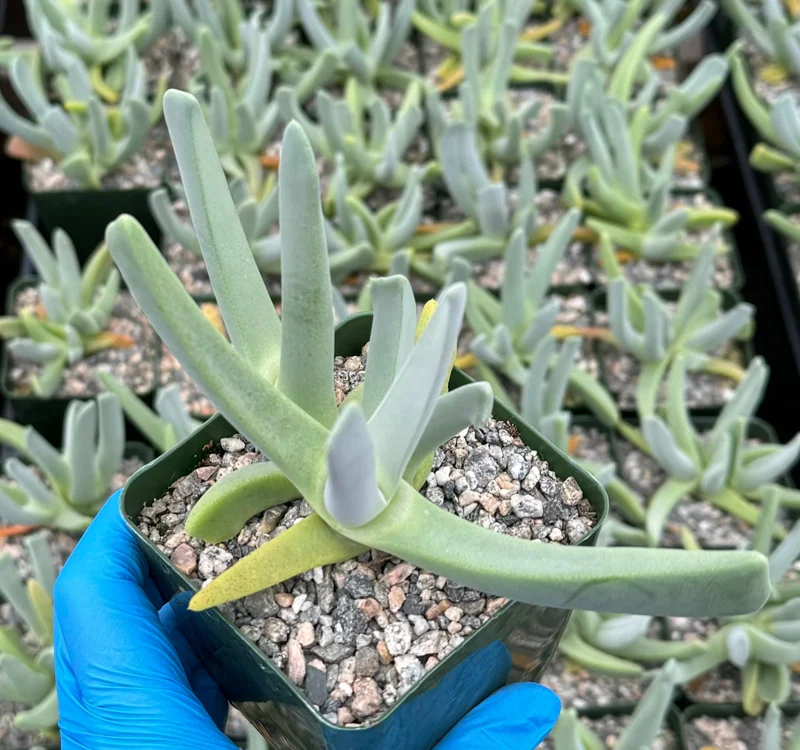
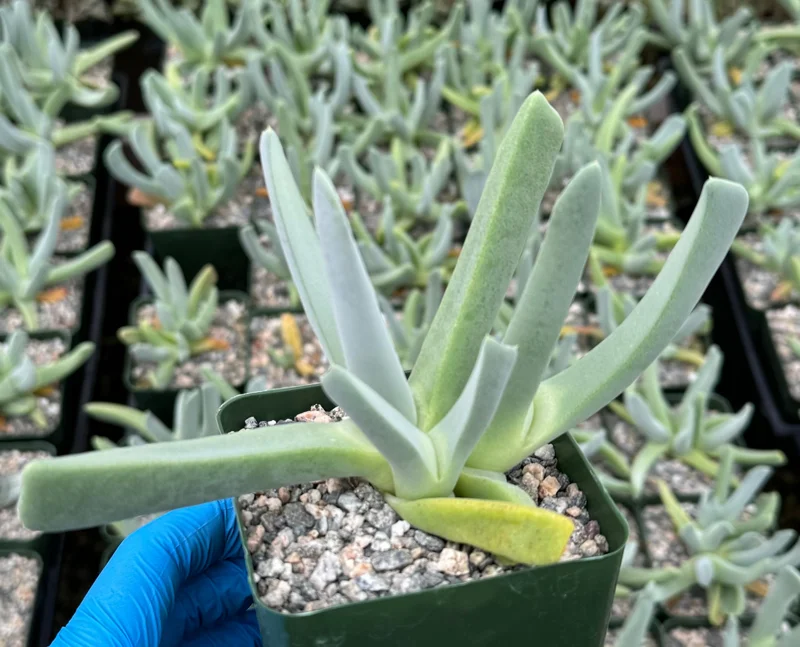
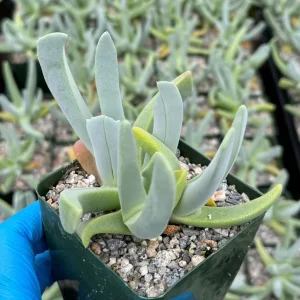
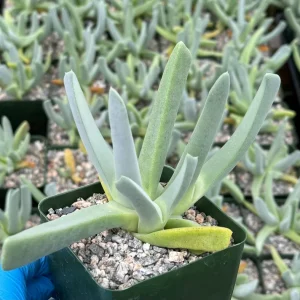
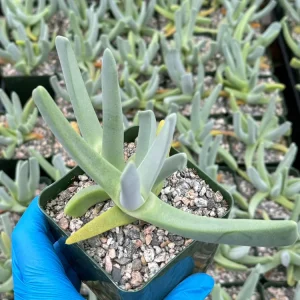
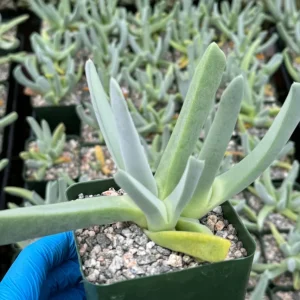
Lobster Claw Succulent Live Plant – Cheiridopsis candidissima in 4 Inch Pot
Original price was: $50.99.$25.99Current price is: $25.99.
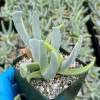
Bring home a distinctive lobster claw succulent, also known as Cheiridopsis candidissima. This 4 inch potted live plant is celebrated for its unique, claw-like foliage and easy care, making it a perfect addition for any plant enthusiast seeking a unique succulent plant. Ideal for bright, indirect light settings.
Estimated arrival
Apr 08
Apr 13 - Apr 15
Apr 18 - Apr 22

Reasonable Price
We offer reasonable price

Support 24/7
Contact us 24 hrs a day

100% Money Back
You've 30 days to Return

Payment Secure
100% secure payment
Overview
Introduce a truly remarkable specimen to your plant collection with the lobster claw succulent. Scientifically known as Cheiridopsis candidissima, this captivating live plant is celebrated for its extraordinary foliage that distinctly resembles the claws of a lobster or crab. Native to the arid landscapes of South Africa, this succulent has evolved to thrive in challenging conditions, making it an excellent choice for both novice and experienced plant enthusiasts. Its unique appearance makes it a focal point in any indoor display or rock garden. Each Cheiridopsis candidissima plant is carefully cultivated and shipped in a 4 inch pot, ready to adorn your space with its unusual charm.
The distinctive leaves of the lobster claw succulent are thick, fleshy, and typically green or bluish-green, often coated with a powdery or waxy substance that gives them a frosted, almost ethereal look. This natural defense mechanism helps the plant conserve moisture. Beyond its striking foliage, this unique succulent plant also produces beautiful, small, daisy-like flowers in vibrant shades of yellow or orange, adding another layer of visual interest during its blooming season. It’s an incredibly resilient and drought tolerant succulent, requiring minimal attention once established.
Key Benefits
The lobster claw succulent offers numerous advantages, making it a beloved choice for plant lovers. Its striking appearance and low-maintenance nature contribute to its widespread appeal, ensuring it brings beauty without demanding constant attention.
- Unique Ornamental Value: The most significant benefit is its highly unusual and attractive foliage, which truly resembles lobster claws. This makes it a fantastic conversation starter and a standout piece in any collection, fulfilling the desire for a truly unique succulent plant.
- Drought Tolerance: As a succulent, Cheiridopsis candidissima is naturally adept at storing water. This makes it an incredibly drought tolerant succulent, ideal for those who prefer low-water gardening or tend to forget watering.
- Easy Care: This plant is remarkably easy care succulent. It thrives on neglect, requiring infrequent watering and minimal fuss, perfect for busy individuals or beginner gardeners.
- Compact Size: Growing to a manageable size, it is perfect for windowsills, desks, small apartments, or container gardening. Its contained growth habit ensures it won’t outgrow its space quickly.
- Beautiful Blooms: Beyond its foliage, the plant produces cheerful yellow or orange daisy-like flowers, adding a splash of color and enhancing its overall appeal.
- Air Purification: Like many houseplants, succulents can contribute to improved indoor air quality by absorbing toxins and releasing oxygen.
- Versatile Placement: Suitable for both indoor and outdoor environments (in appropriate climates), it can be used in rock gardens, succulent arrangements, or as a standalone potted specimen.
Plant Care & Growing Tips
Caring for your lobster claw succulent is straightforward, thanks to its resilient nature. Providing the right conditions will ensure this Cheiridopsis candidissima thrives and showcases its unique beauty for years to come. Understanding its needs will help you maintain a healthy and vibrant plant.
Sunlight Requirements
The lobster claw succulent thrives in bright, indirect sunlight. While it can tolerate some direct morning sun, intense afternoon sun, especially in hot climates, can scorch its leaves. An east-facing window is often ideal indoors, providing gentle morning light. If growing outdoors, choose a spot with partial shade during the hottest part of the day. Adequate light is crucial for maintaining the compact form and vibrant color of this unique succulent plant.
Watering Schedule & Soil Moisture Preferences
This is a drought tolerant succulent, meaning it prefers infrequent but thorough watering. The most common mistake in succulent care is overwatering. Allow the soil to dry out completely between waterings. When you do water, soak the soil thoroughly until water drains from the bottom of the pot. During its dormant period in winter, significantly reduce watering, perhaps once a month or even less, to prevent root rot. Always check the soil moisture with your finger before watering again.
Soil Type & Drainage Requirements
Well-draining soil is paramount for the health of your lobster claw succulent. A specialized succulent or cactus potting mix is highly recommended. These mixes typically contain sand, perlite, or pumice to ensure excellent drainage and aeration, preventing water from sitting around the roots. If you’re making your own mix, combine regular potting soil with an equal amount of perlite or coarse sand. Good drainage is key to keeping this easy care succulent happy.
Temperature Range & USDA Hardiness Zone
Cheiridopsis candidissima prefers warm temperatures and is not frost-tolerant. Ideal temperatures range between 65-80°F (18-27°C). It can tolerate cooler temperatures down to about 40°F (4°C) but should be protected from freezing. If growing outdoors, it is best suited for USDA Hardiness Zones 9-11. In colder climates, it should be brought indoors before the first frost.
Fertilization Schedule & Type
Succulents like the lobster claw succulent are not heavy feeders. Fertilize sparingly, if at all. If you choose to fertilize, use a balanced, diluted succulent or cactus fertilizer once or twice during the active growing season (spring and summer). Avoid fertilizing during the dormant winter months. Over-fertilization can lead to leggy growth and damage the plant.
Common Problems and Solutions
The most common issues for this easy care succulent stem from overwatering, leading to root rot. Symptoms include mushy stems or leaves. To remedy, reduce watering and ensure adequate drainage. Pests are generally not a major problem, but occasionally mealybugs or spider mites can appear. Treat with rubbing alcohol on a cotton swab or an insecticidal soap specifically formulated for succulents. Ensure good air circulation to prevent fungal issues.
Size & Details
Each lobster claw succulent is shipped as a healthy, established live plant in a 4 inch nursery pot. At maturity, these plants typically reach a height and spread of about 4-6 inches, making them a compact and space-efficient choice for any setting. The growth rate is moderate, allowing you to enjoy its unique form as it slowly develops. When you receive your Cheiridopsis candidissima, it will be ready to be placed in its new home or repotted into a decorative container. Its distinctive foliage begins to show its signature claw-like shape from a young age, ensuring an immediate visual impact. This unique succulent plant is a long-lived specimen when given proper care.
Frequently Asked Questions
- Q: How big does this plant get? A: The lobster claw succulent typically grows to a compact size of about 4-6 inches in both height and spread, making it ideal for small spaces and container gardening.
- Q: What size pot does it come in? A: Each Cheiridopsis candidissima live plant is carefully shipped in a 4 inch nursery pot, ready for you to enjoy or transplant.
- Q: Is this an indoor or outdoor plant? A: This plant can be grown both indoors and outdoors. It thrives indoors in bright, indirect light and can be grown outdoors in USDA Zones 9-11, provided it’s protected from frost and intense afternoon sun.
- Q: How much sunlight does it need? A: The lobster claw succulent prefers bright, indirect sunlight for at least 6 hours a day. Avoid harsh, direct afternoon sun which can scorch its leaves.
- Q: Is this plant easy to care for? A: Yes, it is considered an easy care succulent. Its drought-tolerant nature means it requires infrequent watering and minimal attention, making it suitable for beginners.
- Q: What condition will it arrive in? A: Your unique succulent plant will arrive as a healthy, well-rooted live plant in its nursery pot, carefully packaged to ensure safe transit.
- Q: Is it good for beginners? A: Absolutely! Its low-maintenance requirements and resilience make the lobster claw succulent an excellent choice for those new to plant care.
- Q: When is the best time to plant? A: As a potted plant, it can be planted or repotted year-round indoors. If planting outdoors in suitable zones, spring or early summer is ideal to allow it to establish before colder weather.
- Q: Will it survive winter in my zone? A: Cheiridopsis candidissima is not frost-tolerant. If you live in a zone colder than USDA 9, it is best to grow it in a pot and bring it indoors before temperatures drop below 40°F (4°C).
- Q: What is a drought tolerant succulent? A: A drought tolerant succulent is a plant that has adapted to store water in its leaves, stems, or roots, allowing it to survive long periods without water, making it very low-maintenance.
Be the first to review “Lobster Claw Succulent Live Plant – Cheiridopsis candidissima in 4 Inch Pot”
-
USDA Hardiness Zone
USDA zones 9-11 (outdoors) or year-round indoors -
Soil Type
Well-draining succulent or cactus potting mix -
Sunlight Exposure
Bright indirect light -
Expected Planting Period
Year-round indoors
People Also Viewd


Sold 128 products
Original price was: $89.99.$64.99Current price is: $64.99.

Sold 128 products
Original price was: $27.00.$24.00Current price is: $24.00.
Sold 127 products
Original price was: $159.99.$139.99Current price is: $139.99.

Sold 126 products
Original price was: $3,536.00.$23.99Current price is: $23.99.

Sold 125 products
Original price was: $86.99.$66.99Current price is: $66.99.
Sold 116 products
Original price was: $27.99.$16.99Current price is: $16.99.

Sold 114 products
Original price was: $28.99.$17.99Current price is: $17.99.

Flower Bulbs
3 Cranesbill Wild Geranium Organic Maculatums Bare Roots | Wildflower for Outdoor Garden
Sold 114 products
Original price was: $21.99.$6.99Current price is: $6.99.RELATED posts
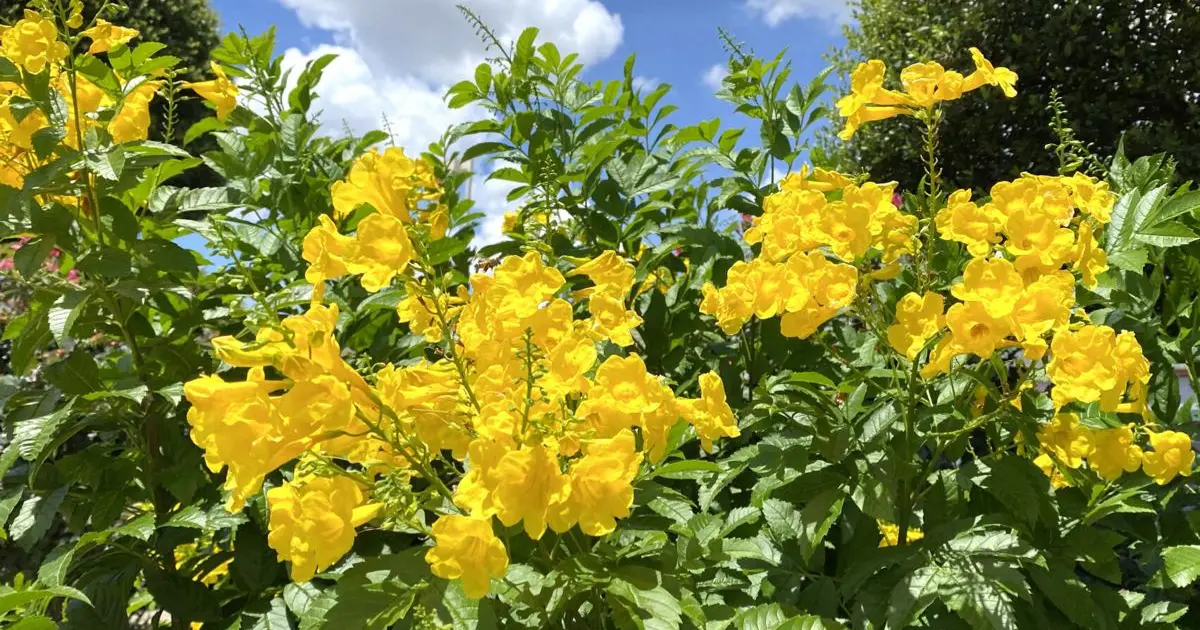
5 Pro Tips to Grow Esperanza ‘Gold Star’ Indoors: A Golden Glow for Your Home
While most gardeners know this Texas Superstar – Esperanza ‘Gold Star’ as a rugged outdoor [...]
Apr
Mastering Esperanza Goldstar: Grow the Ultimate Yellow Bloom
Esperanza Goldstar is more than just a heat-tolerant shrub; for the American gardener battling the [...]
Apr
Yellow Dragon Fruit Plant Care: The Ultimate Guide for Healthy Growth
The yellow dragon fruit plant is a unique and rewarding addition to any home garden, [...]
Apr
How to Identify Bocking 14 Comfrey: 5 Simple Visual Signs
If you’re growing comfrey for mulch, compost, or animal feed, knowing exactly which variety you [...]
Mar
Grand Duke of Tuscany Jasmine: The Ultimate Guide to Growing a Fragrant Masterpiece
Have you ever caught a scent in the air so rich, creamy, and honey-sweet that [...]
Mar
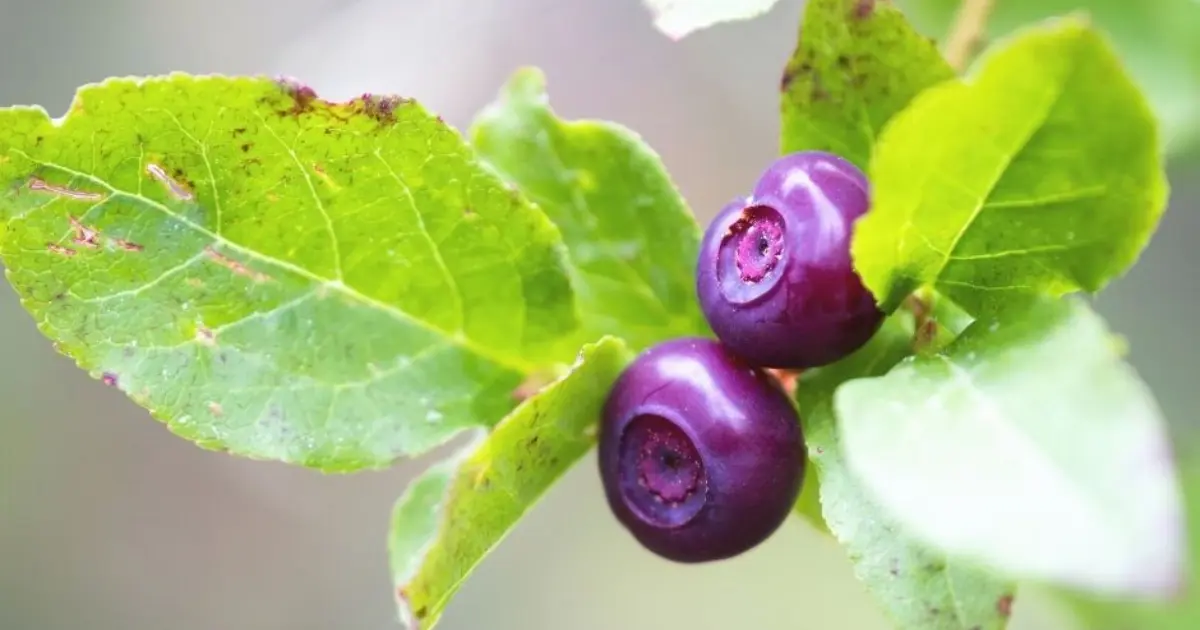
How to Grow Wild Huckleberries: A Guide to “Purple Gold”
Have you ever spent a summer afternoon hiking through the Pacific Northwest or the Rocky [...]
Mar
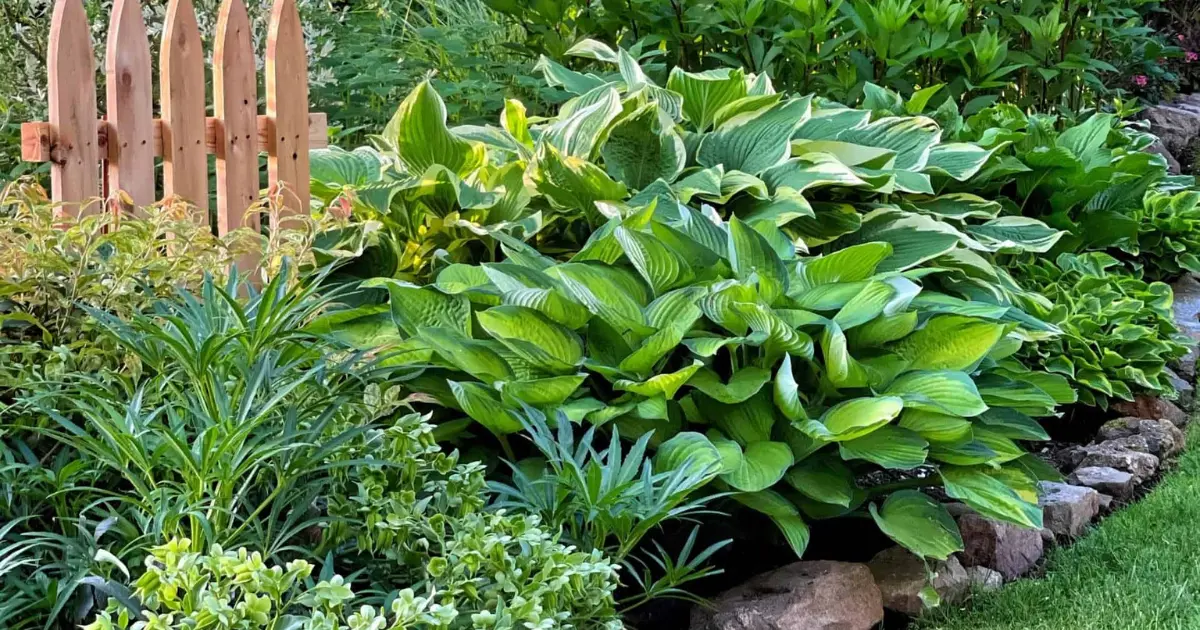
5 Best Shade-Loving Perennials for a Lush, Vibrant Garden
The world of gardening often shines a spotlight on sun-drenched blossoms, but there is a [...]
Mar

7 Common Curry Leaf Plant Problems: Easy Fixes for a Thriving Plant
Is your curry leaf plant looking a bit sad lately? Maybe you woke up to [...]
Mar
Reviews
There are no reviews yet.