
Loganberry Live Plant – Rubus x loganobaccus – 4+ Inches Tall – Edible Fruit Bush
Original price was: $83.79.$63.79Current price is: $63.79.
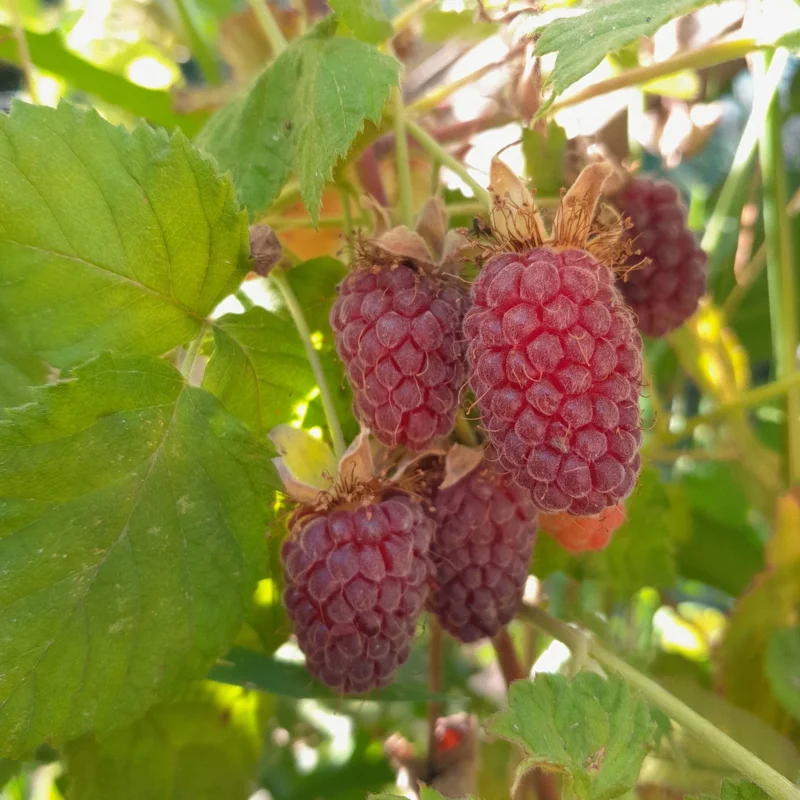
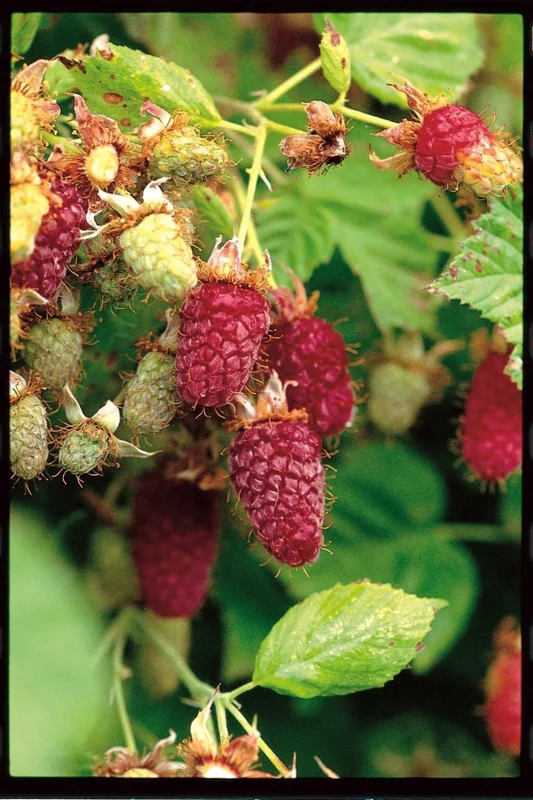
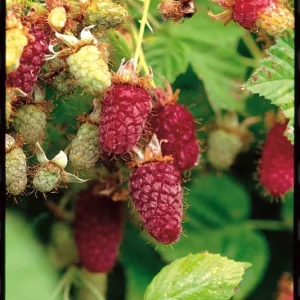
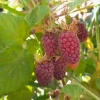
Cultivate your own delightful berries with this loganberry live plant. Standing 4+ inches tall, this Rubus x loganobaccus is a robust, thornless perennial fruit bush, perfect for home gardens. Enjoy its sweet, juicy, purple-red fruits that combine the best of blackberries and raspberries.
Estimated arrival
Apr 06
Apr 11 - Apr 13
Apr 16 - Apr 20

Reasonable Price
We offer reasonable price

Support 24/7
Contact us 24 hrs a day

100% Money Back
You've 30 days to Return

Payment Secure
100% secure payment
Overview
Discover the joy of growing your own berries with this vibrant loganberry live plant. The loganberry (Rubus x loganobaccus) is a unique and delicious hybrid fruit, combining the best characteristics of its blackberry and raspberry parents. This robust perennial plant arrives as a healthy specimen, typically 4+ inches tall, ready to thrive in your garden. Known for its appealing purple-red fruits, the loganberry offers a delightful balance of sweet and tart flavors. It’s an excellent choice for gardeners looking for an easy-to-manage fruit-bearing bush that brings both beauty and bounty to their outdoor space. Unlike many berry plants, this variety is often thornless, making harvesting a more pleasant experience. Perfect for fresh eating, baking, jams, or jellies, the loganberry live plant is a rewarding addition to any fruit garden.
Originating in California in the late 19th century, the loganberry has gained popularity for its distinctive taste and vigorous growth. It’s a versatile plant that can be trained along fences or trellises, adding an attractive vertical element to your garden while maximizing fruit production. Get ready to enjoy an abundance of delicious berries from your very own Rubus x loganobaccus plant.
Key Benefits
Adding a loganberry plant to your garden offers numerous advantages, from fresh produce to aesthetic appeal. This loganberry live plant is an excellent investment for any home gardener.
- Abundant Edible Fruit: Enjoy a prolific harvest of large, succulent purple-red berries that are perfect for a variety of culinary uses, from fresh consumption to preserves. The berries mature in late summer, providing a continuous supply.
- Unique Flavor Profile: The loganberry boasts a distinctive taste, a delightful blend of tartness from raspberries and sweetness from blackberries, offering a gourmet experience right from your garden.
- Thornless Variety: Many loganberry varieties are thornless, making harvesting much easier and more enjoyable, reducing the risk of scratches and allowing for a more pleasant gardening experience. This particular thornless loganberry is ideal for families with children.
- Vigorous Growth & Resilience: Loganberry plants are known for their strong, robust growth habits and their ability to withstand various environmental conditions, making them a reliable choice for gardeners in many climates.
- Perennial Plant: As a perennial, this edible berry plant will return year after year, providing continuous harvests without the need for replanting annually, saving you time and effort.
- Versatile Use in the Garden: Its vine-like growth makes it suitable for training on trellises, fences, or arbors, adding a beautiful and productive element to your landscape design.
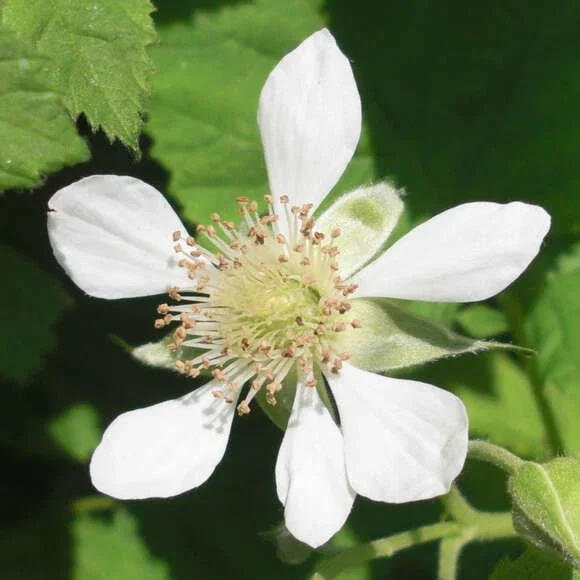
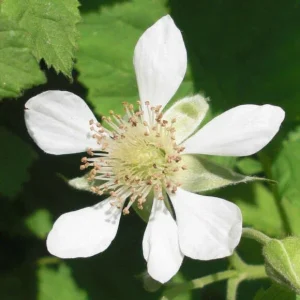
- Attracts Pollinators: The flowers of the loganberry plant attract beneficial pollinators like bees, contributing to the health and biodiversity of your garden ecosystem.
Plant Care & Growing Tips
Caring for your loganberry live plant is straightforward, ensuring a bountiful harvest of delicious fruit. Loganberries thrive in full sun, requiring at least 6-8 hours of direct sunlight daily for optimal fruit production. While they tolerate some partial shade, too little sun can reduce your yield. Plant your loganberry in well-draining, slightly acidic soil with a pH between 6.0 and 6.5. Amending heavy clay soils with compost or peat moss can significantly improve drainage and provide essential nutrients. Good air circulation is also important to prevent fungal diseases, so ensure adequate spacing between plants if planting multiple.
Watering should be consistent, especially during dry spells and when the plant is fruiting. Aim for about 1 inch of water per week, either from rainfall or irrigation. The soil should remain consistently moist but never waterlogged. Fertilize your Rubus x loganobaccus in early spring with a balanced granular fertilizer or a compost top dressing. Avoid excessive nitrogen, which can lead to lush foliage at the expense of fruit production. Pruning is crucial for maintaining plant health and maximizing fruit. Loganberries typically fruit on second-year canes, so after fruiting, these canes should be cut back to the ground. New canes will emerge to produce fruit the following year. Support systems like trellises or wires are highly recommended to keep the canes off the ground, improve air circulation, and make harvesting easier. This also helps in managing the vigorous growth associated with growing loganberries.
Size & Details
This loganberry live plant is typically shipped as a healthy young plant, standing at least 4+ inches tall. It is provided as a plant plug, ensuring a strong root system ready for transplanting into your garden or a larger container. Loganberries are vigorous growers, with canes that can reach lengths of 6-8 feet or more in a single season once established. They are best grown with support, such as a trellis or fence, which helps manage their sprawling habit and promotes better fruit development. Expect fruit production to begin in the second year after planting, with peak harvesting in late summer. This edible berry plant is a perennial, meaning it will return year after year, offering a continuous supply of fresh fruit for many seasons to come.
Frequently Asked Questions
- Q: How big does this loganberry plant get? A: This loganberry live plant is shipped at 4+ inches tall. Once established, its canes can grow 6-8 feet long or more in a single season, and it’s best grown with a support system like a trellis.
- Q: Is this an indoor or outdoor plant? A: Loganberries are outdoor plants, ideally suited for garden beds, raised beds, or large outdoor containers where they can receive ample sunlight and space to grow.
- Q: How much sunlight does a loganberry need? A: For optimal fruit production, your Rubus x loganobaccus plant requires full sun, meaning at least 6-8 hours of direct sunlight per day.
- Q: What condition will the plant arrive in? A: The plant will arrive as a live, healthy plant plug with some soil, carefully packaged to ensure its safe journey and readiness for planting.
- Q: Is this loganberry variety thornless? A: Yes, this thornless loganberry variety is known for its smooth canes, making harvesting the delicious berries a much more pleasant experience without the worry of thorns.
- Q: When is the best time to plant a loganberry? A: The best time for growing loganberries is typically in early spring or fall, allowing the plant to establish its root system before extreme weather conditions.
- Q: What USDA zones are suitable for loganberries? A: Loganberry plants are generally hardy in USDA zones 5-9, tolerating a range of climates. They prefer continental climates with distinct seasons.
- Q: How long until this plant produces fruit? A: You can typically expect your loganberry live plant to begin producing fruit in its second year after planting, with a significant harvest in late summer.
- Q: Can I grow this plant in a container? A: Yes, loganberries can be grown in large containers (e.g., 15-20 gallon size) with good drainage, provided they have adequate sunlight and a sturdy support structure for their canes.
- Q: What kind of soil does a loganberry prefer? A: Loganberries thrive in well-draining, slightly acidic soil with a pH between 6.0 and 6.5. Amending with organic matter can improve soil structure and fertility.
Be the first to review “Loganberry Live Plant – Rubus x loganobaccus – 4+ Inches Tall – Edible Fruit Bush”
-
USDA Hardiness Zone
USDA zones 5-9 -
Soil Type
Well-draining, slightly acidic soil -
Sunlight Exposure
Full sun -
Expected Planting Period
Early spring or fall
People Also Viewd


Sold 128 products
Original price was: $89.99.$64.99Current price is: $64.99.

Sold 128 products
Original price was: $27.00.$24.00Current price is: $24.00.
Sold 127 products
Original price was: $159.99.$139.99Current price is: $139.99.

Sold 126 products
Original price was: $3,536.00.$23.99Current price is: $23.99.

Sold 125 products
Original price was: $86.99.$66.99Current price is: $66.99.
Sold 116 products
Original price was: $27.99.$16.99Current price is: $16.99.

Flower Bulbs
3 Cranesbill Wild Geranium Organic Maculatums Bare Roots | Wildflower for Outdoor Garden
Sold 114 products
Original price was: $21.99.$6.99Current price is: $6.99.

Sold 114 products
Original price was: $28.99.$17.99Current price is: $17.99.RELATED posts
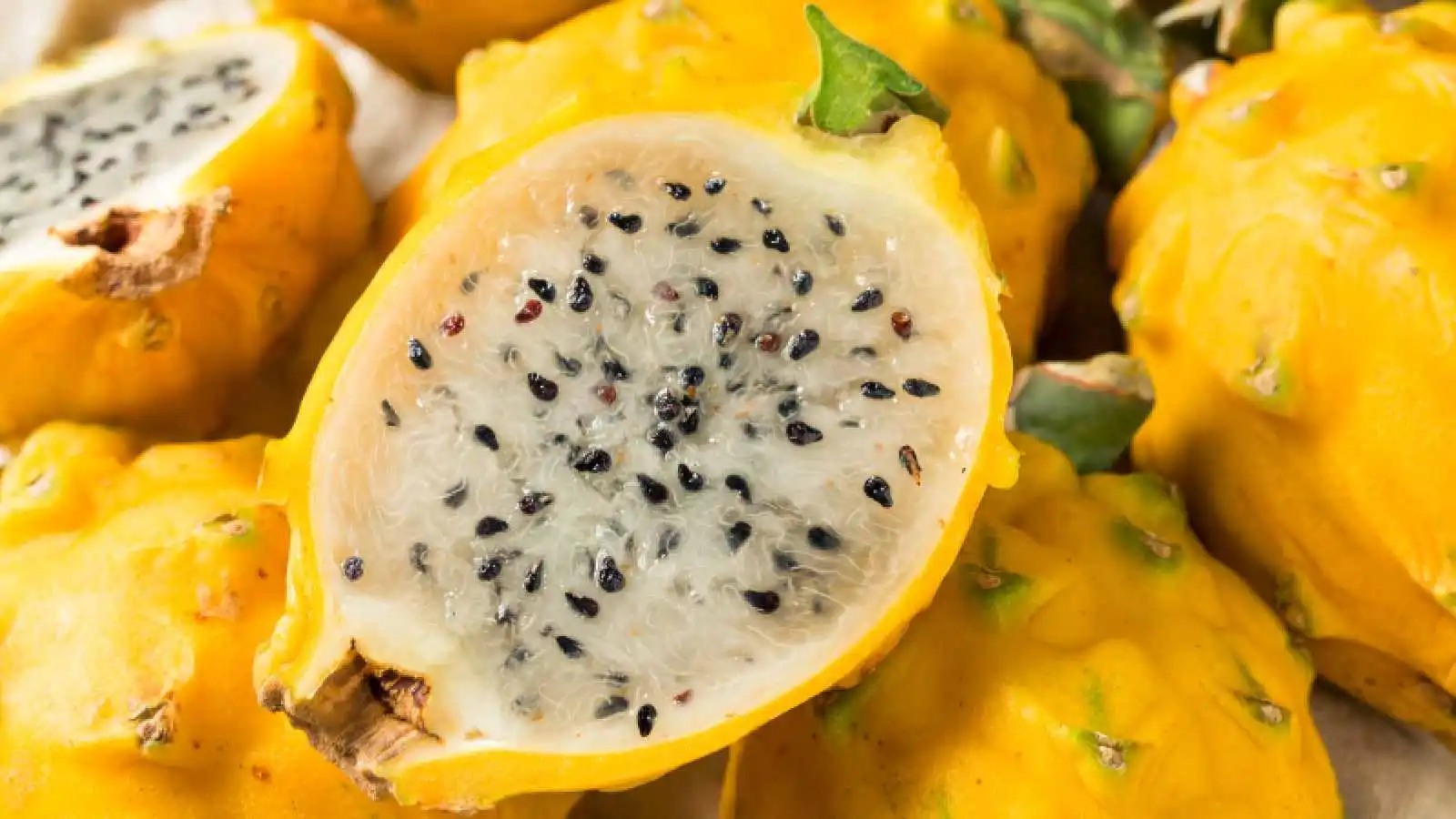
Yellow Dragon Fruit Plant Care: The Ultimate Guide for Healthy Growth
The yellow dragon fruit plant is a unique and rewarding addition to any home garden, [...]
Apr
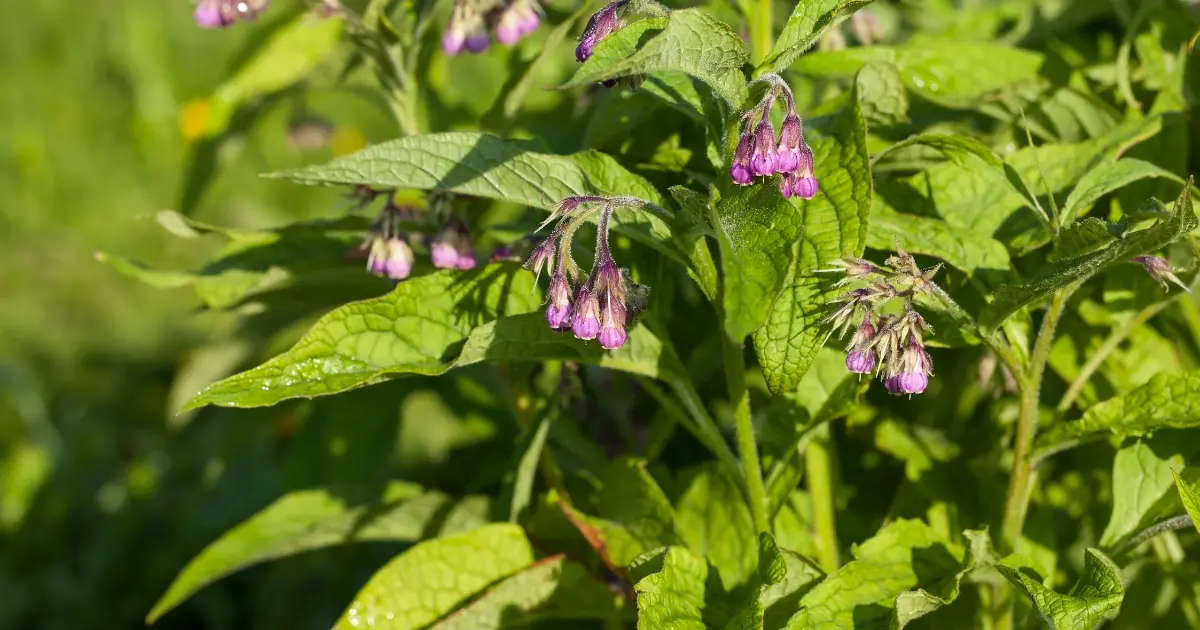
How to Identify Bocking 14 Comfrey: 5 Simple Visual Signs
If you’re growing comfrey for mulch, compost, or animal feed, knowing exactly which variety you [...]
Mar
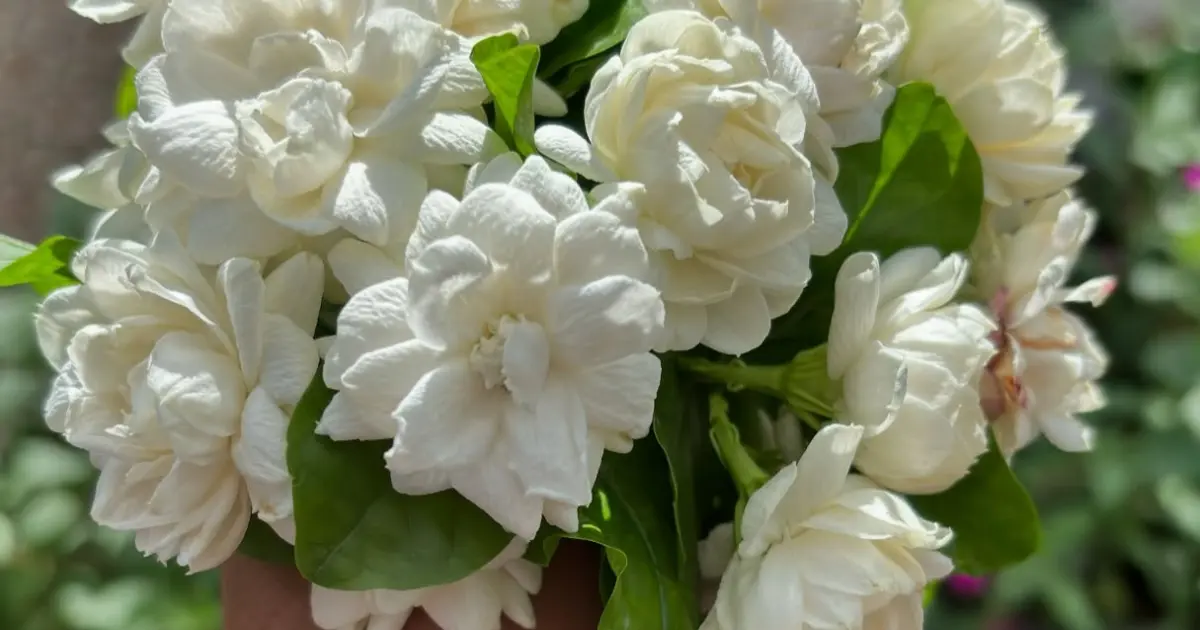
Grand Duke of Tuscany Jasmine: The Ultimate Guide to Growing a Fragrant Masterpiece
Have you ever caught a scent in the air so rich, creamy, and honey-sweet that [...]
Mar
How to Grow Wild Huckleberries: A Guide to “Purple Gold”
Have you ever spent a summer afternoon hiking through the Pacific Northwest or the Rocky [...]
Mar
5 Best Shade-Loving Perennials for a Lush, Vibrant Garden
The world of gardening often shines a spotlight on sun-drenched blossoms, but there is a [...]
Mar

7 Common Curry Leaf Plant Problems: Easy Fixes for a Thriving Plant
Is your curry leaf plant looking a bit sad lately? Maybe you woke up to [...]
Mar
Best Time to Plant Bougainvillea: Timing for Vibrant Blooms
If you’re looking for a hardy tropical vine that delivers a riot of neon color, [...]
Feb
How to Propagate Purple Passion Plants (Gynura aurantiaca)
Have you ever been mesmerized by the neon-purple glow and fuzzy, velvet-like leaves of a [...]
Feb


Reviews
There are no reviews yet.