
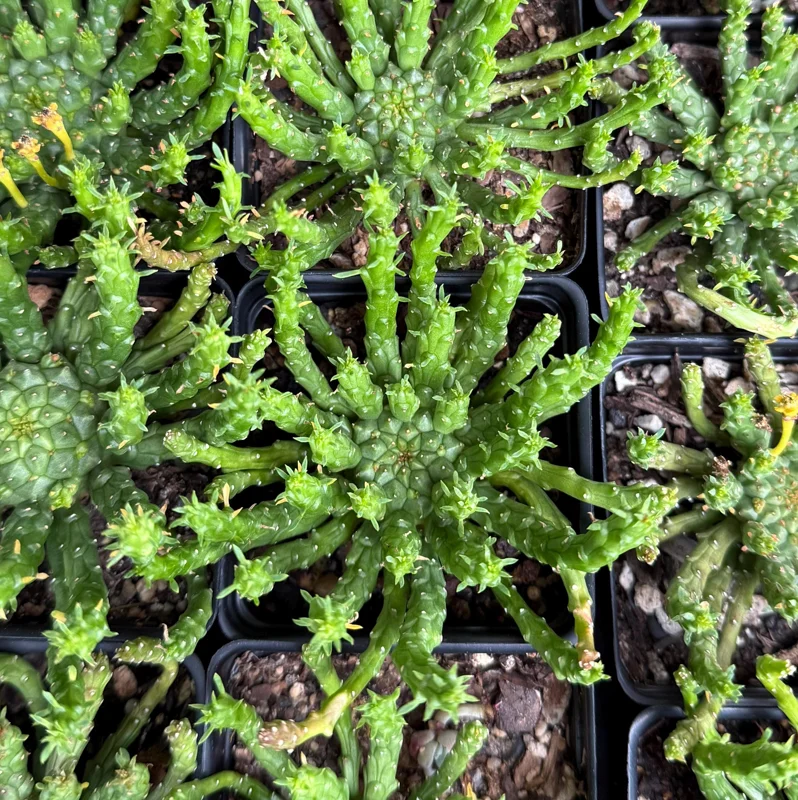
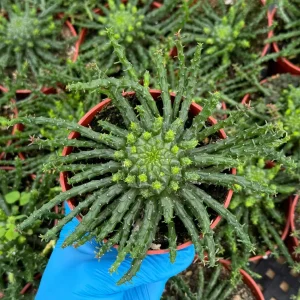
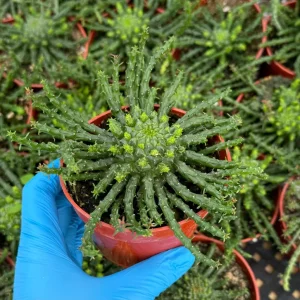
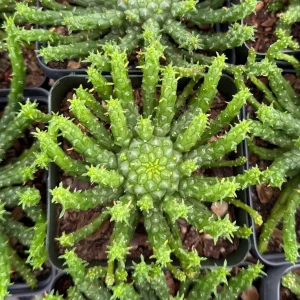
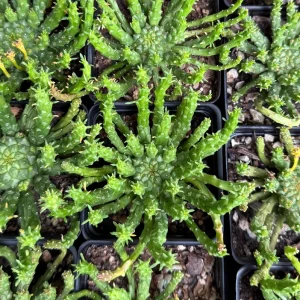
Medusa’s Head Plant Euphorbia Flanaganii Live Succulent 4 or 6 Inch Pot
Price range: $43.54 through $72.94
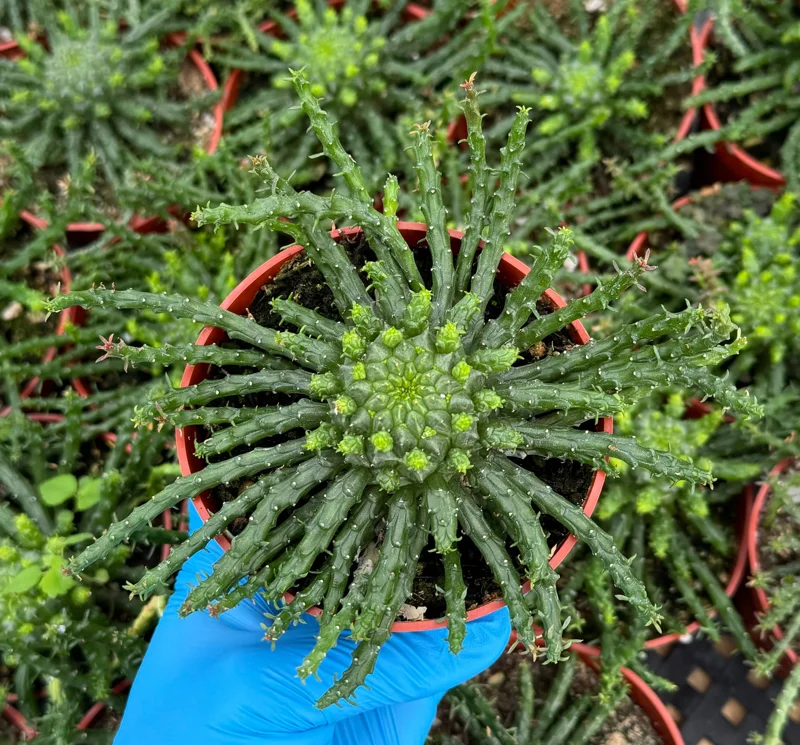
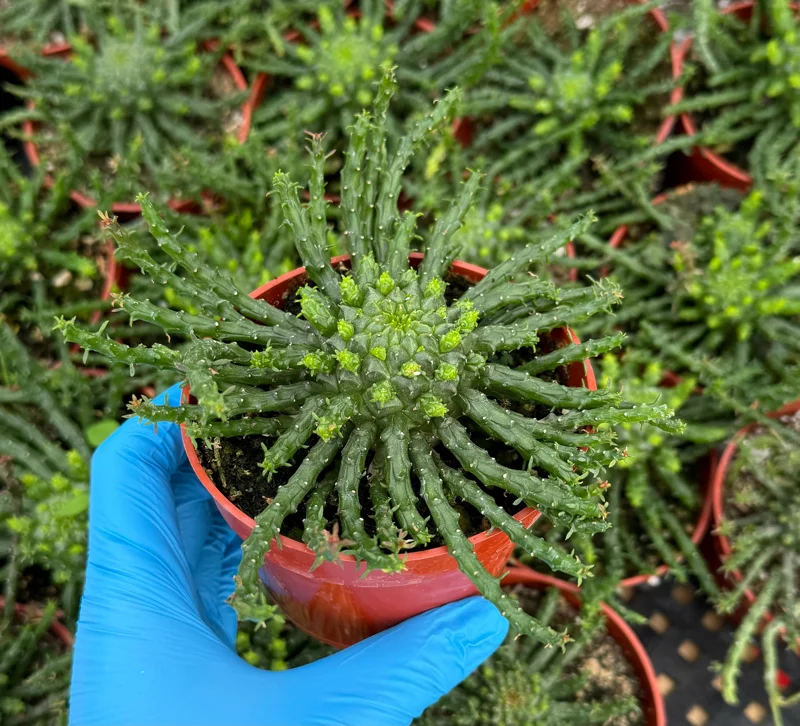
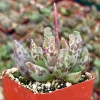
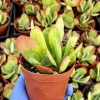
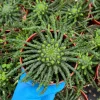
Bring home the captivating Medusa’s Head Plant (Euphorbia flanaganii), a unique succulent known for its serpent-like stems. This low-maintenance plant is perfect for enthusiasts and beginners alike, available in 4 or 6 inch pots, adding an exotic touch to any indoor space.
Estimated arrival
Apr 05
Apr 10 - Apr 12
Apr 15 - Apr 19

Reasonable Price
We offer reasonable price

Support 24/7
Contact us 24 hrs a day

100% Money Back
You've 30 days to Return

Payment Secure
100% secure payment
Overview
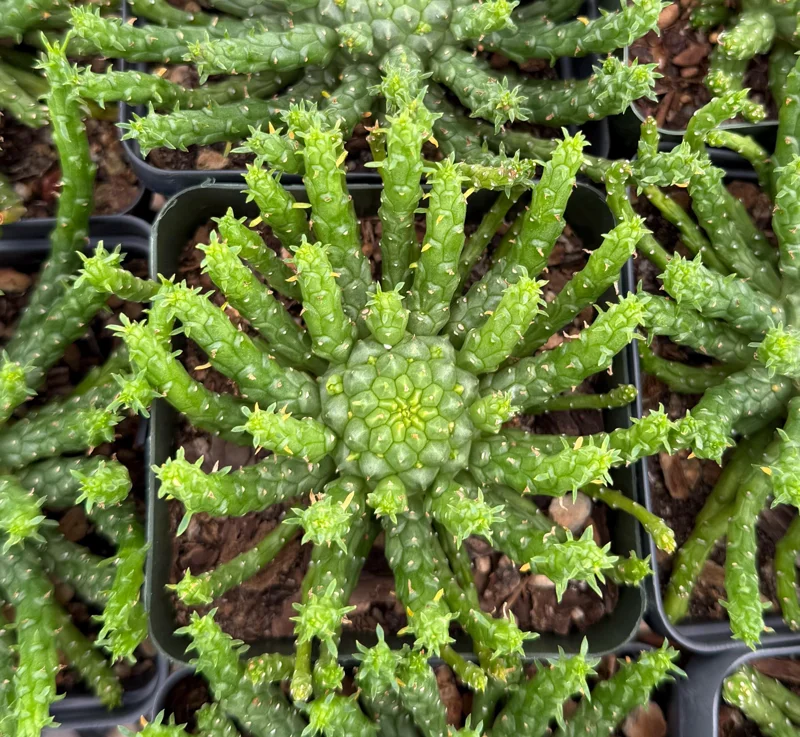
Introduce an exotic touch to your indoor garden with the mesmerizing Medusa’s Head Plant, scientifically known as Euphorbia flanaganii. This live succulent plant is a true conversation starter, named for its striking resemblance to the mythological Medusa, with multiple serpent-like stems radiating from a central caudex. Native to South Africa, the Medusa’s Head Plant, also affectionately called ‘African Milk Bar’, is a fascinating specimen that thrives with minimal care, making it an excellent choice for both seasoned plant collectors and those new to the world of succulents. Its unique form and hardy nature ensure it will be a captivating addition to your home or office decor, offering year-round visual interest.
This particular Euphorbia flanaganii specimen is a robust and healthy live plant, ready to bring its distinctive charm into your living space. Its architectural structure and resilience make it a standout choice for modern aesthetics or desert-inspired themes. The plant’s ability to adapt to various indoor conditions, coupled with its drought-tolerant properties, solidifies its status as a highly desirable and easy-to-manage succulent. Experience the allure of this extraordinary botanical wonder.
Key Benefits
The Medusa’s Head Plant offers a multitude of benefits beyond its striking appearance, making it a valuable addition to any plant collection. Its unique features contribute to both aesthetic appeal and ease of care:
- Unique Aesthetic Appeal: The plant’s distinctive serpent-like stems create an eye-catching, sculptural display that is unlike most other succulents. It serves as a natural focal point in any room, adding a touch of exotic beauty.
- Low Maintenance: As a succulent, the Medusa’s Head Plant is incredibly forgiving and requires minimal attention. It’s an ideal choice for busy individuals or those new to plant care, needing infrequent watering and basic care routines.
- Drought Tolerant: Adapted to arid environments, this plant can withstand periods of dryness, reducing the worry of overwatering and making it resilient in various indoor conditions. This also means less frequent watering is needed.
- Compact Growth Habit: The plant generally maintains a manageable size, making it suitable for windowsills, desks, or small shelves. Its compact nature allows it to fit into diverse interior design schemes without overwhelming the space.
- Air Purification: Like many houseplants, the Euphorbia flanaganii contributes to improved indoor air quality by absorbing toxins and releasing oxygen, fostering a healthier living environment.
- Conversation Starter: Its unusual form and intriguing name, Medusa’s Head Plant, are sure to spark curiosity and conversation among guests, making it a unique decorative element.
- Resilience: This succulent is known for its hardiness and ability to bounce back from minor neglect, ensuring a long-lasting and vibrant presence in your home.
Plant Care & Growing Tips
Caring for your Medusa’s Head Plant is straightforward, making it an excellent choice for both novice and experienced plant enthusiasts. This succulent live plant thrives when its basic needs for light, water, and soil are met. For optimal growth, place your Euphorbia flanaganii in a location that receives ample bright indirect light. While it can tolerate some direct morning sun, intense afternoon sun might scorch its stems. A south or west-facing window with some sheer curtain protection is often ideal for indoor cultivation. Ensure it receives at least 4-6 hours of bright light daily to maintain its compact form and vibrant health.
Watering is perhaps the most crucial aspect of care for any succulent. The Medusa’s Head Plant is highly drought-tolerant and susceptible to root rot if overwatered. Allow the soil to dry out completely between waterings, typically every 2-4 weeks during the growing season (spring and summer), and even less frequently in winter (once a month or less). When you do water, do so thoroughly until water drains from the bottom of the pot, then discard any excess water in the saucer. A well-draining soil mix specifically formulated for succulents and cacti is essential. This usually consists of potting soil mixed with perlite, pumice, or coarse sand to enhance drainage. The ideal USDA hardiness zone for outdoor growth is 9-11, but it’s primarily grown as an indoor plant in most climates.
Temperature and humidity are also important factors. This plant prefers warm temperatures, ideally between 65-80°F (18-27°C), and should be protected from temperatures below 50°F (10°C). It tolerates average household humidity levels and does not require extra misting. Fertilize sparingly during the spring and summer growing season with a diluted, balanced liquid fertilizer formulated for succulents, typically once a month. Avoid fertilizing in fall and winter. Repotting is generally only needed every 2-3 years, or when the plant outgrows its current container. When repotting, use fresh succulent potting mix. Watch out for common pests like mealybugs or spider mites, which can be treated with insecticidal soap if necessary. The ‘African Milk Bar’ is generally a robust and healthy plant if given proper care.
Size & Details
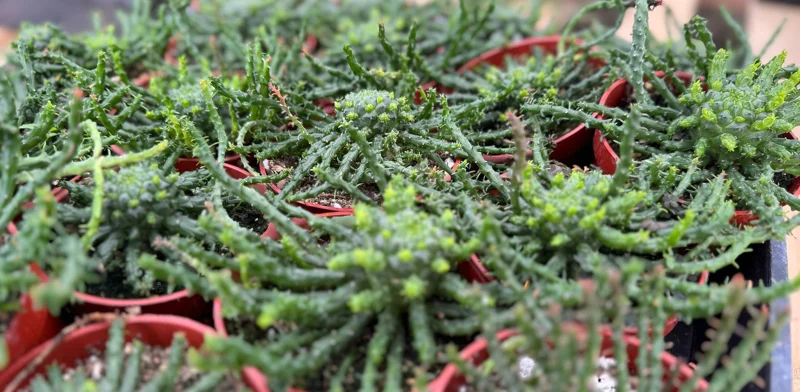
The Medusa’s Head Plant, or Euphorbia flanaganii, is offered as a live plant in your choice of a 4 inch or 6 inch nursery pot. These plants are well-rooted and established, ready to be enjoyed in your home. The plant’s stems are thick, fleshy, and cylindrical, emerging from a central point, creating its iconic ‘Medusa’s Head’ appearance. While individual stem length varies, they can typically grow up to 12 inches (30 cm) tall. The overall spread of the plant can be quite impressive as it matures, with the radiating stems forming a dense, sculptural mound. Growth rate is moderate, allowing you to enjoy its development over time without it becoming unruly too quickly. This succulent is shipped actively growing and rooted in its container, ensuring a smooth transition to your environment. The small, inconspicuous greenish-yellow flowers appear typically during the warmer months, adding a subtle charm to its unique form.
Frequently Asked Questions
- Q: How big does this plant get? A: The Medusa’s Head Plant typically grows with stems reaching up to 12 inches (30 cm) tall. The overall plant can spread quite wide as new stems emerge from the central caudex, forming an impressive, mounded specimen over time.
- Q: What size pot does it come in? A: This Medusa’s Head Plant is available in either a 4 inch or a 6 inch nursery pot, providing a good starting size for your home or garden.
- Q: Is this an indoor or outdoor plant? A: While the Euphorbia flanaganii can be grown outdoors in USDA Zones 9-11, it is primarily cultivated as a striking indoor plant in most climates due to its sensitivity to cold temperatures.
- Q: How much sunlight does it need? A: This succulent live plant thrives in bright indirect light for at least 4-6 hours a day. It can tolerate some direct morning sun but should be protected from harsh afternoon sun to prevent scorching.
- Q: Is this plant easy to care for? A: Yes, the Medusa’s Head Plant is considered very easy to care for, making it an excellent choice for beginners. Its drought-tolerant nature means it’s forgiving of infrequent watering.
- Q: What condition will it arrive in? A: Your Medusa’s Head Plant will arrive as a healthy, live specimen, well-rooted in its nursery pot, carefully packaged to ensure its safe journey to your home.
- Q: How often should I water my African Milk Bar? A: Water sparingly, allowing the soil to dry out completely between waterings. Typically, this means every 2-4 weeks during warmer months and even less frequently in winter.
- Q: Is the Medusa’s Head Plant pet-safe? A: Like many Euphorbias, the Medusa’s Head Plant produces a milky white sap that can be irritating if ingested or come into contact with skin/eyes. It is best to keep it out of reach of pets and children.
- Q: What kind of soil does it need? A: The Euphorbia flanaganii requires a well-draining soil mix, ideally one formulated for succulents or cacti, to prevent root rot and ensure proper aeration.
- Q: Will it survive winter in my zone? A: If you are outside of USDA Zones 9-11, it is best to keep your Medusa’s Head Plant indoors during winter to protect it from cold temperatures, as it is not frost-tolerant.
| Size | 4", 6" |
|---|
Be the first to review “Medusa’s Head Plant Euphorbia Flanaganii Live Succulent 4 or 6 Inch Pot”
-
USDA Hardiness Zone
USDA Zones 9-11 (outdoors); commonly grown indoors everywhere -
Soil Type
Well-draining succulent/cactus potting mix -
Sunlight Exposure
Bright indirect light; tolerates some direct morning sun -
Expected Planting Period
Year-round indoors
People Also Viewd


Sold 128 products
Original price was: $89.99.$64.99Current price is: $64.99.

Sold 128 products
Original price was: $27.00.$24.00Current price is: $24.00.
Sold 126 products
Original price was: $159.99.$139.99Current price is: $139.99.

Sold 126 products
Original price was: $3,536.00.$23.99Current price is: $23.99.

Sold 125 products
Original price was: $86.99.$66.99Current price is: $66.99.
Sold 116 products
Original price was: $27.99.$16.99Current price is: $16.99.

Flower Bulbs
3 Cranesbill Wild Geranium Organic Maculatums Bare Roots | Wildflower for Outdoor Garden
Sold 114 products
Original price was: $21.99.$6.99Current price is: $6.99.

Sold 114 products
Original price was: $28.99.$17.99Current price is: $17.99.RELATED posts
Yellow Dragon Fruit Plant Care: The Ultimate Guide for Healthy Growth
The yellow dragon fruit plant is a unique and rewarding addition to any home garden, [...]
Apr
How to Identify Bocking 14 Comfrey: 5 Simple Visual Signs
If you’re growing comfrey for mulch, compost, or animal feed, knowing exactly which variety you [...]
Mar
Grand Duke of Tuscany Jasmine: The Ultimate Guide to Growing a Fragrant Masterpiece
Have you ever caught a scent in the air so rich, creamy, and honey-sweet that [...]
Mar
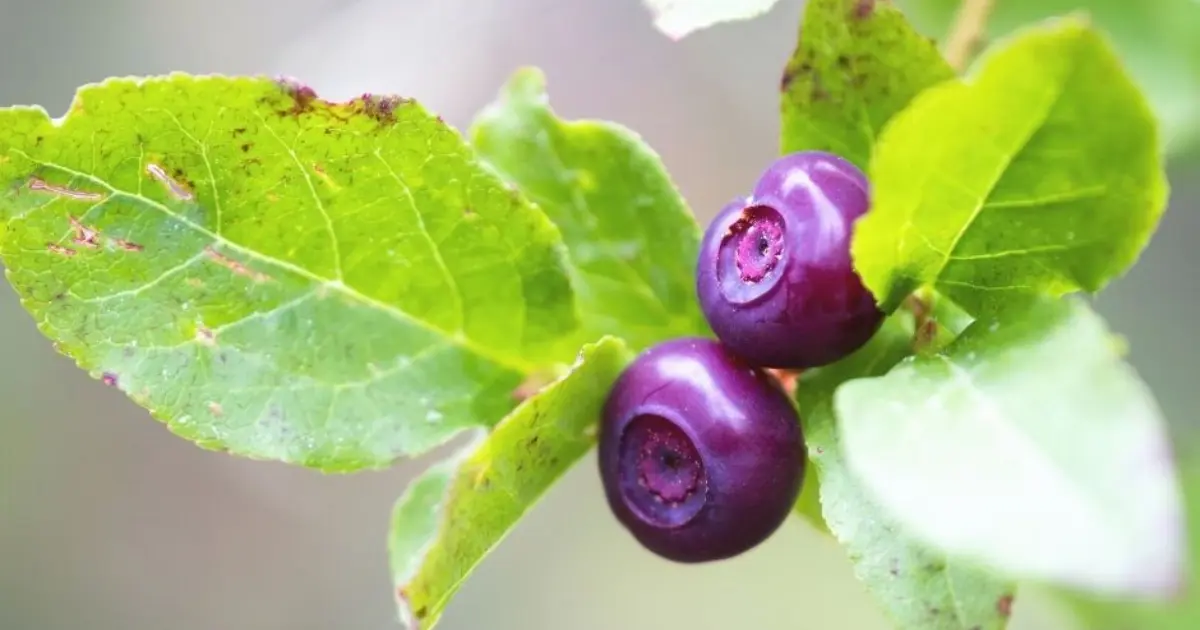
How to Grow Wild Huckleberries: A Guide to “Purple Gold”
Have you ever spent a summer afternoon hiking through the Pacific Northwest or the Rocky [...]
Mar
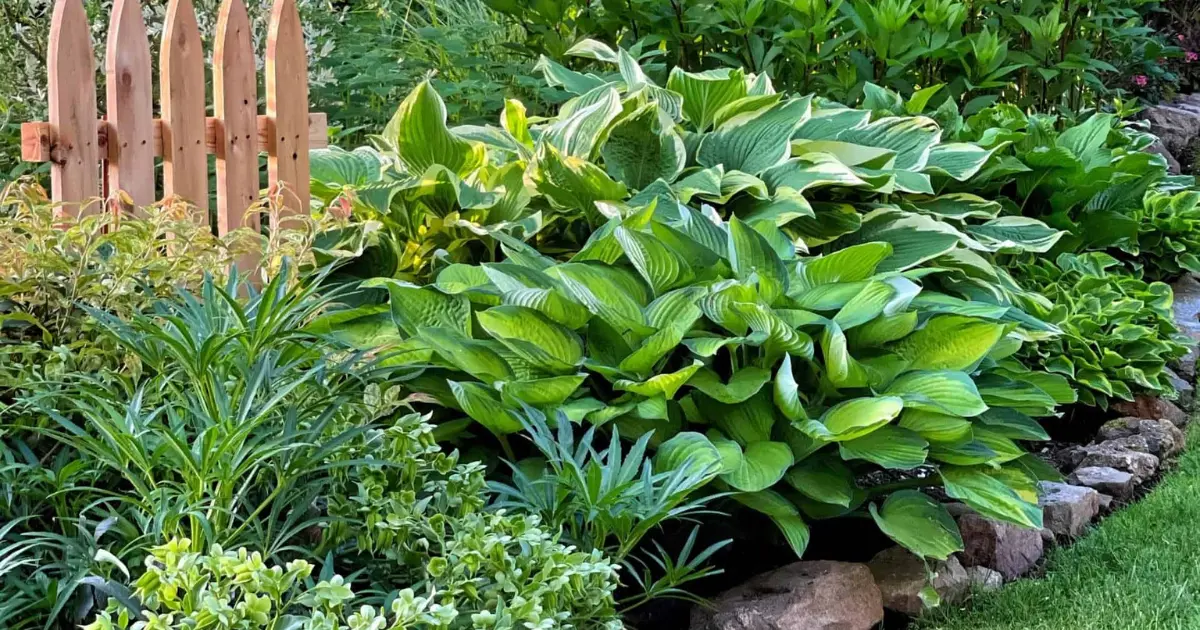
5 Best Shade-Loving Perennials for a Lush, Vibrant Garden
The world of gardening often shines a spotlight on sun-drenched blossoms, but there is a [...]
Mar

7 Common Curry Leaf Plant Problems: Easy Fixes for a Thriving Plant
Is your curry leaf plant looking a bit sad lately? Maybe you woke up to [...]
Mar
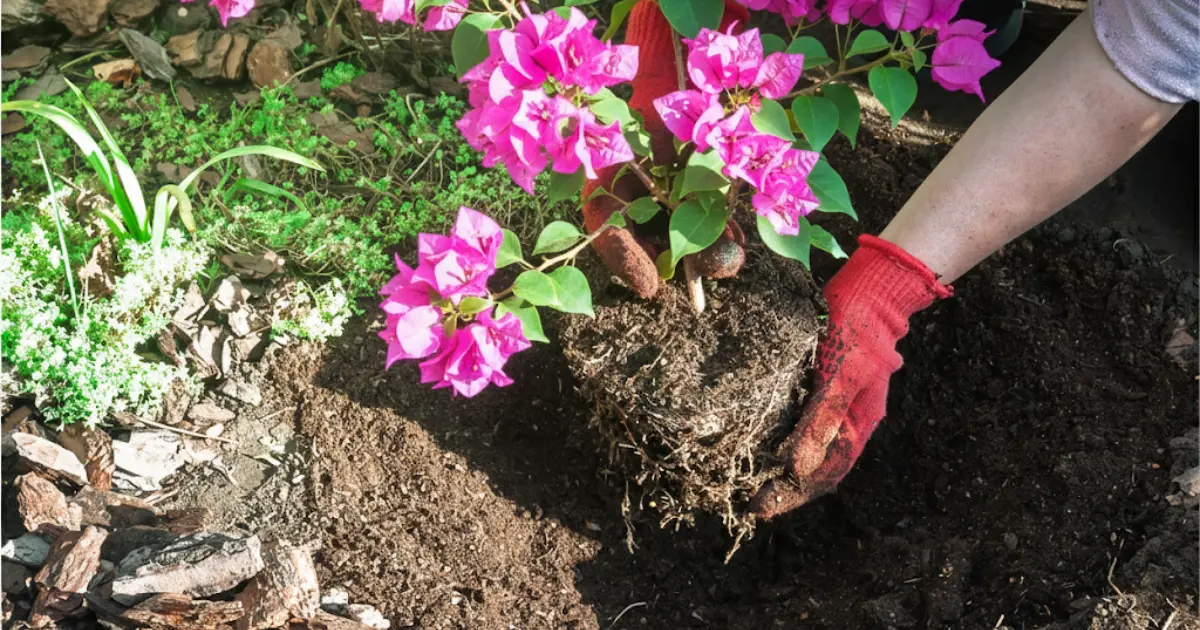
Best Time to Plant Bougainvillea: Timing for Vibrant Blooms
If you’re looking for a hardy tropical vine that delivers a riot of neon color, [...]
Feb
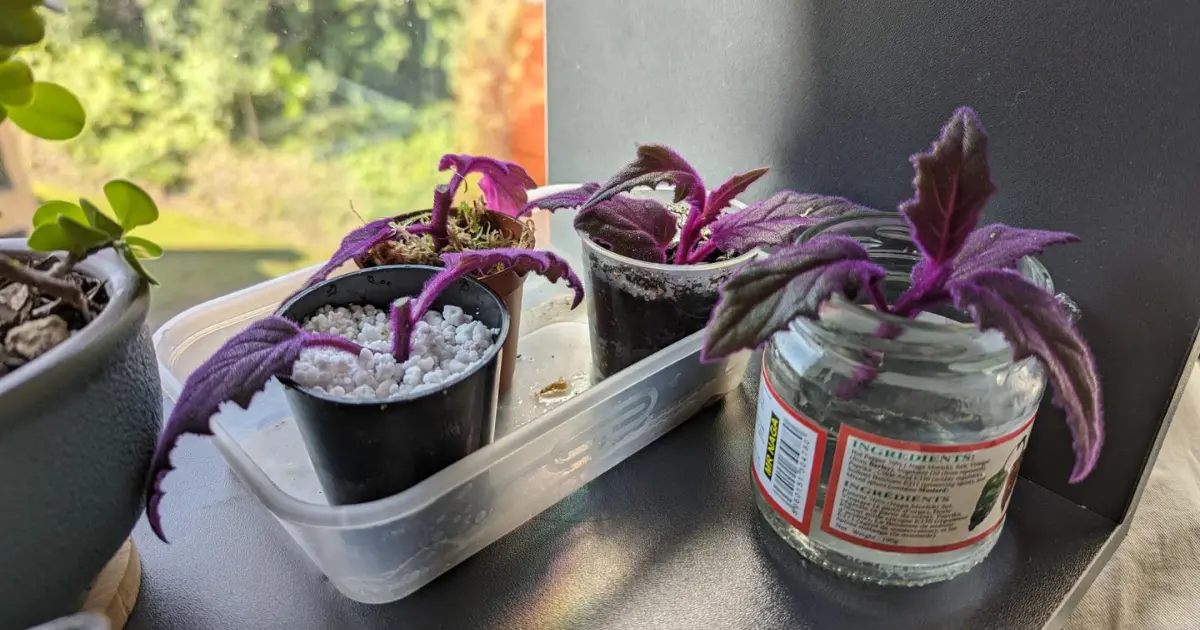
How to Propagate Purple Passion Plants (Gynura aurantiaca)
Have you ever been mesmerized by the neon-purple glow and fuzzy, velvet-like leaves of a [...]
Feb
Reviews
There are no reviews yet.