
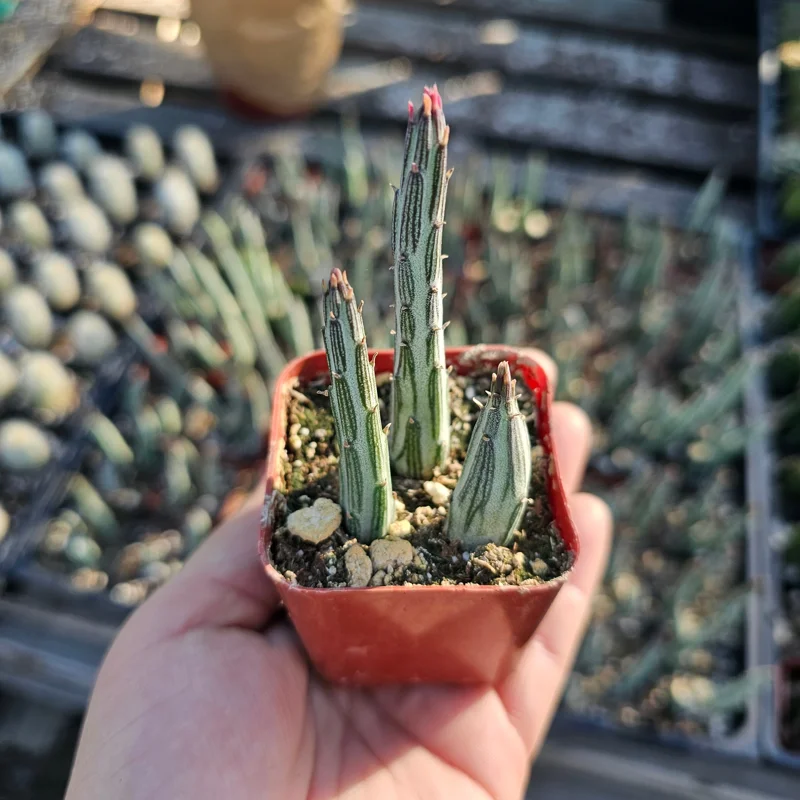
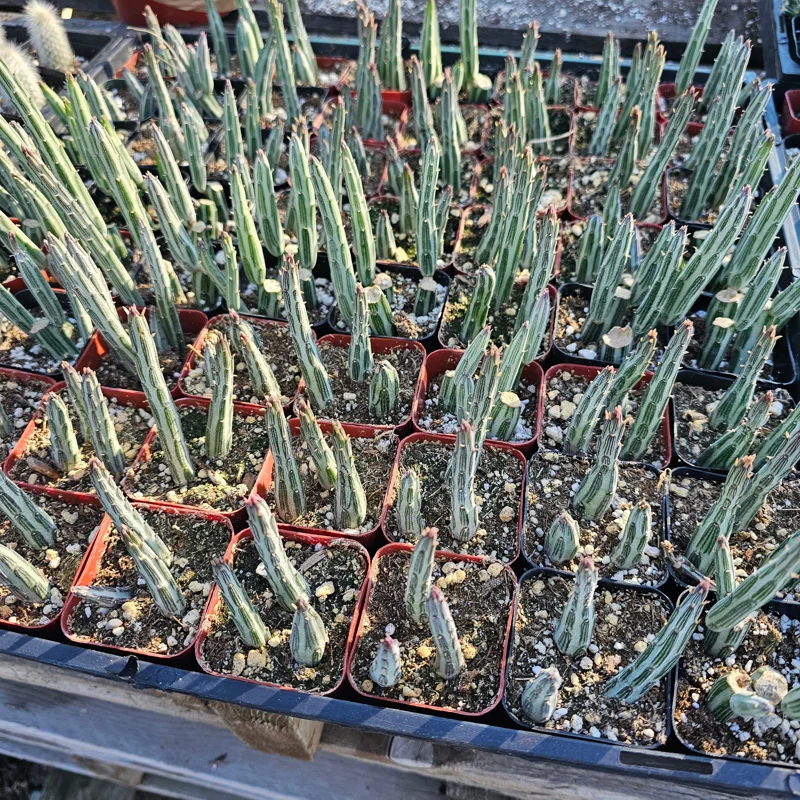
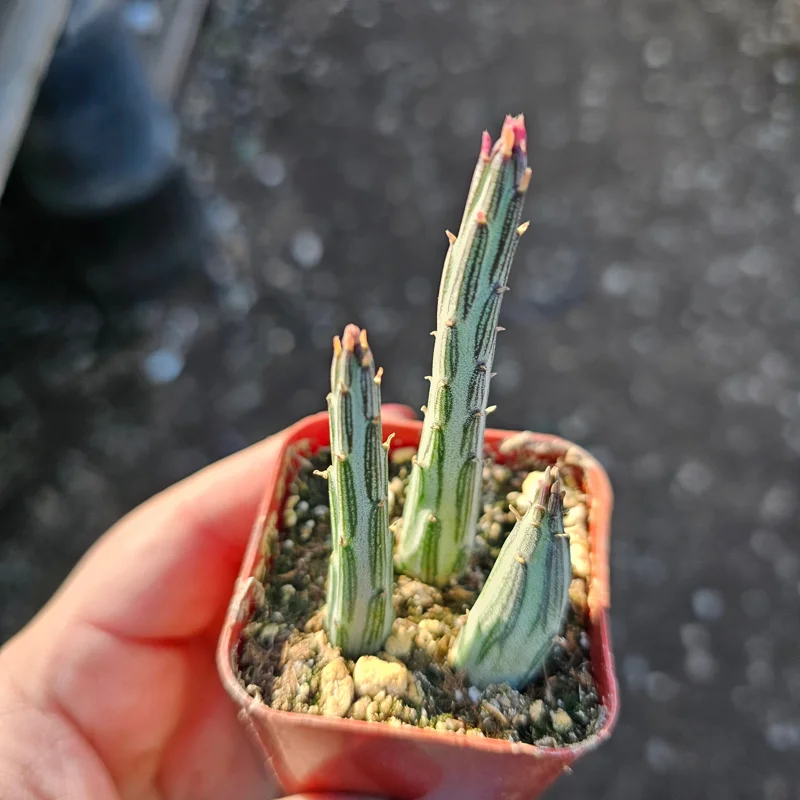
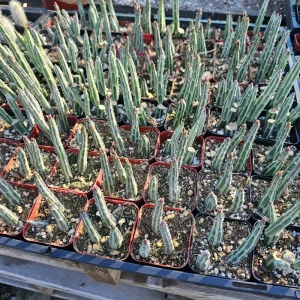
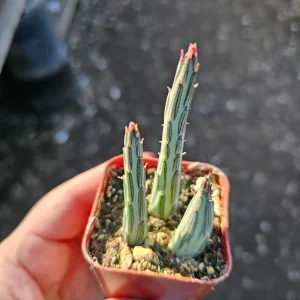
Pickle Plant Live Succulent – Delosperma echinatum – 2in & 4in Pots – Indoor/Outdoor
Price range: $11.98 through $29.98
Bring home a distinctive pickle plant live succulent, Delosperma echinatum, available in 2-inch and 4-inch nursery pots. This unique succulent adds intriguing texture to any collection, thriving with minimal care in bright light. Ideal for both indoor display and outdoor rock gardens in warmer climates.
Estimated arrival
Apr 11
Apr 16 - Apr 18
Apr 21 - Apr 25

Reasonable Price
We offer reasonable price

Support 24/7
Contact us 24 hrs a day

100% Money Back
You've 30 days to Return

Payment Secure
100% secure payment
Overview
Introduce a truly unique specimen to your plant collection with the pickle plant live succulent, scientifically known as Delosperma echinatum. This fascinating succulent stands out with its small, fleshy, pickle-shaped leaves covered in soft, white, hair-like bristles, giving it a fuzzy appearance. Originating from South Africa, the pickle plant is a resilient and low-maintenance addition, perfect for both seasoned succulent enthusiasts and beginners alike. Its distinctive texture and compact growth habit make it an excellent choice for windowsills, terrariums, or mixed succulent arrangements. Enjoy its charming, bright yellow, daisy-like flowers that can bloom during warmer months, adding a delightful pop of color to its already intriguing foliage.
The pickle plant live succulent is admired for its drought tolerance and ability to thrive in bright conditions. Whether you’re looking to enhance your indoor jungle or add a unique touch to an outdoor xeriscape garden, this succulent is a superb choice. Its easy-going nature and eye-catching aesthetics ensure it will be a conversation starter and a rewarding plant to nurture. The Delosperma echinatum is not just a plant; it’s a living sculpture that brings a touch of the exotic into your home or garden.
Key Benefits
The pickle plant live succulent offers numerous advantages for plant lovers, combining aesthetic appeal with practical benefits, making it an excellent choice for a variety of settings:
- Unique Ornamental Value: The distinct pickle-shaped, fuzzy leaves provide an unusual and captivating texture, making it a standout specimen in any succulent collection or plant display. Its quirky appearance adds character and visual interest.
- Low Maintenance & Drought Tolerant: As a succulent, the pickle plant requires minimal watering and care, making it ideal for busy individuals or those new to plant keeping. It thrives on neglect, needing water only when its soil is completely dry.
- Versatile Placement: This plant is well-suited for a variety of environments, from bright indoor windowsills and desks to outdoor rock gardens, arid landscapes, or hanging baskets in frost-free zones. Its adaptability is a major plus.
- Air Purification: Like many houseplants, the pickle plant live succulent contributes to improved indoor air quality by absorbing common toxins and releasing oxygen, fostering a healthier home environment.
- Compact Growth Habit: Its relatively small and contained growth makes it perfect for small spaces, urban apartments, or as part of a larger succulent arrangement without overwhelming other plants.
- Bright Yellow Blooms: During its blooming season, typically in spring or summer, the pickle plant produces charming, small, bright yellow, daisy-like flowers that contrast beautifully with its green foliage, adding an extra layer of appeal.
- Beginner-Friendly: Its robust nature and forgiving care requirements make growing pickle plant an enjoyable experience for novice gardeners, building confidence and green thumb skills.
Plant Care & Growing Tips
Caring for your pickle plant live succulent is straightforward, making it a rewarding plant for all skill levels. The key to its success lies in providing adequate light and proper watering. These plants thrive in bright, direct sunlight for several hours a day. Indoors, place your pickle plant in a south-facing window where it can receive the most light. If natural light is insufficient, consider supplementing with a grow light to prevent etiolation (stretching) and maintain its compact form. When outdoors, ensure it gets at least 6 hours of direct sunlight, but protect it from extreme afternoon heat in very hot climates.
Watering is the most critical aspect of delosperma echinatum care. As a succulent, it is highly susceptible to root rot from overwatering. Always allow the soil to dry out completely between waterings. When you do water, do so thoroughly until water drains from the bottom of the pot. In winter, reduce watering significantly, often to once a month or less, as the plant enters a period of dormancy. Use a well-draining potting mix specifically formulated for succulents and cacti, which typically contains perlite or pumice to ensure excellent drainage. Repotting is generally only necessary when the plant outgrows its current container, usually every 1-2 years.
The pickle plant prefers warm temperatures and is not frost-tolerant. If grown outdoors, bring it inside before temperatures drop below 40°F (4°C). Fertilize sparingly during the growing season (spring and summer) with a diluted, balanced liquid fertilizer formulated for succulents. Avoid fertilizing in fall and winter. Pests are rarely an issue, but occasionally mealybugs or spider mites may appear; treat them promptly with insecticidal soap. With these simple guidelines, your pickle plant indoor or outdoor will flourish and continue to be a unique and delightful part of your plant collection.
Size & Details
Our pickle plant live succulent, Delosperma echinatum, is offered in two convenient sizes: a 2-inch nursery pot and a 4-inch nursery pot. The 2-inch size is perfect for starting new succulent arrangements, terrariums, or as a desk companion, presenting a compact cluster of its distinctive foliage. The 4-inch pot provides a more established plant with a greater volume of its unique ‘pickle’ leaves, ready to make a more immediate impact in your home or garden. Both sizes are carefully grown to ensure healthy root systems and vibrant growth, reflecting the characteristic fuzzy texture and robust nature of this special succulent.
These succulents typically grow as low-lying, spreading plants, eventually forming dense mats in ideal conditions. While individual plants in a 2-inch pot might be a few inches wide, a 4-inch plant will have a more developed spread. The exact dimensions can vary slightly based on individual plant growth, but they maintain a generally compact and manageable size, making them easy to place. Each plant arrives in its original nursery grow pot, ready for you to transplant into your preferred decorative container or integrate into your garden design. Expect a moderate growth rate, with new ‘pickle’ leaves emerging steadily during the warmer months, contributing to the plant’s intriguing texture.
Frequently Asked Questions
- Q: How big does this pickle plant live succulent get? A: The pickle plant is a low-growing, spreading succulent. While individual plants remain compact, they can form dense mats over time, typically spreading up to 6-12 inches wide, though this can vary with growing conditions.
- Q: What size pot does it come in? A: This delosperma echinatum is available in both 2-inch and 4-inch nursery pots, providing options for different display needs and stages of growth.
- Q: Is this an indoor or outdoor plant? A: The pickle plant can thrive both indoors and outdoors. Indoors, it needs a bright, sunny spot. Outdoors, it’s suitable for zones where temperatures don’t drop below 40°F (4°C), making it a great choice for rock gardens in warmer climates.
- Q: How much sunlight does it need? A: This succulent requires abundant bright, direct sunlight for at least 6 hours a day to maintain its compact form and encourage flowering. Insufficient light can lead to leggy growth.
- Q: Is this plant easy to care for? A: Yes, the pickle plant is considered very easy to care for, making it an excellent choice for beginners and those looking for a low-maintenance plant. Its primary needs are bright light and infrequent watering.
- Q: What condition will it arrive in? A: Your unique succulents will arrive carefully packaged in their original nursery grow pot, ensuring minimal disturbance during transit. We take utmost care to protect the plant and soil.
- Q: Is it shipped in soil? A: Yes, the growing pickle plant is shipped securely in its nursery pot with its established soil, ready for you to unbox and enjoy.
- Q: How often should I water my pickle plant indoor? A: Water only when the soil is completely dry to the touch. This could be every 2-4 weeks or less, depending on humidity and light levels. Always err on the side of underwatering rather than overwatering.
- Q: Does the pickle plant flower? A: Yes, the pickle plant produces charming, small, bright yellow, daisy-like flowers, typically blooming in spring or summer when given adequate light and care.
- Q: Is it pet-safe? A: While generally considered non-toxic, it’s always best to keep plants out of reach of pets to prevent any potential digestive upset from ingestion.
| Size | 2 Inches, 4 Inches |
|---|---|
| Option | 1, Bundle Of 3 |
Be the first to review “Pickle Plant Live Succulent – Delosperma echinatum – 2in & 4in Pots – Indoor/Outdoor”
-
USDA Hardiness Zone
USDA zones 9-11 (outdoors), suitable for all zones indoors -
Soil Type
Well-draining succulent/cactus potting mix -
Sunlight Exposure
Bright direct light to full sun -
Expected Planting Period
Year-round indoors; spring to summer outdoors in appropriate zones
People Also Viewd


Sold 128 products
Original price was: $89.99.$64.99Current price is: $64.99.
Sold 128 products
Original price was: $159.99.$139.99Current price is: $139.99.

Sold 128 products
Original price was: $27.00.$24.00Current price is: $24.00.

Sold 126 products
Original price was: $3,536.00.$23.99Current price is: $23.99.

Sold 125 products
Original price was: $86.99.$66.99Current price is: $66.99.
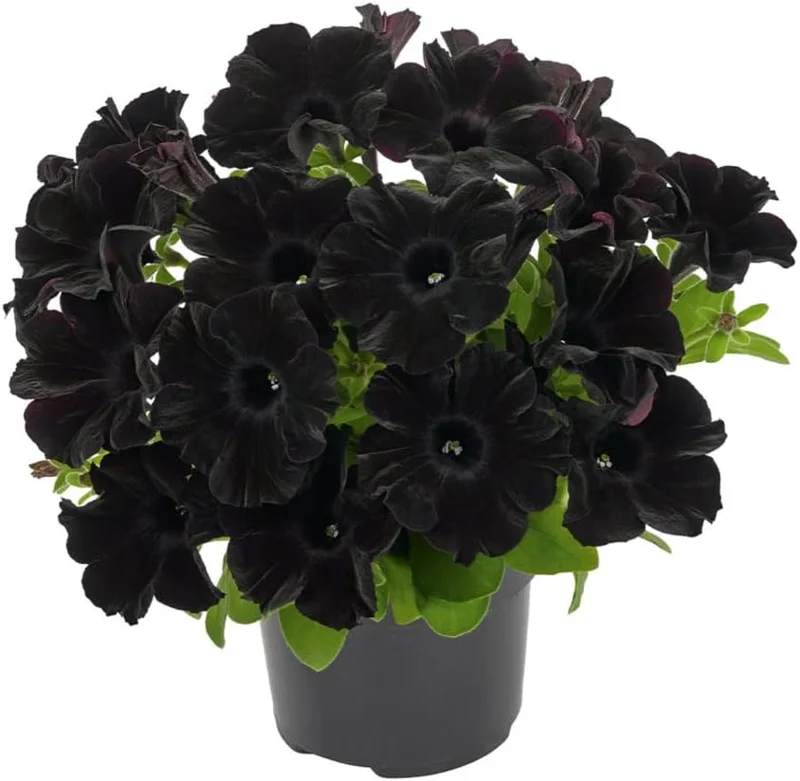
Sold 116 products
Original price was: $27.99.$16.99Current price is: $16.99.

Flower Bulbs
3 Cranesbill Wild Geranium Organic Maculatums Bare Roots | Wildflower for Outdoor Garden
Sold 114 products
Original price was: $21.99.$6.99Current price is: $6.99.

Sold 114 products
Original price was: $28.99.$17.99Current price is: $17.99.RELATED posts
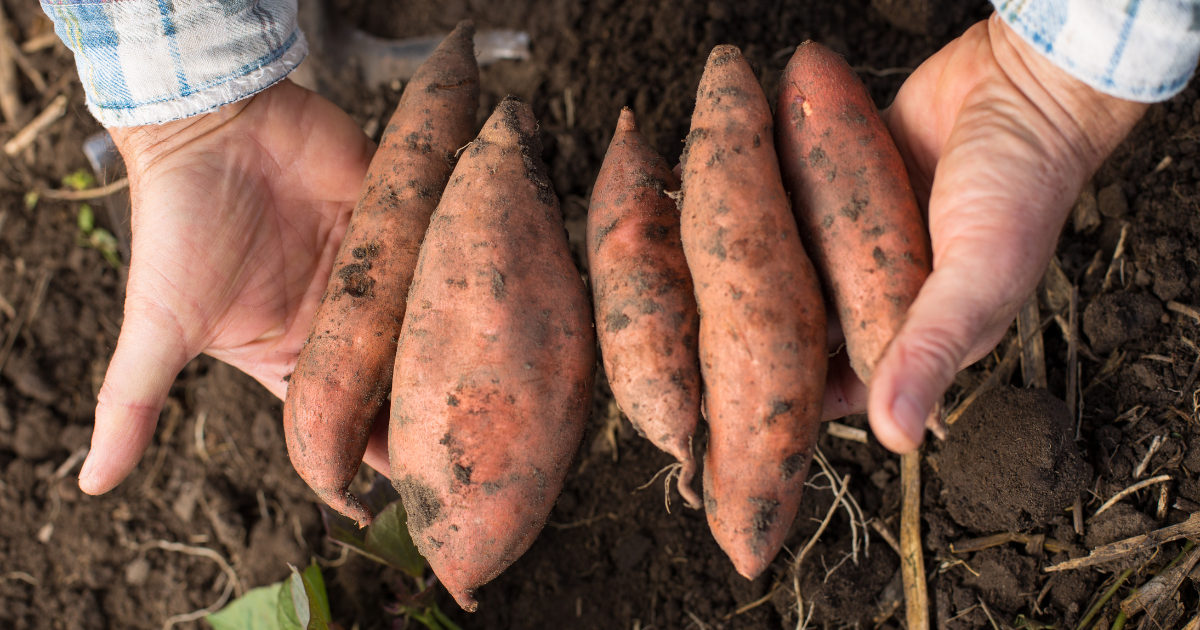
5 Tips for Growing Sweet Potatoes to Get the Biggest Sweet Potato Harvest Ever
If you are a fan of sweet potatoes, then these tips for growing sweet potatoes [...]
Apr
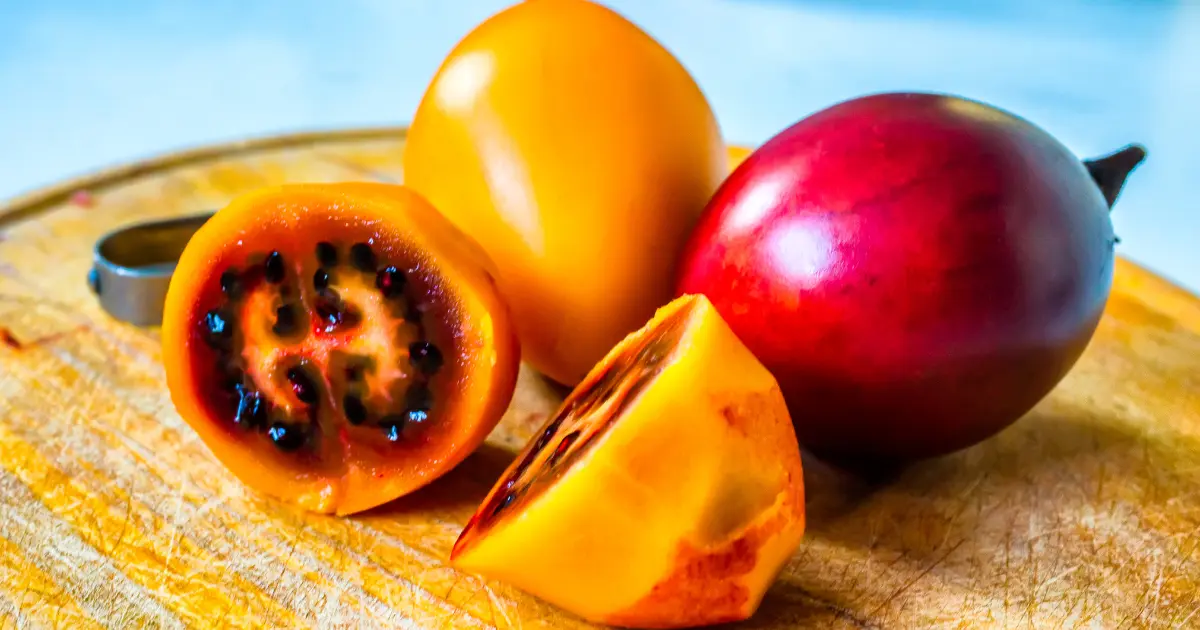
Tamarillo Tree Guide: Flavor, Texture & How to Eat Tree Tomatoes
The humble tomato is a kitchen staple we all know and love, but it rarely [...]
Apr
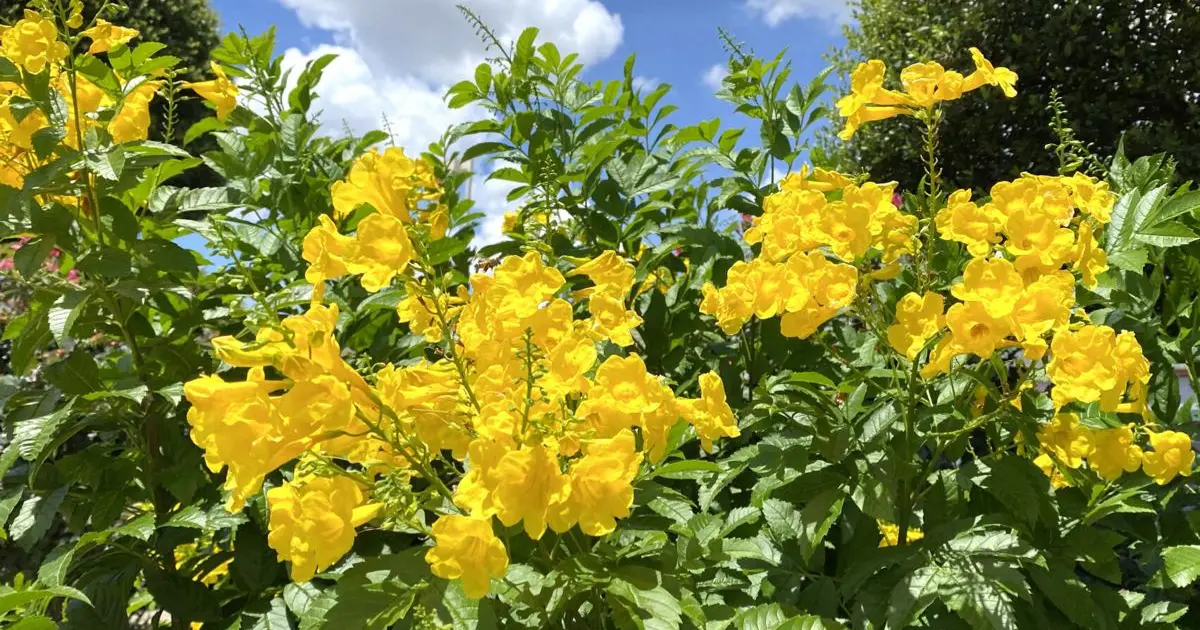
5 Pro Tips to Grow Esperanza ‘Gold Star’ Indoors: A Golden Glow for Your Home
While most gardeners know this Texas Superstar – Esperanza ‘Gold Star’ as a rugged outdoor [...]
Apr
Mastering Esperanza Goldstar: Grow the Ultimate Yellow Bloom
Esperanza Goldstar is more than just a heat-tolerant shrub; for the American gardener battling the [...]
Apr
Yellow Dragon Fruit Plant Care: The Ultimate Guide for Healthy Growth
The yellow dragon fruit plant is a unique and rewarding addition to any home garden, [...]
Apr
How to Identify Bocking 14 Comfrey: 5 Simple Visual Signs
If you’re growing comfrey for mulch, compost, or animal feed, knowing exactly which variety you [...]
Mar
Grand Duke of Tuscany Jasmine: The Ultimate Guide to Growing a Fragrant Masterpiece
Have you ever caught a scent in the air so rich, creamy, and honey-sweet that [...]
Mar
How to Grow Wild Huckleberries: A Guide to “Purple Gold”
Have you ever spent a summer afternoon hiking through the Pacific Northwest or the Rocky [...]
Mar
Reviews
There are no reviews yet.