
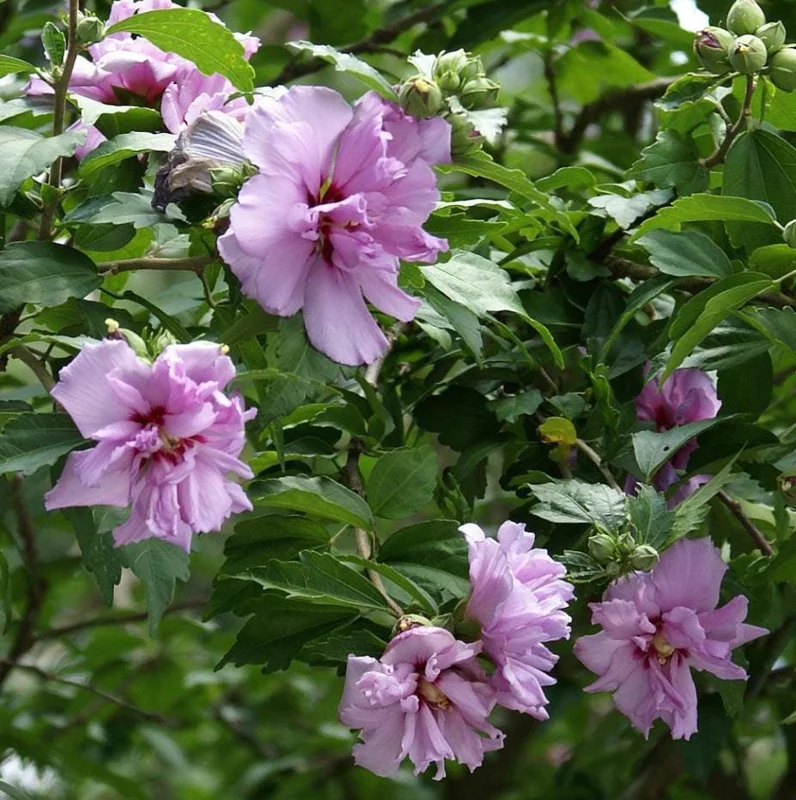
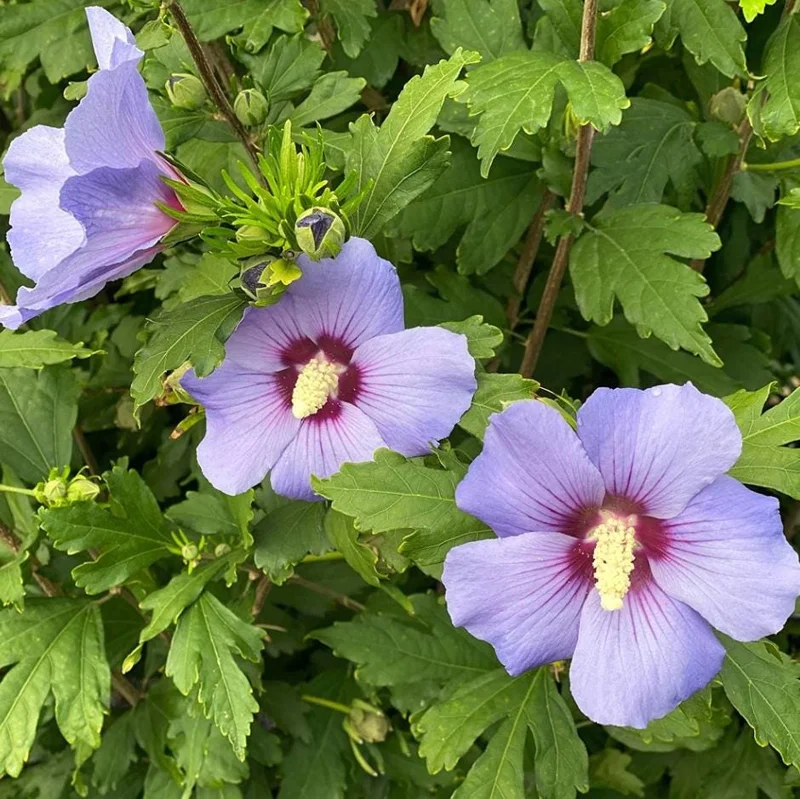

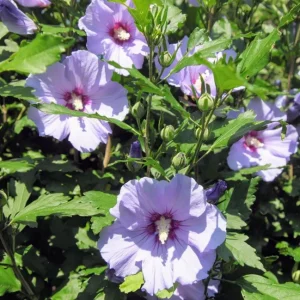
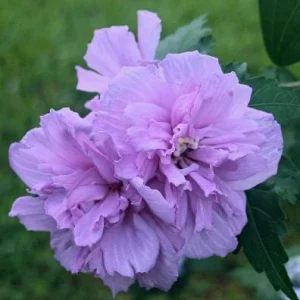
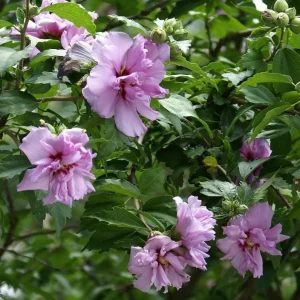
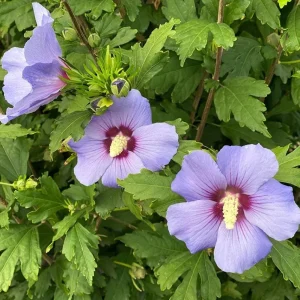

Purple Althea Rose of Sharon Tree Live Plant, Quart Pot, Outdoor, Cold Hardy
Original price was: $40.99.$25.99Current price is: $25.99.
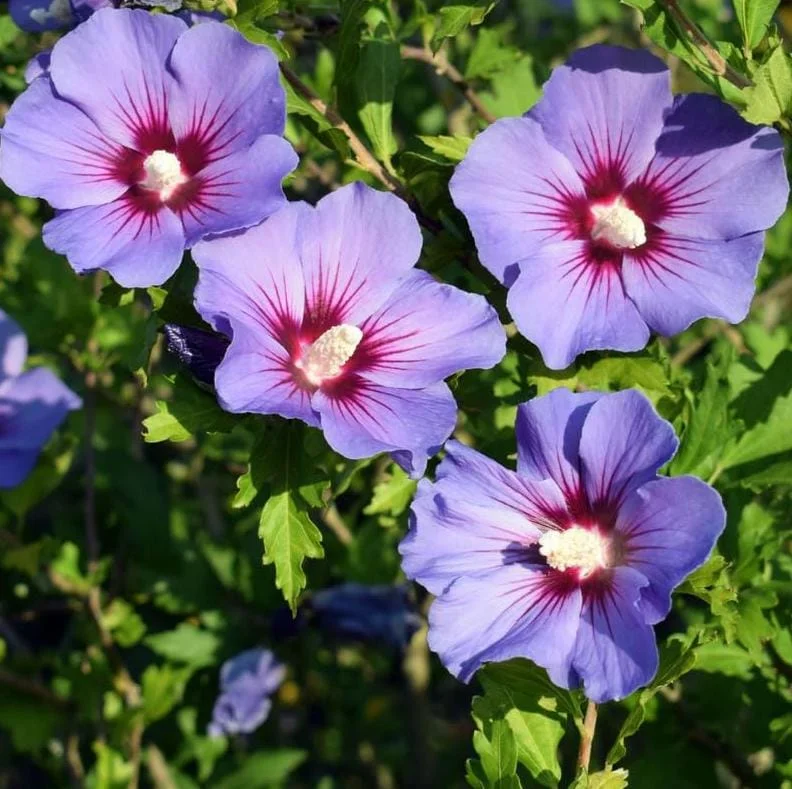
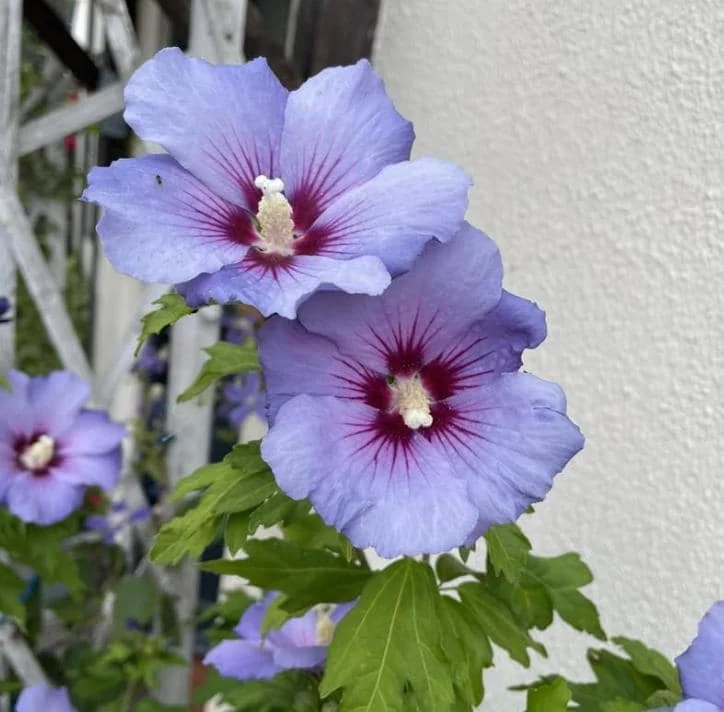
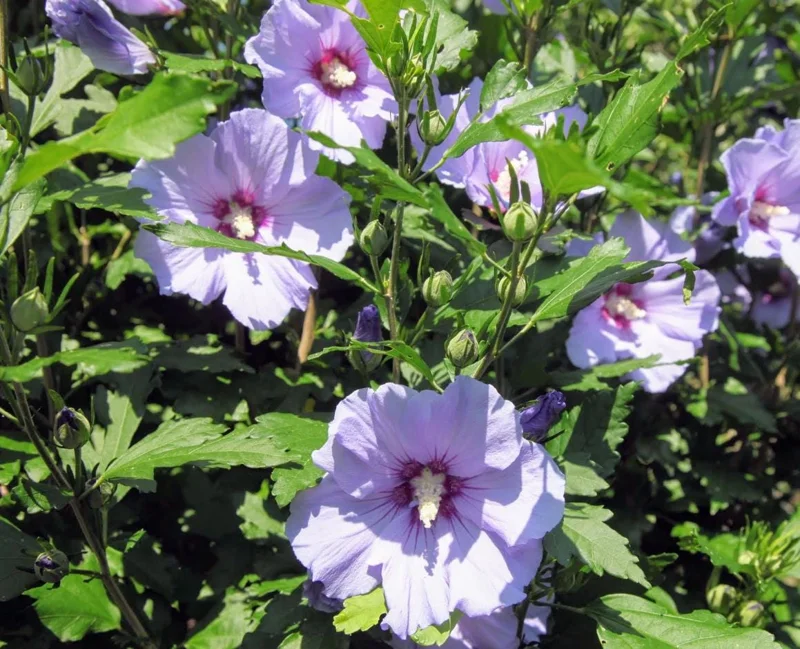
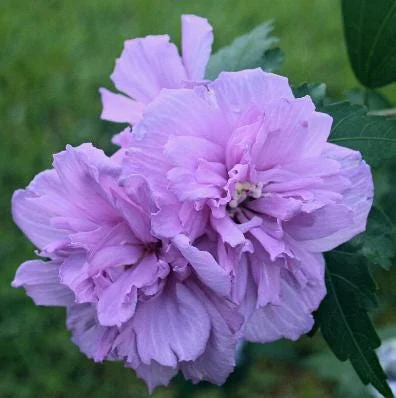
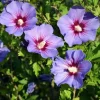
Add vibrant color to your garden with this beautiful purple althea rose of sharon tree. This hibiscus syriacus plant is a cold-hardy, easy-to-grow flowering shrub, perfect for outdoor planting. Arrives as a 1 year old dormant seedling in a quart pot, ready for your landscape.
Estimated arrival
Apr 04
Apr 09 - Apr 11
Apr 14 - Apr 18

Reasonable Price
We offer reasonable price

Support 24/7
Contact us 24 hrs a day

100% Money Back
You've 30 days to Return

Payment Secure
100% secure payment
Overview
Introduce a touch of elegance and vibrant color to your outdoor space with the stunning purple althea rose of sharon tree. Also known by its botanical name, Hibiscus syriacus plant, this deciduous shrub is celebrated for its abundant, showy blooms that appear from summer to fall. Originating from Asia, the Rose of Sharon has become a beloved fixture in American gardens due to its resilience and captivating floral display. This particular variety features beautiful purple blossoms, adding a rich hue to any landscape design. As a live plant, it arrives as a 1 year old dormant seedling in a quart pot, ready to be established in your garden. It’s an excellent choice for creating hedges, focal points, or adding late-season interest when many other plants have finished blooming.
The purple althea rose of sharon tree is a fast-growing and low-maintenance shrub, making it ideal for both seasoned gardeners and beginners. Its ability to thrive in a variety of conditions, coupled with its cold-hardy nature, ensures a successful and rewarding gardening experience. Whether you’re looking to enhance your existing garden or start a new landscaping project, this vibrant flowering shrub offers both beauty and ease of care. Enjoy its spectacular blooms year after year, transforming your garden into a colorful sanctuary.
Key Benefits
The purple althea rose of sharon tree offers numerous advantages for any garden, combining aesthetic appeal with robust growth and easy maintenance. Its striking features make it a standout choice for various landscaping needs.
- Vibrant Floral Display: Enjoy a prolonged blooming period from summer through fall, showcasing beautiful purple flowers that add a splash of rich color to your garden when many other plants are fading. The abundant blossoms create a truly captivating sight.
- Easy to Grow and Maintain: This hibiscus syriacus plant is known for its resilience and adaptability, requiring minimal effort to thrive. It tolerates a range of soil types and conditions, making it suitable for gardeners of all experience levels.
- Fast Growing: Achieve a mature, established look quickly with this rapidly growing shrub. Its vigorous growth habit makes it an excellent option for fast landscaping solutions, providing significant visual impact in a shorter timeframe.
- Cold Hardy: Designed to withstand colder temperatures, this cold hardy flowering shrub is dependable in various climates, ensuring its longevity and consistent performance in your garden year after year. It’s a reliable choice for regions with distinct seasons.
- Versatile Landscaping Use: Perfect for use as a specimen plant, in mixed borders, as an informal hedge, or even in large containers. Its upright growth habit and attractive foliage provide structure and beauty to diverse garden designs.
- Attracts Pollinators: The vibrant flowers are a magnet for hummingbirds, butterflies, and other beneficial pollinators, bringing life and activity to your garden while supporting local ecosystems.
- Drought Tolerant Once Established: After its initial establishment period, the purple althea rose of sharon tree demonstrates good drought tolerance, reducing the need for frequent watering and making it a water-wise choice for sustainable gardening.
Plant Care & Growing Tips
Caring for your purple althea rose of sharon tree is straightforward, ensuring a magnificent display of blooms with minimal effort. This resilient hibiscus syriacus plant thrives in conditions that mimic its natural habitat. For optimal growth and flowering, select a location that receives full sun to partial shade. Full sun (at least 6 hours of direct sunlight per day) will encourage the most prolific blooming, while partial shade can be tolerated, especially in hotter climates, though flowering may be slightly reduced. Ensure the soil is well-draining, as Rose of Sharon does not like to sit in waterlogged conditions.
When it comes to watering, keep the soil consistently moist, especially during the first growing season to help establish a strong root system. Once established, the purple althea rose of sharon tree is relatively drought-tolerant, but regular watering during dry spells will promote better flowering. Fertilize in early spring with a balanced, slow-release granular fertilizer formulated for flowering shrubs to support vigorous growth and abundant blooms. Pruning is best done in late winter or early spring before new growth begins; this helps maintain its shape, encourages bushier growth, and promotes more flowers as it blooms on new wood. Remove any dead, damaged, or crossing branches. This cold hardy flowering shrub is generally pest and disease resistant, but monitor for common garden issues and address them promptly.
The rose of sharon care involves understanding its hardiness. It is a very forgiving plant and can adapt to various soil types, though it prefers slightly acidic to neutral soil. Ensure good air circulation around the plant to prevent fungal issues. In colder regions, a layer of mulch around the base can help protect roots during winter. During its dormant phase (October-April), your plant will arrive without leaves, which is completely normal and indicates it’s conserving energy for robust spring growth. This period is ideal for planting to allow the roots to establish before the demands of foliage and flowering begin. With these simple tips, your outdoor flowering tree will flourish and provide years of beauty.
Size & Details
This offering is for one purple althea rose of sharon tree, provided as a 1 year old dormant seedling. It arrives securely planted in a quart-sized nursery pot, with its root system well-established. At the time of shipment, particularly during the dormant season (October-April), the plant will naturally be without leaves, focusing its energy on root development for robust growth in the spring. Once established, this hibiscus syriacus plant can typically grow to a mature height of 8-12 feet tall with a spread of 6-10 feet, depending on growing conditions and pruning habits. It exhibits a moderate to fast growth rate, allowing it to quickly become a prominent feature in your landscape.
The ultimate size and shape of your purple althea rose of sharon tree can be managed through annual pruning, making it adaptable to various garden sizes and styles. Its upright, vase-shaped habit provides excellent structural interest. Expect the first significant blooms to appear in its second year after planting, with increasing profusion in subsequent seasons. This outdoor flowering tree is a long-lived plant, providing many years of enjoyment with proper care. The quart pot provides a good foundation for transplanting directly into your garden bed or a larger container.
Frequently Asked Questions
- Q: How big does this purple althea rose of sharon tree get? A: This purple althea rose of sharon tree typically grows to a mature height of 8-12 feet tall and 6-10 feet wide. Its size can be managed with regular pruning to fit your garden space.
- Q: What size pot does it come in? A: The plant arrives as a 1 year old dormant seedling in a quart-sized nursery pot, providing a healthy start for transplanting.
- Q: Is this an indoor or outdoor plant? A: This is an outdoor flowering tree, specifically a cold hardy flowering shrub, designed to thrive in garden beds and outdoor landscapes in appropriate USDA zones.
- Q: How much sunlight does it need? A: For the best blooming, the hibiscus syriacus plant prefers full sun (at least 6 hours of direct sunlight daily), but it can tolerate partial shade, especially in hotter climates.
- Q: Is this plant easy to care for? A: Yes, the purple althea rose of sharon tree is known for being very easy to grow and maintain, making it an excellent choice for gardeners of all experience levels. Its rose of sharon care requirements are minimal.
- Q: What condition will it arrive in? A: If ordered between October and April, your plant will arrive in its natural dormant state, meaning it will not have any leaves. This is normal and healthy, indicating it’s ready for spring growth.
- Q: When is the best time to plant? A: Spring or fall are ideal times for planting the purple althea rose of sharon tree, allowing its roots to establish before extreme temperatures.
- Q: Will it survive winter in my zone? A: Yes, this is a cold hardy flowering shrub. It is generally hardy in USDA Zones 5-9, meaning it can withstand winter temperatures in many regions.
- Q: How long until it blooms? A: You can typically expect your purple althea rose of sharon tree to start producing significant blooms in its second year after planting, with more abundant flowers in subsequent years.
- Q: What is the best soil for this plant? A: It prefers well-draining soil and can adapt to various soil types, including clay, loam, and sandy soils, as long as drainage is adequate.
Be the first to review “Purple Althea Rose of Sharon Tree Live Plant, Quart Pot, Outdoor, Cold Hardy”
-
USDA Hardiness Zone
USDA Zones 5-9 -
Soil Type
Well-draining soil -
Sunlight Exposure
Full sun to partial shade -
Expected Planting Period
Spring to fall
People Also Viewd
Sold 128 products
Original price was: $27.00.$24.00Current price is: $24.00.
Sold 128 products
Original price was: $89.99.$64.99Current price is: $64.99.
Sold 126 products
Original price was: $3,536.00.$23.99Current price is: $23.99.
Sold 126 products
Original price was: $159.99.$139.99Current price is: $139.99.

Sold 125 products
Original price was: $86.99.$66.99Current price is: $66.99.
Sold 116 products
Original price was: $27.99.$16.99Current price is: $16.99.
Sold 114 products
Original price was: $28.99.$17.99Current price is: $17.99.
Flower Bulbs
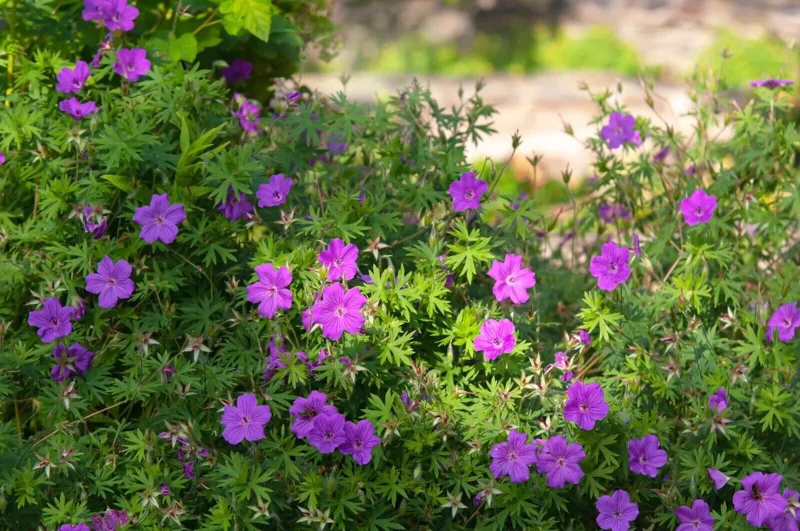
3 Cranesbill Wild Geranium Organic Maculatums Bare Roots | Wildflower for Outdoor Garden
Sold 114 products
Original price was: $21.99.$6.99Current price is: $6.99.RELATED posts
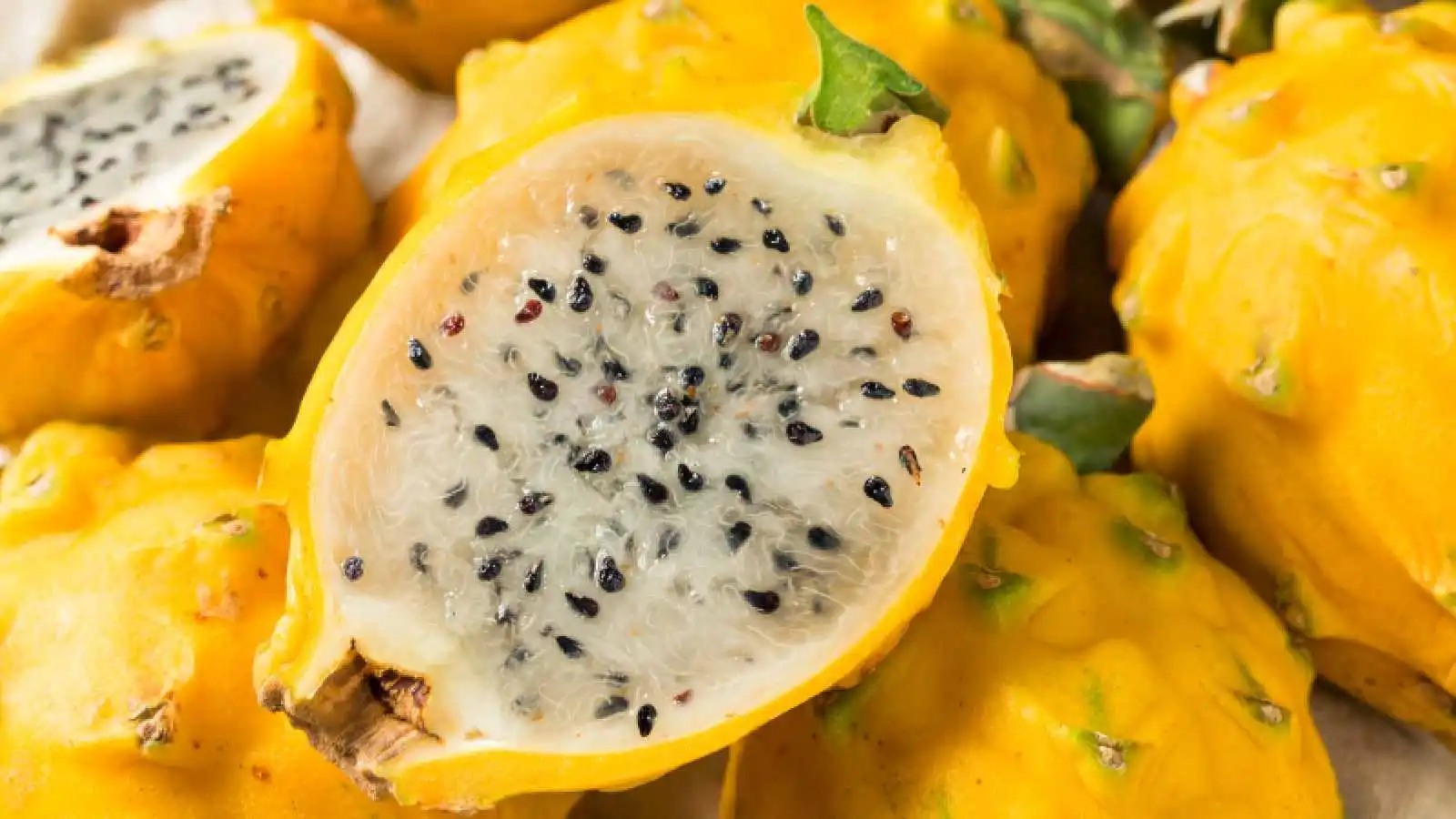
Yellow Dragon Fruit Plant Care: The Ultimate Guide for Healthy Growth
The yellow dragon fruit plant is a unique and rewarding addition to any home garden, [...]
Apr
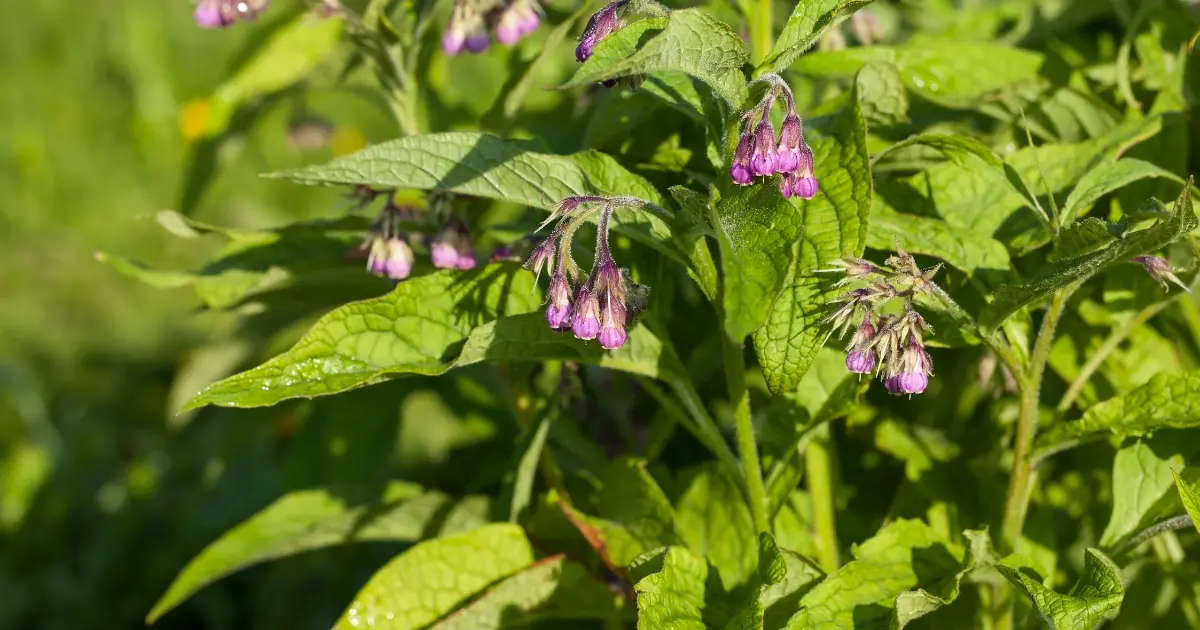
How to Identify Bocking 14 Comfrey: 5 Simple Visual Signs
If you’re growing comfrey for mulch, compost, or animal feed, knowing exactly which variety you [...]
Mar
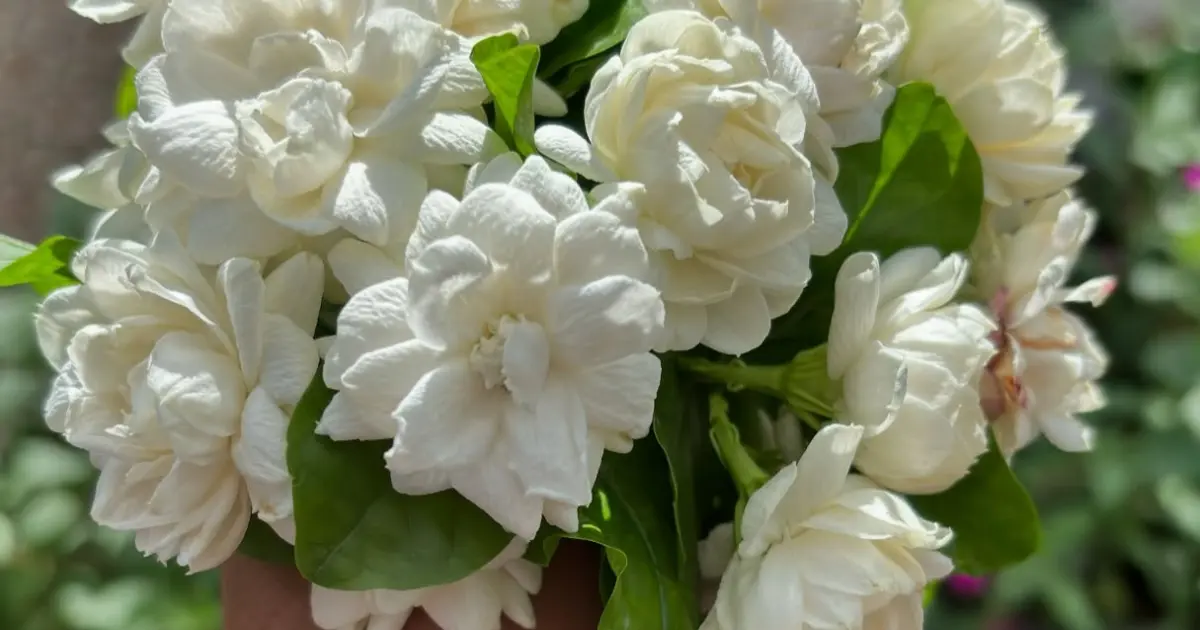
Grand Duke of Tuscany Jasmine: The Ultimate Guide to Growing a Fragrant Masterpiece
Have you ever caught a scent in the air so rich, creamy, and honey-sweet that [...]
Mar
How to Grow Wild Huckleberries: A Guide to “Purple Gold”
Have you ever spent a summer afternoon hiking through the Pacific Northwest or the Rocky [...]
Mar
5 Best Shade-Loving Perennials for a Lush, Vibrant Garden
The world of gardening often shines a spotlight on sun-drenched blossoms, but there is a [...]
Mar

7 Common Curry Leaf Plant Problems: Easy Fixes for a Thriving Plant
Is your curry leaf plant looking a bit sad lately? Maybe you woke up to [...]
Mar
Best Time to Plant Bougainvillea: Timing for Vibrant Blooms
If you’re looking for a hardy tropical vine that delivers a riot of neon color, [...]
Feb
How to Propagate Purple Passion Plants (Gynura aurantiaca)
Have you ever been mesmerized by the neon-purple glow and fuzzy, velvet-like leaves of a [...]
Feb
Reviews
There are no reviews yet.