




Red Oriental Poppy Seeds – Perennial Scarlet Flowers, Large, Non-GMO, 1000 Seeds
Original price was: $24.17.$9.17Current price is: $9.17.
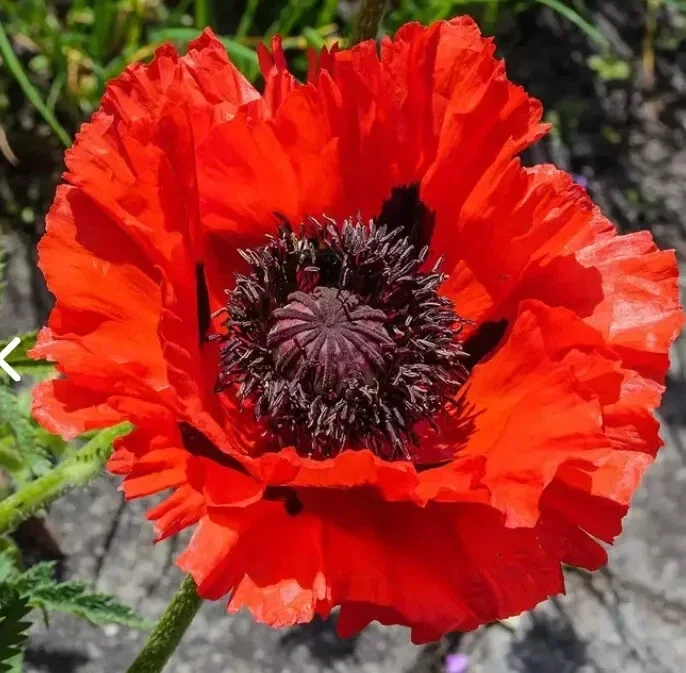
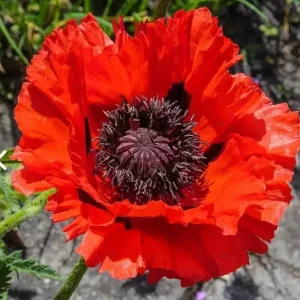
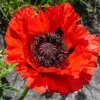
Cultivate a breathtaking display of color with these red oriental poppy seeds. Each packet contains 1000 non-GMO poppy seeds, ready to grow into magnificent scarlet poppy flowers. These perennial poppy seeds are easy to plant and will bring vibrant, large blooms to your garden year after year, perfect for outdoor landscapes.
Estimated arrival
Apr 07
Apr 12 - Apr 14
Apr 17 - Apr 21

Reasonable Price
We offer reasonable price

Support 24/7
Contact us 24 hrs a day

100% Money Back
You've 30 days to Return

Payment Secure
100% secure payment
Overview
Transform your garden into a vibrant spectacle with our premium red oriental poppy seeds. These exceptional seeds are ideal for gardeners seeking to introduce bold, dramatic color and perennial beauty into their outdoor spaces. Oriental poppies, scientifically known as Papaver orientale, are renowned for their striking, cup-shaped flowers and their ability to return faithfully each spring. This offering includes 1000 high-quality, non-GMO poppy seeds, ensuring you have an abundant supply to create a stunning display of scarlet poppy flowers. Known for their resilience and relatively easy care, these poppies are a fantastic choice for both seasoned gardeners and those just starting their floral journey. Prepare to be captivated by the elegance and grandeur these large blooms will bring to your landscape.
Our red oriental poppy seeds promise spectacular results, yielding robust plants with impressive, large flowers. The vibrant red hue, often with a dark central blotch, creates an eye-catching focal point in any garden setting. These perennial poppy seeds are a sustainable choice, providing beauty for many seasons without the need for annual replanting. They are perfect for cottage gardens, mixed borders, or naturalized areas where their dramatic presence can truly shine. With proper care and planting, you’ll enjoy a profusion of these exquisite blooms, attracting pollinators and admirers alike.
Key Benefits
Our red oriental poppy seeds offer numerous advantages for any gardening enthusiast, promising a rewarding and beautiful experience:
- Dramatic Visual Impact: Produce stunning, large scarlet poppy flowers that command attention and add a bold splash of color to your garden. Their vibrant red petals create an unforgettable display.
- Perennial Durability: As perennial poppy seeds, these plants return year after year, establishing strong root systems and becoming more robust with each passing season. This reduces the need for annual replanting, saving time and effort.
- Easy to Grow: With their relatively low maintenance requirements and adaptability to various soil types, these large poppy seeds are suitable for gardeners of all skill levels, from beginners to experts.
- Pollinator Attraction: The bright, open blooms of the oriental poppy are a magnet for bees and other beneficial pollinators, contributing to a healthier and more biodiverse garden ecosystem.
- Non-GMO Assurance: Our non-GMO poppy seeds ensure you are planting pure, natural seeds, free from genetic modification, supporting sustainable and natural gardening practices.
- Drought Tolerance: Once established, oriental poppies are quite drought-tolerant, making them an excellent choice for xeriscaping or gardens in drier climates, requiring less frequent watering.
- Versatile Landscaping: Ideal for mass plantings, borders, rock gardens, or as specimen plants, these poppies offer incredible versatility in garden design, enhancing any outdoor space.
Plant Care & Growing Tips
Growing beautiful red oriental poppy seeds is a rewarding experience with a few key care considerations. These perennial poppy seeds thrive in full sun, meaning they need at least 6 hours of direct sunlight per day. Choose a location in your garden that receives ample sun exposure throughout the day for the best flowering performance. While tolerant of various climates, they require cold stratification to germinate effectively, mimicking natural winter conditions. This can be achieved by refrigerating the seeds in a moist medium for 6-8 weeks before planting in early spring or by direct sowing in late fall, allowing nature to handle the stratification process.
When it comes to watering, oriental poppies prefer consistently moist soil during their active growth period in spring, but they are quite drought-tolerant once established. Ensure the soil is well-draining, as these plants dislike sitting in soggy conditions, which can lead to root rot. For soil type, they are adaptable but flourish in loamy or sandy soil with good drainage. Incorporating compost or mushroom compost can enhance soil fertility and structure. Fertilization is generally not heavily required; a balanced, slow-release granular fertilizer applied in early spring can support vigorous growth and abundant scarlet poppy flowers. Watch out for common pests like aphids, which can be managed with insecticidal soap, and fungal diseases, which are less likely with good air circulation and proper drainage. These large poppy seeds are very easy to cultivate.
After flowering, usually in late spring to early summer, oriental poppies tend to go dormant, with their foliage yellowing and dying back. This is a natural process, and the plant will re-emerge the following spring. You can trim back the faded leaves at this point. This dormancy period can be an opportunity to plant other annuals or perennials around them that will bloom in summer, filling the space. Remember, providing the right conditions from the start will ensure a spectacular display of non-GMO poppy seeds in your garden for years to come.
Size & Details
This offering provides 1000 red oriental poppy seeds, ensuring a generous quantity for planting a vibrant garden bed or multiple areas. These perennial poppy seeds will grow into mature plants typically reaching a height of 24 to 36 inches (60-90 cm) with a similar spread, creating a substantial visual presence. The individual scarlet poppy flowers are impressive, often growing 4 to 8 inches (10-20 cm) in diameter. These seeds are shipped in a protective packet, ready for planting. While the exact time to first bloom varies based on growing conditions and planting time, you can generally expect your first magnificent flowers in the second year after planting, with established plants blooming profusely each spring and early summer. These large poppy seeds offer excellent germination rates when cold stratification requirements are met, promising a bountiful harvest of blooms.
Frequently Asked Questions
- Q: How large do oriental poppy plants typically grow? A: Oriental poppies generally grow to a height of 24 to 36 inches (60-90 cm) and can spread similarly, creating a robust and bushy plant when mature. The individual flowers are quite large, often 4 to 8 inches across.
- Q: What are the sunlight requirements for these red oriental poppy seeds? A: These poppies thrive in full sun, requiring at least 6 hours of direct sunlight per day. Adequate sunlight is crucial for optimal growth and abundant flowering of your scarlet poppy flowers.
- Q: Is this plant easy to care for, especially for beginners? A: Yes, oriental poppies are considered very easy to cultivate. Once established, they are quite hardy and low-maintenance, making these perennial poppy seeds an excellent choice for gardeners of all experience levels.
- Q: What condition will the red oriental poppy seeds arrive in? A: The red oriental poppy seeds will arrive in a well-protected packet, ensuring their viability and readiness for planting. They are carefully packaged to prevent damage during transit.
- Q: Can these non-GMO poppy seeds be grown in pots? A: While oriental poppies prefer to be grown directly in the ground due to their deep taproots, they can be grown in very large, deep containers. Ensure excellent drainage and consistent moisture if opting for container planting.
- Q: How long does it take for these perennial poppy seeds to bloom? A: Oriental poppies typically establish their root system in the first year and produce their most spectacular blooms in the second year after planting. After that, they will bloom reliably every spring.
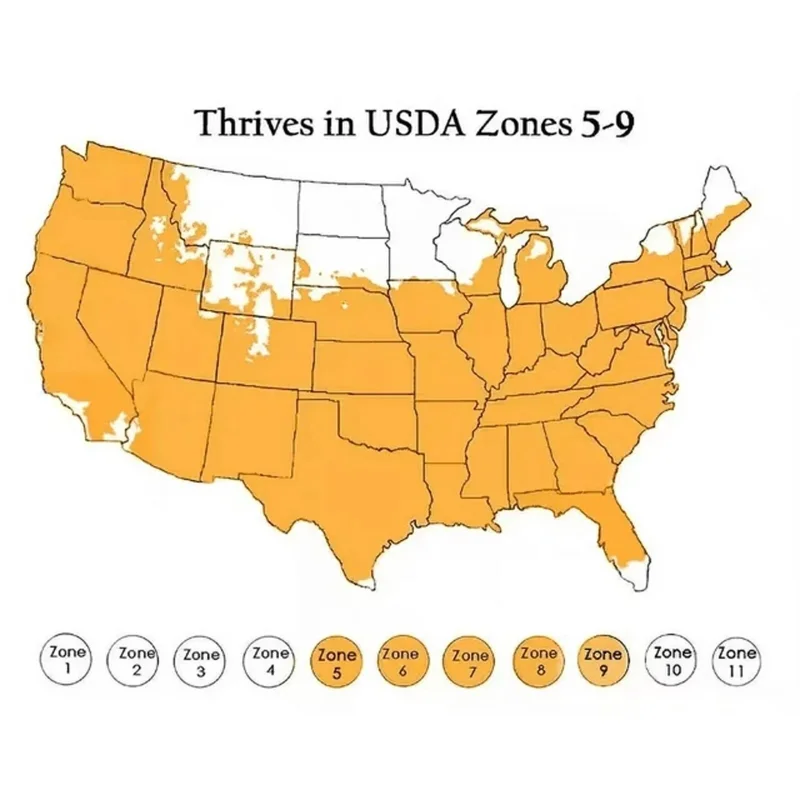
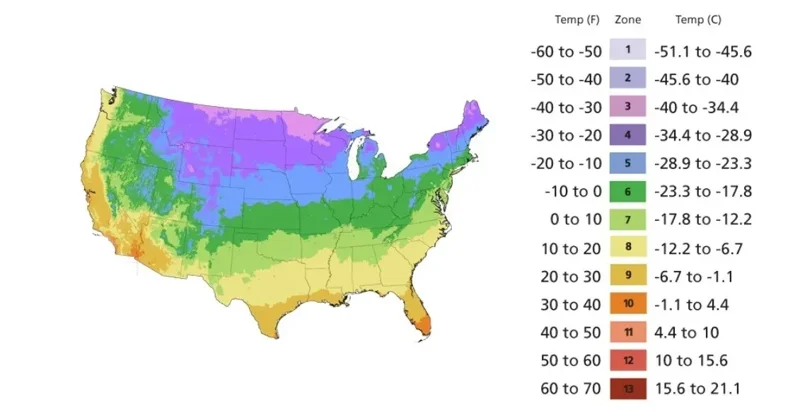
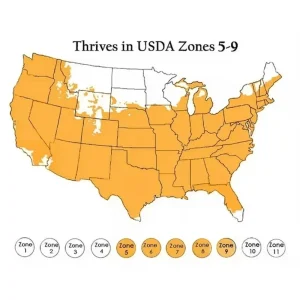
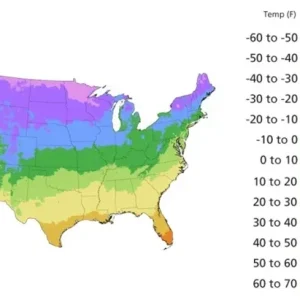
- Q: What USDA hardiness zones are suitable for these large poppy seeds? A: Oriental poppies are generally hardy in USDA Zones 3-8. They require a period of cold dormancy (cold stratification) to perform well, making them ideal for regions with distinct winter seasons.
- Q: Do these scarlet poppy flowers attract pollinators? A: Yes, the vibrant and open blooms of the oriental poppy are very attractive to various pollinators, including bees and butterflies, contributing positively to local ecosystems.
- Q: What kind of soil is best for growing red oriental poppy seeds? A: Oriental poppies prefer well-draining soil, such as loamy or sandy types. They do not tolerate heavy, waterlogged clay soils. Amending with compost can improve soil structure.
- Q: Are these truly non-GMO poppy seeds? A: Yes, these are certified non-GMO poppy seeds, ensuring you are planting seeds that have not been genetically modified and adhere to natural plant breeding standards.
Be the first to review “Red Oriental Poppy Seeds – Perennial Scarlet Flowers, Large, Non-GMO, 1000 Seeds”
-
USDA Hardiness Zone
USDA Zones 3-8 -
Soil Type
Clay, Loam, Top Soil, Mushroom Compost, Compost, All Types, Poppies love sandy soil -
Sunlight Exposure
Full Sun, Medium Sun -
Expected Planting Period
Fall, Spring
People Also Viewd


Sold 128 products
Original price was: $27.00.$24.00Current price is: $24.00.

Sold 128 products
Original price was: $89.99.$64.99Current price is: $64.99.
Sold 127 products
Original price was: $159.99.$139.99Current price is: $139.99.

Sold 126 products
Original price was: $3,536.00.$23.99Current price is: $23.99.

Sold 125 products
Original price was: $86.99.$66.99Current price is: $66.99.
Sold 116 products
Original price was: $27.99.$16.99Current price is: $16.99.

Sold 114 products
Original price was: $28.99.$17.99Current price is: $17.99.

Flower Bulbs
3 Cranesbill Wild Geranium Organic Maculatums Bare Roots | Wildflower for Outdoor Garden
Sold 114 products
Original price was: $21.99.$6.99Current price is: $6.99.RELATED posts
Mastering Esperanza Goldstar: Grow the Ultimate Yellow Bloom
Esperanza Goldstar is more than just a heat-tolerant shrub; for the American gardener battling the [...]
Apr
Yellow Dragon Fruit Plant Care: The Ultimate Guide for Healthy Growth
The yellow dragon fruit plant is a unique and rewarding addition to any home garden, [...]
Apr
How to Identify Bocking 14 Comfrey: 5 Simple Visual Signs
If you’re growing comfrey for mulch, compost, or animal feed, knowing exactly which variety you [...]
Mar
Grand Duke of Tuscany Jasmine: The Ultimate Guide to Growing a Fragrant Masterpiece
Have you ever caught a scent in the air so rich, creamy, and honey-sweet that [...]
Mar
How to Grow Wild Huckleberries: A Guide to “Purple Gold”
Have you ever spent a summer afternoon hiking through the Pacific Northwest or the Rocky [...]
Mar
5 Best Shade-Loving Perennials for a Lush, Vibrant Garden
The world of gardening often shines a spotlight on sun-drenched blossoms, but there is a [...]
Mar

7 Common Curry Leaf Plant Problems: Easy Fixes for a Thriving Plant
Is your curry leaf plant looking a bit sad lately? Maybe you woke up to [...]
Mar
Best Time to Plant Bougainvillea: Timing for Vibrant Blooms
If you’re looking for a hardy tropical vine that delivers a riot of neon color, [...]
Feb
Reviews
There are no reviews yet.