
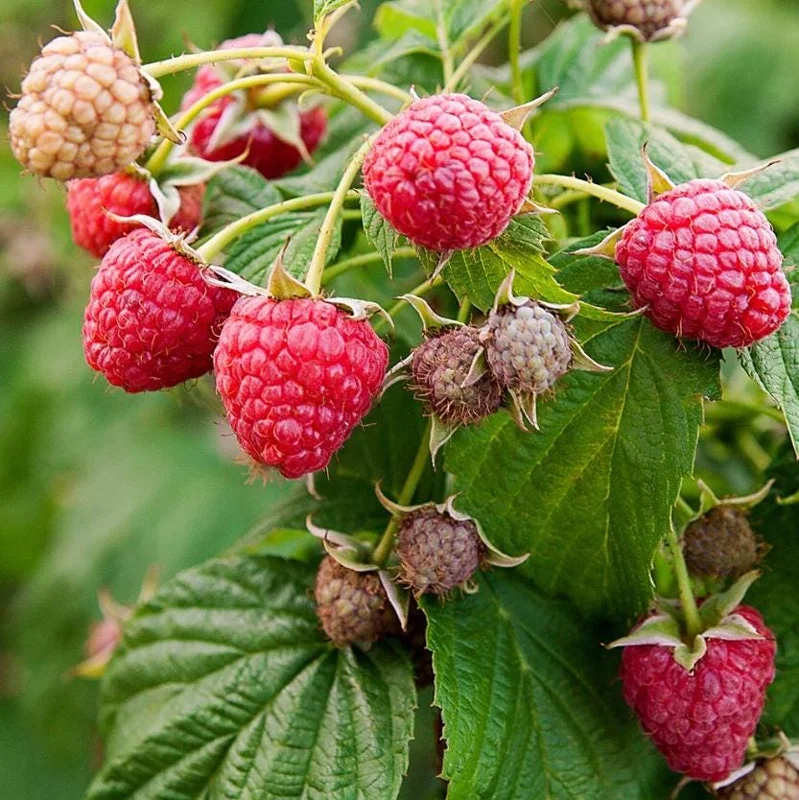
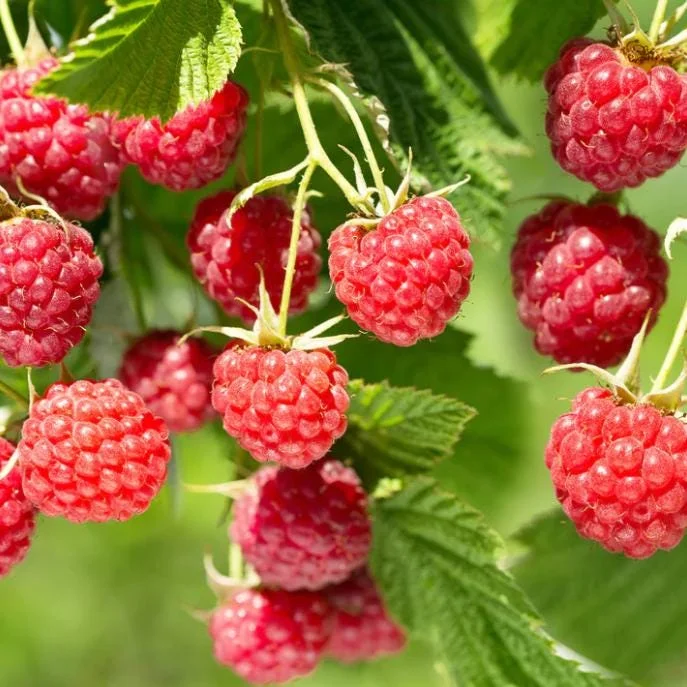
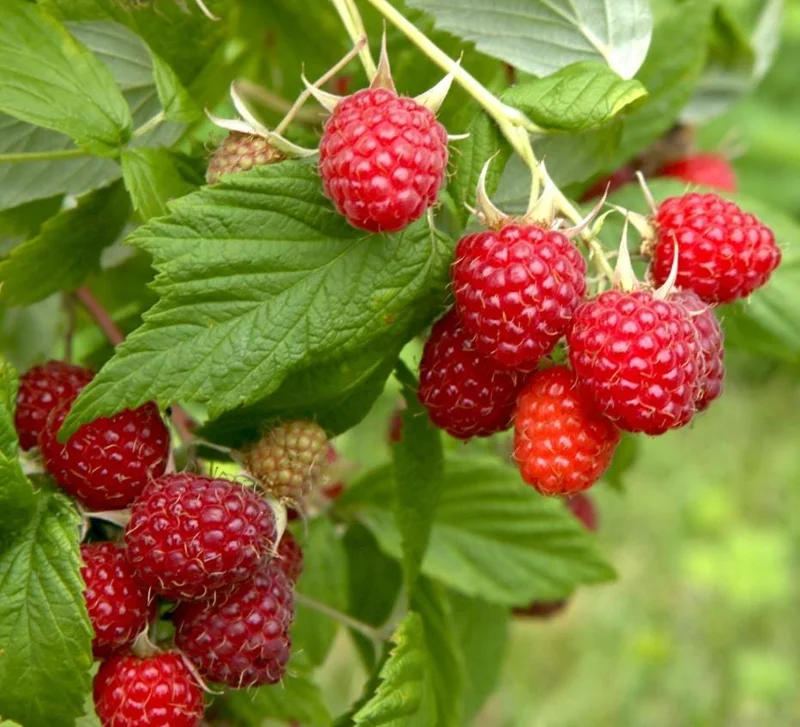
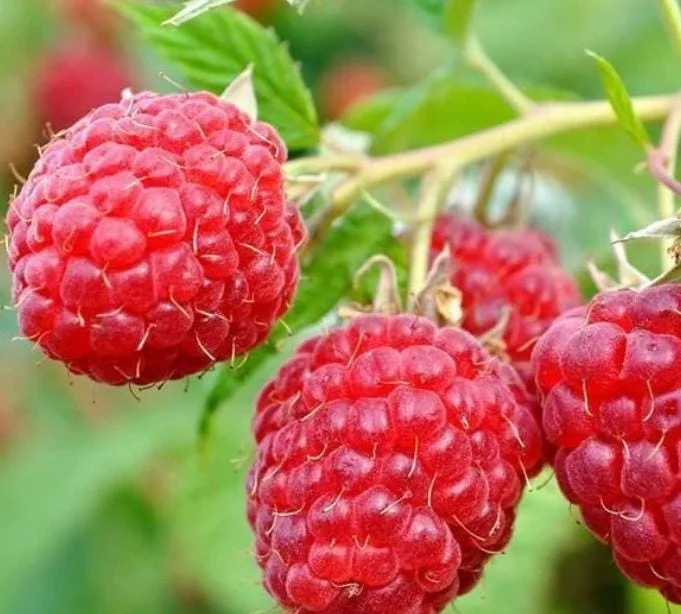
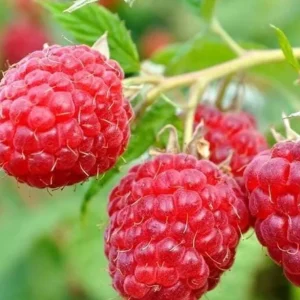
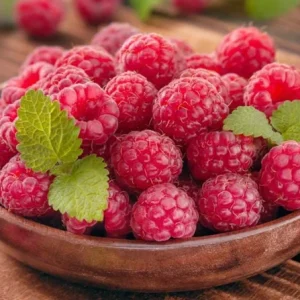
Red Raspberry Live Plant – 1-4 inch Tall – 2 inch Pot – Rubus idaeus
Original price was: $35.99.$13.99Current price is: $13.99.
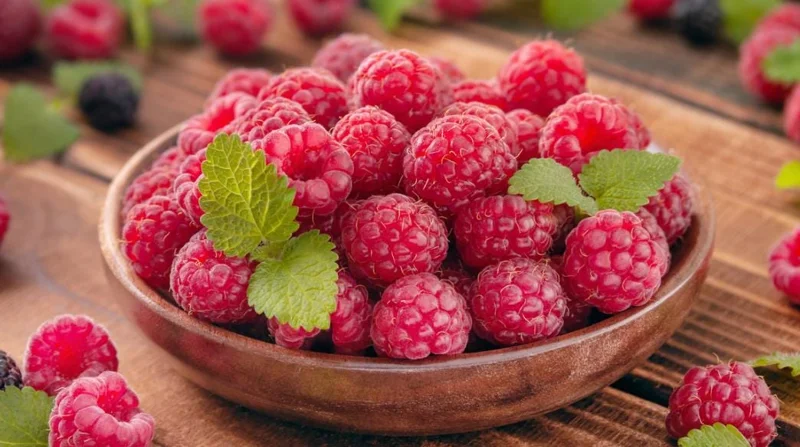
Cultivate your own delicious berries with this red raspberry live plant. A starter rubus idaeus plant, perfect for beginners and experienced gardeners alike. Designed for edible garden plant settings, it will flourish into a productive sweet raspberry bush, offering a bounty of fruit for fresh eating, jams, and desserts.
Estimated arrival
Apr 06
Apr 11 - Apr 13
Apr 16 - Apr 20

Reasonable Price
We offer reasonable price

Support 24/7
Contact us 24 hrs a day

100% Money Back
You've 30 days to Return

Payment Secure
100% secure payment
Overview
Experience the joy of harvesting your own fruit with this red raspberry live plant. This starter plant, scientifically known as Rubus idaeus, is a fantastic addition to any home garden or edible landscape. Known for its sweet, juicy red berries, the red raspberry live plant promises a reliable and rewarding harvest. Perfect for home gardeners of all skill levels, this plant is easy to grow and will provide an abundance of flavorful fruit ideal for fresh eating, desserts, jams, and smoothies. Bring the farm-to-table experience right to your backyard with this robust and productive fruiting cane.
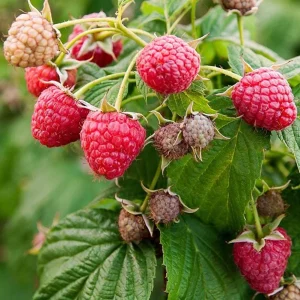
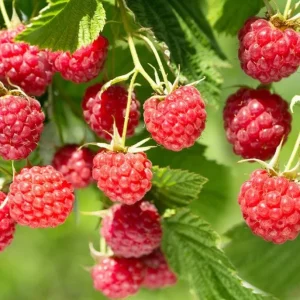
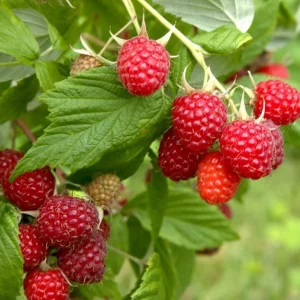
The Rubus idaeus is a perennial plant, meaning it will return year after year, offering continuous harvests once established. Its canes produce bright red berries with a delightful sweet and mildly tart flavor. Whether you’re a seasoned gardener or just starting your edible journey, this red raspberry live plant is an excellent choice for its ease of care and generous yields.
Key Benefits
Adding a red raspberry live plant to your garden offers numerous advantages beyond just delicious fruit. This versatile plant brings beauty and bounty to your outdoor space, making it a truly valuable asset:
- Abundant Harvest: Enjoy a prolific yield of sweet, juicy red raspberries throughout the summer season. One plant can provide enough fruit for fresh eating, baking, and preserving.
- Fresh, Healthy Produce: Grow your own organic raspberries, free from pesticides and chemicals, ensuring the freshest and healthiest fruit for your family.
- Easy to Grow: Raspberries are known for being relatively low-maintenance once established, making them suitable for both novice and experienced gardeners. This rubus idaeus plant adapts well to various garden settings.
- Versatile Culinary Use: The berries are perfect for eating fresh, adding to cereals or yogurts, making jams, jellies, pies, tarts, and smoothies. The possibilities are endless!
- Attractive Garden Addition: Beyond its fruit, the raspberry bush adds a pleasant green texture to your backyard garden, enhancing its aesthetic appeal.
- Supports Local Ecosystem: Attracts pollinators like bees, contributing to a healthier and more vibrant garden environment.
- Long-Term Value: As a perennial, your sweet raspberry bush will produce fruit for many years, offering a sustainable source of fresh berries without needing to replant annually.
Plant Care & Growing Tips
Caring for your red raspberry live plant is straightforward and ensures a bountiful harvest. These plants thrive with proper attention to their environmental needs. They are hardy in USDA zones 4–8, making them suitable for a wide range of climates across the US. For optimal growth and fruit production, select a site that receives full sun, meaning at least 6–8 hours of direct sunlight daily. Adequate sunlight is crucial for developing sweet, flavorful berries and robust canes.
When it comes to soil, the rubus idaeus plant prefers well-drained, fertile soil that is rich in organic matter. Amend heavy clay soils with compost or other organic materials to improve drainage and aeration. Consistent moisture is vital, especially during flowering and fruiting periods. Water regularly, ensuring the soil remains consistently moist but never waterlogged. Overwatering can lead to root rot, so good drainage is paramount. Spacing is also important for air circulation and cane development; plant your raspberry canes 2–3 feet apart to allow for proper light penetration and to reduce the risk of fungal diseases. Fertilize in early spring with a balanced fertilizer to support new growth and fruit production. Pruning is essential for maintaining plant health and maximizing yields; remove old, fruited canes after harvest and thin out weaker new canes.
Protecting your sweet raspberry bush from common pests and diseases involves regular inspection and prompt action. Common issues include aphid infestations or fungal spots, which can often be managed with organic sprays or by improving air circulation. With these simple care guidelines, your red raspberry live plant will thrive and reward you with delicious fruit for years to come.
Size & Details
This offering is for a red raspberry live plant that is a starter plant, typically measuring 1-4 inches tall upon arrival. It comes rooted in a 2-inch pot, providing a healthy foundation for growth in your garden. As a young plant, it will require some time to reach its full mature height of 3–5 feet. The canes are perennial, producing fruit in the summer. While this is a young plant, with proper care and growing conditions, it will quickly establish itself and begin producing fruit. Its compact size at shipment ensures easier handling and successful transplanting into your chosen garden spot, whether it’s an edible garden plant bed or a dedicated raspberry patch.
This rubus idaeus plant is shipped as a live, actively growing specimen. While some minimal yellowing or leaf drop may occur during transit, this is a normal response to stress and the plant will recover quickly with appropriate watering and light. Expect your plant to arrive ready to be acclimated and planted, and look forward to a delicious harvest in subsequent seasons as your sweet raspberry bush matures.
Frequently Asked Questions
- Q: How big does this red raspberry live plant get? A: This is a starter plant, 1-4 inches tall in a 2-inch pot. When mature, the sweet raspberry bush can reach a height of 3–5 feet, producing abundant fruit.
- Q: Is this an indoor or outdoor plant? A: The red raspberry live plant is an outdoor fruiting plant. It requires full sun and is best suited for backyard gardens, raised beds, or edible landscaping.
- Q: How much sunlight does my rubus idaeus plant need? A: This plant requires full sun, meaning 6–8 hours of direct sunlight per day, for optimal fruit production and healthy growth.
- Q: Is this plant easy to care for, especially for beginners? A: Yes, raspberries are generally considered easy to grow and are a great choice for beginners looking to start an edible garden plant. They are relatively low-maintenance once established.
- Q: What condition will the plant arrive in? A: The plant will arrive as a live starter plant. Some minor yellowing or leaf drop during transit is normal and the plant will recover with proper care.
- Q: When is the best time to plant this sweet raspberry bush? A: The best time to plant raspberries is typically in early spring or fall, allowing the roots to establish before extreme weather.
- Q: What USDA zones is this red raspberry live plant hardy in? A: This rubus idaeus plant is hardy in USDA zones 4–8, making it resilient in a wide range of climates.
- Q: Can I grow this red raspberry live plant in a container? A: While primarily suited for ground planting, you can grow raspberries in large containers (at least 15-20 gallons) with good drainage, especially if you have limited garden space.
- Q: How long until this edible garden plant produces fruit? A: As a starter plant, it may take 1-2 seasons for your red raspberry live plant to establish and begin producing a significant harvest.
- Q: What kind of soil is best for growing raspberries? A: Raspberries prefer well-drained, fertile soil rich in organic matter. Ensure good drainage to prevent root issues.
Be the first to review “Red Raspberry Live Plant – 1-4 inch Tall – 2 inch Pot – Rubus idaeus”
-
USDA Hardiness Zone
USDA zones 4–8 -
Soil Type
Well-drained, fertile soil rich in organic matter -
Sunlight Exposure
Full sun (6–8 hours daily) -
Expected Planting Period
Spring to early summer
People Also Viewd
Sold 128 products
Original price was: $89.99.$64.99Current price is: $64.99.
Sold 128 products
Original price was: $27.00.$24.00Current price is: $24.00.
Sold 127 products
Original price was: $159.99.$139.99Current price is: $139.99.
Sold 126 products
Original price was: $3,536.00.$23.99Current price is: $23.99.

Sold 125 products
Original price was: $86.99.$66.99Current price is: $66.99.
Sold 116 products
Original price was: $27.99.$16.99Current price is: $16.99.
Flower Bulbs
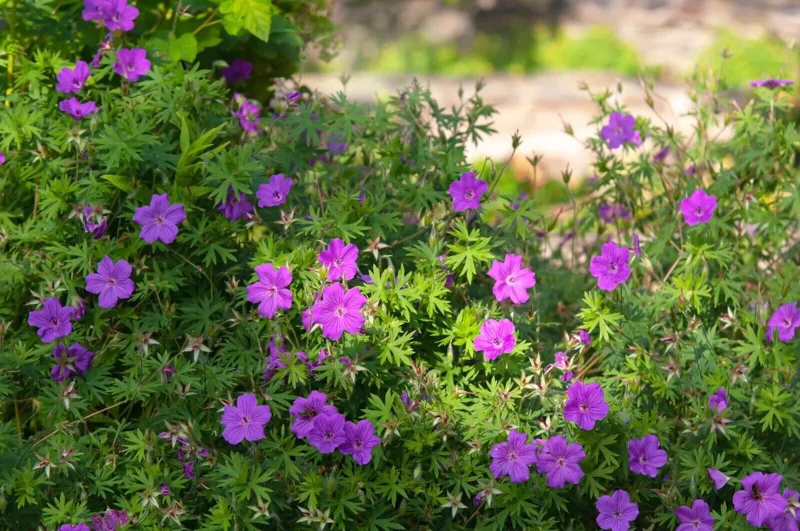
3 Cranesbill Wild Geranium Organic Maculatums Bare Roots | Wildflower for Outdoor Garden
Sold 114 products
Original price was: $21.99.$6.99Current price is: $6.99.
Sold 114 products
Original price was: $28.99.$17.99Current price is: $17.99.RELATED posts
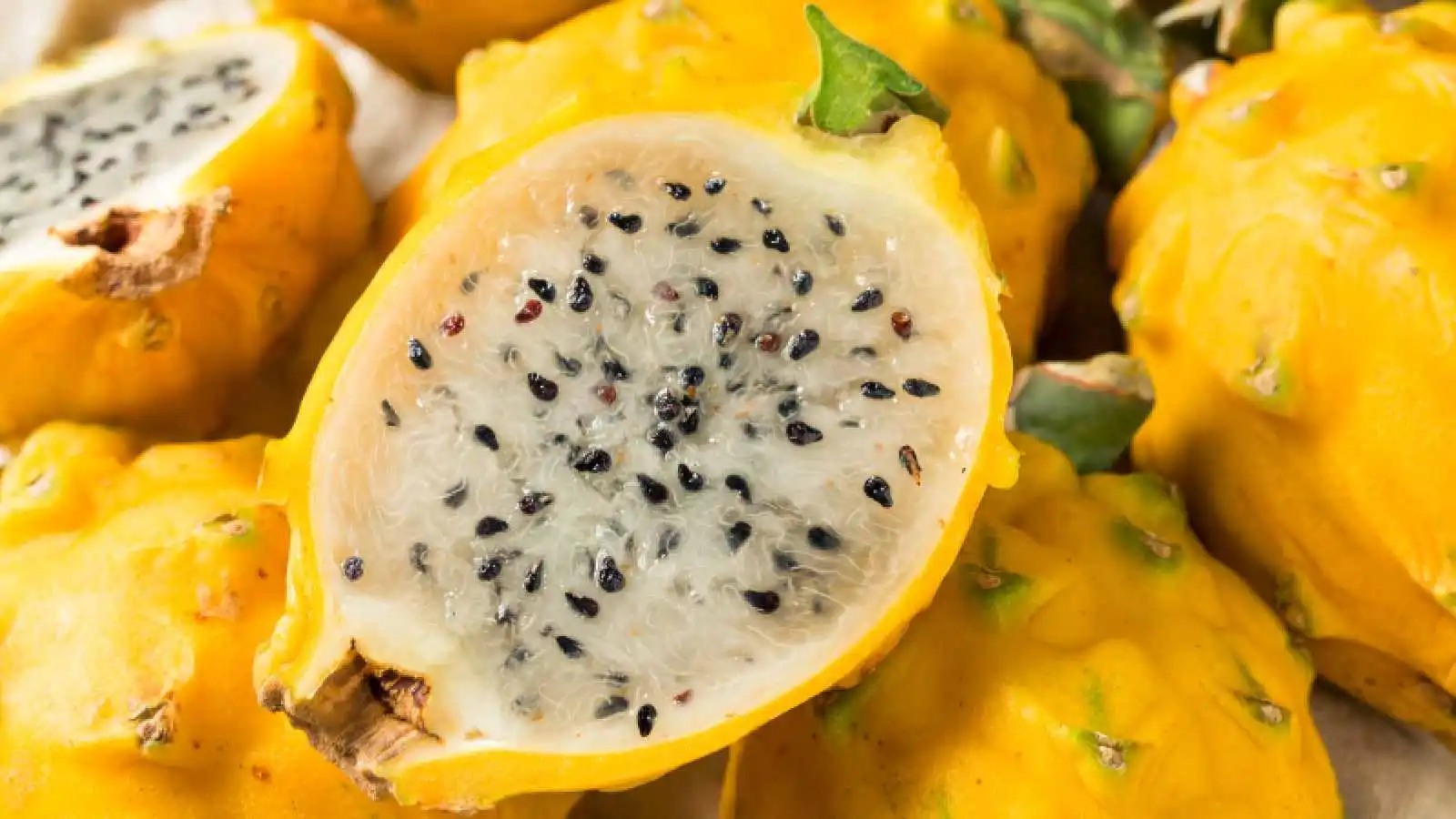
Yellow Dragon Fruit Plant Care: The Ultimate Guide for Healthy Growth
The yellow dragon fruit plant is a unique and rewarding addition to any home garden, [...]
Apr
How to Identify Bocking 14 Comfrey: 5 Simple Visual Signs
If you’re growing comfrey for mulch, compost, or animal feed, knowing exactly which variety you [...]
Mar
Grand Duke of Tuscany Jasmine: The Ultimate Guide to Growing a Fragrant Masterpiece
Have you ever caught a scent in the air so rich, creamy, and honey-sweet that [...]
Mar
How to Grow Wild Huckleberries: A Guide to “Purple Gold”
Have you ever spent a summer afternoon hiking through the Pacific Northwest or the Rocky [...]
Mar
5 Best Shade-Loving Perennials for a Lush, Vibrant Garden
The world of gardening often shines a spotlight on sun-drenched blossoms, but there is a [...]
Mar

7 Common Curry Leaf Plant Problems: Easy Fixes for a Thriving Plant
Is your curry leaf plant looking a bit sad lately? Maybe you woke up to [...]
Mar
Best Time to Plant Bougainvillea: Timing for Vibrant Blooms
If you’re looking for a hardy tropical vine that delivers a riot of neon color, [...]
Feb
How to Propagate Purple Passion Plants (Gynura aurantiaca)
Have you ever been mesmerized by the neon-purple glow and fuzzy, velvet-like leaves of a [...]
Feb

Reviews
There are no reviews yet.