
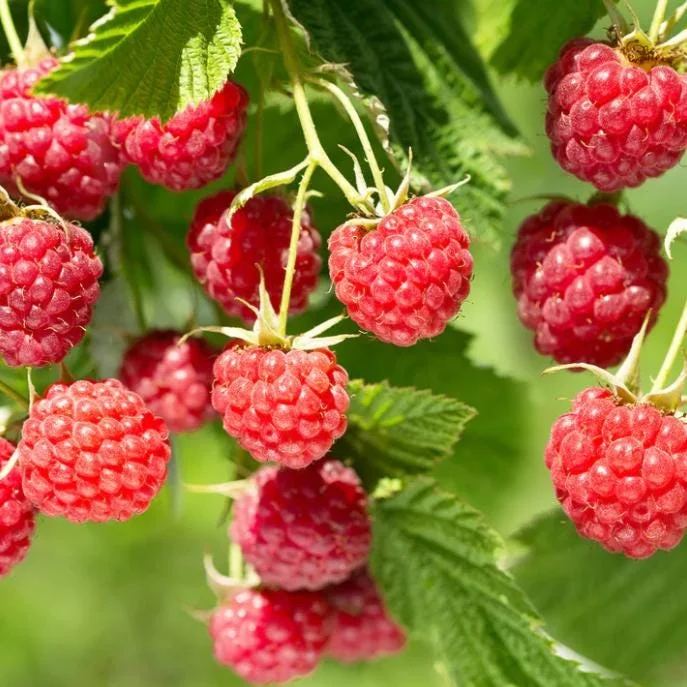
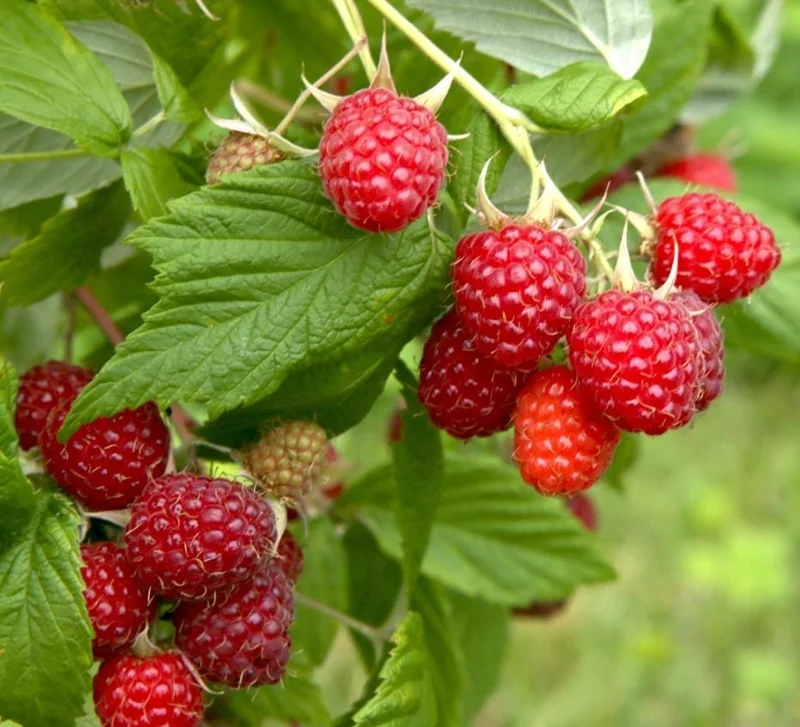
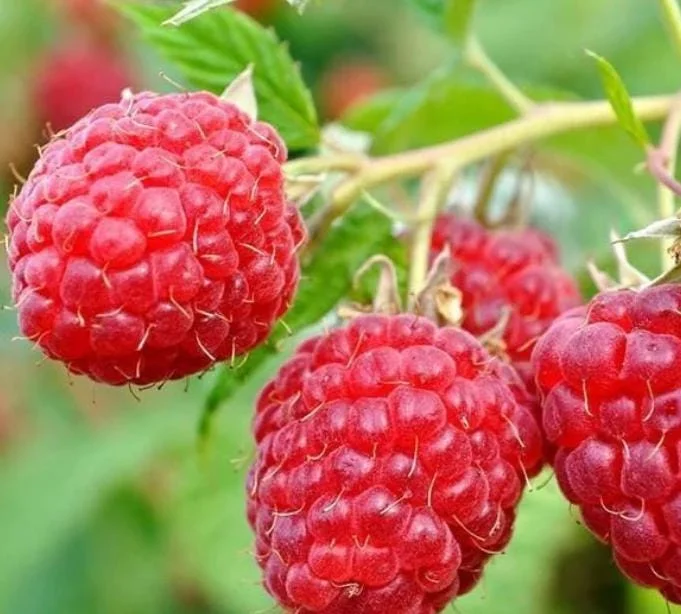
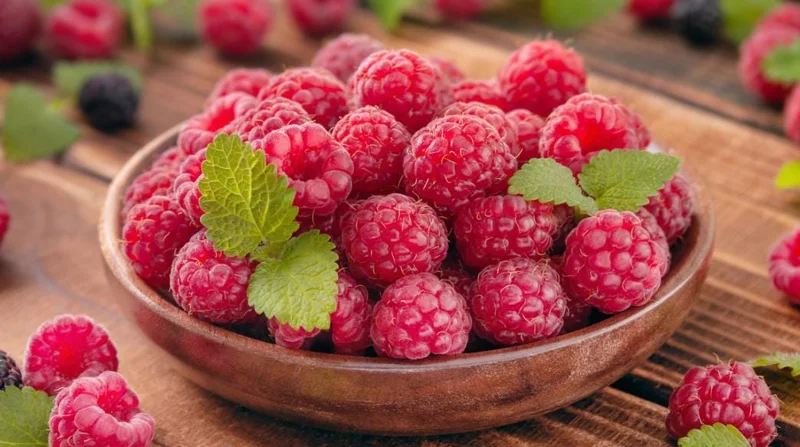
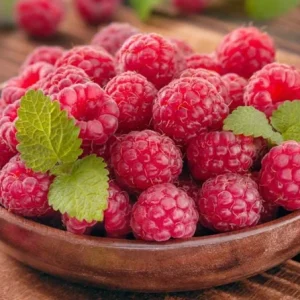
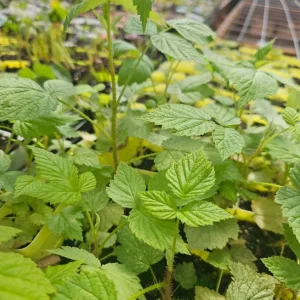
Red Raspberry Live Plant – Set of 2 – 5 inch Tall Sweet Berry Bush for Garden
Original price was: $55.99.$35.99Current price is: $35.99.
Cultivate your own delicious berries with this red raspberry live plant. Perfect for any edible landscaping plant, this sweet berry bush (Rubus idaeus) offers abundant, flavorful fruit for fresh eating, jams, and desserts. Easy to grow and a rewarding addition to your garden.
Estimated arrival
Apr 06
Apr 11 - Apr 13
Apr 16 - Apr 20

Reasonable Price
We offer reasonable price

Support 24/7
Contact us 24 hrs a day

100% Money Back
You've 30 days to Return

Payment Secure
100% secure payment
Overview
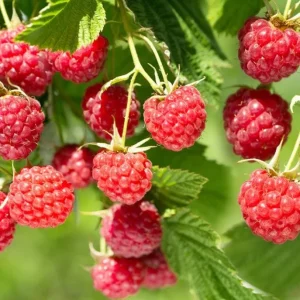
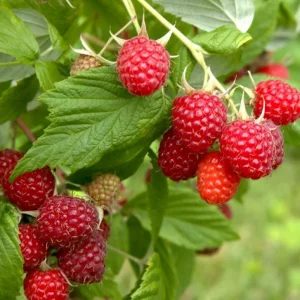
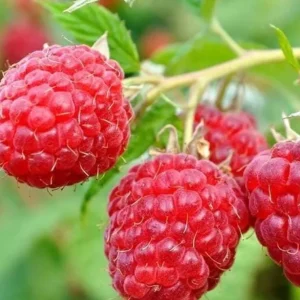
Bring the joy of fresh, homegrown berries to your backyard with this vibrant red raspberry live plant. Known botanically as Rubus idaeus, this perennial fruiting cane is celebrated for its delectable, bright red berries and consistent yields. Perfect for both novice and experienced gardeners, raspberries are surprisingly easy to cultivate and provide a bountiful harvest that can be enjoyed fresh, in desserts, or preserved as jams and smoothies. This plant represents an excellent choice for anyone looking to enhance their garden with productive and beautiful edible flora. Embrace the rewarding experience of growing your own food and savor the unparalleled taste of sun-ripened raspberries straight from your garden.
Whether you’re creating a dedicated fruit patch or integrating fruiting plants into your existing landscape, the red raspberry live plant is a versatile and valuable addition. Its vigorous growth and reliable fruit production make it a favorite among home growers. Prepare for a summer filled with sweet, juicy treats that are far superior to store-bought alternatives. This starter plant is ready to establish itself and become a cherished part of your home garden.
Key Benefits
Adding a red raspberry live plant to your garden offers a multitude of advantages, from culinary delights to aesthetic appeal. These plants are not only productive but also contribute to the beauty and biodiversity of your outdoor space. Enjoy the satisfaction of harvesting your own food and the numerous health benefits associated with fresh berries.
- Abundant, Delicious Fruit: Enjoy a continuous supply of sweet, juicy red raspberries throughout the summer. These berries are perfect for fresh eating, baking, making jams, and adding to smoothies, offering a superior flavor profile to store-bought options.
- Easy to Grow: Raspberry plant care is straightforward, making them an ideal choice for gardeners of all skill levels. With proper sunlight and watering, these resilient plants thrive and produce fruit reliably year after year.
- Versatile Garden Addition: Suitable for traditional garden beds, raised beds, or as part of an edible landscaping plant design. Their upright growth habit adds structure and interest to your garden.
- Perennial Production: As a perennial fruiting cane, the red raspberry live plant will return and bear fruit for many years, providing a sustainable source of fresh berries without needing to replant annually.
- Nutrient-Rich Harvest: Red raspberries are packed with vitamins, antioxidants, and fiber, contributing to a healthy diet. Harvesting your own ensures peak freshness and nutritional value.
- Attracts Pollinators: The flowers of the sweet berry bush attract beneficial pollinators like bees, enhancing the overall health and productivity of your garden ecosystem.
- Compact Growth for Small Spaces: With a mature height of 3-5 feet, these plants are manageable and can be grown effectively even in smaller garden plots or larger containers.
Plant Care & Growing Tips
Proper raspberry plant care is essential for a bountiful harvest of your red raspberry live plant. These robust plants are relatively low-maintenance once established, but providing the right conditions will maximize fruit production and plant health. Begin by selecting a location that receives ample sunlight, as this is crucial for berry development and flavor. Well-drained, fertile soil is also key to preventing root rot and ensuring vigorous growth. Incorporate organic matter such as compost to enrich the soil and improve drainage.
For optimal growth, your sweet berry bush requires at least 6-8 hours of direct sunlight daily. In hotter climates, some afternoon shade can prevent scorching, but full sun is generally preferred. Water regularly, especially during dry spells and fruit development, to keep the soil consistently moist but never waterlogged. Deep watering encourages a strong root system. Fertilize in early spring with a balanced slow-release fertilizer or organic compost to support healthy cane growth and fruit production. Pruning is vital for raspberry plants; established canes should be pruned annually in late winter or early spring to remove old, fruited canes and encourage new growth.
Raspberries are hardy in USDA zones 4-8. Protect young plants from extreme winter conditions if you are in the colder end of this range. Spacing plants 2-3 feet apart will ensure adequate airflow and prevent disease. Monitor for common pests like aphids and diseases such as powdery mildew, treating promptly with organic solutions if necessary. With consistent care, your red raspberry live plant will reward you with years of delicious fruit, making it a valuable centerpiece in your edible landscaping plant efforts.
Size & Details
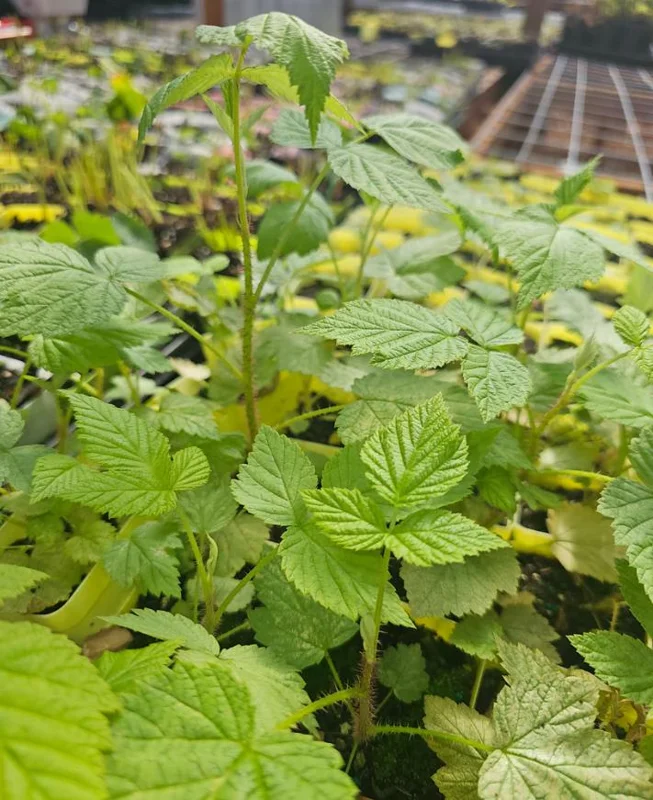
This offering includes a set of two red raspberry live plant specimens, each approximately 5 inches tall at the time of shipping. These are starter plants, ready to be transplanted into your garden or a larger pot upon arrival. The plants are shipped in a manner that ensures their health during transit, though some minor leaf yellowing or drop is normal and the plant will quickly recover with proper care. The botanical name for this variety is Rubus idaeus, commonly known as the Red Raspberry.
Upon maturity, these sweet berry bush plants typically reach a height of 3–5 feet, making them a manageable size for most home gardens. They are perennial fruiting canes, meaning they will return year after year, producing bright red berries with a sweet, mildly tart flavor. Harvest season generally occurs in the summer, though this can vary slightly depending on the specific raspberry variety and local climate. They are best suited for edible gardens, raised beds, and general backyard fruit growing, offering a rewarding harvest for years to come. Remember to provide adequate spacing, 2-3 feet apart, to allow for optimal cane development and air circulation for healthy raspberry plant care.
Frequently Asked Questions
- Q: How big will my red raspberry live plant get? A: Your red raspberry live plant is a starter plant, approximately 5 inches tall upon arrival. With proper care, it will mature into a sweet berry bush reaching 3–5 feet in height, providing ample space for fruit production.
- Q: Is this an indoor or outdoor plant? A: This red raspberry live plant is primarily an outdoor fruiting plant. It thrives in full sun conditions in backyard gardens, raised beds, or as part of an edible landscaping plant design.
- Q: How much sunlight does this raspberry plant need? A: For the best fruit production and overall plant health, your sweet berry bush requires full sun, meaning at least 6-8 hours of direct sunlight daily. This is crucial for developing sweet, flavorful berries.
- Q: Is this plant easy to care for? A: Yes, raspberry plant care is considered relatively easy, making them suitable for gardeners of all experience levels. Consistent watering, adequate sunlight, and annual pruning are the main requirements for a successful harvest.
- Q: What condition will the plant arrive in? A: We take great care in packaging our plants for shipping. While some minor leaf yellowing or drop can occur during transit, this is normal, and your red raspberry live plant will recover and thrive with proper hydration and acclimatization.
- Q: When is the best time to plant this raspberry bush? A: Raspberry plants are typically best planted in early spring after the last frost, or in the fall. This allows the roots to establish before extreme temperatures set in, aiding in successful raspberry plant care.
- Q: What USDA hardiness zones are suitable for this plant? A: This red raspberry live plant is hardy in USDA zones 4–8. Ensure your local climate falls within this range for optimal growth and winter survival.
- Q: Can I grow this raspberry plant in a container? A: Yes, you can grow this sweet berry bush in a large container, at least 15-20 gallons, ensuring it has adequate drainage and is provided with consistent moisture and nutrients. This can be a great option for an edible landscaping plant on patios.
- Q: How long until I can harvest berries? A: Typically, you can expect your red raspberry live plant to begin producing fruit in its second year after planting. Some varieties may produce a small crop in the first year under ideal conditions.
- Q: What kind of soil does it prefer? A: The red raspberry live plant prefers well-drained, fertile soil that is rich in organic matter. Good drainage is crucial to prevent root issues and ensure healthy growth.
Be the first to review “Red Raspberry Live Plant – Set of 2 – 5 inch Tall Sweet Berry Bush for Garden”
-
USDA Hardiness Zone
USDA zones 4–8 -
Soil Type
Well-drained, fertile soil -
Sunlight Exposure
Full sun (6-8 hours daily) -
Expected Planting Period
Spring to early summer
People Also Viewd
Sold 128 products
Original price was: $89.99.$64.99Current price is: $64.99.
Sold 128 products
Original price was: $27.00.$24.00Current price is: $24.00.
Sold 127 products
Original price was: $159.99.$139.99Current price is: $139.99.
Sold 126 products
Original price was: $3,536.00.$23.99Current price is: $23.99.

Sold 125 products
Original price was: $86.99.$66.99Current price is: $66.99.
Sold 116 products
Original price was: $27.99.$16.99Current price is: $16.99.
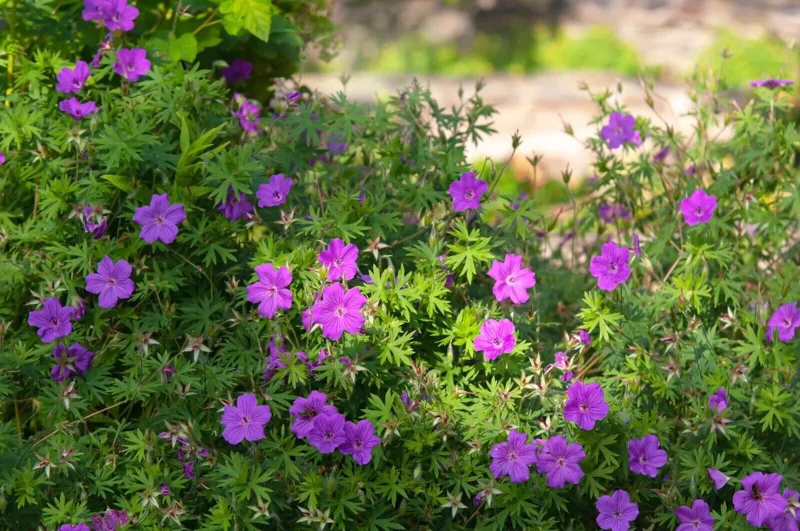
Flower Bulbs
3 Cranesbill Wild Geranium Organic Maculatums Bare Roots | Wildflower for Outdoor Garden
Sold 114 products
Original price was: $21.99.$6.99Current price is: $6.99.
Sold 114 products
Original price was: $28.99.$17.99Current price is: $17.99.RELATED posts
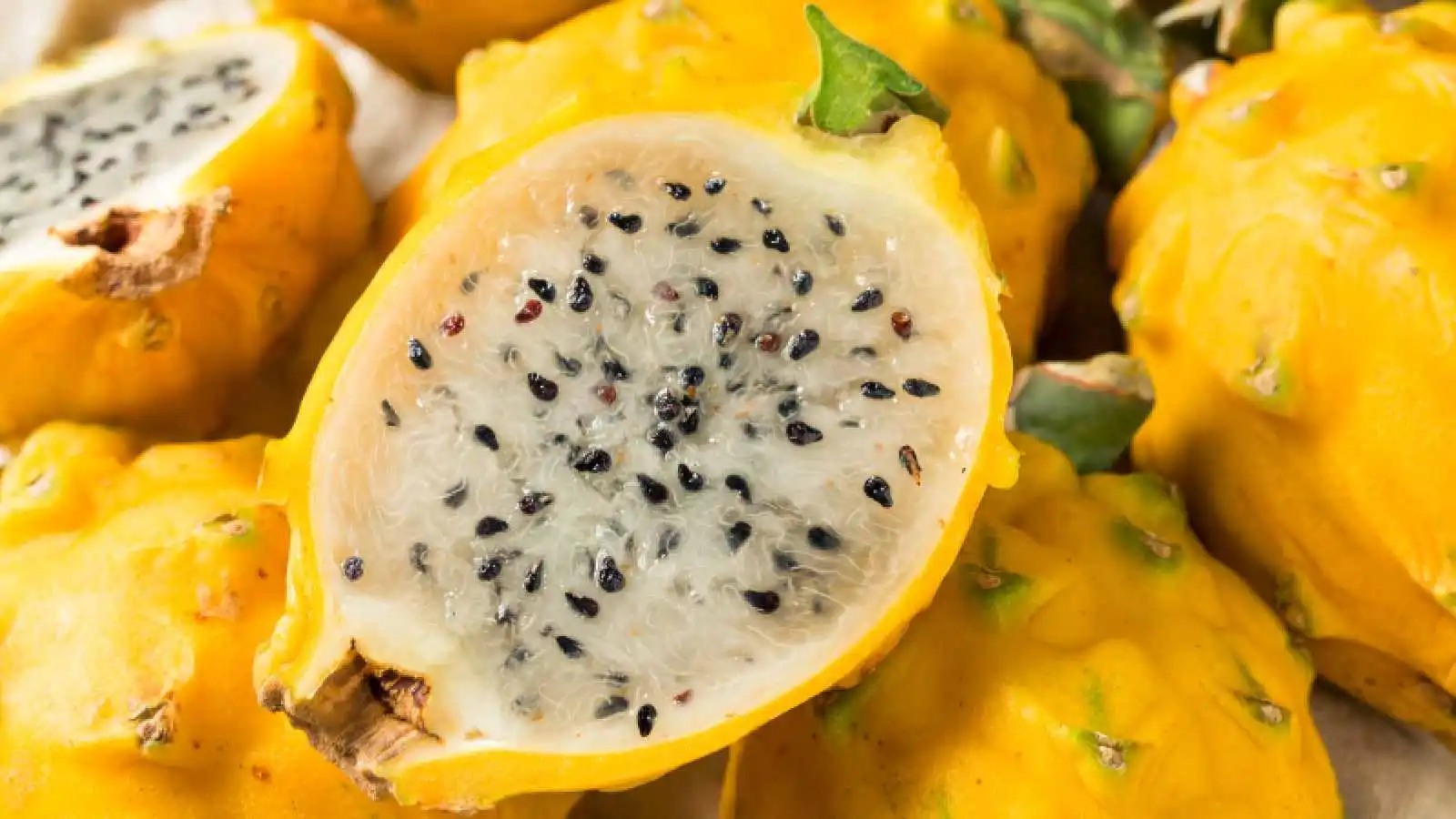
Yellow Dragon Fruit Plant Care: The Ultimate Guide for Healthy Growth
The yellow dragon fruit plant is a unique and rewarding addition to any home garden, [...]
Apr
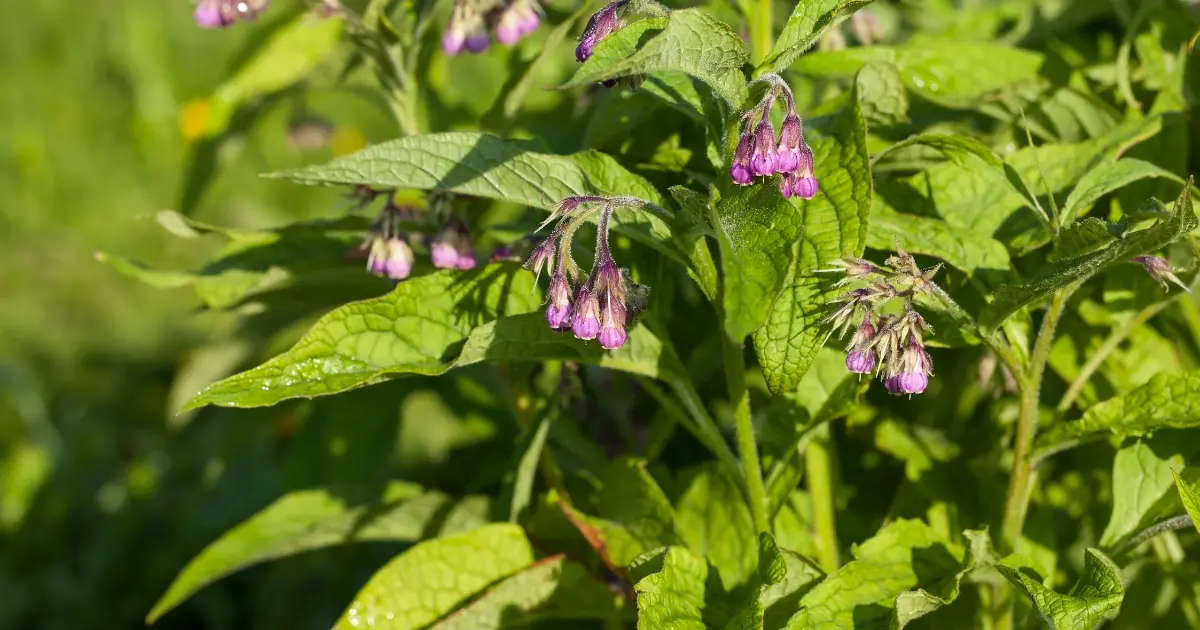
How to Identify Bocking 14 Comfrey: 5 Simple Visual Signs
If you’re growing comfrey for mulch, compost, or animal feed, knowing exactly which variety you [...]
Mar
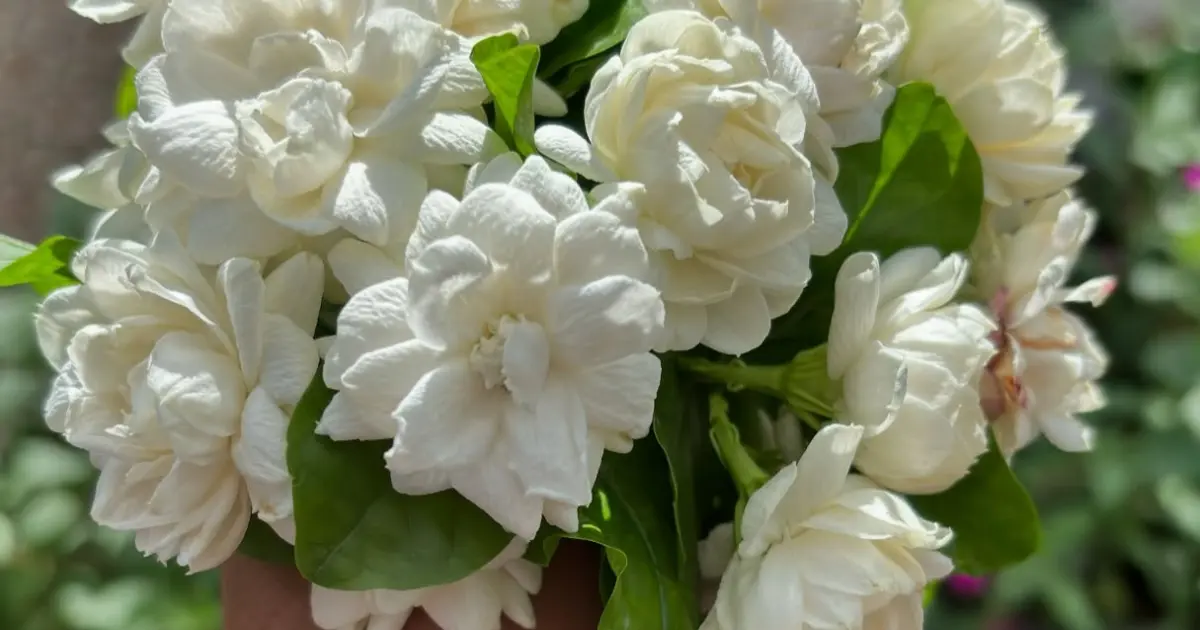
Grand Duke of Tuscany Jasmine: The Ultimate Guide to Growing a Fragrant Masterpiece
Have you ever caught a scent in the air so rich, creamy, and honey-sweet that [...]
Mar
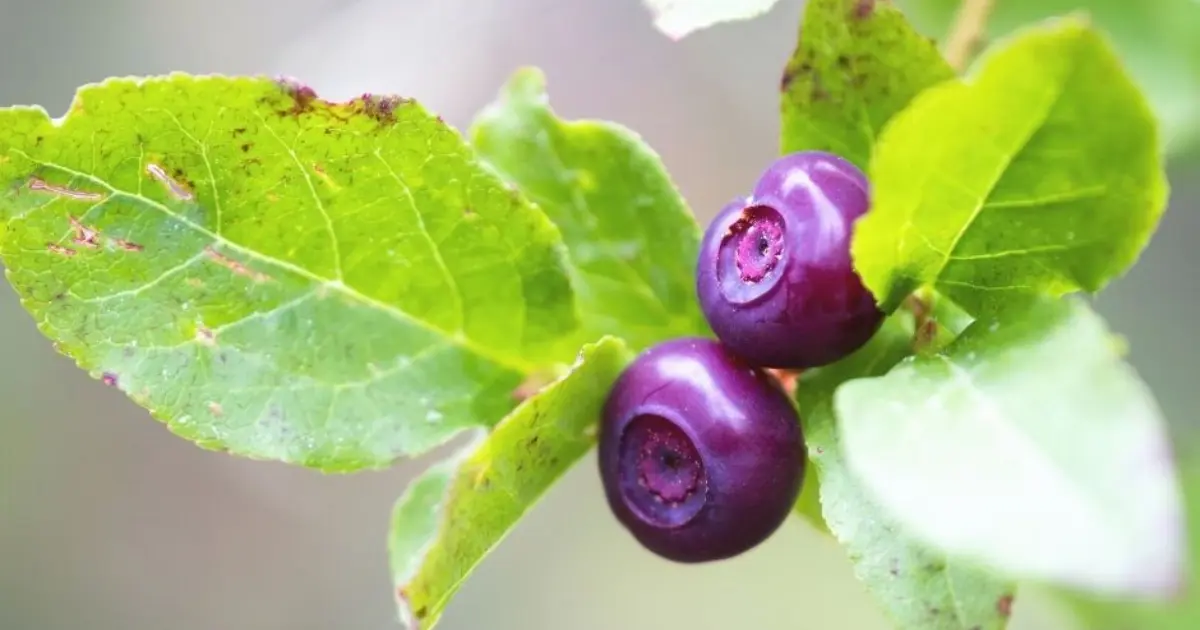
How to Grow Wild Huckleberries: A Guide to “Purple Gold”
Have you ever spent a summer afternoon hiking through the Pacific Northwest or the Rocky [...]
Mar
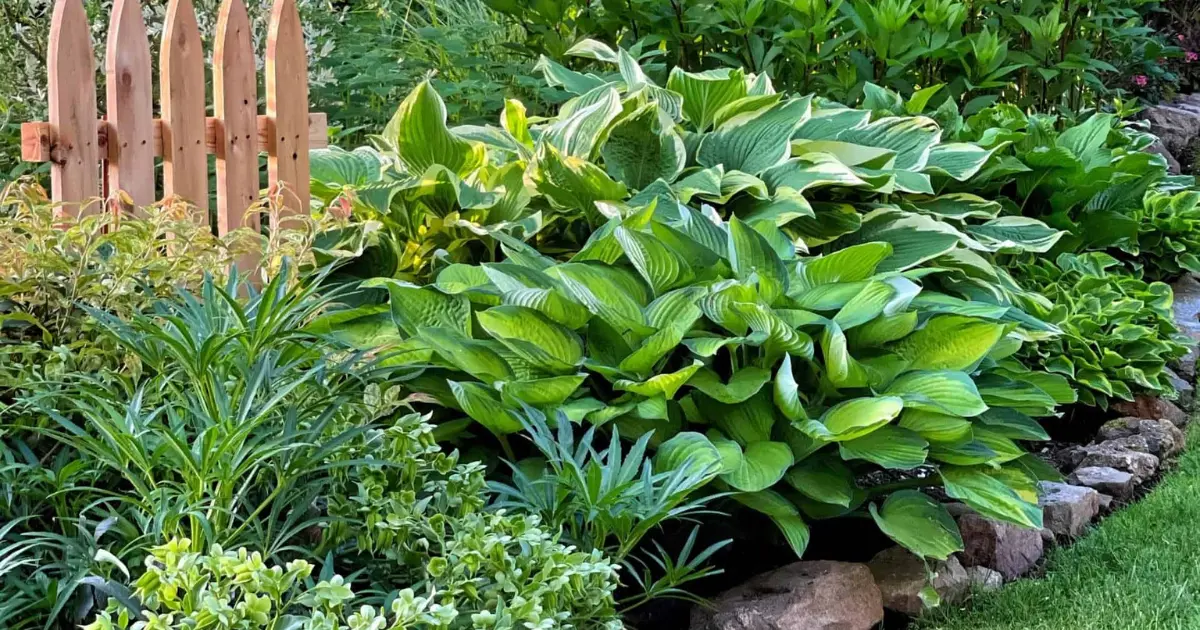
5 Best Shade-Loving Perennials for a Lush, Vibrant Garden
The world of gardening often shines a spotlight on sun-drenched blossoms, but there is a [...]
Mar

7 Common Curry Leaf Plant Problems: Easy Fixes for a Thriving Plant
Is your curry leaf plant looking a bit sad lately? Maybe you woke up to [...]
Mar
Best Time to Plant Bougainvillea: Timing for Vibrant Blooms
If you’re looking for a hardy tropical vine that delivers a riot of neon color, [...]
Feb
How to Propagate Purple Passion Plants (Gynura aurantiaca)
Have you ever been mesmerized by the neon-purple glow and fuzzy, velvet-like leaves of a [...]
Feb


Reviews
There are no reviews yet.