
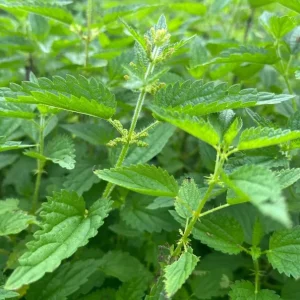
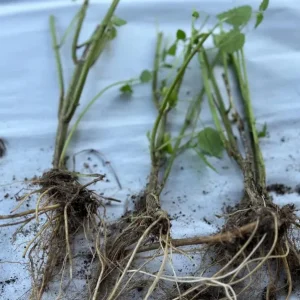
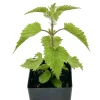
Set of 3 Stinging Nettle Bare Roots – Hardy Herb Plant for Outdoor Growing
Original price was: $23.99.$13.99Current price is: $13.99.
Start your herbal garden with this set of 3 stinging nettle bare roots, ideal for outdoor growing. These robust, hardy perennial plants are known for their beneficial properties and unique garden appeal. Perfect for cultivating a versatile herb patch.
Estimated arrival
Mar 22
Mar 27 - Mar 29
Apr 01 - Apr 05

Reasonable Price
We offer reasonable price

Support 24/7
Contact us 24 hrs a day

100% Money Back
You've 30 days to Return

Payment Secure
100% secure payment
Overview
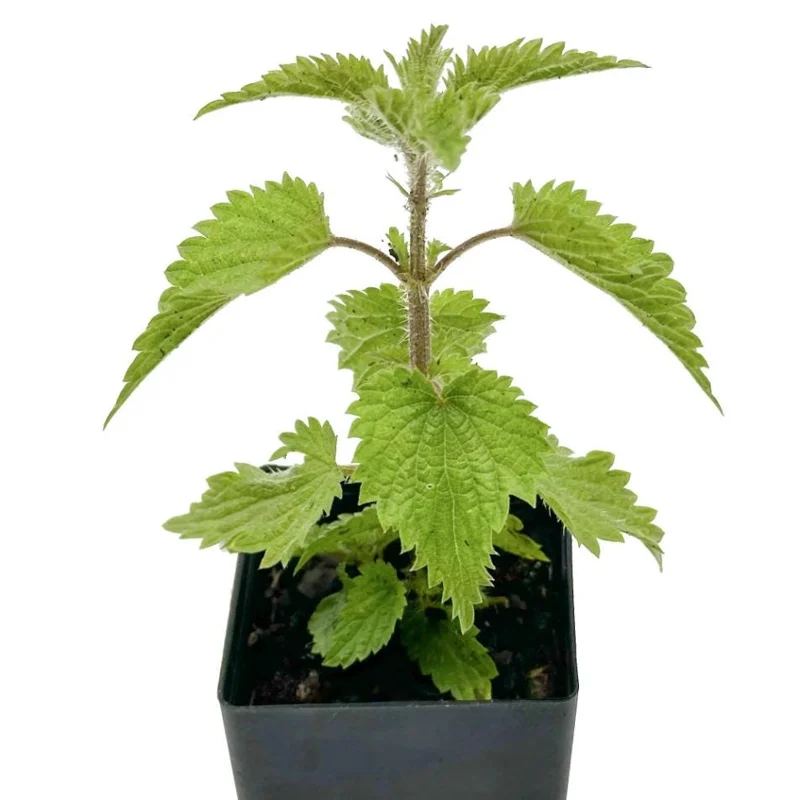
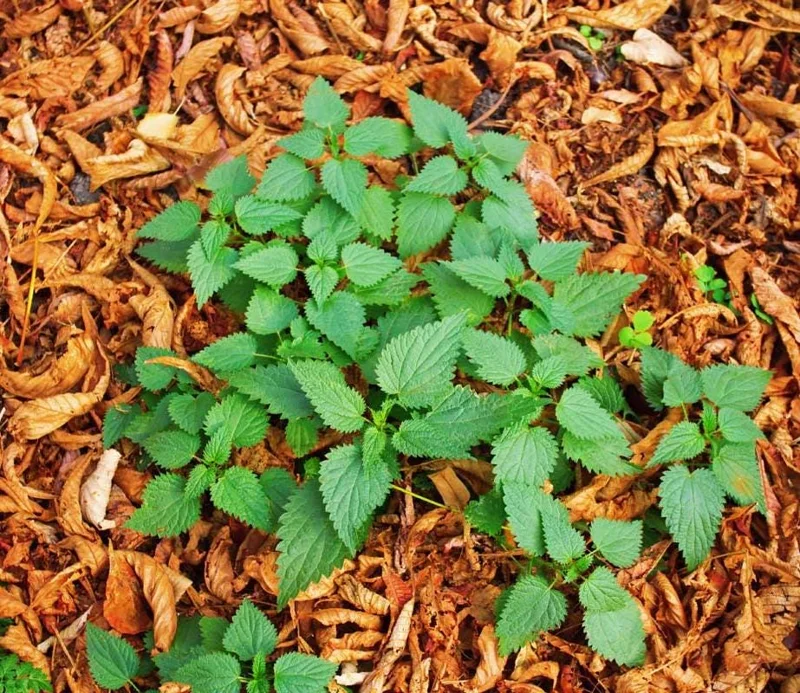
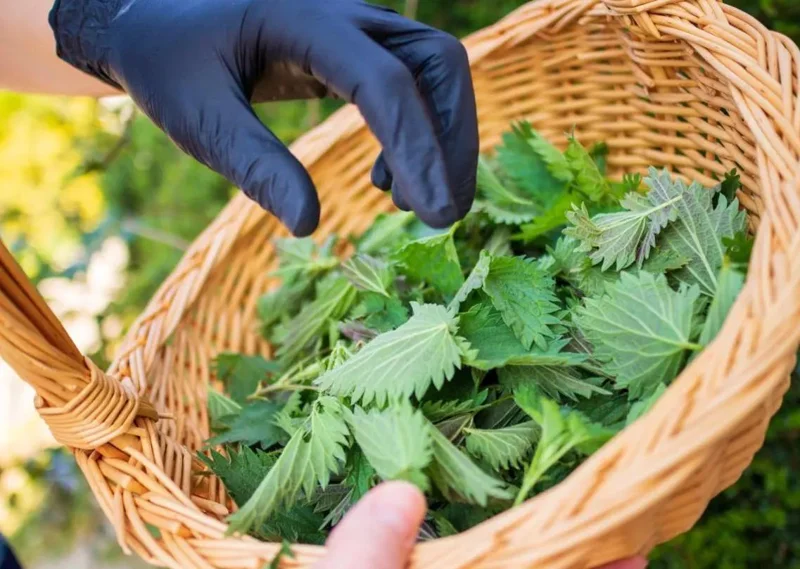
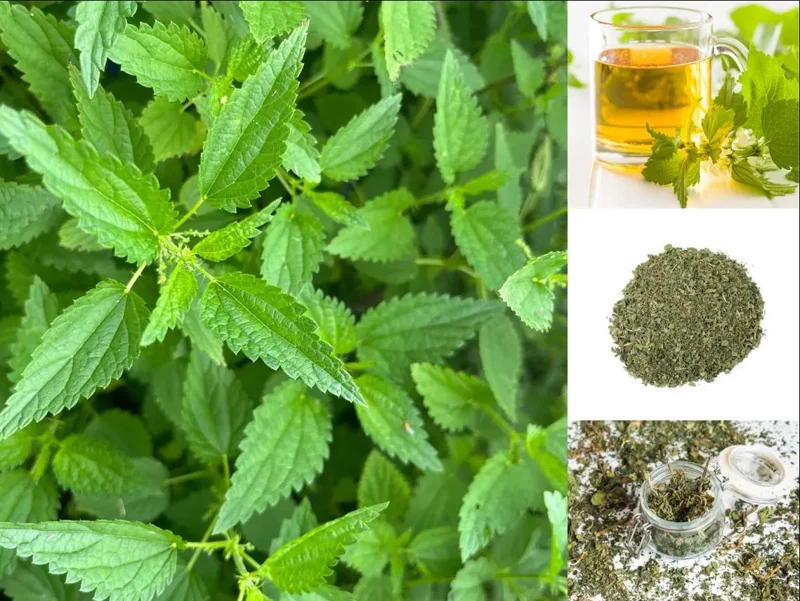
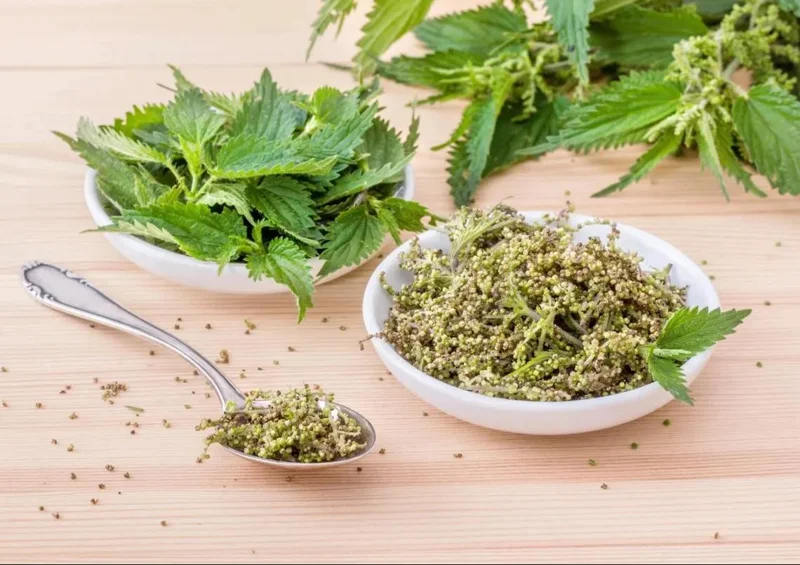
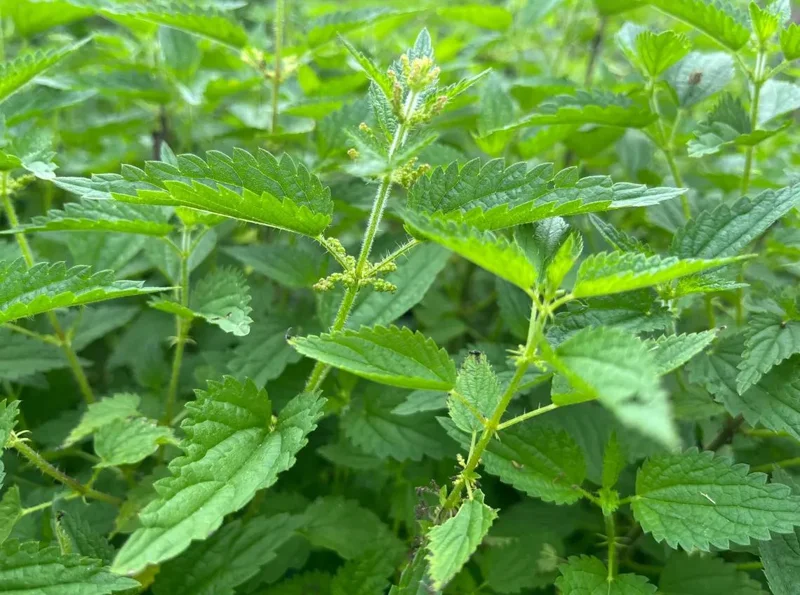
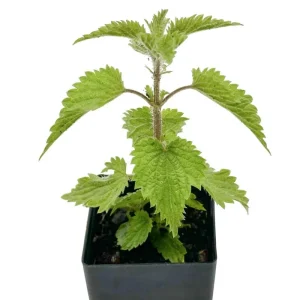
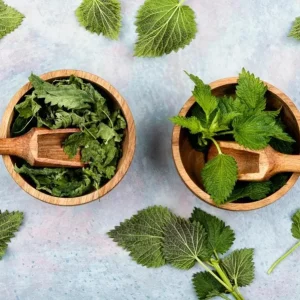
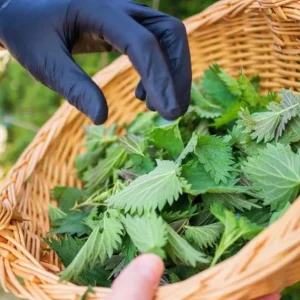
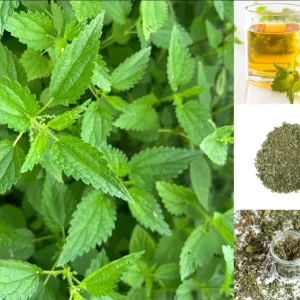
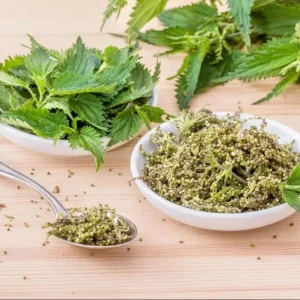
Transform your garden into a thriving herbal haven with our stinging nettle bare roots. This offering includes a set of 3 stinging nettle bare roots, providing a strong foundation for establishing these valuable perennial herbs in your outdoor space. Stinging nettle, scientifically known as Urtica dioica, is a fascinating and highly beneficial plant renowned for its historical uses in traditional medicine, culinary applications, and even as a textile fiber. While young plants may not yet display flowers, they are robust starters ready to establish themselves and grow into mature, productive plants. Known for its distinctive stinging hairs, which are easily neutralized through cooking or drying, this plant is a powerhouse of nutrients and offers a unique addition to any herb garden. Growing live stinging nettle herb from bare roots is an economical and rewarding way to ensure a healthy, established plant that will return year after year, providing a steady supply of fresh leaves.
Key Benefits
Adding stinging nettle bare roots to your garden brings a multitude of advantages, making it a highly desirable plant for both its practical uses and its resilience.
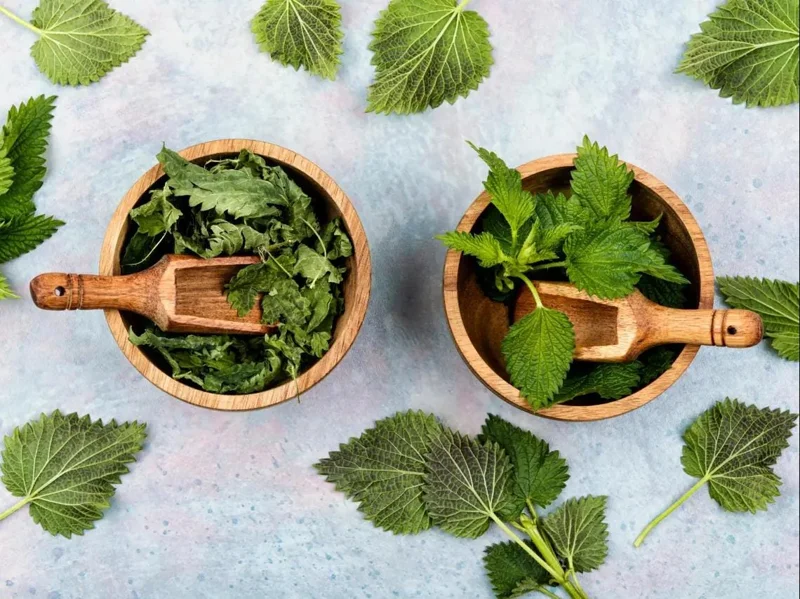
- Medicinal & Culinary Uses: Stinging nettle is celebrated for its rich nutritional profile, containing vitamins A, C, K, B, and minerals like calcium, iron, and magnesium. It’s often used in teas, soups, and other dishes, providing a healthful boost.
- Hardy Perennial Growth: These bare roots develop into robust hardy perennial nettle plants that return year after year, offering a continuous supply of fresh nettle leaves without the need for annual replanting.
- Adaptable & Resilient: Stinging nettle is known for its ability to thrive in various conditions, tolerating different soil types and temperature ranges once established, making it a low-maintenance choice for gardeners.
- Wildlife Support: Nettle plants can attract beneficial insects and serve as a food source for certain butterfly larvae, contributing to local biodiversity.
- Soil Improvement: As a dynamic accumulator, nettle can draw nutrients from deep within the soil, enriching the surrounding garden beds when used as a compost activator or mulch.
- Easy to Cultivate: Starting with stinging nettle bare roots simplifies the planting process, allowing for quick establishment and vigorous growth with proper care.
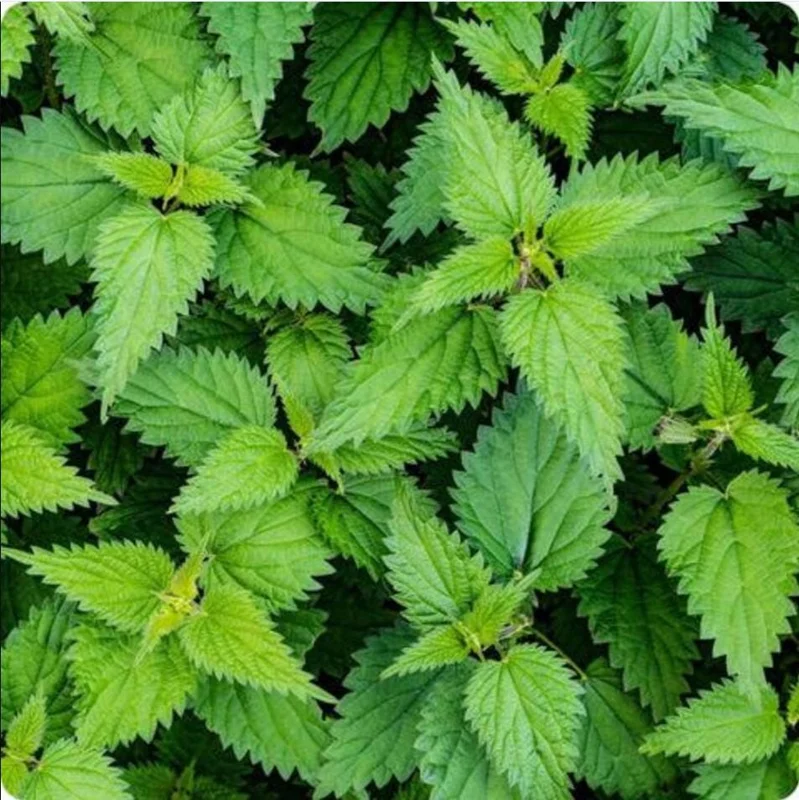
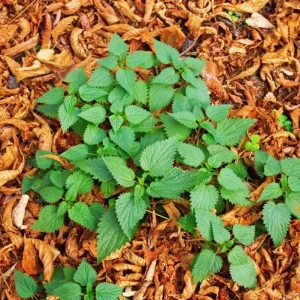
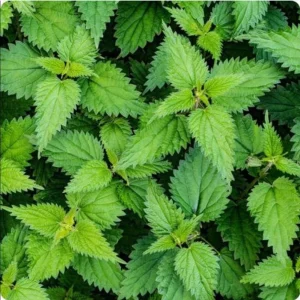
- Unique Garden Appeal: Beyond its practical benefits, the lush green foliage of stinging nettle adds a distinctive, natural aesthetic to garden borders or dedicated herb patches. You will enjoy watching your stinging nettle bare roots flourish.
Plant Care & Growing Tips
To successfully grow stinging nettle and ensure a thriving patch, understanding its basic care requirements is essential. Stinging nettle prefers a location that receives partial shade to full sun. In hotter climates, providing afternoon shade is ideal to prevent leaf scorching and promote softer, larger leaves. These plants are remarkably adaptable but will perform best in rich, fertile soil with good drainage. While they prefer moist, loamy soil, they can tolerate clay if it’s not waterlogged. The ideal pH range is between 6.0 and 7.5. When planting your stinging nettle bare roots, ensure the soil is thoroughly watered. During the establishment phase, it’s crucial to keep the soil consistently moist. Once established, stinging nettle becomes moderately drought tolerant, though it will continue to grow best with regular moisture. Aim for optimal growth temperatures between 55–75°F (13–24°C). These plants are very cold-hardy and frost tolerant, allowing them to overwinter successfully in many regions. Fertilization can be minimal; a good compost addition at planting time or a light organic feed in spring is usually sufficient to support healthy growth of your live stinging nettle herb. Watch for vigorous growth and harvest regularly to encourage new leaf production.
Size & Details
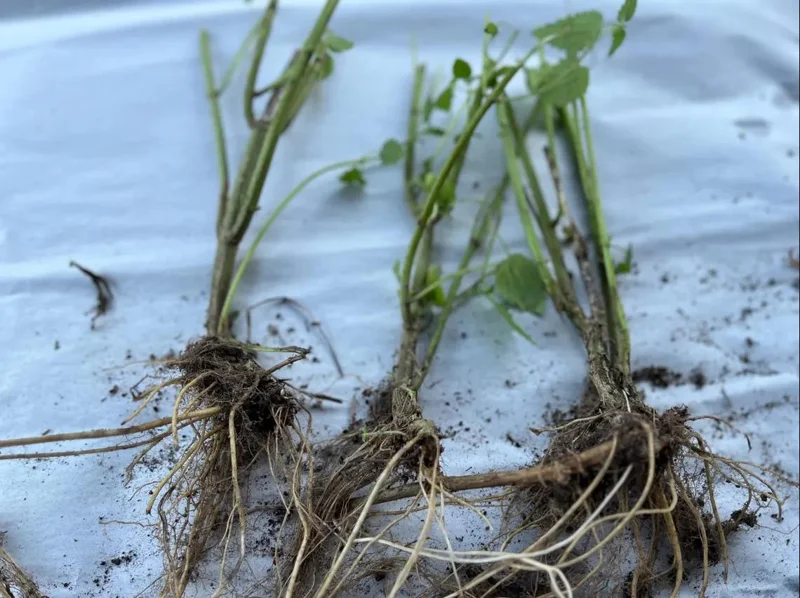
This product includes a set of 3 stinging nettle bare roots, ready for planting. Each bare root is a young starter plant, carefully harvested without soil, ensuring it is dormant and ready for transplanting. While the mature plants can reach heights of 2 to 5 feet (60-150 cm) with a spread of 1 to 3 feet (30-90 cm), the bare roots you receive are young and will require time to establish and grow. Stinging nettle has a moderate to fast growth rate, especially in favorable conditions, and can begin producing harvestable leaves within the first growing season. These plants are known for their ability to spread, so consider their mature size and potential for naturalization when choosing a planting location. Expect your hardy perennial nettle to develop into a robust clump, providing ample foliage for various uses. The bare root format allows for efficient shipping and easy planting upon arrival.
Frequently Asked Questions
- Q: How big does this plant get? A: A mature stinging nettle bare roots plant can grow between 2 to 5 feet tall and spread 1 to 3 feet wide, though the bare roots you receive are young starters.
- Q: What condition will the bare roots arrive in? A: Your stinging nettle bare roots will arrive dormant and without soil, carefully packaged for safe transit, ready for immediate planting.
- Q: Is this an indoor or outdoor plant? A: Stinging nettle is primarily an outdoor plant, thriving in garden beds, though it can be grown in large containers outdoors.
- Q: How much sunlight does it need? A: It prefers partial shade to full sun. In very hot climates, afternoon shade is recommended to protect the leaves.
- Q: Is this plant easy to care for? A: Yes, once established, stinging nettle bare roots develop into relatively low-maintenance plants known for their hardiness and adaptability.
- Q: When is the best time to plant stinging nettle bare roots? A: The best time to plant bare roots is typically in early spring, after the last frost, allowing them ample time to establish before summer.
- Q: Can I use live stinging nettle herb for culinary purposes? A: Absolutely! Young nettle leaves are commonly used in cooking, teas, and tinctures after being blanched or cooked to neutralize the sting.
- Q: What type of soil does it prefer? A: Stinging nettle thrives in rich, fertile, well-draining soil, preferably loamy, with a pH between 6.0 and 7.5.
- Q: Will it survive winter in my zone? A: Yes, hardy perennial nettle is very cold-hardy and frost tolerant, typically surviving winter in most temperate climates and returning in spring.
- Q: How long until I can harvest leaves from my stinging nettle bare roots? A: You can often begin harvesting young leaves from your established plants within the first growing season, usually a few weeks after active growth begins.
Be the first to review “Set of 3 Stinging Nettle Bare Roots – Hardy Herb Plant for Outdoor Growing”
-
USDA Hardiness Zone
USDA zones 3-10 (approximate) -
Soil Type
Rich, fertile, well-draining loamy soil -
Sunlight Exposure
Partial shade to full sun -
Expected Planting Period
Early spring
People Also Viewd


Sold 128 products
Original price was: $27.00.$24.00Current price is: $24.00.

Sold 126 products
Original price was: $89.99.$64.99Current price is: $64.99.

Sold 125 products
Original price was: $86.99.$66.99Current price is: $66.99.

Sold 124 products
Original price was: $3,536.00.$23.99Current price is: $23.99.
Sold 116 products
Original price was: $27.99.$16.99Current price is: $16.99.

Flower Bulbs
3 Cranesbill Wild Geranium Organic Maculatums Bare Roots | Wildflower for Outdoor Garden
Sold 114 products
Original price was: $21.99.$6.99Current price is: $6.99.

Sold 114 products
Original price was: $28.99.$17.99Current price is: $17.99.
Sold 109 products
Original price was: $63.99.$28.99Current price is: $28.99.RELATED posts
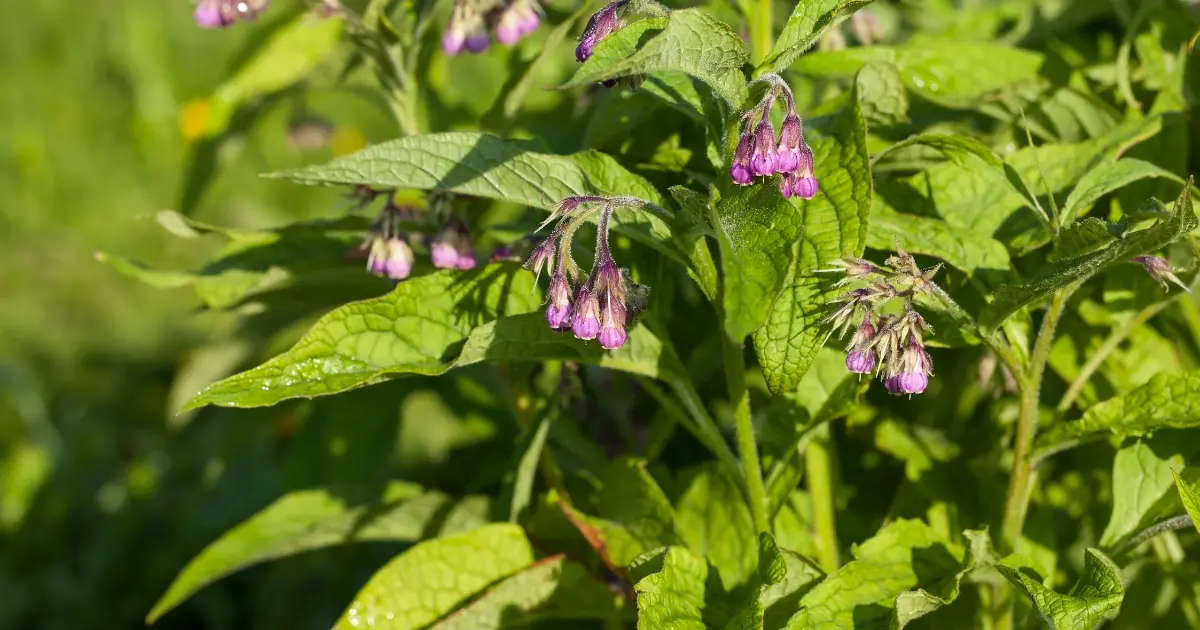
How to Identify Bocking 14 Comfrey: 5 Simple Visual Signs
If you’re growing comfrey for mulch, compost, or animal feed, knowing exactly which variety you [...]
Mar
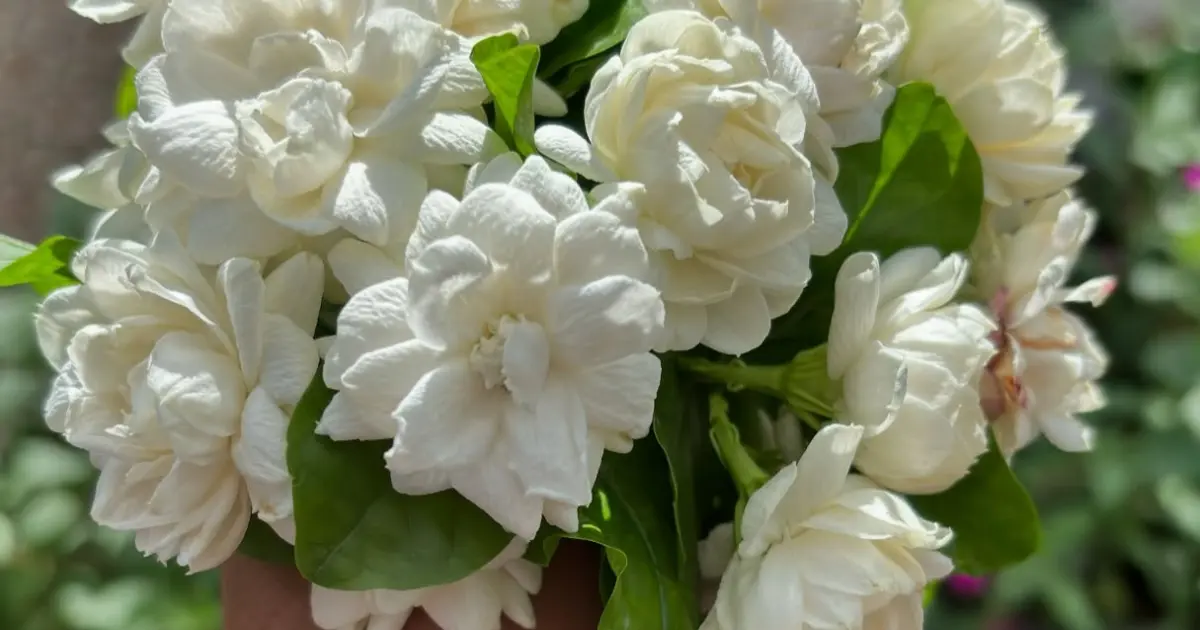
Grand Duke of Tuscany Jasmine: The Ultimate Guide to Growing a Fragrant Masterpiece
Have you ever caught a scent in the air so rich, creamy, and honey-sweet that [...]
Mar
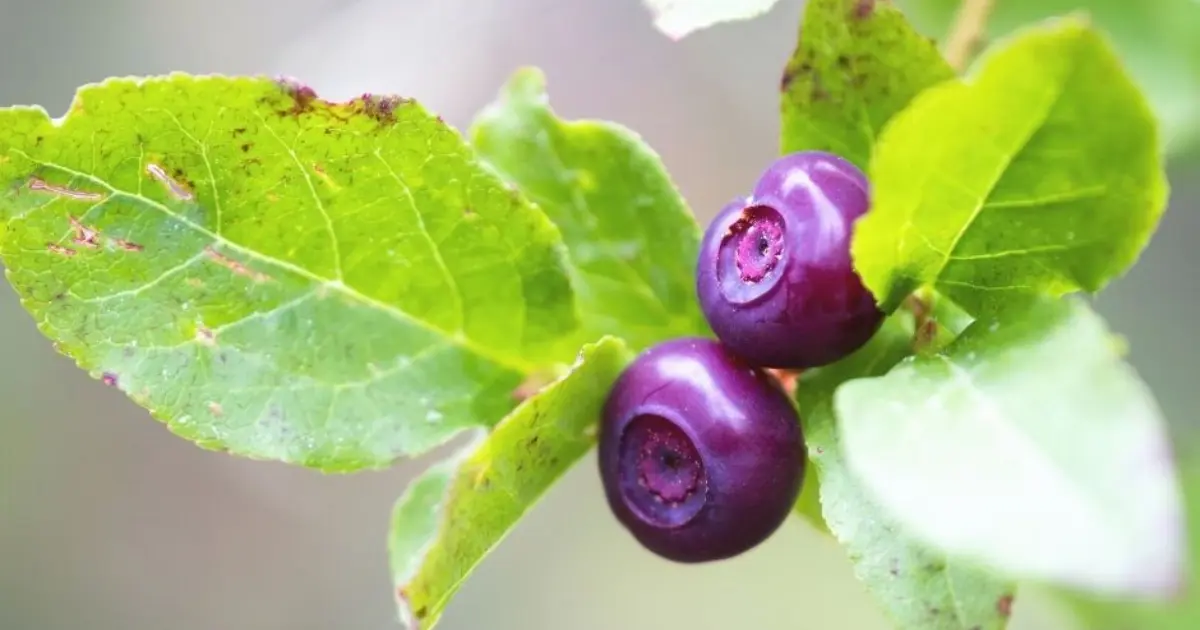
How to Grow Wild Huckleberries: A Guide to “Purple Gold”
Have you ever spent a summer afternoon hiking through the Pacific Northwest or the Rocky [...]
Mar
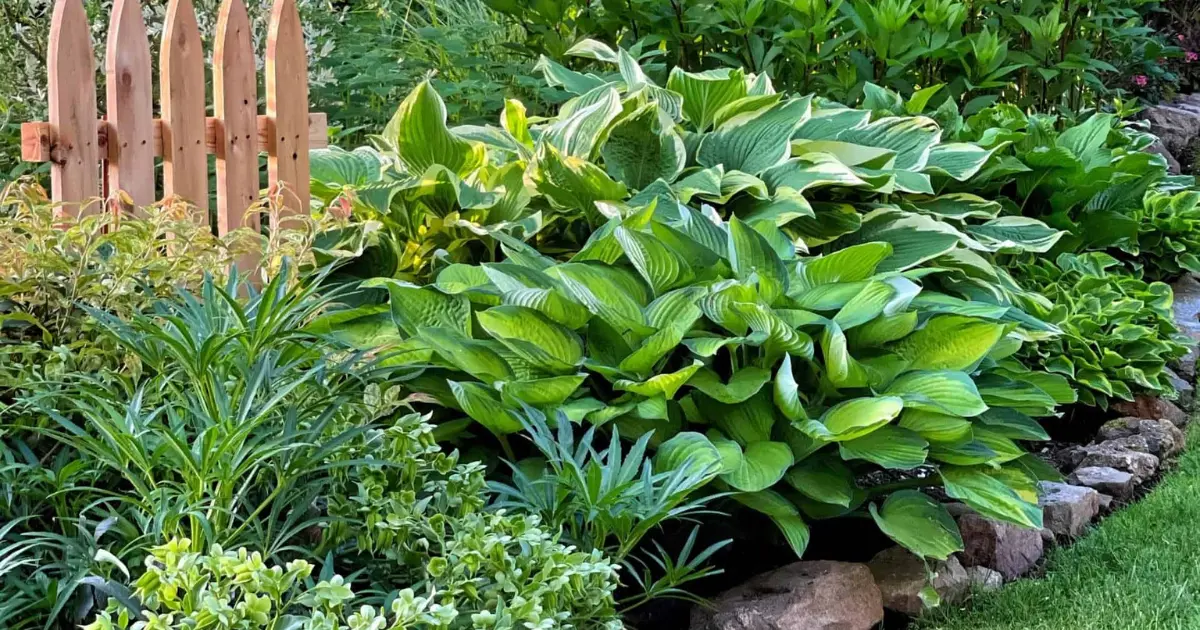
5 Best Shade-Loving Perennials for a Lush, Vibrant Garden
The world of gardening often shines a spotlight on sun-drenched blossoms, but there is a [...]
Mar
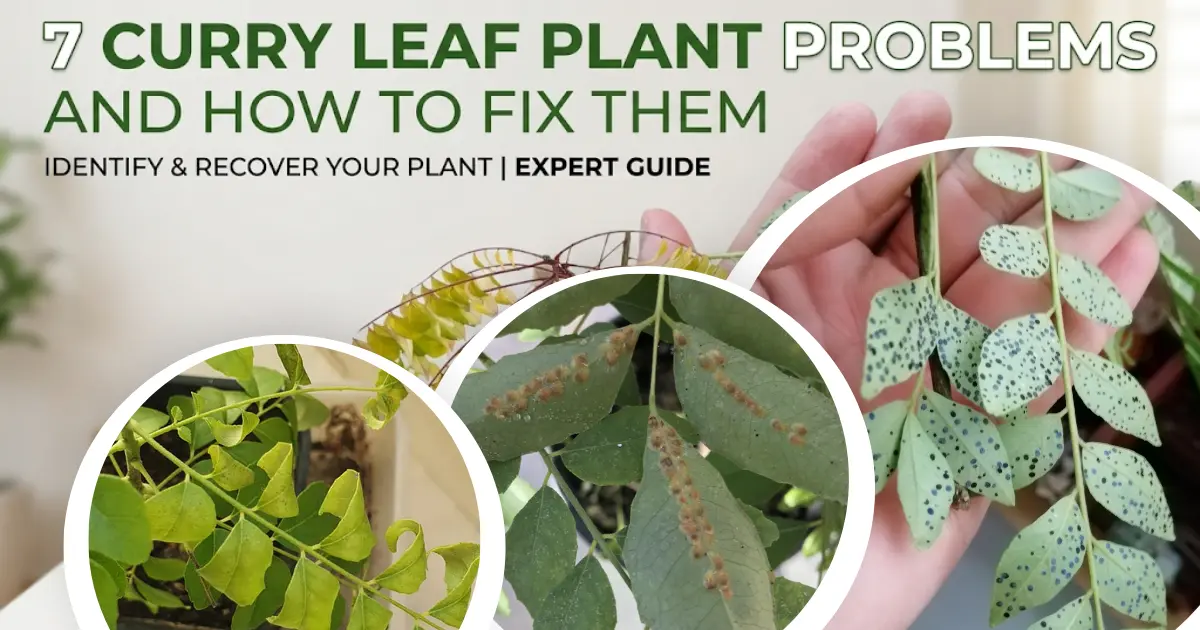
7 Common Curry Leaf Plant Problems: Easy Fixes for a Thriving Plant
Is your curry leaf plant looking a bit sad lately? Maybe you woke up to [...]
Mar
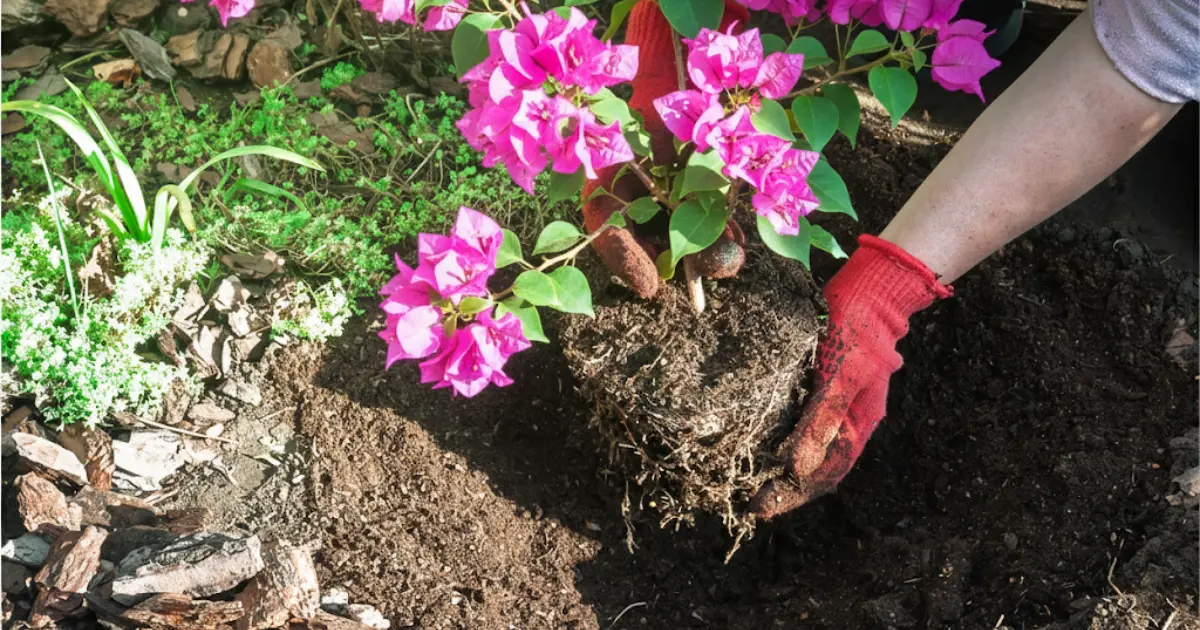
Best Time to Plant Bougainvillea: Timing for Vibrant Blooms
If you’re looking for a hardy tropical vine that delivers a riot of neon color, [...]
Feb
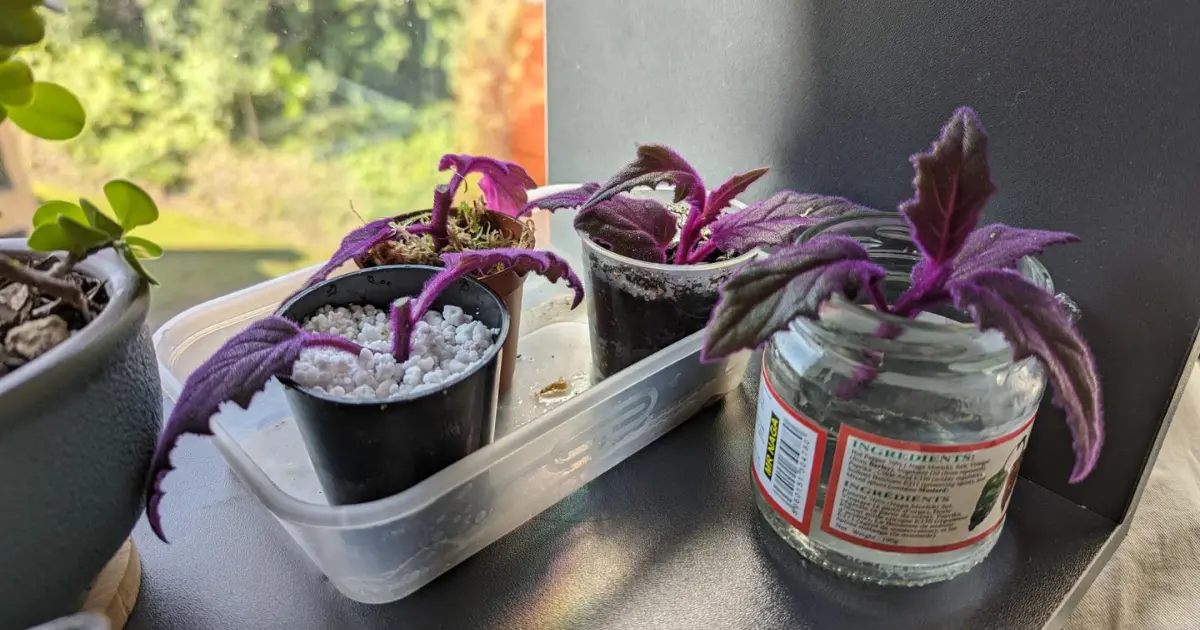
How to Propagate Purple Passion Plants (Gynura aurantiaca)
Have you ever been mesmerized by the neon-purple glow and fuzzy, velvet-like leaves of a [...]
Feb
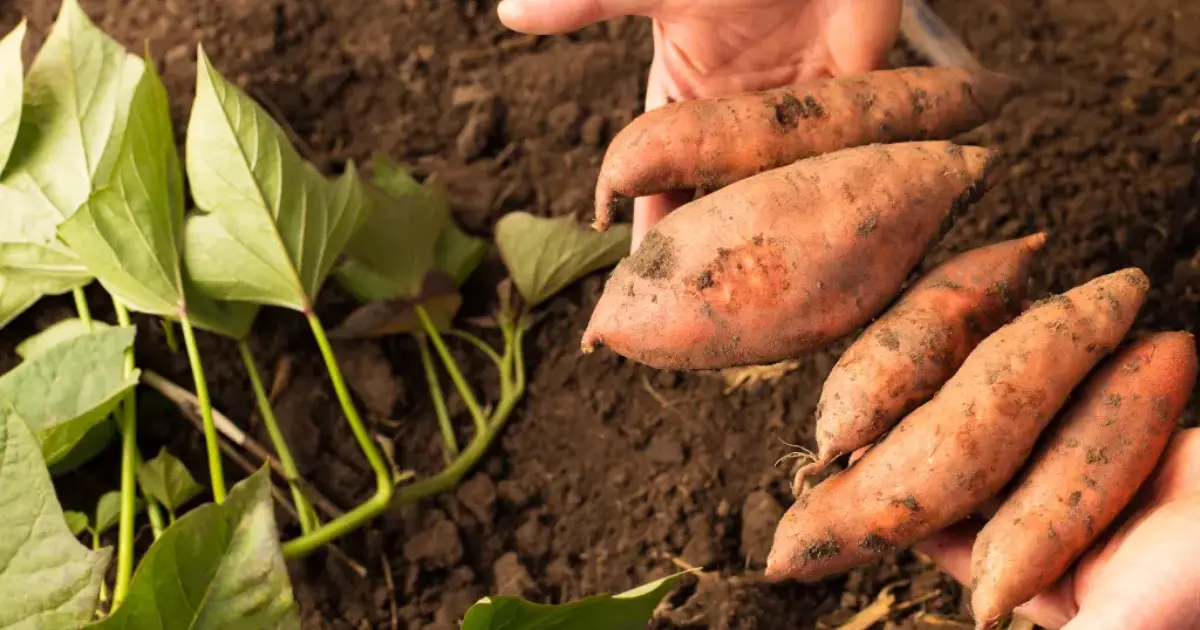
How to Grow Beauregard Sweet Potatoes: From Slips to a Bountiful Harvest
Are you ready to add a classic, heavy-hitting favorite to your vegetable patch? If you’ve [...]
Feb
Reviews
There are no reviews yet.