
Sugar Maple Tree Seeds – 30+ Seeds for Fall Color & Maple Syrup Source
Original price was: $24.08.$9.08Current price is: $9.08.
Cultivate beautiful and beneficial sugar maple tree seeds for your landscape. These acer saccharum seeds will grow into majestic trees renowned for their brilliant autumn foliage and serve as a potential source for homemade maple syrup. Perfect for adding natural beauty and utility to your outdoor space.
Estimated arrival
Apr 07
Apr 12 - Apr 14
Apr 17 - Apr 21

Reasonable Price
We offer reasonable price

Support 24/7
Contact us 24 hrs a day

100% Money Back
You've 30 days to Return

Payment Secure
100% secure payment
Overview
Embark on a rewarding gardening journey by planting these premium sugar maple tree seeds. Each packet contains 30+ viable seeds of Acer saccharum, the iconic tree beloved for its spectacular fall color and its role as the primary source of maple syrup. Growing your own sugar maple tree seeds allows you to contribute to local ecosystems, create stunning landscapes, and potentially tap your own syrup in the future. These perennial tree seeds are suitable for outdoor planting and will mature into magnificent trees that provide shade, beauty, and a connection to nature for generations to come. The process of growing sugar maple tree seeds is an enriching experience for any gardening enthusiast.
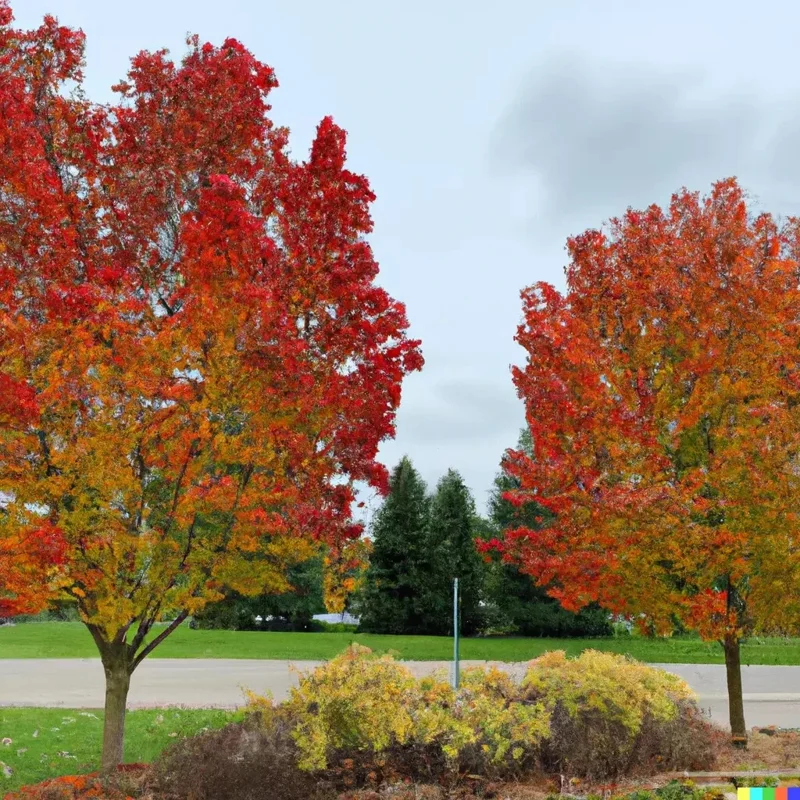
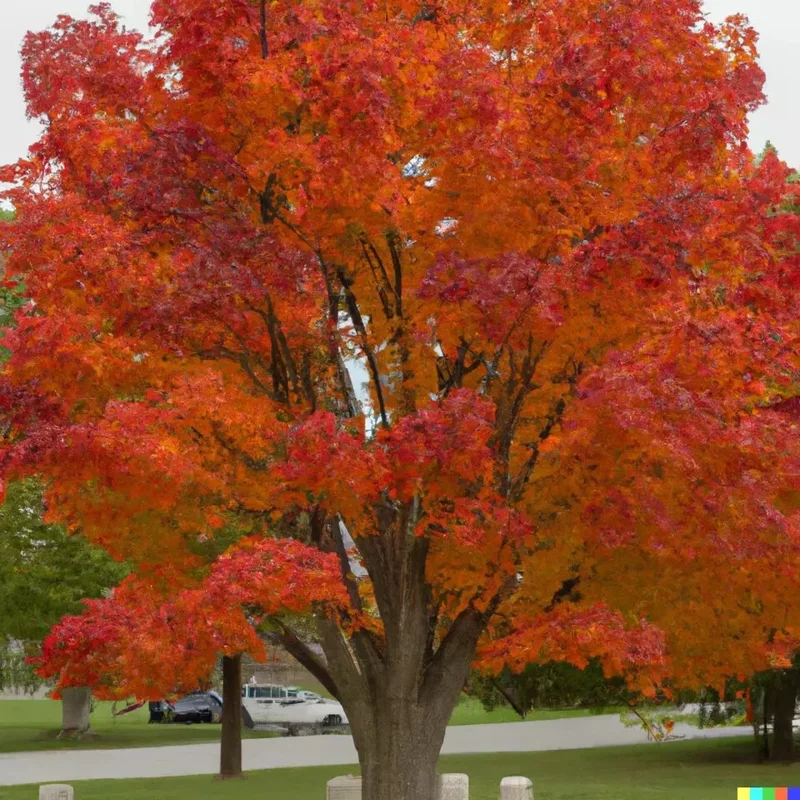
The Sugar Maple, or Acer saccharum, is a deciduous tree native to eastern North America. It is widely admired for its dense canopy, which transforms into breathtaking shades of yellow, orange, and red during autumn. Beyond its ornamental value, the Sugar Maple is celebrated for its sap, which is collected and boiled down to produce pure maple syrup. Planting these acer saccharum seeds offers a sustainable way to enjoy one of nature’s sweetest gifts and enhance your property with a truly versatile tree.
Key Benefits
Planting sugar maple tree seeds offers a multitude of benefits, from enhancing your property’s aesthetic appeal to providing a sustainable resource. These trees are not only beautiful but also offer practical advantages for your home and garden. Investing in sugar maple tree seeds is an investment in the future beauty and bounty of your landscape.
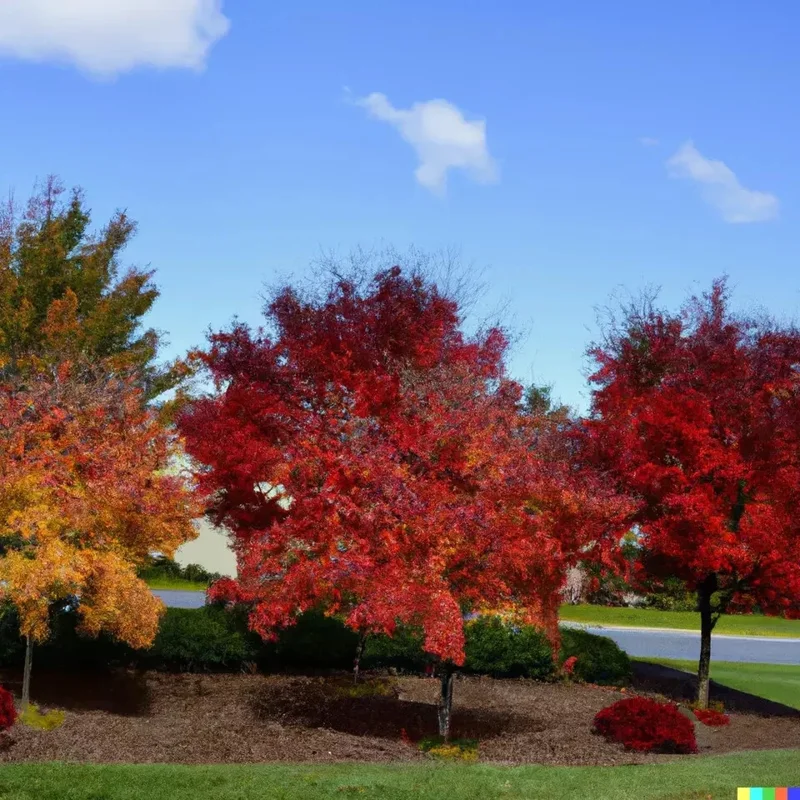
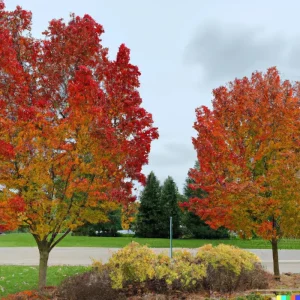
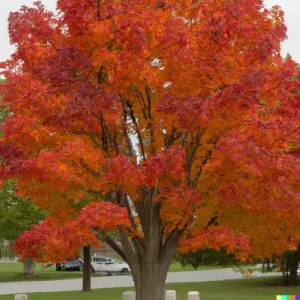
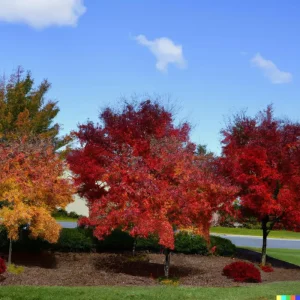
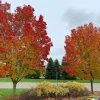
- Stunning Fall Foliage: Enjoy a spectacular display of vibrant yellow, orange, and red leaves every autumn, making your yard a focal point of seasonal beauty. The intense fall color is one of the primary reasons gardeners choose to grow sugar maple tree seeds.
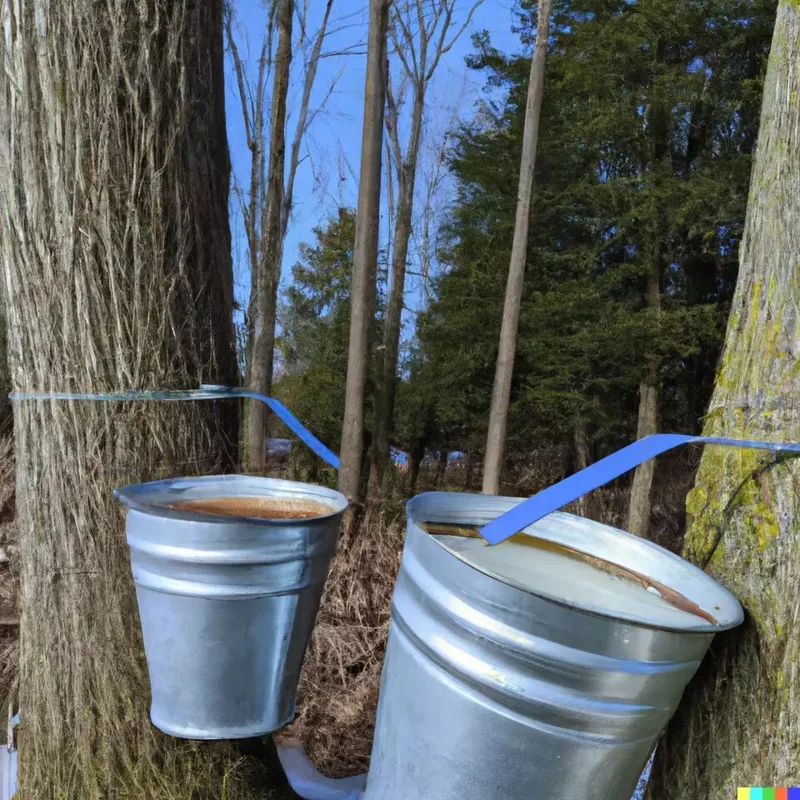
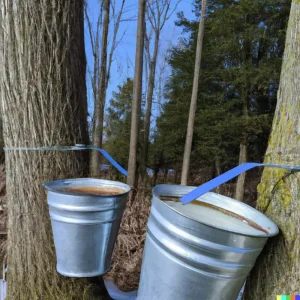
- Maple Syrup Production: These seeds grow into the very trees used to produce delicious, natural maple syrup. With proper care and maturity, you can harvest sap and make your own syrup, offering a unique and rewarding experience. This makes them an excellent choice for anyone interested in a maple syrup tree.
- Shade and Habitat: Mature Sugar Maples provide ample shade, helping to cool your home and garden during warmer months. They also offer valuable habitat and food sources for local wildlife, including birds and squirrels.
- Long-Lived & Durable: Sugar Maples are known for their longevity and resilience, often living for hundreds of years. They are a sturdy addition to any landscape, providing enduring beauty and value.
- Cold Resistant: These trees are naturally cold-resistant, thriving in temperate climates and capable of withstanding harsh winter conditions, making them ideal for many USDA zones.
- Environmental Contribution: Planting trees helps improve air quality, absorb carbon dioxide, and support biodiversity, contributing positively to the environment. Growing sugar maple tree seeds is a step towards a greener planet.
- Increased Property Value: Well-maintained mature trees, especially iconic species like the Sugar Maple, can significantly enhance property value and curb appeal.
Plant Care & Growing Tips
Successfully growing sugar maple tree seeds requires attention to specific conditions to ensure healthy germination and establishment. Start by stratifying the seeds, which mimics natural winter conditions. This typically involves placing the seeds in a moist medium (like sand or peat moss) in a refrigerator for 90-120 days. After stratification, plant the seeds about 1/2 inch deep in well-draining soil, either in pots or directly in a prepared outdoor bed. A good soil mix for seedlings would be a blend of peat, perlite, and compost to provide adequate nutrients and drainage. Ensure the planting site receives appropriate sunlight for optimal growth of your future maple syrup tree.
Sunlight requirements for Sugar Maples are quite adaptable, ranging from full sun to partial shade. Young seedlings will benefit from some protection from intense afternoon sun, while mature trees thrive in full sun (at least 6 hours of direct sunlight per day). Watering should be consistent, especially during the first few years of growth. Keep the soil evenly moist but not waterlogged. Once established, Sugar Maples are relatively drought-tolerant but will appreciate supplemental watering during prolonged dry spells. The ideal soil type is well-draining, slightly acidic to neutral (pH 5.5-7.3), and rich in organic matter. Avoid heavy clay soils that retain too much water.
For fertilization, young trees can benefit from a balanced, slow-release tree fertilizer in early spring. Avoid over-fertilizing, which can harm young roots. The USDA hardiness zone for Sugar Maples typically ranges from zones 3 to 8, indicating their excellent cold resistance. Protect young trees from deer and other pests. Common problems include aphid infestations or leaf spot, which can usually be managed with appropriate organic treatments. Proper care will help your acer saccharum seeds develop into strong, healthy trees.
Size & Details
This offering includes 30+ high-quality sugar maple tree seeds, providing ample opportunity to cultivate several trees. Once germinated and established, young Sugar Maple trees have a moderate to fast growth rate, typically adding 1-2 feet per year under ideal conditions. Mature Sugar Maples can reach impressive heights of 80 to 120 feet, with a spread of 40 to 60 feet, forming a majestic, rounded canopy. These seeds are perfect for starting your own fall color tree seeds project, allowing you to grow these magnificent specimens from their very beginning.
The seeds are shipped in a protective packet, ready for stratification and planting. While the initial growth will be small, these perennial trees are an investment for the long term. Expect to see significant growth within 3-5 years, with the tree reaching a size suitable for sap collection typically after 30-40 years. Planting these sugar maple tree seeds is a commitment to enriching your landscape for generations to come, providing both aesthetic beauty and practical benefits. The trees will eventually become a significant feature in your garden, offering substantial shade and vibrant autumn displays.
Frequently Asked Questions
- Q: How big does a Sugar Maple tree get? A: A mature Sugar Maple tree can reach impressive heights of 80 to 120 feet with a spread of 40 to 60 feet, creating a large, dense canopy. They are substantial trees that require adequate space to grow.
- Q: Is this an indoor or outdoor plant? A: The Sugar Maple is an outdoor tree. While you can start sugar maple tree seeds indoors, they need to be transplanted outdoors to grow into mature trees. They are not suitable for long-term indoor cultivation.
- Q: How much sunlight does a Sugar Maple need? A: Sugar Maples thrive in full sun, meaning at least 6 hours of direct sunlight per day. Young seedlings can tolerate partial shade, but mature trees prefer abundant light for optimal growth and fall color.
- Q: Is growing Sugar Maple from seed easy for beginners? A: Growing sugar maple tree seeds can be moderately challenging for beginners due to the required stratification period. However, with careful adherence to instructions, it is a rewarding project for gardeners of all experience levels.
- Q: What condition will the seeds arrive in? A: The acer saccharum seeds will arrive in a protective packet, ready for you to begin the stratification and planting process. They are carefully packaged to ensure viability.
- Q: How long until the tree produces sap for maple syrup? A: A Sugar Maple typically needs to be at least 10-12 inches in diameter (about 30-40 years old) before it can be tapped for sap without harming the tree. It’s a long-term investment to grow a maple syrup tree.
- Q: What USDA zones are suitable for Sugar Maple trees? A: Sugar Maple trees are cold-hardy and thrive in USDA Zones 3-8, making them suitable for a wide range of climates across the United States. They are excellent fall color tree seeds for temperate regions.
- Q: What kind of soil is best for Sugar Maple trees? A: Sugar Maples prefer well-draining, moist, and fertile soil with a slightly acidic to neutral pH. They do not tolerate compacted or waterlogged soils well.
- Q: When is the best time to plant Sugar Maple seeds? A: After stratification, sugar maple tree seeds are best planted in early spring, mimicking their natural germination cycle. This allows them to establish before the heat of summer.
- Q: Are Sugar Maple trees drought-tolerant? A: Once established, mature Sugar Maple trees have moderate drought tolerance. However, young trees require consistent moisture to develop a strong root system.
Be the first to review “Sugar Maple Tree Seeds – 30+ Seeds for Fall Color & Maple Syrup Source”
-
USDA Hardiness Zone
3-8 -
Soil Type
Well-draining, fertile, slightly acidic to neutral soil -
Sunlight Exposure
Full sun to partial shade -
Expected Planting Period
Early spring after stratification
People Also Viewd


Sold 128 products
Original price was: $27.00.$24.00Current price is: $24.00.

Sold 128 products
Original price was: $89.99.$64.99Current price is: $64.99.
Sold 127 products
Original price was: $159.99.$139.99Current price is: $139.99.

Sold 126 products
Original price was: $3,536.00.$23.99Current price is: $23.99.

Sold 125 products
Original price was: $86.99.$66.99Current price is: $66.99.
Sold 116 products
Original price was: $27.99.$16.99Current price is: $16.99.

Sold 114 products
Original price was: $28.99.$17.99Current price is: $17.99.

Flower Bulbs
3 Cranesbill Wild Geranium Organic Maculatums Bare Roots | Wildflower for Outdoor Garden
Sold 114 products
Original price was: $21.99.$6.99Current price is: $6.99.RELATED posts
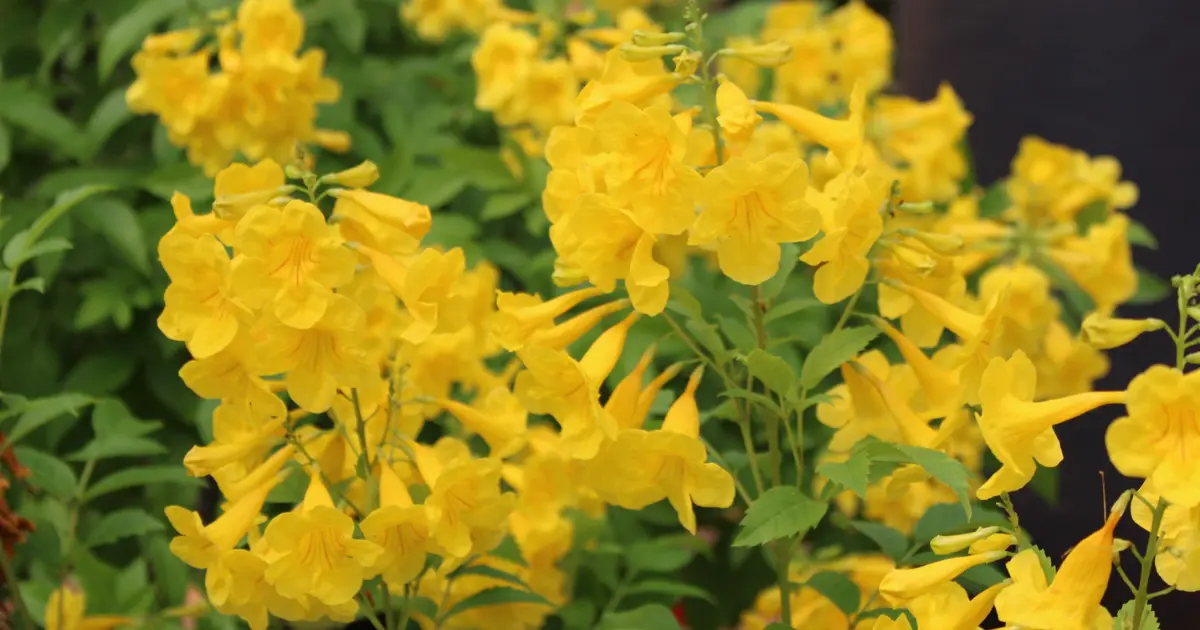
Mastering Esperanza Goldstar: Grow the Ultimate Yellow Bloom
Esperanza Goldstar is more than just a heat-tolerant shrub; for the American gardener battling the [...]
Apr
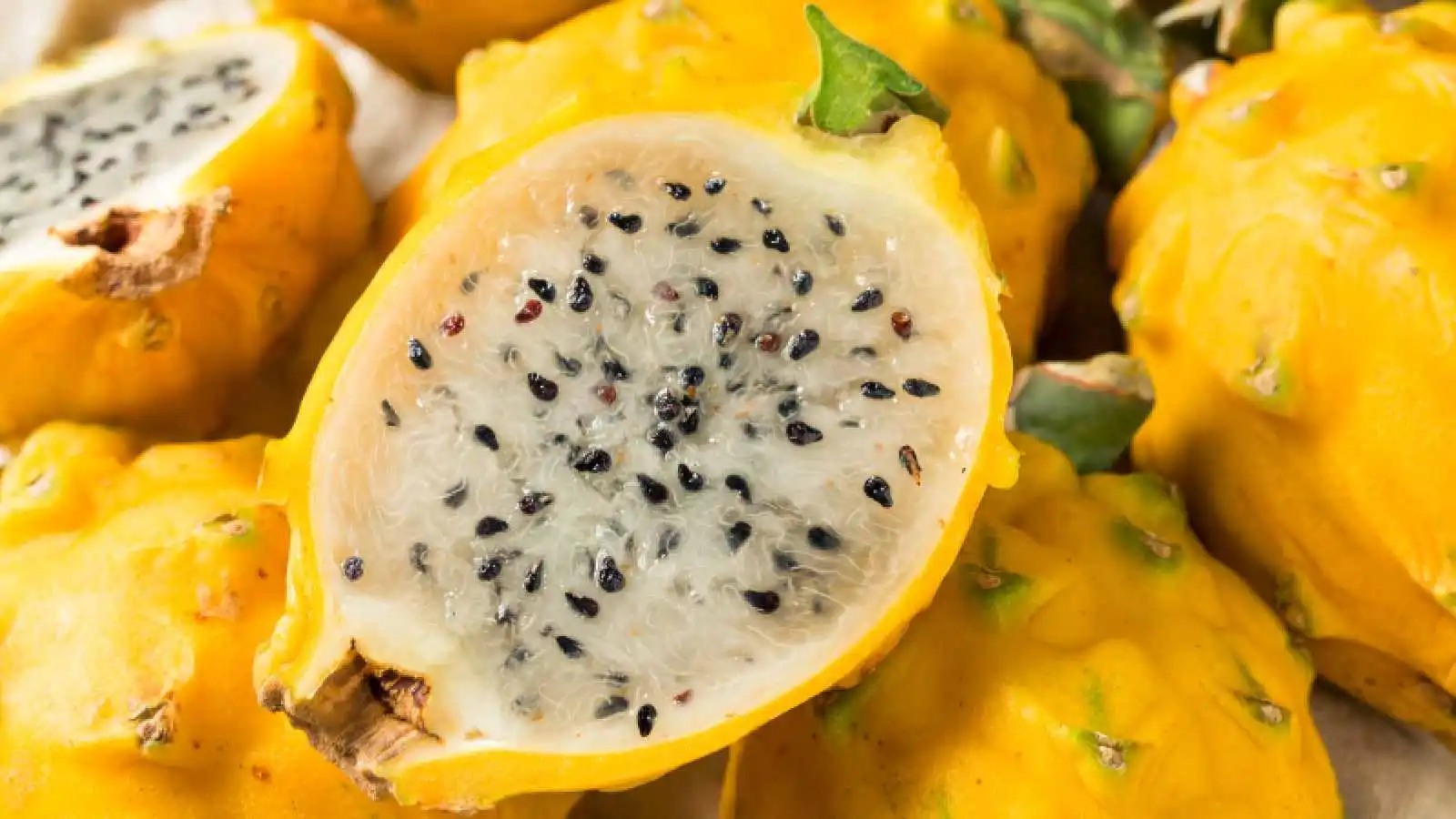
Yellow Dragon Fruit Plant Care: The Ultimate Guide for Healthy Growth
The yellow dragon fruit plant is a unique and rewarding addition to any home garden, [...]
Apr
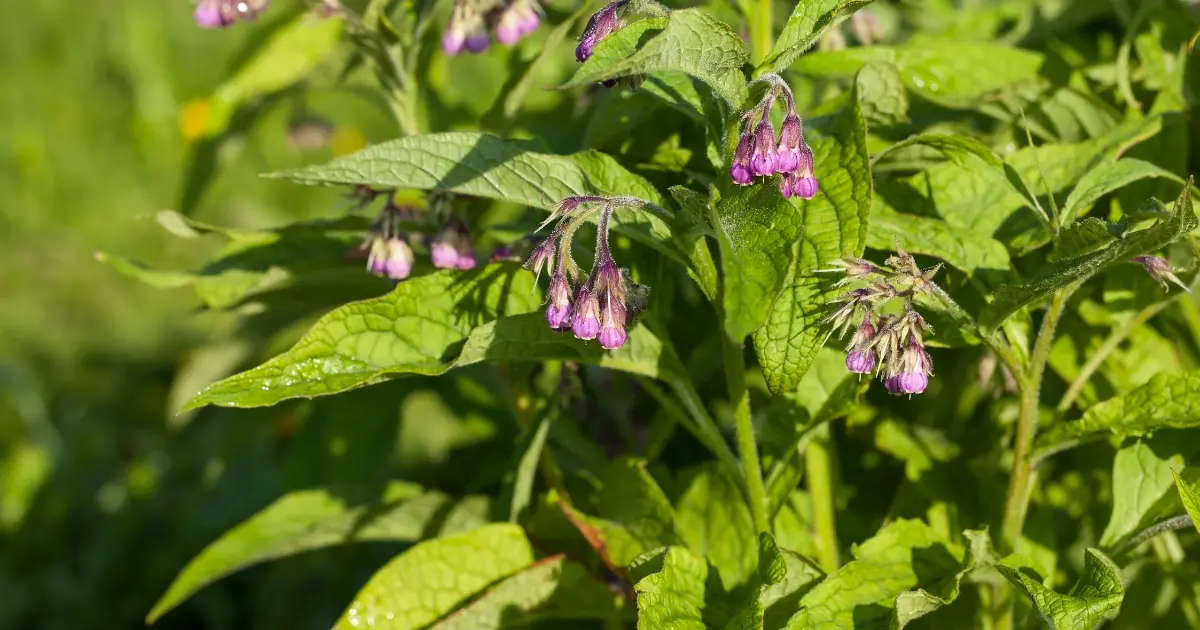
How to Identify Bocking 14 Comfrey: 5 Simple Visual Signs
If you’re growing comfrey for mulch, compost, or animal feed, knowing exactly which variety you [...]
Mar
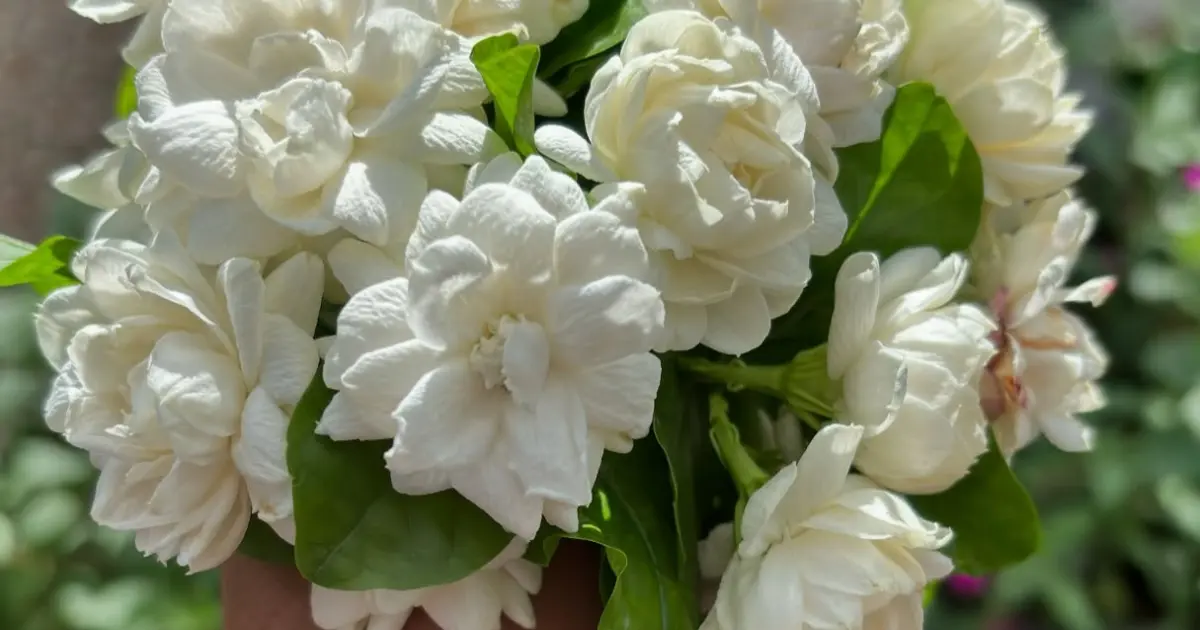
Grand Duke of Tuscany Jasmine: The Ultimate Guide to Growing a Fragrant Masterpiece
Have you ever caught a scent in the air so rich, creamy, and honey-sweet that [...]
Mar
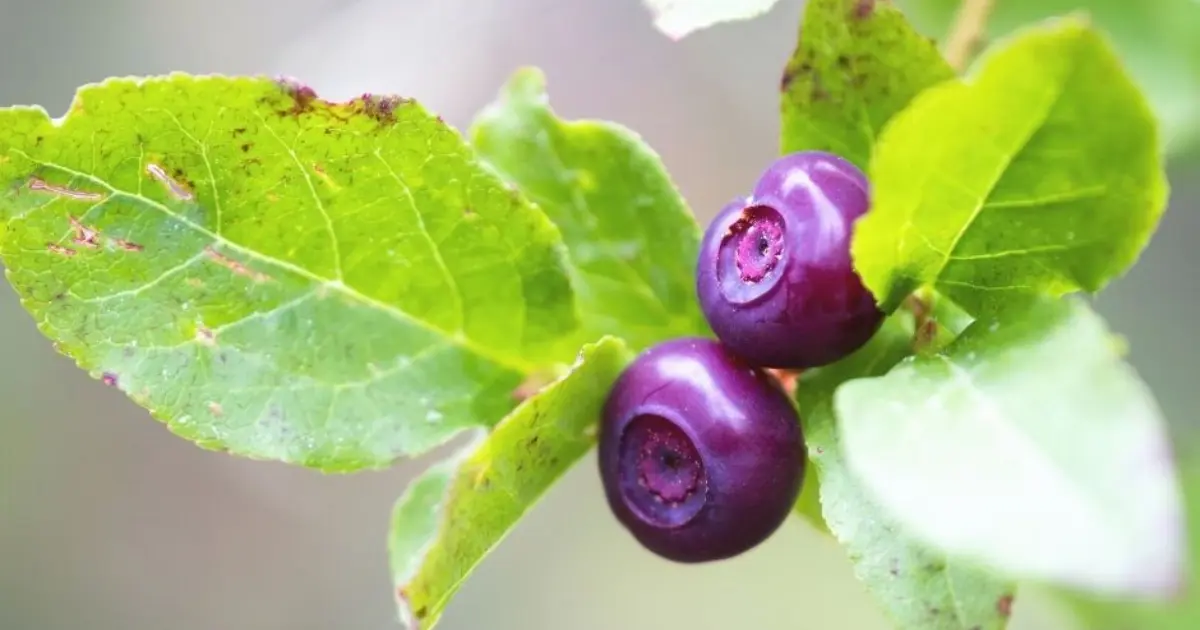
How to Grow Wild Huckleberries: A Guide to “Purple Gold”
Have you ever spent a summer afternoon hiking through the Pacific Northwest or the Rocky [...]
Mar
5 Best Shade-Loving Perennials for a Lush, Vibrant Garden
The world of gardening often shines a spotlight on sun-drenched blossoms, but there is a [...]
Mar
7 Common Curry Leaf Plant Problems: Easy Fixes for a Thriving Plant
Is your curry leaf plant looking a bit sad lately? Maybe you woke up to [...]
Mar
Best Time to Plant Bougainvillea: Timing for Vibrant Blooms
If you’re looking for a hardy tropical vine that delivers a riot of neon color, [...]
Feb
Reviews
There are no reviews yet.