
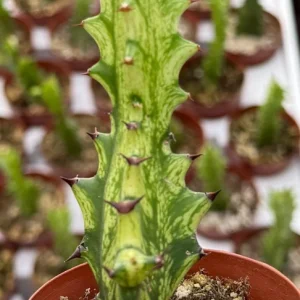
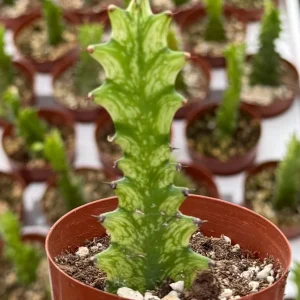
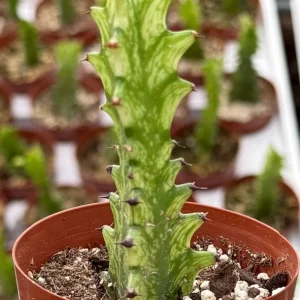
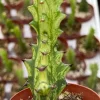
Variegated African Milk Tree (Euphorbia Trigona) Live Plant – 3 Inch Pot
Original price was: $45.90.$25.90Current price is: $25.90.
Introduce a touch of exotic beauty with the variegated African Milk Tree, a stunning succulent known for its vibrant, architectural stems. This Euphorbia Trigona care plant is low-maintenance, thriving in bright light, and makes an excellent addition to any indoor plant collection. Perfect for beginners and experienced plant enthusiasts alike.
Estimated arrival
Apr 06
Apr 11 - Apr 13
Apr 16 - Apr 20

Reasonable Price
We offer reasonable price

Support 24/7
Contact us 24 hrs a day

100% Money Back
You've 30 days to Return

Payment Secure
100% secure payment
Overview
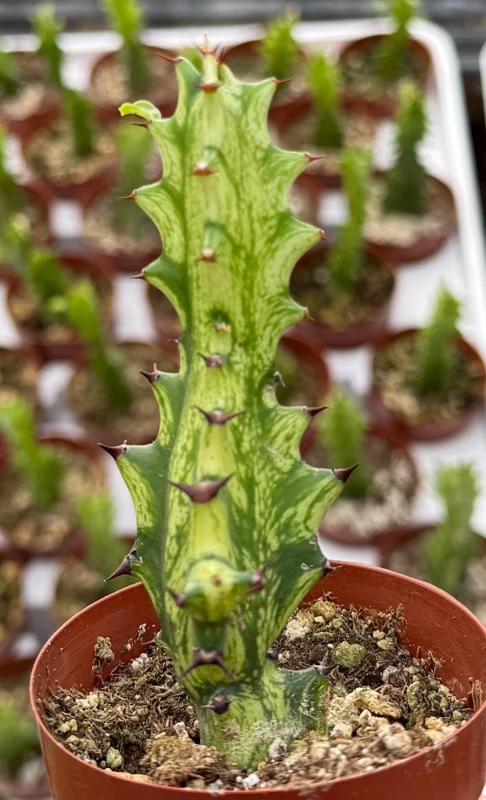
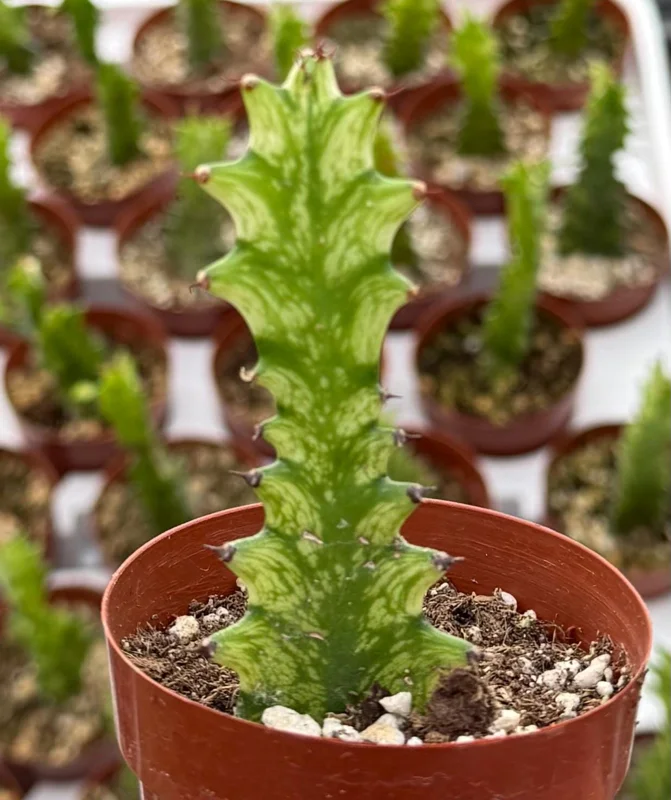
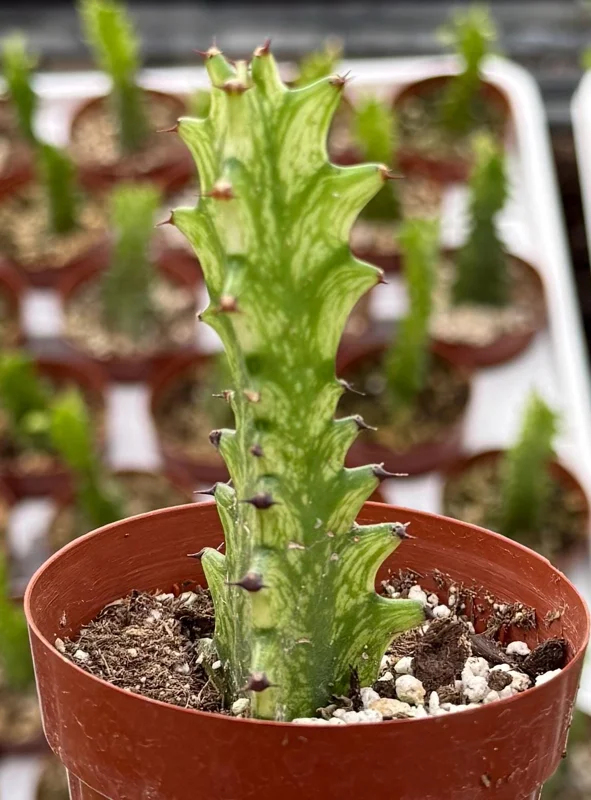
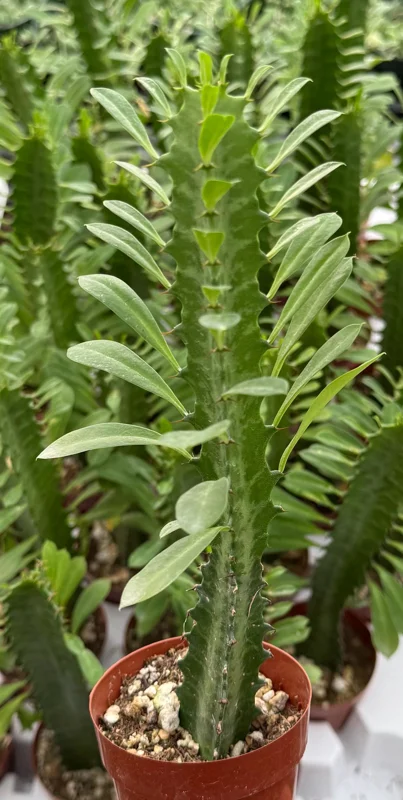
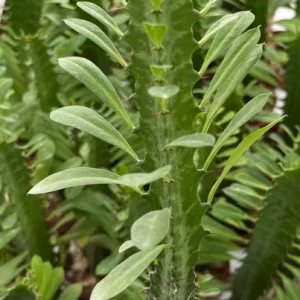
The variegated African Milk Tree (Euphorbia Trigona) is a captivating and easily recognizable succulent that brings a unique, architectural element to any indoor space. Despite its common name and cactus-like appearance, this plant is a succulent and not a true cactus. Native to Central Africa, this cultivar of African Milk Tree live plant is celebrated for its distinctive vertical growth and striking coloration. Its stems are triangular in cross-section, featuring spiny ridges that are beautifully adorned with irregular patterns of creamy white, pale yellow, or pinkish hues against a vibrant green background. These unique markings make each plant a living work of art, ensuring it stands out in any collection. It’s an ideal choice for those seeking a visually interesting and relatively fuss-free houseplant.
This particular offering is a healthy African Milk Tree live plant, ready to thrive in its new home. Its upright growth habit allows it to reach impressive heights indoors, providing excellent vertical interest. The variegated African Milk Tree is not only visually appealing but also remarkably resilient, making it a favorite among both novice and experienced plant parents. Its unique form and vibrant variegation promise to be a conversation starter and a focal point in any room.
Key Benefits
The variegated African Milk Tree offers numerous advantages that make it a highly desirable addition to your plant collection. Its unique characteristics contribute to its popularity and ease of care:
- Striking Visual Appeal: The vibrant green stems with irregular creamy white, yellow, or pinkish variegation create a dramatic and eye-catching display. Its architectural form adds a modern touch to interiors, making it a truly unique succulents indoor option.
- Low Maintenance: This plant is incredibly forgiving and requires minimal attention, making it perfect for busy individuals or those new to plant care. Its resilience simplifies Euphorbia Trigona care.
- Drought Tolerance: As a succulent, it naturally stores water in its stems, meaning it can withstand periods of drought and requires infrequent watering, reducing the risk of overwatering. This makes it one of the best drought-tolerant plants for home.
- Air Purification: Like many houseplants, the African Milk Tree live plant contributes to improving indoor air quality, creating a healthier living environment.
- Vertical Interest: Its upright growth habit allows it to reach several feet tall, adding significant vertical dimension to a space without taking up too much horizontal room.
- Adaptable to Light: While it loves bright, indirect light, it can also tolerate full sun, offering flexibility in placement within your home. This adaptability is part of excellent Euphorbia Trigona care.
- Pest Resistant: Generally, the variegated African Milk Tree is quite resistant to common houseplant pests, further simplifying its care routine.
Plant Care & Growing Tips
Caring for your variegated African Milk Tree is straightforward, making it an excellent choice for a variety of plant enthusiasts. This plant thrives with minimal fuss, provided its basic needs are met. For successful Euphorbia Trigona care, focus on light, watering, and proper soil. It prefers bright, indirect light but can also tolerate direct sunlight, especially if introduced gradually. A south or west-facing window is often ideal indoors. Insufficient light can lead to stunted growth and less vibrant variegation, while too much intense, unfiltered sun can sometimes scorch the variegated parts of the plant. Rotate your plant periodically to ensure even growth and exposure to light.
Watering is perhaps the most crucial aspect of caring for this drought-tolerant plant. Being a succulent, the variegated African Milk Tree is highly susceptible to root rot if overwatered. Allow the soil to dry out completely between waterings, then water thoroughly until it drains from the bottom of the pot. During winter months, or periods of lower light and cooler temperatures, reduce watering significantly. Well-draining soil is essential; a cactus or succulent potting mix is ideal, as it provides the necessary aeration and prevents waterlogging. Ensure your pot has drainage holes. Fertilize sparingly during the growing season (spring and summer) with a balanced, diluted liquid fertilizer. This African Milk Tree live plant generally prefers warmer temperatures, ideally between 65-80°F (18-27°C), and should be protected from cold drafts and temperatures below 50°F (10°C). It is not frost-tolerant.
Size & Details
This offering is for a healthy variegated African Milk Tree, provided as a live plant in a 3 inch pot. At this stage, the plant is young but well-established, typically standing several inches tall, ready to grow and flourish in your home. The plant will arrive carefully packaged to ensure its safety during transit. While its exact height will vary slightly, it is a compact size suitable for immediate display on a desk, shelf, or as part of a larger succulent arrangement. Given proper Euphorbia Trigona care, this plant will grow upright and can eventually reach several feet in height indoors, developing into a striking specimen. Its growth rate is moderate, allowing you to enjoy its development over time. The plant’s unique green stems with creamy white, pale yellow, or pinkish patterns are already well-defined, promising a beautiful display as it matures. This African Milk Tree live plant is a fantastic way to introduce a distinctive, easy-care succulent into your living space.
Frequently Asked Questions
- Q: How big does this variegated African Milk Tree get? A: While this plant is currently in a 3-inch pot, given ideal conditions and good Euphorbia Trigona care, it can grow several feet tall indoors, often reaching 3-6 feet or more over many years, adding significant vertical interest.
- Q: Is this an indoor or outdoor plant? A: The African Milk Tree live plant is primarily grown as an indoor houseplant in most climates. It can be grown outdoors in USDA hardiness zones 9-11 where temperatures remain above freezing.
- Q: How much sunlight does the variegated African Milk Tree need? A: It thrives in bright, indirect light but can also tolerate full sun, especially if accustomed to it gradually. Avoid prolonged exposure to intense, scorching afternoon sun which can damage the variegated parts.
- Q: Is this plant easy to care for? A: Yes, the variegated African Milk Tree is considered very easy to care for, making it an excellent choice for beginners and those looking for drought-tolerant plants. Its main requirements are bright light and infrequent watering.
- Q: What condition will it arrive in? A: Your African Milk Tree live plant will arrive carefully packaged in its 3-inch pot, with soil, to ensure it reaches you in healthy, thriving condition, ready to be placed in your home.
- Q: How often should I water my Euphorbia Trigona care plant? A: Water only when the soil has completely dried out. This plant is sensitive to overwatering, which can lead to root rot. Err on the side of underwatering rather than overwatering.
- Q: Is the variegated African Milk Tree pet-safe? A: No, like other Euphorbia species, the African Milk Tree produces a milky white sap that can be irritating if ingested or if it comes into contact with skin or eyes. It is best to keep it away from pets and small children.
- Q: What kind of soil is best for this unique succulents indoor plant? A: A well-draining cactus or succulent potting mix is ideal. This type of soil ensures proper aeration and prevents water from sitting around the roots, which is crucial for its health.
- Q: When is the best time to repot my African Milk Tree live plant? A: Repotting is best done in the spring or early summer when the plant is actively growing. Only repot when the plant becomes root-bound, usually every 2-3 years.
- Q: Will this drought-tolerant plant bloom? A: While it can produce small, inconspicuous flowers, the primary appeal of the variegated African Milk Tree is its striking stem structure and colorful variegation rather than its blooms.
| Variety | Green, Variegated |
|---|
Be the first to review “Variegated African Milk Tree (Euphorbia Trigona) Live Plant – 3 Inch Pot”
-
USDA Hardiness Zone
USDA zones 9-11 (outdoors) or indoors year-round -
Soil Type
Well-draining cactus or succulent potting mix -
Sunlight Exposure
Bright indirect light to full sun -
Expected Planting Period
Year-round indoors
People Also Viewd
Sold 128 products
Original price was: $89.99.$64.99Current price is: $64.99.
Sold 128 products
Original price was: $27.00.$24.00Current price is: $24.00.
Sold 127 products
Original price was: $159.99.$139.99Current price is: $139.99.
Sold 126 products
Original price was: $3,536.00.$23.99Current price is: $23.99.

Sold 125 products
Original price was: $86.99.$66.99Current price is: $66.99.
Sold 116 products
Original price was: $27.99.$16.99Current price is: $16.99.
Flower Bulbs
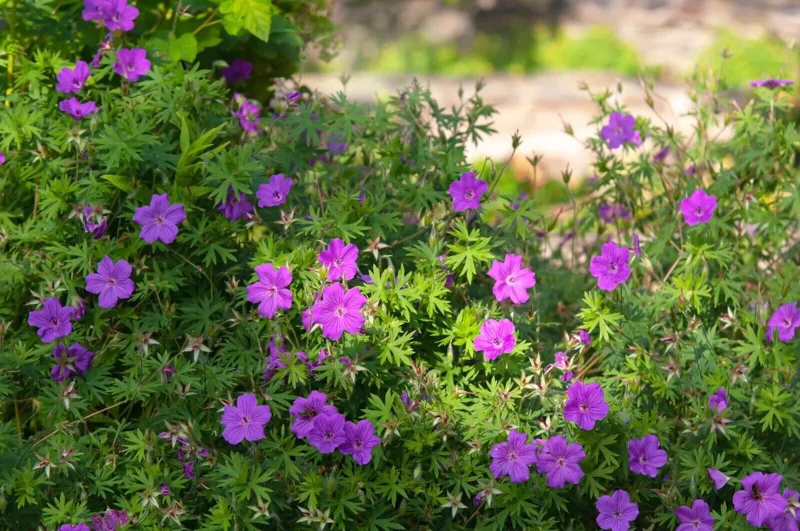
3 Cranesbill Wild Geranium Organic Maculatums Bare Roots | Wildflower for Outdoor Garden
Sold 114 products
Original price was: $21.99.$6.99Current price is: $6.99.
Sold 114 products
Original price was: $28.99.$17.99Current price is: $17.99.RELATED posts
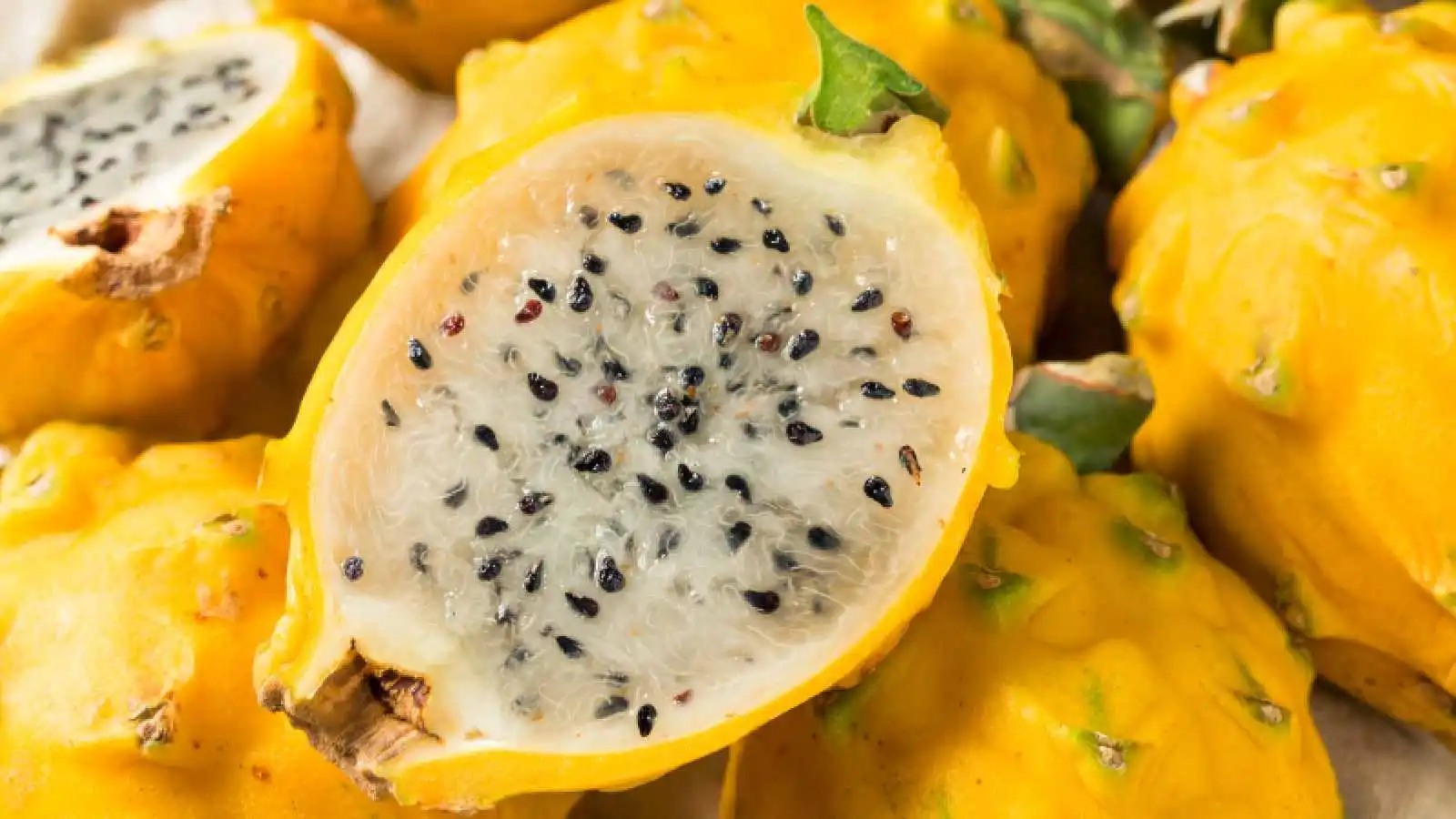
Yellow Dragon Fruit Plant Care: The Ultimate Guide for Healthy Growth
The yellow dragon fruit plant is a unique and rewarding addition to any home garden, [...]
Apr
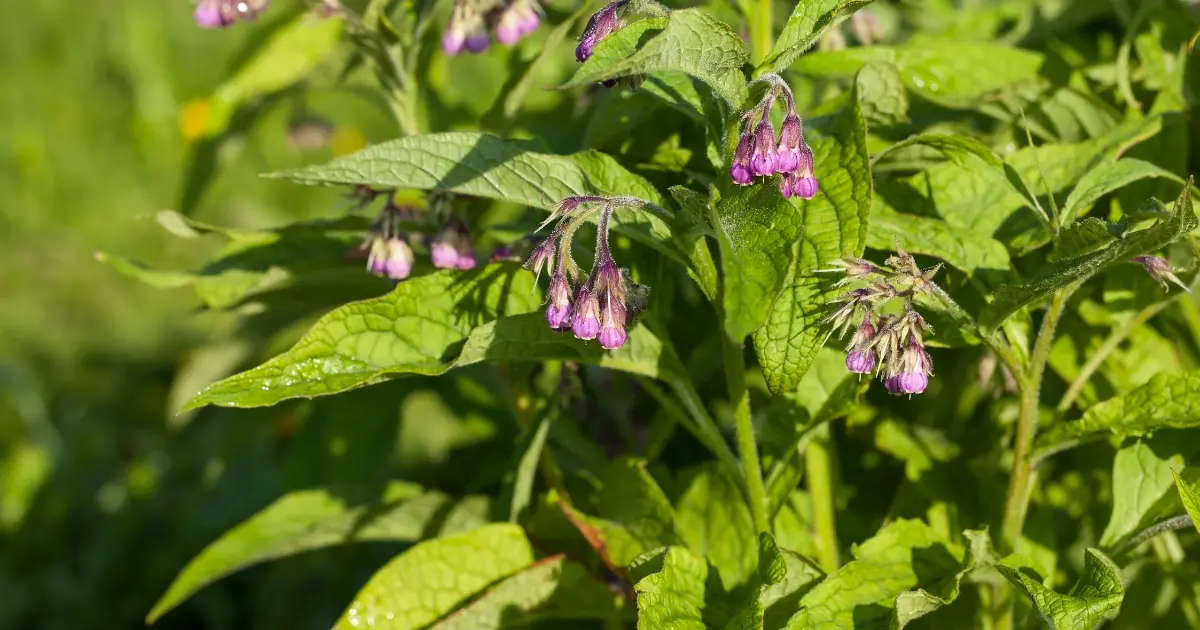
How to Identify Bocking 14 Comfrey: 5 Simple Visual Signs
If you’re growing comfrey for mulch, compost, or animal feed, knowing exactly which variety you [...]
Mar
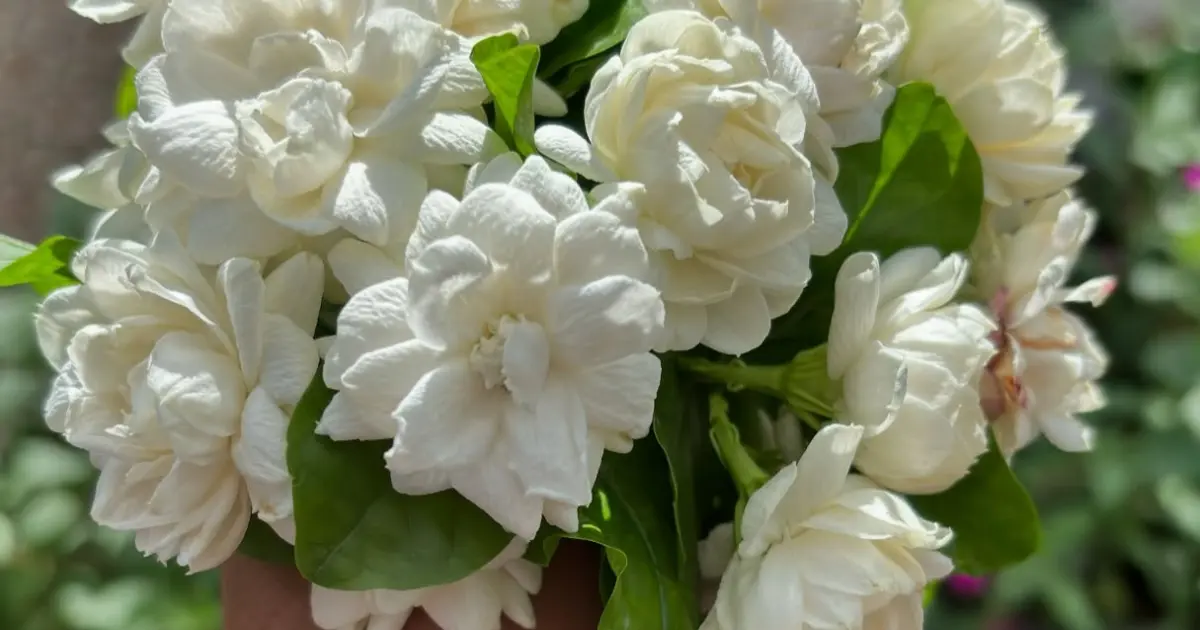
Grand Duke of Tuscany Jasmine: The Ultimate Guide to Growing a Fragrant Masterpiece
Have you ever caught a scent in the air so rich, creamy, and honey-sweet that [...]
Mar
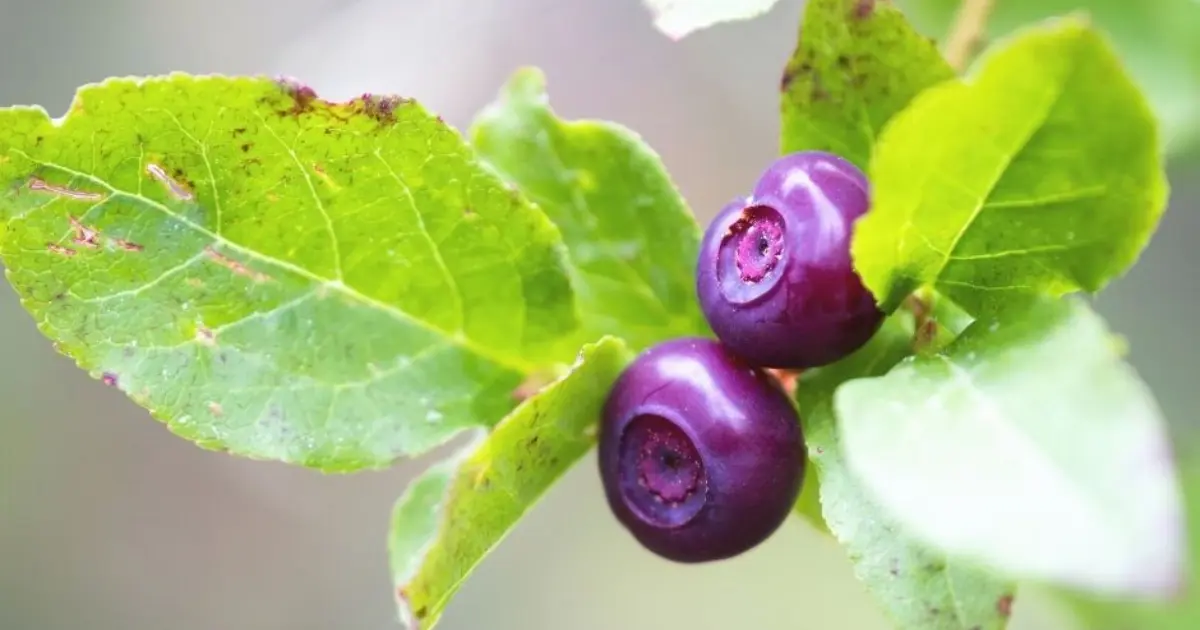
How to Grow Wild Huckleberries: A Guide to “Purple Gold”
Have you ever spent a summer afternoon hiking through the Pacific Northwest or the Rocky [...]
Mar
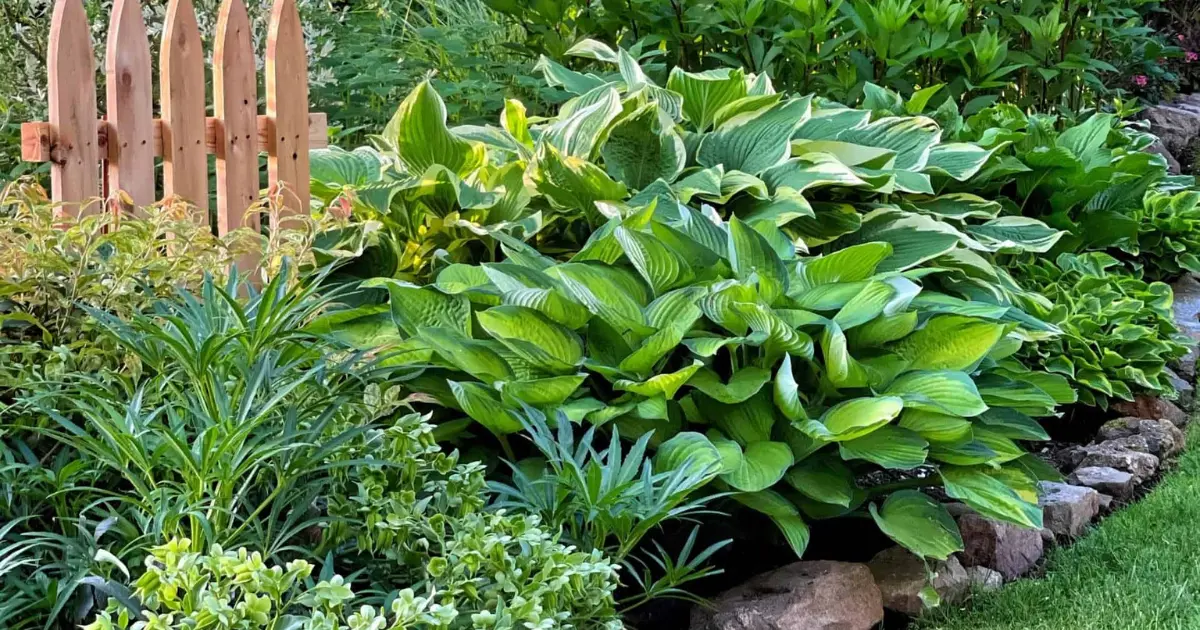
5 Best Shade-Loving Perennials for a Lush, Vibrant Garden
The world of gardening often shines a spotlight on sun-drenched blossoms, but there is a [...]
Mar

7 Common Curry Leaf Plant Problems: Easy Fixes for a Thriving Plant
Is your curry leaf plant looking a bit sad lately? Maybe you woke up to [...]
Mar

Best Time to Plant Bougainvillea: Timing for Vibrant Blooms
If you’re looking for a hardy tropical vine that delivers a riot of neon color, [...]
Feb
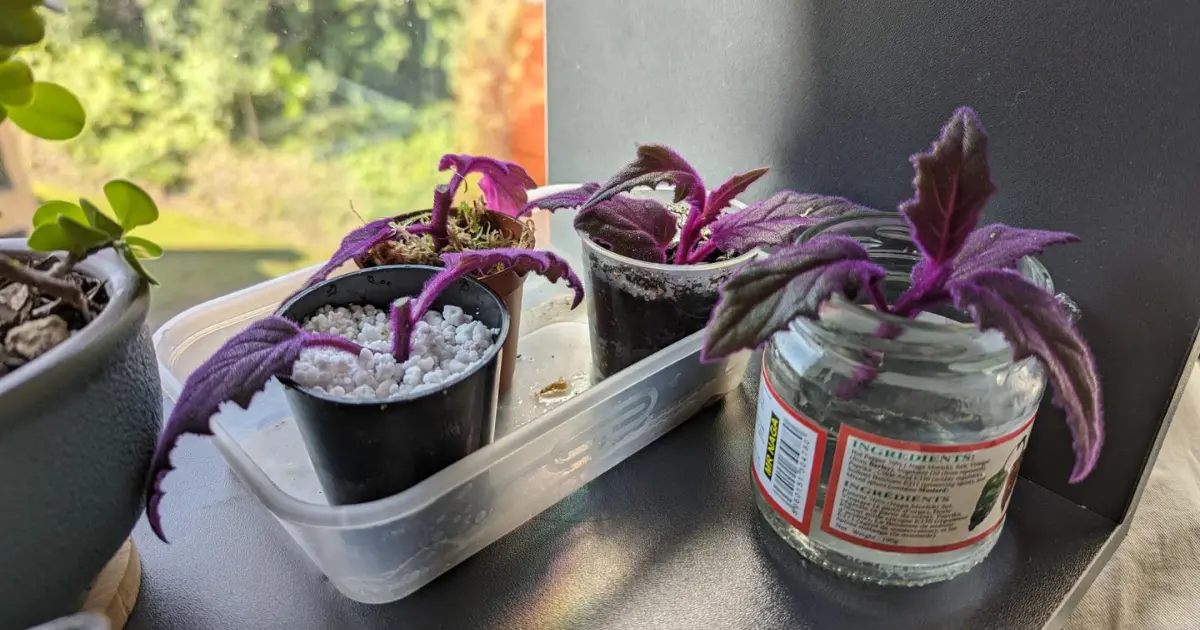
How to Propagate Purple Passion Plants (Gynura aurantiaca)
Have you ever been mesmerized by the neon-purple glow and fuzzy, velvet-like leaves of a [...]
Feb
Reviews
There are no reviews yet.