
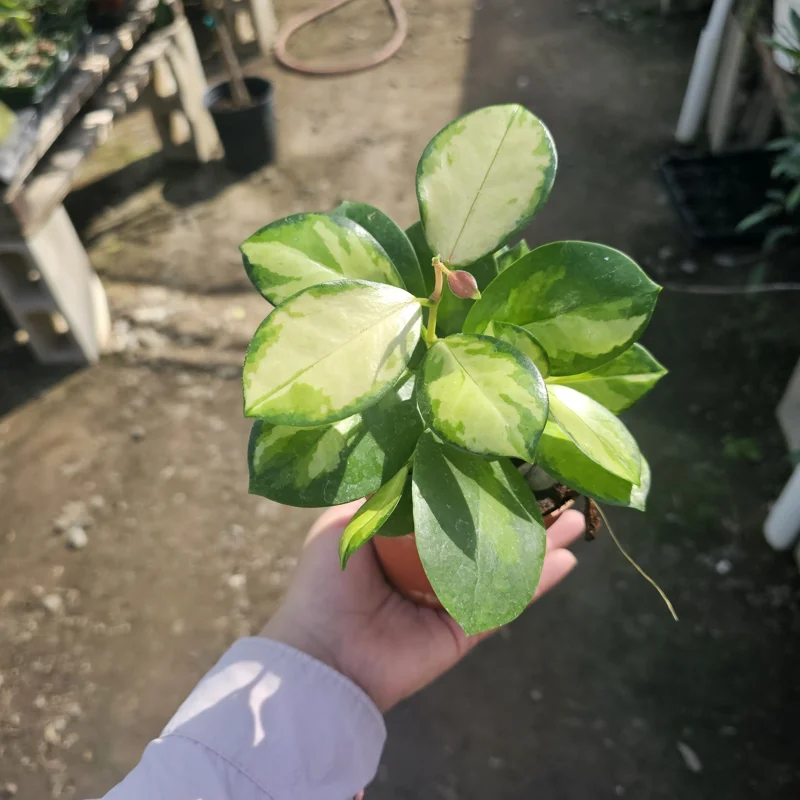
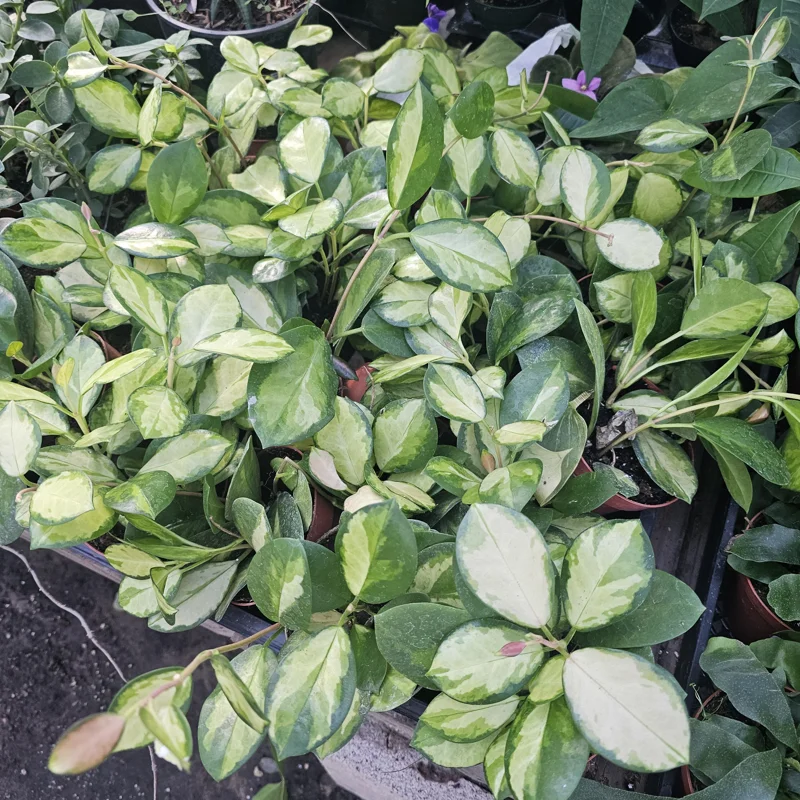
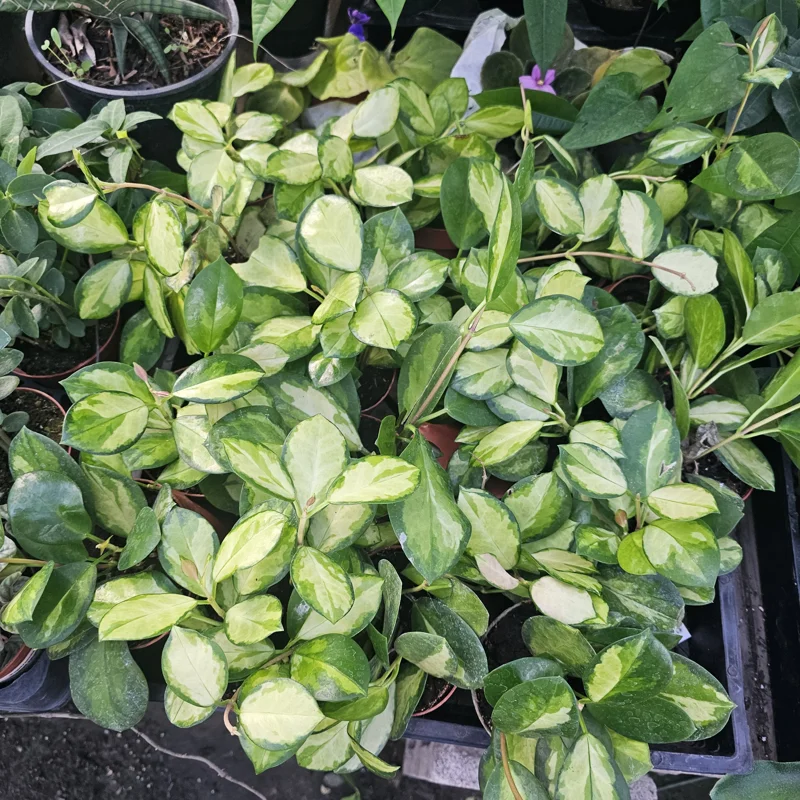
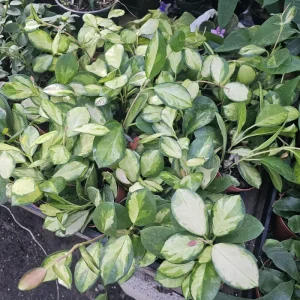
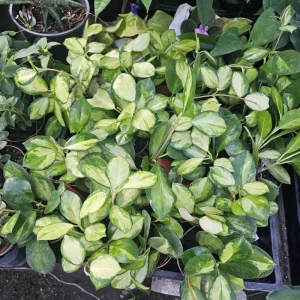
Variegated Hoya Australis Lisa Live Plant – 4in Nursery Pot – Indoor Houseplant
Price range: $19.48 through $35.98
Enhance your indoor plant collection with the exquisite variegated Hoya Australis Lisa. This 4-inch potted live plant boasts stunning, unique foliage with beautiful variegation, making it a captivating addition to any home. Known for its elegant trailing growth and relatively easy care, it’s perfect for both novice and experienced plant enthusiasts.
Estimated arrival
Apr 14
Apr 19 - Apr 21
Apr 24 - Apr 28

Reasonable Price
We offer reasonable price

Support 24/7
Contact us 24 hrs a day

100% Money Back
You've 30 days to Return

Payment Secure
100% secure payment
Overview
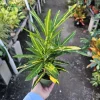
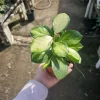
Bring home the captivating beauty of the variegated Hoya Australis Lisa, a highly sought-after live plant known for its striking foliage and graceful vining habit. This particular variety, often referred to as Hoya Lisa, is a cultivar of Hoya Australis and stands out with its vibrant green leaves beautifully edged and splashed with creamy white, pink, or yellow hues, especially when exposed to good light. Originating from Australia, this tropical evergreen is a fantastic choice for indoor environments, adding a touch of exotic elegance to any room. Our hoya australis indoor plant comes ready to thrive in a 4-inch nursery pot, perfectly sized for immediate display or repotting. Its unique appearance and relatively low-maintenance nature make the variegated Hoya Australis Lisa a true gem for any houseplant enthusiast.
Key Benefits
The variegated Hoya Australis Lisa offers numerous advantages, making it a beloved choice for indoor gardening. Its aesthetic appeal combined with its resilience makes it a rewarding plant to cultivate. This hoya plant for sale is not just a decorative item but a living piece of art that enriches your home environment.
- Stunning Variegated Foliage: The primary draw of the variegated Hoya Australis Lisa is its incredibly attractive leaves, featuring a beautiful blend of deep greens, creamy yellows, and sometimes rosy pinks. This natural artistry makes each leaf a unique masterpiece, providing year-round visual interest even when not in bloom.
- Air Purifying Qualities: Like many houseplants, the Hoya Australis Lisa contributes to a healthier indoor environment by helping to filter airborne toxins. It naturally improves air quality, making your living space more pleasant and refreshing.
- Elegant Trailing Growth: This hoya is a natural viner, making it ideal for hanging baskets or allowing its beautiful foliage to cascade from shelves. Its graceful growth habit adds a dynamic and soft element to your decor, creating a serene and inviting atmosphere.
- Relatively Low Maintenance: Despite its exotic appearance, the variegated Hoya Australis Lisa is surprisingly easy to care for, making it suitable for busy individuals or those new to houseplant care. It tolerates a range of conditions and doesn’t demand constant attention, allowing you to enjoy its beauty without extensive effort.
- Potential for Fragrant Blooms: While primarily grown for its foliage, mature Hoya Australis Lisa plants can produce clusters of small, star-shaped, fragrant flowers. These delicate blooms, often white with a red center, release a sweet scent, especially in the evening, adding another layer of sensory delight to your home.
- Versatile Decor Piece: Its compact size in a 4-inch pot and adaptable nature allow it to fit seamlessly into various interior design styles, from minimalist to bohemian. It can be a focal point or a complementary accent, enhancing the overall aesthetic of your space.
- Long Lifespan: With proper care, a hoya australis indoor plant can live for many years, becoming a long-term companion in your home. Its longevity provides enduring beauty and satisfaction, growing with you over time.
Plant Care & Growing Tips
Caring for your variegated Hoya Australis Lisa is a rewarding experience, as this plant is quite forgiving and thrives with consistent, appropriate attention. Understanding its basic needs will ensure a healthy and vibrant plant that can potentially produce its charming, fragrant blooms. This hoya lisa plant care guide will help you keep your plant flourishing.
Sunlight Requirements: The variegated Hoya Australis Lisa thrives in bright, indirect light. Placing it near an east or west-facing window where it receives gentle morning or late afternoon sun is ideal. Direct, harsh midday sun can scorch its delicate variegated leaves, leading to browning. If you notice the variegation fading, it might need more light. Conversely, if leaves are looking dull and growth is leggy, it may require brighter conditions. Rotate the plant periodically to ensure even growth and light exposure on all sides.
Watering Schedule and Soil Moisture: Hoya plants prefer to dry out between waterings. Allow the top 2-3 inches of soil to become dry before watering thoroughly. When you do water, ensure water drains completely from the bottom of the pot to prevent root rot, which is a common issue for Hoyas. Reduce watering frequency during the cooler, dormant months. Overwatering is a more common problem than underwatering for this plant. If you’re unsure, it’s better to wait a day or two before watering.
Soil Type and Drainage Requirements: A well-draining, airy potting mix is crucial for the health of your variegated Hoya Australis Lisa. A mix formulated for succulents or orchids, or a custom blend of potting soil with perlite, orchid bark, and coco coir, will provide the necessary aeration and drainage. This ensures that the roots do not sit in soggy soil, which can quickly lead to fungal issues and root decay. Good drainage is key to successful hoya lisa plant care.
Temperature Range and Humidity: This tropical plant prefers warm temperatures, ideally between 65-80°F (18-27°C). Avoid exposing it to temperatures below 50°F (10°C), as it is not frost-tolerant. High humidity is appreciated by Hoya Australis Lisa, mimicking its natural habitat. You can increase humidity by misting the leaves regularly, placing the pot on a pebble tray with water, or using a humidifier, especially in dry indoor environments during winter. This creates an optimal microclimate for your hoya plant for sale.
Fertilization Schedule and Type: Fertilize your Hoya Australis Lisa sparingly during its active growing season (spring and summer). Use a balanced liquid fertilizer diluted to half strength approximately once a month. Avoid fertilizing during fall and winter when the plant’s growth slows down. Over-fertilization can lead to nutrient burn, so it’s always better to under-fertilize than over-fertilize.
Common Problems and Solutions: Yellowing leaves can indicate overwatering or nutrient deficiency. Check soil moisture first. If leaves are shriveling, it may be underwatered. Pests like mealybugs or spider mites can sometimes appear; treat with neem oil or insecticidal soap. Ensure good air circulation to prevent fungal issues. Consistent and attentive easy care houseplants routines will keep these problems at bay.
Size & Details
The variegated Hoya Australis Lisa you will receive is a healthy, actively growing live plant, carefully cultivated to ensure its vitality. It comes planted in a standard 4 inch nursery pot, providing a stable environment for its initial growth and easy transition into your home. The plant’s height typically ranges from 4 to 8 inches from the soil line, with trailing vines that can extend beyond the pot’s edge. The growth rate is moderate, and with proper care, its vines can grow several feet long, making it a stunning hanging plant.
This live plant is shipped fully rooted in its nursery pot with soil, ensuring minimal shock upon arrival. While individual plant size and variegation patterns may vary slightly due to natural growth, each hoya plant for sale is selected for its quality and health, aiming to match the representative product images. Expect a robust specimen ready to continue its growth journey in your care. This easy care houseplants option is designed for seamless integration into your home.
Frequently Asked Questions
- Q: How big will my variegated Hoya Australis Lisa get? A: In a home environment, the vines of your variegated Hoya Australis Lisa can grow several feet long, often reaching 3 to 6 feet or more with maturity. Its growth can be managed by pruning to maintain a desired size and shape.
- Q: What size pot does the plant come in? A: Your hoya australis indoor plant will arrive in a 4 inch nursery pot, which is a perfect size for it to settle into before needing a larger pot. We recommend repotting into a slightly larger pot (e.g., 5-6 inches) once it outgrows its current container.
- Q: Is the Hoya Australis Lisa an indoor or outdoor plant? A: While it can thrive outdoors in very warm, humid climates (USDA zones 10-11), it is primarily grown as an indoor houseplant in most regions. It prefers stable indoor temperatures and can be brought outside during warm summer months, provided it’s protected from direct sun.
- Q: How much sunlight does the variegated Hoya Australis Lisa need? A: This hoya prefers bright, indirect light. A few hours of gentle morning sun is beneficial, but avoid harsh midday direct sunlight which can scorch its leaves. Insufficient light can lead to less vibrant variegation.
- Q: Is this plant easy to care for? Is it good for beginners? A: Yes, the variegated Hoya Australis Lisa is considered an easy care houseplants option, making it suitable for beginners. Its main requirements are bright indirect light, allowing the soil to dry between waterings, and good drainage.
- Q: What condition will it arrive in? Is it shipped in soil? A: Your plant will be shipped as a live, healthy specimen, fully rooted in its 4-inch nursery pot with soil. It will be carefully packaged to minimize disturbance during transit, ensuring it arrives ready to thrive.
- Q: Is this Hoya Lisa plant safe for pets? A: Hoya plants are generally considered non-toxic to pets according to the ASPCA. However, it’s always best to discourage pets from ingesting any houseplant material.
- Q: How often should I fertilize my hoya plant? A: Fertilize during the spring and summer growing seasons, approximately once a month, using a balanced liquid fertilizer diluted to half strength. Reduce or stop fertilizing during fall and winter.
- Q: How do I get my Hoya Australis Lisa to bloom? A: Mature hoyas typically need consistent bright indirect light, good humidity, and a period of slightly cooler temperatures in winter to encourage blooming. Avoid moving the plant once it starts forming peduncles (flower stalks) as they will rebloom from the same spot.
- Q: What is the best soil mix for hoya lisa plant care? A: A well-draining, airy mix is best. Consider a blend of standard potting soil with added perlite, orchid bark, or coco coir to enhance drainage and aeration.
| Option | 4In Pot, Rooted Cutting |
|---|
Be the first to review “Variegated Hoya Australis Lisa Live Plant – 4in Nursery Pot – Indoor Houseplant”
-
USDA Hardiness Zone
USDA zones 10-11 (outdoors), suitable for all indoor zones -
Soil Type
Well-draining, airy potting mix -
Sunlight Exposure
Bright indirect light -
Expected Planting Period
Year-round indoors
People Also Viewd
Sold 128 products
Original price was: $89.99.$64.99Current price is: $64.99.
Sold 128 products
Original price was: $159.99.$139.99Current price is: $139.99.
Sold 128 products
Original price was: $27.00.$24.00Current price is: $24.00.
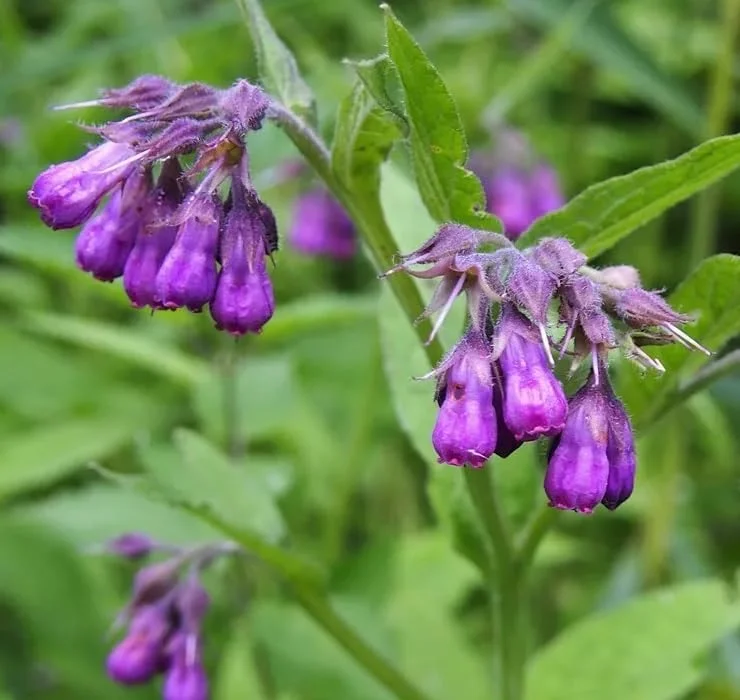
Sold 126 products
Original price was: $3,536.00.$23.99Current price is: $23.99.

Sold 125 products
Original price was: $86.99.$66.99Current price is: $66.99.
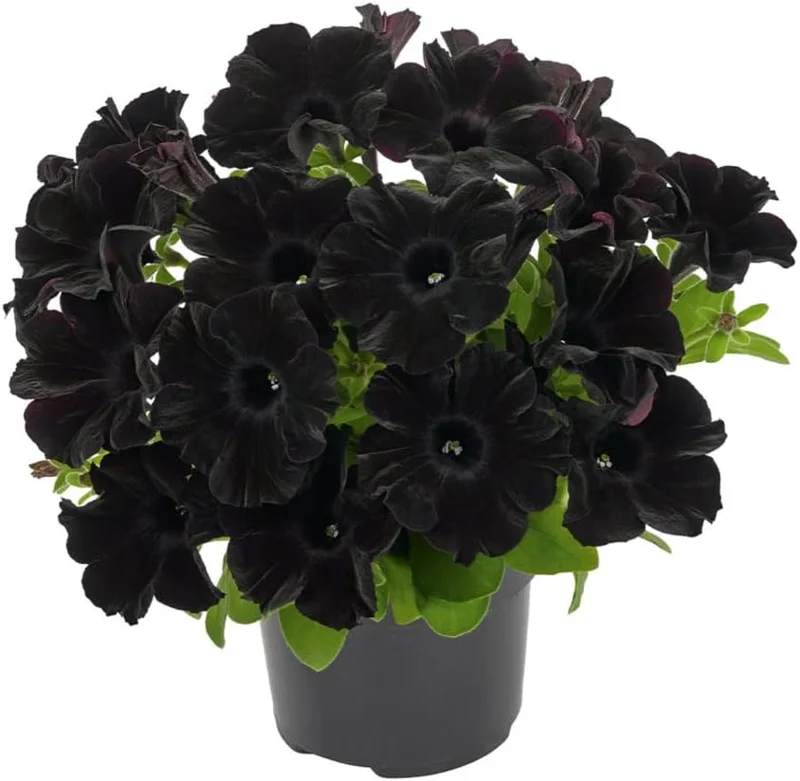
Sold 116 products
Original price was: $27.99.$16.99Current price is: $16.99.
Sold 114 products
Original price was: $28.99.$17.99Current price is: $17.99.
Flower Bulbs
3 Cranesbill Wild Geranium Organic Maculatums Bare Roots | Wildflower for Outdoor Garden
Sold 114 products
Original price was: $21.99.$6.99Current price is: $6.99.RELATED posts
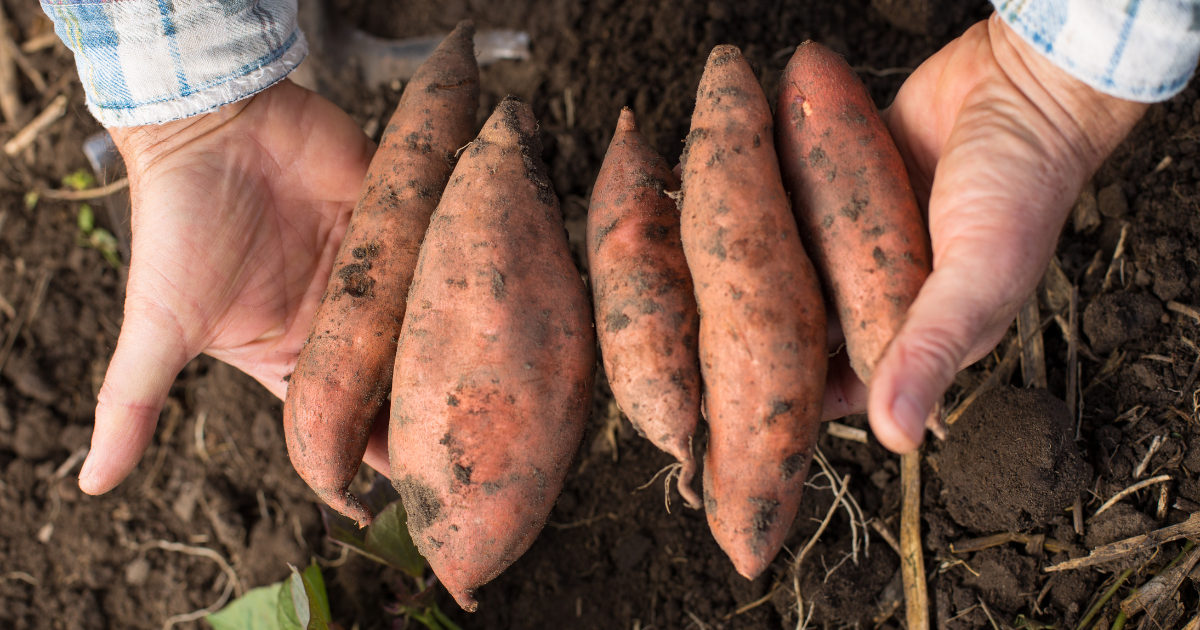
5 Tips for Growing Sweet Potatoes to Get the Biggest Sweet Potato Harvest Ever
If you are a fan of sweet potatoes, then these tips for growing sweet potatoes [...]
Apr
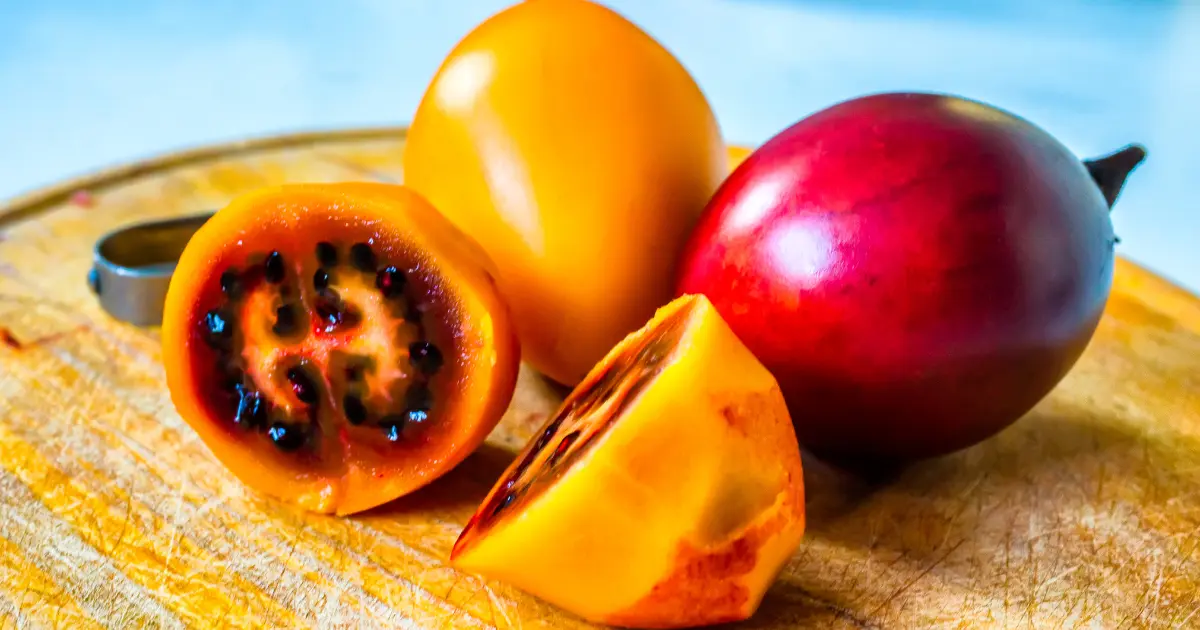
Tamarillo Tree Guide: Flavor, Texture & How to Eat Tree Tomatoes
The humble tomato is a kitchen staple we all know and love, but it rarely [...]
Apr
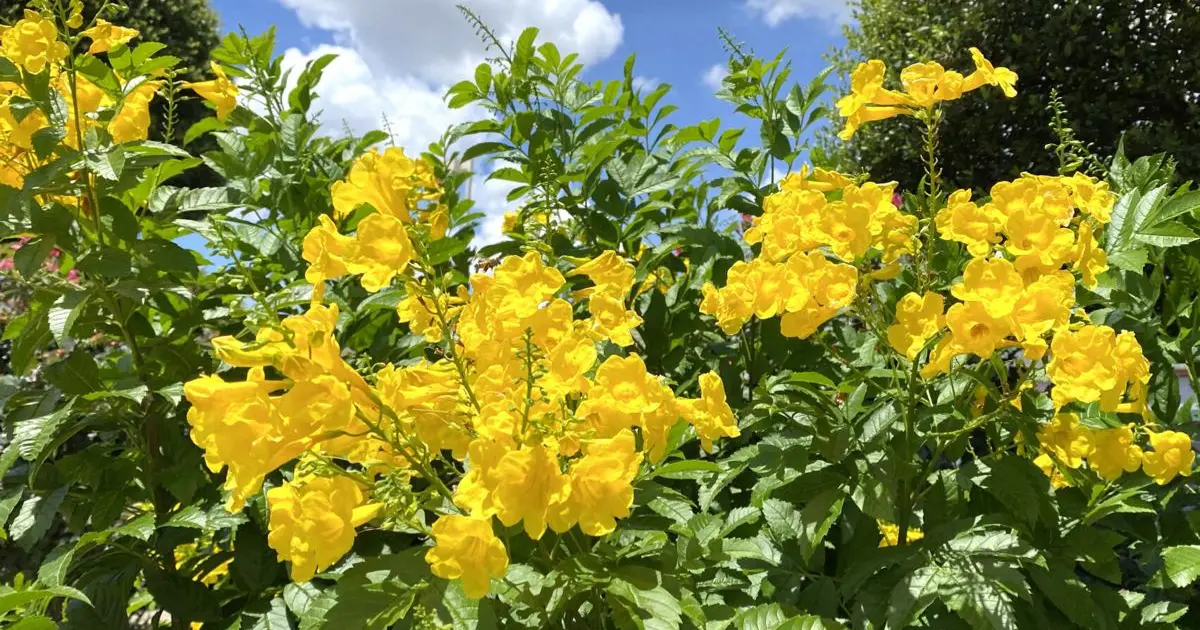
5 Pro Tips to Grow Esperanza ‘Gold Star’ Indoors: A Golden Glow for Your Home
While most gardeners know this Texas Superstar – Esperanza ‘Gold Star’ as a rugged outdoor [...]
Apr
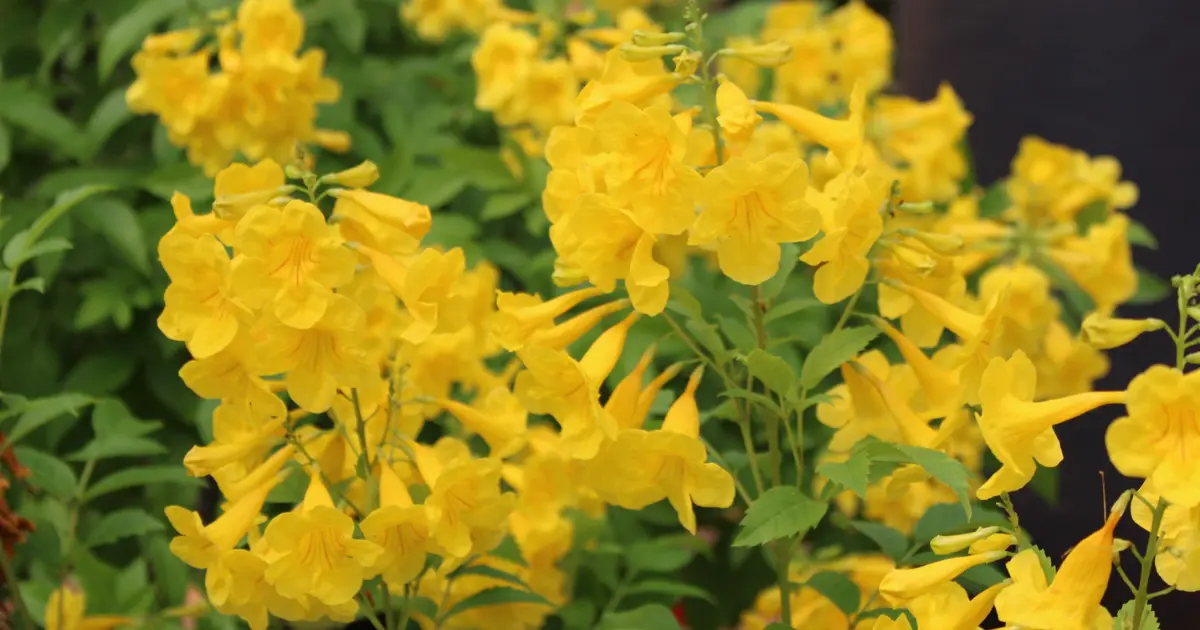
Mastering Esperanza Goldstar: Grow the Ultimate Yellow Bloom
Esperanza Goldstar is more than just a heat-tolerant shrub; for the American gardener battling the [...]
Apr
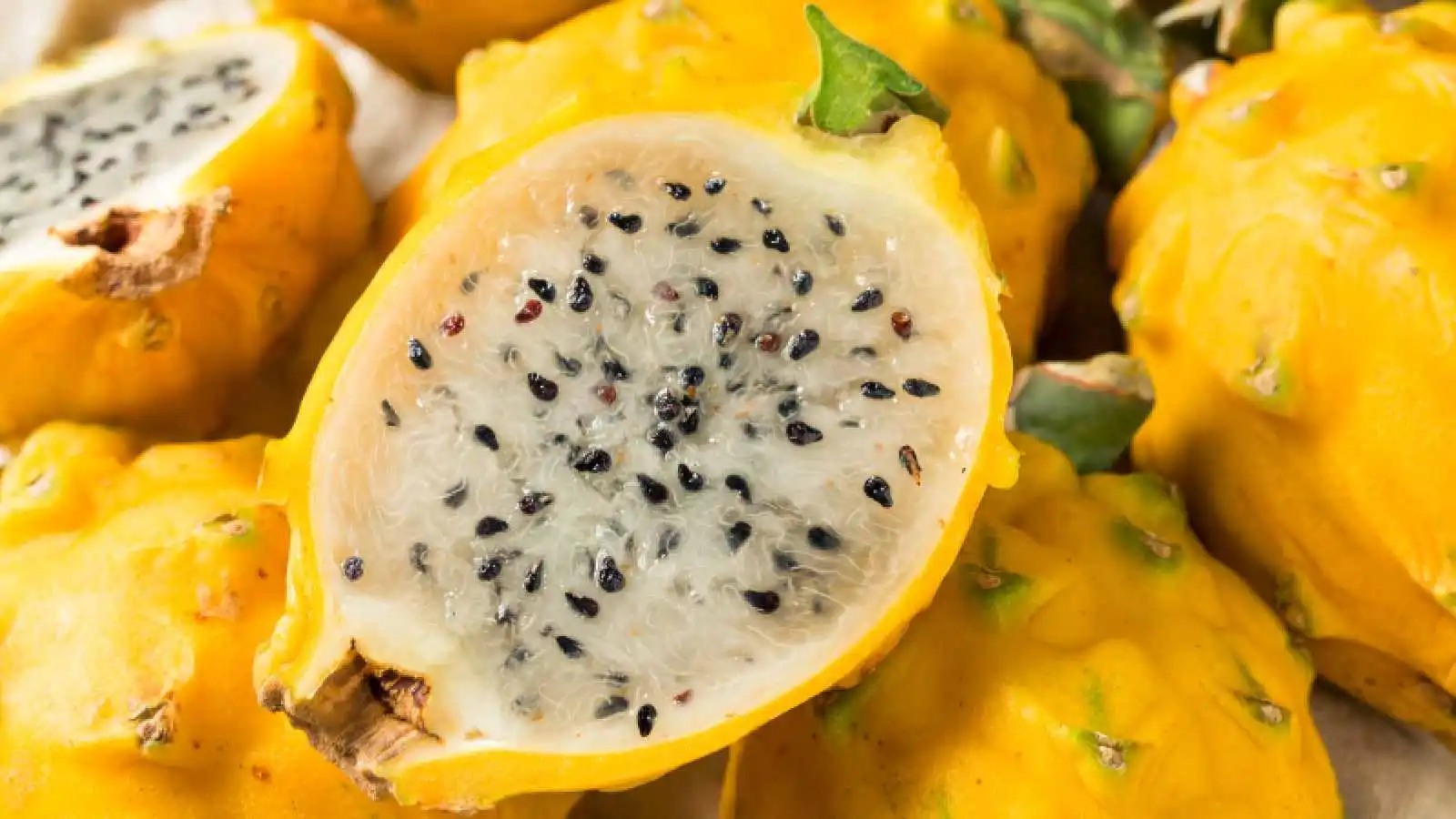
Yellow Dragon Fruit Plant Care: The Ultimate Guide for Healthy Growth
The yellow dragon fruit plant is a unique and rewarding addition to any home garden, [...]
Apr
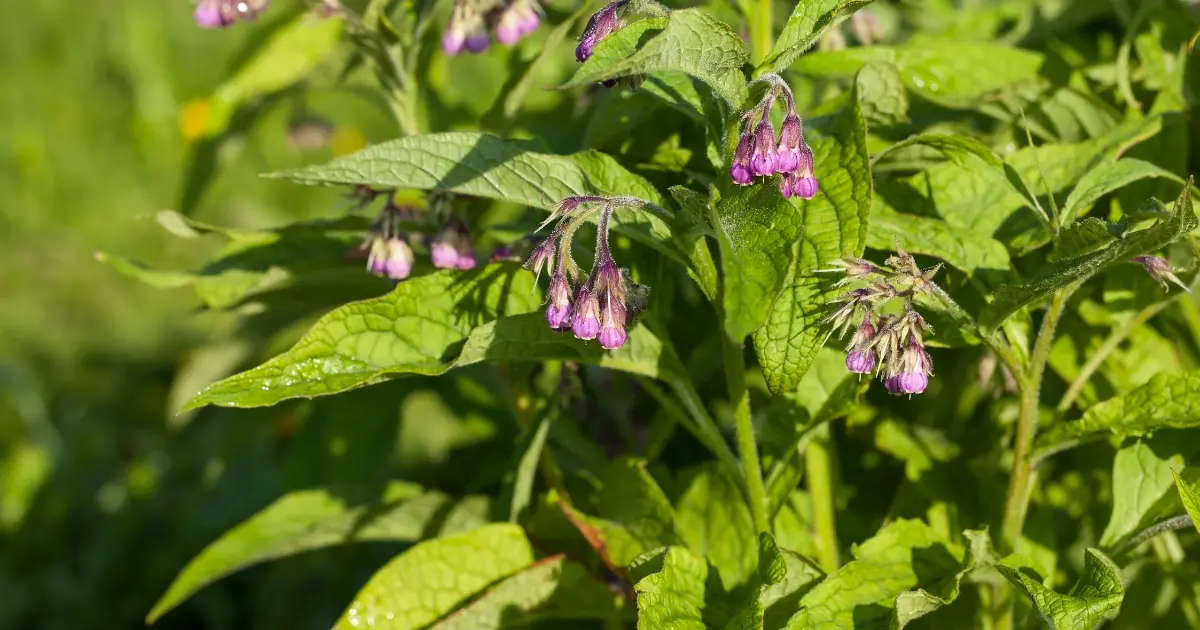
How to Identify Bocking 14 Comfrey: 5 Simple Visual Signs
If you’re growing comfrey for mulch, compost, or animal feed, knowing exactly which variety you [...]
Mar
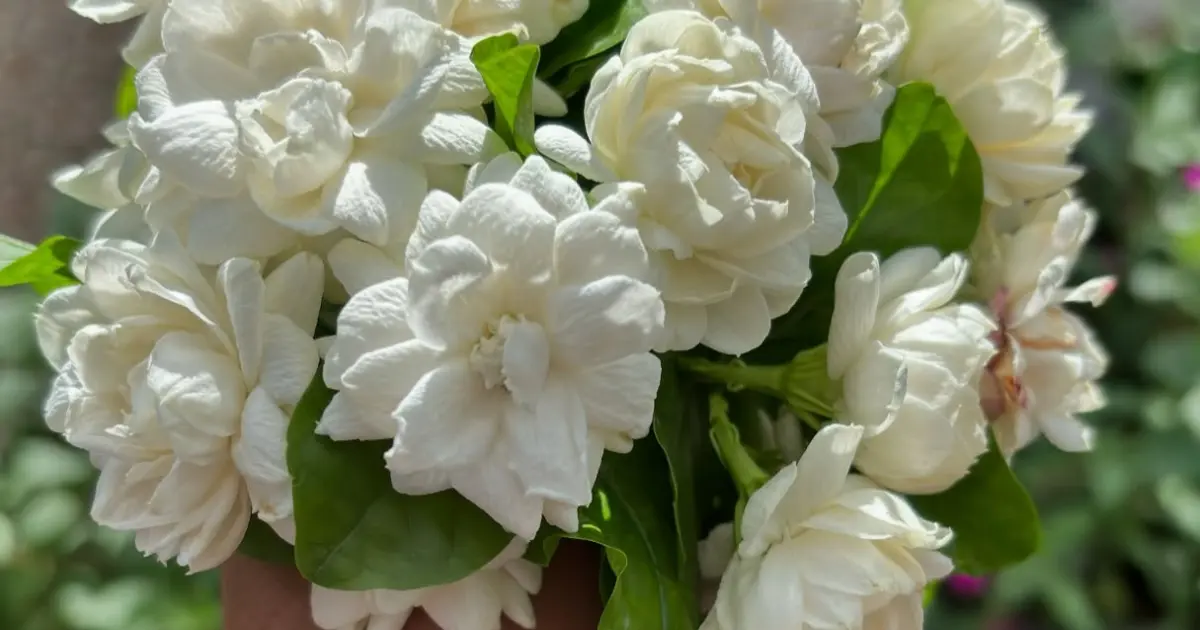
Grand Duke of Tuscany Jasmine: The Ultimate Guide to Growing a Fragrant Masterpiece
Have you ever caught a scent in the air so rich, creamy, and honey-sweet that [...]
Mar
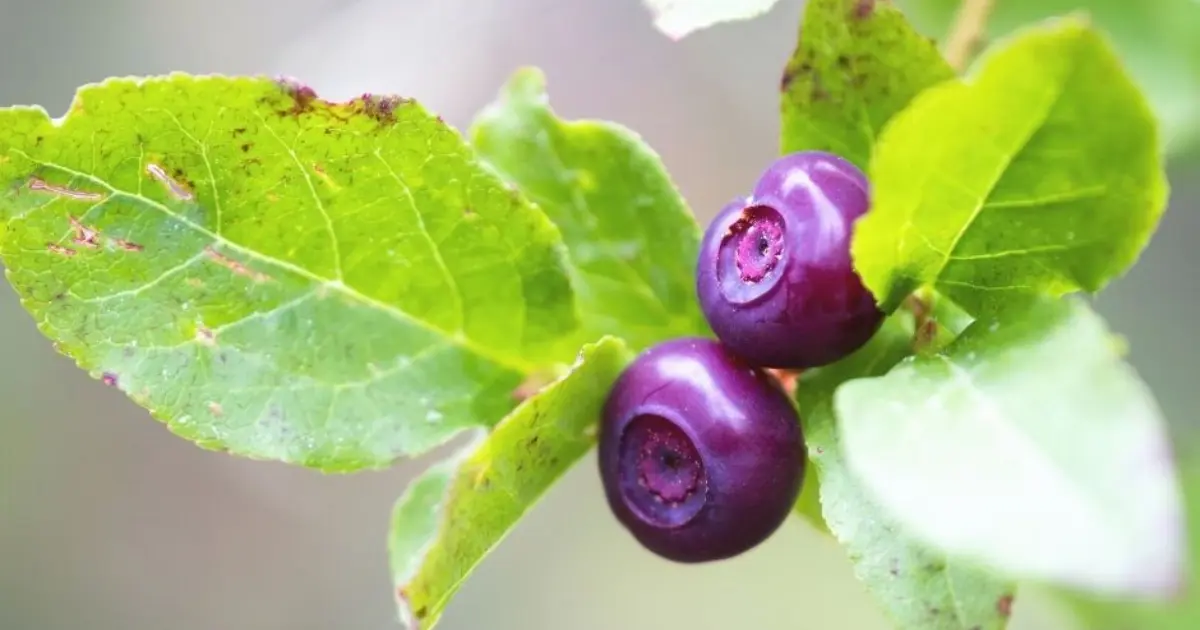
How to Grow Wild Huckleberries: A Guide to “Purple Gold”
Have you ever spent a summer afternoon hiking through the Pacific Northwest or the Rocky [...]
Mar
Reviews
There are no reviews yet.