
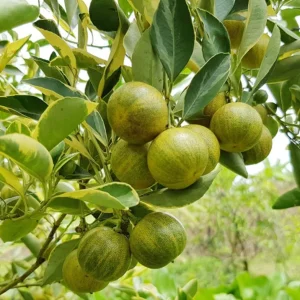
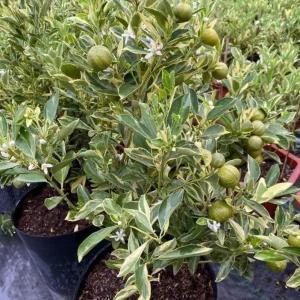
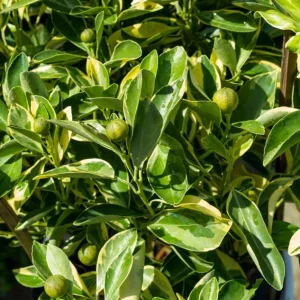
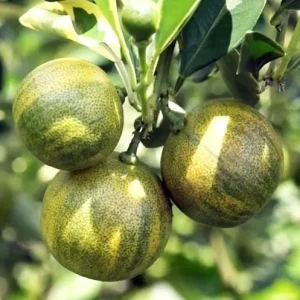
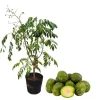
Variegated Minneola Kumquat Tree Live Plant 2-3 Ft Tall in 3 Gallon Pot
Original price was: $109.99.$89.99Current price is: $89.99.
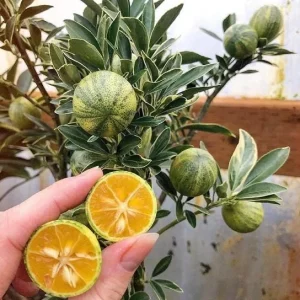
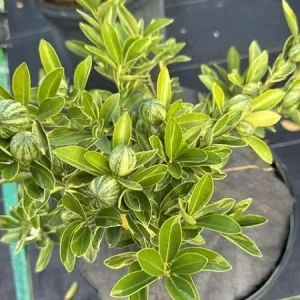
Cultivate your own delightful variegated minneola kumquat tree with this healthy 2-3 ft live plant, delivered in a 3-gallon pot. Enjoy striking foliage and delicious orange fruits. Perfect for patios or garden landscapes.
Estimated arrival
Mar 29
Apr 03 - Apr 05
Apr 08 - Apr 12

Reasonable Price
We offer reasonable price

Support 24/7
Contact us 24 hrs a day

100% Money Back
You've 30 days to Return

Payment Secure
100% secure payment
Overview
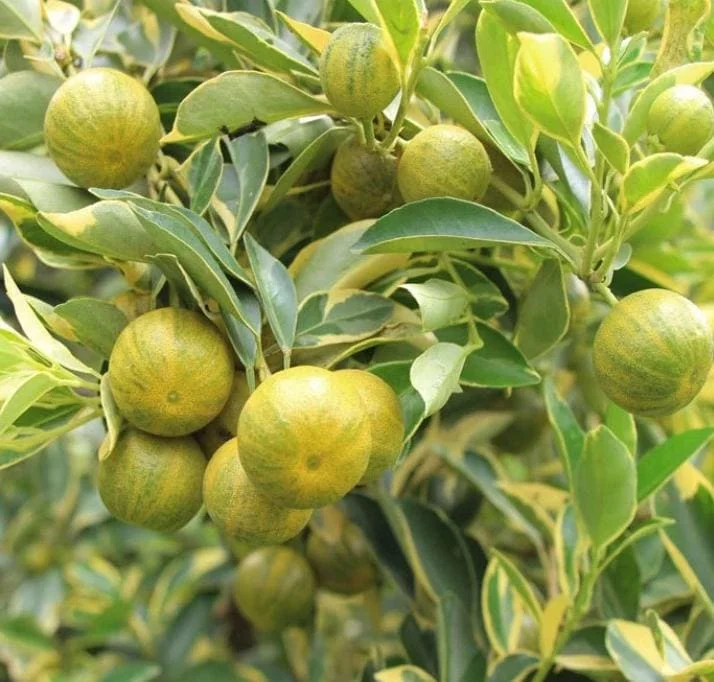
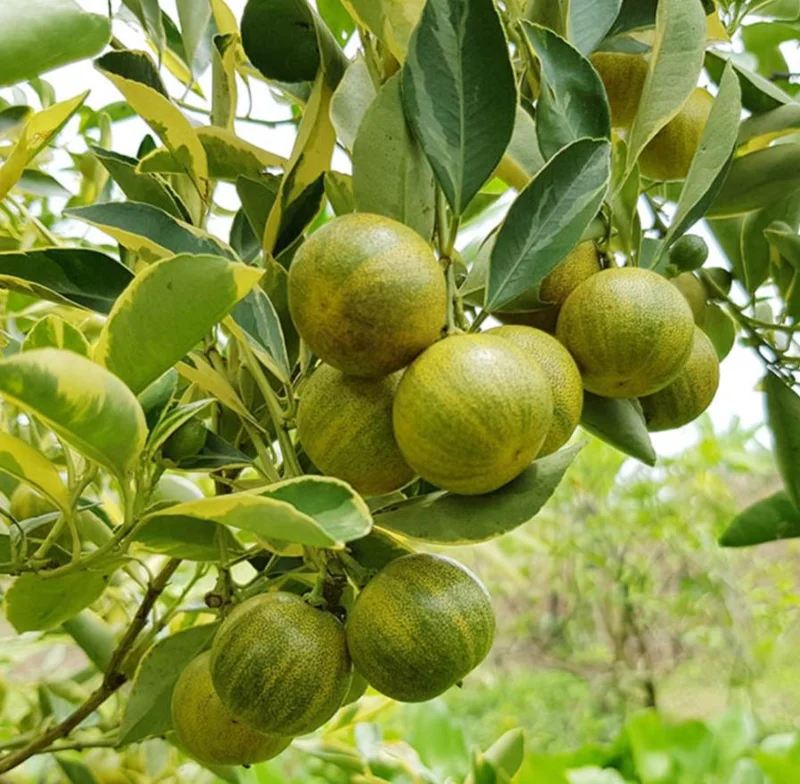
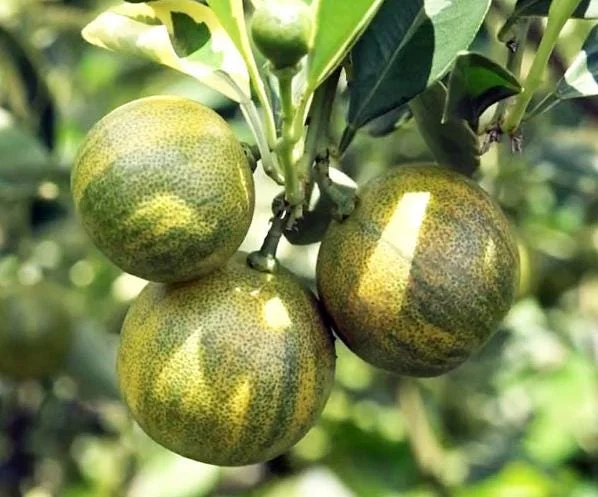
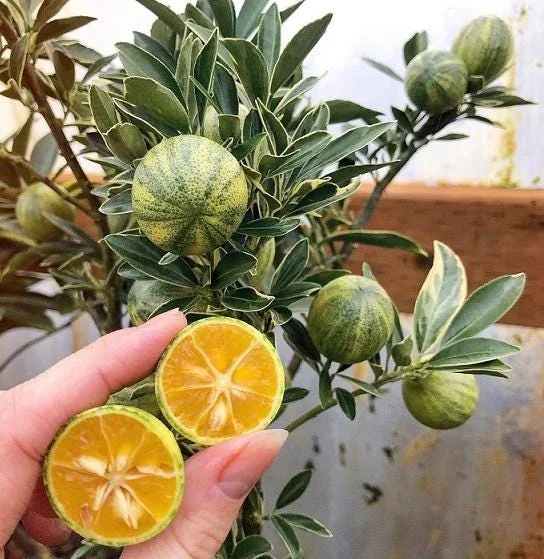
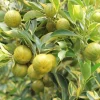
Introduce a touch of exotic beauty and flavor to your garden with the variegated minneola kumquat tree. This vibrant live plant, measuring 2-3 feet tall and rooted in a 3-gallon pot, is renowned for its attractive green and yellow variegated leaves and its sweet-tart orange fruits. The Minneola kumquat is a unique citrus variety, offering a delightful culinary experience that combines the zest of a kumquat with a hint of tangerine flavor. Ideal for growing in containers on patios or as a distinctive addition to your landscape, this tree promises both ornamental appeal and a bountiful harvest. Whether you’re an experienced gardener or just starting your citrus journey, this variegated minneola kumquat tree is a fantastic choice for fresh, homegrown fruit.
The Variegated Minneola Kumquat is a hybrid citrus that stands out with its unique fruit and foliage. Its compact size makes it suitable for various garden settings, and its ability to thrive in warm climates ensures a successful growing experience. This particular variety is cherished for its small, oval-shaped fruits that can be eaten whole, rind and all, providing a burst of refreshing flavor. It’s a truly rewarding plant that brings both visual interest and delicious produce.
Key Benefits
Adding a variegated minneola kumquat tree to your home offers numerous advantages beyond just its delicious fruit:
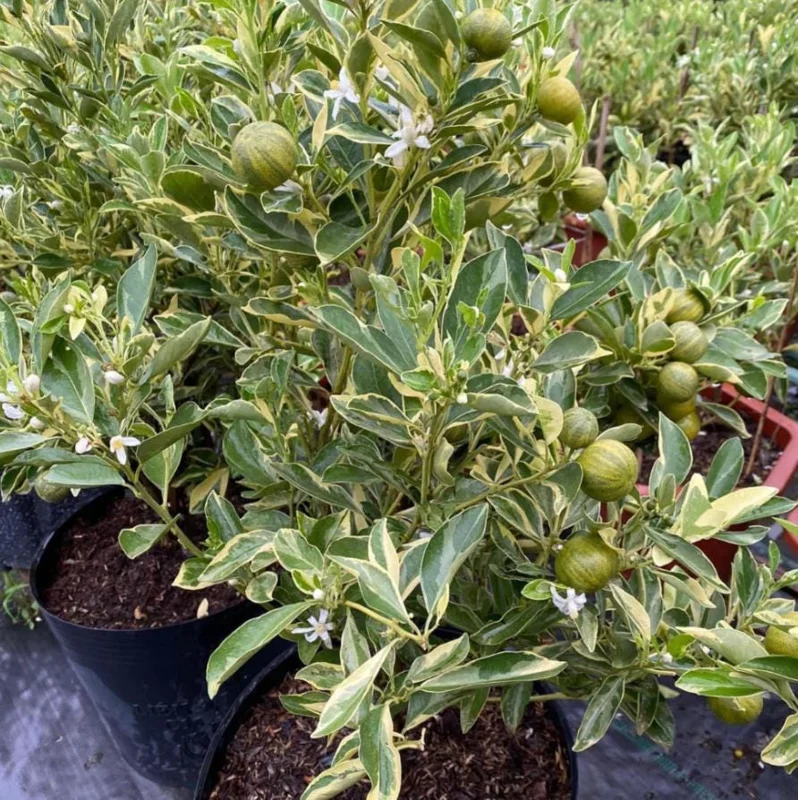
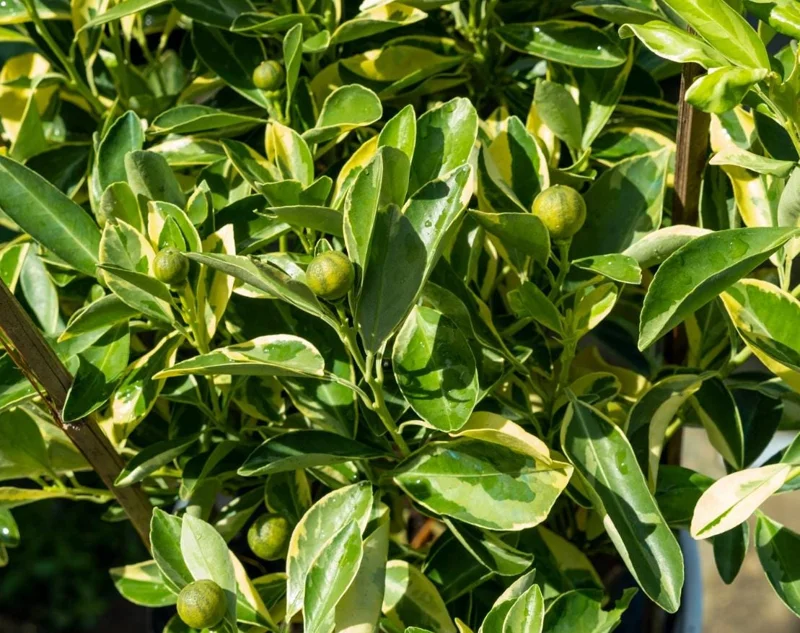
- Exceptional Ornamental Value: The striking variegated foliage, with its splashes of cream and green, makes this kumquat tree a beautiful focal point in any garden or patio. Its vibrant appearance adds year-round interest, even when not in fruit.
- Delicious, Edible Fruit: Enjoy a steady supply of fresh, sweet-tart kumquats directly from your own tree. These small, oval fruits are perfect for snacking, adding to salads, making marmalades, or garnishing desserts, offering a unique citrus flavor profile.
- Versatile Growing Options: This tree thrives both in the ground in suitable climates and as a container plant, allowing you to move it indoors during colder months. This adaptability makes it accessible to gardeners in various regions. You can easily grow kumquat tree in different settings.
- Aromatic Experience: The blossoms of the kumquat tree release a delightful fragrance, enhancing the sensory experience of your garden space. The scent is a precursor to the delicious fruit, adding to the anticipation.
- Relatively Low Maintenance: Once established, the minneola kumquat tree care is straightforward, requiring consistent watering and occasional fertilization. It’s a rewarding plant that doesn’t demand excessive attention for its impressive yield.
- Health Benefits: Kumquats are packed with Vitamin C, antioxidants, and fiber, contributing to a healthy diet. Growing your own ensures you have access to fresh, nutrient-rich produce free from pesticides and chemicals.
Plant Care & Growing Tips
Proper care is essential for a thriving variegated minneola kumquat tree. Choose a sunny location that receives at least 6-8 hours of direct sunlight daily. Well-drained, slightly acidic soil is crucial for optimal growth. When planting, dig a hole that is twice as wide as the root ball and plant at the same depth as it was in its 3-gallon container. This ensures the roots have ample space to spread and establish themselves.
Water deeply and regularly, especially during dry periods and the growing season. Allow the top inch of soil to dry slightly between waterings to prevent root rot, as citrus trees do not like consistently soggy soil. Mulch around the base of the tree to help retain soil moisture, regulate soil temperature, and suppress weeds. Fertilize your kumquat fruit plant with a balanced citrus-specific fertilizer during the active growing season, typically from spring through fall, following the product’s instructions. Prune lightly to maintain a desirable shape, remove any dead or diseased branches, and encourage good air circulation within the canopy, which is vital for fruit production and overall tree health. Understanding minneola kumquat tree care will lead to a successful harvest.
This citrus tree is best grown in warm, mild climates, generally USDA Zones 9-11. If you live in a region with colder winters, it is highly recommended to grow your citrus tree for sale in a container that can be easily moved indoors to protect it from frost. Ensure it still receives ample light when indoors. Protect young trees from strong winds. With consistent care, your tree will reward you with beautiful foliage and delicious fruit for years to come. Pests are generally minimal, but keep an eye out for common citrus issues like aphids or scale and treat promptly with appropriate organic solutions if necessary.
Size & Details
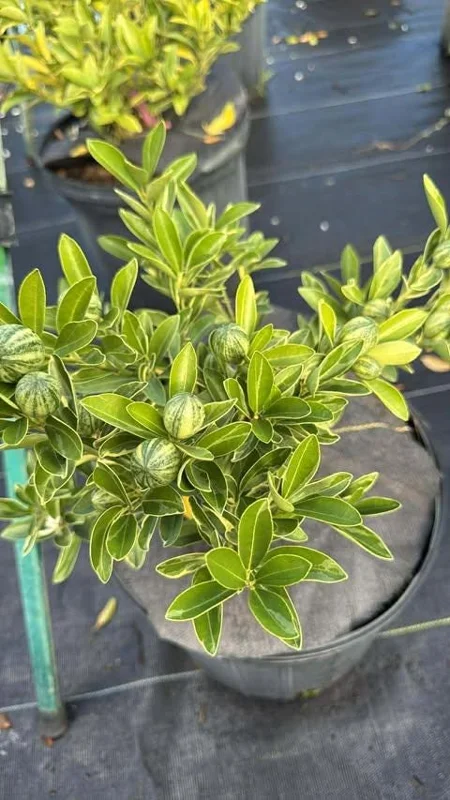
This variegated minneola kumquat tree arrives as a healthy, established live plant, typically measuring between 2 to 3 feet in height from the base of the pot to the top of the foliage. It is carefully rooted in a 3-gallon nursery pot, providing a robust start for continued growth. The tree exhibits a moderate growth rate, and with proper care, it will gradually mature, developing a fuller canopy and increasing fruit production. Expect a compact to medium-sized tree, making it suitable for a variety of garden spaces, including smaller yards or patio containers. The variegated foliage is already well-developed, showcasing the distinctive green and cream patterns that make this variety so appealing.
Each tree is carefully prepared for shipment to ensure it arrives in optimal condition, ready for planting or placement in its permanent location. The 3-gallon pot size provides ample room for the root system to continue developing before needing to be transplanted into a larger container or directly into the ground. Expect your tree to begin producing fruit within 1-2 years under ideal growing conditions, with yields increasing as the tree matures. This is a fantastic opportunity to grow kumquat tree and enjoy fresh fruit.
Frequently Asked Questions
- Q: How big does this variegated minneola kumquat tree get? A: With proper care, this tree can reach a mature height of 6-10 feet when planted in the ground, though it can be kept smaller through pruning or by growing it in a container. Its spread is typically proportional to its height, creating a rounded canopy.
- Q: Is this an indoor or outdoor plant? A: While it thrives outdoors in warm climates (USDA Zones 9-11), it can also be grown as a container plant and brought indoors during cold weather. If grown indoors, ensure it receives significant bright light.
- Q: How much sunlight does a minneola kumquat tree care require? A: For optimal growth and fruit production, this kumquat tree needs full sun, meaning at least 6-8 hours of direct sunlight per day. Insufficient light can lead to poor fruiting.
- Q: Is this plant easy to care for? A: Yes, once established, the variegated minneola kumquat is relatively easy to care for. It requires consistent watering, proper fertilization, and occasional pruning, making it suitable for gardeners of various experience levels.
- Q: What condition will it arrive in? A: Your kumquat fruit plant will arrive as a healthy, live specimen, well-rooted in a 3-gallon pot. It is carefully packaged to minimize stress during transit and ensure it reaches you in excellent condition, ready for planting.
- Q: When is the best time to plant a citrus tree for sale? A: The best time to plant a kumquat tree is in spring or early summer, after the last threat of frost has passed. This allows the tree ample time to establish its root system before extreme weather.
- Q: What type of soil is best for this tree? A: A well-draining, slightly acidic soil (pH 6.0-7.0) is ideal. For container planting, a high-quality potting mix formulated for citrus or tropical plants is recommended to ensure proper drainage and aeration.
- Q: Can I eat the peel of the fruit? A: Yes, one of the unique characteristics of kumquats is that the entire fruit, including the rind, is edible. The rind is often sweeter than the pulp, offering a delightful combination of flavors.
- Q: How often should I water my kumquat tree? A: Water deeply when the top 1-2 inches of soil feel dry to the touch. The frequency will vary based on climate, season, and whether it’s in a container or in the ground. Avoid overwatering.
- Q: Will this tree produce fruit in its first year? A: While some young trees may produce a small amount of fruit in their first year, significant fruit production typically begins in the second or third year after planting, as the tree matures and establishes itself.
Be the first to review “Variegated Minneola Kumquat Tree Live Plant 2-3 Ft Tall in 3 Gallon Pot”
-
USDA Hardiness Zone
USDA Zones 9-11 -
Soil Type
Well-drained, slightly acidic soil -
Sunlight Exposure
Full sun (6-8 hours daily) -
Expected Planting Period
Spring to early summer
People Also Viewd


Sold 128 products
Original price was: $27.00.$24.00Current price is: $24.00.

Sold 127 products
Original price was: $89.99.$64.99Current price is: $64.99.

Sold 125 products
Original price was: $3,536.00.$23.99Current price is: $23.99.

Sold 125 products
Original price was: $86.99.$66.99Current price is: $66.99.
Sold 116 products
Original price was: $27.99.$16.99Current price is: $16.99.

Flower Bulbs
3 Cranesbill Wild Geranium Organic Maculatums Bare Roots | Wildflower for Outdoor Garden
Sold 114 products
Original price was: $21.99.$6.99Current price is: $6.99.

Sold 114 products
Original price was: $28.99.$17.99Current price is: $17.99.

Sold 109 products
Original price was: $63.99.$28.99Current price is: $28.99.RELATED posts
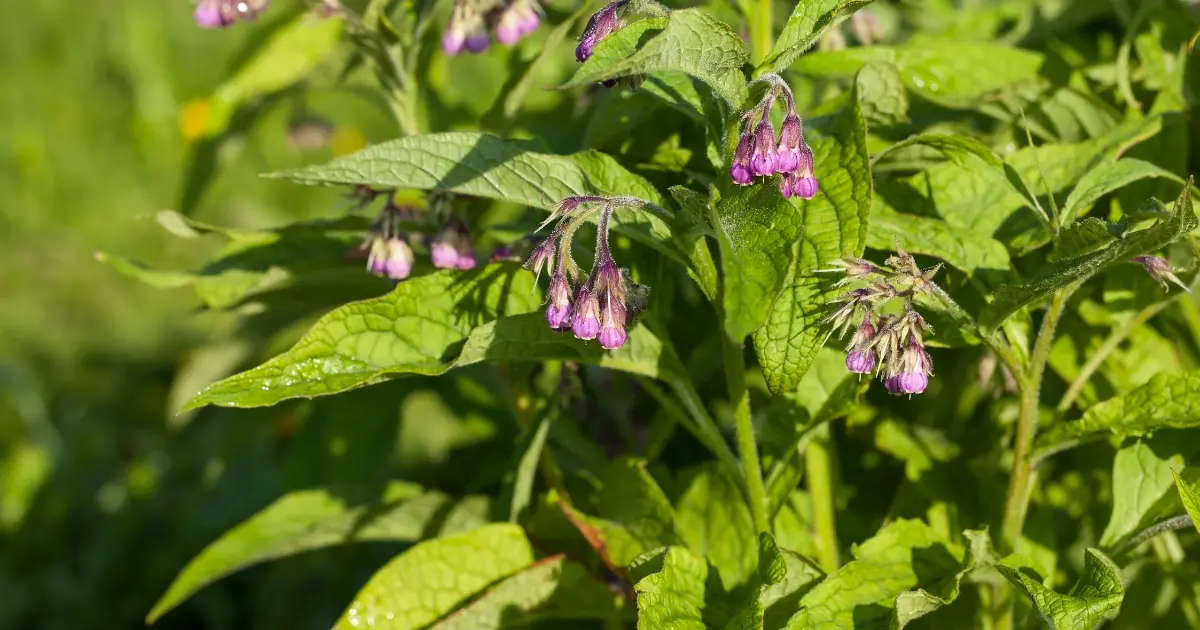
How to Identify Bocking 14 Comfrey: 5 Simple Visual Signs
If you’re growing comfrey for mulch, compost, or animal feed, knowing exactly which variety you [...]
Mar
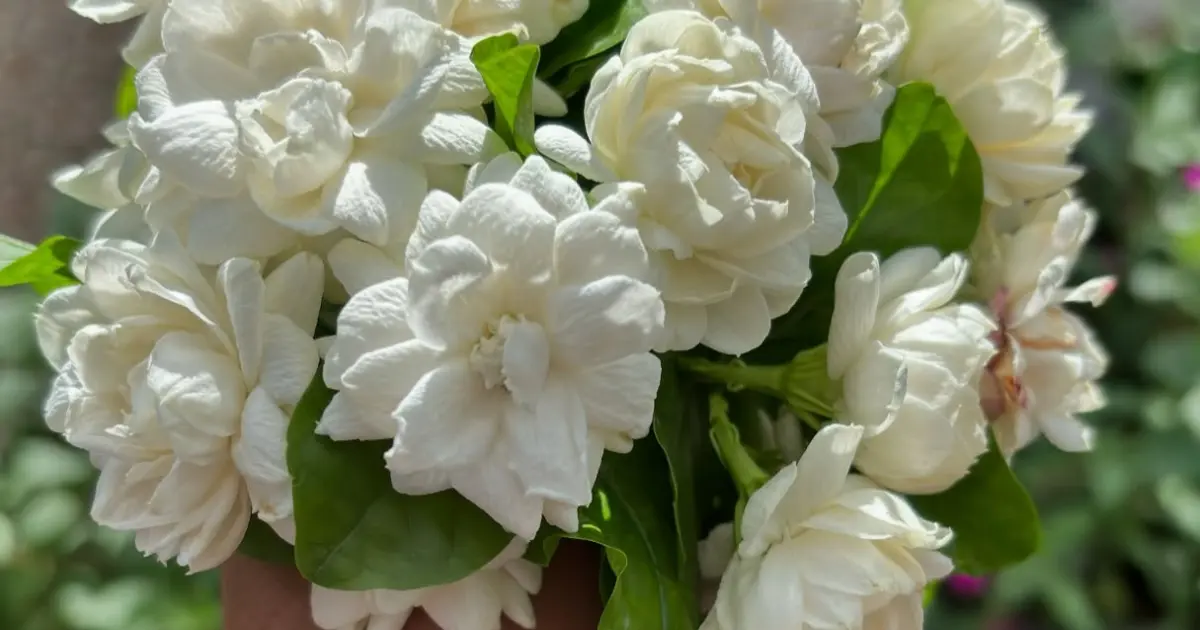
Grand Duke of Tuscany Jasmine: The Ultimate Guide to Growing a Fragrant Masterpiece
Have you ever caught a scent in the air so rich, creamy, and honey-sweet that [...]
Mar
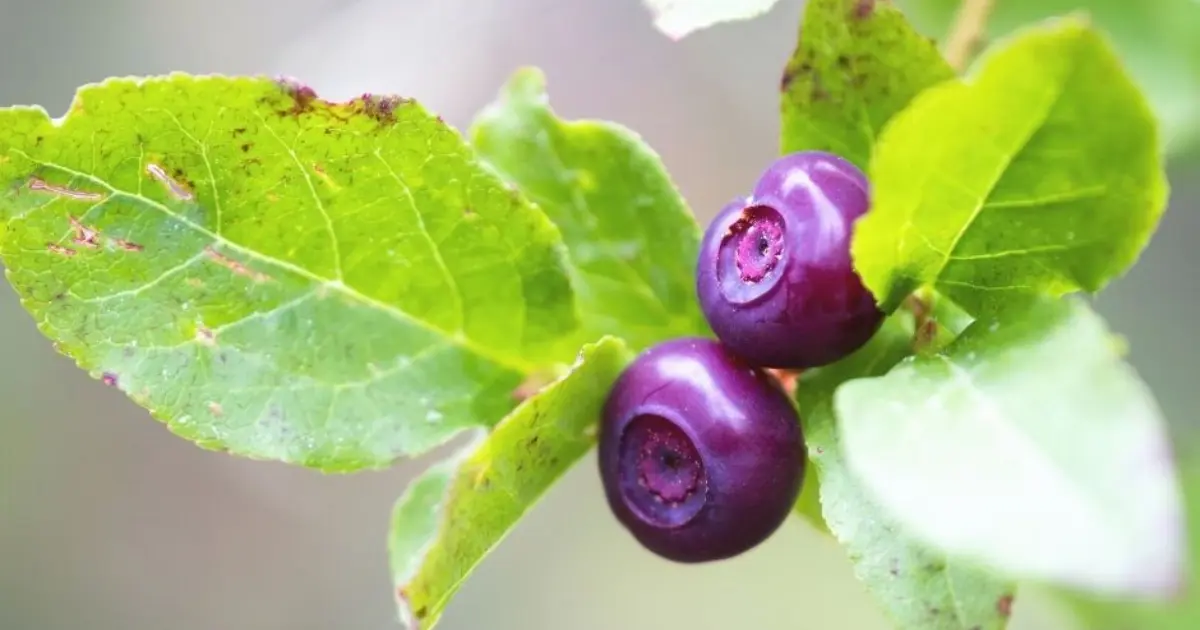
How to Grow Wild Huckleberries: A Guide to “Purple Gold”
Have you ever spent a summer afternoon hiking through the Pacific Northwest or the Rocky [...]
Mar
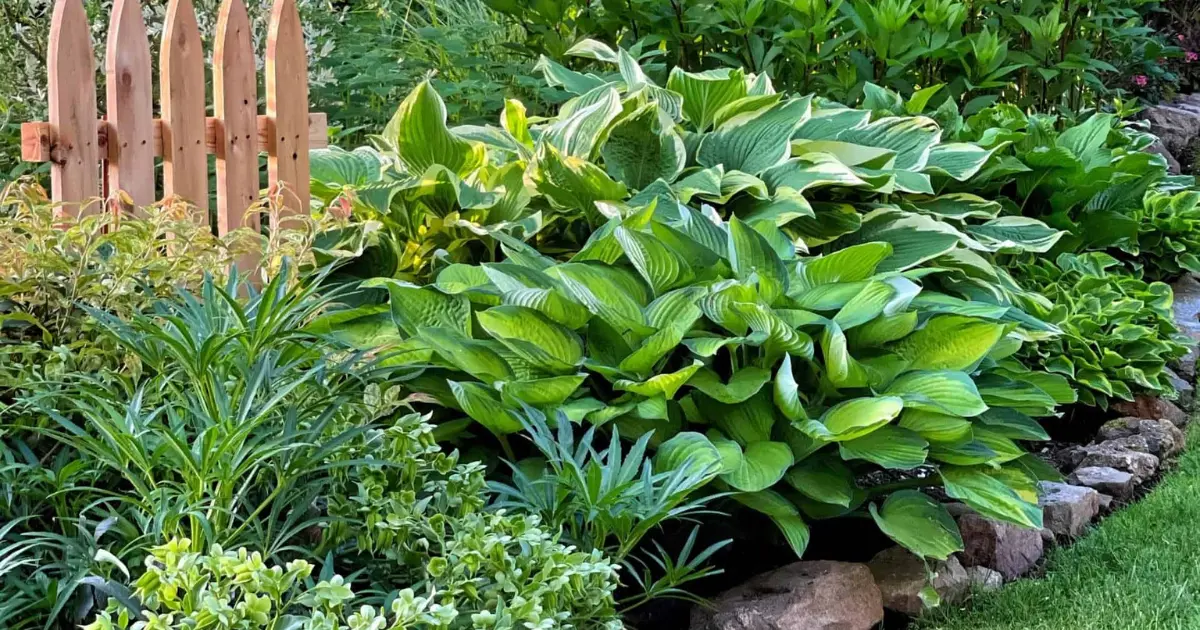
5 Best Shade-Loving Perennials for a Lush, Vibrant Garden
The world of gardening often shines a spotlight on sun-drenched blossoms, but there is a [...]
Mar

7 Common Curry Leaf Plant Problems: Easy Fixes for a Thriving Plant
Is your curry leaf plant looking a bit sad lately? Maybe you woke up to [...]
Mar
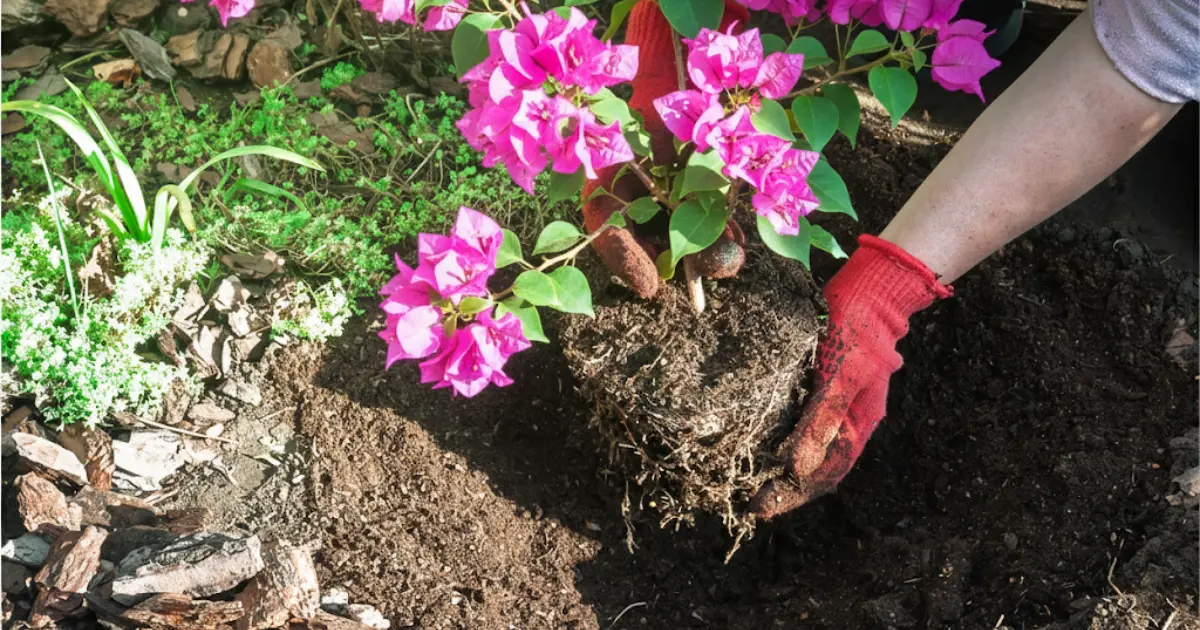
Best Time to Plant Bougainvillea: Timing for Vibrant Blooms
If you’re looking for a hardy tropical vine that delivers a riot of neon color, [...]
Feb
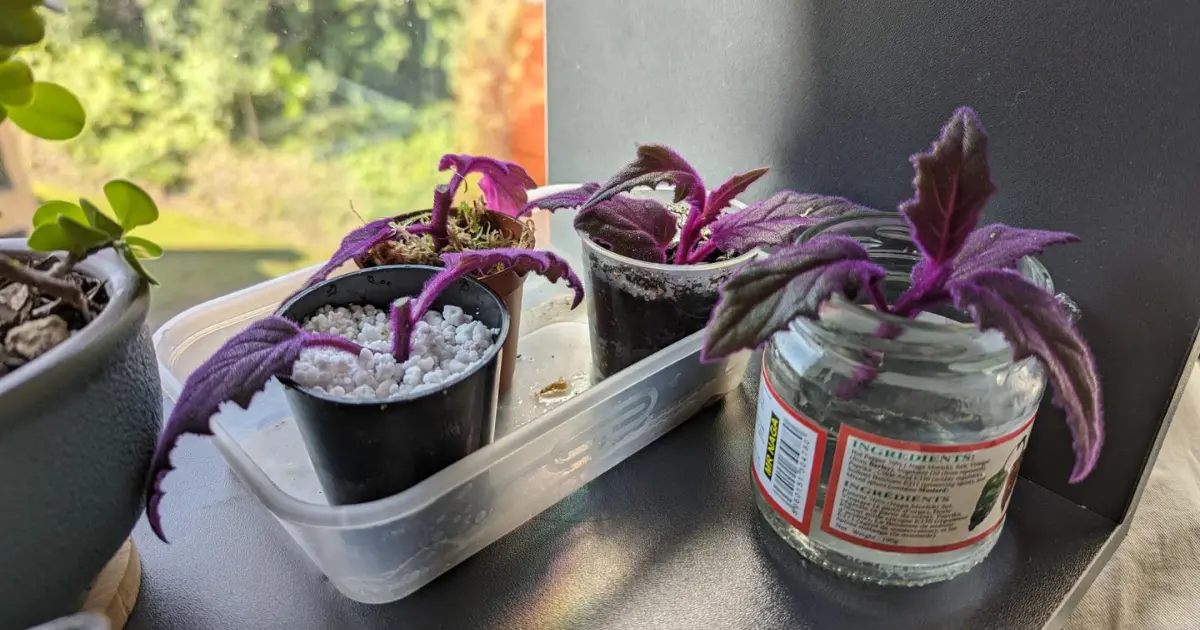
How to Propagate Purple Passion Plants (Gynura aurantiaca)
Have you ever been mesmerized by the neon-purple glow and fuzzy, velvet-like leaves of a [...]
Feb
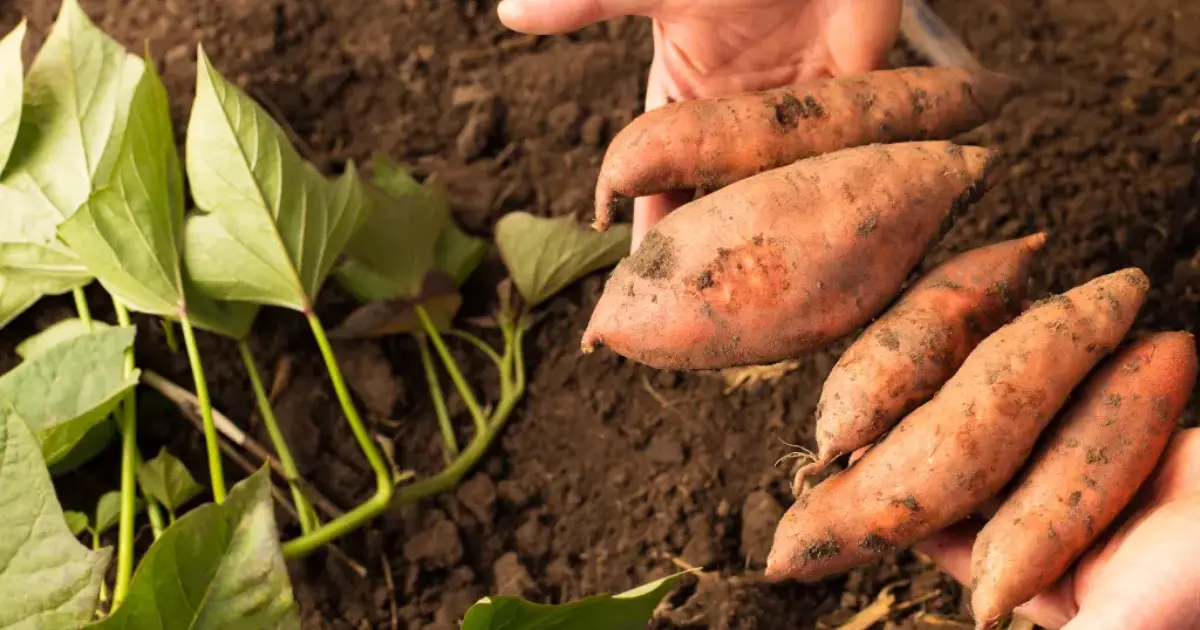
How to Grow Beauregard Sweet Potatoes: From Slips to a Bountiful Harvest
Are you ready to add a classic, heavy-hitting favorite to your vegetable patch? If you’ve [...]
Feb
Reviews
There are no reviews yet.