
Witch Hazel Live Plant – Well-Rooted Hamamelis virginiana Shrub, 12-24 in Tall, Outdoor
Original price was: $63.00.$31.50Current price is: $31.50.
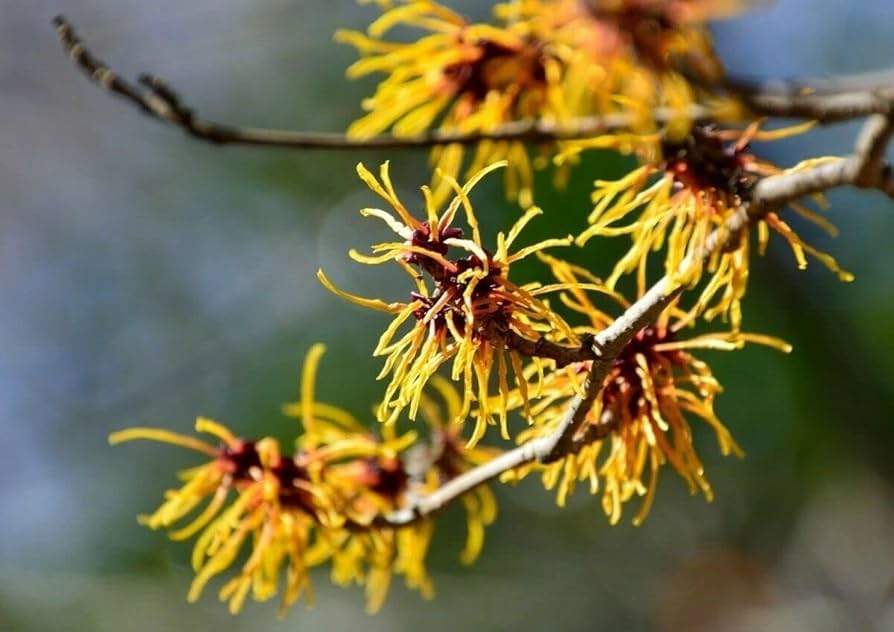
Introduce a beautiful witch hazel live plant to your landscape. This well-rooted witch hazel specimen (Hamamelis virginiana) is a captivating deciduous shrub known for its unique, spider-like yellow flowers that bloom from late fall into winter, providing essential color when other plants are dormant. It also boasts attractive autumn foliage, making it a year-round delight.
Estimated arrival
Feb 26
Mar 03 - Mar 05
Mar 08 - Mar 12

Reasonable Price
We offer reasonable price

Support 24/7
Contact us 24 hrs a day

100% Money Back
You've 30 days to Return

Payment Secure
100% secure payment
Overview
Introduce a touch of natural elegance and year-round interest to your garden with a premium witch hazel live plant. This particular offering features a well-rooted witch hazel specimen, ensuring a robust start in its new environment. Known scientifically as Hamamelis virginiana, this exquisite plant is a native North American deciduous shrub celebrated for its unique, ribbon-like flowers that often bloom in late fall to early winter, adding much-needed color when most other plants are dormant. Beyond its striking floral display, the witch hazel also boasts attractive foliage throughout the growing season, turning brilliant shades of yellow and orange in autumn. Its adaptability and distinct beauty make it a cherished addition to any landscape, whether you’re aiming for a naturalized woodland feel or a more structured garden design. This plant is a true gem for gardeners seeking both ornamental appeal and resilience, often considered one of the most beautiful fall blooming plants.
Our witch hazel live plant is carefully cultivated to provide you with a healthy and vigorous specimen. This deciduous shrub will not only beautify your garden but also contribute to local biodiversity by attracting early pollinators. Its resilient nature and minimal care requirements make it an ideal choice for both experienced gardeners and those new to cultivating ornamental plants. Experience the unique charm and seasonal spectacle of this exceptional plant.
Key Benefits
The witch hazel live plant offers a multitude of benefits, making it a highly desirable addition to landscapes and gardens. Its unique characteristics provide aesthetic appeal and practical advantages for gardeners seeking beautiful fall blooming plants.
- Seasonal Interest: Enjoy vibrant, spider-like yellow flowers that bloom from late fall into winter, providing crucial color when other plants are bare. The foliage also offers stunning fall colors, making it a year-round attraction. This makes it an excellent choice among fall blooming plants.
- Low Maintenance: This deciduous shrub is remarkably easy to care for once established, requiring minimal pruning and tolerating a range of soil conditions. It’s a perfect choice for gardeners seeking beauty without constant upkeep, especially regarding Hamamelis virginiana care.
- Wildlife Attraction: The early blooming flowers provide a valuable nectar source for early emerging pollinators, contributing to local biodiversity. Birds may also find shelter and nesting sites within its branches, supporting your garden’s ecosystem.
- Medicinal Properties: Historically, Hamamelis virginiana has been used for its astringent properties, often featured in skincare and topical remedies. Growing your own offers a connection to these traditional uses and a source for natural extracts.
- Versatile Landscaping: Suitable for a variety of garden styles, from woodland gardens to mixed borders, or even as a specimen plant. Its moderate size makes it adaptable to many garden spaces, enhancing any design.
- Cold Hardy: This witch hazel live plant is known for its excellent cold hardiness, thriving in a wide range of USDA zones, including colder climates, making it a resilient choice for diverse environments.
- Air Purifying: Like many plants, the witch hazel contributes to improving air quality by absorbing carbon dioxide and releasing oxygen, fostering a healthier and more pleasant environment around your home.
Plant Care & Growing Tips
Proper Hamamelis virginiana care ensures a healthy and thriving plant. Your witch hazel live plant prefers a location with full sun to partial shade. In hotter climates, partial shade, especially during the afternoon, will help protect the foliage from scorching. Aim for at least 4-6 hours of direct sunlight for optimal flowering. The plant is adaptable to a variety of soil types, but thrives best in well-draining, slightly acidic to neutral soil. Amending heavy clay soils with organic matter can improve drainage and aeration, which is crucial for a well-rooted witch hazel. Conversely, sandy soils may benefit from added compost to retain moisture and nutrients.
Regular watering is important, especially during the first year of establishment and during dry spells. Keep the soil consistently moist but never waterlogged. Once established, witch hazel becomes more drought-tolerant, but occasional deep watering during prolonged dry periods will be beneficial. This deciduous shrub is hardy in USDA Zones 5 to 8, tolerating temperatures down to -20°F, making it a robust choice for many regions. Fertilize your witch hazel live plant in early spring with a balanced, slow-release granular fertilizer formulated for trees and shrubs. Follow the product instructions for application rates. Pruning is generally minimal, focusing on removing dead, damaged, or crossing branches to maintain a good shape and promote air circulation. The best time to prune is after the plant has finished flowering in late winter or early spring. Regular mulching around the base of the plant with organic material like wood chips or shredded bark helps retain soil moisture, suppress weeds, and regulate soil temperature. While generally robust, keep an eye out for common pests like leaf gall aphids or powdery mildew, which can be managed with appropriate horticultural sprays if they become problematic. Ensuring good air circulation and proper watering practices can often prevent many fungal issues.
Size & Details
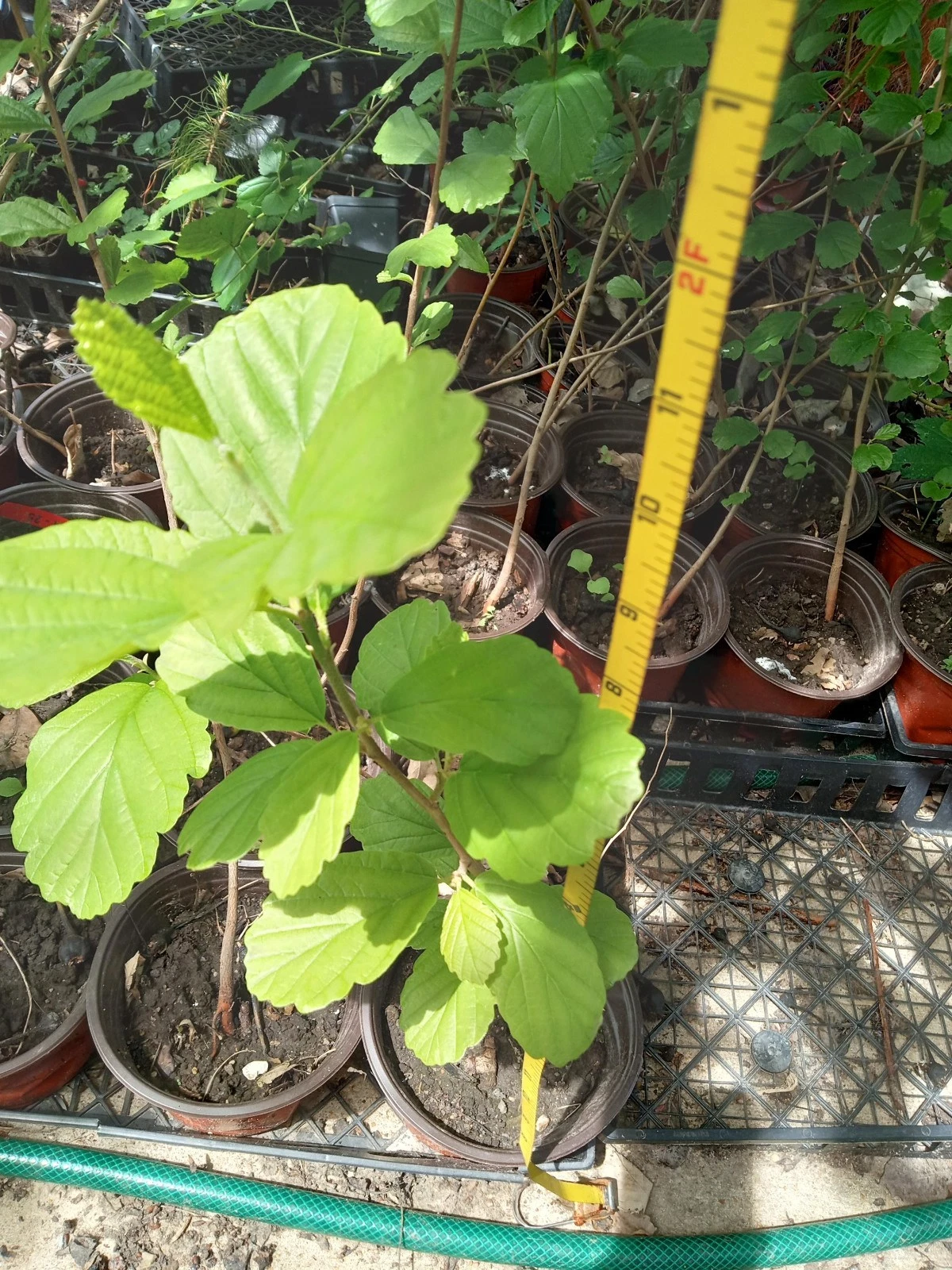
This offering is for a witch hazel live plant, shipped as a well-rooted witch hazel specimen. The plants typically arrive ready for planting, with a healthy root system developed for successful establishment. While specific heights can vary based on the batch, these young plants are generally between 12-24 inches tall at the time of shipment, providing a good foundation for future growth. The Hamamelis virginiana care for these plants will lead to a moderate growth rate, eventually reaching a mature height of 10-20 feet with a similar spread, forming an attractive, multi-stemmed deciduous shrub or small tree. Expect the first significant blooms to appear within 1-3 years after planting, with the plant steadily increasing its floral display as it matures. These plants are grown to be robust and are suitable for planting in a variety of garden settings, offering beautiful characteristics as one of the best fall blooming plants.
Frequently Asked Questions
- Q: How big does this plant get? A: A mature witch hazel live plant, specifically Hamamelis virginiana, can typically reach a height of 10-20 feet and a similar spread, forming a large, multi-stemmed shrub or small tree over time.
- Q: What size pot does it come in? A: The plants are shipped as well-rooted witch hazel specimens, meaning they arrive with a healthy root ball, but the exact container size may vary. They are ready for immediate planting upon arrival to ensure optimal growth.
- Q: Is this an indoor or outdoor plant? A: Witch hazel is primarily an outdoor plant, a hardy deciduous shrub that thrives in garden landscapes. It is not typically grown as an indoor houseplant due to its size and light requirements.
- Q: How much sunlight does it need? A: This plant prefers full sun to partial shade. In areas with intense summer heat, partial afternoon shade is beneficial for optimal growth and to protect its foliage from scorching, crucial for proper Hamamelis virginiana care.
- Q: Is this plant easy to care for? A: Yes, once established, the witch hazel live plant is considered relatively low-maintenance. Basic care involves proper watering, occasional fertilization, and minimal pruning, making it suitable for many gardeners.
- Q: What condition will it arrive in? A: Your plant will arrive as a carefully packaged, well-rooted witch hazel specimen, ready for planting to ensure the best possible start in your garden. We prioritize healthy root development for successful establishment.
- Q: When is the best time to plant? A: Spring or fall are generally the best times to plant witch hazel, allowing the roots to establish before extreme summer heat or winter cold. This helps the plant become a strong specimen among fall blooming plants.
- Q: Will it survive winter in my zone? A: Yes, Hamamelis virginiana is known for its excellent cold hardiness and thrives in USDA Hardiness Zones 5 to 8, making it suitable for many temperate climates and ensuring winter survival.
- Q: What type of soil does it prefer? A: Witch hazel prefers well-draining, slightly acidic to neutral soil. Amending heavy clay soils with organic matter is recommended for optimal growth and root health.
- Q: Can I use witch hazel for medicinal purposes? A: While historically used for its medicinal properties, it’s generally best to consult with a professional before using any plant for self-medication. Our focus is on providing a healthy ornamental plant.
Be the first to review “Witch Hazel Live Plant – Well-Rooted Hamamelis virginiana Shrub, 12-24 in Tall, Outdoor”
-
USDA Hardiness Zone
USDA Zones 5-8 -
Soil Type
Well-draining, slightly acidic to neutral soil -
Sunlight Exposure
Full sun to partial shade -
Expected Planting Period
Spring or fall
People Also Viewd
Sold 128 products
Original price was: $27.00.$24.00Current price is: $24.00.

Sold 125 products
Original price was: $86.99.$66.99Current price is: $66.99.
Sold 125 products
Original price was: $26.99.$16.99Current price is: $16.99.
Sold 123 products
Original price was: $89.99.$64.99Current price is: $64.99.
Sold 122 products
Original price was: $3,536.00.$23.99Current price is: $23.99.
Sold 116 products
Original price was: $27.99.$16.99Current price is: $16.99.
Sold 114 products
Original price was: $28.99.$17.99Current price is: $17.99.
Flower Bulbs
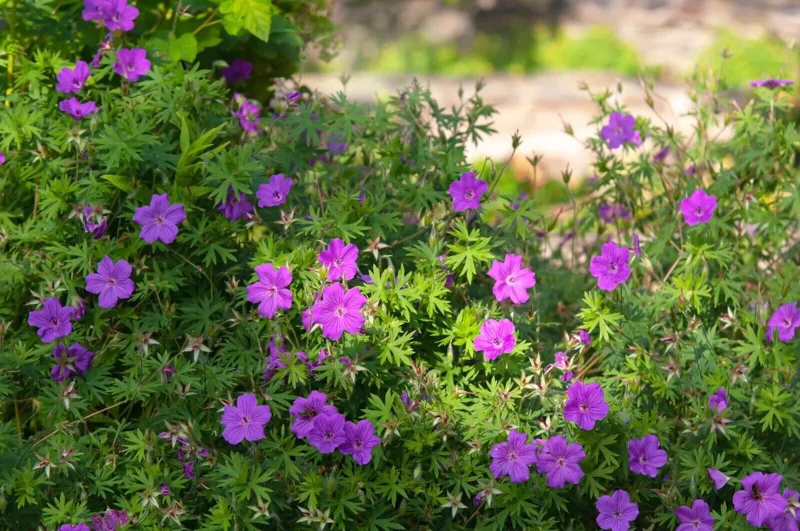
3 Cranesbill Wild Geranium Organic Maculatums Bare Roots | Wildflower for Outdoor Garden
Sold 113 products
Original price was: $21.99.$6.99Current price is: $6.99.RELATED posts
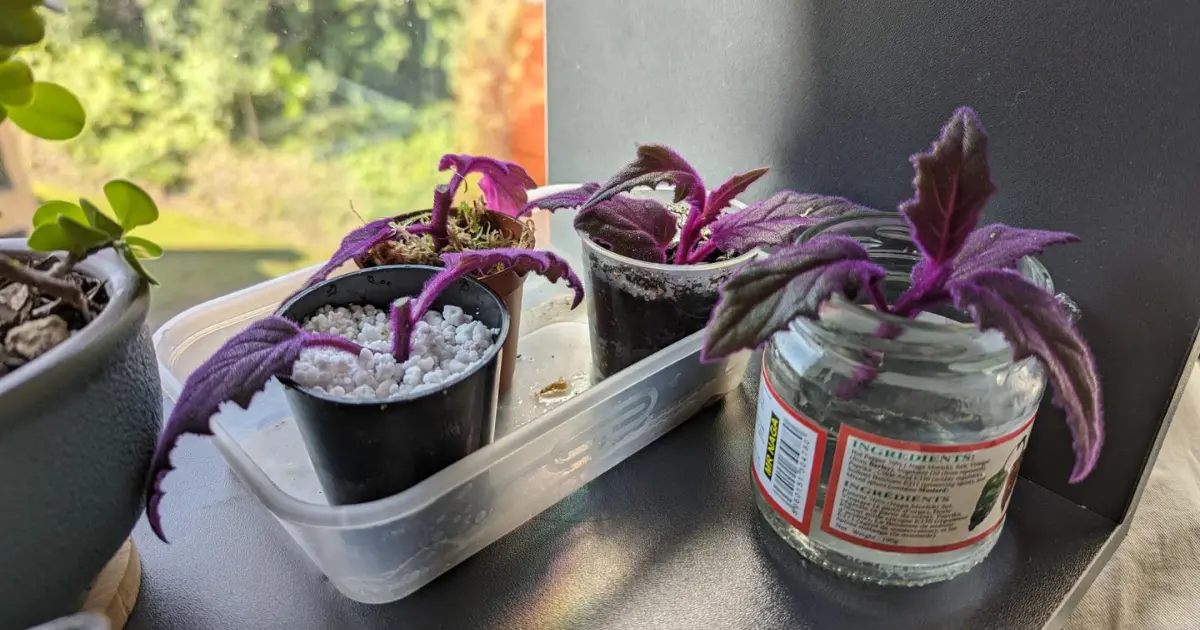
How to Propagate Purple Passion Plants (Gynura aurantiaca)
Have you ever been mesmerized by the neon-purple glow and fuzzy, velvet-like leaves of a [...]
Feb
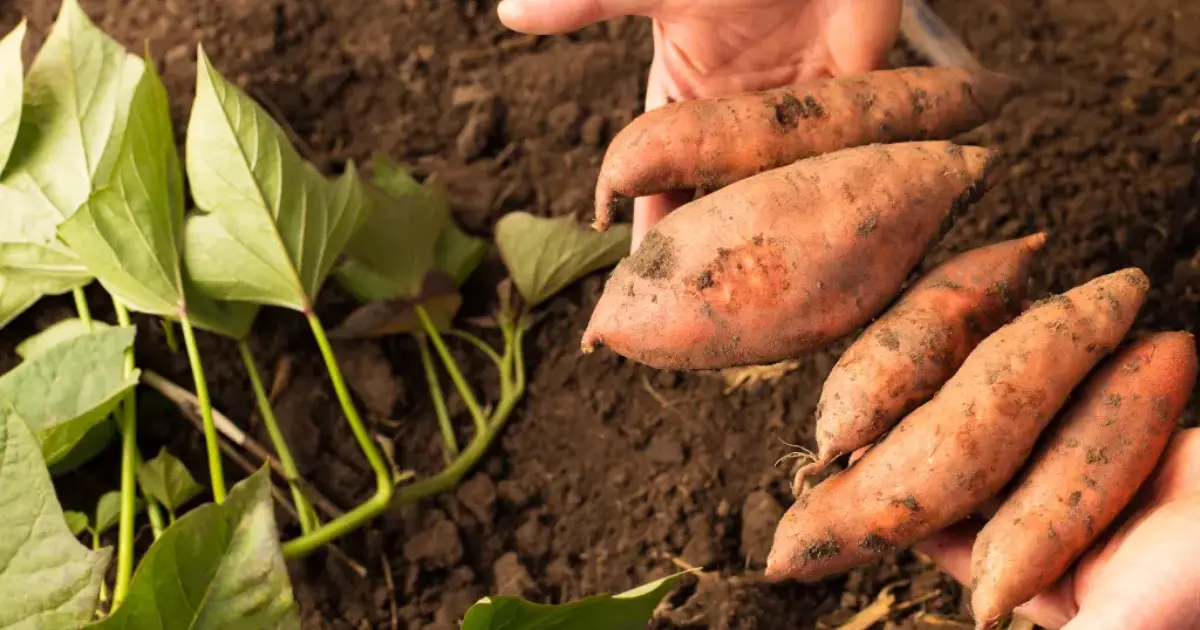
How to Grow Beauregard Sweet Potatoes: From Slips to a Bountiful Harvest
Are you ready to add a classic, heavy-hitting favorite to your vegetable patch? If you’ve [...]
Feb
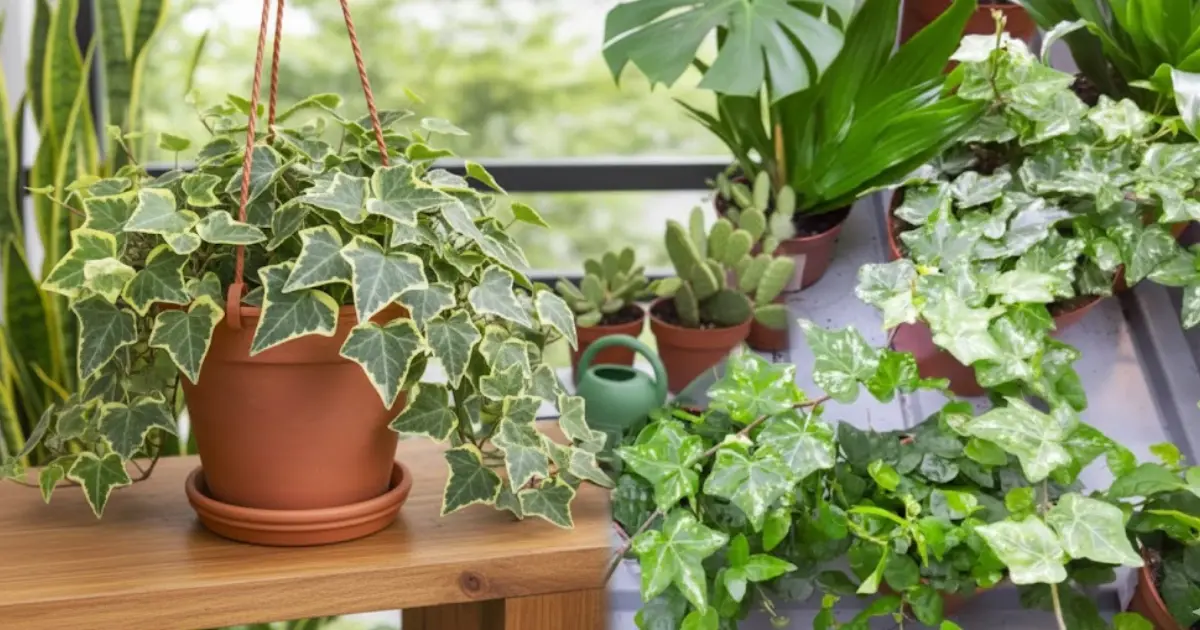
7 Expert Tips to Grow Lush Ivy Indoors: A Beginner’s Guide
Are you tired of seeing the same old Pothos vines in every corner of your [...]
Feb
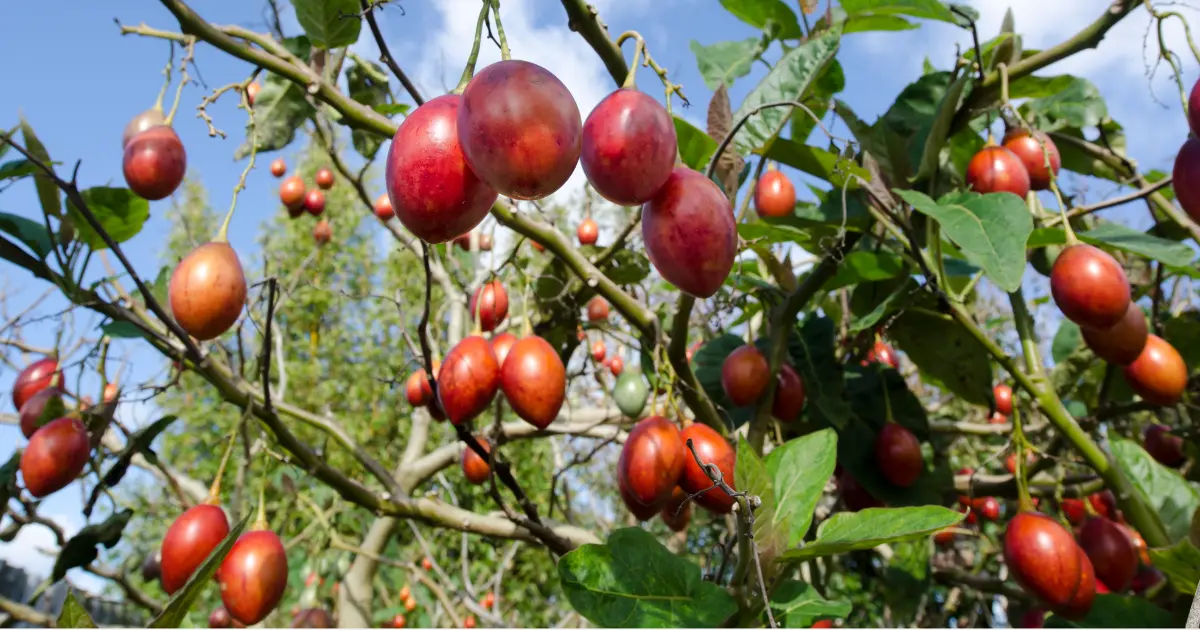
7 Reasons Why Tamarillo Trees Are a Garden Must-Have
Once you start growing a garden, you will keep finding more reasons to add more [...]
Jan
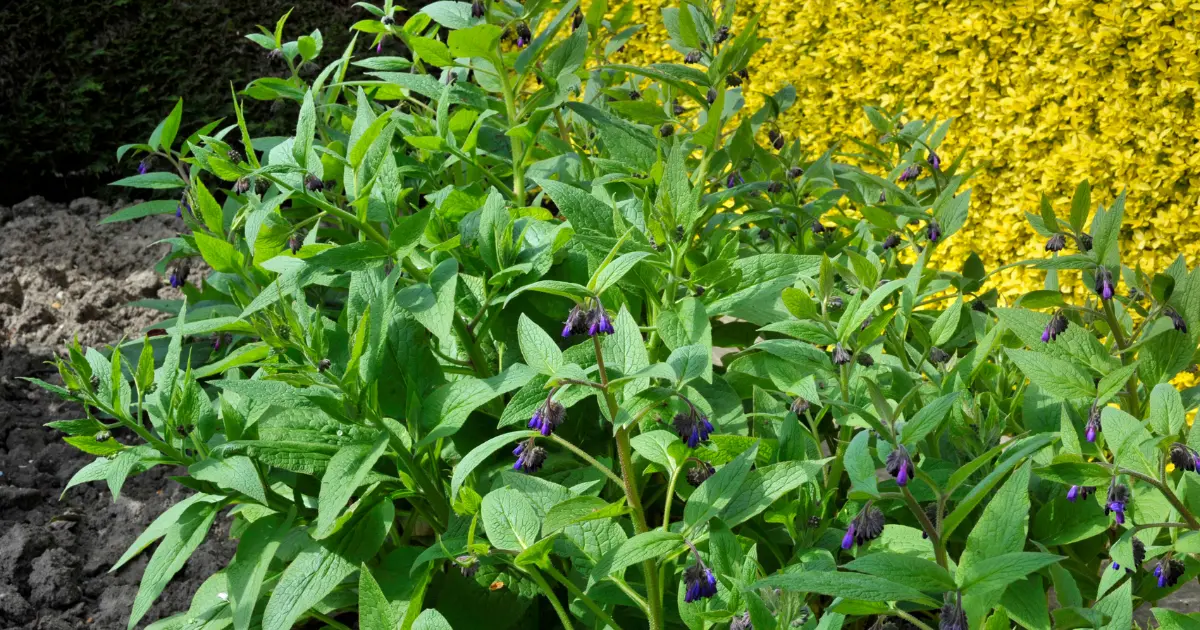
Comfrey Companion Planting: What to Grow Next to Your Comfrey Patch?
Have you ever looked at that lush, fast-growing patch of comfrey in the corner of [...]
Jan
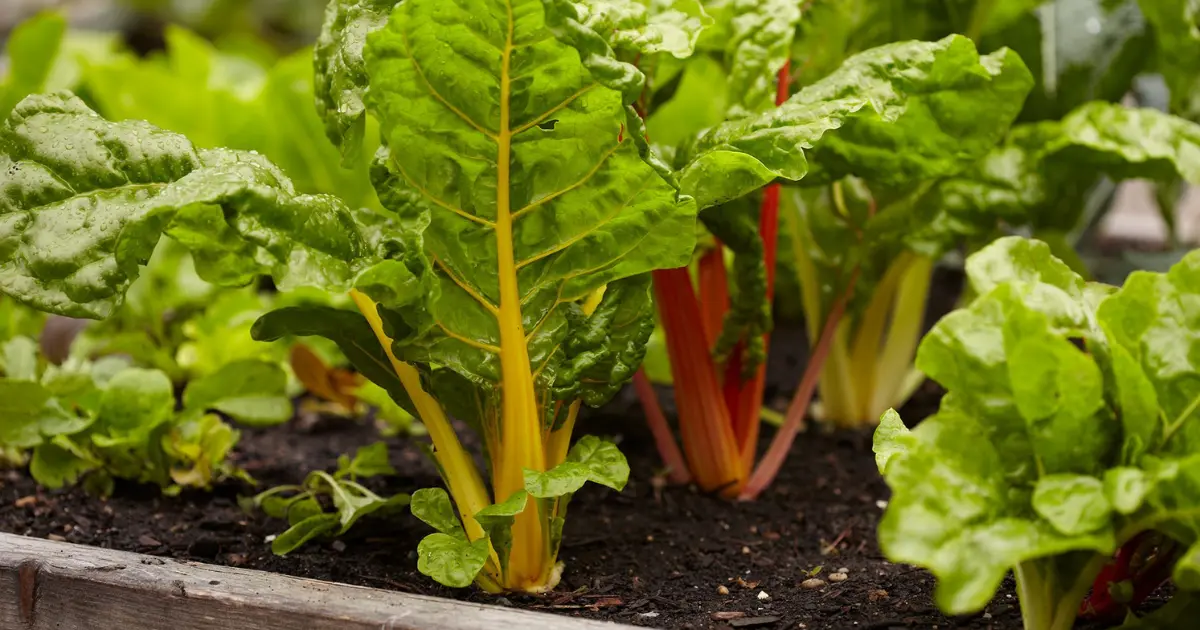
7 Vegetables to Plant in December for a Bountiful Winter Harvest
Winter gardening is a challenge many new gardeners shy away from. But if you’re among [...]
Dec
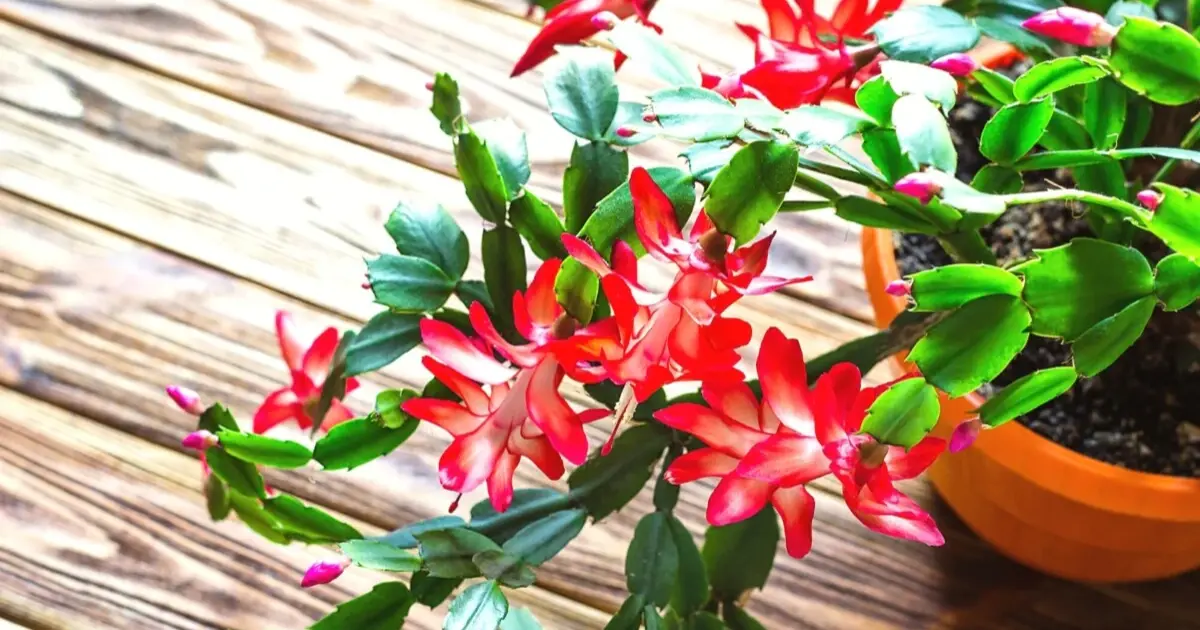
9 Common Christmas Cactus Problems and How to Fix Them
Have you ever walked past your Christmas cactus and wondered why it suddenly looks sad? [...]
Nov
Swedish Ivy Care: How to Grow a Healthy, Thriving Plant
Have you ever looked at your Swedish Ivy and wondered why the leaves are turning [...]
Nov
Reviews
There are no reviews yet.