
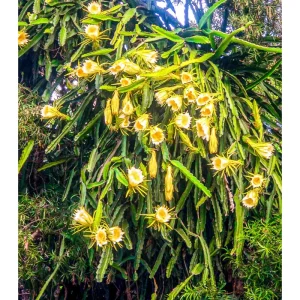
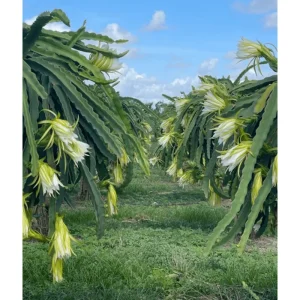
Yellow Dragon Fruit Live Plant – Sweet Pitaya Climbing Cactus 4 Inch Pot
Original price was: $57.99.$47.99Current price is: $47.99.
Bring tropical sweetness to your garden with a yellow dragon fruit live plant. This unique climbing cactus produces delicious, bright yellow pitaya fruit and fragrant night-blooming flowers. Ideal for outdoor growing in warm climates or as a container plant.
Estimated arrival
Apr 01
Apr 06 - Apr 08
Apr 11 - Apr 15

Reasonable Price
We offer reasonable price

Support 24/7
Contact us 24 hrs a day

100% Money Back
You've 30 days to Return

Payment Secure
100% secure payment
Overview
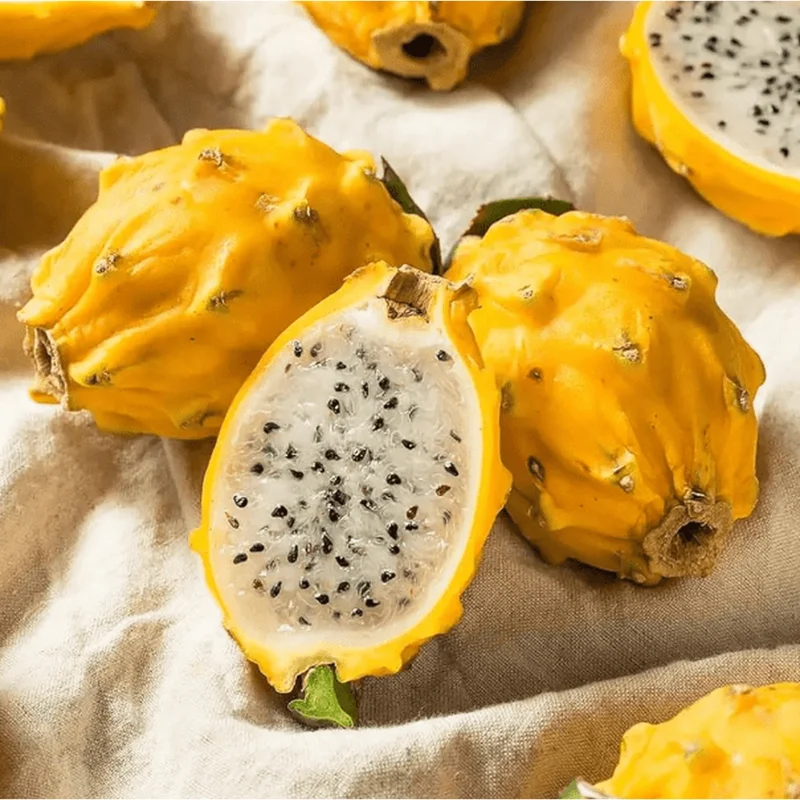
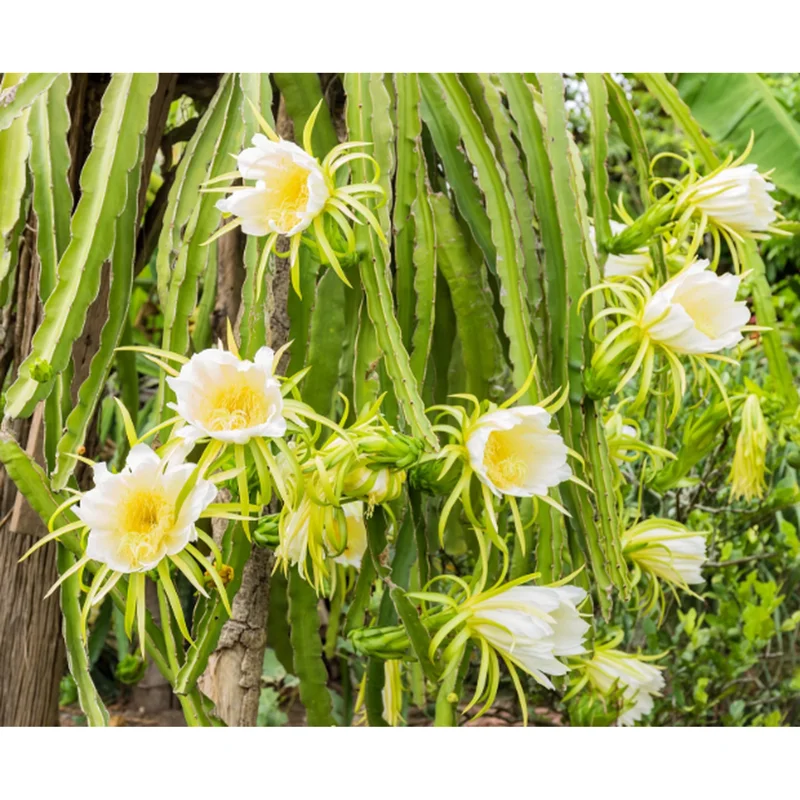
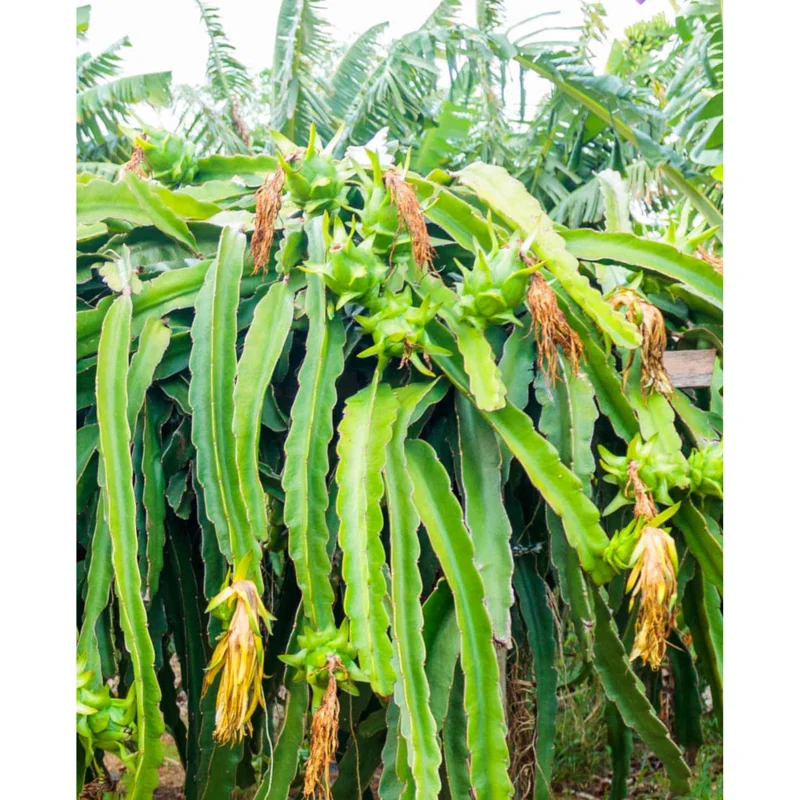
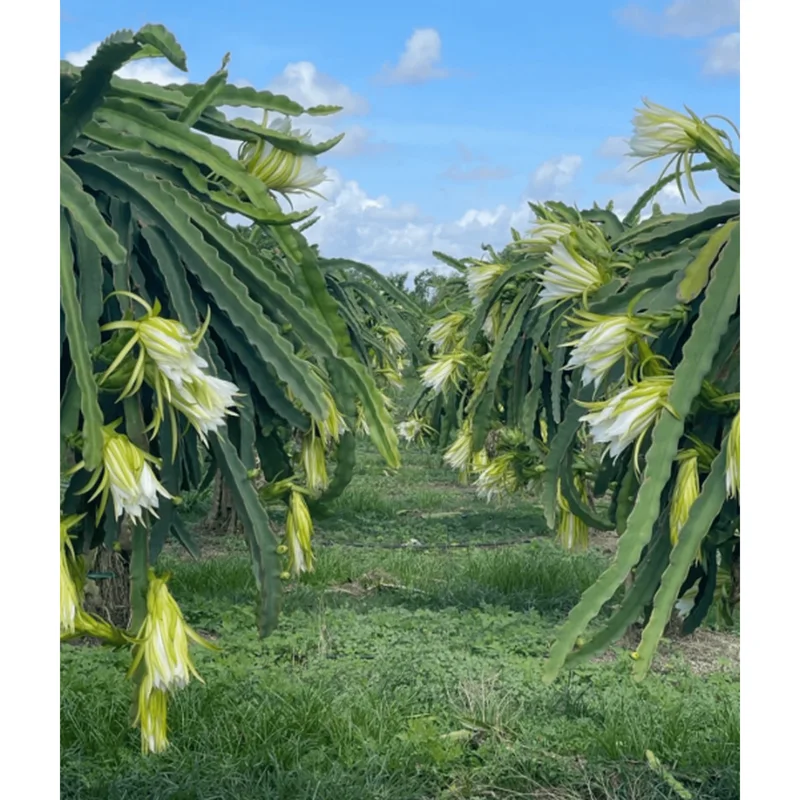
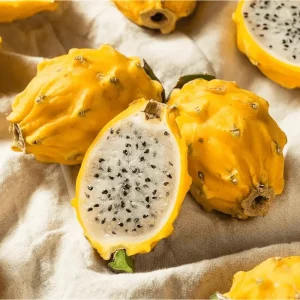
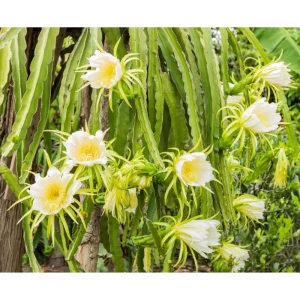
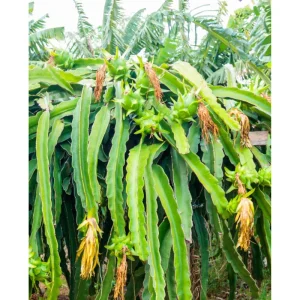
Introduce an exotic touch to your garden or patio with a yellow dragon fruit live plant. Also known as yellow pitaya, this tropical climbing cactus is celebrated for its distinctive bright yellow skin, subtle spines, and incredibly sweet, aromatic white flesh speckled with tiny black seeds. Originating from Central and South America, the yellow dragon fruit live plant is not only a source of delicious, nutritious fruit but also a stunning ornamental specimen. Its long, green, ribbed stems use aerial roots to climb, creating an intriguing visual. Beyond its unique fruit, this plant captivates with large, fragrant, night-blooming white flowers that are a spectacle to behold. Growing your own sweet pitaya plant offers the rewarding experience of harvesting fresh, flavorful fruit right from your home.
This particular yellow dragon fruit live plant is a vigorous grower, perfect for training on a trellis, arbor, or sturdy support structure. It thrives in warm environments and can be a fantastic addition to tropical-themed gardens or as a striking container plant in cooler regions, brought indoors during winter. The plant’s architectural form and beautiful blooms make it a conversation starter, even before it yields its delectable fruit. Enjoy the journey from flower to fruit with this fascinating and productive plant.
Key Benefits
Cultivating a yellow dragon fruit live plant offers a multitude of advantages, blending aesthetic appeal with practical yield. This plant is a true gem for any gardener looking for something out of the ordinary.
- Delicious, Nutritious Fruit: Harvest your own fresh, sweet, and juicy yellow dragon fruit packed with vitamins, minerals, and antioxidants. The flavor is often described as sweeter and more aromatic than its red counterparts.
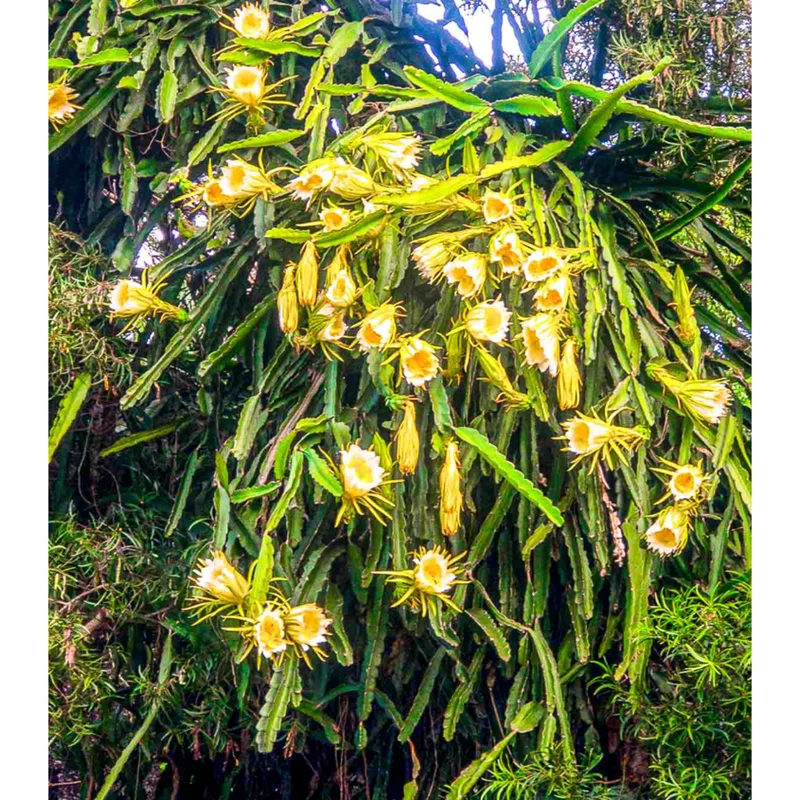
- Stunning Ornamental Value: The unique climbing stems and large, fragrant, night-blooming white flowers provide exceptional visual interest, especially during its blooming season.
- Unique Night-Blooming Flowers: Experience the magic of its massive, beautiful white flowers that unfurl at night, releasing a delightful fragrance that attracts nocturnal pollinators.
- Adaptable Climbing Growth: Its natural climbing habit makes it versatile for various garden designs, from trellises and pergolas to container growing with support.
- Relatively Low Maintenance: Once established, the dragon fruit climbing cactus is quite resilient and drought-tolerant, requiring less frequent watering than many other fruit-bearing plants.
- Conversation Starter: Its exotic appearance and the intrigue of growing such a unique fruit are sure to spark interest and admiration from visitors.
- Suitable for Warm Climates: Thrives in tropical and subtropical regions, making it an excellent choice for outdoor gardens in USDA zones 9-11 or as a patio plant in cooler areas.
Plant Care & Growing Tips
Caring for your yellow dragon fruit live plant is a rewarding experience, leading to beautiful blooms and delicious fruit. These plants are relatively easy to care for, provided their basic needs are met. For optimal growth and fruit production, ensure your plant receives plenty of sunlight. While it can tolerate partial shade, full sun (at least 6-8 hours daily) is ideal for robust growth and flowering. If growing indoors or in a greenhouse, aim for the brightest possible location. Protection from intense, scorching afternoon sun in very hot climates may be beneficial.
The yellow dragon fruit live plant thrives in well-drained, sandy or loamy soil. A cactus or succulent mix is ideal, as it prevents waterlogging, which can lead to root rot. When watering, allow the soil to dry out slightly between waterings, then water thoroughly until it drains from the bottom of the pot. During active growth and fruiting seasons (late spring through early fall), more frequent watering may be necessary. Reduce watering significantly in winter when the plant is dormant. This dragon fruit climbing cactus prefers temperatures between 65°F and 90°F (18°C and 32°C) and can tolerate brief dips to 40°F (4°C), but should be protected from frost. In colder climates, it’s best grown in a container that can be moved indoors during winter.
Fertilize your yellow dragon fruit live plant every 2-3 months during the growing season with a balanced, slow-release fertilizer or a liquid feed formulated for cacti or fruit-bearing plants. Support is crucial for this climbing plant; provide a sturdy trellis, post, or wall for its aerial roots to cling to as it grows. Pruning can help manage its size and encourage more fruit production by removing old, unproductive stems and promoting new growth. Watch out for common pests like aphids or mealybugs, and treat promptly with organic pest control methods if necessary. Ensuring proper drainage is key to preventing common fungal issues.
Size & Details
This yellow dragon fruit live plant is supplied in a 4-inch nursery pot, providing a healthy start for your gardening project. At this stage, the plant has established roots and is ready for transplanting into a larger container or directly into your garden if suitable for your climate. Dragon fruit plants are fast growers once established, quickly developing their characteristic long, ribbed stems. Typically, they can grow several feet per year under ideal conditions, eventually reaching heights of 10 to 20 feet if given adequate support. The plant will develop its mature climbing habit, using aerial roots to anchor itself.
Expect your sweet pitaya plant to begin flowering and fruiting within 1 to 3 years from planting, depending on care and growing conditions. The large, fragrant, white flowers are a highlight, blooming at night from late spring through early fall. The fruit, with its distinctive yellow skin and sweet white flesh, usually ripens a few weeks after flowering. This makes for a rewarding cycle of beautiful blooms followed by delicious harvests. The plant’s robust nature ensures it will become a prominent and productive feature in your garden or collection.
Frequently Asked Questions
- Q: How big does this plant get? A: A yellow dragon fruit live plant is a vigorous climber that can reach heights of 10 to 20 feet with proper support. Its stems will spread as it grows, creating a substantial tropical specimen.
- Q: What size pot does it come in? A: This yellow dragon fruit live plant is shipped in a 4-inch nursery pot, providing a good foundation for its initial growth. You will need to transplant it into a larger pot or your garden.
- Q: Is this an indoor or outdoor plant? A: While it thrives outdoors in warm, frost-free climates (USDA Zones 9-11), it can be grown as a container plant and brought indoors during colder months. It requires plenty of sunlight.
- Q: How much sunlight does it need? A: For best growth and fruit production, your yellow dragon fruit live plant needs at least 6-8 hours of full sun daily. Partial shade is tolerated, but flowering and fruiting may be reduced.
- Q: Is this plant easy to care for? A: Yes, the dragon fruit climbing cactus is considered relatively easy to care for, especially for those familiar with succulent or cactus care. It needs well-drained soil and protection from frost.
- Q: What condition will it arrive in? A: Your plant will arrive as a healthy, rooted cutting or young plant in a 4-inch nursery pot, carefully packaged to ensure its safe journey. It will be ready for transplanting.
- Q: Can I use this plant for fruit production? A: Absolutely! This is a fruit-bearing variety of dragon fruit. With proper care and maturity, your sweet pitaya plant will produce delicious yellow-skinned fruits.
- Q: How long until it blooms and fruits? A: Typically, a yellow dragon fruit live plant will start to bloom and fruit within 1 to 3 years after planting, depending on optimal growing conditions and care.
- Q: When is the best time to plant? A: The best time to plant is in spring or early summer after all danger of frost has passed, allowing the plant ample time to establish itself before cooler weather.
- Q: Will it survive winter in my zone? A: If you live in USDA Zones 9-11, it can survive outdoors year-round. In colder zones, it must be protected from frost by bringing it indoors or providing adequate winter protection.
Be the first to review “Yellow Dragon Fruit Live Plant – Sweet Pitaya Climbing Cactus 4 Inch Pot”
-
USDA Hardiness Zone
USDA zones 9–11 -
Soil Type
Well-drained, sandy or loamy soil; cactus or succulent mix is ideal -
Sunlight Exposure
Full sun to partial shade -
Expected Planting Period
Late spring through early fall (flowering/fruiting); spring (planting)
People Also Viewd
Sold 128 products
Original price was: $27.00.$24.00Current price is: $24.00.
Sold 127 products
Original price was: $89.99.$64.99Current price is: $64.99.
Sold 126 products
Original price was: $3,536.00.$23.99Current price is: $23.99.

Sold 125 products
Original price was: $86.99.$66.99Current price is: $66.99.
Sold 116 products
Original price was: $27.99.$16.99Current price is: $16.99.
Sold 114 products
Original price was: $28.99.$17.99Current price is: $17.99.
Flower Bulbs
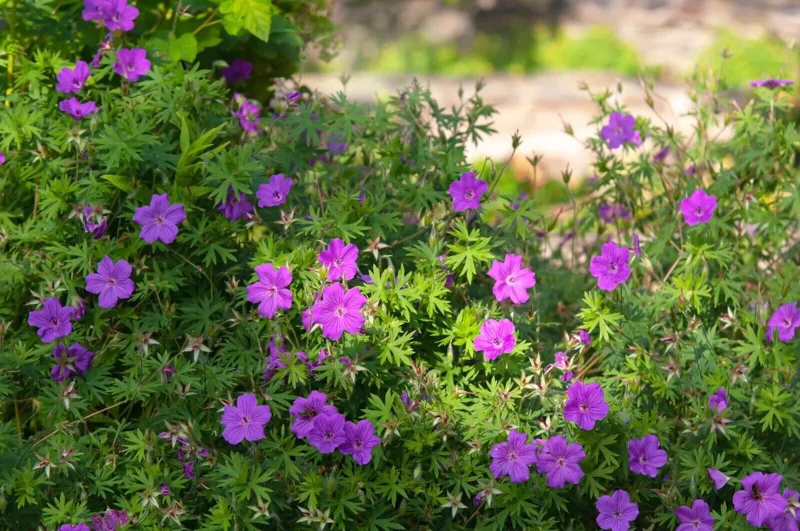
3 Cranesbill Wild Geranium Organic Maculatums Bare Roots | Wildflower for Outdoor Garden
Sold 114 products
Original price was: $21.99.$6.99Current price is: $6.99.

Sold 109 products
Original price was: $63.99.$28.99Current price is: $28.99.RELATED posts
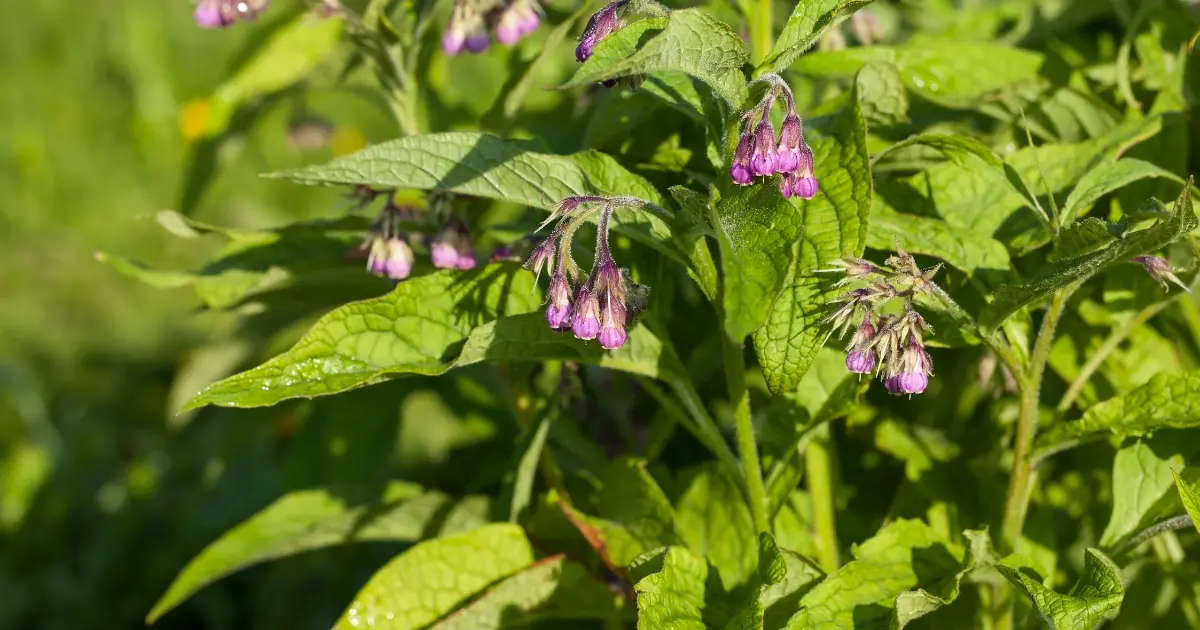
How to Identify Bocking 14 Comfrey: 5 Simple Visual Signs
If you’re growing comfrey for mulch, compost, or animal feed, knowing exactly which variety you [...]
Mar
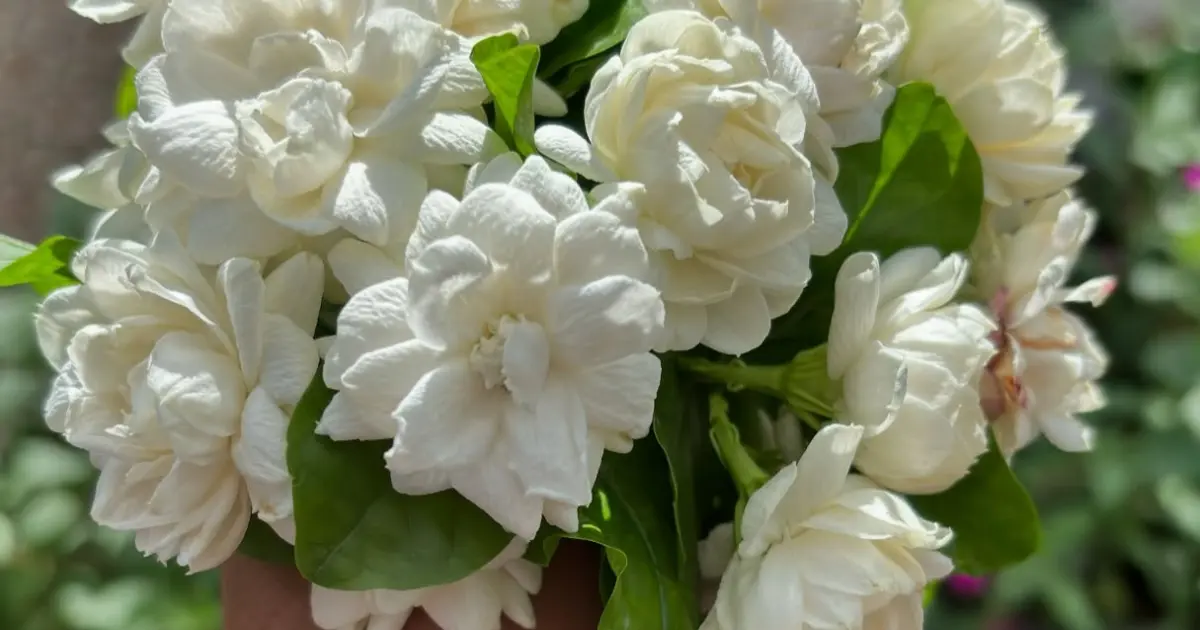
Grand Duke of Tuscany Jasmine: The Ultimate Guide to Growing a Fragrant Masterpiece
Have you ever caught a scent in the air so rich, creamy, and honey-sweet that [...]
Mar
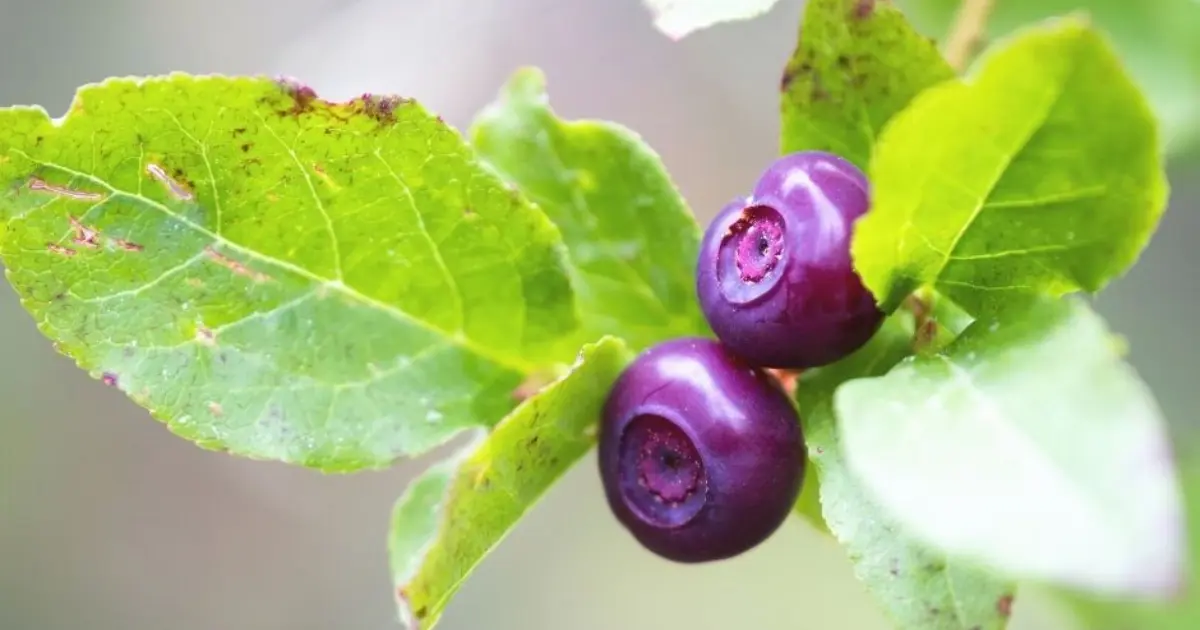
How to Grow Wild Huckleberries: A Guide to “Purple Gold”
Have you ever spent a summer afternoon hiking through the Pacific Northwest or the Rocky [...]
Mar
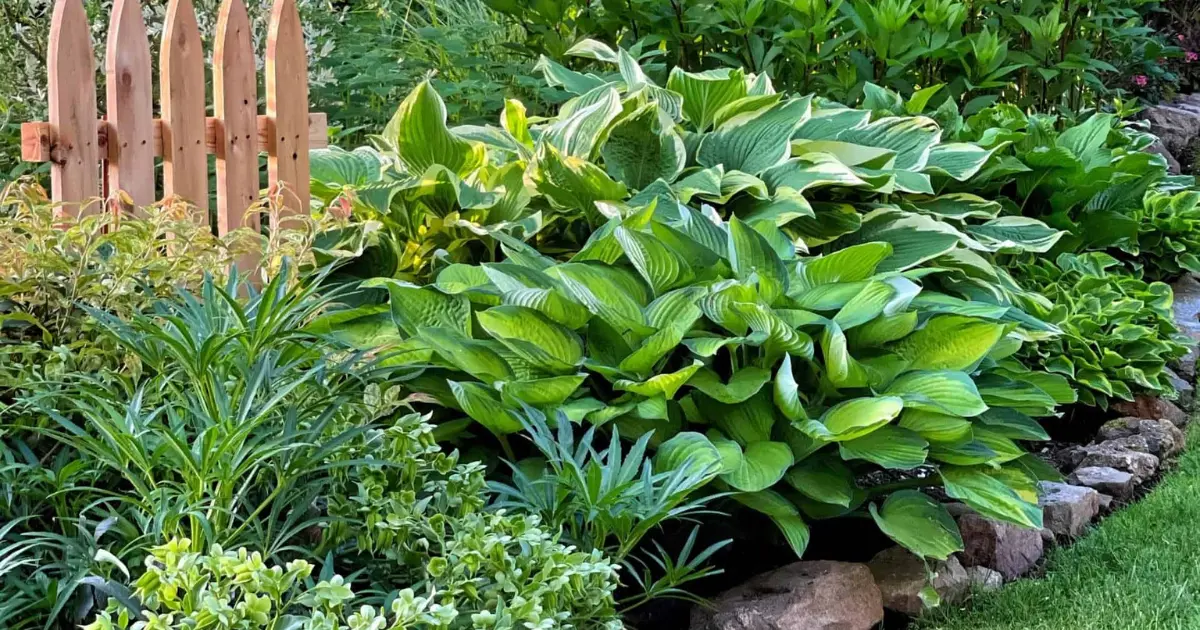
5 Best Shade-Loving Perennials for a Lush, Vibrant Garden
The world of gardening often shines a spotlight on sun-drenched blossoms, but there is a [...]
Mar

7 Common Curry Leaf Plant Problems: Easy Fixes for a Thriving Plant
Is your curry leaf plant looking a bit sad lately? Maybe you woke up to [...]
Mar
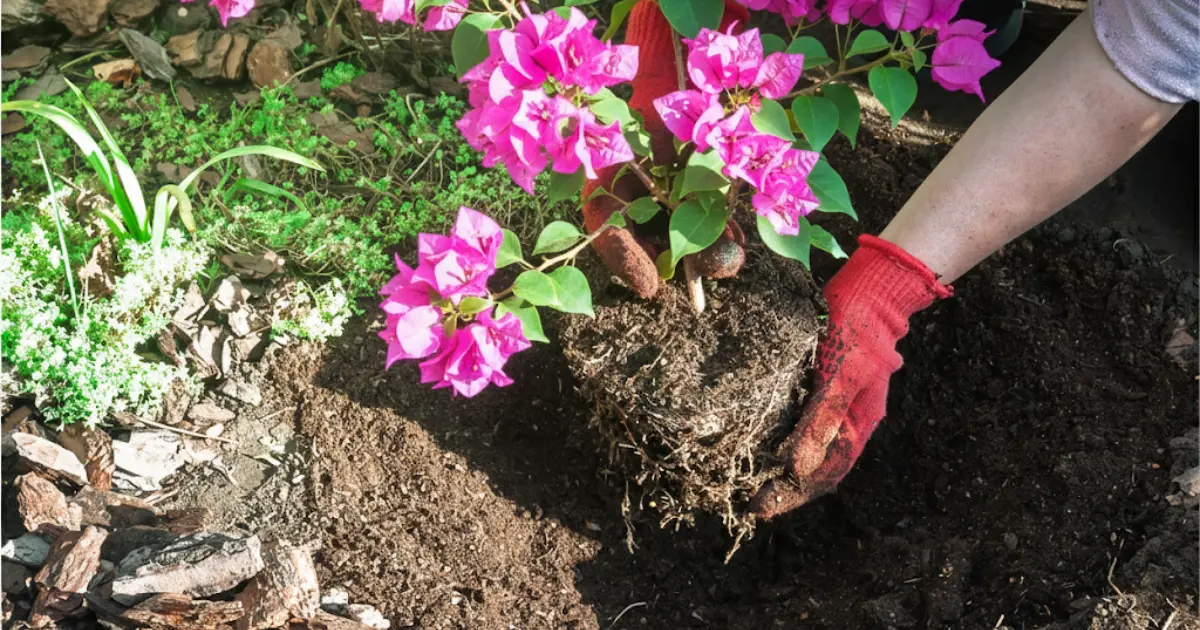
Best Time to Plant Bougainvillea: Timing for Vibrant Blooms
If you’re looking for a hardy tropical vine that delivers a riot of neon color, [...]
Feb
How to Propagate Purple Passion Plants (Gynura aurantiaca)
Have you ever been mesmerized by the neon-purple glow and fuzzy, velvet-like leaves of a [...]
Feb
How to Grow Beauregard Sweet Potatoes: From Slips to a Bountiful Harvest
Are you ready to add a classic, heavy-hitting favorite to your vegetable patch? If you’ve [...]
Feb


Reviews
There are no reviews yet.