
Oct
Guides
How to Grow Arbequina Olive Trees: The Ultimate Guide to Your Own Olive Grove
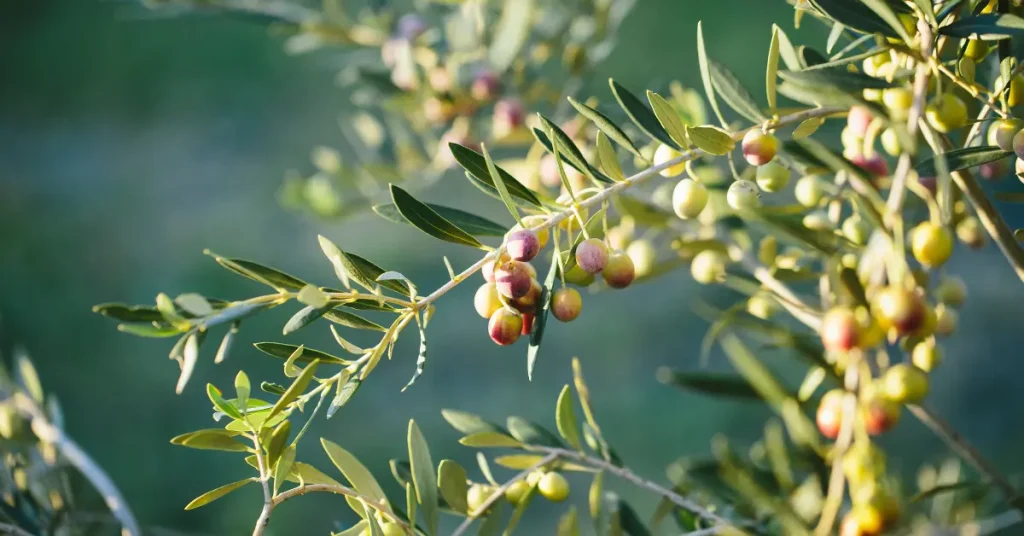
Arbequina Olive Tree (Olea europaea ‘Arbequina’) – the ultimate Mediterranean plant that brings a touch of rustic elegance and timeless charm straight to your home. It’s the kind of tree that breathes warmth, history, and beauty into your landscape, even when the season turns crisp.
Native to Catalonia, Spain, the Arbequina is far from your average fruit tree. With its delicate, silvery-green leaves, weeping branches, and abundant crops of rich, aromatic olives, it’s as ornamental as it is rewarding. Whether you’re crafting your own olive oil or simply admiring its graceful silhouette, this tree is a true showstopper.
You might be thinking, “An olive tree? That sounds like something only a Mediterranean orchardist can grow.” But here’s the secret – the Arbequina is surprisingly forgiving! Renowned for its hardiness, adaptability, and compact size, it’s a perfect plant for gardeners of all levels, from beginners in small apartments to seasoned growers with sprawling yards. In fact, it’s a plant that thrives with just a little sunlight and a lot of love.
So, whether you’re hoping to add a splash of Mediterranean flair to your sunny patio, plant a mini-orchard, or simply impress friends and family with homegrown olives, I’m here to guide you through the steps. Let’s dive in and start growing your own little taste of the Mediterranean!
What is an Arbequina Olive Tree?
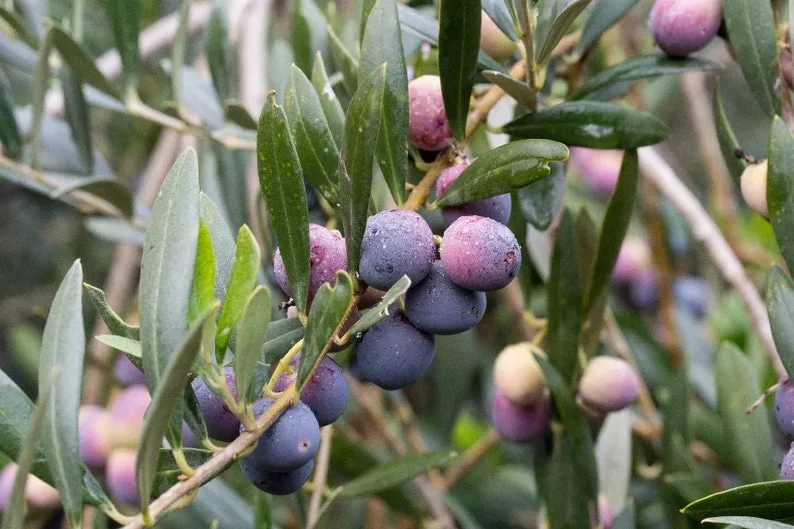
The Arbequina (Olea europaea ‘Arbequina’) is a highly adaptable, semi-dwarf olive tree prized around the world for its delicious, high-oil olives and weeping habit. But what truly sets it apart is its incredible versatility. It’s self-fertile, meaning you only need one tree to get a heavy crop of fruit, and it matures faster than most other varieties, often fruiting in just its second or third year!
Unlike large, unwieldy fruit trees, the Arbequina stays wonderfully compact, rarely exceeding 15 to 20 feet in the ground and remaining much smaller in a container. It loves soaking up bright sunlight and doesn’t mind a hot, dry summer. It’s like having your own personal slice of sunny Spain right in your living space.
Planting Arbequina Olive Trees
Best Time to Plant
The best time to plant your Arbequina Olive Tree is in spring, after the threat of frost has passed. This gives your tree a long, warm runway to establish a strong root system before winter arrives.
Choosing the Right Location
The Arbequina thrives in full, direct sun! It craves at least 6 to 8 hours of unfiltered sunlight every day to flourish and produce fruit. Think about a sunny south-facing spot in your garden or a bright, unshaded patio.
Bonus Tip: If growing indoors, place your tree near your brightest south-facing window. If natural light is lacking, supplementing with a grow light will keep your tree happy and vibrant.
Soil Preparation
The Arbequina Olive Tree is extremely forgiving about soil quality, but it has one non-negotiable rule: excellent drainage. It absolutely hates soggy feet! A well-draining cactus, citrus, or succulent soil mix works wonderfully. If planting directly in the garden, mix organic compost and sand or perlite into your native soil to ensure water moves through quickly.
How to Plant Arbequina Olive Trees
Planting your olive tree is a simple, satisfying task. Just follow these easy steps:
-
Pick a spot or container with plenty of drainage holes.
-
Dig a hole twice as wide as the root ball and just as deep.
-
Gently loosen the roots at the base of the root ball.
-
Place the tree in the hole, ensuring the root flare (where the trunk meets the roots) sits level with or slightly above the soil line.
-
Backfill with your well-draining soil mixture and gently firm it down to eliminate air pockets.
-
Water deeply right after planting to settle the soil around the roots.
Container Planting Tips
Arbequina Olive Trees love container life! When choosing a pot, opt for one that is 2 to 3 inches wider than the current nursery pot, made of breathable material like terracotta or clay.
Bonus Tip: In colder climates (USDA zones 4–7), container planting is your best friend. You can keep your tree outdoors all summer and roll it inside when winter chills arrive.
How to Care for Your Arbequina Olive Tree
Watering
Think of your Arbequina like a sun-loving Mediterranean traveler – it prefers deep, infrequent watering over constant moisture. Water your tree when the top 2 to 3 inches of soil feel completely dry to the touch. Once established, it is remarkably drought-tolerant, but regular watering during the first growing season helps build a resilient root system.
Pro tip: Overwatering is the number one enemy of olive trees. If you notice leaves turning yellow and dropping prematurely, you’re likely showering it with too much love!
Fertilizing
During the active growing season (spring to late summer), feed your tree once a month with a balanced, slow-release fruit tree or citrus fertilizer. In late fall and winter, when the tree takes a natural breather, skip the fertilizer altogether.
Pruning and Shaping
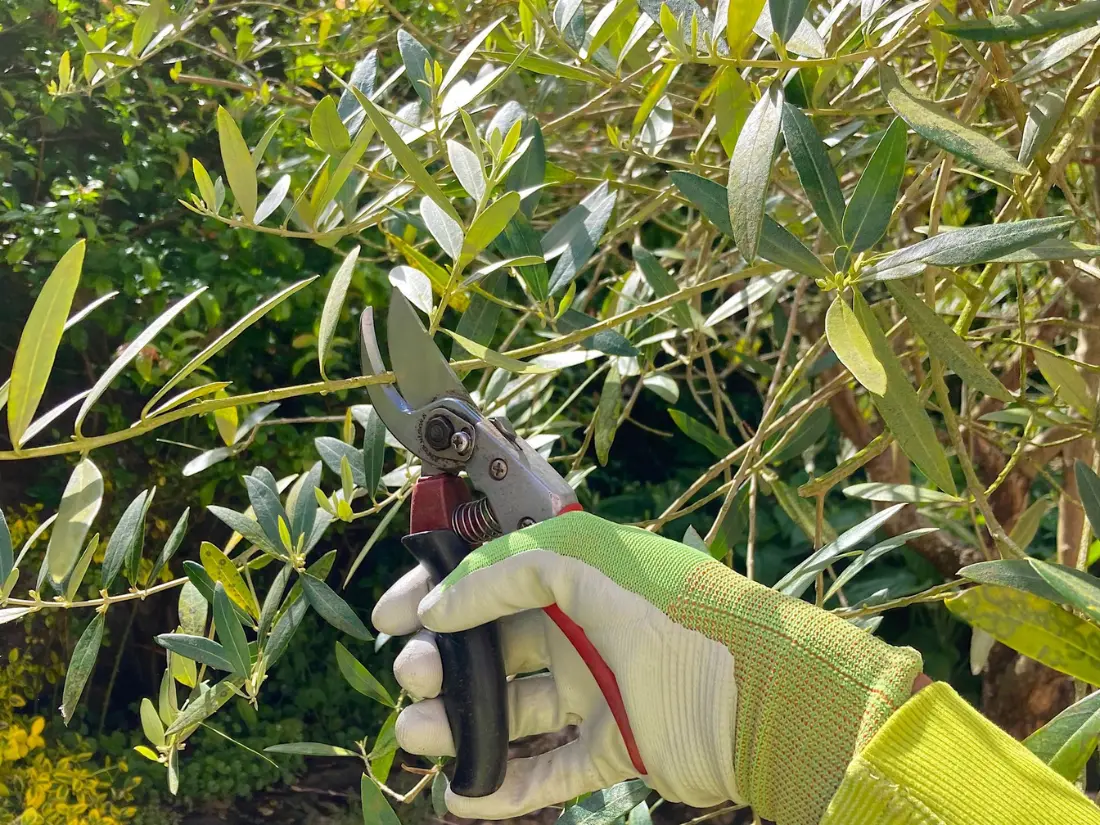
Pruning keeps your tree healthy, productive, and looking its best! In late winter or early spring, trim away any dead, diseased, or crossing branches. Open up the canopy to let light penetrate the center of the tree, which encourages more fruiting.
Seasonal Care Tips
While Arbequina trees are relatively cold-hardy (tolerating dips down to 20°F or -6°C once established), young trees need protection from deep freezes. Bring potted trees indoors before the first hard frost, placing them in the sunniest spot available, and reduce watering.
Potting and Repotting
Repotting your container olive tree every 2 to 3 years refreshes the soil nutrients and gives the roots room to expand. Always choose a pot just one size larger, as overly large containers hold excess water that can stress the roots.
How to Harvest Arbequina Olives
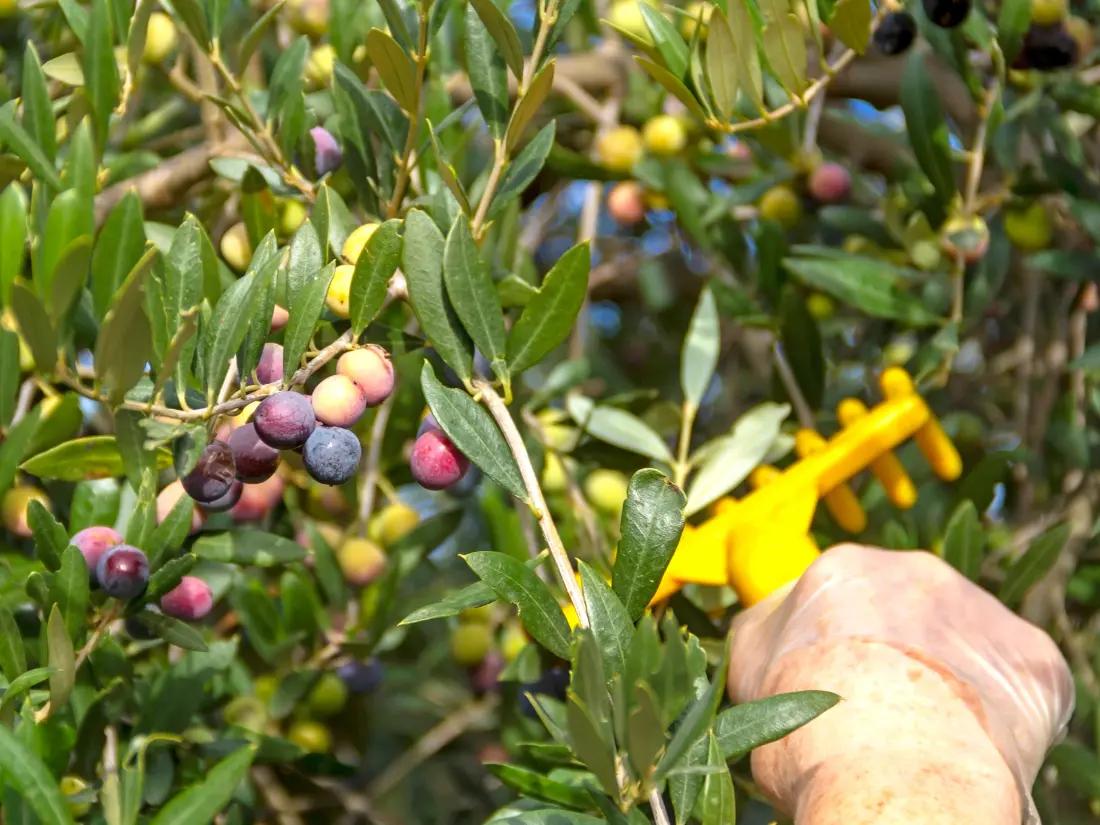
Harvesting your olives is where the true holiday-like magic happens!
-
When to Expect Olives: Your tree will bloom with delicate white flowers in spring, followed by green fruit that ripens to a rich dark purple or black by late fall.
-
How to Pick: You can harvest green olives in early autumn for a firm texture, or wait until late autumn when they turn dark for a richer oil content. Simply roll the fruit gently off the branch by hand.
Troubleshooting
Common Problems
-
Dropping green leaves: Usually caused by a sudden shift in light levels (like moving it indoors) or severe underwatering.
-
Yellow leaves: A classic sign of overwatering or poorly draining soil.
-
No fruit: Ensure your tree gets enough direct sunlight and experiences a slight winter cool-down period to trigger spring blooms.
Pests and Diseases
-
Scale insects or spider mites: Check under the leaves for small brown bumps or faint webbing. Wipe leaves clean and treat with neem oil or insecticidal soap.
-
Root rot: Caused by sitting in waterlogged soil. Repot in fresh, dry soil with better drainage and cut back on watering immediately.
Useful Tips for Growers
-
Rotate your potted olive tree 90 degrees every week for balanced, symmetrical growth.
-
Clean your pruning shears with rubbing alcohol before each cut to keep your tree disease-free.
-
Don’t eat raw olives straight off the tree – they need a quick curing process to remove their natural bitterness!
Frequently Asked Questions (FAQs)
Can I grow it indoors year-round?
Yes, provided you have a super bright south-facing window that receives 6+ hours of direct sunlight daily! If bright light isn’t available, use an LED grow light.
Is the Arbequina Olive Tree safe for pets?
Yes! Olive trees are non-toxic to dogs and cats, making them a wonderful, stress-free addition to pet-friendly homes.
Can I shape it like a topiary or bonsai?
Absolutely! Arbequina trees take to pruning beautifully and can easily be shaped into formal topiary globes, standard single-trunk trees, or charming miniature bonsai shapes.
How long does it live?
Olive trees are famous for their longevity! With proper care, an Arbequina tree can live for decades – even centuries – becoming a treasured living heirloom for your family.
Final Thought
Growing an Arbequina Olive Tree isn’t just about harvesting fruit – it’s about cultivating a piece of Mediterranean peace and timeless beauty right in your own space. With its shimmering foliage, easygoing nature, and delicious rewards, it’s the perfect plant to bring warmth and joy into your life year after year. Follow these simple steps, and you’ll be enjoying your very own sunny olive grove in no time!
Read more:

How to Grow Arbequina Olive Trees: The Ultimate Guide to Your Own Olive Grove
Arbequina Olive Tree (Olea europaea ‘Arbequina’) – the ultimate Mediterranean plant that brings a touch [...]
Oct
Growing Garlic in Containers This Fall: A Complete Guide for Beginners
If you’ve ever wanted to pop fresh, aromatic garlic cloves straight from your own patio [...]
Sep
Growing Camellia Sinensis (Tea Plants) in Containers: A Complete Guide for Beginners
If you’ve ever wanted to sip a steaming, homegrown cup of fresh green, black, or [...]
Aug
6 Best Shrubs to Plant in August You Must Try
Have you ever walked through a nursery late in the summer, admired the vibrant shrubs [...]
Aug
Growing Everbearing Strawberries in Containers: A Complete Guide for Beginners
Want to grow sweet, fresh strawberries but do not have a large garden? Everbearing strawberries [...]
Aug
Growing Egyptian Walking Onions in Containers: A Complete Guide for Beginners
If you’re looking for a hardy, no-fuss perennial onion that keeps on giving year after [...]
Jul