
Aug
Blog
6 Best Shrubs to Plant in August You Must Try
Have you ever walked through a nursery late in the summer, admired the vibrant shrubs on display, but hesitated to buy them because you were worried it was too late in the season to plant? If you are like me, you want a lush, thriving landscape that returns stronger and more beautiful every single spring without wasting time or money. The truth is, late summer is actually one of the absolute best secret windows for planting shrubs.
If you have ever wondered which shrubs truly establish best when planted in August, you are in the right place. In this guide, I will introduce you to six of the best shrubs to plant in August, explain why warm late-summer soil is secretly your garden’s best friend, and share tips for helping them thrive for years to come.
Why August is a Great Time to Plant Shrubs
Planting in late summer is not just a second chance for missed spring goals. It is about strategic root development. When you choose the right varieties and give them a head start in August, you set your garden up for explosive growth and vibrant blooms when spring arrives.
Here are the main factors that make August planting so effective:
-
Warm Soil Temperatures: Summer-warmed soil encourages rapid, vigorous root expansion far faster than chilly spring earth.
-
Cooler Autumn Nights: Approaching autumn weather reduces overall moisture stress on tender foliage while roots settle in.
-
End-of-Season Sales: Nurseries frequently clear out mature, well-rooted nursery stock at significant discounts.
-
Head Start on Spring: Established root systems allow the plant to focus entirely on top growth and flowering next spring.
Top 6 Shrubs to Plant in August
Here are the shrub varieties that consistently perform best when planted during late summer. If you are a home gardener, you will love how these hardy choices transform your landscape year after year.
1. Hydrangea
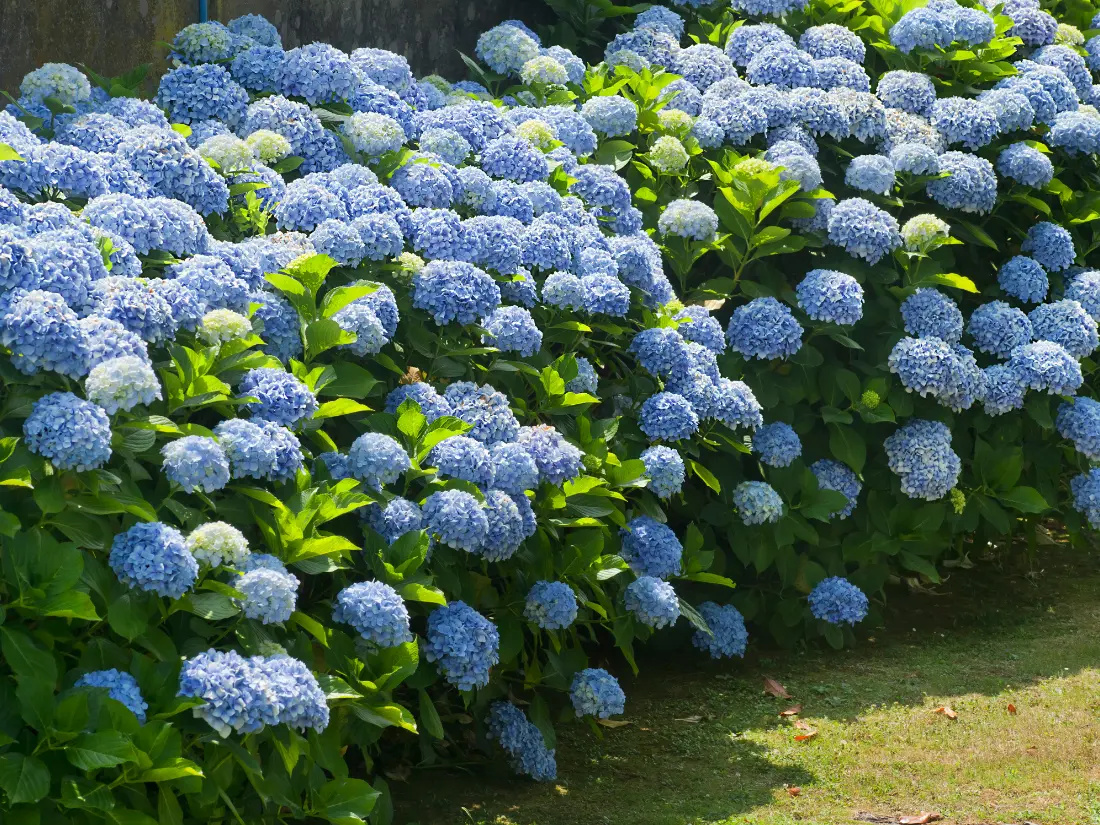
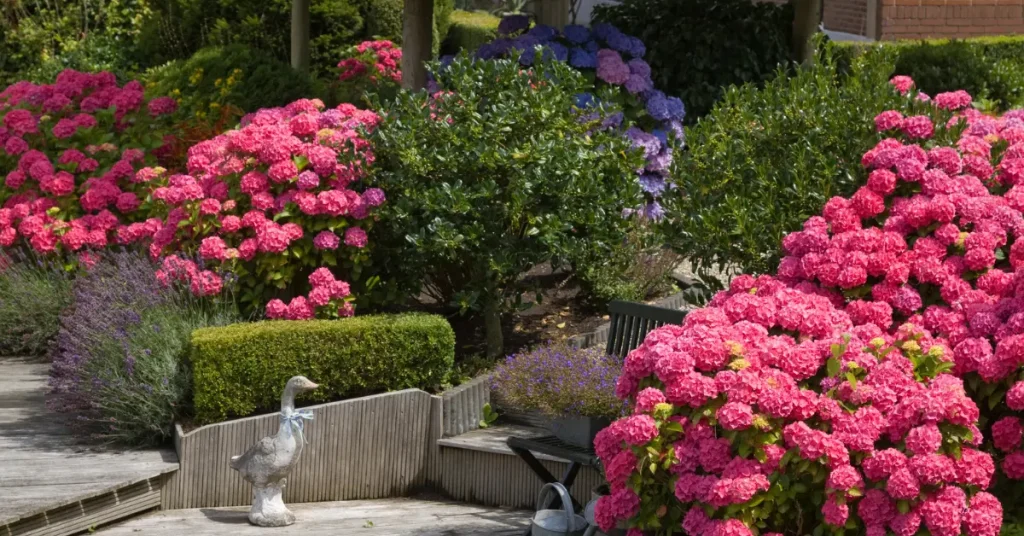
Hydrangeas are the undisputed stars of the summer garden, offering massive, show-stopping floral heads. Planting them in August gives their roots plenty of warm soil to establish before entering winter dormancy.
-
Foliage/Flower: Bold blue, pink, or white mophead and panicle blooms.
-
Sun Exposure: Partial shade to full sun (depending on cultivar).
-
USDA Zones: 3 to 9 (varies by species).
-
Best Use: Accent plant, cottage garden borders, or foundation plantings.
If you want a reliable flowering shrub that delivers high-impact color, Hydrangea is an easy choice. Keep it well-watered after August planting, and it will reward you with gorgeous blooms summer after summer.
2. Spirea
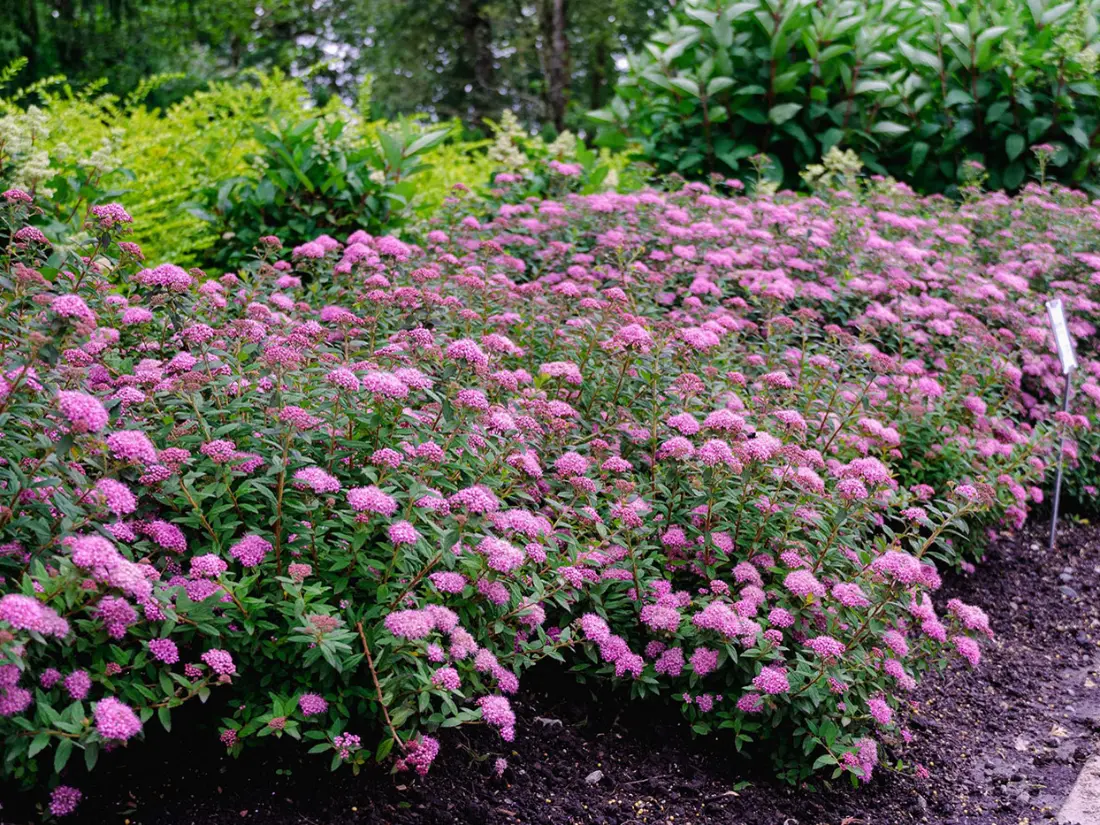
Spirea is a compact, tough-as-nails deciduous shrub known for its dense clusters of delicate pink or white flowers and fine-textured foliage that often shifts to brilliant autumn hues.
-
Foliage/Flower: Soft pink or white flower clusters with golden or deep green leaves.
-
Sun Exposure: Full sun (at least 6 hours daily).
-
USDA Zones: 3 to 8 (extremely cold hardy).
-
Best Use: Low hedges, walkway borders, or mass plantings.
Gardeners love Spirea because it handles summer transplanting remarkably well. Its resilient nature means it settles into warm soil quickly with minimal fuss.
3. Viburnum
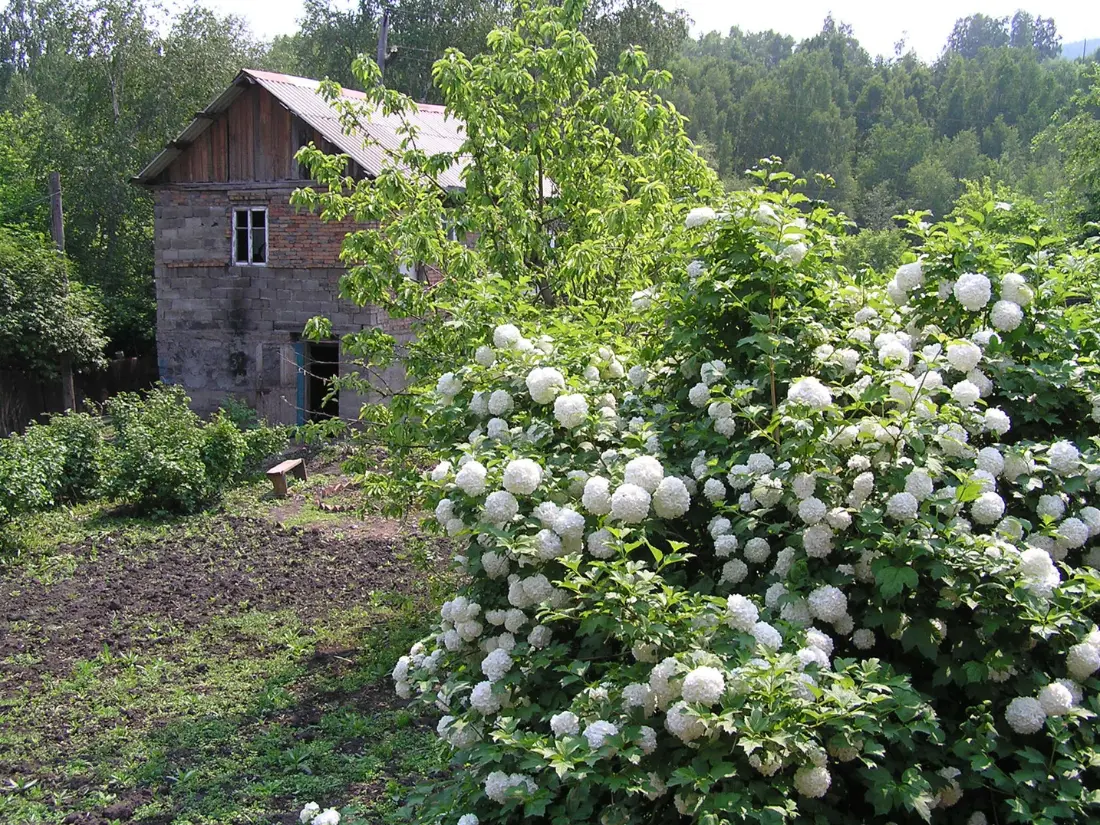
Viburnums are versatile garden classics prized for their creamy snowball-like blooms, rich green foliage, and attractive late-season berries that draw songbirds to your yard.
-
Foliage/Flower: White snowball clusters, deeply veined leaves, and autumnal berries.
-
Sun Exposure: Full sun to partial shade.
-
USDA Zones: 4 to 8.
-
Best Use: Privacy screens, informal hedges, or wildlife gardens.
Planting Viburnum in August allows its fibrous root system to anchor firmly, ensuring lush leaf production and heavy spring flowering next year.
4. Boxwood
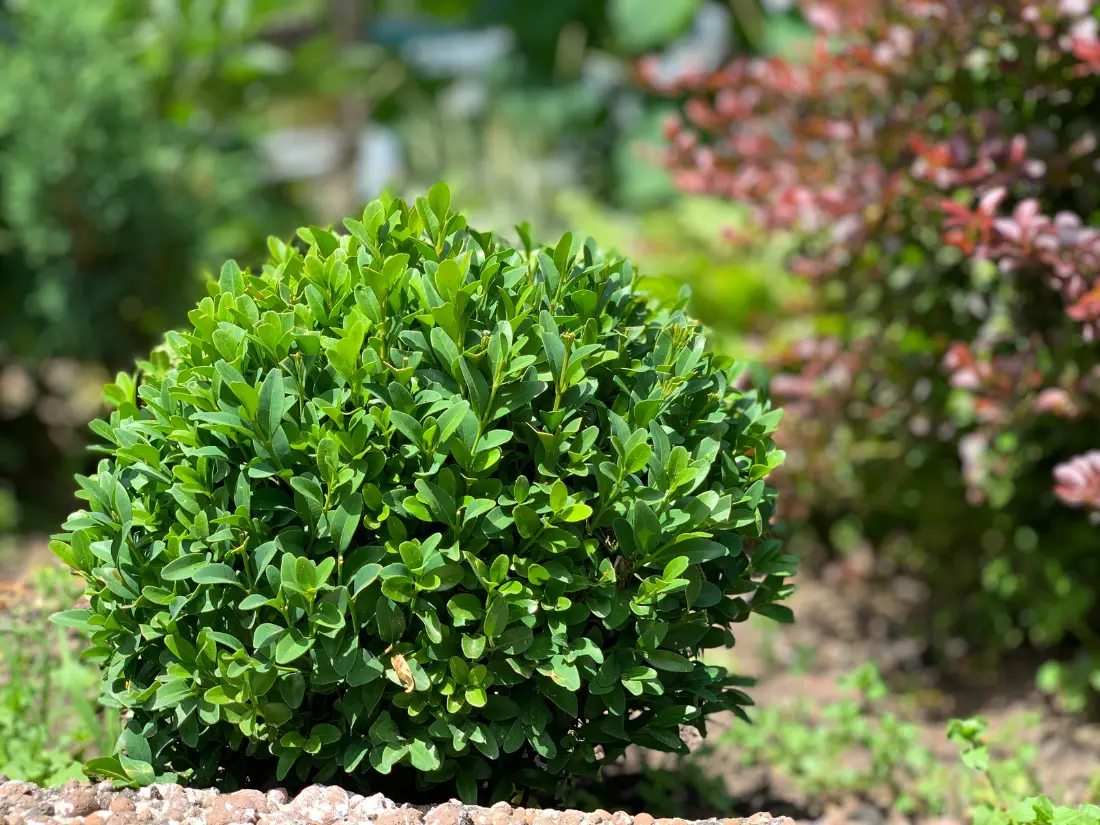
Boxwood is the ultimate structured broadleaf evergreen, providing formal structure, vibrant green color through all four seasons, and unmatched versatility for shaping.
-
Foliage/Flower: Dense, glossy, deep green evergreen foliage.
-
Sun Exposure: Full sun, partial shade, or full shade.
-
USDA Zones: 5 to 9.
-
Best Use: Formal hedges, pathway edging, or structural accents.
Because Boxwood is evergreen, August planting is ideal; it allows roots to take hold so the shrub can maintain its lush green appearance throughout the coming winter months without drying out.
5. Abelia
Abelia is a graceful, arching shrub featuring multi-toned foliage and delicate, bell-shaped fragrant flowers that bloom continuously from summer right into late autumn.
-
Foliage/Flower: Pink-tinged white tubular blooms with bronze-tinted green leaves.
-
Sun Exposure: Full sun to partial shade.
-
USDA Zones: 6 to 9 (semi-evergreen in warmer regions).
-
Best Use: Mixed shrub borders, pollinator gardens, or slope stabilization.
This is a top choice for home growers who want prolonged late-season bloom color. Abelia thrives in August warmth and immediately attracts butterflies to your garden.
6. Rose of Sharon
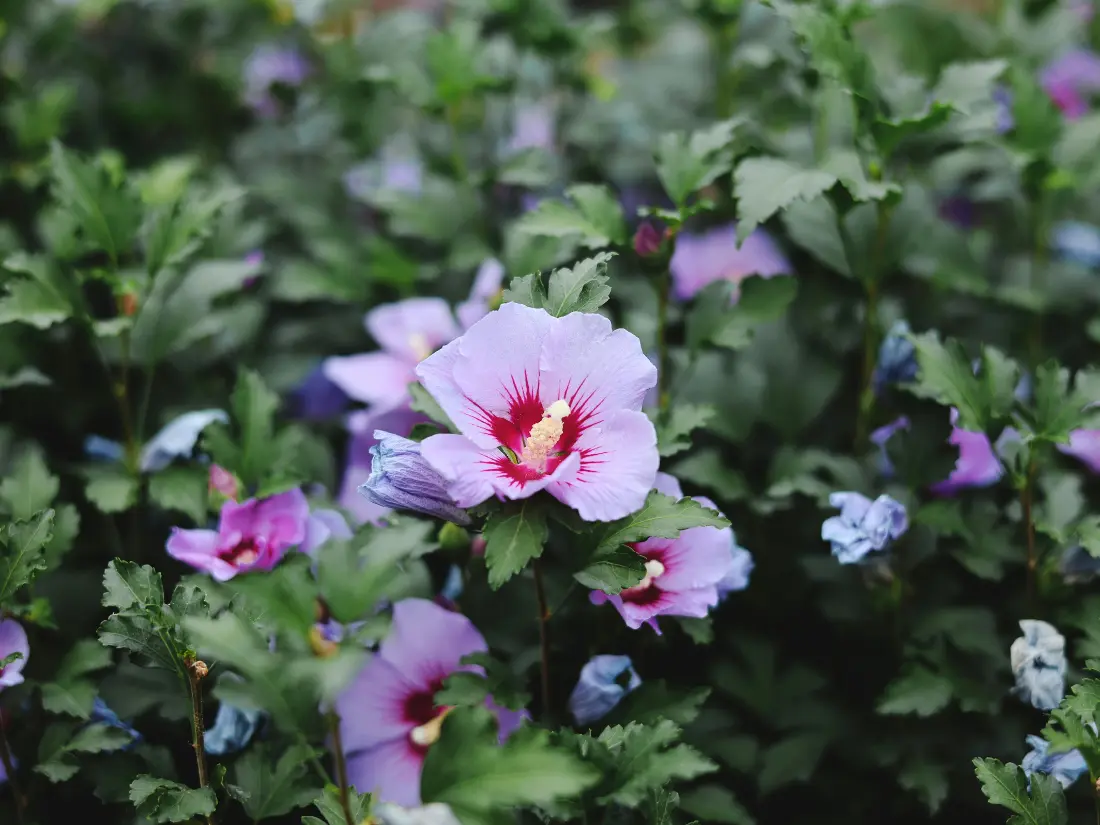
A hardy member of the hibiscus family, Rose of Sharon produces large, tropical-looking flowers late in the season when many other shrubs have finished blooming.
-
Foliage/Flower: Showy lavender, pink, or white blooms with striking deep red centers.
-
Sun Exposure: Full sun.
-
USDA Zones: 5 to 9.
-
Best Use: Vertical accents, garden focal points, or flowering privacy screens.
Rose of Sharon naturally peaks during late summer, making August planting a seamless transition for this heat-tolerant powerhouse.
How Warm Soil Accelerates Root Growth
If you really want to understand why late-summer planting works so well, think of soil like a natural engine. Early spring soil is cold and sluggish, whereas August soil is warmed from months of summer sunshine.
The August Advantage: Warm soil triggers root cells to divide rapidly. Even though top growth slows down as autumn approaches, underground root systems grow aggressively right up until the ground freezes!
Gardeners often describe August planting as similar to giving a runner a head start in a race. By the time spring arrives, an August-planted shrub already has an established root system ready to pump water and nutrients straight to new spring growth.
Tips for Successfully Planting Shrubs in August
For buyers: Look for healthy, well-hydrated container plants at your local nursery. End-of-season sales offer fantastic bargains, but check that plants are not severely root-bound.
For gardeners:
-
Water deeply and consistently: Late summer heat requires thorough, deep watering 2–3 times a week rather than light daily sprinklings.
-
Apply a heavy layer of mulch: Add a 3-inch layer of organic mulch around the root zone to conserve moisture and keep soil temperatures stable.
-
Plant during cooler hours: Dig your holes in the early morning or late evening to minimize heat shock on root systems.
Conclusion
When it comes to building a vibrant landscape, spring gets all the glory, but smart gardeners know that August is the true secret weapon. From the bold elegance of Hydrangea to the continuous fragrant blooms of Abelia and the structural perfection of Boxwood, planting in late summer sets you up for long-term success.
Think of planting shrubs in August like investing early in a high-yield savings account. You put in a little effort now while the soil is warm, and by next spring, you reap massive dividends in vibrant foliage and explosive blooms. Whether you are buying discounted nursery stock or finally filling that empty garden bed, taking action in August will make your yard more beautiful for years to come.
Frequently Asked Questions (FAQs)
Q1. Is August really a good month to plant shrubs? Yes! The warm soil in August encourages rapid root development before winter dormancy, allowing plants to establish much faster than in cold spring soil.
Q2. How often should I water newly planted shrubs in August? Soak the root zone thoroughly 2 to 3 times per week, depending on rainfall and heat. Deep soaking encourages roots to grow deep into the ground rather than stay near the surface.
Q3. Will frost damage shrubs planted in August? Generally no. Shrubs planted in August have 2 to 3 full months to establish strong roots before the first hard freeze arrives, making them quite frost-resilient by winter.
Q4. Should I fertilize shrubs planted in late summer? It is best to hold off on high-nitrogen fertilizers in late summer, as you want the plant to focus its energy on underground root establishment rather than tender new leaf growth that could be damaged by early frost.
Q5. Can I plant evergreen shrubs like Boxwood in August? Absolutely. Evergreens do fantastic when planted in late summer, provided you keep them well-watered through autumn so their roots absorb enough moisture before the ground freezes.
Related Posts:

How to Grow Arbequina Olive Trees: The Ultimate Guide to Your Own Olive Grove
Arbequina Olive Tree (Olea europaea ‘Arbequina’) – the ultimate Mediterranean plant that brings a touch [...]
Oct
Growing Garlic in Containers This Fall: A Complete Guide for Beginners
If you’ve ever wanted to pop fresh, aromatic garlic cloves straight from your own patio [...]
Sep
Growing Camellia Sinensis (Tea Plants) in Containers: A Complete Guide for Beginners
If you’ve ever wanted to sip a steaming, homegrown cup of fresh green, black, or [...]
Aug
6 Best Shrubs to Plant in August You Must Try
Have you ever walked through a nursery late in the summer, admired the vibrant shrubs [...]
Aug
Growing Everbearing Strawberries in Containers: A Complete Guide for Beginners
Want to grow sweet, fresh strawberries but do not have a large garden? Everbearing strawberries [...]
Aug
Growing Egyptian Walking Onions in Containers: A Complete Guide for Beginners
If you’re looking for a hardy, no-fuss perennial onion that keeps on giving year after [...]
Jul