
African Violet Live Plant – Pink Blooming, Indoor/Outdoor Houseplant, 3-5 Inch Tall, 4 Inch Pot
Original price was: $44.99.$24.99Current price is: $24.99.
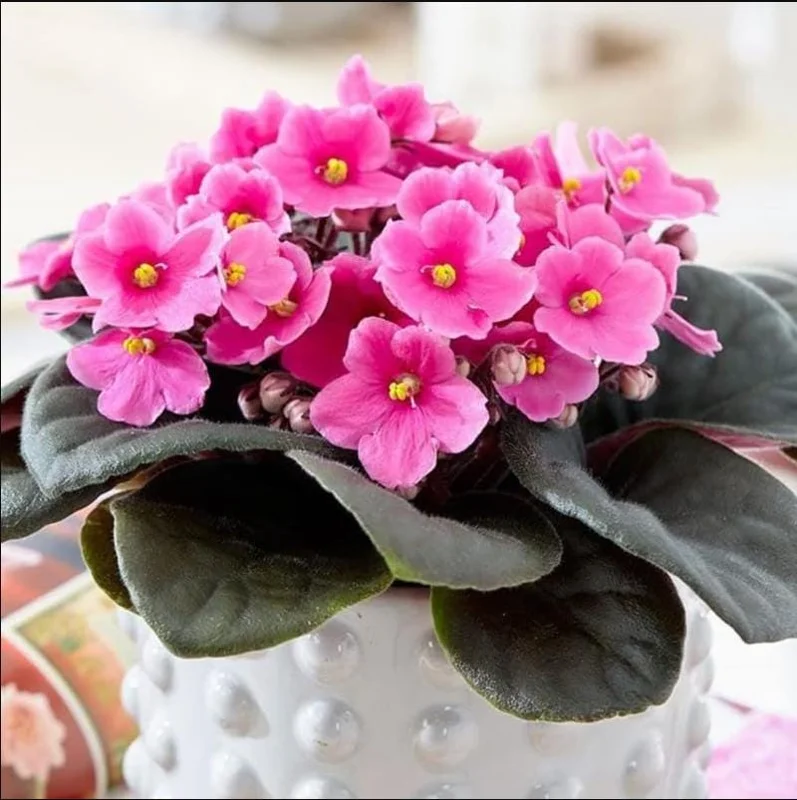
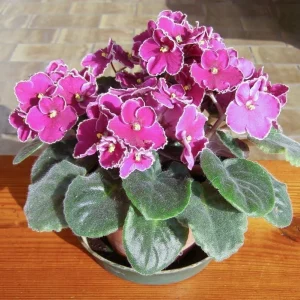
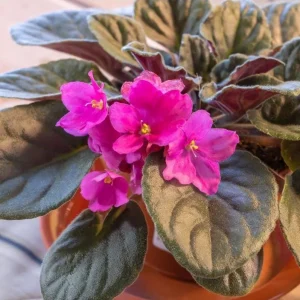
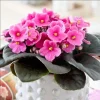
Bring vibrant color to your home with a beautiful African violet live plant. This starter plant, rooted in a 4-inch nursery pot, is perfect for adding a touch of elegance to any indoor or outdoor space. Known for its charming pink blooms and easy care, it’s an ideal choice for both novice and experienced plant enthusiasts.
Estimated arrival
Mar 21
Mar 26 - Mar 28
Mar 31 - Apr 04

Reasonable Price
We offer reasonable price

Support 24/7
Contact us 24 hrs a day

100% Money Back
You've 30 days to Return

Payment Secure
100% secure payment
Overview
Introduce a splash of vibrant color and delicate charm into your living space with our exquisite African violet live plant. This popular houseplant, scientifically known as Saintpaulia, is cherished for its beautiful, velvety leaves and continuous, showy blooms. Our offering is a healthy starter plant, carefully nurtured in a 4-inch nursery pot, ready to thrive in your home. While your young plant may not be in flower upon arrival, it is well-rooted and prepared to grow into a mature specimen that will produce an abundance of lovely pink blossoms. African violets are a classic choice for indoor gardening, celebrated for their compact size and ability to flower throughout the year under optimal conditions. They add a touch of natural elegance to windowsills, desks, and shelves, making them a favorite among plant lovers.
The African violet live plant is renowned for its adaptability and relatively straightforward care requirements, making it an excellent option for those new to houseplants as well as seasoned gardeners. Its charming appearance and consistent blooming habit ensure it remains a focal point in any room. We provide you with a robust starter plant, ensuring a strong foundation for a thriving and beautiful addition to your collection.
Key Benefits
Owning an African violet live plant offers numerous advantages, transforming your home environment with its aesthetic appeal and easy maintenance:
- Continuous Blooms: African violets are celebrated for their ability to produce flowers almost year-round, providing a consistent source of beauty and color in your home. Enjoy the delightful sight of vibrant pink blossoms.
- Compact Size: These plants remain relatively small, making them perfect for windowsills, office desks, or small apartments where space is a premium. They fit beautifully into any interior design.
- Air Purification: Like many houseplants, African violets contribute to a healthier indoor environment by helping to filter airborne toxins and improve air quality, creating a fresher atmosphere.
- Easy Care: Despite their delicate appearance, pink African violet plants are surprisingly resilient and low-maintenance, requiring consistent but not overly demanding care, making them ideal for beginners.
- Versatile Placement: Suitable for both indoor and sheltered outdoor environments, these plants can brighten up various spaces, from living rooms to shaded patios.
- Stress Reduction: The presence of living plants, especially flowering ones, has been shown to reduce stress and improve mood, contributing to a more peaceful and pleasant home.
- Aesthetic Appeal: With their lush, fuzzy leaves and cheerful blooms, African violets add a touch of timeless elegance and natural beauty to any decor style, enhancing the visual appeal of your space.
Plant Care & Growing Tips
Caring for your African violet live plant is a rewarding experience that ensures beautiful blooms and healthy growth. These plants thrive with consistent care adapted to their specific needs. For sunlight, African violets prefer bright, indirect light. Placing them near a north or east-facing window is often ideal. If you only have south or west-facing windows, ensure the plant is set a few feet back or diffused with a sheer curtain to prevent leaf scorching from direct sun. Intense, direct sunlight can burn their delicate leaves, while too little light will result in sparse flowering. The ideal temperature range for African violets is between 65-75°F (18-24°C). Avoid sudden temperature fluctuations and keep them away from cold drafts or direct heat sources.
When it comes to watering, consistency is key. Keep the soil consistently moist but never soggy. It’s best to water when the top inch of soil feels dry to the touch. African violets are sensitive to cold water on their leaves, which can cause spotting, so use room-temperature water and try to water from the bottom or directly onto the soil surface, avoiding the foliage. Good drainage is crucial; ensure your pot has drainage holes. Use a well-draining, slightly acidic potting mix specifically formulated for African violets or a general-purpose potting mix amended with perlite and vermiculite. Fertilize every 2-4 weeks during the growing season (spring and summer) with a balanced liquid fertilizer diluted to half strength. During fall and winter, reduce fertilization frequency.
Humidity is also important for a thriving indoor violet plant. Aim for moderate to high humidity (around 50-60%). You can achieve this by placing the pot on a pebble tray filled with water (making sure the pot isn’t sitting in the water) or by using a room humidifier. Regularly remove spent flowers and yellowing leaves to encourage new growth and more blooms. Watch out for common pests like spider mites or mealybugs, and address them promptly with appropriate organic solutions if they appear. Providing these optimal conditions will ensure your African violet care routine results in a lush, blooming specimen.
Size & Details
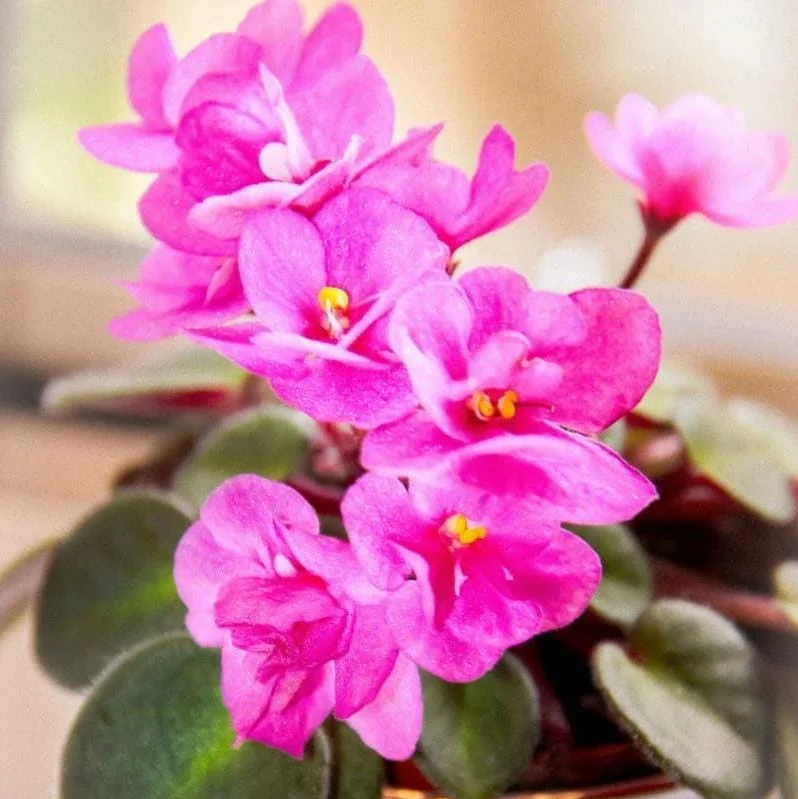
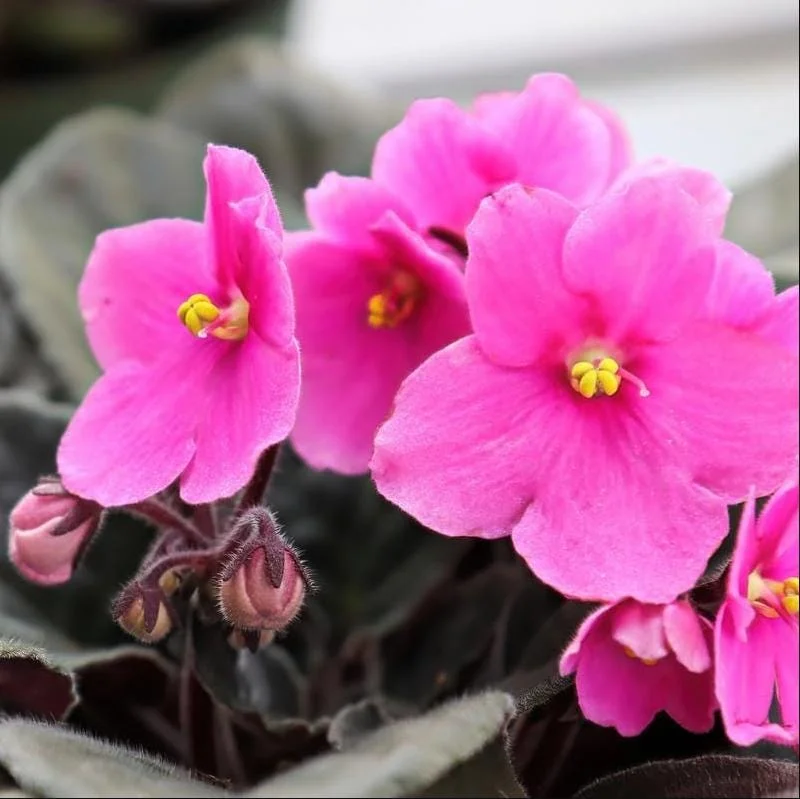
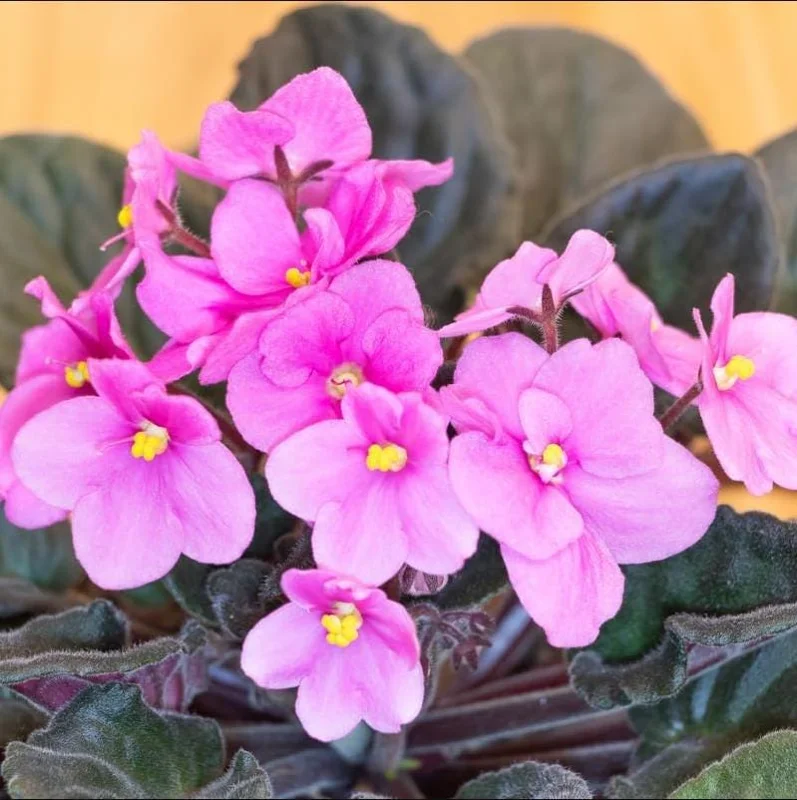
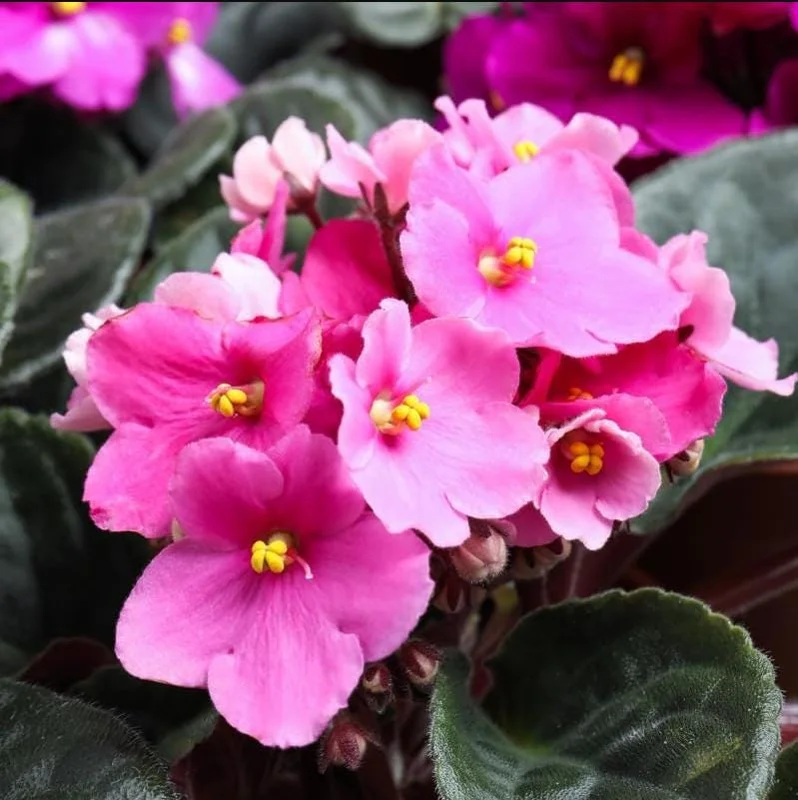
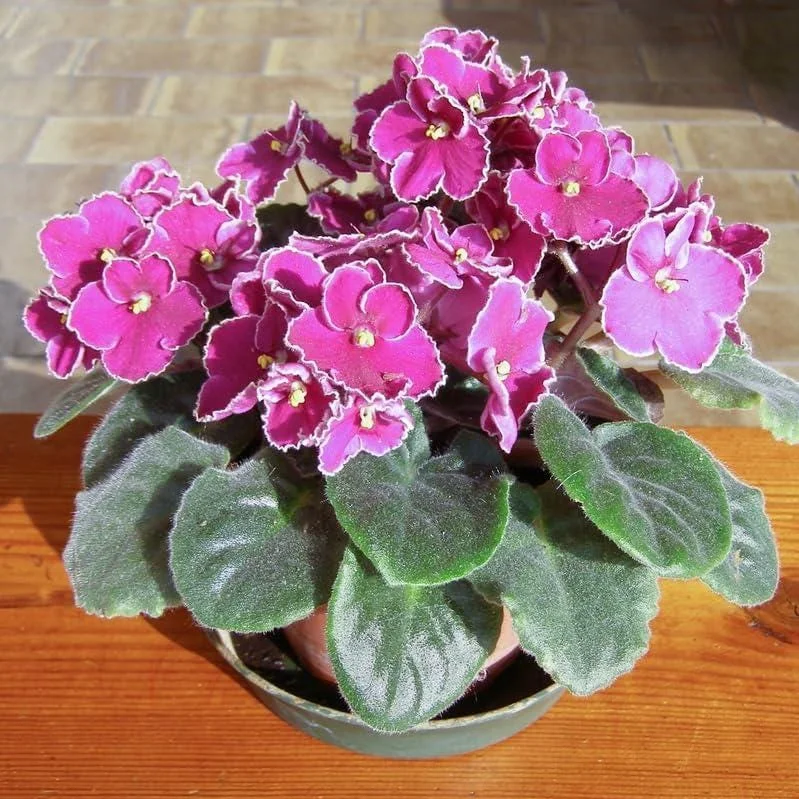
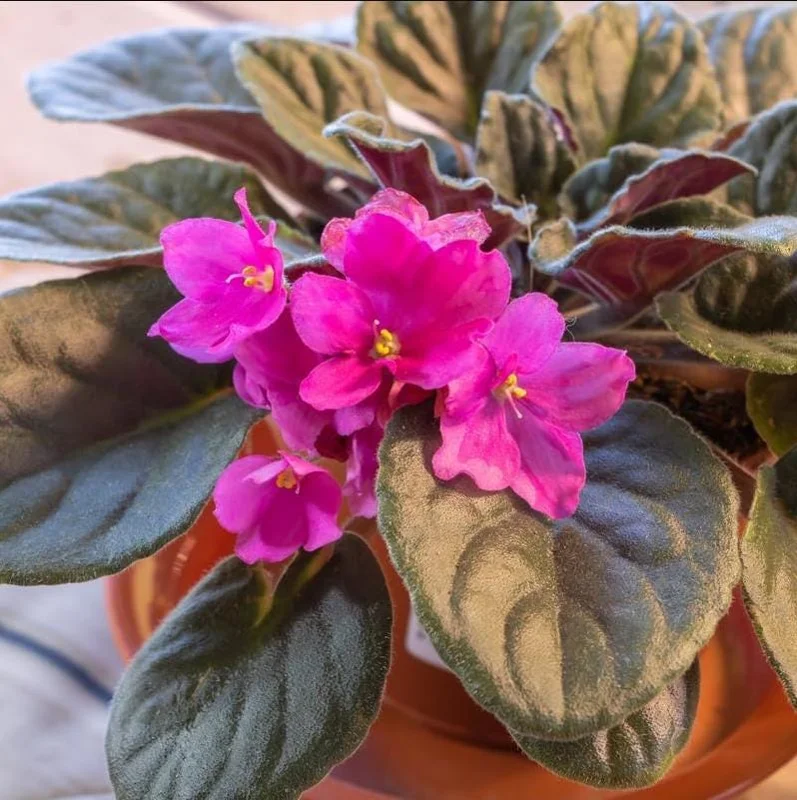
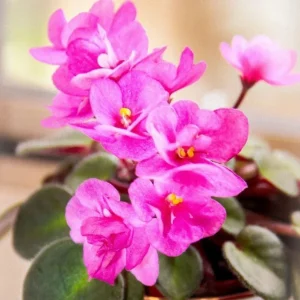
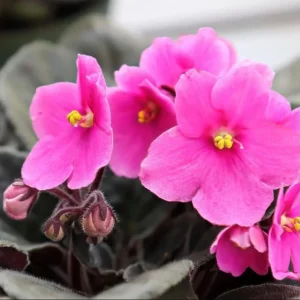
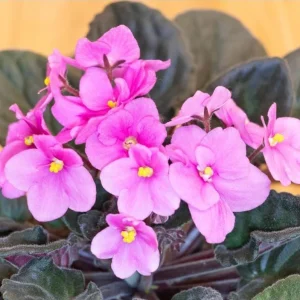
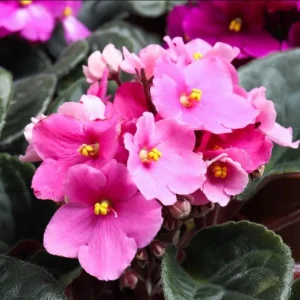
This offering includes one healthy African violet live plant, which arrives as a well-rooted starter plant. Each plant is grown in a 4-inch nursery pot, providing a stable foundation for its initial growth. The plant’s height typically ranges from 3 to 5 inches tall at the time of shipment, ready to establish itself in your home. While mature African violets can reach 6-8 inches in height and spread, your starter plant is young and will grow into these dimensions over time. It is important to note that photos showing mature, blooming plants are for reference only, as your starter plant will be young and likely without flowers upon arrival. With proper care, you can expect your plant to begin blooming within a few months, bringing beautiful pink flowers to your space. African violets have a moderate growth rate, gradually filling out their pots and producing abundant foliage and blooms.
Frequently Asked Questions
- Q: How big does this African violet plant get? A: Your starter plant will arrive 3 to 5 inches tall. With proper care, a mature African violet live plant typically grows to about 6-8 inches in height and spread, forming a lush, compact mound of foliage and flowers.
- Q: Is this an indoor or outdoor plant? A: This is primarily an indoor violet plant, thriving in controlled indoor environments. It can be placed outdoors in very sheltered, shady locations during warm weather, but it is not frost-tolerant and should be brought indoors before temperatures drop.
- Q: How much sunlight does it need? A: African violets require bright, indirect light. An east or north-facing window is ideal. Avoid direct, harsh sunlight, especially in the afternoon, as it can scorch the leaves.
- Q: What condition will it arrive in? A: You will receive one healthy, well-rooted African violet starter plant in a 4-inch nursery pot. It will be carefully packaged to ensure a safe journey, though it may not be in bloom upon arrival.
- Q: Is this plant easy to care for? A: Yes, African violets are considered relatively easy to care for, making them suitable for beginners. Consistent watering, appropriate light, and moderate humidity are key components of successful African violet care.
- Q: How long until it blooms? A: Your starter plant is young, so it may take a few weeks to a few months to settle into its new environment and begin producing its vibrant pink African violet blooms. Patience and consistent care will be rewarded with beautiful flowers.
- Q: What is the best way to water my African violet? A: Water when the top inch of soil feels dry. It’s best to water from the bottom by placing the pot in a saucer of room-temperature water for 20-30 minutes, or directly onto the soil surface, avoiding the leaves to prevent spotting and fungal issues.
- Q: What kind of soil is best for African violets? A: A well-draining, slightly acidic potting mix is ideal. Many garden centers offer specific African violet potting mixes, or you can create your own by mixing regular potting soil with perlite and vermiculite for enhanced drainage and aeration.
- Q: Can I propagate this plant? A: Yes, African violets are easily propagated from leaf cuttings. Simply place a healthy leaf stem in water or moist potting mix, and new plantlets will eventually form at the base.
- Q: Why are my African violet leaves turning yellow? A: Yellowing leaves can indicate various issues, including overwatering, underwatering, nutrient deficiencies, or too much direct sunlight. Review your African violet care routine to identify and correct the problem.
Be the first to review “African Violet Live Plant – Pink Blooming, Indoor/Outdoor Houseplant, 3-5 Inch Tall, 4 Inch Pot”
-
USDA Hardiness Zone
unknown (primarily indoor plant) -
Soil Type
well-draining, slightly acidic potting mix -
Sunlight Exposure
bright indirect light -
Expected Planting Period
year-round indoors
People Also Viewd
Sold 128 products
Original price was: $27.00.$24.00Current price is: $24.00.
Sold 126 products
Original price was: $89.99.$64.99Current price is: $64.99.

Sold 125 products
Original price was: $86.99.$66.99Current price is: $66.99.
Sold 124 products
Original price was: $3,536.00.$23.99Current price is: $23.99.
Sold 116 products
Original price was: $27.99.$16.99Current price is: $16.99.
Flower Bulbs
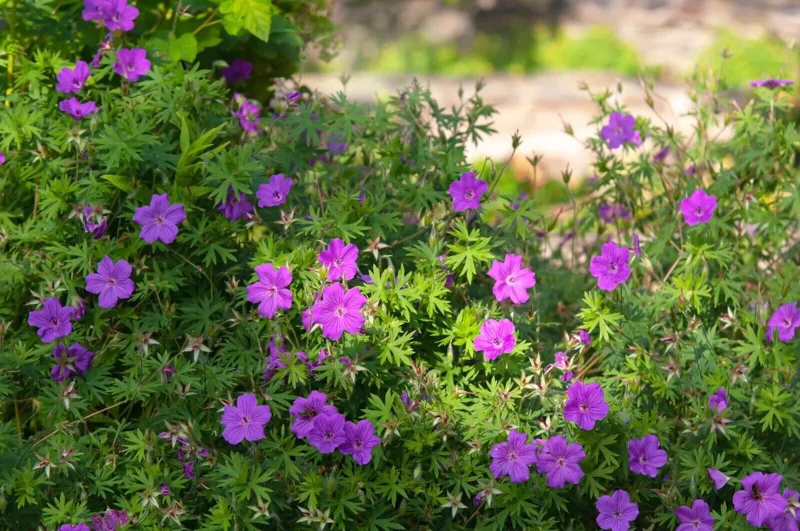
3 Cranesbill Wild Geranium Organic Maculatums Bare Roots | Wildflower for Outdoor Garden
Sold 114 products
Original price was: $21.99.$6.99Current price is: $6.99.
Sold 114 products
Original price was: $28.99.$17.99Current price is: $17.99.
Sold 109 products
Original price was: $63.99.$28.99Current price is: $28.99.RELATED posts
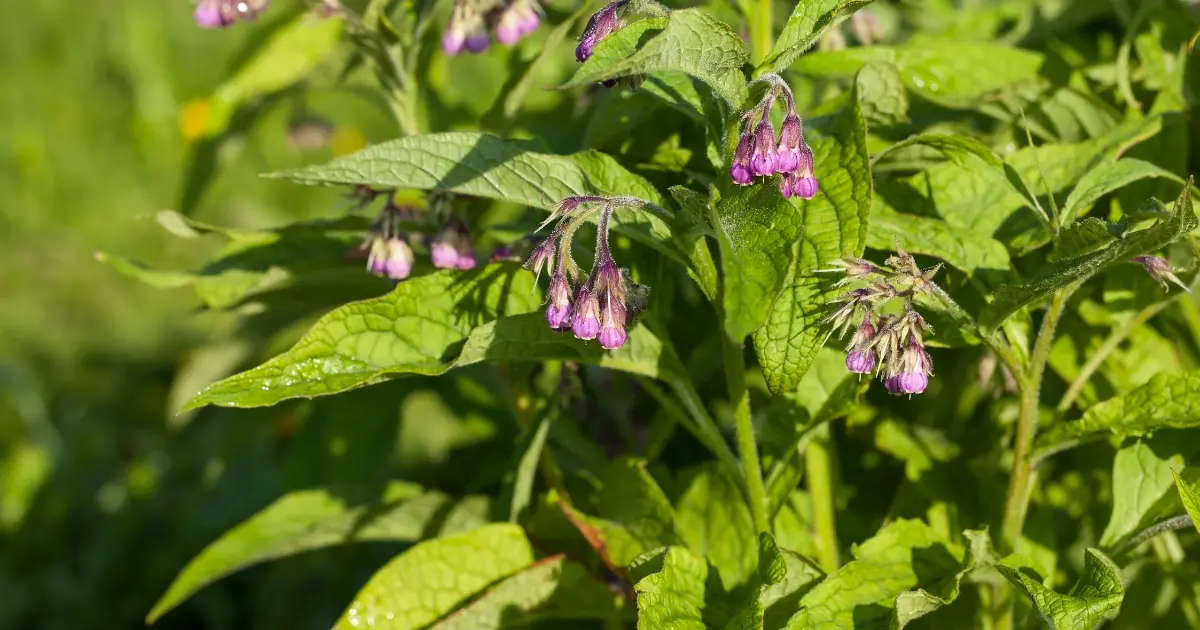
How to Identify Bocking 14 Comfrey: 5 Simple Visual Signs
If you’re growing comfrey for mulch, compost, or animal feed, knowing exactly which variety you [...]
Mar
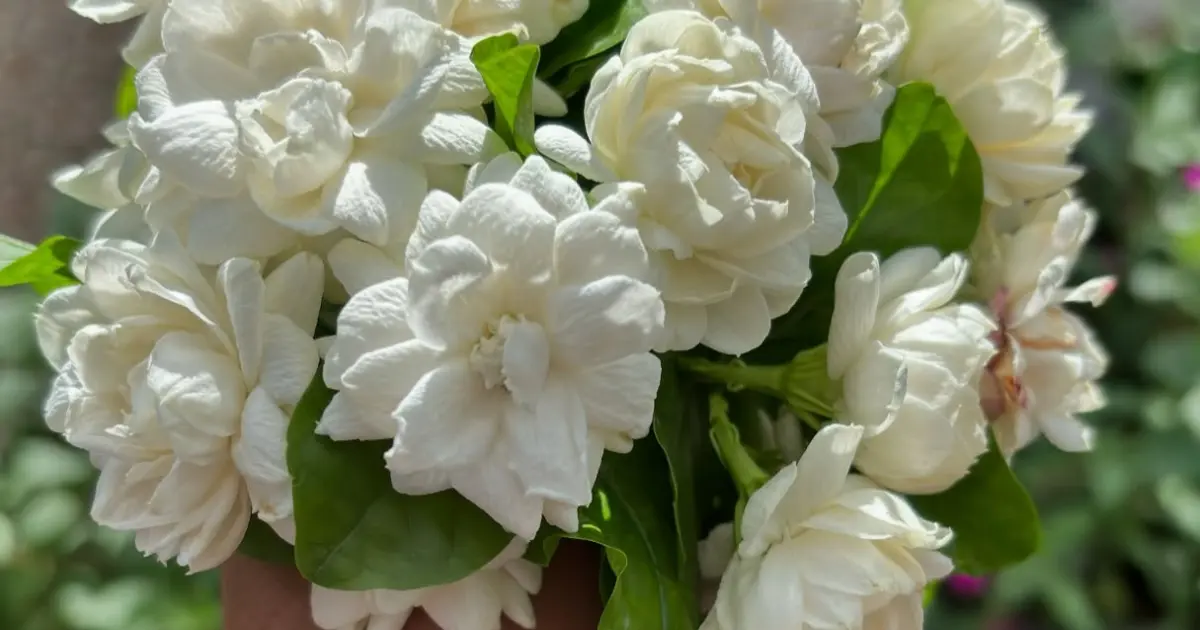
Grand Duke of Tuscany Jasmine: The Ultimate Guide to Growing a Fragrant Masterpiece
Have you ever caught a scent in the air so rich, creamy, and honey-sweet that [...]
Mar
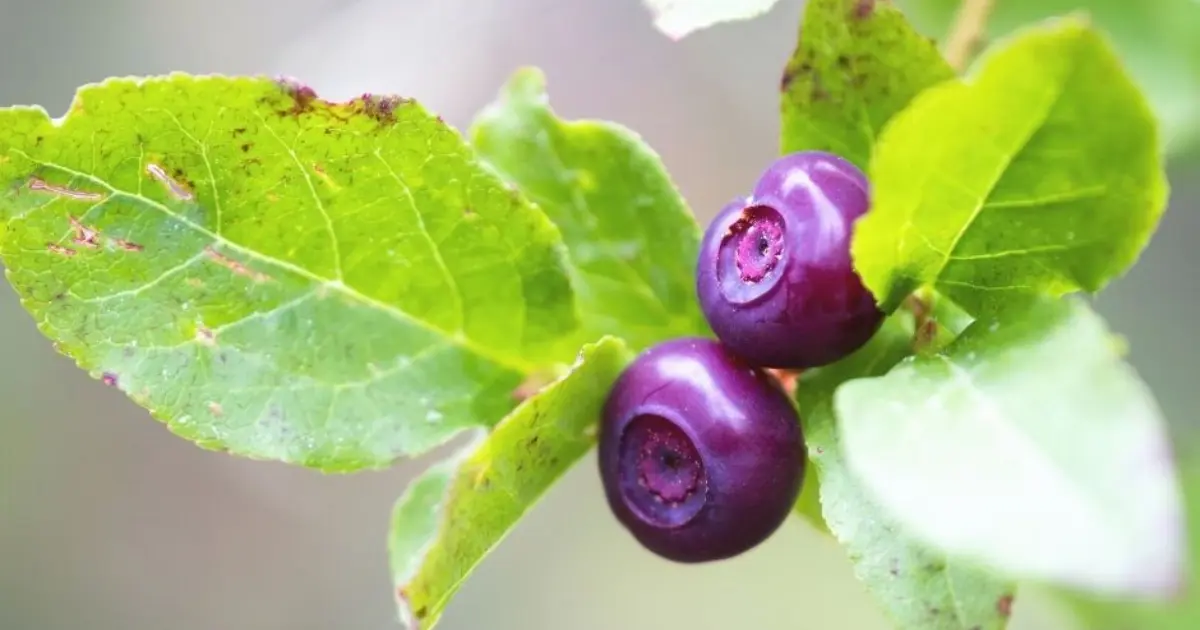
How to Grow Wild Huckleberries: A Guide to “Purple Gold”
Have you ever spent a summer afternoon hiking through the Pacific Northwest or the Rocky [...]
Mar
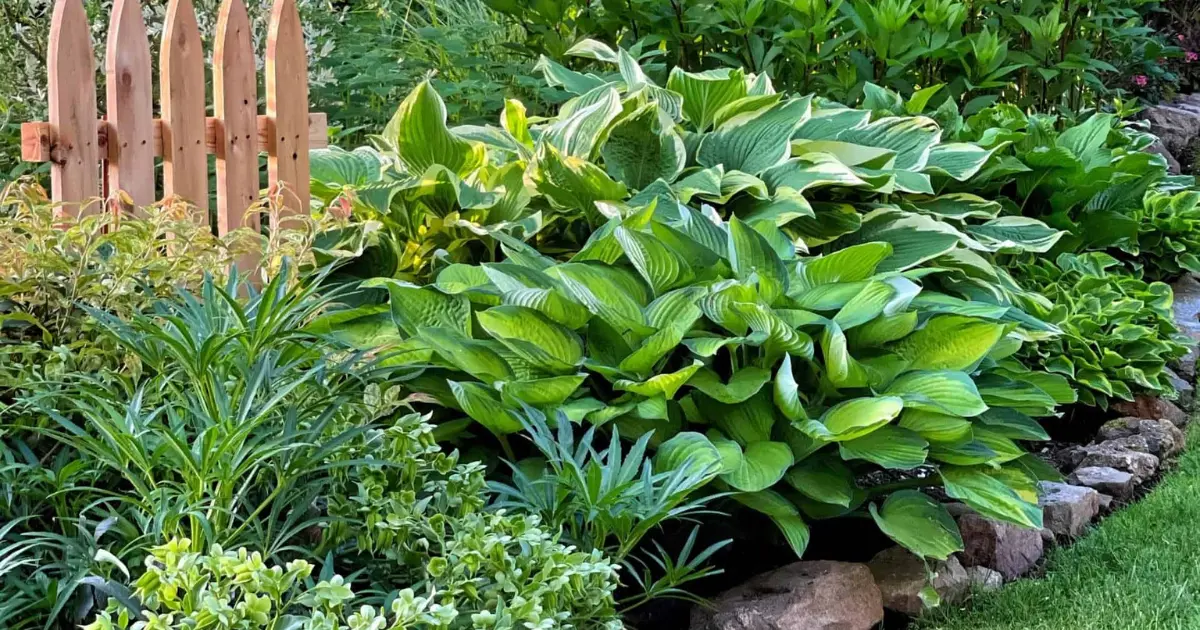
5 Best Shade-Loving Perennials for a Lush, Vibrant Garden
The world of gardening often shines a spotlight on sun-drenched blossoms, but there is a [...]
Mar

7 Common Curry Leaf Plant Problems: Easy Fixes for a Thriving Plant
Is your curry leaf plant looking a bit sad lately? Maybe you woke up to [...]
Mar
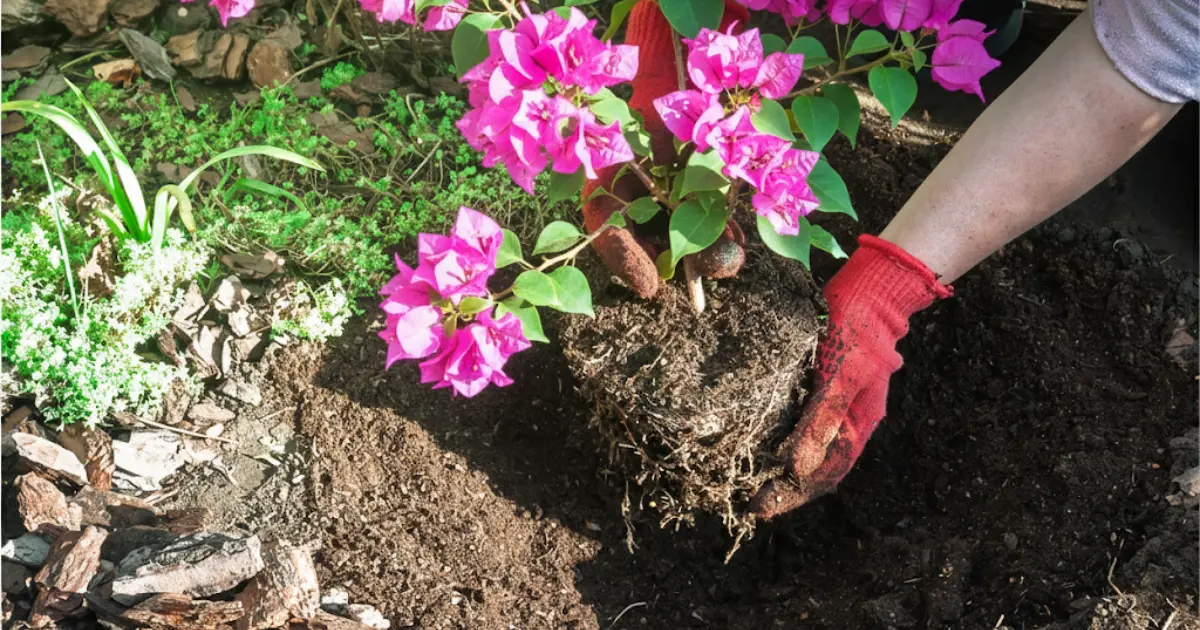
Best Time to Plant Bougainvillea: Timing for Vibrant Blooms
If you’re looking for a hardy tropical vine that delivers a riot of neon color, [...]
Feb
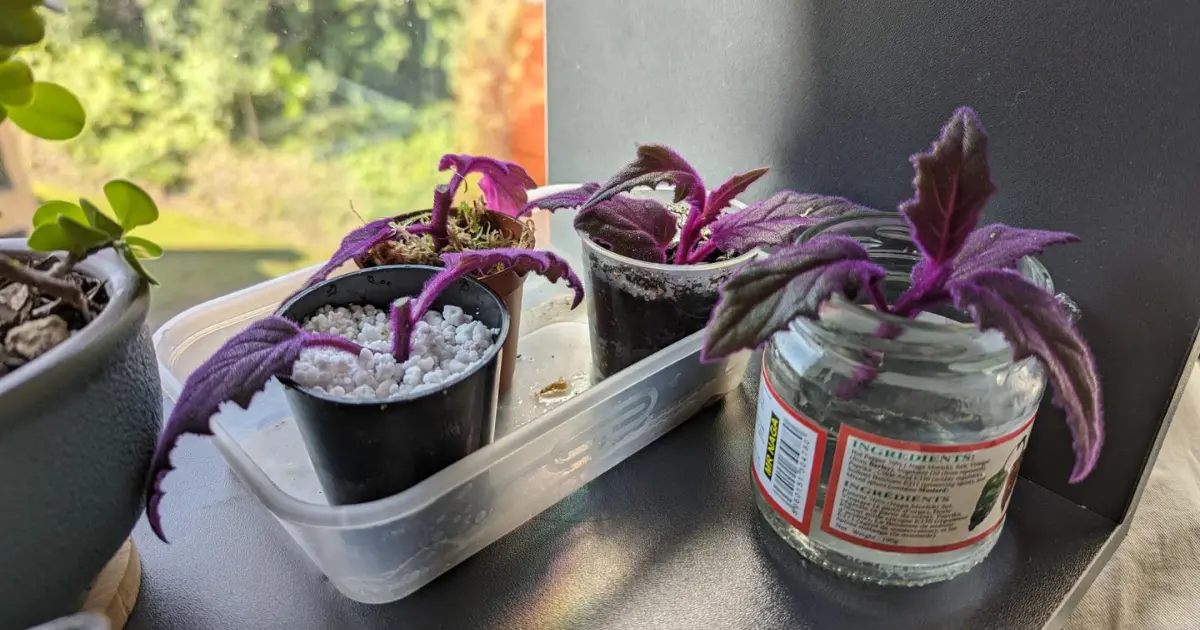
How to Propagate Purple Passion Plants (Gynura aurantiaca)
Have you ever been mesmerized by the neon-purple glow and fuzzy, velvet-like leaves of a [...]
Feb

How to Grow Beauregard Sweet Potatoes: From Slips to a Bountiful Harvest
Are you ready to add a classic, heavy-hitting favorite to your vegetable patch? If you’ve [...]
Feb
Reviews
There are no reviews yet.